




Top 20 Most Common Insects in Davenport
Insects, complex and remarkably diverse creatures, are integral to the ecosystem of Davenport. They play myriad roles, from pest controller to pollinator, directly impacting the city's environment. In the midst of Davenport's dense urban habitats, finding the top 20 most common insects is like unearthing living, buzzing secrets promised to be both intriguing and educational. Let's embark on this enthralling exploration together.

Most Common Insects
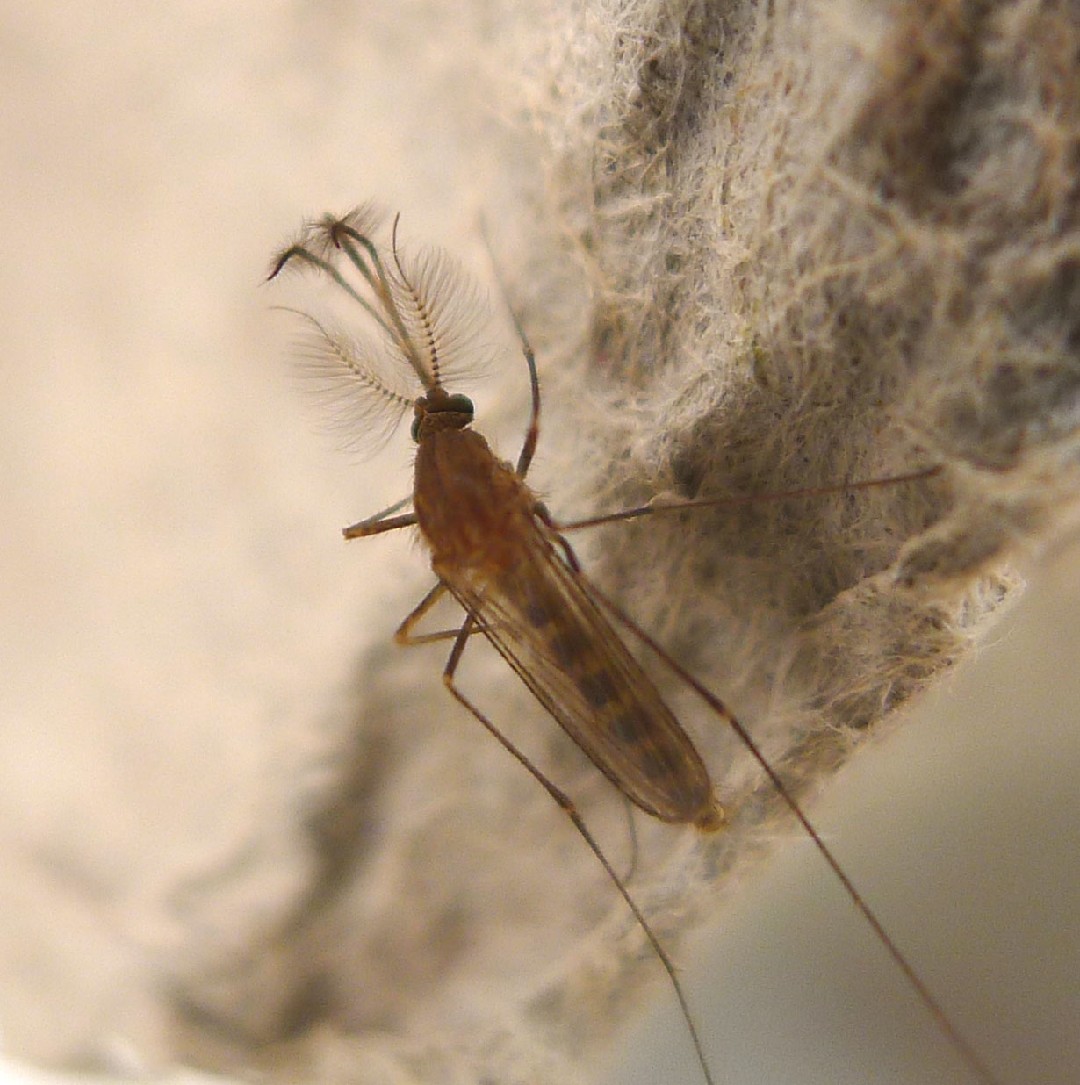
1. Common house mosquito
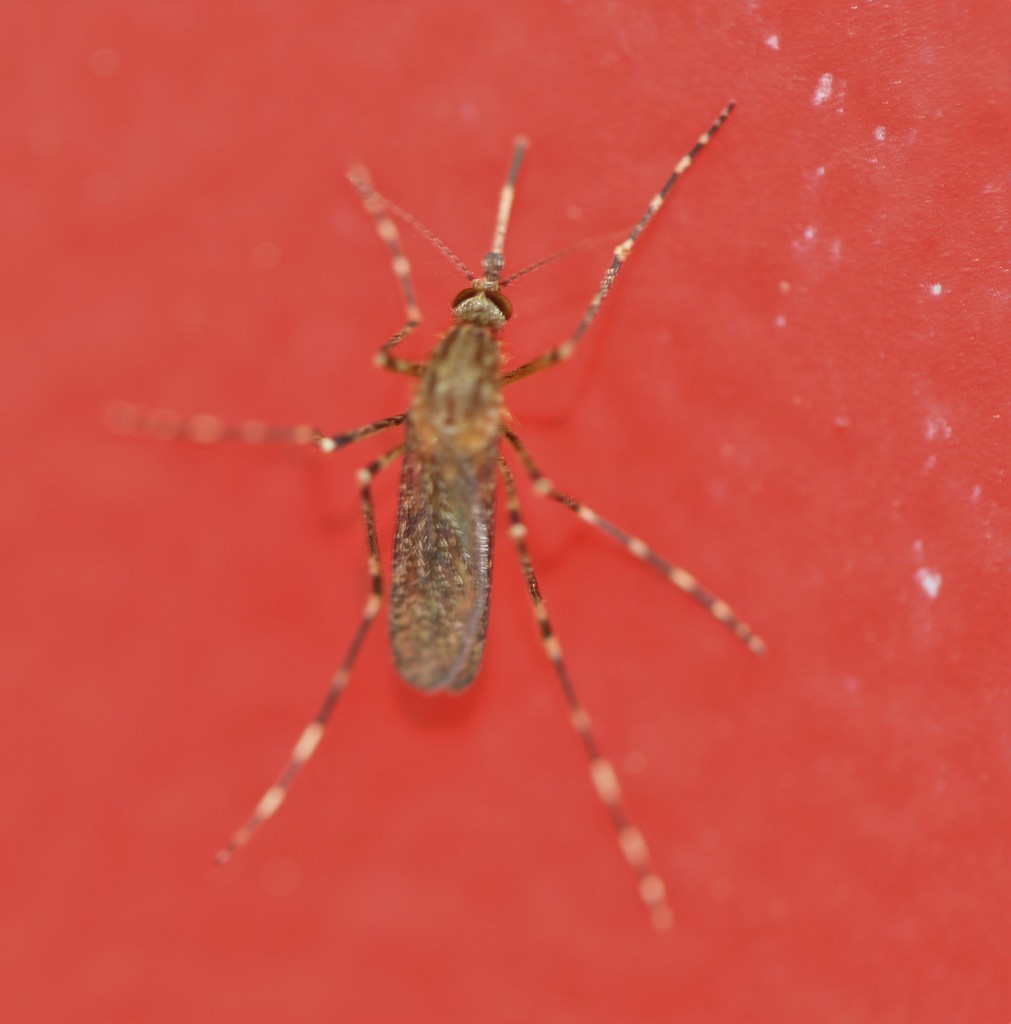
Among the most common mosquitos in the Unites States, common house mosquito (Culex pipiens) is a ubiquitous biting pest. It has adapted to thrive in human-touched conditions and even to feed on the blood of avian species closely connected to humans, such as pigeons and doves. However, only females consume blood; the males survive on sap and nectar.
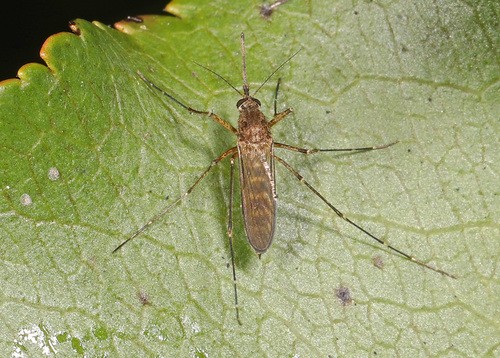
2. Inland floodwater mosquito
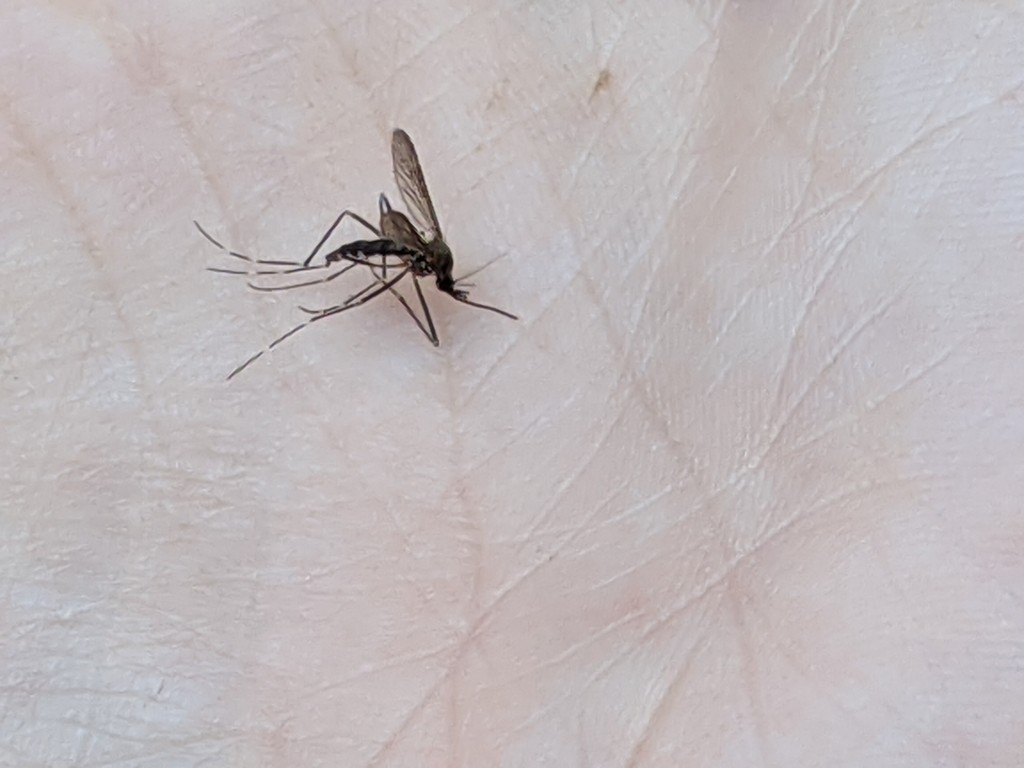
A common species of mosquito, inland floodwater mosquito (Aedes vexans) is often encountered near areas containing water such as grassy pools, shallow ponds, and even wet ditches. Only the females bite humans for their blood, as males subsist upon nectar and sap. Inland floodwater mosquito is a noted carrier of diseases such as Zika virus and myxomatosis.
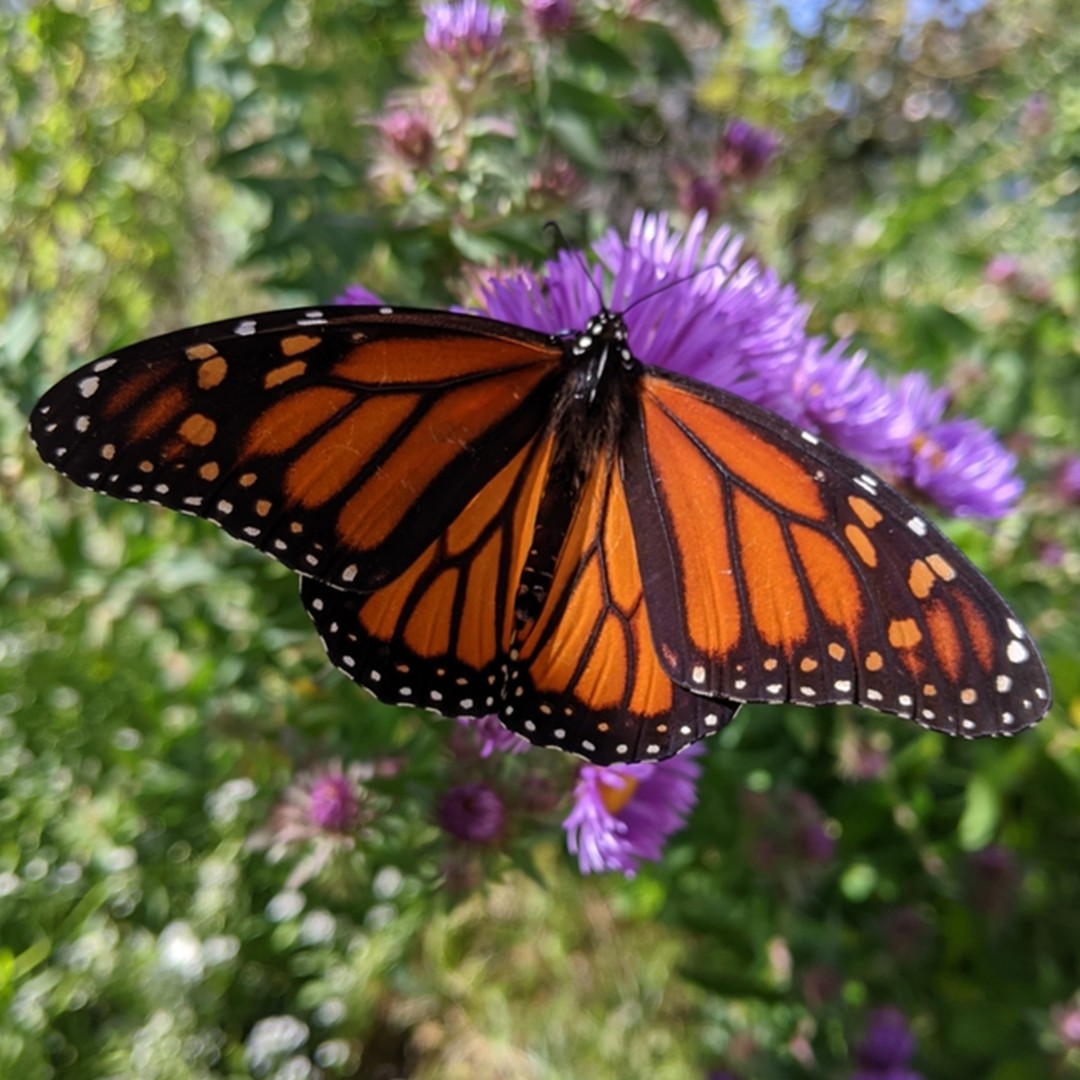
3. Monarch butterfly
The monarch butterfly (Danaus plexippus) is the most recognizable butterfly in North America. It is best known for its appearance, but should be better known for the fact that it has a 3000-mile migration that takes the butterfly 4 generations to complete. Their diet is also a natural deterrent for predators, as they eat milkweed, a poison that induces vomiting.
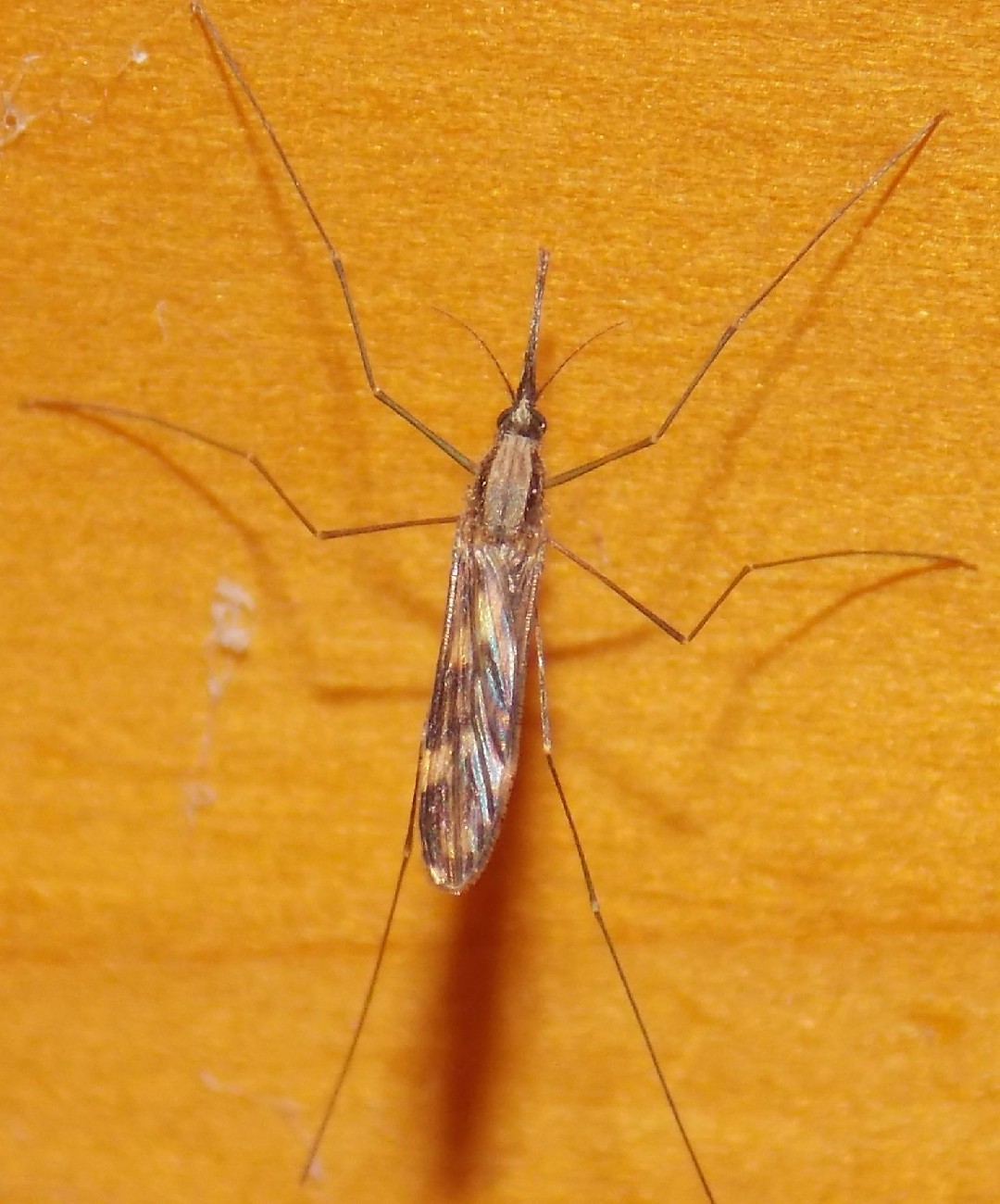
4. Woodland malaria mosquito
The woodland malaria mosquito (Anopheles punctipennis) is identified with a unique wing pattern when compared to other mosquitos. Otherwise, they are known to live inside of abandoned buildings or tree stumps during the winter period, which is why they enjoy woodlands. As stated by the name, it is also a vector for malaria, which is concerning given females enjoy blood meals.
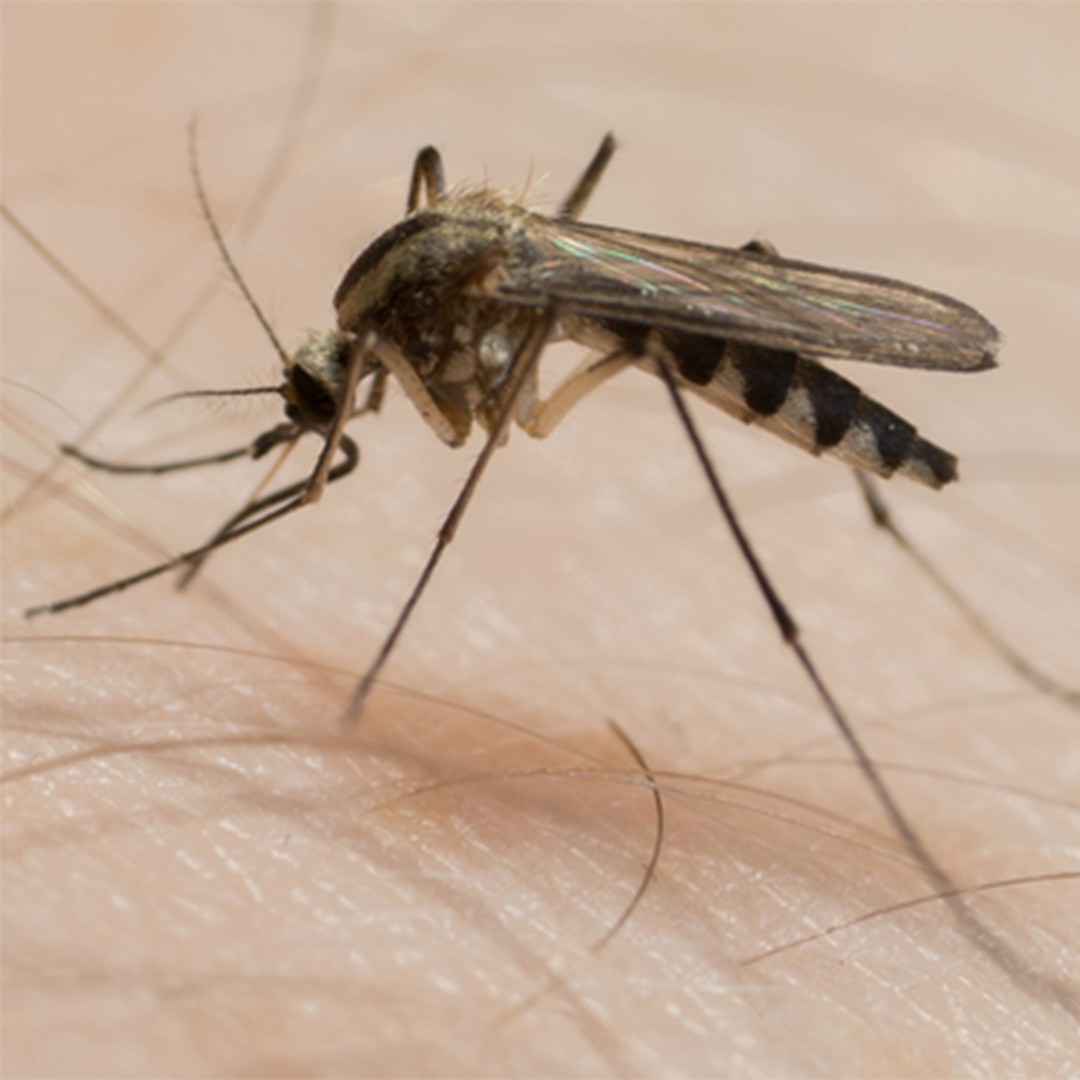
5. Plains floodwater mosquito
Plains floodwater mosquito has the unique ability to rapidly proliferate in floodwater, hence its name. This mosquito is both a voracious feeder and a vector, spreading diseases such as La Crosse Encephalitis with its bite. Its population spikes are directly connected to the frequency of floods, making it a species highly responsive to weather changes. Their presence offers a warning of ecological shifts and populations often serve as food for bats and birds, highlighting their dual role in ecosystem dynamics as both predator and prey.
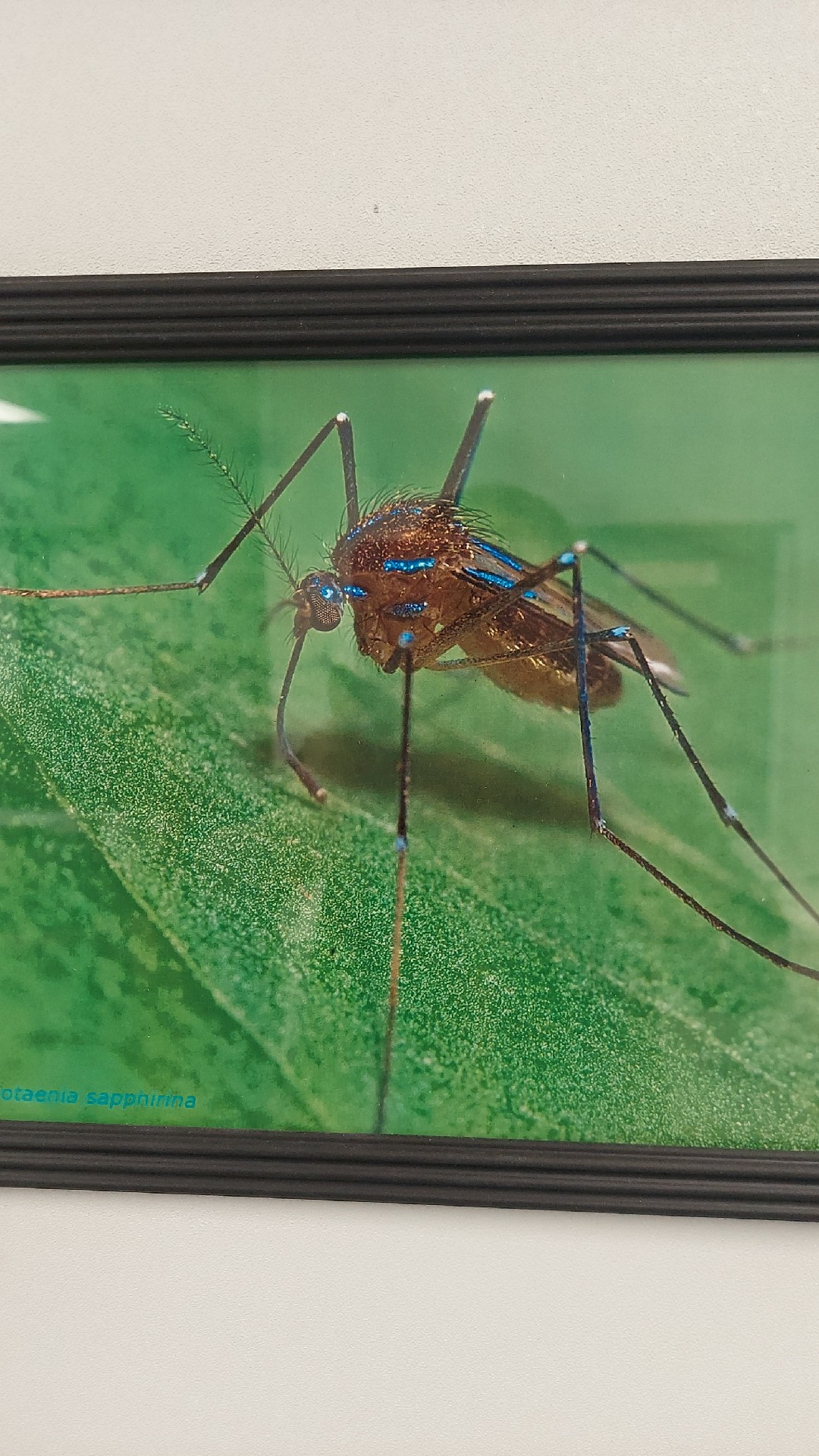
6. Uranotaenia sapphirina
Uranotaenia sapphirina is a species of mosquito in the family Culicidae. 
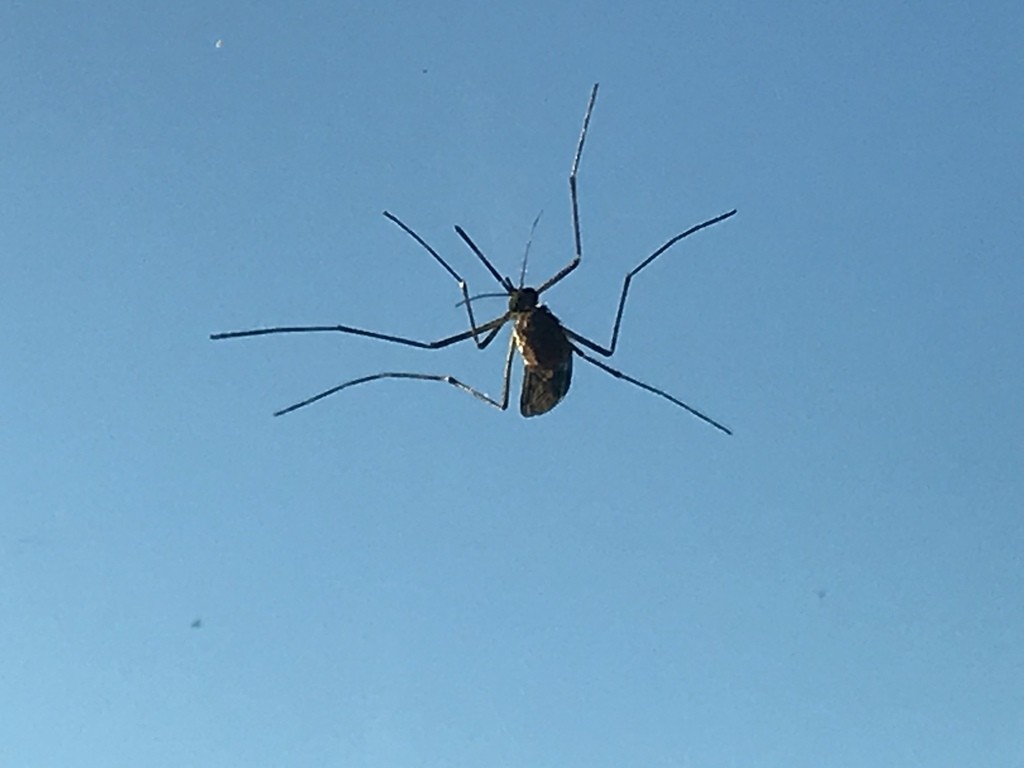
7. Western encephalitis mosquito
Depending on the species, the adult Culex mosquito may measure from 4–10 mm (0.2–0.4 in). The adult morphology is typical of flies in the suborder Nematocera with the head, thorax, and abdomen clearly defined and the two forewings held horizontally over the abdomen when at rest. As in all Diptera capable of flight, the second pair of wings is reduced and modified into tiny, inconspicuous halteres. Formal identification is important in mosquito control, but it is demanding and requires careful measurements of bodily proportions and noting the presence or absence of various bristles or other bodily features. In the field, informal identification is more often important, and the first question as a rule is whether the mosquito is anopheline or culicine. Given a specimen in good condition, one of the first things to notice is the length of the maxillary palps. Especially in the female, palps as long as the proboscis are characteristic of anopheline mosquitoes. Culicine females have short palps. Anopheline mosquitoes tend to have dappled or spotted wings, while culicine wings tend to be clear. Anopheline mosquitoes tend to sit with their heads low and their rear ends raised high, especially when feeding, while culicine females keep their bodies horizontal. Anopheline larvae tend to float horizontal at the surface of the water when not in motion, whereas culicine larvae float with head low and only the siphon at the tail held at the surface.
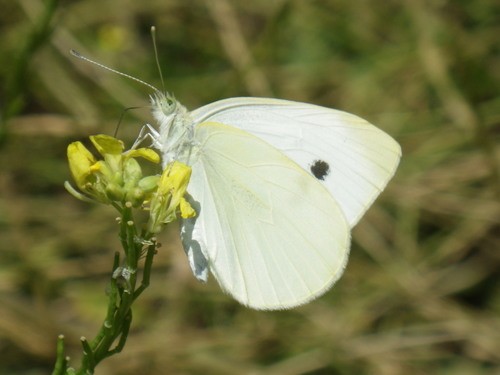
8. Cabbage white
Cabbage white (Pieris rapae) derives its common name from its habits as a caterpillar, which is a ferocious pest for cabbage, kale and broccoli farmers. In North America, it is one of the first butterflies to emerge in spring, heralding the beginning of the season.
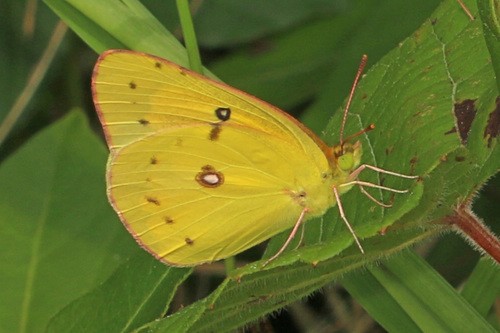
9. Orange sulphur
The Colias eurytheme, also known as the orange sulphur butterfly, is widely distributed in North America. It is easily found and recognized in the fields and gardens owing to its special characteristics. If you look carefully at it, you will see obvious orange color on the top of the wings and solid black borders, as well as a black spot on each forewing.
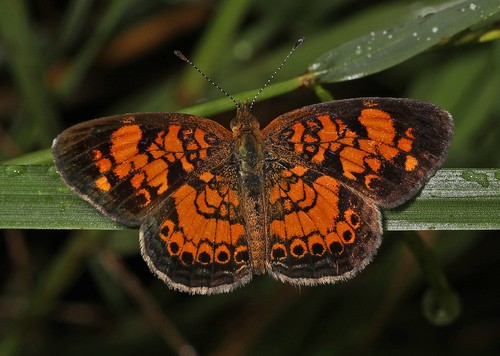
10. Pearl crescent
The pearl crescent (Phyciodes tharos) is an orange butterfly that lives in open areas that are generally moist and sunny. These butterflies are attracted to puddles, and the males will often fight with other male butterflies that land near the same puddle. However, females are not as aggressive and prefer to stay in groups.
More







