




Top 20 Most Common Insects in Natchitoches
Insects, characterized by six legs, antennae, and often wings, are thriving in Natchitoches. These resilient little creatures play a pivotal role in Natchitoches's ecosystem, from acting as natural pest control to pollinating plants. Understanding the significance of the '20 most common insects in Natchitoches' is key to appreciating the intricate relationship between urban environment and its insect inhabitants.

Most Common Insects

1. Red Imported Fire Ant
The red Imported Fire Ant( Solenopsis invicta ) is native to central South America. These aggressive ants can pose a serious threat to the health of humans, plants, and animals. The worker ants can sting their enemies repeatedly, unlike honeybee for once, and attack anything that disturbs them. In order to get honeydew easily, they farm aphids on plants, which are also harmful to plants. The red Imported Fire Ant cause billions of loss annually in the US.
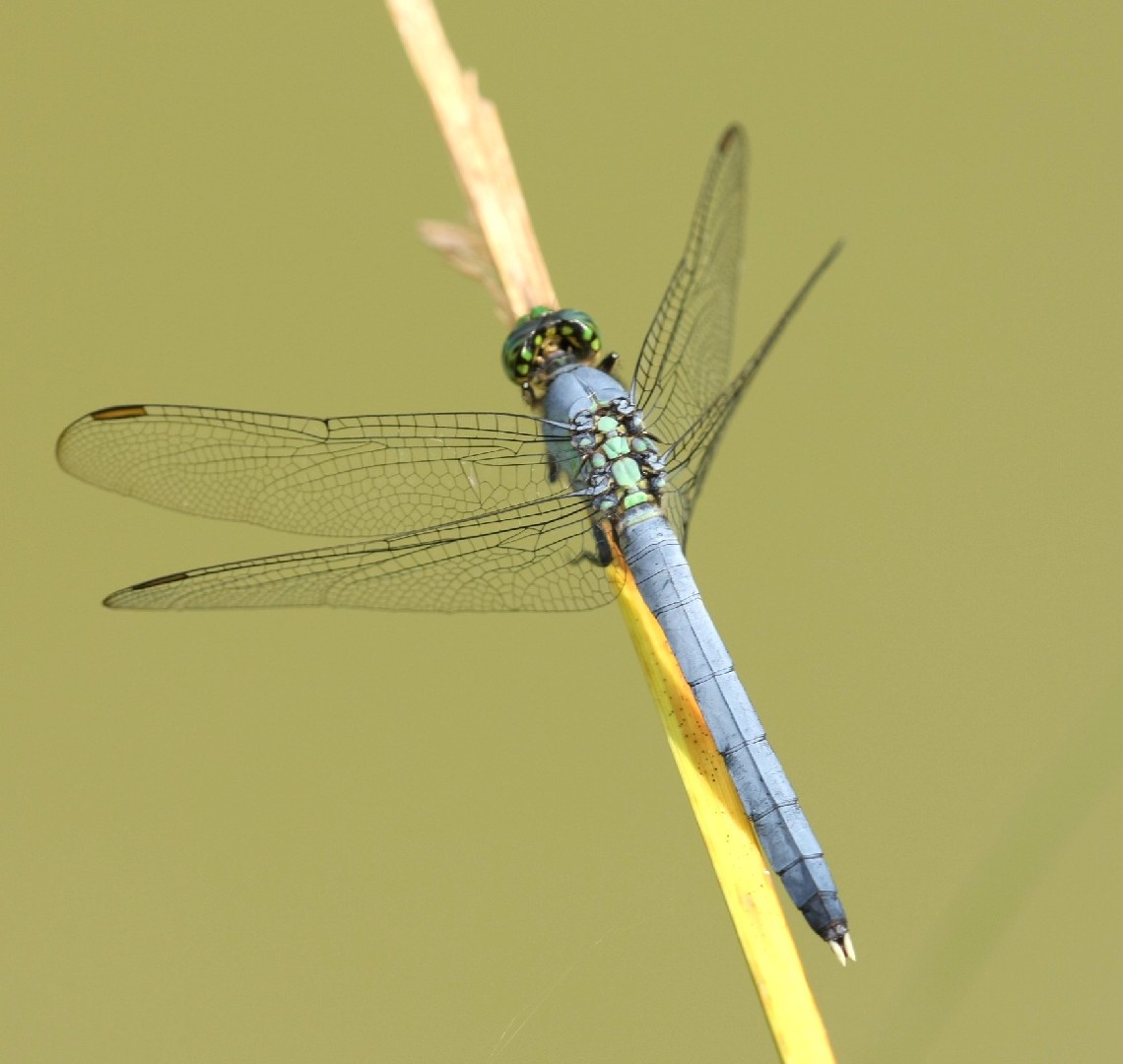
2. Eastern pondhawk
The eastern pondhawk (Erythemis simplicicollis) has much in common with American fishermen, they love living near the sides of ponds. They are a beautiful insect that is easy to distinguish when it comes to different genders. Females are bright green with bands around the abdomen and the males are bright blue with a green face.
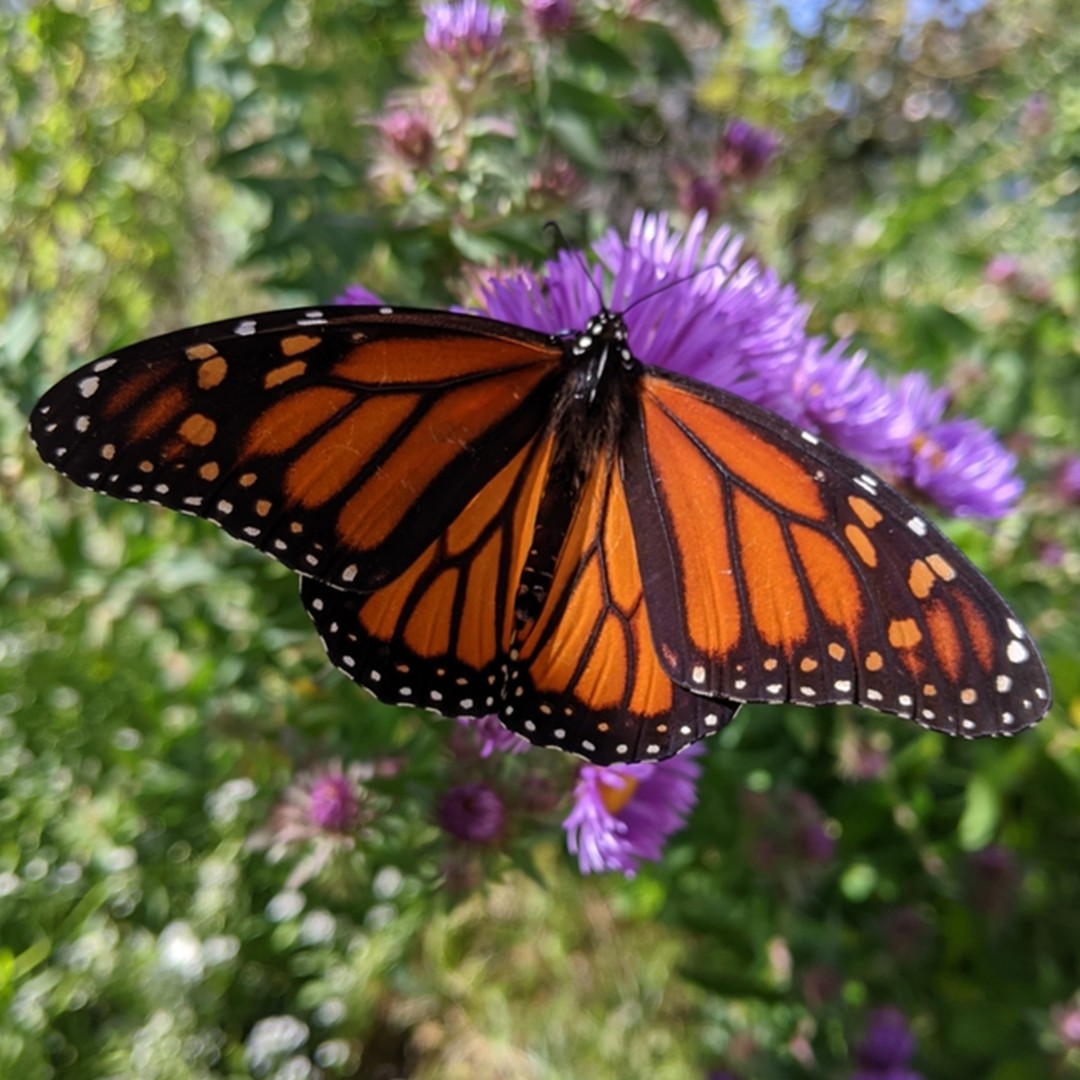
3. Monarch butterfly
The monarch butterfly (Danaus plexippus) is the most recognizable butterfly in North America. It is best known for its appearance, but should be better known for the fact that it has a 3000-mile migration that takes the butterfly 4 generations to complete. Their diet is also a natural deterrent for predators, as they eat milkweed, a poison that induces vomiting.

4. Blue dasher
The name Pachydiplax longipennis implies that the blue dasher has long wings due to the "longipennis" section literally translating to it. But this would be misleading, as the insect does not have particularly long wings. Instead, they stick out with vibrant blue colors. The dasher part of their name may be in reference to their voracious diet, as they can eat up to 10 percent of their body weight daily.
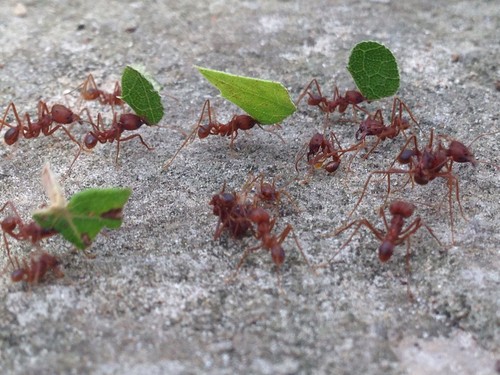
5. Texas leafcutter ant
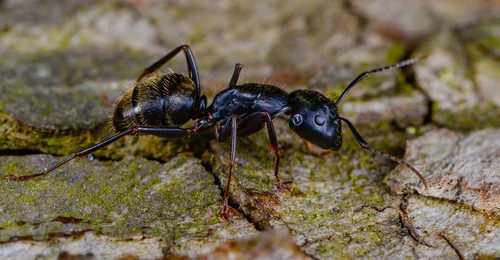
The Texas leaf-cutter ant is a problem in the state it is named for, and in parts of Louisiana. The large queen lays millions of eggs, ensuring the survival of the huge colony. Not only does one colony hold millions of ants, but it is also established deep underground. Eradicating the colony is difficult without tainting nearby water supplies, leaving the ant to destroy nearby vegetation.
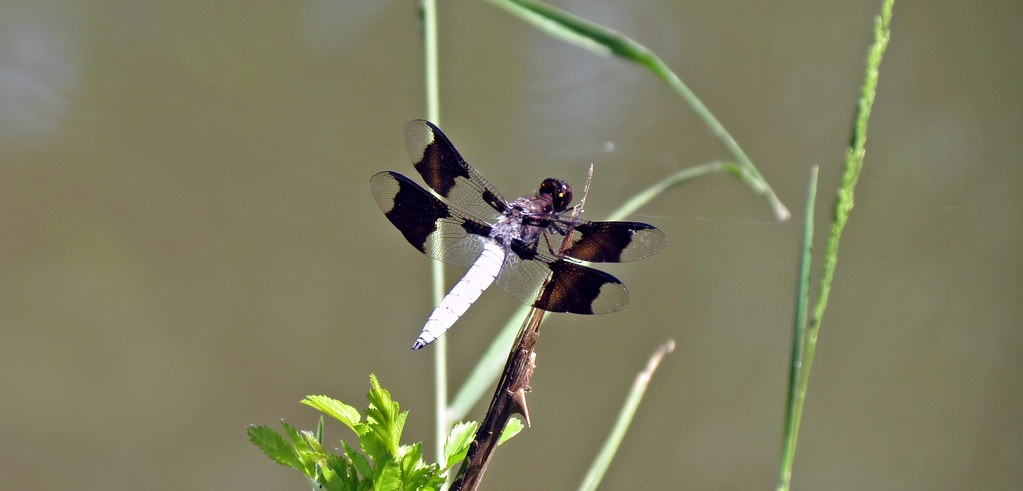
6. Common whitetail skimmer
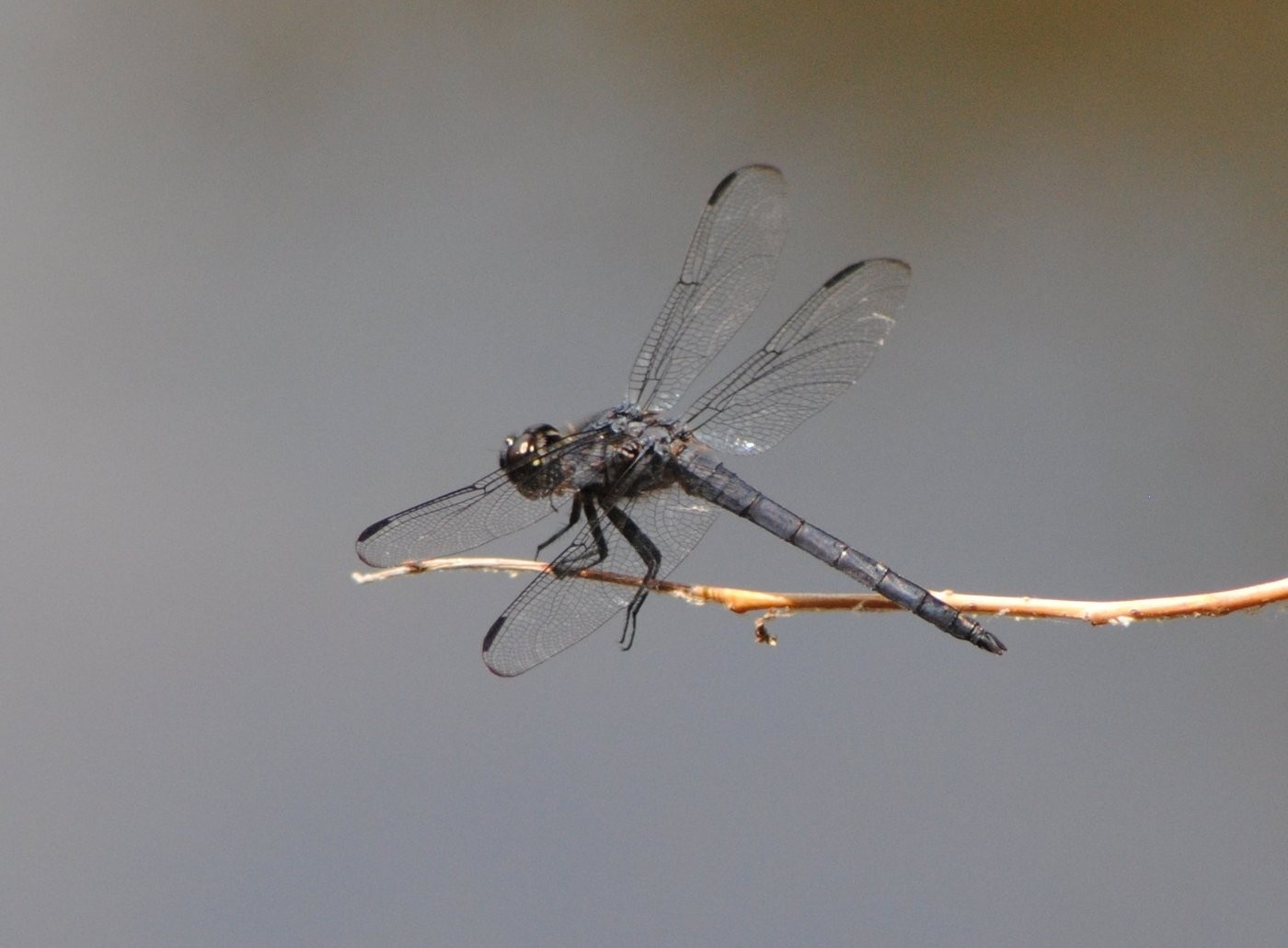
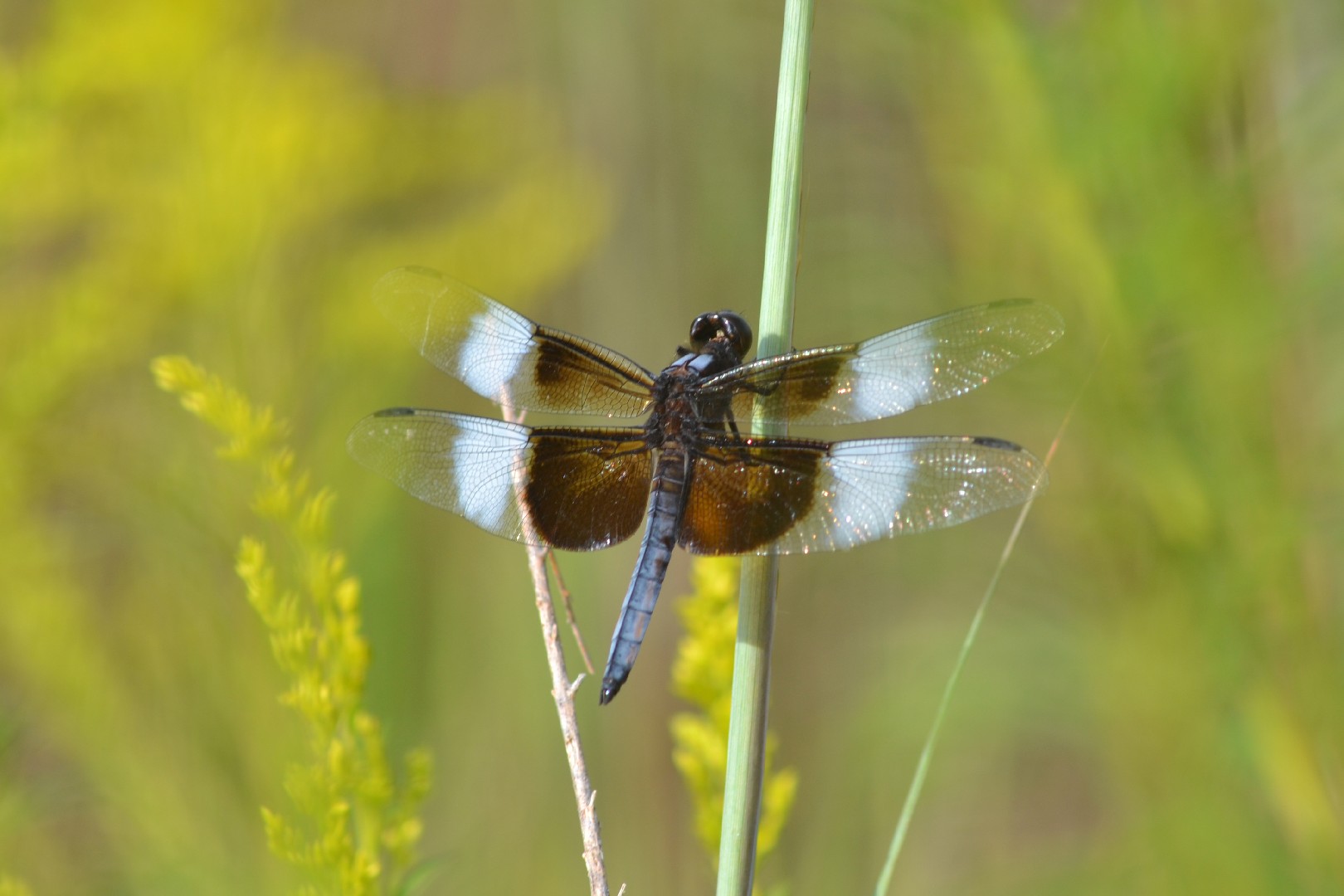
Common whitetail skimmer has black bands on its translucent wings which make it easy to identify. The common whitetail skimmer is found throughout North America and serves a vital ecological purpose. The dragonfly’s compound eyes provide it with a 360-degree field of vision, allowing it to spot prey like spiders and other nuisance insects.

7. Multicolored asian ladybeetle
Often confused for the ladybug, multicolored asian ladybeetle (Harmonia axyridis) is a separate species that, unlike the ladybug, is a household pest. It is considered particularly annoying for its habit of returning to places from which it is removed. One of the most variable species in the world, there are many different colors and patterns multicolored asian ladybeetle may display, making identification potentially difficult.
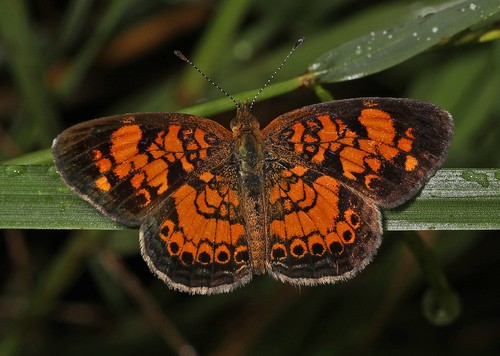
8. Pearl crescent
The pearl crescent (Phyciodes tharos) is an orange butterfly that lives in open areas that are generally moist and sunny. These butterflies are attracted to puddles, and the males will often fight with other male butterflies that land near the same puddle. However, females are not as aggressive and prefer to stay in groups.

9. Variegated fritillary
The variegated fritillary (Euptoieta claudia) earns its name from the greek work Eutptoietos, which means "easily scared." This is because they are incredibly difficult to approach, darting away if anyone comes close. They are identified with a checkered orange and black on its wings. The variegated fritillary is unique among butterflies for its ability to have two or three broods per year, resulting in many potential children.
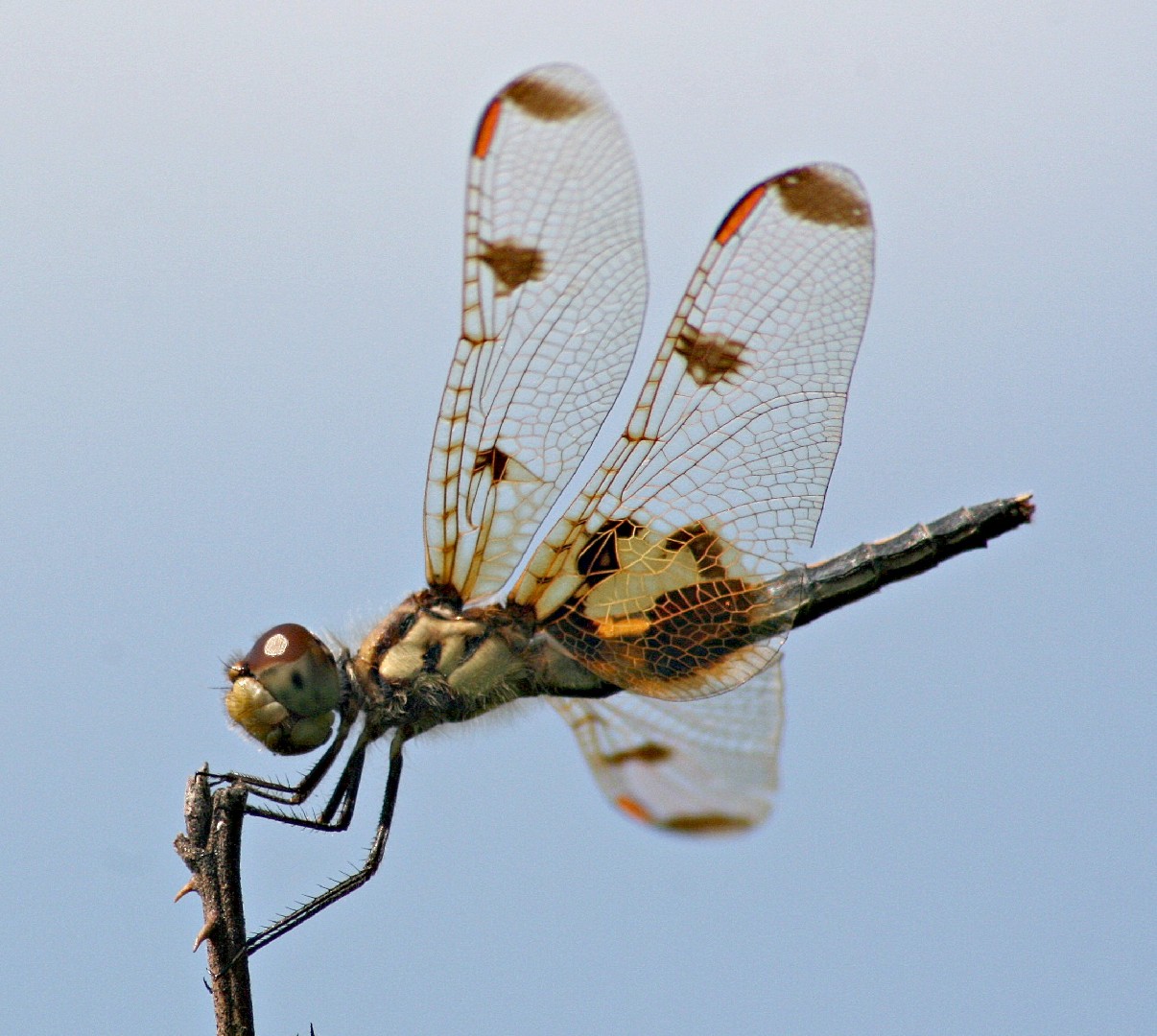
10. Eastern amberwing
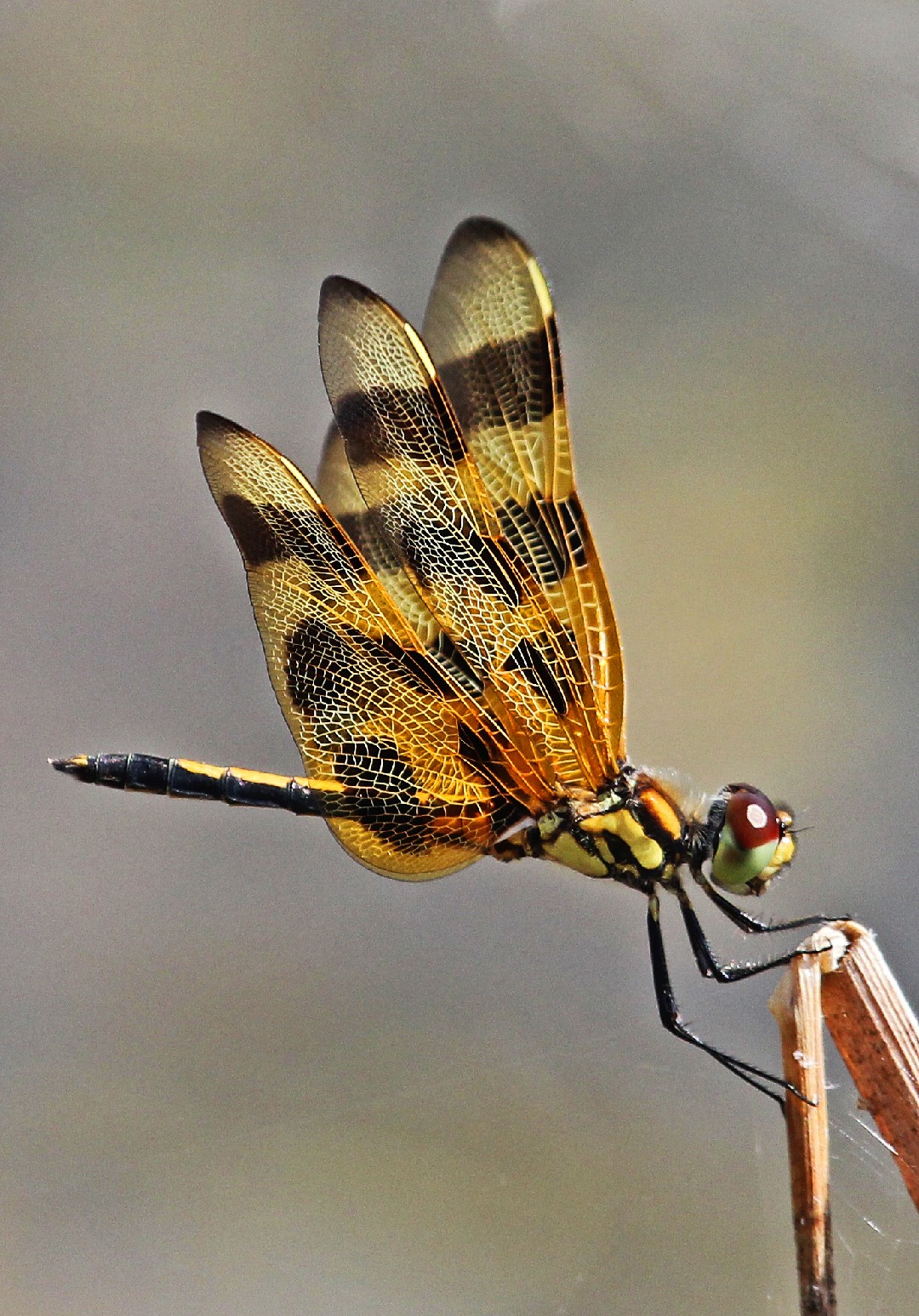
The eastern amberwing (Perithemis tenera) is a beautiful insect that is amber in color. The amber coloring even includes its wings. It is also one of the few dragonflies that mimic wasps. This mimicry encourages potential predators to second guess their actions when considering this insect as a meal.


More







