




Top 20 Most Common Insects in Escanaba
Insects, distinguishable by their six legs and segmented bodies, are pivotal inhabitants within the ecosystem of Escanaba. These creatures contribute to the urban biodiversity, playing a diverse range of roles from pollinators to pests. Our list will unravel the 'Top 20 most common insects in Escanaba', examining the unique interaction between these diminutive beings and Escanaba's environment.

Most Common Insects
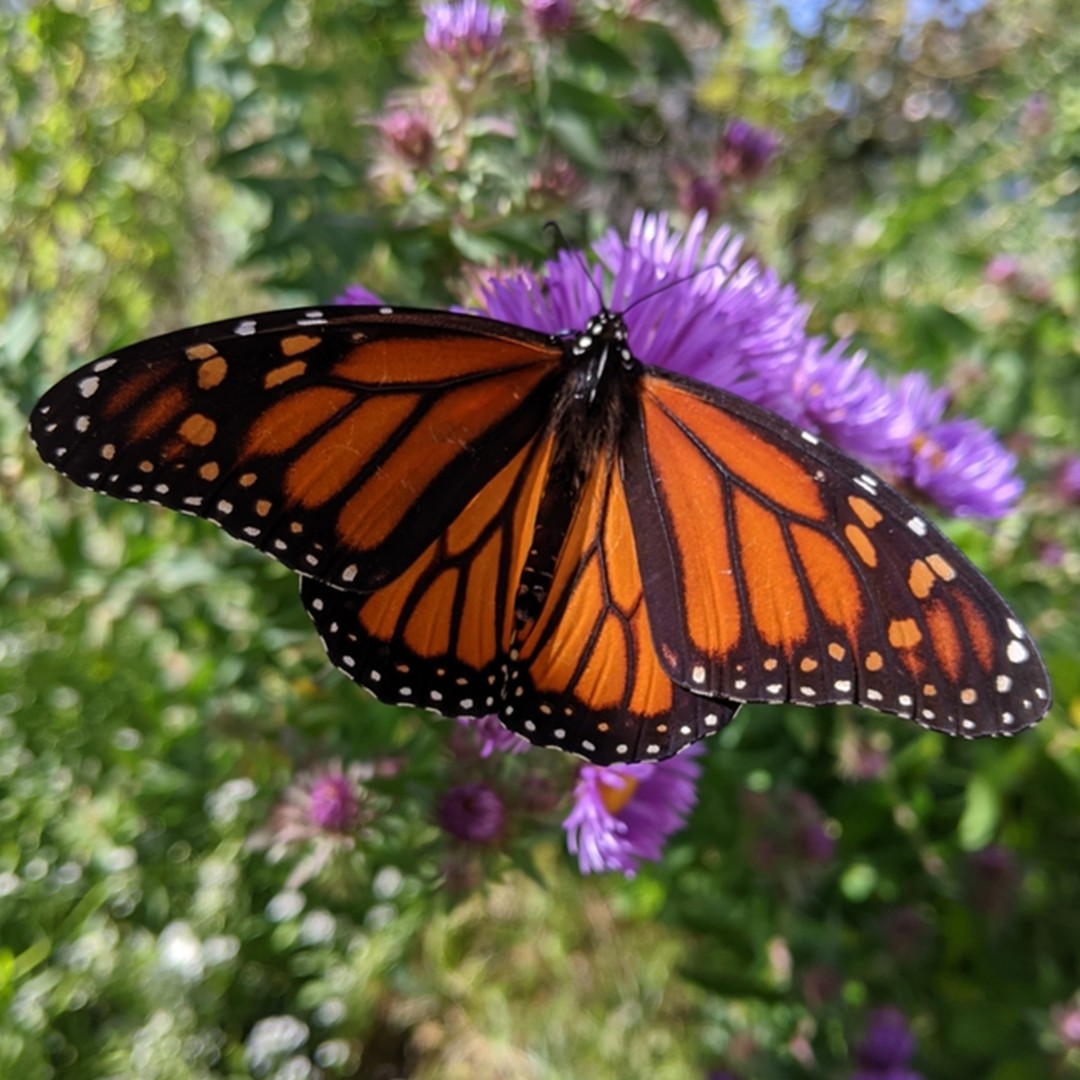
1. Monarch butterfly
The monarch butterfly (Danaus plexippus) is the most recognizable butterfly in North America. It is best known for its appearance, but should be better known for the fact that it has a 3000-mile migration that takes the butterfly 4 generations to complete. Their diet is also a natural deterrent for predators, as they eat milkweed, a poison that induces vomiting.
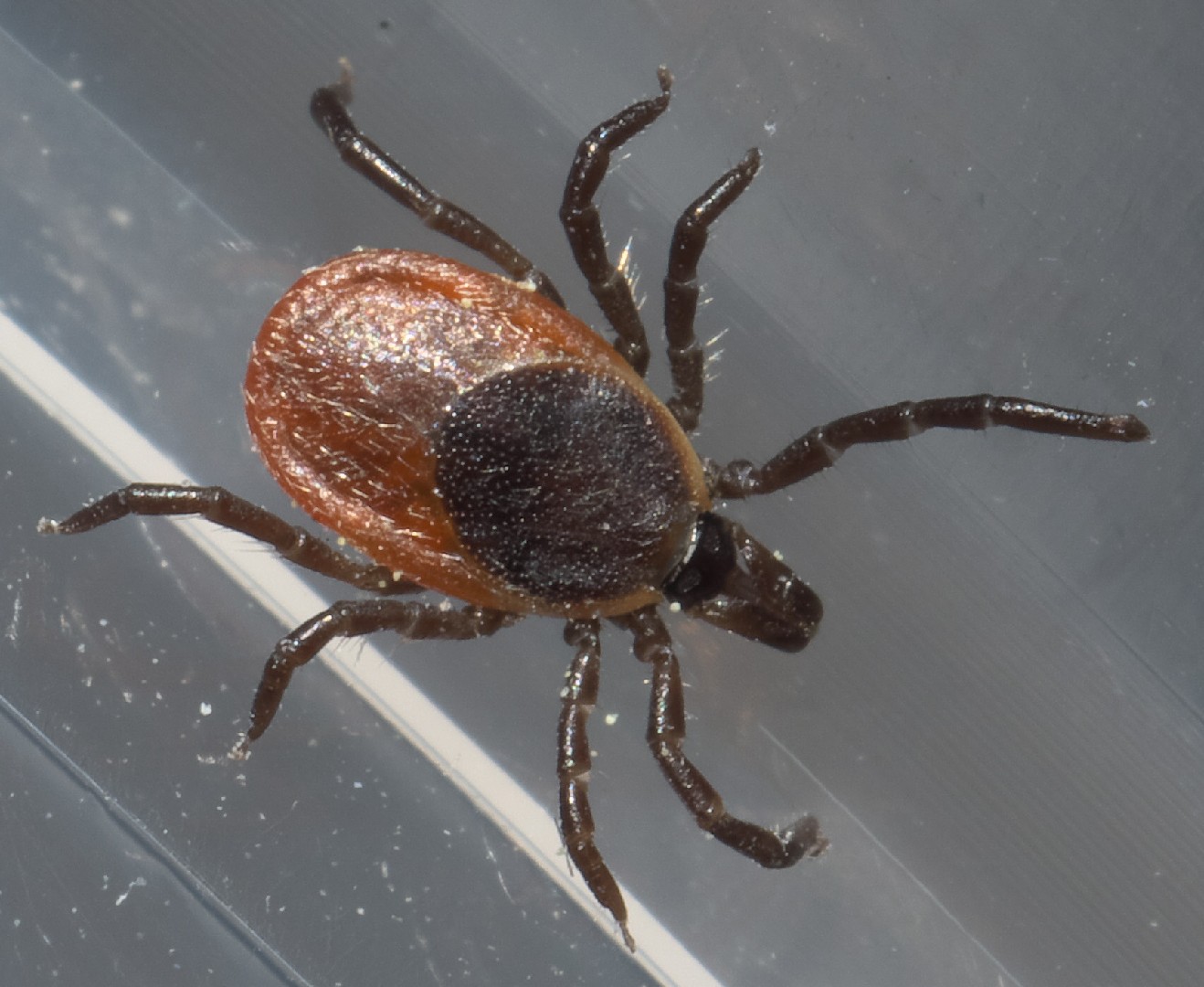
2. Eastern black-legged tick
The eastern black-legged tick got its common name from its tendency to attach itself as a parasite to white-tailed deer. It is a vector for several animal and human diseases, including Lyme disease and Powassan virus. Humans are most likely to get bitten by ticks in the nymph stage, when they are smaller and hard to see. Humans also get bitten most often during the summer.
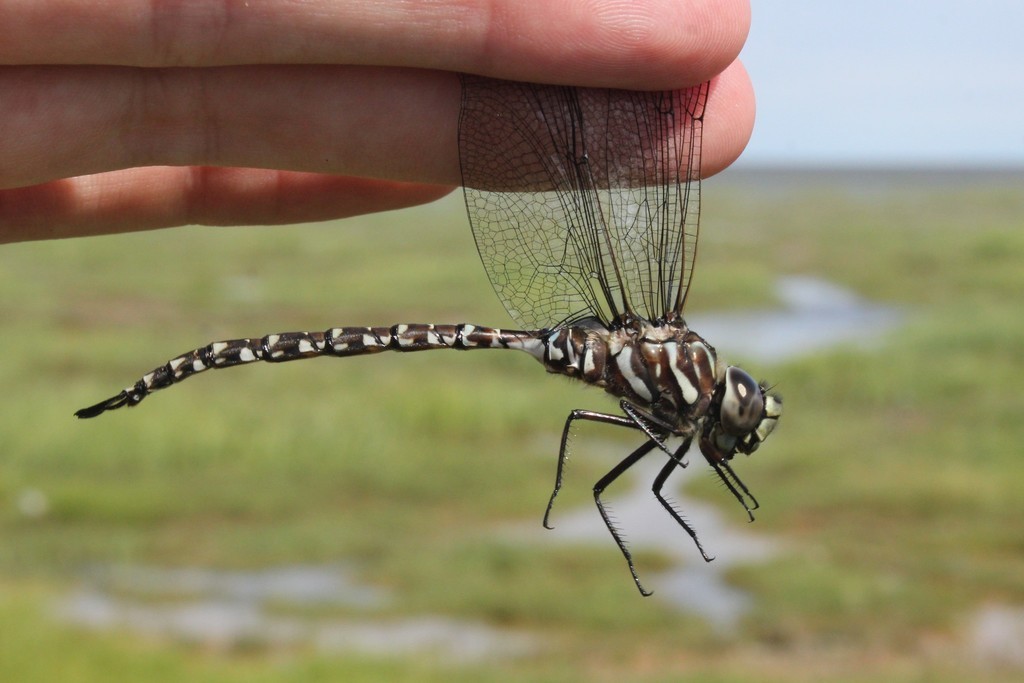
3. Subarctic darner
Aeshna subarctica, the subarctic darner, is a species of darner in the family Aeshnidae. It is found in Europe and Northern Asia (excluding China) and North America. The IUCN conservation status of Aeshna subarctica is "LC", least concern, with no immediate threat to the species' survival. The population is stable. 
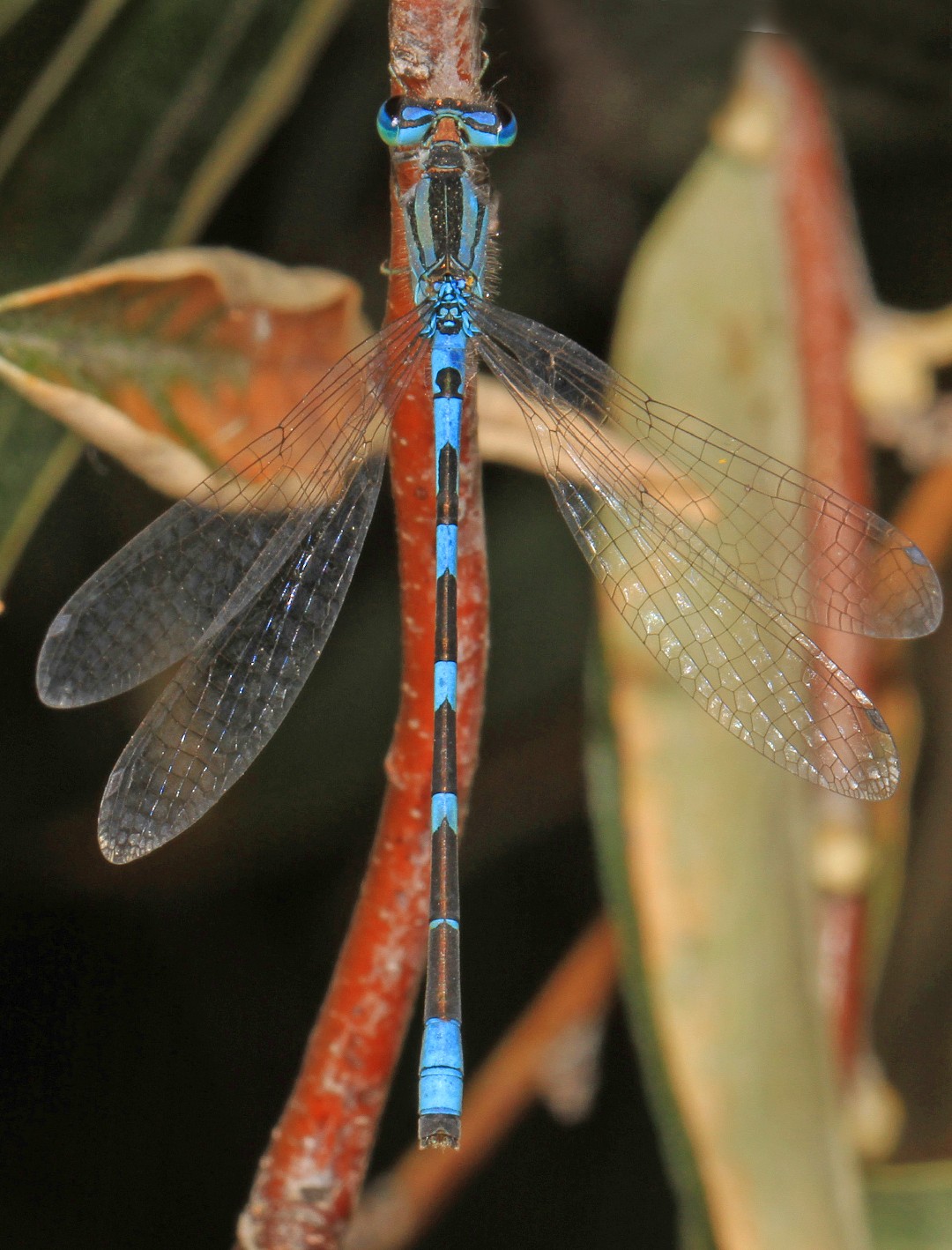
4. Tule bluet
Enallagma carunculatum is a dragonfly in the family of the brown dragonflies (Coenagrionidae). It is native to North America.
5. Cattail Caterpillar
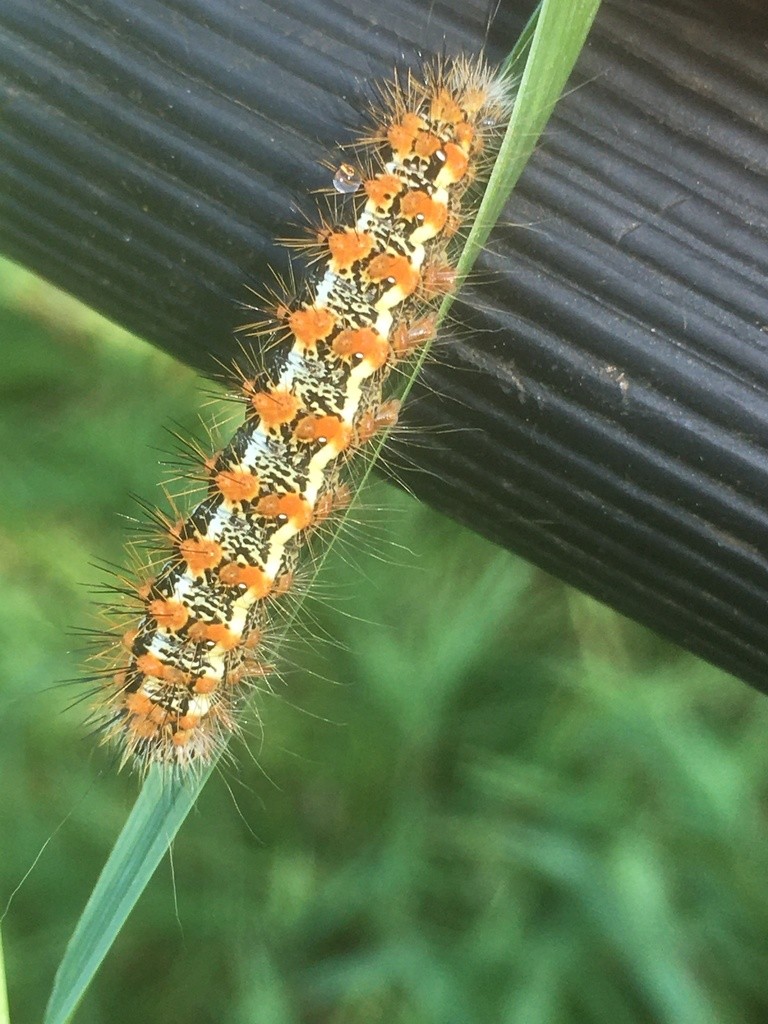
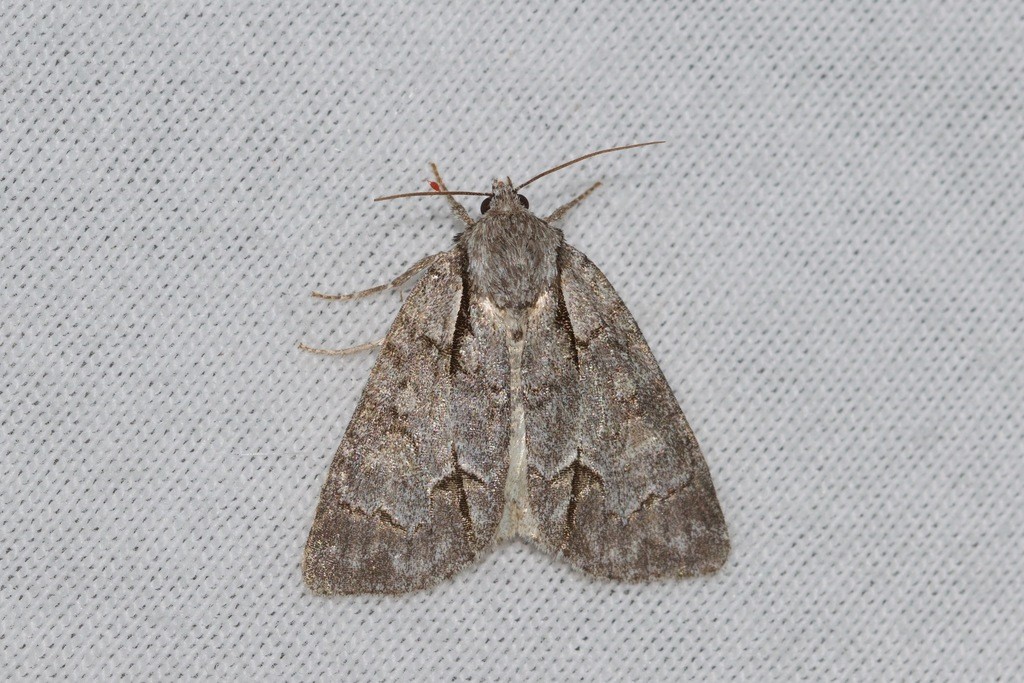
Acronicta insularis, the cattail caterpillar (when referring to the larva) or Henry's marsh moth (when referring to the adult), is a moth of the family Noctuidae. The species was first described by Gottlieb August Wilhelm Herrich-Schäffer in 1868. It is found from coast to coast throughout the United States and southern Canada (Ontario, Quebec, New Brunswick, Nova Scotia, British Columbia, Alberta, Saskatchewan and Manitoba). The wingspan is 35–40 mm. Adults are on wing from April to September. The larvae feed on Typha and Polygonum species, as well as various grasses and sedges, poplar and willow. Acronicta insularis was formerly called Simyra insularis. In 2015, the genus Simyra, along with Oxicesta and Eogena, were moved to Acronicta based on phylogenetic analysis. The MONA or Hodges number for Acronicta insularis is 9280.
6. Large yellow underwing
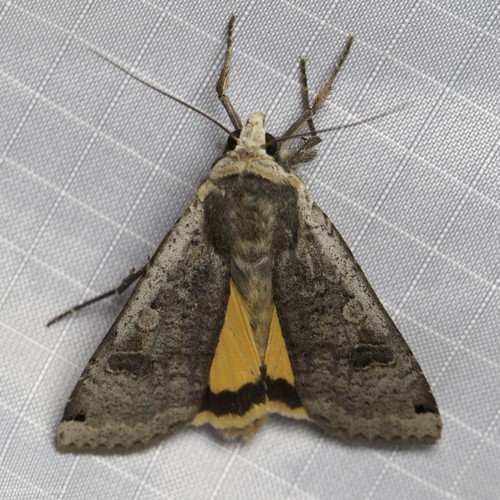
An unusually large and heavy species of moth, large yellow underwing (Noctua pronuba) is dreaded by gardeners for the larvae's habit of causing fatal damage to the base of virtually any herbaceous plant. Large migrations occur some years, but how those years are determined is not yet known. Its contrasting colors (yellow-orange and brown) are thought to confuse would-be predators.
7. Four-spotted Green Lacewing
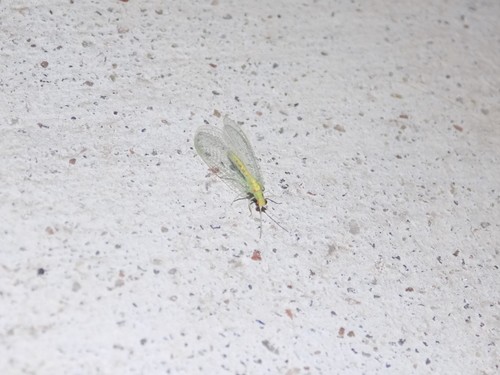
Chrysopa quadripunctata is a species of green lacewing in the family Chrysopidae. It is found in North America.
8. Gray-patched prominent
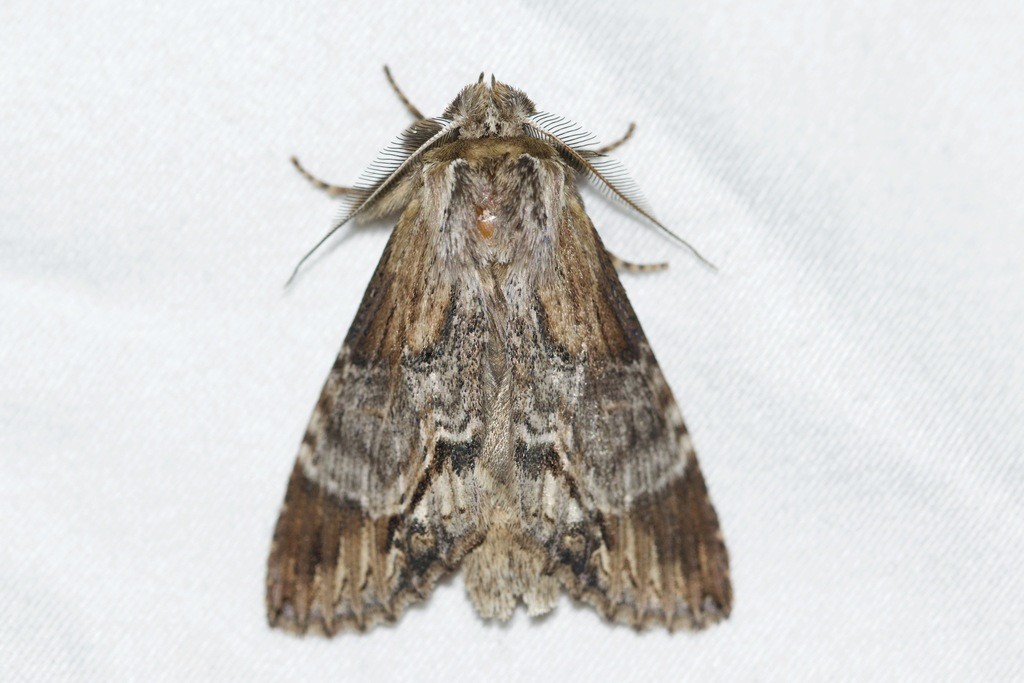
Dasylophia thyatiroides, the gray-patched prominent, is a species of prominent moth in the family Notodontidae. It was described by Francis Walker in 1862 and is found in North America. The MONA or Hodges number for Dasylophia thyatiroides is 7958.
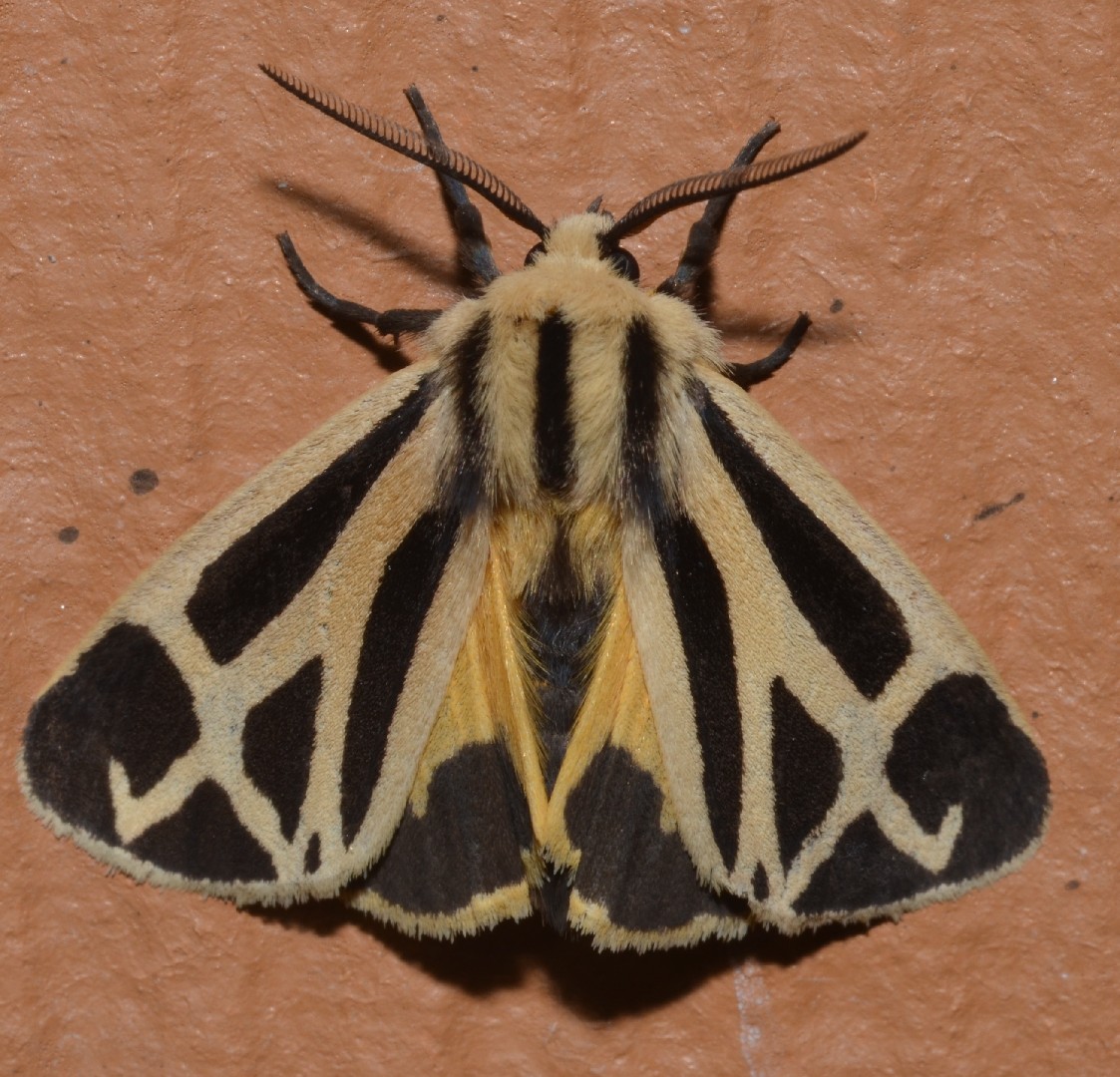
9. Nais tiger moth
The nais tiger moth (Apantesis nais) looks like the Zebra of the moth world. While it is mostly black, its cream-colored lines act as a border to the black parts. They can also be identified with hindwings that can be reddish or yellow. While it isn't one of the flashiest of the tiger moth family, it is still a beautiful moth.
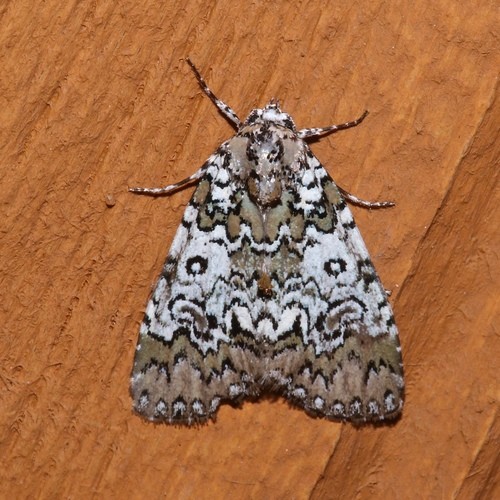
10. Owl-eyed bird dropping moth
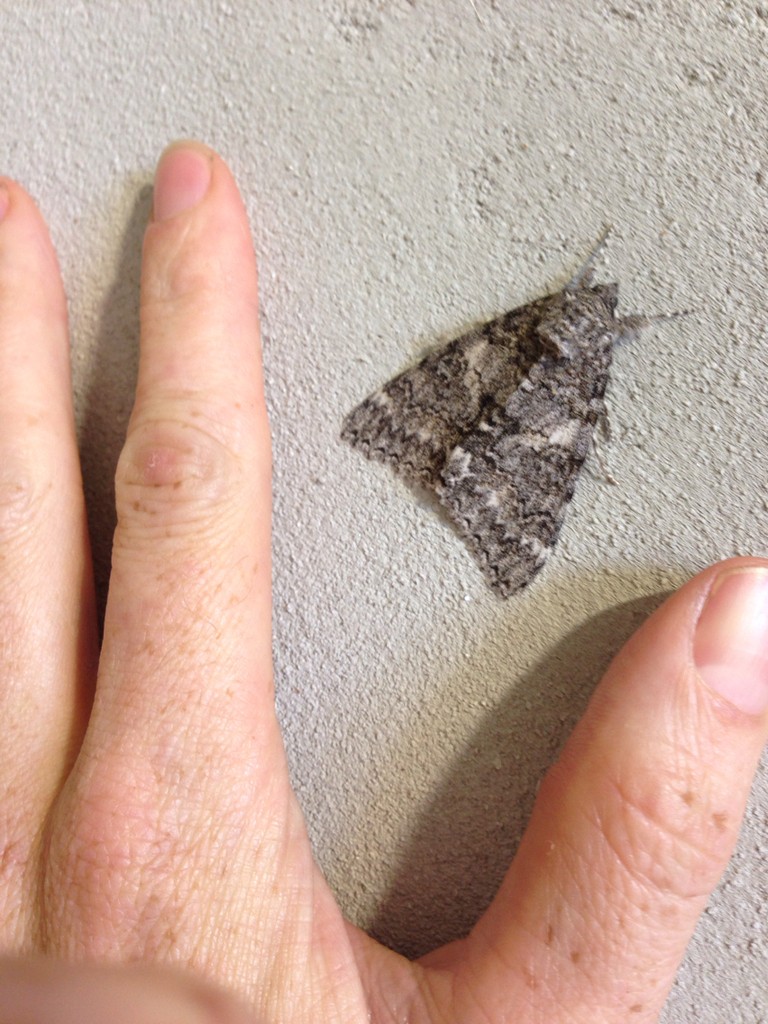
The MONA or Hodges number for Cerma cora is 9061.
More







