




Top 20 Most Common Insects in Flint
Insects, with their diverse features and adaptive abilities, live side by side with us in Flint, shaping our natural landscape. These creatures, both pesky and beneficial, play a crucial role in the ecosystem of Flint, influencing the balance of our city's environment. As we explore the top 20 most common insects, we unravel the complex relationship between these little creatures and the urban habitat we share.

Most Common Insects
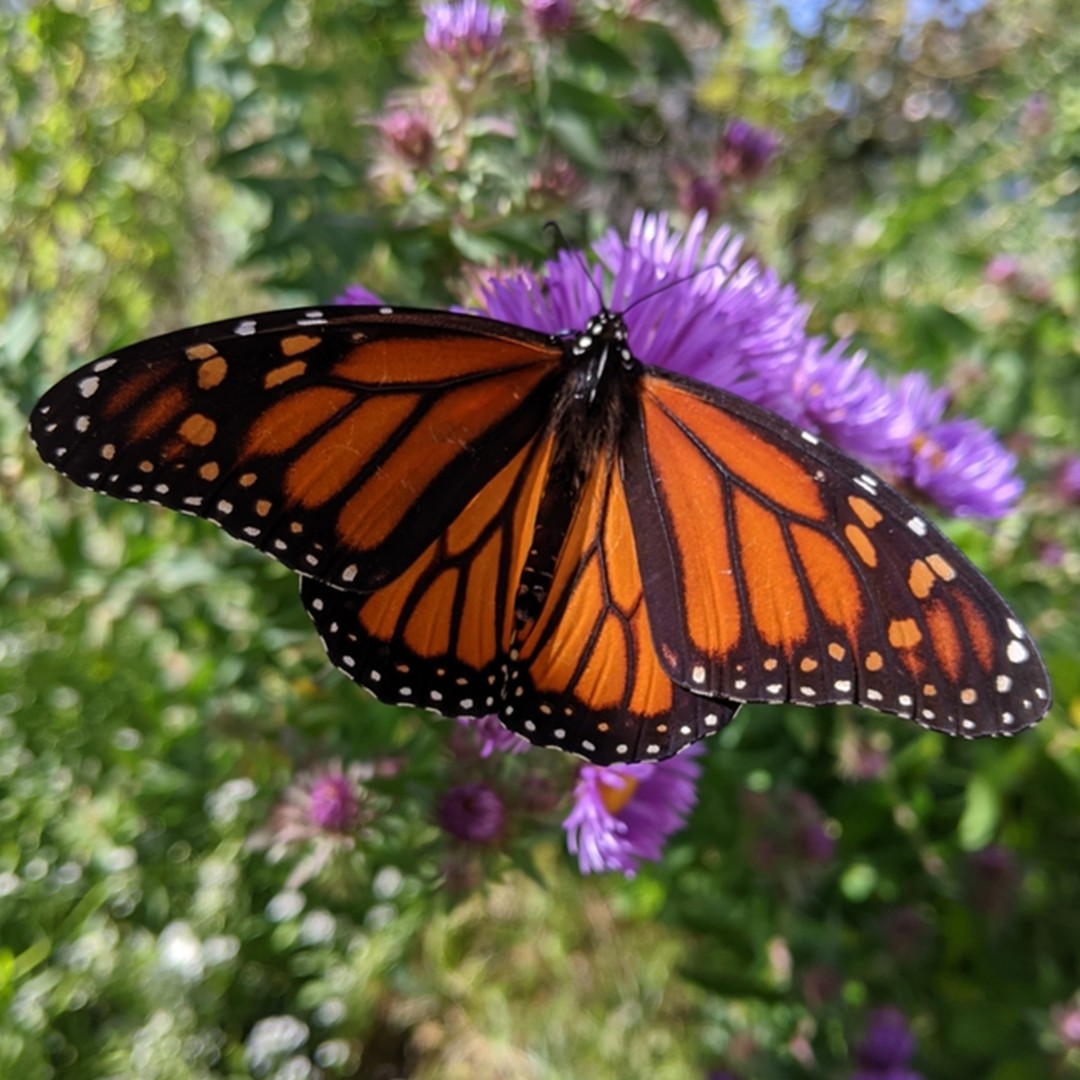
1. Monarch butterfly
The monarch butterfly (Danaus plexippus) is the most recognizable butterfly in North America. It is best known for its appearance, but should be better known for the fact that it has a 3000-mile migration that takes the butterfly 4 generations to complete. Their diet is also a natural deterrent for predators, as they eat milkweed, a poison that induces vomiting.
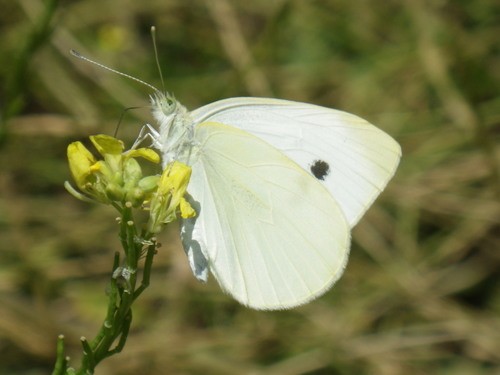
2. Cabbage white
Cabbage white (Pieris rapae) derives its common name from its habits as a caterpillar, which is a ferocious pest for cabbage, kale and broccoli farmers. In North America, it is one of the first butterflies to emerge in spring, heralding the beginning of the season.
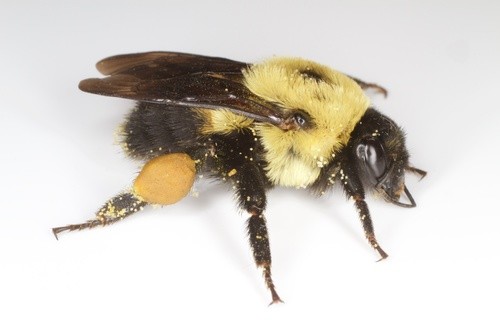
3. Common Eastern Bumble Bee
The common Eastern Bumble Bee (Bombus impatiens) is one of the most important pollinator bees in North America. A decline in the bee population will lead to financial hardships for farmers and reduced food yield. Their efficiency in pollination and foraging comes from their ability to drop "traplines." These lines guide other bees to the correct path for food while informing them of depleted locations.
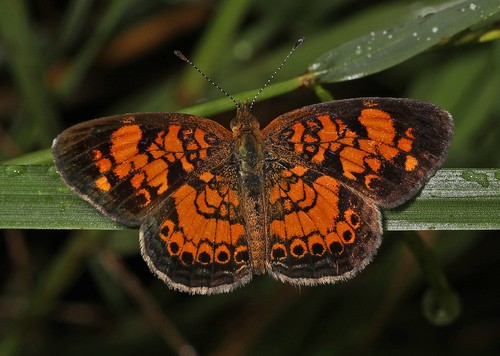
4. Pearl crescent
The pearl crescent (Phyciodes tharos) is an orange butterfly that lives in open areas that are generally moist and sunny. These butterflies are attracted to puddles, and the males will often fight with other male butterflies that land near the same puddle. However, females are not as aggressive and prefer to stay in groups.
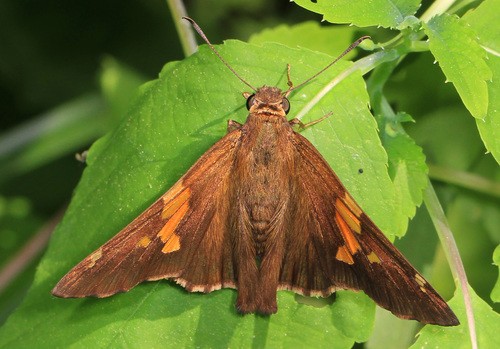
5. Silver-spotted skipper
The silver-spotted skipper (Epargyreus clarus) constructs a series of nests throughout its development that depends on its growth stage. Its caterpillar form is considered a major homebody, as they rarely leave the spot they call home. When they are adults, males perch on high branches in order to claim and defend favorable territory. Unusually, silver-spotted skipper adults never visit yellow flowers.
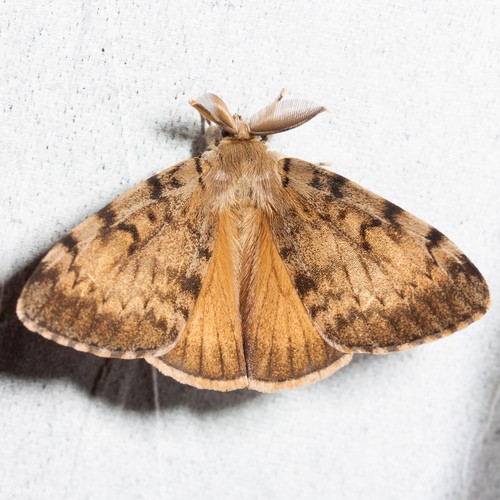
6. Gypsy moth
The gypsy moth (Lymantria dispar) spends nearly its entire life on the same host tree, stripping leaves off of it. However, they will occasionally fly as a colony from one host tree to another. They are commonly recognized by their fuzzy larvae, which have dark bodies with red and blue spots. The adults are usually a pale brown color though.
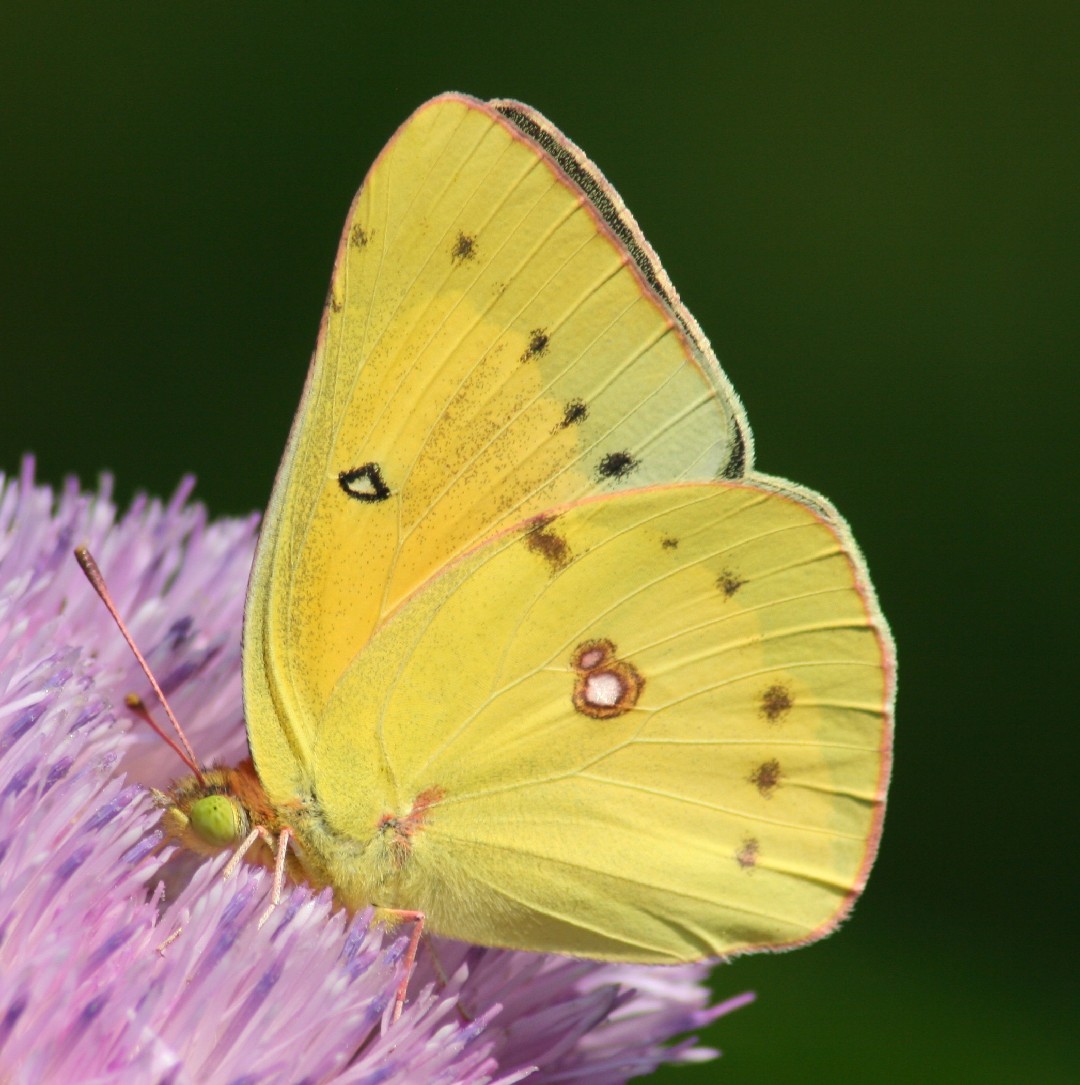
7. Clouded Sulphur
The scientific name is Colias philodice, also known as the clouded Sulphur. It is very commonly seen in North America with pale yellow wings, which have solid black borders on the upper surface and a doubled hindwing spot trimmed in brownish red. Interestingly, the wing color of the clouded Sulphur varies in a seasonal manner from white to yellow and the spots on the wings also change as well, being more pronounced during the cool months in spring and fall.
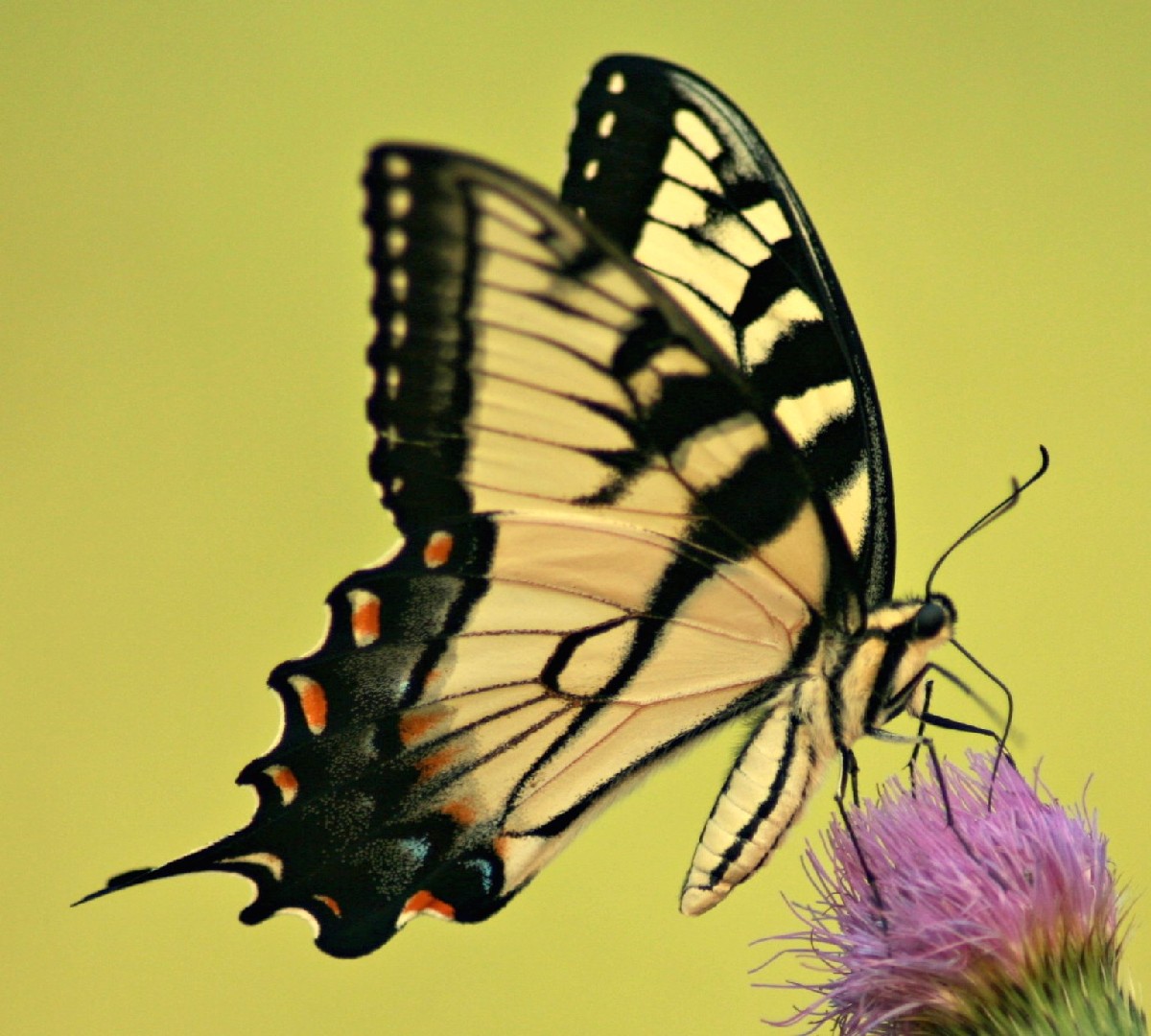
8. Eastern tiger swallowtail
Eastern tiger swallowtail (Papilio glaucus) is among the most recognizable butterflies in the eastern United States, where it inhabits a variety of habitats. This species is diurnal and usually solitary, preferring to fly high above the ground until the time comes to mate. Caterpillars display eyespots to deter birds in between some molting phases.
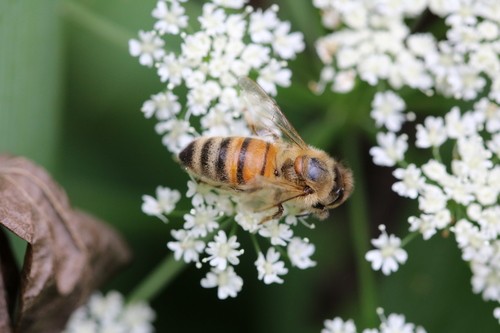
9. Western honey bee
Western honey bee(Apis mellifera) is the most common species of honeybee in the world. Among the first domesticated insects, its cultural and economic impact on humanity has been vast and far-reaching, providing honey, wax and its services as a pollinator. Western honey bee faces challenges worldwide, such as colony collapse disorder, and populations are thought to be decreasing.
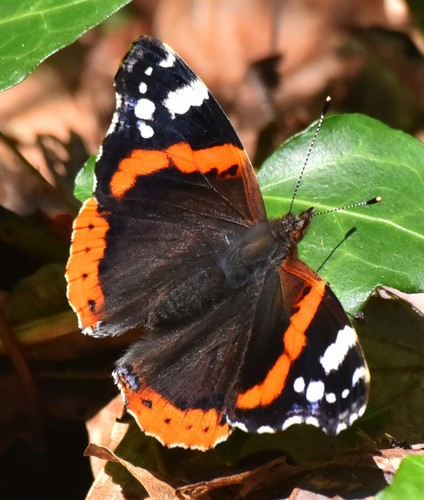
10. Red admiral
Red admiral (Vanessa atalanta) is a visually striking species of butterfly. Unusually territorial, males will compete for choice areas, and females will only mate with males that maintain their own territories. This butterfly is known for being particularly patient with human interactions, even to the point of perching on clothing or flesh.



More







