




Top 20 Most Common Insects in Traverse City
Insects in Traverse City, with their beautiful and bewildering diversity, offer an enthralling look at nature's ingenuity. These creatures often go unnoticed, but they are not just dwellers they are crucial actors in Traverse City's ecosystems, playing key roles from managing pests to pollinating plants. This editorial will introduce you to the 20 most common insects in Traverse City, shedding light on their importance and complex relationships with the city's environment.

Most Common Insects
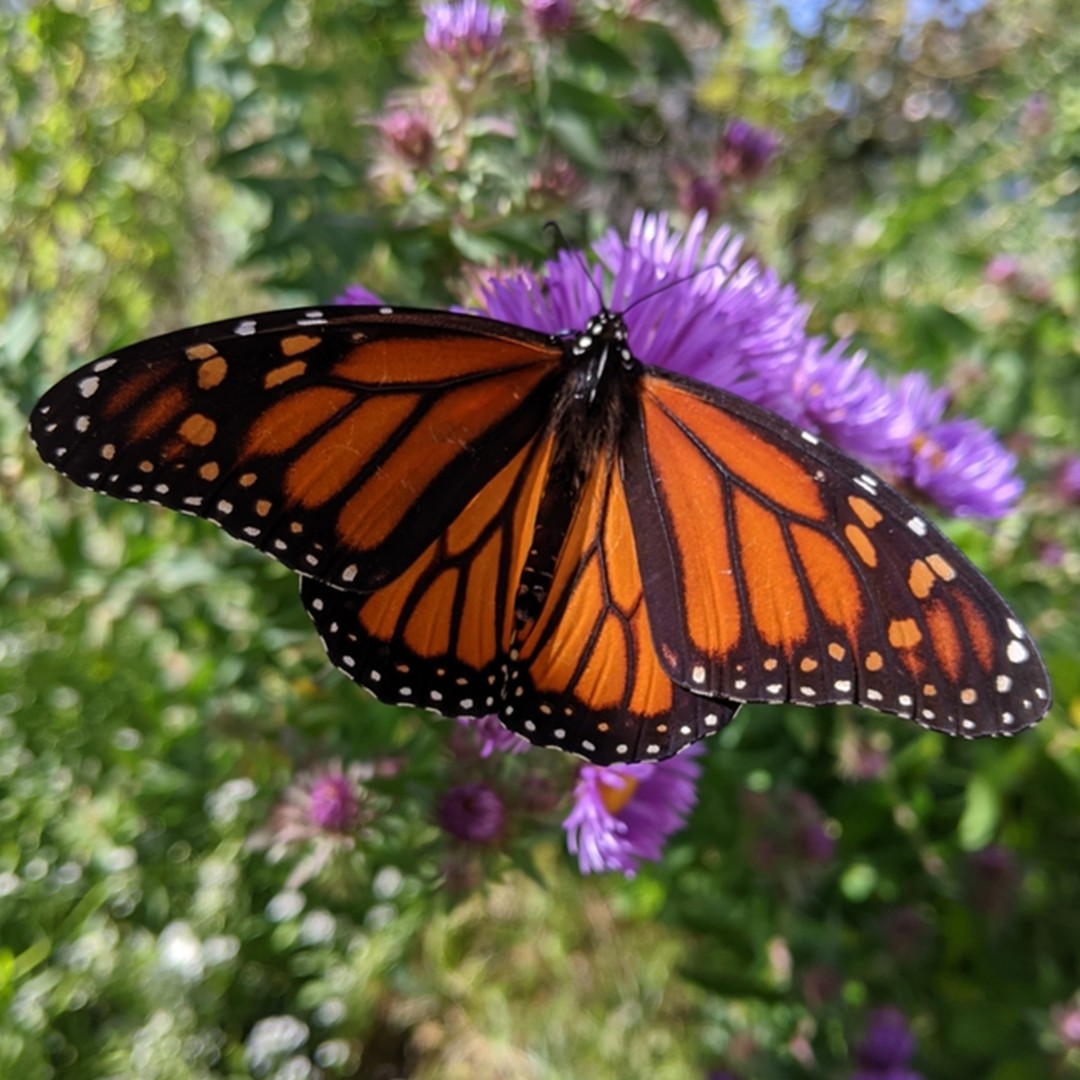
1. Monarch butterfly
The monarch butterfly (Danaus plexippus) is the most recognizable butterfly in North America. It is best known for its appearance, but should be better known for the fact that it has a 3000-mile migration that takes the butterfly 4 generations to complete. Their diet is also a natural deterrent for predators, as they eat milkweed, a poison that induces vomiting.
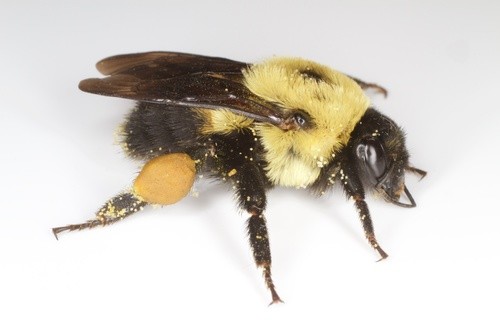
2. Common Eastern Bumble Bee
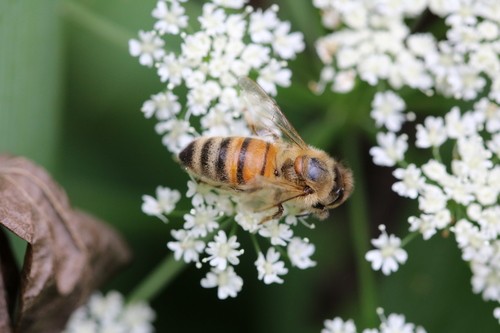
The common Eastern Bumble Bee (Bombus impatiens) is one of the most important pollinator bees in North America. A decline in the bee population will lead to financial hardships for farmers and reduced food yield. Their efficiency in pollination and foraging comes from their ability to drop "traplines." These lines guide other bees to the correct path for food while informing them of depleted locations.
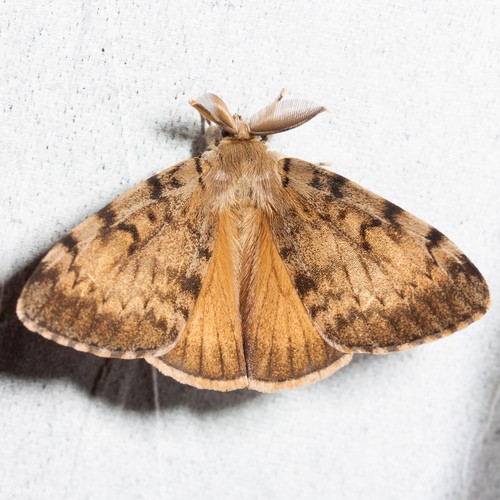
3. Gypsy moth
The gypsy moth (Lymantria dispar) spends nearly its entire life on the same host tree, stripping leaves off of it. However, they will occasionally fly as a colony from one host tree to another. They are commonly recognized by their fuzzy larvae, which have dark bodies with red and blue spots. The adults are usually a pale brown color though.
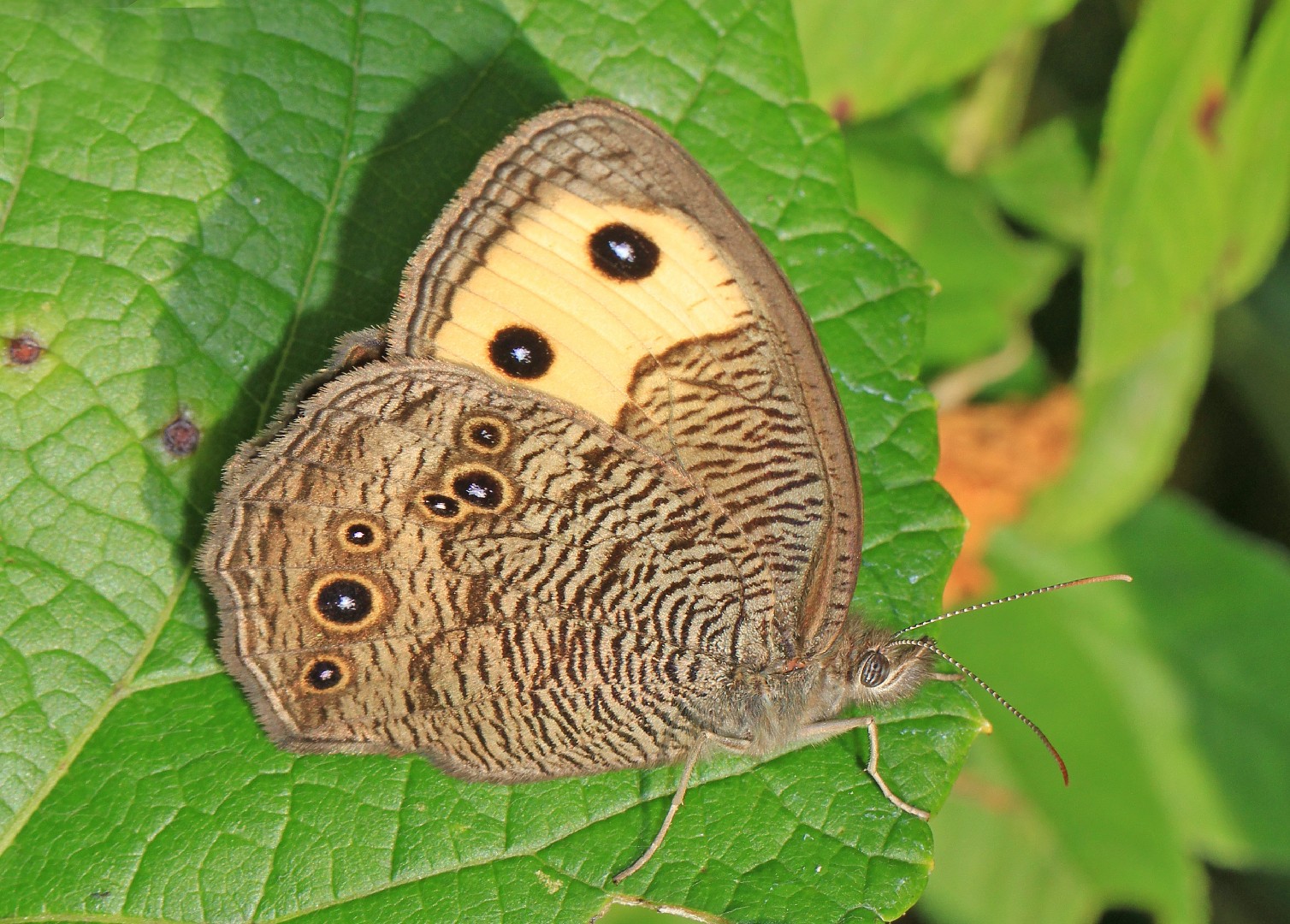
4. Common wood nymph
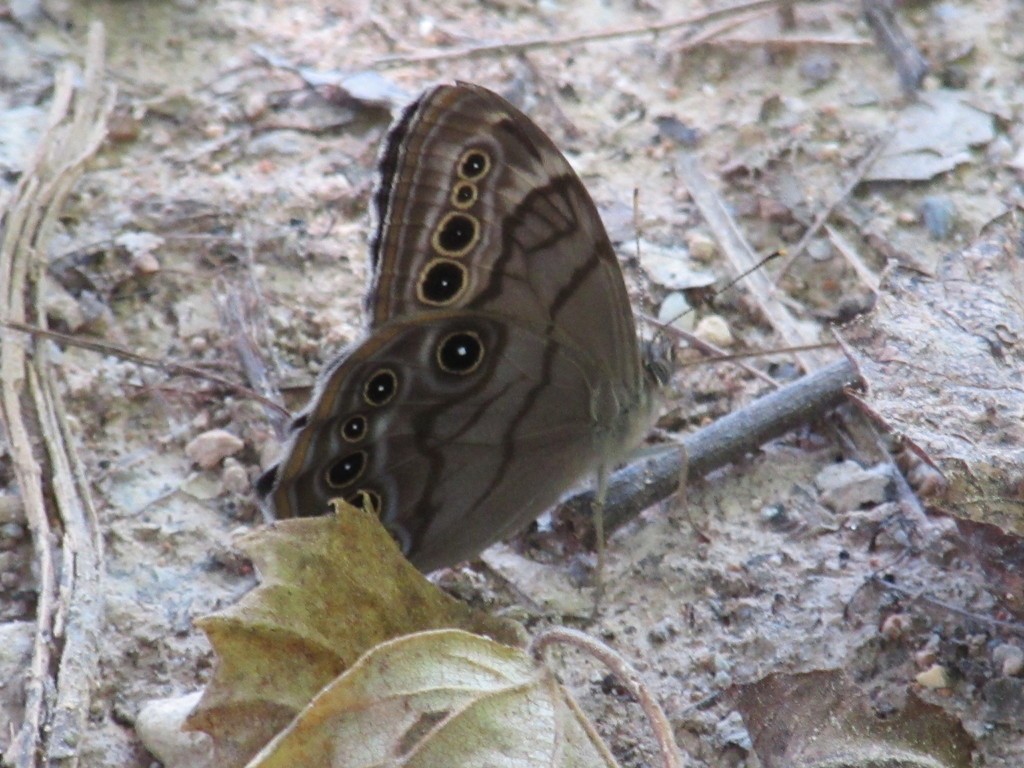
The common wood nymph (Cercyonis pegala) is a brown butterfly that has eyespots located on it to assist in warding off predators, as they are pretty easily spooked by anything that looks like a giant face. Depending on the location, they may or may not come with the eyespots or additional yellow spots, giving them a good chunk of variance depending on growing environment.
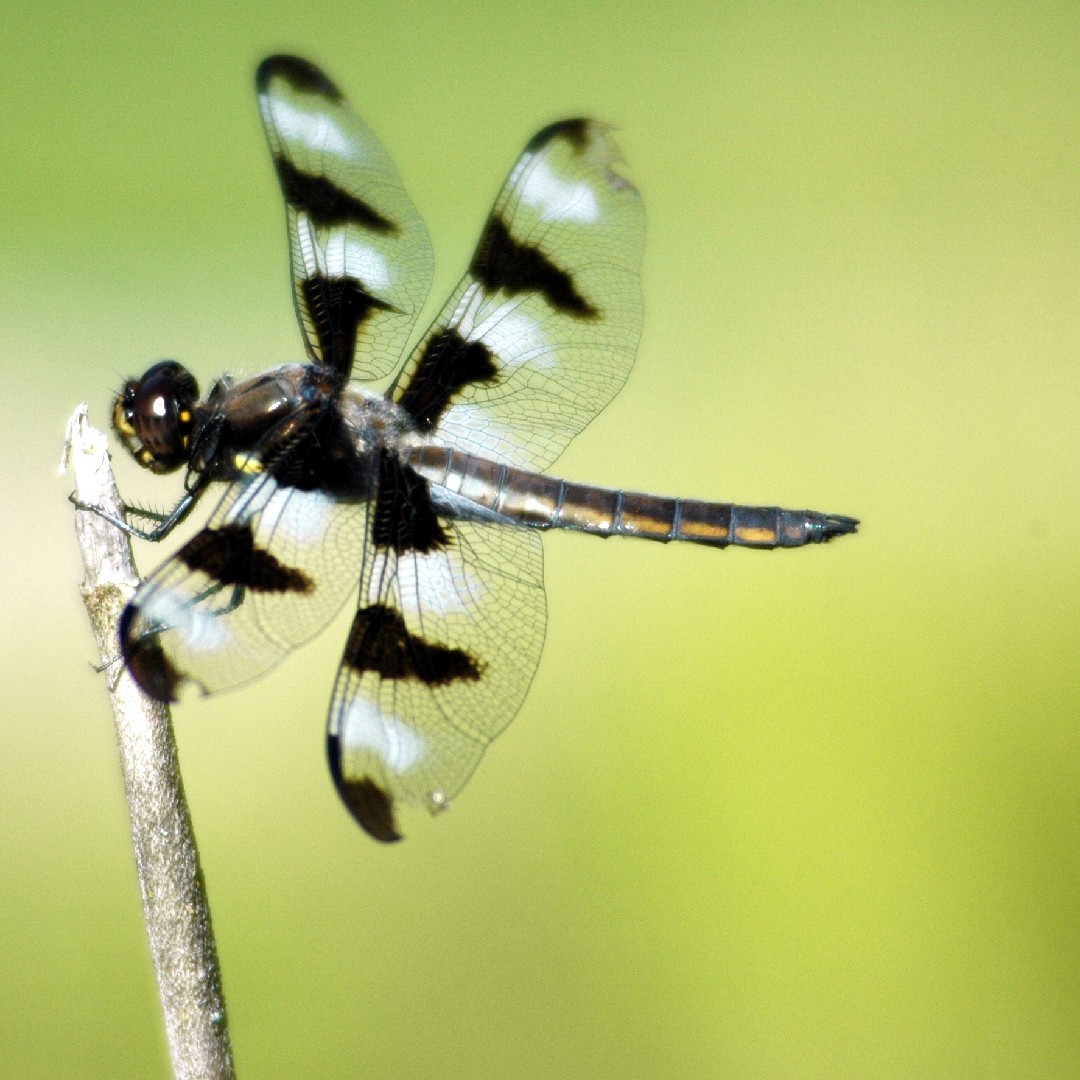
5. Twelve-spotted skimmer
The twelve-spotted skimmer (Libellula pulchella) is otherwise known as the ten-spotted skimmer depending on the amount of dots you would like to count. Mature males have twelve brown wing spots and eight white wings spots. They are also known to be pretty massive; this makes them easy to identify.
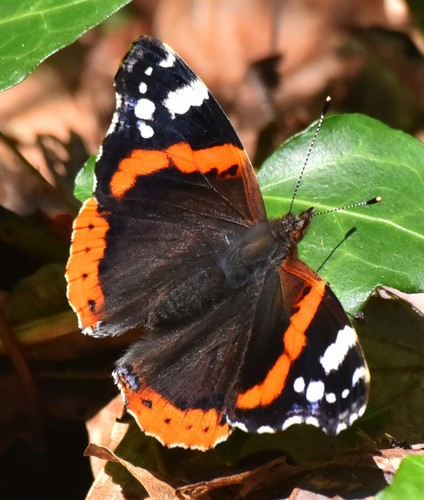
6. Red admiral
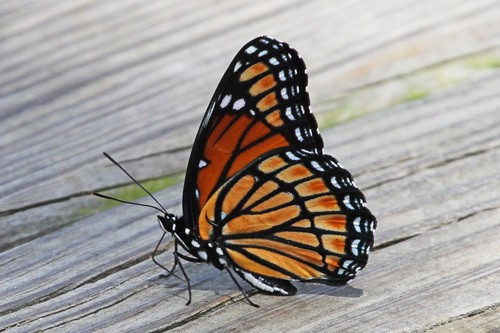
Red admiral (Vanessa atalanta) is a visually striking species of butterfly. Unusually territorial, males will compete for choice areas, and females will only mate with males that maintain their own territories. This butterfly is known for being particularly patient with human interactions, even to the point of perching on clothing or flesh.

7. Japanese Beetle
The japanese Beetle (Popillia japonica) was introduced to the Americas from a tourist's car in Nova Scotia. This beetle has been limited in its ability to fully infest the environment, but cannot be fully eradicated. A swarm of them have been known to strip an entire peach tree in a matter of minutes.
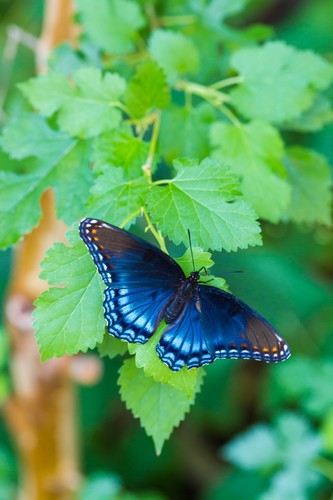
8. Red-Spotted Purple
The red-Spotted Purple (Limenitis arthemis) is a beautiful butterfly that shows off a metallic-blue color. They are also known as White Admirals due to the brilliant, white band that is seen on them. Males are incredibly aggressive in defending areas that have high female traffic. They will regularly patrol these areas to ensure other males do not take over claimed territories.
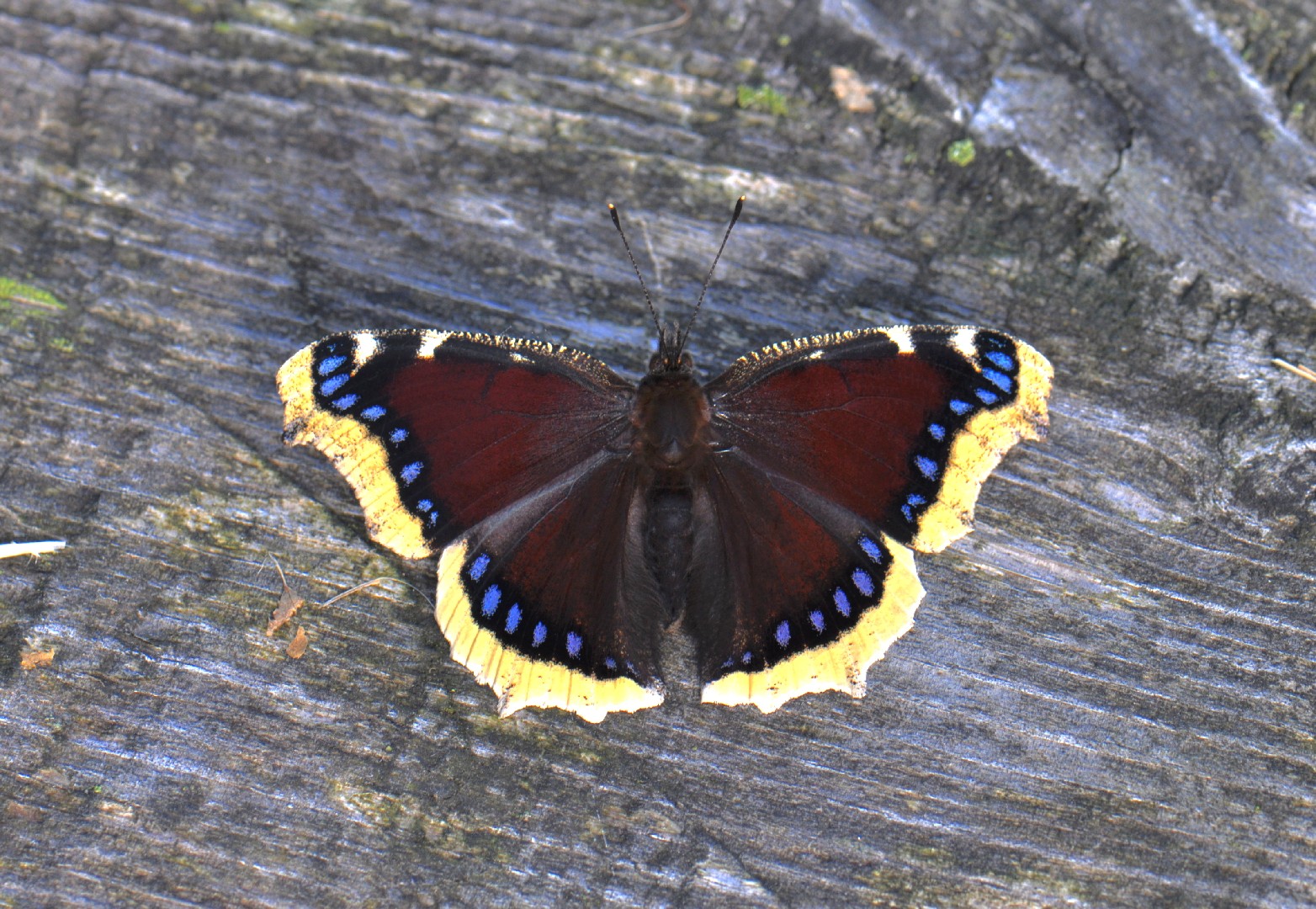
9. Mourning cloak
The state insect of Montana, mourning cloak (Nymphalis antiopa) owes its name to a visual comparison with a girl who, disliking mourning, allows a few inches of color to show from under her mourning garb. Among the longest-lived butterflies, individuals may persist for as long as eleven to twelve months. It is a powerful flier, with vagrants often found many miles from the usual migration paths.
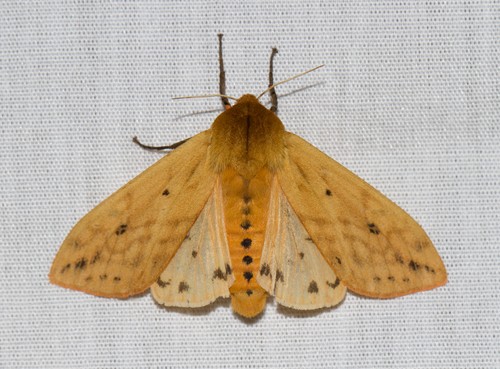
10. Isabella Tiger Moth
The isabella Tiger Moth (Pyrrharctia isabella) grows into the Isabella Tiger Moth. In folklore, the amount of brown on their band is said to determine the length of the upcoming winter. Over the winter it freezes completely. It prevents the damage of tissue by producing a liquid that preserves the tissue.


More







