




Top 20 Most Common Insects in Horn Lake
Insects, an integral part of Horn Lake's rich biodiversity, play a crucial role in sustaining its ecosystems. They balance both plant and animal populations and contribute vital services like pollination and decomposition. In our Top 20 most Common Insects in Horn Lake list, we explore the intricate relationship these unusual critters share with our city environs, spotlighting both the nuisances and the helpful allies.

Most Common Insects
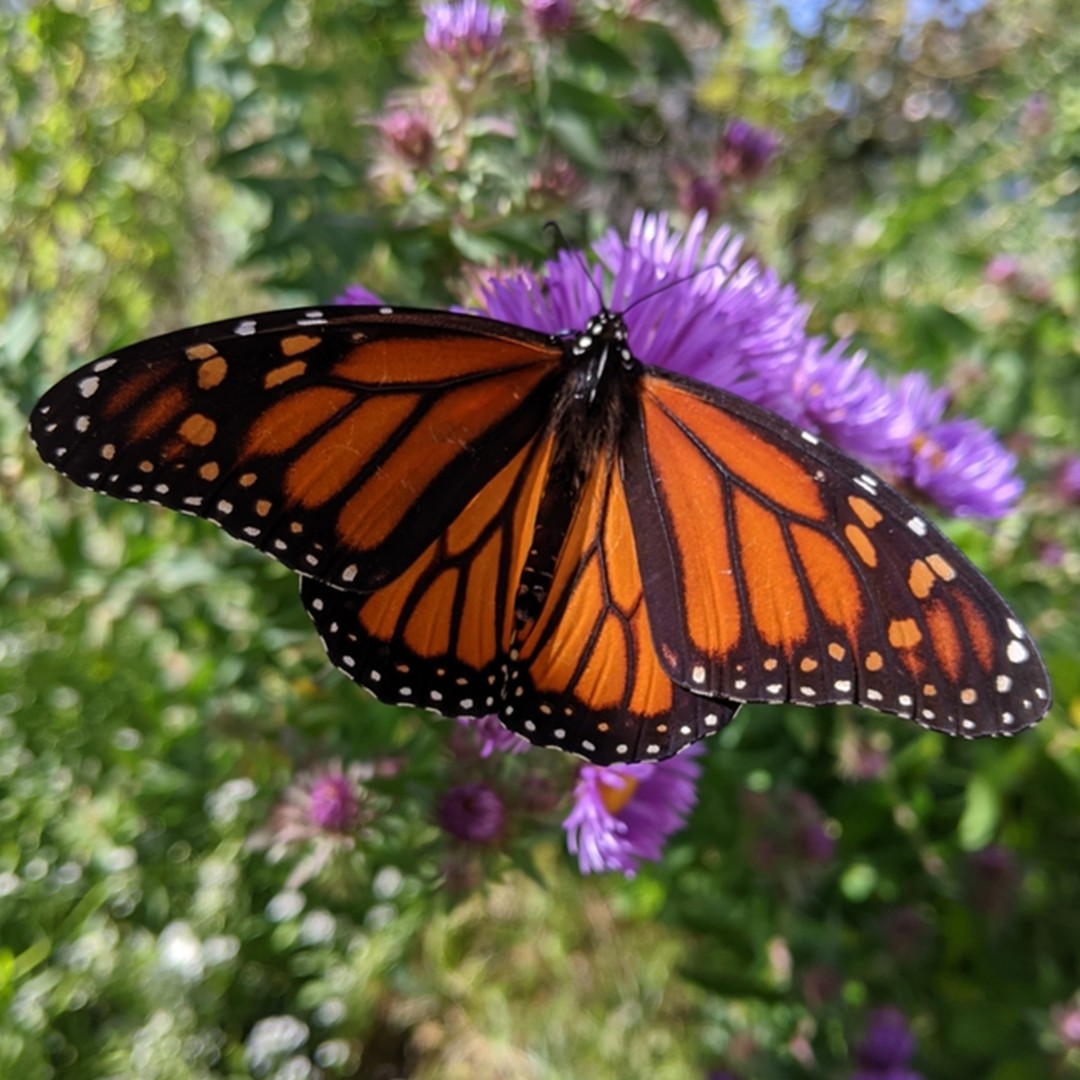
1. Monarch butterfly
The monarch butterfly (Danaus plexippus) is the most recognizable butterfly in North America. It is best known for its appearance, but should be better known for the fact that it has a 3000-mile migration that takes the butterfly 4 generations to complete. Their diet is also a natural deterrent for predators, as they eat milkweed, a poison that induces vomiting.

2. Multicolored asian ladybeetle
Often confused for the ladybug, multicolored asian ladybeetle (Harmonia axyridis) is a separate species that, unlike the ladybug, is a household pest. It is considered particularly annoying for its habit of returning to places from which it is removed. One of the most variable species in the world, there are many different colors and patterns multicolored asian ladybeetle may display, making identification potentially difficult.
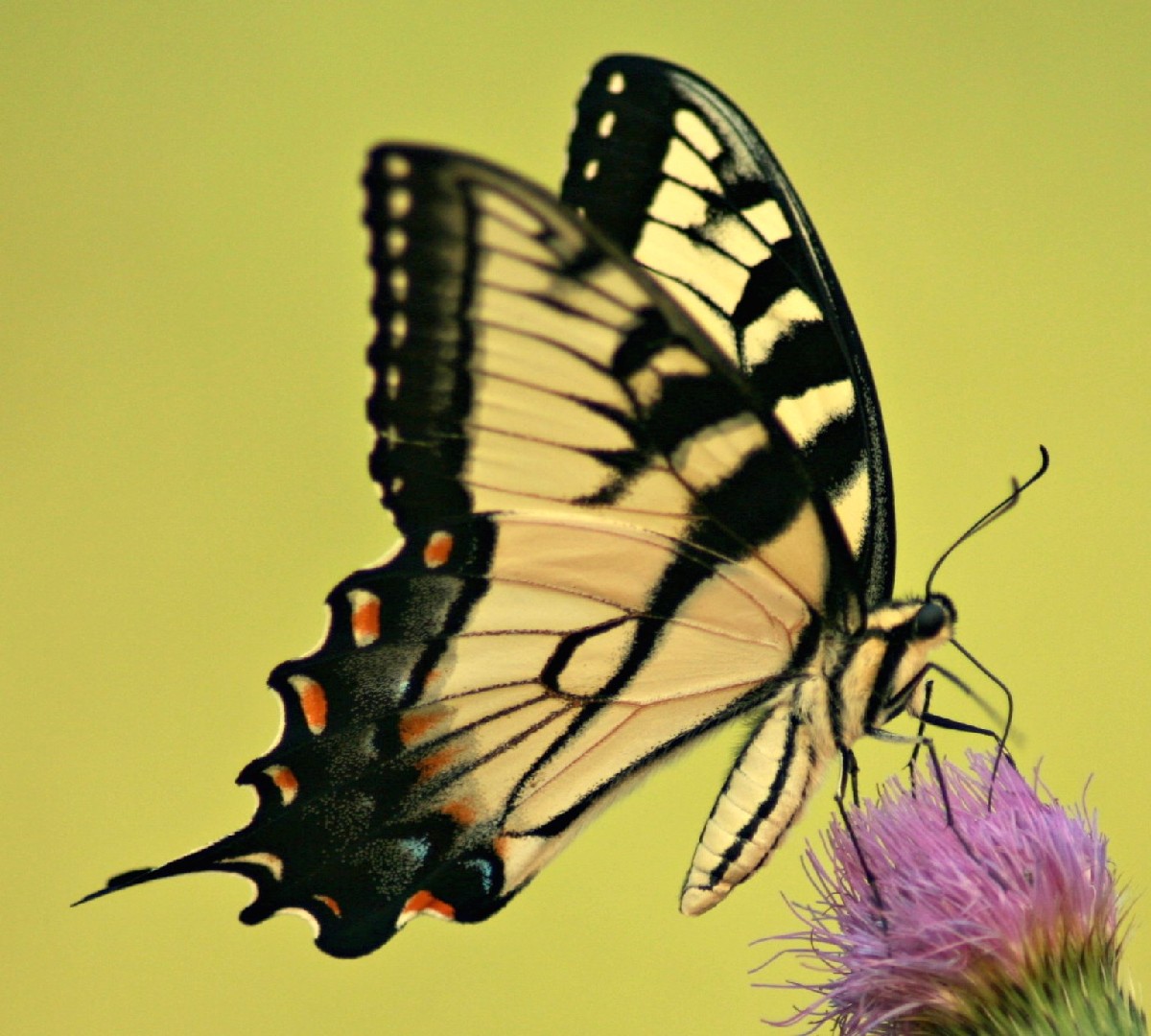
3. Eastern tiger swallowtail
Eastern tiger swallowtail (Papilio glaucus) is among the most recognizable butterflies in the eastern United States, where it inhabits a variety of habitats. This species is diurnal and usually solitary, preferring to fly high above the ground until the time comes to mate. Caterpillars display eyespots to deter birds in between some molting phases.
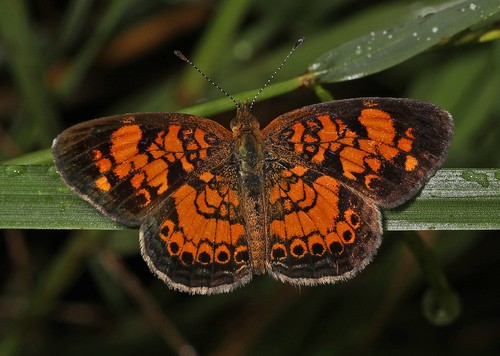
4. Pearl crescent
The pearl crescent (Phyciodes tharos) is an orange butterfly that lives in open areas that are generally moist and sunny. These butterflies are attracted to puddles, and the males will often fight with other male butterflies that land near the same puddle. However, females are not as aggressive and prefer to stay in groups.
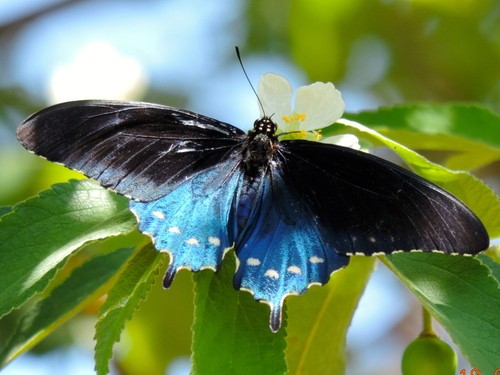
5. Pipevine Swallowtail
The pipevine Swallowtail (Battus philenor) is an insect that is protected globally but is considered a species of special concern in the northern part of their range in Michigan. The name pipevine Swallowtail comes from the common plants that they are hosts of. They are also known as the blue swallowtail due to their brilliant, blue color.
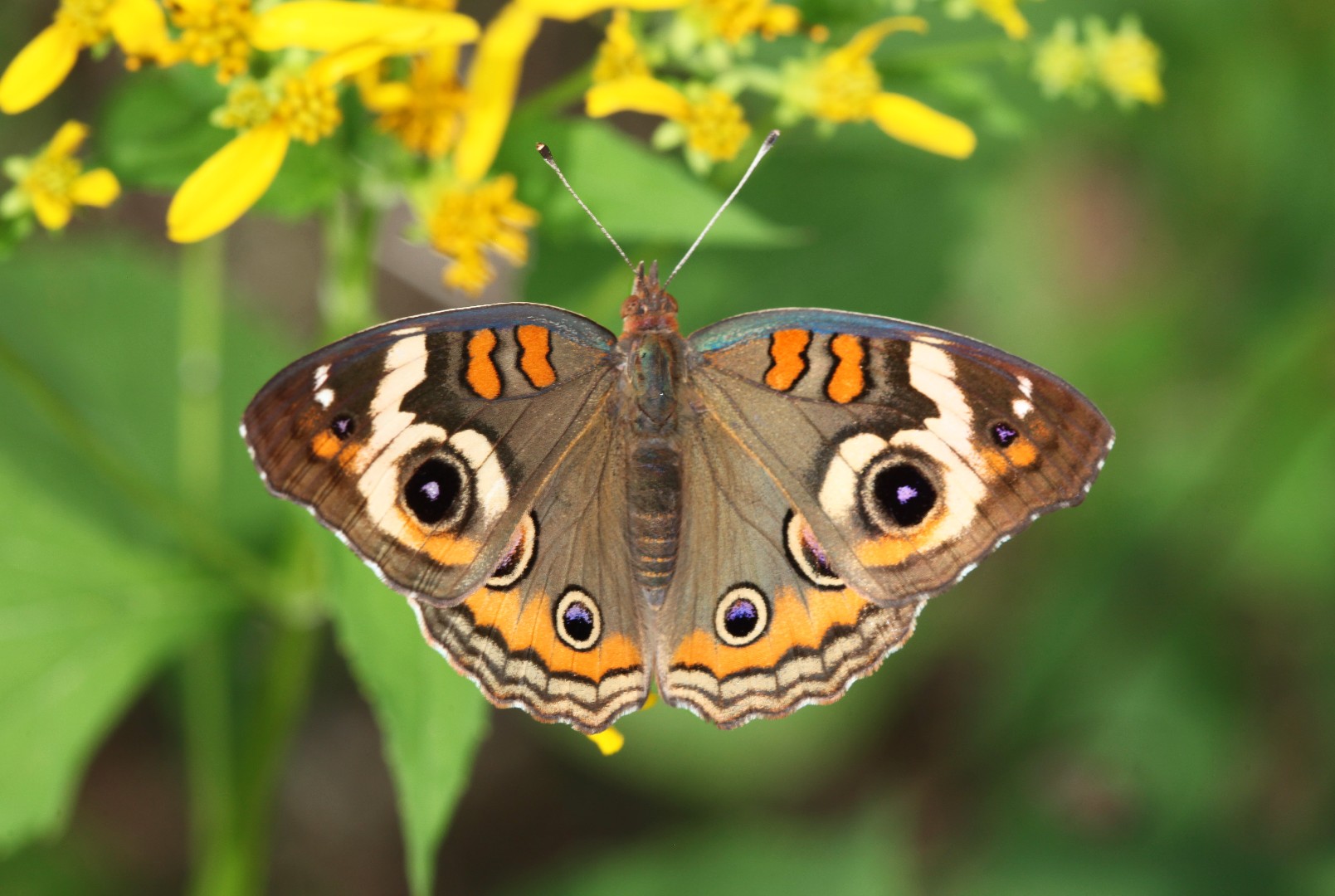
6. Common Buckeye
The common Buckeye (Junonia coenia) has distinguishable target-shaped spots on its dark wings, along with patches of orange and white. It produces multiple generations each year as it migrates to sunny landscapes. When it flies, it moves rapidly in an irregular pattern, often low to the ground.
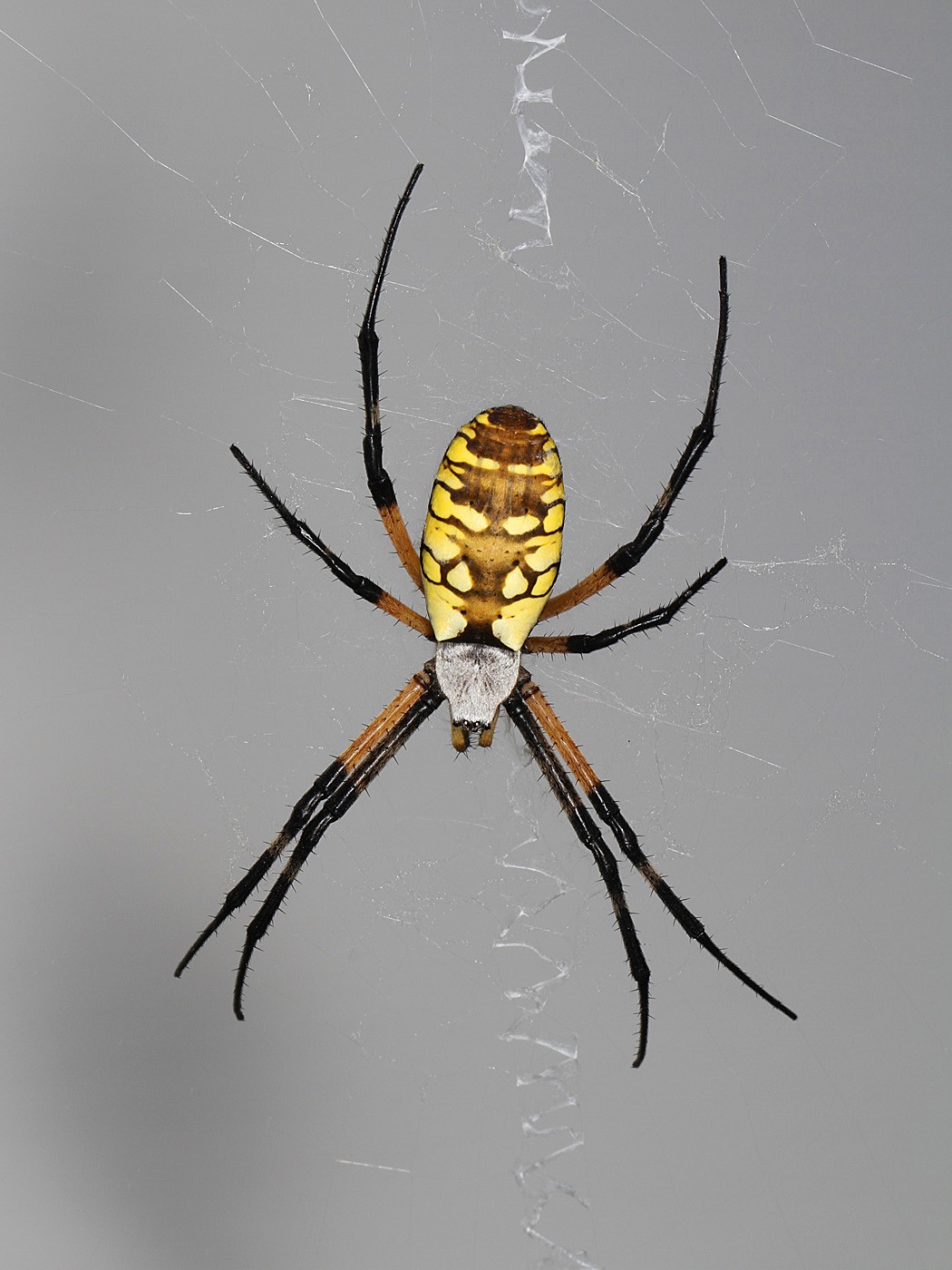
7. Yellow garden spider
The yellow garden spider (Argiope aurantia) is an arachnid that connects itself to its web to feel vibrations that signal to him prey has been caught. Its venom is harmless to humans but perfect for catching smaller insects that might cause harm to your garden. Yellow garden spiders web construction process includes bridge construction and scaffolding, making it among the more complicated web patterns.

8. Blue dasher
The name Pachydiplax longipennis implies that the blue dasher has long wings due to the "longipennis" section literally translating to it. But this would be misleading, as the insect does not have particularly long wings. Instead, they stick out with vibrant blue colors. The dasher part of their name may be in reference to their voracious diet, as they can eat up to 10 percent of their body weight daily.
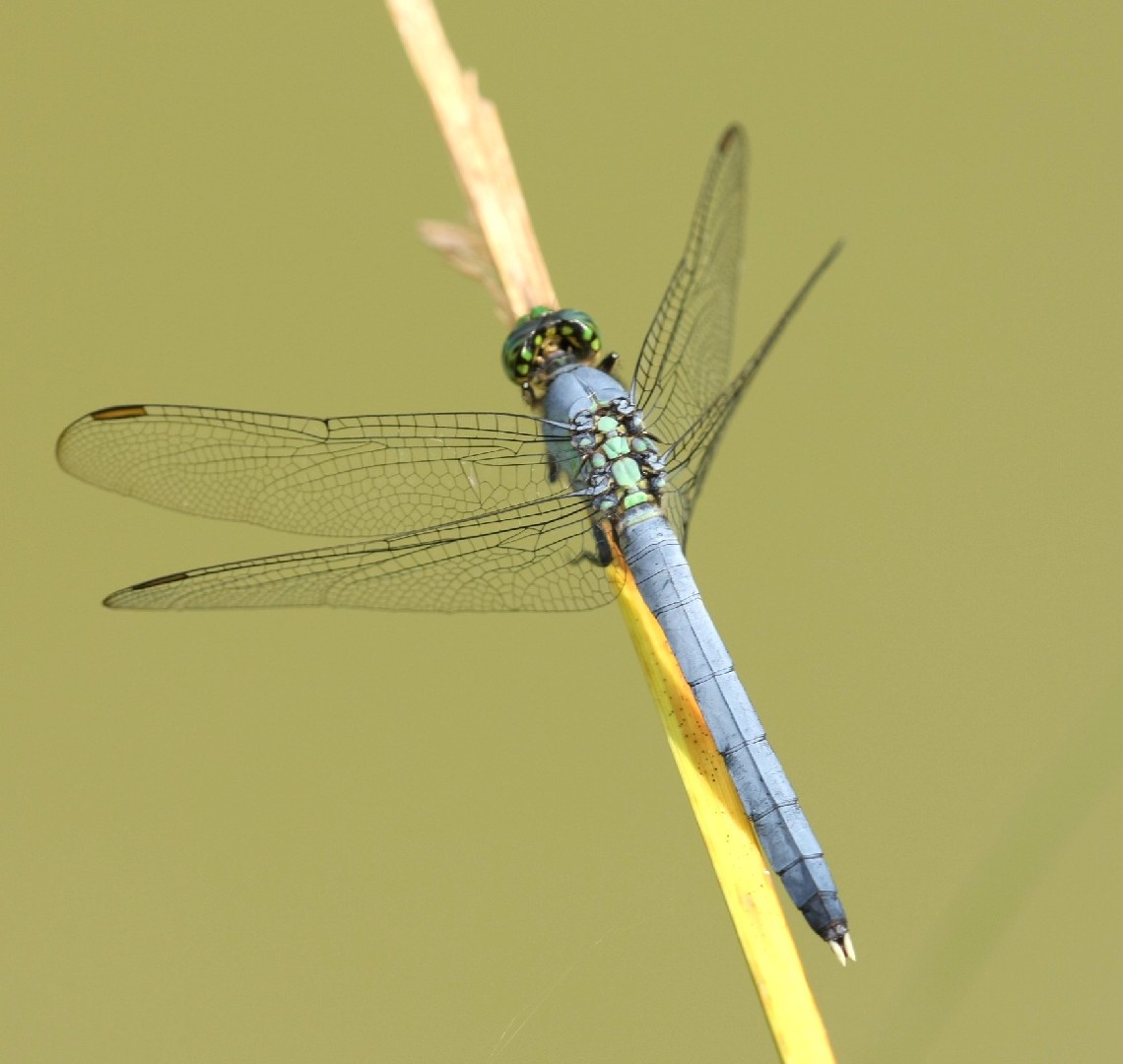
9. Eastern pondhawk
The eastern pondhawk (Erythemis simplicicollis) has much in common with American fishermen, they love living near the sides of ponds. They are a beautiful insect that is easy to distinguish when it comes to different genders. Females are bright green with bands around the abdomen and the males are bright blue with a green face.
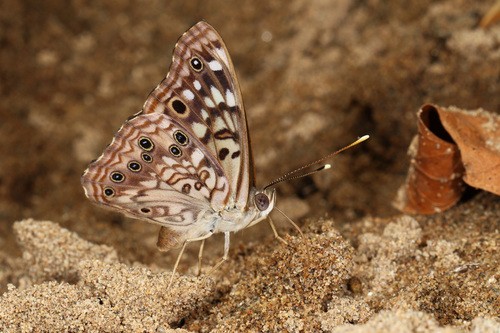
10. Hackberry Emperor
The Asterocampa celtis, also known as the hackberry Emperor, can be easily found in moist places where its favorite Hackberry tree grows. These pretty and naughty creatures are always interested in bright objects, such as a piece of white paper held in the sun. Sometimes they fly to and land on people, in order to drink the sweat for their needs of salt. They also sip moisture and minerals from mud.


More







