




Top 20 Most Common Insects in St. Joseph
Insects, remarkable creatures buzzing with diversity, inhabit every nook and cranny of St. Joseph. They play vital roles, both as pests disrupting human activities and beneficial bugs maintaining our ecosystems. Our list of top 20 most common insects will illuminate how intimately St. Joseph's environment is tied with these tiny terrors and tiny heroes.

Most Common Insects
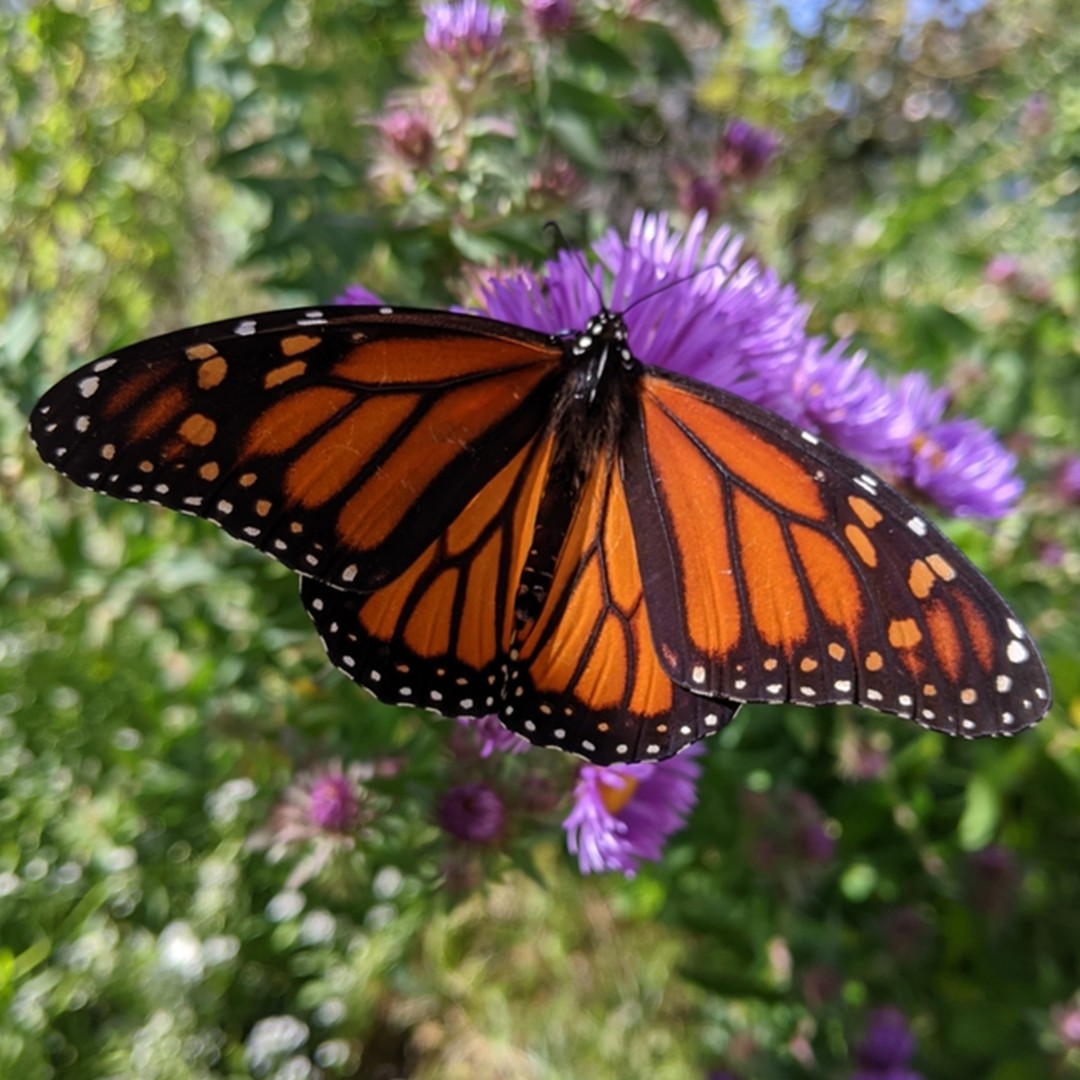
1. Monarch butterfly
The monarch butterfly (Danaus plexippus) is the most recognizable butterfly in North America. It is best known for its appearance, but should be better known for the fact that it has a 3000-mile migration that takes the butterfly 4 generations to complete. Their diet is also a natural deterrent for predators, as they eat milkweed, a poison that induces vomiting.
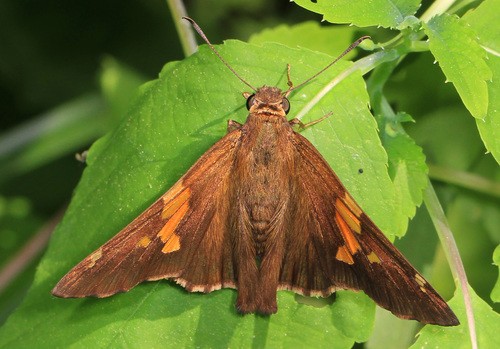
2. Silver-spotted skipper
The silver-spotted skipper (Epargyreus clarus) constructs a series of nests throughout its development that depends on its growth stage. Its caterpillar form is considered a major homebody, as they rarely leave the spot they call home. When they are adults, males perch on high branches in order to claim and defend favorable territory. Unusually, silver-spotted skipper adults never visit yellow flowers.
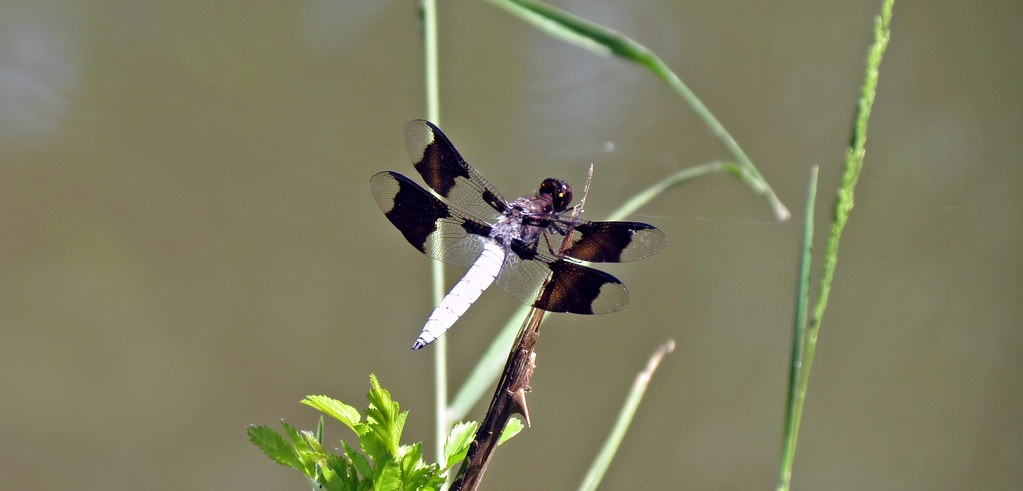
3. Common whitetail skimmer
Common whitetail skimmer has black bands on its translucent wings which make it easy to identify. The common whitetail skimmer is found throughout North America and serves a vital ecological purpose. The dragonfly’s compound eyes provide it with a 360-degree field of vision, allowing it to spot prey like spiders and other nuisance insects.
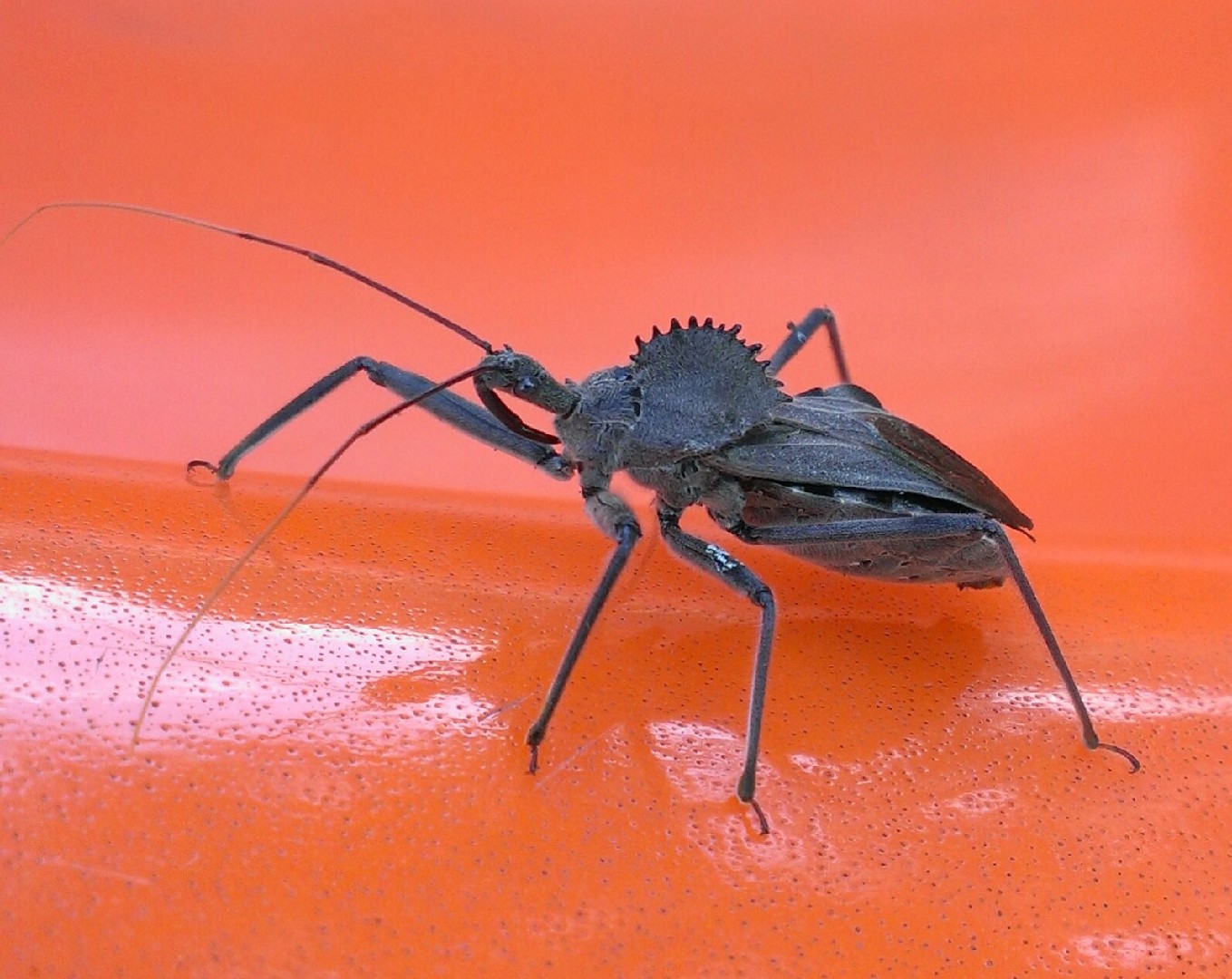
4. Wheel Bug
The wheel Bug (Arilus cristatus) gets its name from the spiked wheel on the top of his head. The punk rock look suits these bugs, as their bite tends to be more painful than a bee sting. Another nickname, assassin bug, is earned through its hunting of many bugs we would consider as crop pests and indoor pests. Their saliva is toxic, usually killing prey within 30 seconds of injection.
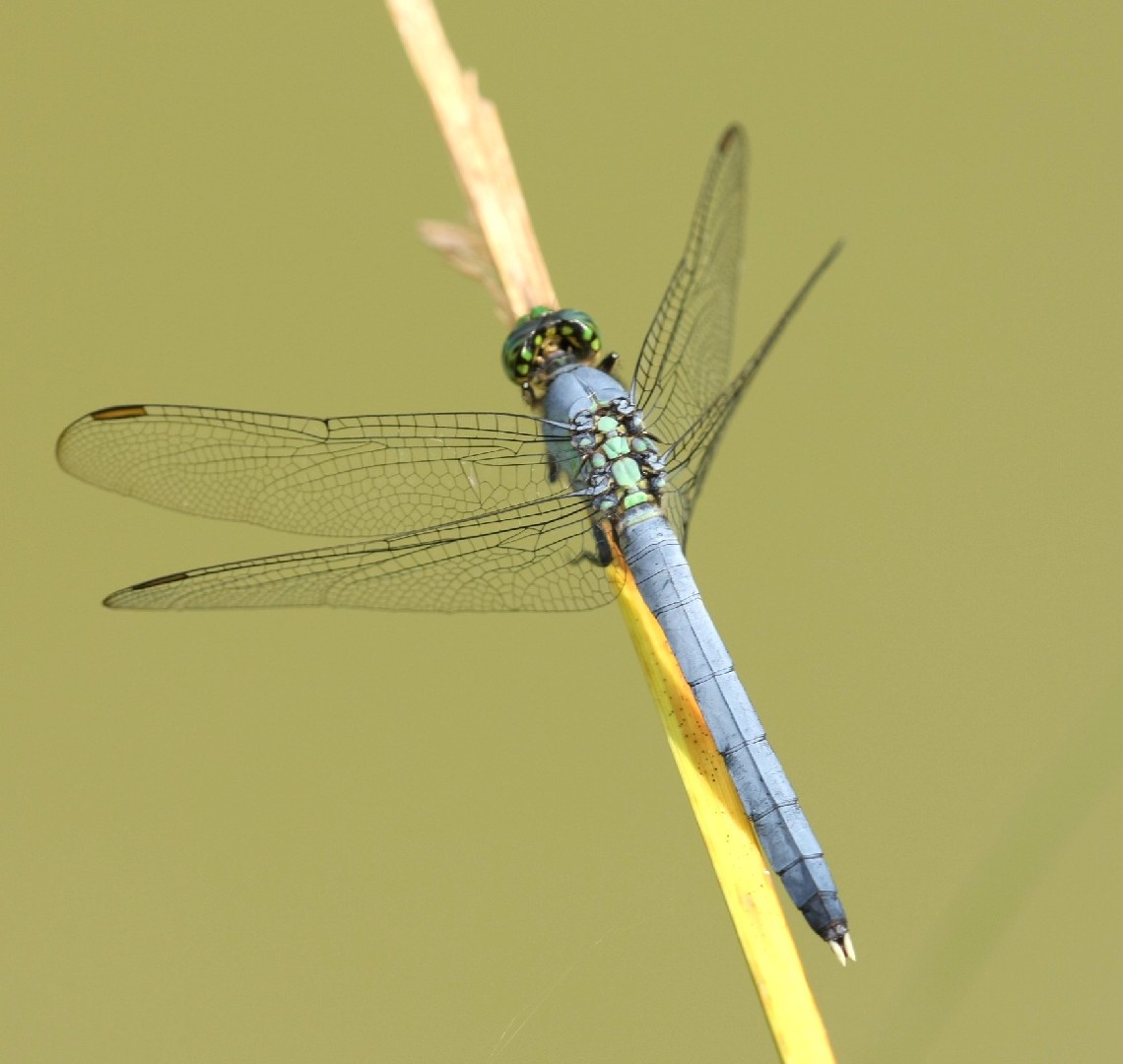
5. Eastern pondhawk
The eastern pondhawk (Erythemis simplicicollis) has much in common with American fishermen, they love living near the sides of ponds. They are a beautiful insect that is easy to distinguish when it comes to different genders. Females are bright green with bands around the abdomen and the males are bright blue with a green face.
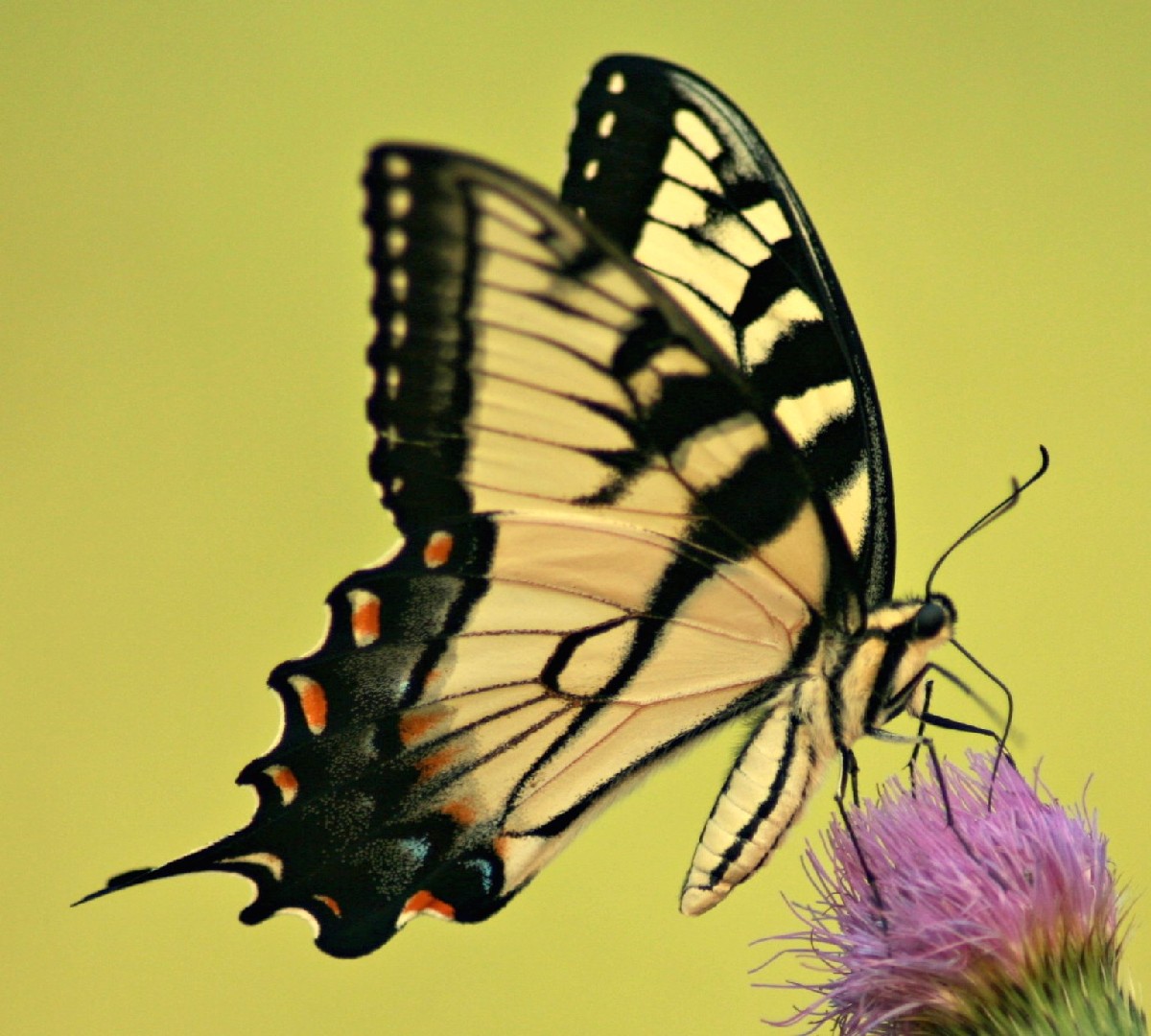
6. Eastern tiger swallowtail
Eastern tiger swallowtail (Papilio glaucus) is among the most recognizable butterflies in the eastern United States, where it inhabits a variety of habitats. This species is diurnal and usually solitary, preferring to fly high above the ground until the time comes to mate. Caterpillars display eyespots to deter birds in between some molting phases.
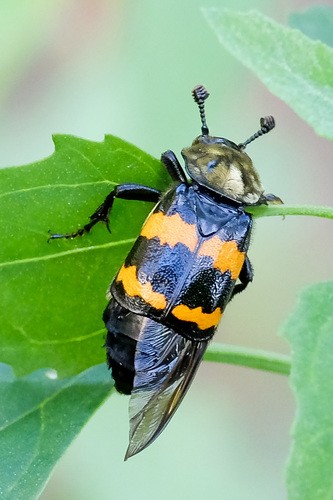
7. Tomentose burying beetle
The tomentose burying beetle (Nicrophorus tomentosus) is also called the gold necked carrion beetle due to the two bright bands on its back. They are also one of the few insects that engage in cooperative parental care. Males and females will place their eggs underneath a carcass, where they may need to remove the soil. Both males and females cooperate in the defense of this carcass as their young grow.
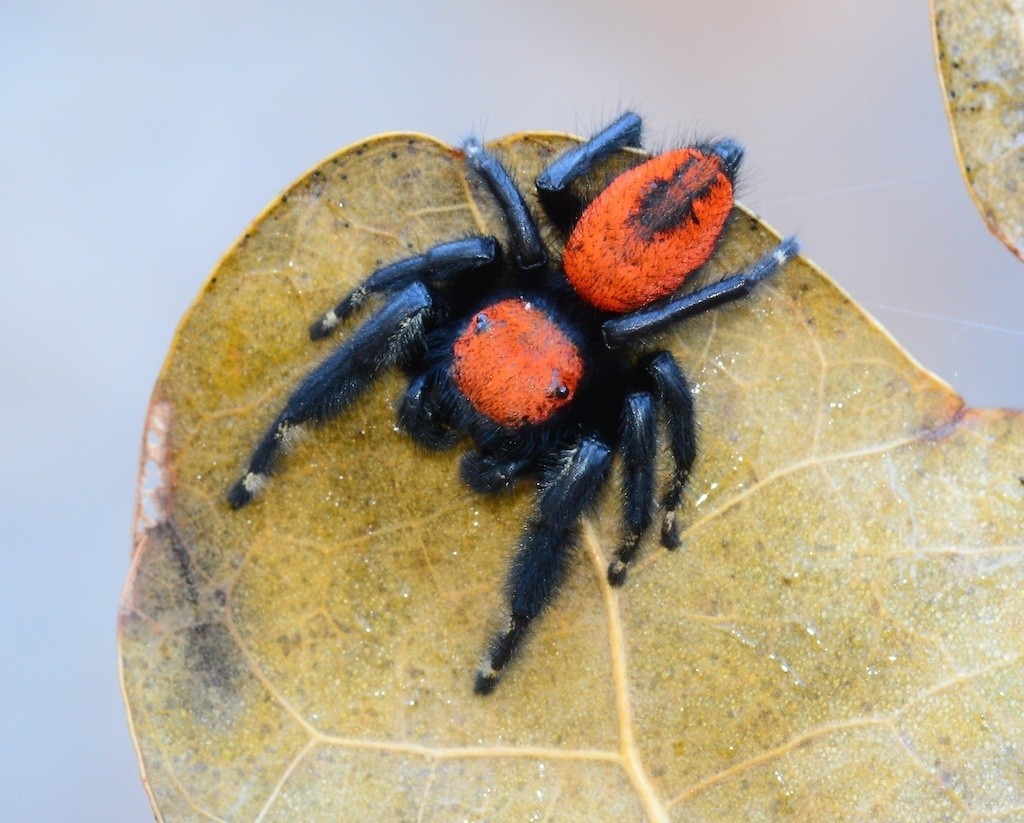
8. Red velvet jumping spider
Phidippus apacheanus is a species of jumping spider in the family Salticidae. It is found in the United States, Mexico, and Cuba. 
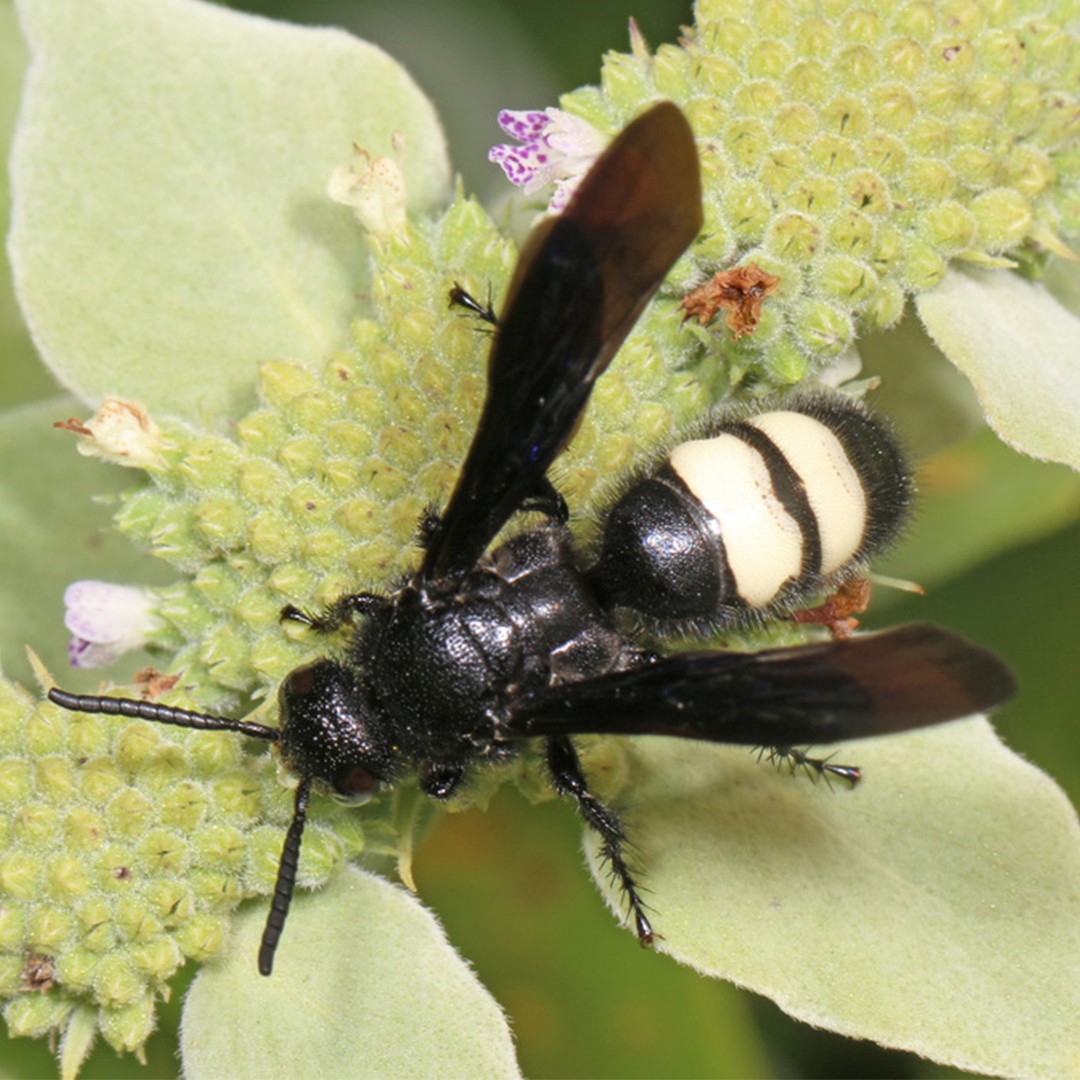
9. Double-banded Scoliid Wasp
Scolia bicincta, the double-banded scoliid, is a species of scoliid wasp in the family Scoliidae.
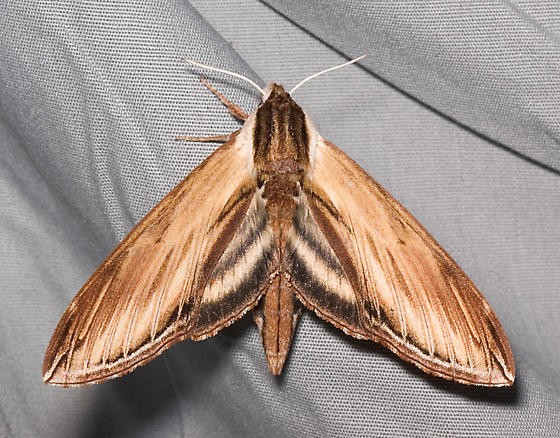
10. Laurel sphinx
The wingspan is 75–103 mm.

More







