




Top 20 Most Common Insects in New Hampshire
In the verdant terrain of New Hampshire, insects represent a remarkable diversity of life. Equipped with distinctive features and residing in a unique range of habitats, they are an essential part of our ecosystem. From beneficial pollinators to pestiferous invaders, the insects of New Hampshire play varied roles shaped by geography. Our list of 20 most common insects in New Hampshire offers a fascinating window into this world, highlighting the tangible connection between the environment and the insects it fosters.

Most Common Insects
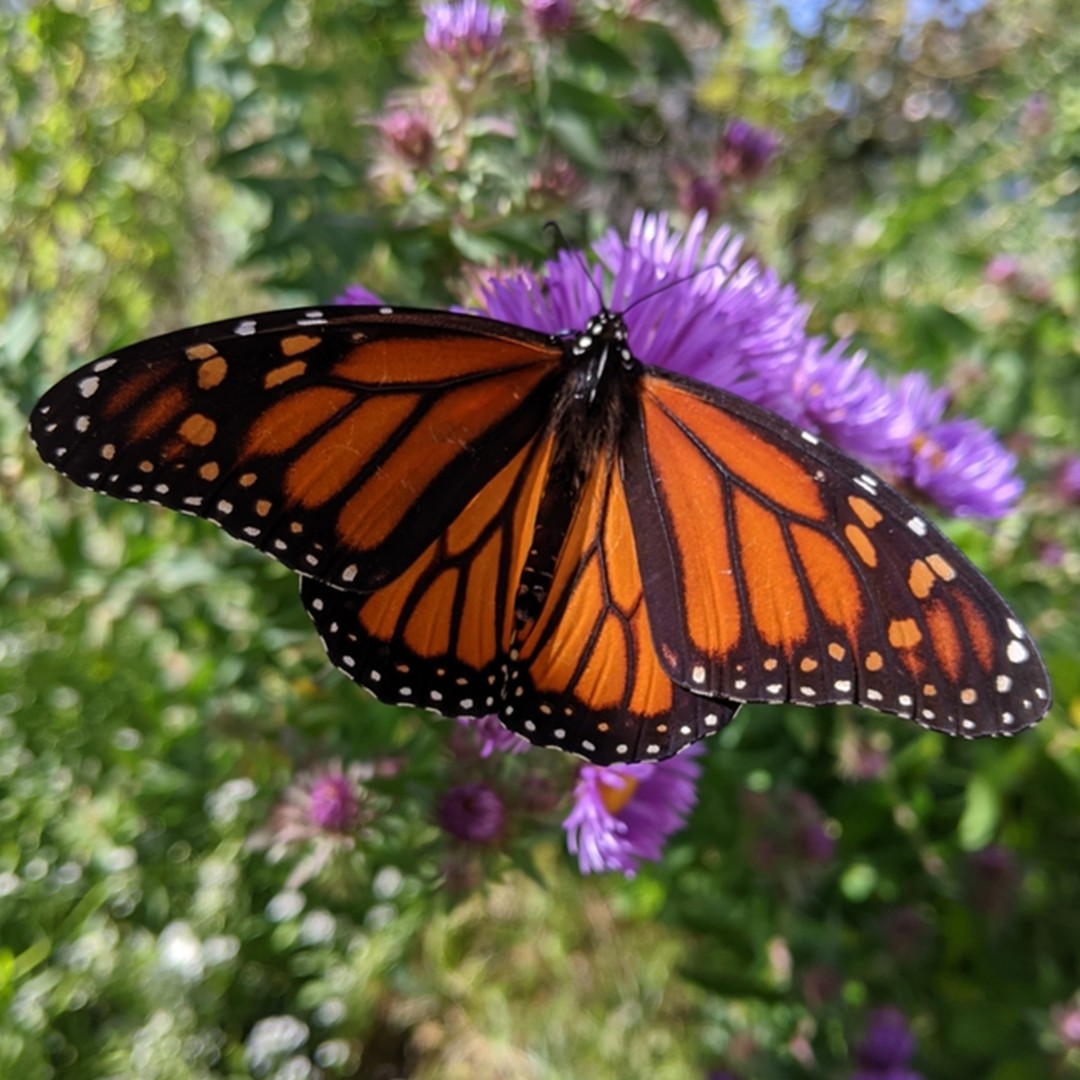
1. Monarch butterfly
The monarch butterfly (Danaus plexippus) is the most recognizable butterfly in North America. It is best known for its appearance, but should be better known for the fact that it has a 3000-mile migration that takes the butterfly 4 generations to complete. Their diet is also a natural deterrent for predators, as they eat milkweed, a poison that induces vomiting.
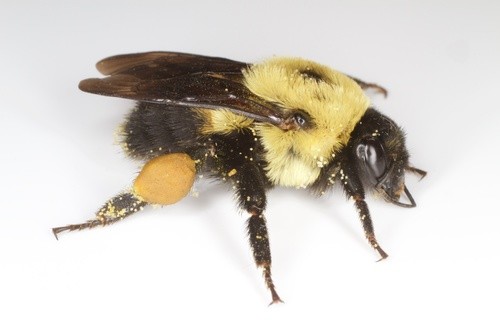
2. Common Eastern Bumble Bee
The common Eastern Bumble Bee (Bombus impatiens) is one of the most important pollinator bees in North America. A decline in the bee population will lead to financial hardships for farmers and reduced food yield. Their efficiency in pollination and foraging comes from their ability to drop "traplines." These lines guide other bees to the correct path for food while informing them of depleted locations.
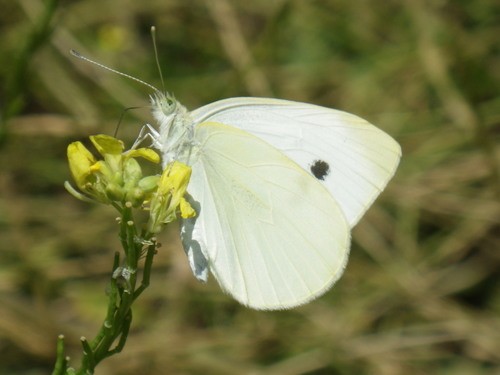
3. Cabbage white
Cabbage white (Pieris rapae) derives its common name from its habits as a caterpillar, which is a ferocious pest for cabbage, kale and broccoli farmers. In North America, it is one of the first butterflies to emerge in spring, heralding the beginning of the season.
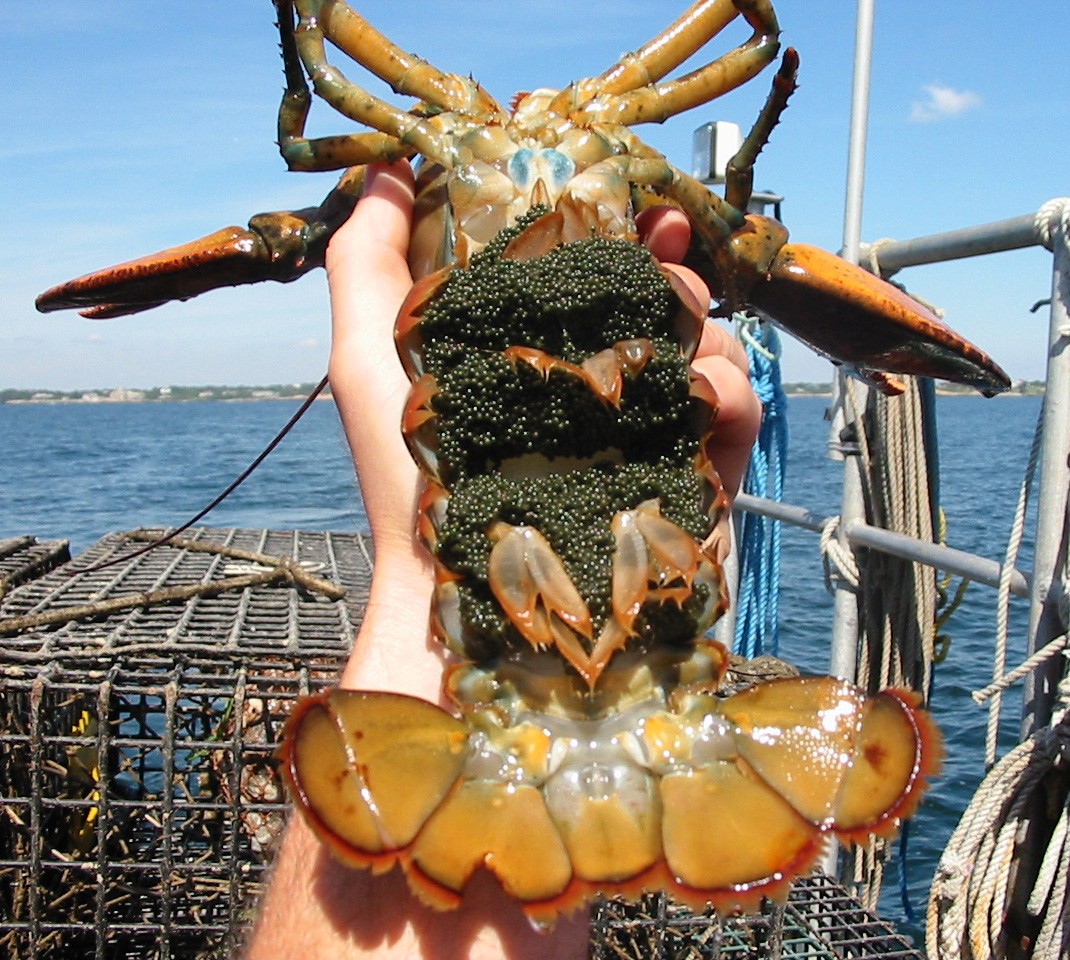
4. American lobster
American lobsters (Homarus americanus) are the heaviest crustaceans in the world, reaching a weight of up to 20 kg. They are major commercial products in the northeastern US and Canada. Female american lobsters will only mate shortly after molting, and can store a male's sperm for up to 15 months. Once fertilized, the eggs will adhere to the underside of the mother's body until they hatch.

5. Multicolored asian ladybeetle
Often confused for the ladybug, multicolored asian ladybeetle (Harmonia axyridis) is a separate species that, unlike the ladybug, is a household pest. It is considered particularly annoying for its habit of returning to places from which it is removed. One of the most variable species in the world, there are many different colors and patterns multicolored asian ladybeetle may display, making identification potentially difficult.
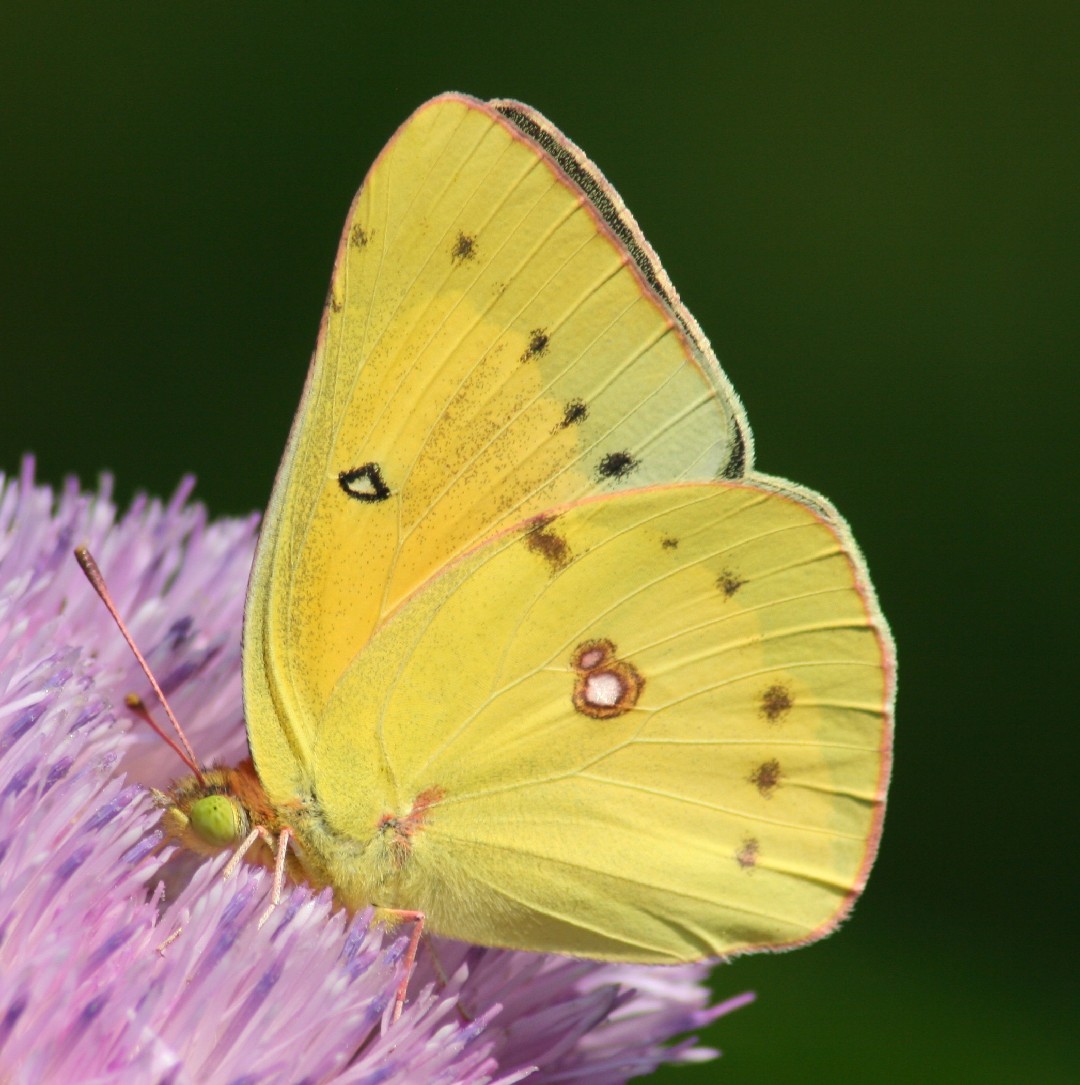
6. Clouded Sulphur
The scientific name is Colias philodice, also known as the clouded Sulphur. It is very commonly seen in North America with pale yellow wings, which have solid black borders on the upper surface and a doubled hindwing spot trimmed in brownish red. Interestingly, the wing color of the clouded Sulphur varies in a seasonal manner from white to yellow and the spots on the wings also change as well, being more pronounced during the cool months in spring and fall.
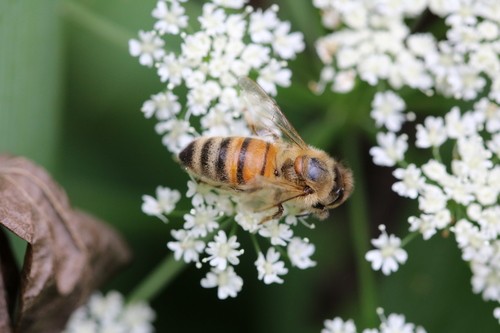
7. Western honey bee
Western honey bee(Apis mellifera) is the most common species of honeybee in the world. Among the first domesticated insects, its cultural and economic impact on humanity has been vast and far-reaching, providing honey, wax and its services as a pollinator. Western honey bee faces challenges worldwide, such as colony collapse disorder, and populations are thought to be decreasing.
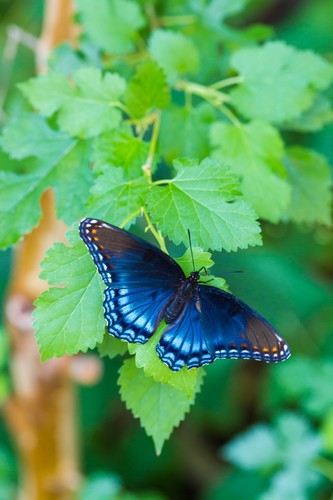
8. Red-Spotted Purple
The red-Spotted Purple (Limenitis arthemis) is a beautiful butterfly that shows off a metallic-blue color. They are also known as White Admirals due to the brilliant, white band that is seen on them. Males are incredibly aggressive in defending areas that have high female traffic. They will regularly patrol these areas to ensure other males do not take over claimed territories.
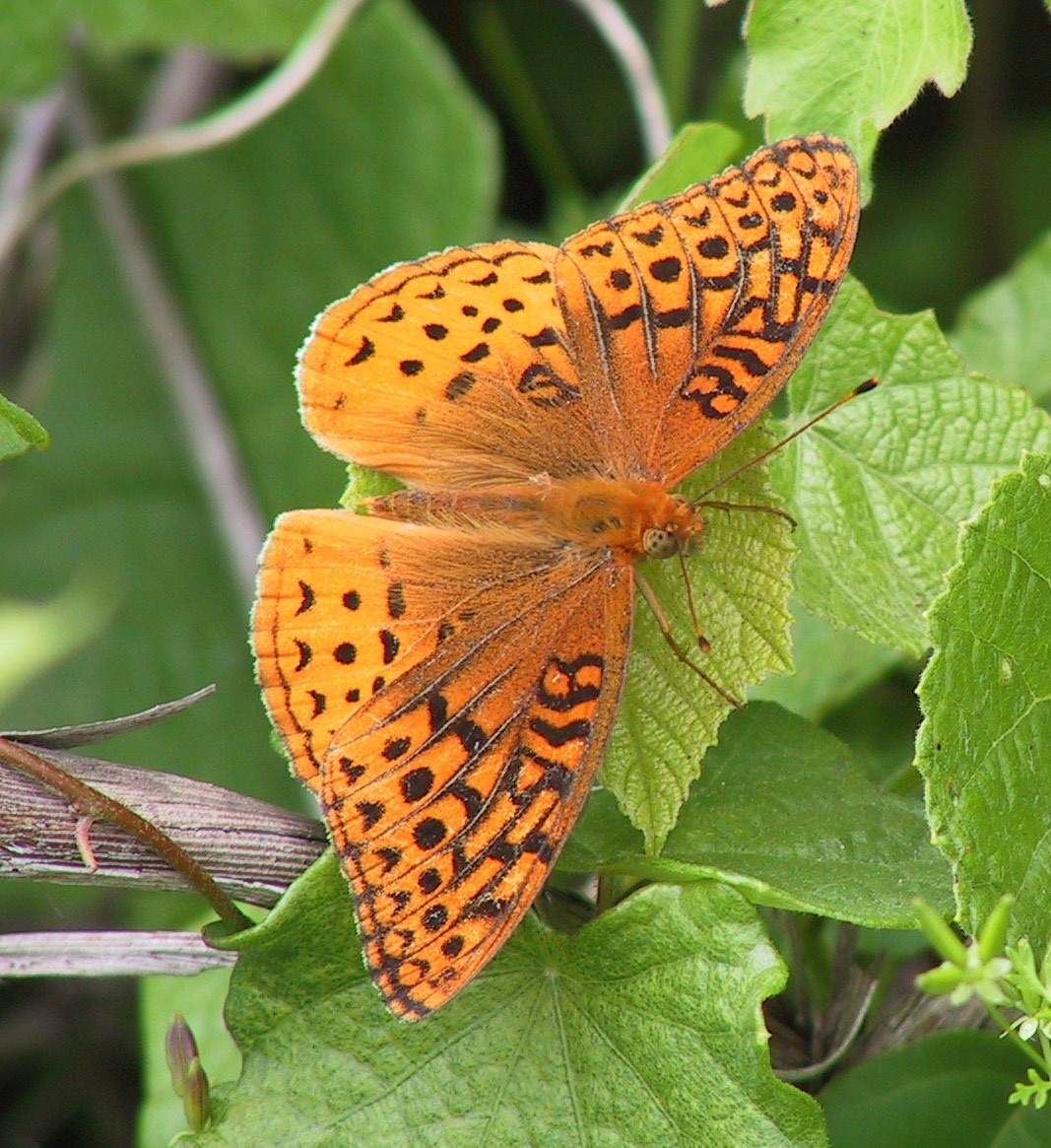
9. Great spangled fritillary
The great spangled fritillary (Speyeria cybele) is a beautiful butterfly that is orange in color and has a variety of spots on its body like a leopard. Females tend to be a bit darker than their male counterparts. Their caterpillars are black with orange spots and often caught feeding on violets.
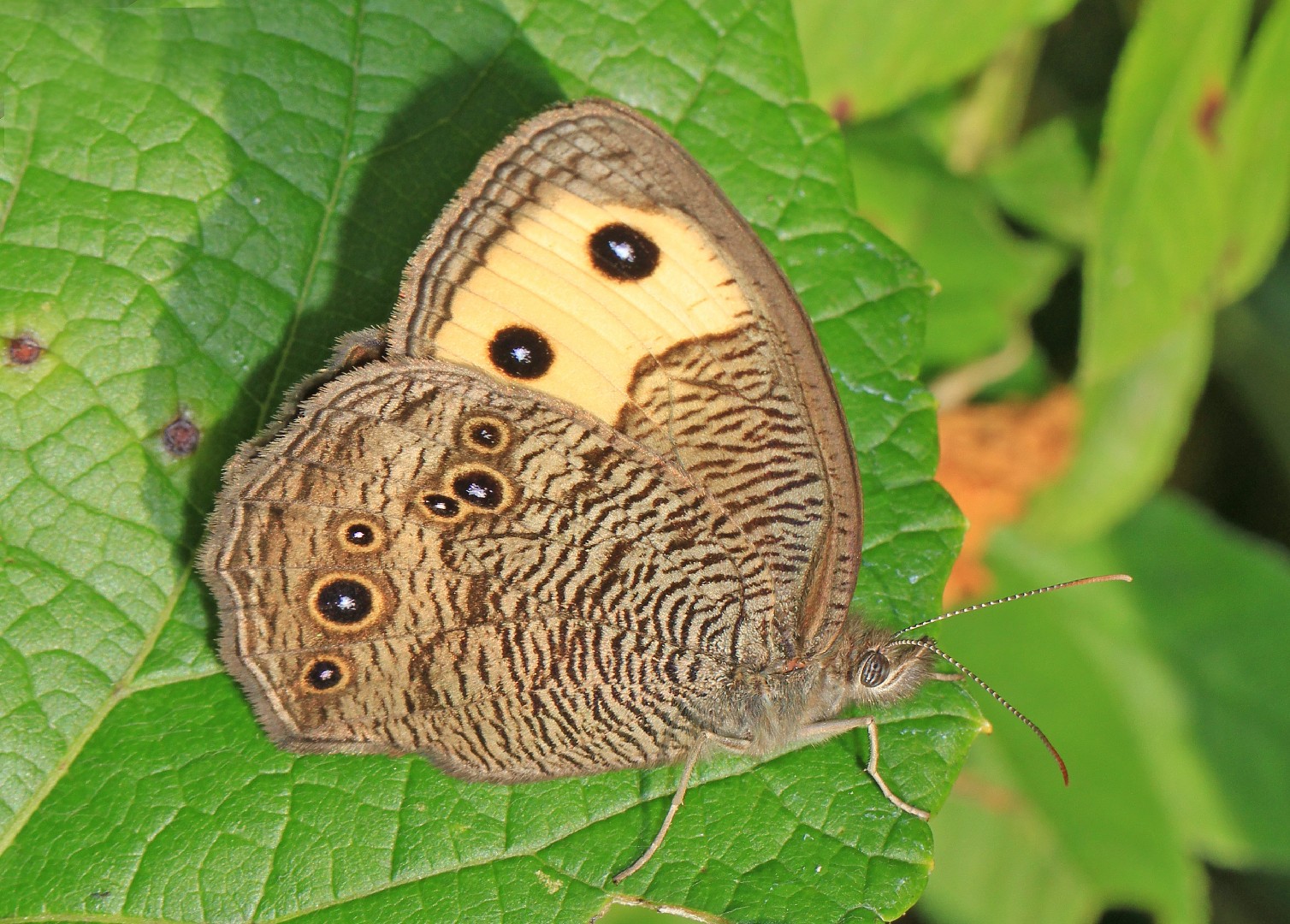
10. Common wood nymph
The common wood nymph (Cercyonis pegala) is a brown butterfly that has eyespots located on it to assist in warding off predators, as they are pretty easily spooked by anything that looks like a giant face. Depending on the location, they may or may not come with the eyespots or additional yellow spots, giving them a good chunk of variance depending on growing environment.

More







