




Top 20 Most Common Insects in Ewing
Insects, with their extraordinarily diverse features and habitats, are an integral part of Ewings ecosystem. Their importance is not limited to their roles as pollinators or as food for wildlife, but extends to pest control and waste management. Understanding the top 20 most common insects in Ewing can provide valuable insight into our city's ecology, fostering a balance between beneficial insects and potential pests.

Most Common Insects
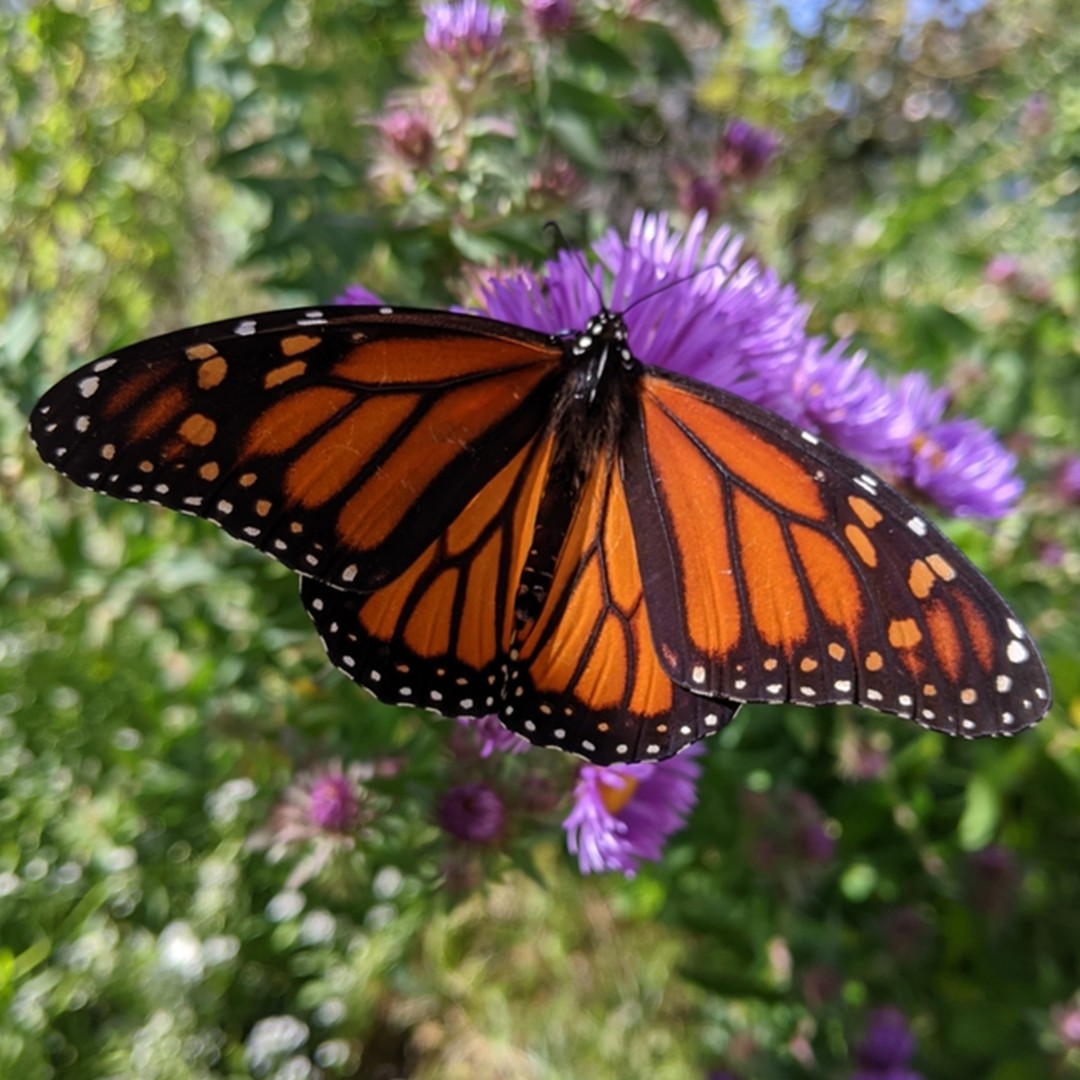
1. Monarch butterfly
The monarch butterfly (Danaus plexippus) is the most recognizable butterfly in North America. It is best known for its appearance, but should be better known for the fact that it has a 3000-mile migration that takes the butterfly 4 generations to complete. Their diet is also a natural deterrent for predators, as they eat milkweed, a poison that induces vomiting.
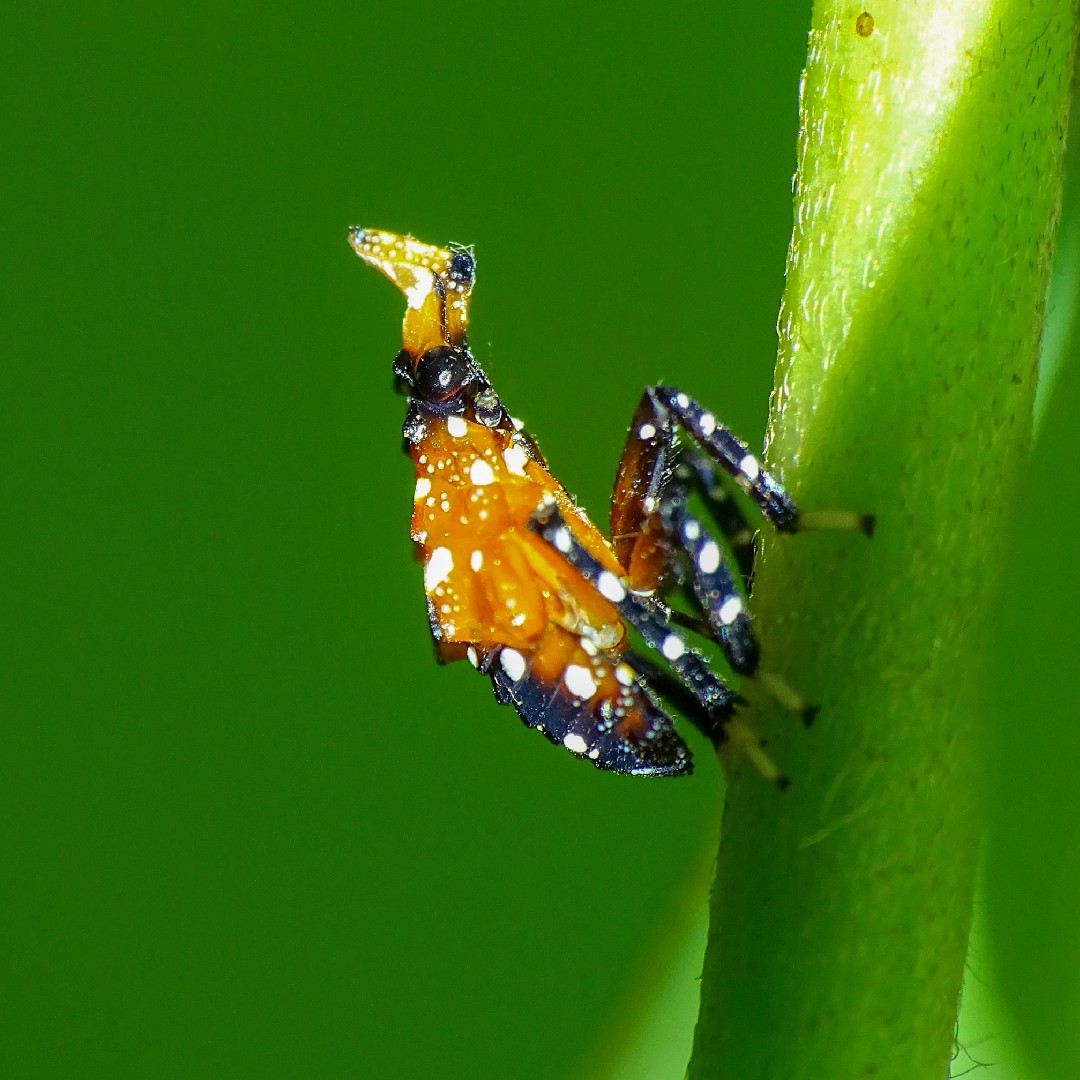
2. Spotted Lanternfly
The spotted Lanternfly (Lycorma delicatula), also known as the "spotted wax cicada", is considered a pest due to its ability to reproduce frequently. As a nymph, it has a black or red body with small, white dots. However, as an adult, it develops white wings with black spots and orange underwings. It pierces plant stems for food, stunting plant growth.

3. Multicolored asian ladybeetle
Often confused for the ladybug, multicolored asian ladybeetle (Harmonia axyridis) is a separate species that, unlike the ladybug, is a household pest. It is considered particularly annoying for its habit of returning to places from which it is removed. One of the most variable species in the world, there are many different colors and patterns multicolored asian ladybeetle may display, making identification potentially difficult.
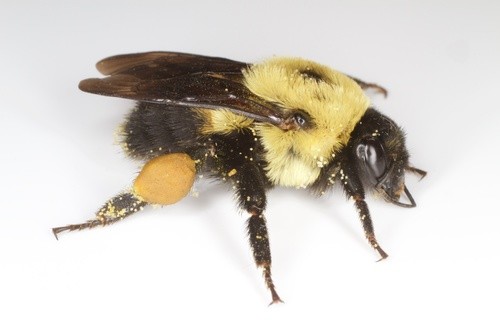
4. Common Eastern Bumble Bee
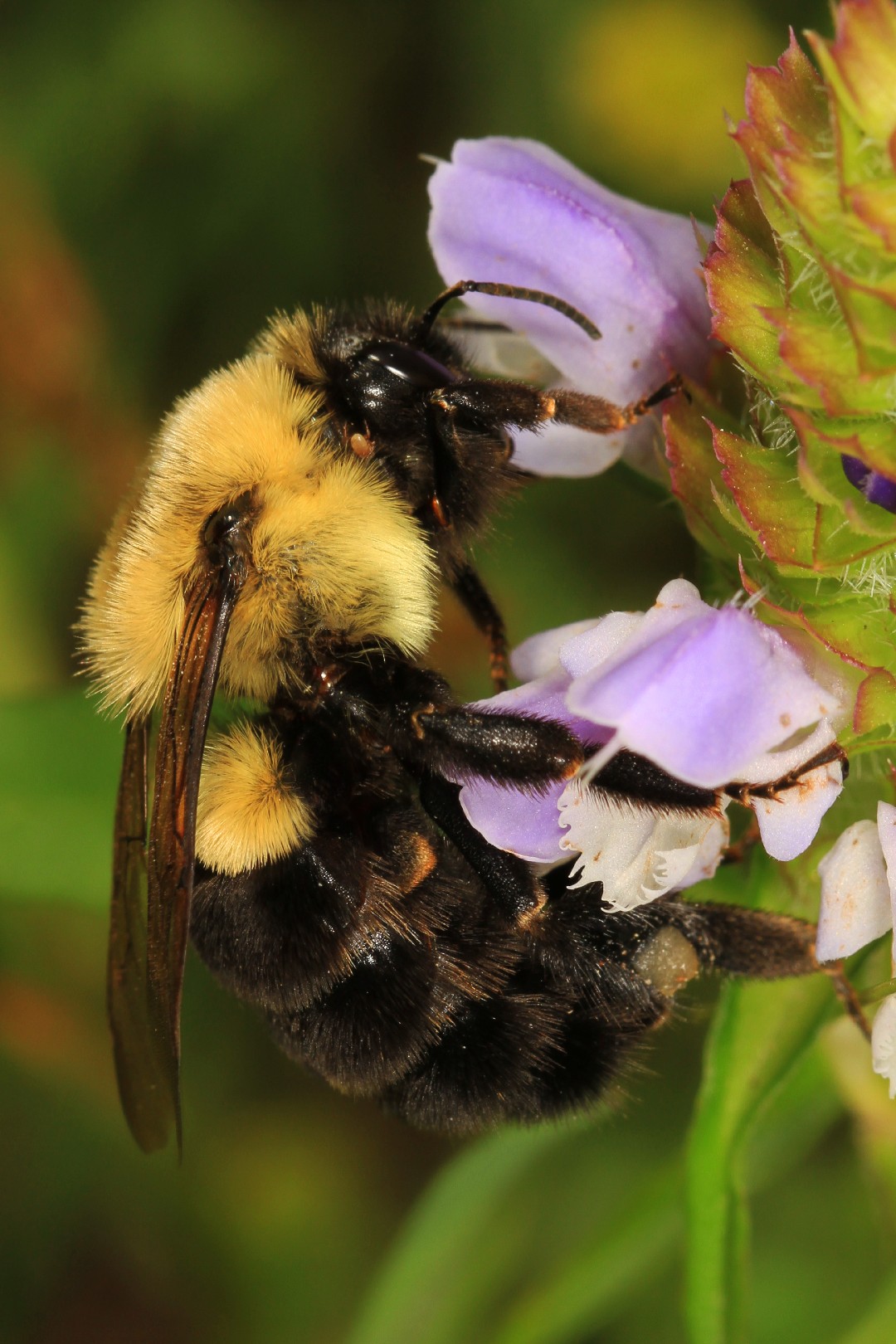
The common Eastern Bumble Bee (Bombus impatiens) is one of the most important pollinator bees in North America. A decline in the bee population will lead to financial hardships for farmers and reduced food yield. Their efficiency in pollination and foraging comes from their ability to drop "traplines." These lines guide other bees to the correct path for food while informing them of depleted locations.
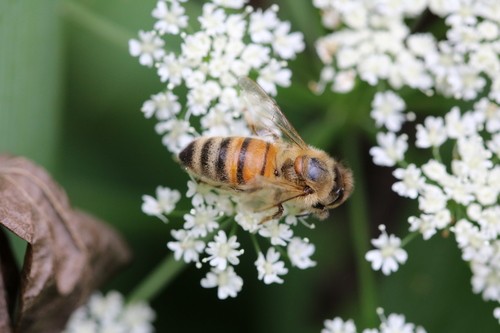
5. Western honey bee
Western honey bee(Apis mellifera) is the most common species of honeybee in the world. Among the first domesticated insects, its cultural and economic impact on humanity has been vast and far-reaching, providing honey, wax and its services as a pollinator. Western honey bee faces challenges worldwide, such as colony collapse disorder, and populations are thought to be decreasing.
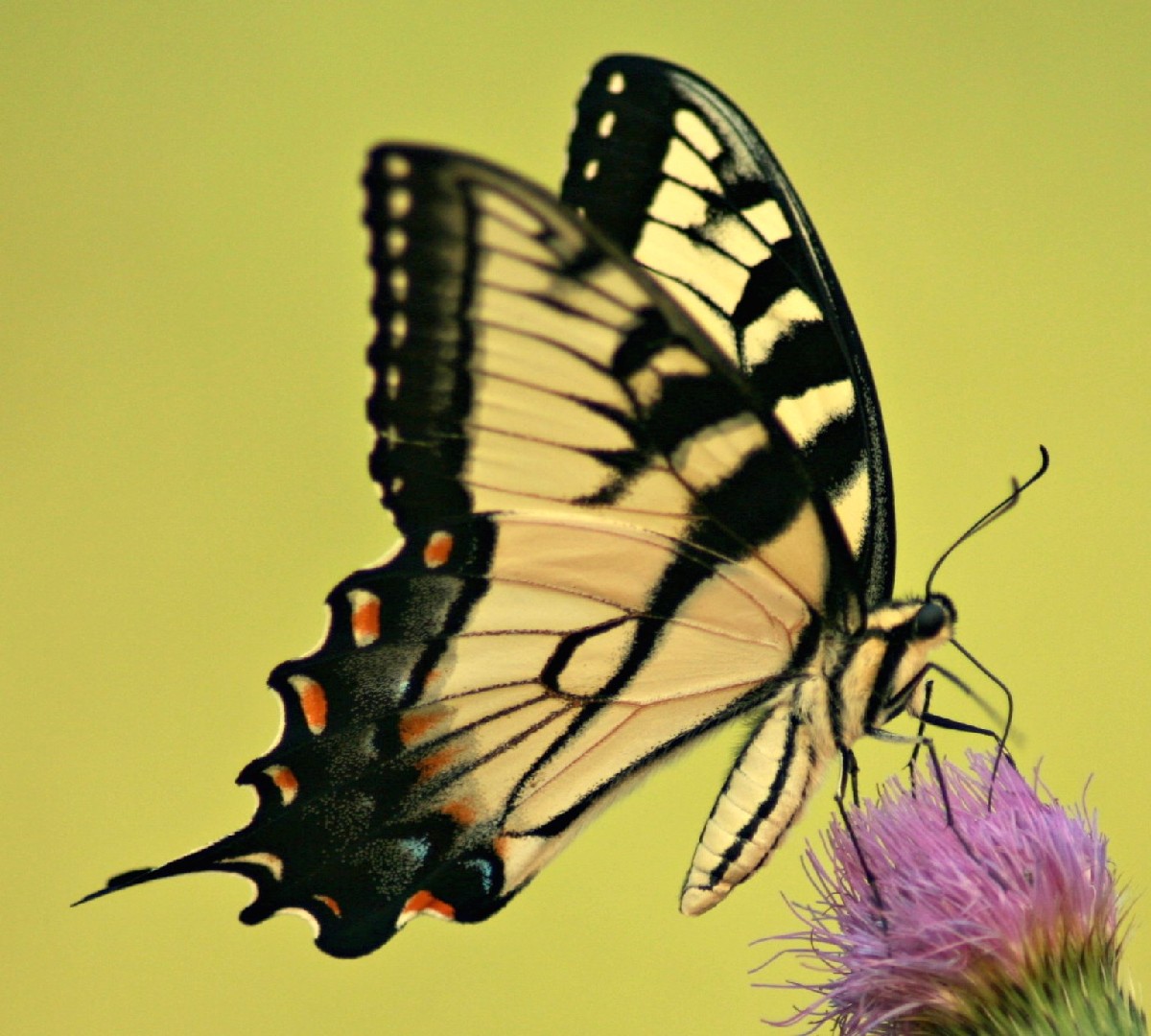
6. Eastern tiger swallowtail
Eastern tiger swallowtail (Papilio glaucus) is among the most recognizable butterflies in the eastern United States, where it inhabits a variety of habitats. This species is diurnal and usually solitary, preferring to fly high above the ground until the time comes to mate. Caterpillars display eyespots to deter birds in between some molting phases.
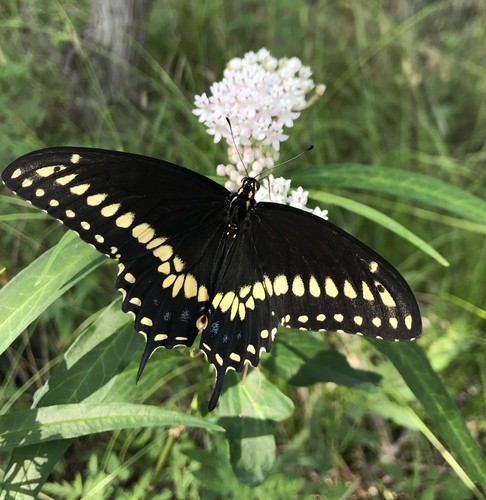
7. Black Swallowtail
The black Swallowtail (Papilio polyxenes) is one of the fastest swallowtails out there. With a lifespan that maxes out at 45 days, it has a limited amount of time to get a mate. As a result, courtship is only around forty seconds long. They can also put their abdomen at the top of their wings, keeping them warm during colder flights.
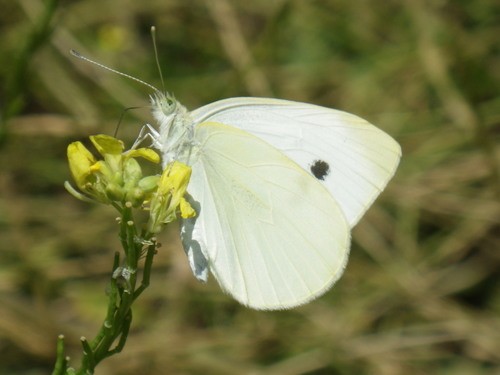
8. Cabbage white
Cabbage white (Pieris rapae) derives its common name from its habits as a caterpillar, which is a ferocious pest for cabbage, kale and broccoli farmers. In North America, it is one of the first butterflies to emerge in spring, heralding the beginning of the season.
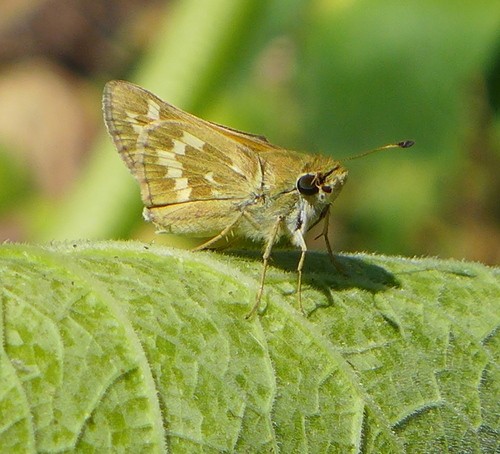
9. Sachem
The sachem (Atalopedes campestris) feeds on the nectar of many flowers, including milkweeds, peppermint, and red clovers. It often spends its time near pastures, meadows, roadsides, parks, and yards. The males spend most of their time on the ground, waiting for females to come.
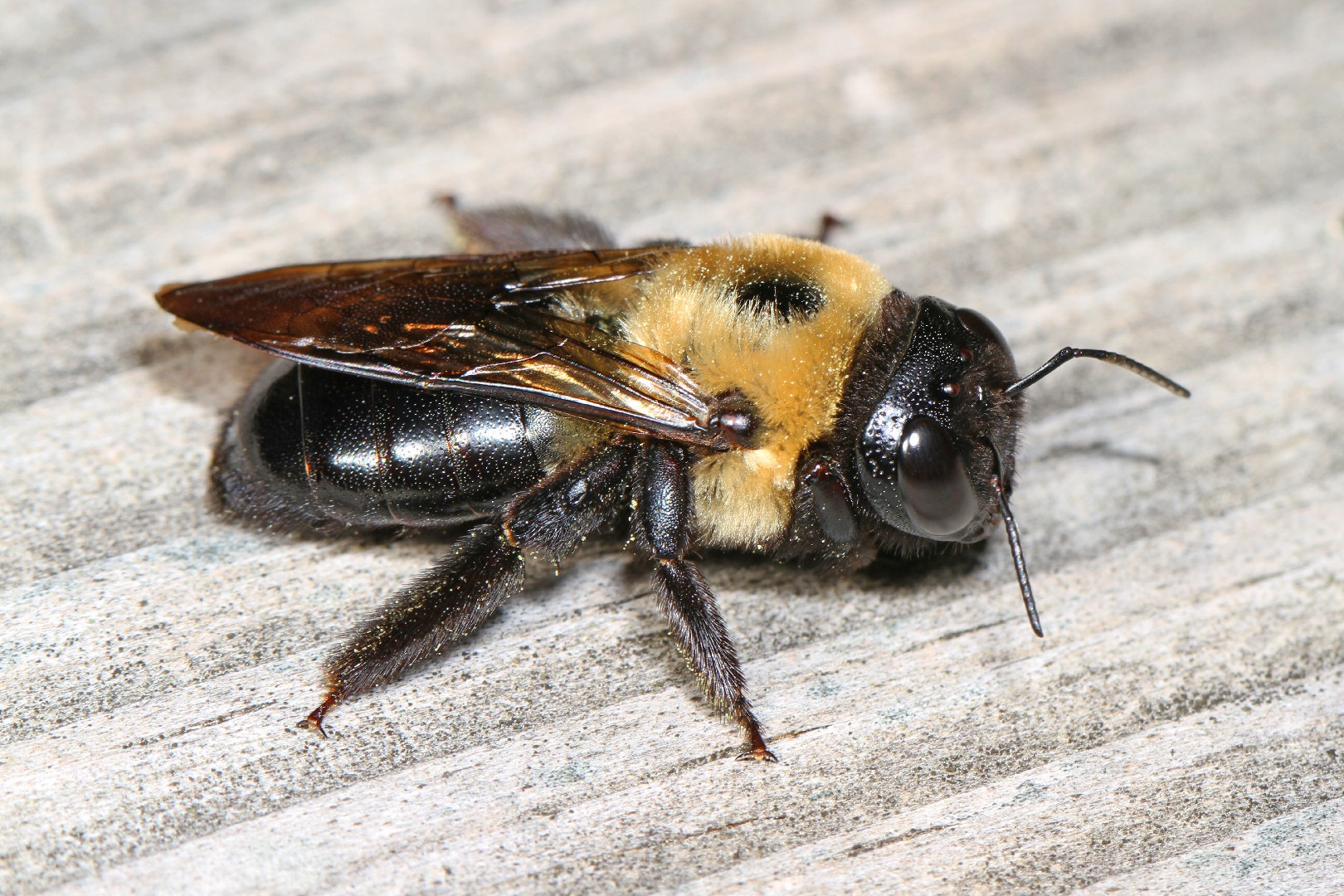
10. Eastern Carpenter Bee
The eastern Carpenter Bee (Xylocopa virginica) is considered a pest and a benefit in the same body. It has earned its pest status from its ability to tunnel into human-made structures and weaken them. They can also stain their excrement on the building as they leave the tunnel. Their benefits as pollinators heavily outweigh any damage they do to structures.

More







