




Top 20 Most Common Insects in Corvallis
Insects, with their unique characteristics and habitats, are an integral part of Corvallis's ecosystem. It's fascinating to observe nature's balance as these creatures, from pests to pollinators, carve out niches in our city's varied environments. As we unveil the 'Top 20 most common insects', we delve into the correlation of Corvallis's ecosystem and its most prolific creepy crawlies.

Most Common Insects
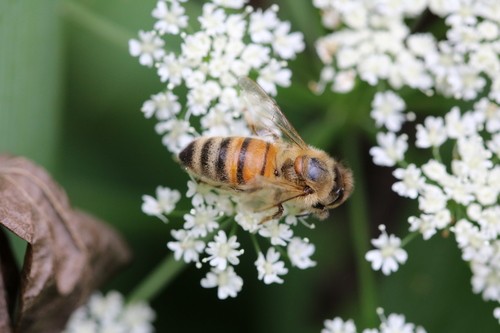
1. Western honey bee
Western honey bee(Apis mellifera) is the most common species of honeybee in the world. Among the first domesticated insects, its cultural and economic impact on humanity has been vast and far-reaching, providing honey, wax and its services as a pollinator. Western honey bee faces challenges worldwide, such as colony collapse disorder, and populations are thought to be decreasing.
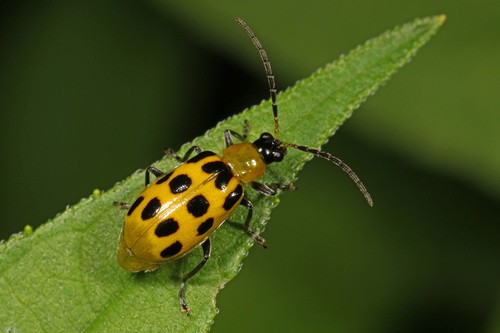
2. Spotted Cucumber Beetle
The spotted Cucumber Beetle (Diabrotica undecimpunctata) is an agricultural pest with a bright yellow body and dark spots. It causes damage to corn and other crops by feeding on roots, seedlings, and flowers. Its larvae are often called "rindworms" because they also damage the rind and skin of fruits.
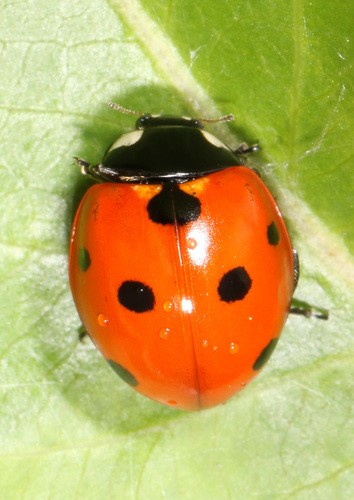
3. Seven-spotted ladybug
Seven-spotted ladybug (Coccinella septempunctata), known in North America as the "seven-spotted ladybug," is the most common species of ladybird in Europe and the official state insect of five U.S. states. While not native to North America, it has established itself there after being introduced to control aphid populations. Its bright coloring deters predators, and it may also play dead or secrete foul-smelling liquids to discourage consumption.

4. Multicolored asian ladybeetle
Often confused for the ladybug, multicolored asian ladybeetle (Harmonia axyridis) is a separate species that, unlike the ladybug, is a household pest. It is considered particularly annoying for its habit of returning to places from which it is removed. One of the most variable species in the world, there are many different colors and patterns multicolored asian ladybeetle may display, making identification potentially difficult.
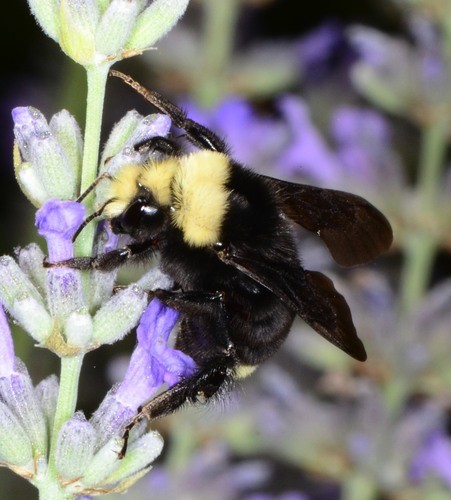
5. Yellow-faced bumble bee
The yellow-faced bumble bee (Bombus vosnesenskii) is known for its mostly black body with a yellow face. Their population is not dropping, but continued expansion of urban human populations is causing some difficulty for this bee to make nests. But what it does find it tends to monopolize due to its early arrival in the season.
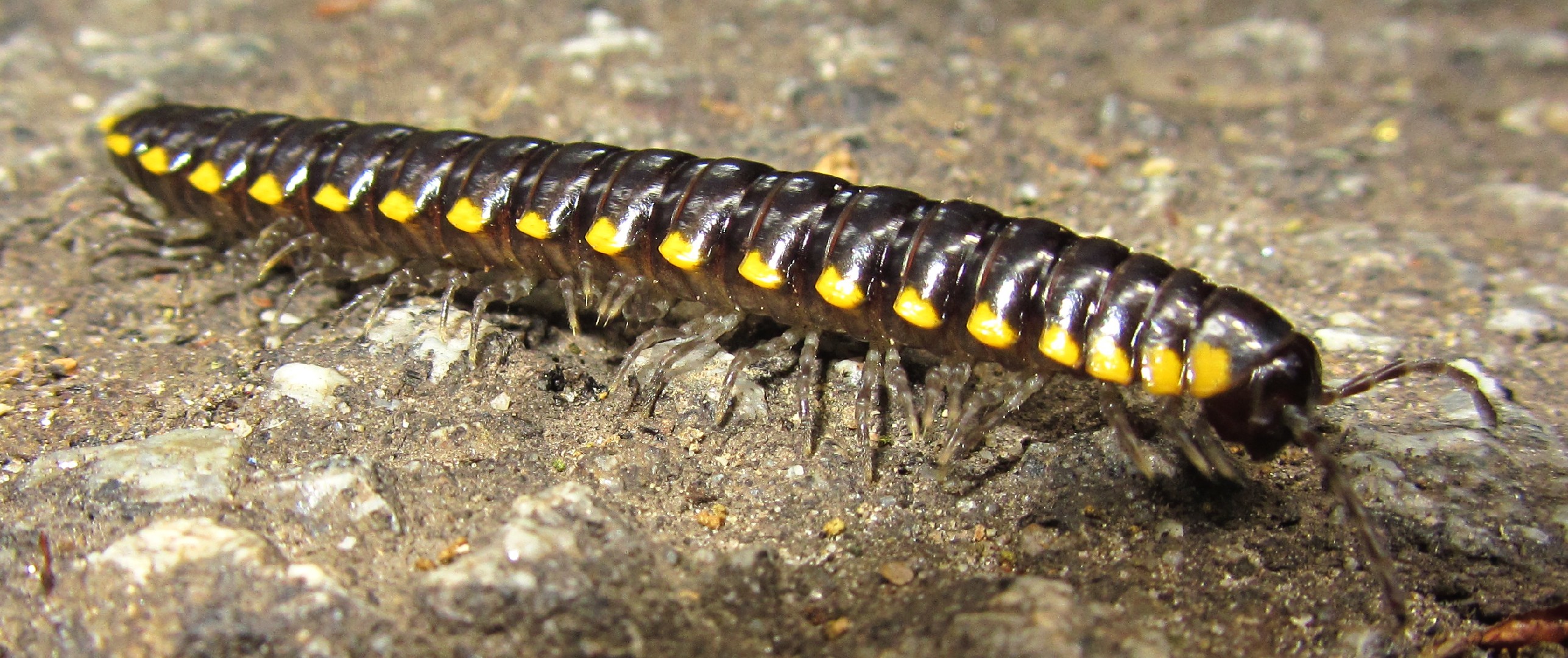
6. Yellow-spotted millipede
Harpaphe haydeniana reach a length of 4 - 5 cm when mature. The upper surface of the body is black to olive green, and is distinctively marked along the sides with patches of a yellowish colour. Harpaphe haydeniana has approximately twenty body segments, bearing a total of 30 (males) or 31 (females) pairs of legs. The difference between males and females is due to one pair of legs on the seventh segment in males being modified to form gonopods used for sperm transfer. 
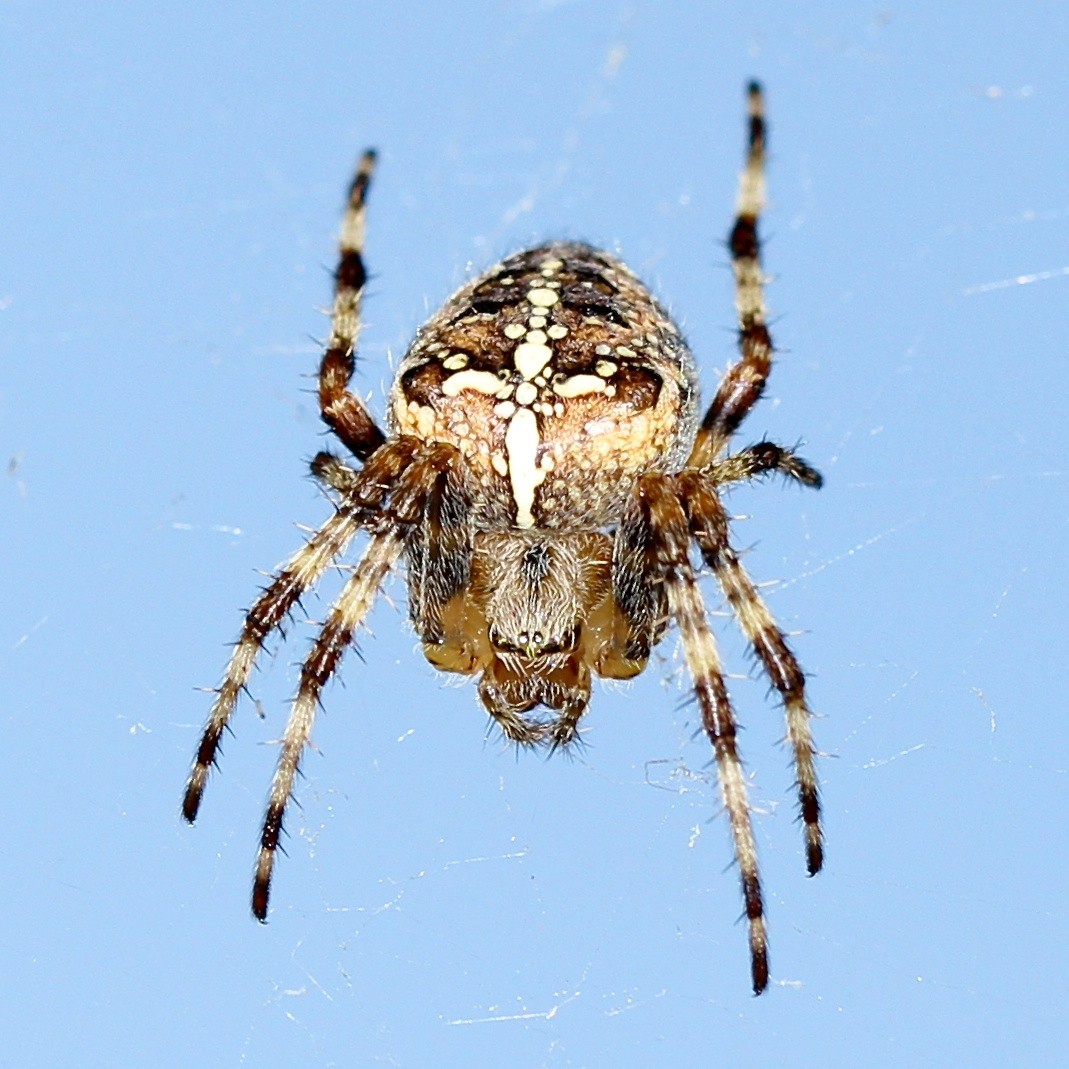
7. Crowned orbweaver
A common species of orb-weaver, crowned orbweaver (Araneus diadematus) builds large and noticeable webs. Only the females build webs, and they may prey upon their mates before, during or after engaging in sexual intercourse. Crowned orbweaver is reluctant to bite humans and will not do so unless scared or provoked. It avoids danger by vibrating in its web until it becomes a blur, confusing predators.
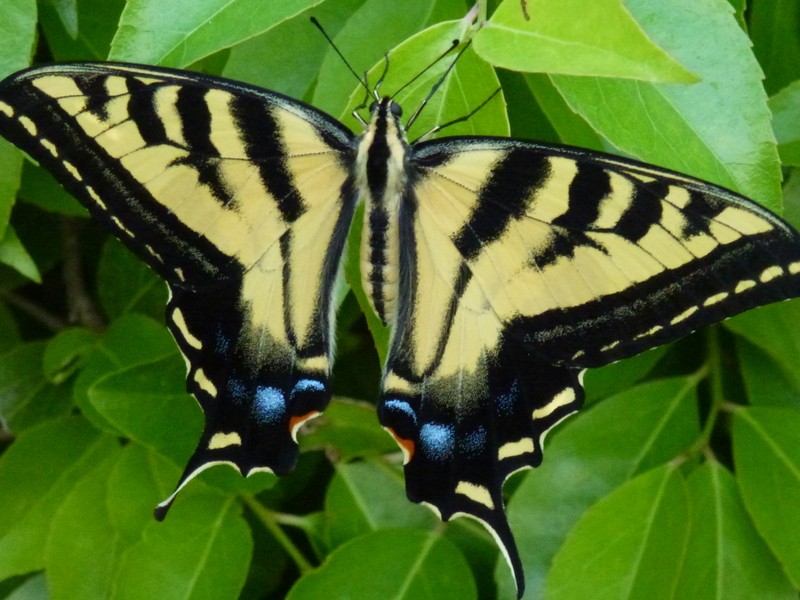
8. Western tiger swallowtail
It is a large, brightly colored and active butterfly, rarely seen at rest; its wingspan is 8 - 10 cm, and its wings are yellow with black stripes, and it has blue and orange spots near its tail. It has the "tails" on the hindwings that are often found in swallowtails. The eggs are deep green, shiny, and spherical. Young caterpillars resemble bird droppings, and as they molt, they eventually turn bright green, with a pair of large yellow eyespots with black and blue pupils. The caterpillars molt five times, eventually reaching a length up to 5 cm before pupating.
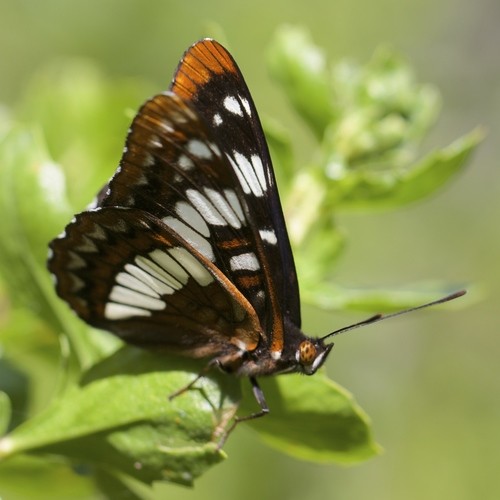
9. Lorquin's admiral
The lorquin's admiral has brown-black wings, each with a row of white spots across it. Its forewings have orange tips. The wingspan is 4.5 - 7 cm; females are generally larger than males. Larvae are usually yellow with a patch of white on the back.
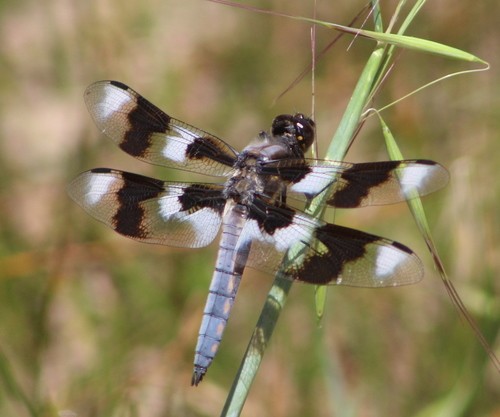
10. Eight-spotted skimmer
The eight-spotted skimmer (Libellula forensis) is identified by the eight black markings on its wings. It is occasionally confused with the Twelve-spotted skimmer that is sometimes called the Ten-spotted skimmer. You may attempt to desperately count the number of spots on these fast-moving skimmers, but the major differentiation in this one is the lack of black tips on their wings.
More







