




Top 20 Most Common Insects in Washington
Insects, teeming with diversity, are crucial occupants of Washington. Their roles span from being essential pollinators to troublesome pests, closely tied with the ecology of the city. This list reveals 20 of Washington's most common insects, further underscoring their intriguing existence and reciprocal relationship with their urban environment.

Most Common Insects
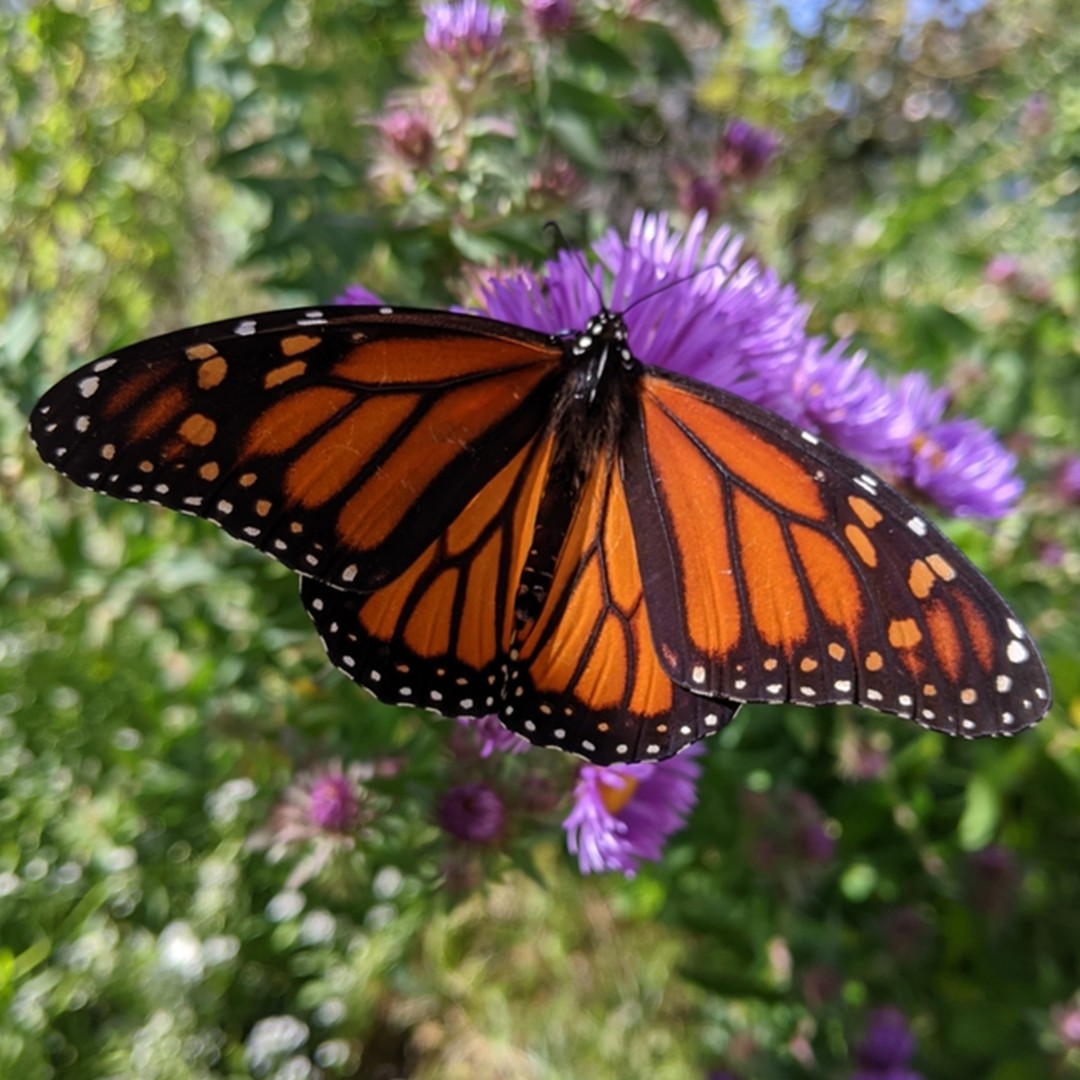
1. Monarch butterfly
The monarch butterfly (Danaus plexippus) is the most recognizable butterfly in North America. It is best known for its appearance, but should be better known for the fact that it has a 3000-mile migration that takes the butterfly 4 generations to complete. Their diet is also a natural deterrent for predators, as they eat milkweed, a poison that induces vomiting.
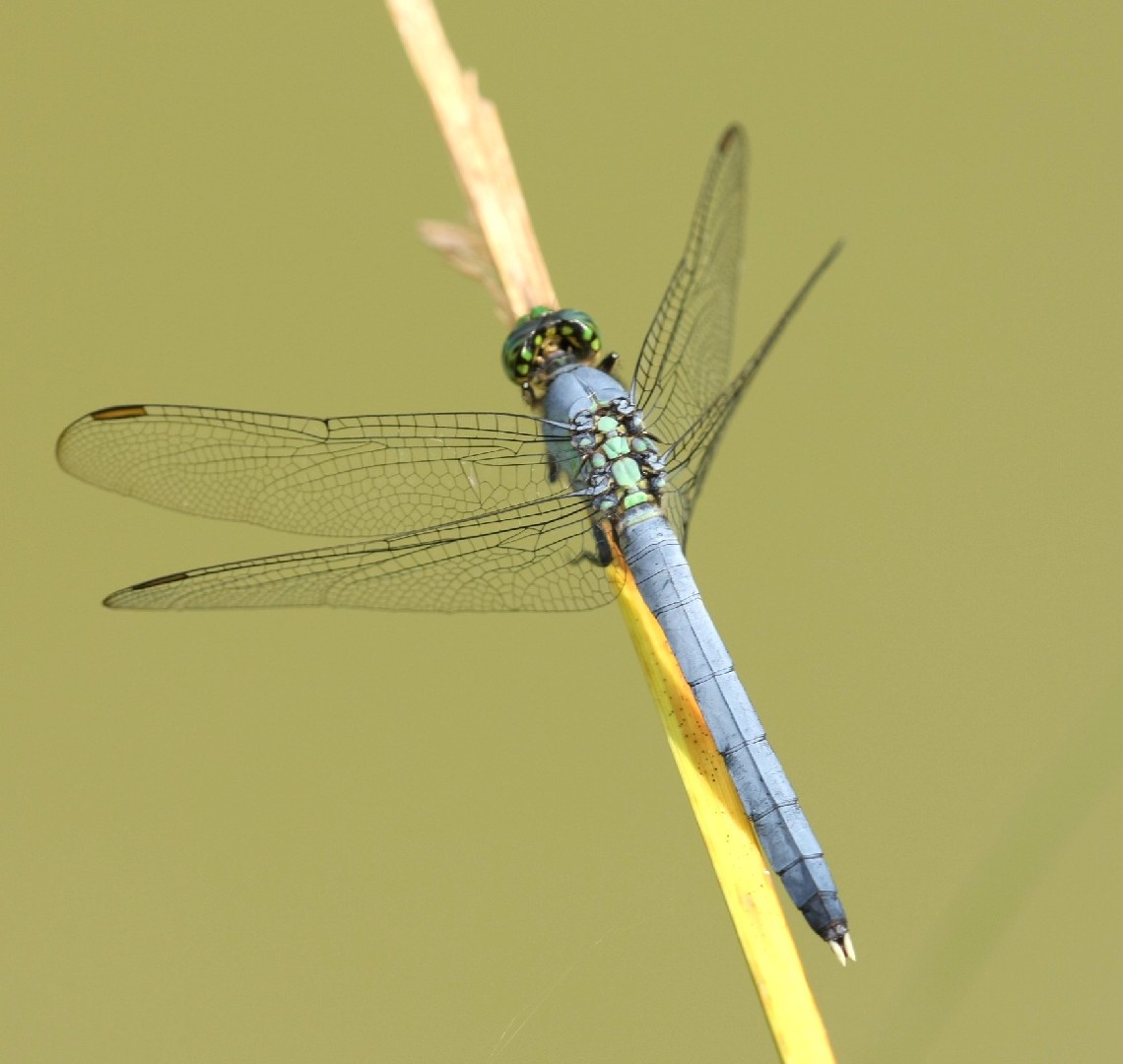
2. Eastern pondhawk
The eastern pondhawk (Erythemis simplicicollis) has much in common with American fishermen, they love living near the sides of ponds. They are a beautiful insect that is easy to distinguish when it comes to different genders. Females are bright green with bands around the abdomen and the males are bright blue with a green face.
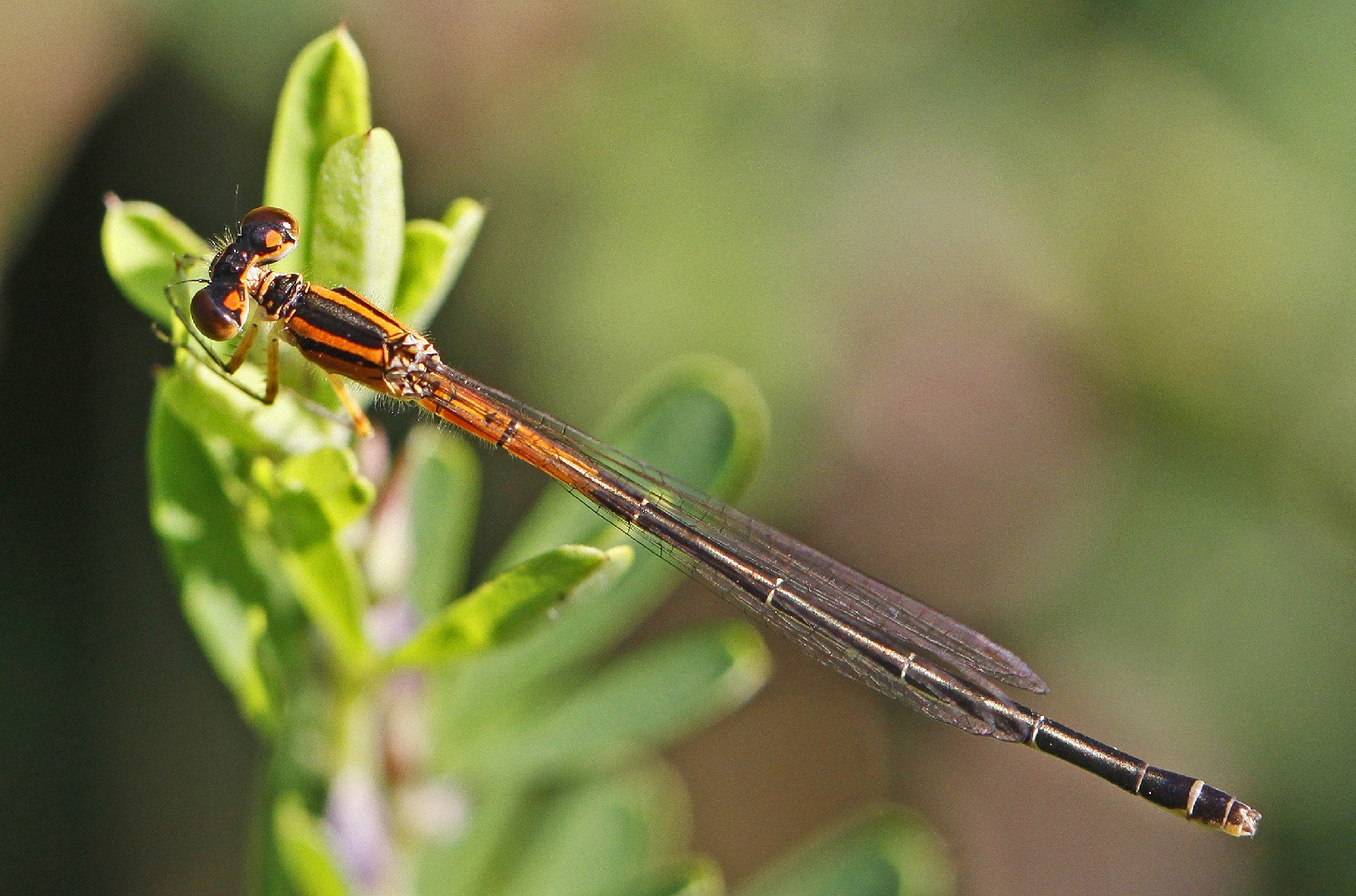
3. Eastern forktail
Ischnura verticalis can reach a body length of 2 - 3 cm. These small green, black and blue damselflies have a slender body with four wings folding over the back. The thorax of the males is black above, with pale green sides and green shoulder stripes. Eyes are dark above, greenish below. Abdomen is mainly black, with thin pale rings. The top of the abdomen (eighth and ninth abdominal segments) is blue, with black markings on sides. The males' abdomens shows tiny projections off the tip (hence the common name verticalis of this species). Females are usually grayish-blue, with greyish markings on the abdomen. In the immature female thorax is bright orange with black dorsal and shoulder stripes. The abdomen is black above and orange below. Eyes are dark above, orange below. The pterostigma is white to light brown. The females may be less commonly yellow-green like the male. 

4. Blue dasher
The name Pachydiplax longipennis implies that the blue dasher has long wings due to the "longipennis" section literally translating to it. But this would be misleading, as the insect does not have particularly long wings. Instead, they stick out with vibrant blue colors. The dasher part of their name may be in reference to their voracious diet, as they can eat up to 10 percent of their body weight daily.

5. Multicolored asian ladybeetle
Often confused for the ladybug, multicolored asian ladybeetle (Harmonia axyridis) is a separate species that, unlike the ladybug, is a household pest. It is considered particularly annoying for its habit of returning to places from which it is removed. One of the most variable species in the world, there are many different colors and patterns multicolored asian ladybeetle may display, making identification potentially difficult.
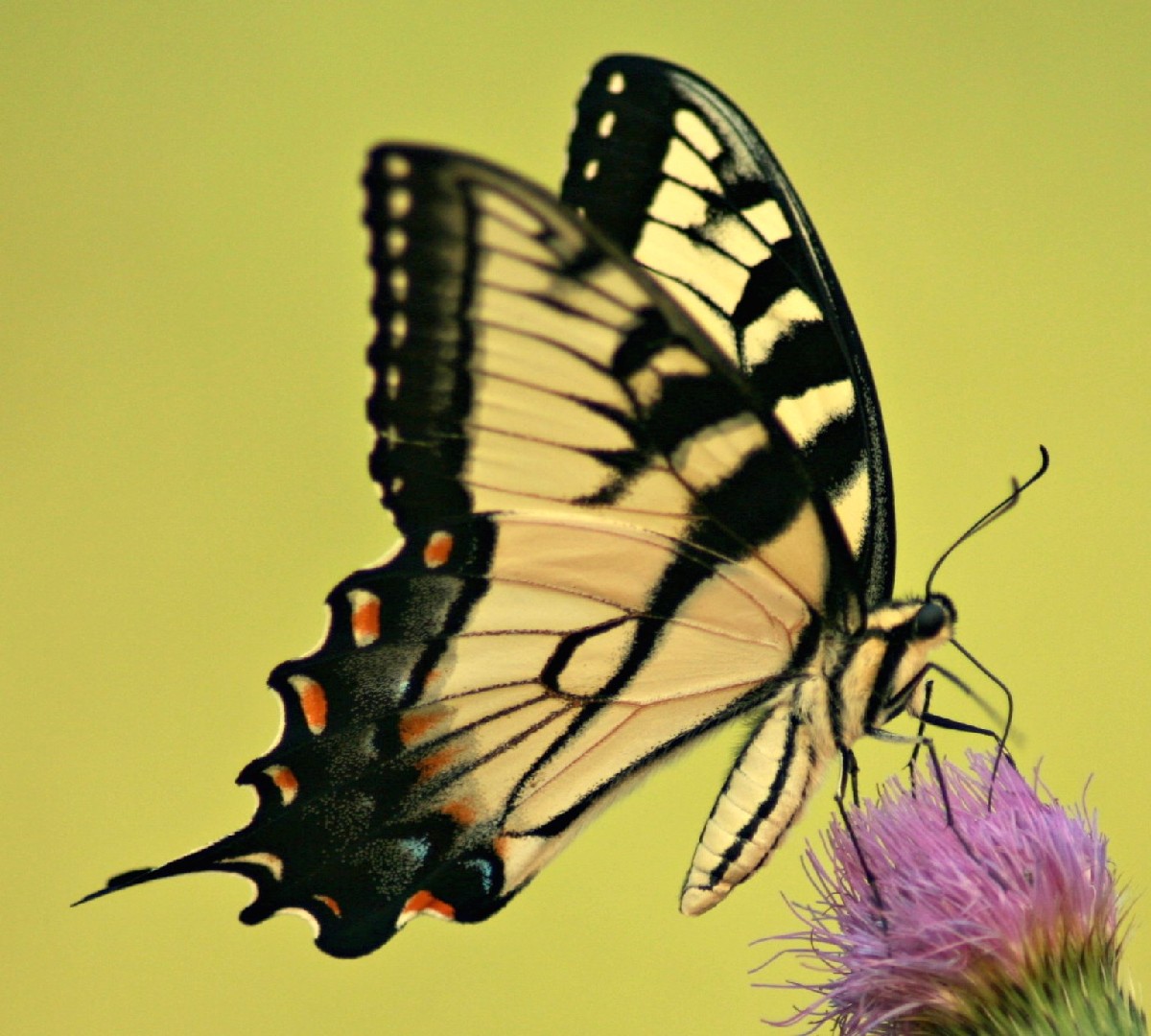
6. Eastern tiger swallowtail
Eastern tiger swallowtail (Papilio glaucus) is among the most recognizable butterflies in the eastern United States, where it inhabits a variety of habitats. This species is diurnal and usually solitary, preferring to fly high above the ground until the time comes to mate. Caterpillars display eyespots to deter birds in between some molting phases.
7. Western honey bee
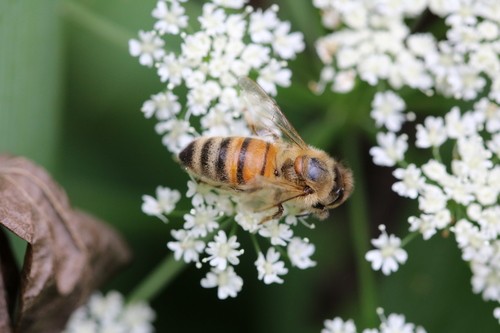
Western honey bee(Apis mellifera) is the most common species of honeybee in the world. Among the first domesticated insects, its cultural and economic impact on humanity has been vast and far-reaching, providing honey, wax and its services as a pollinator. Western honey bee faces challenges worldwide, such as colony collapse disorder, and populations are thought to be decreasing.
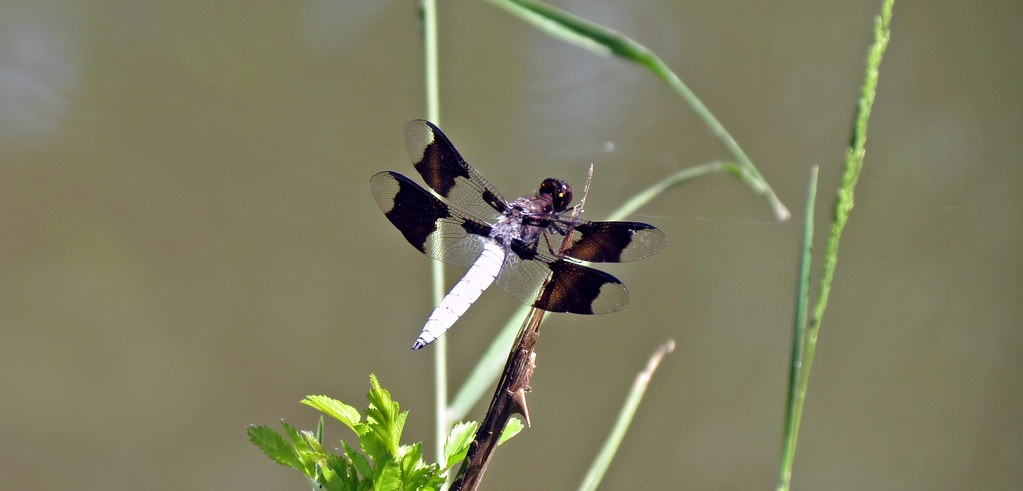
8. Widow skimmer
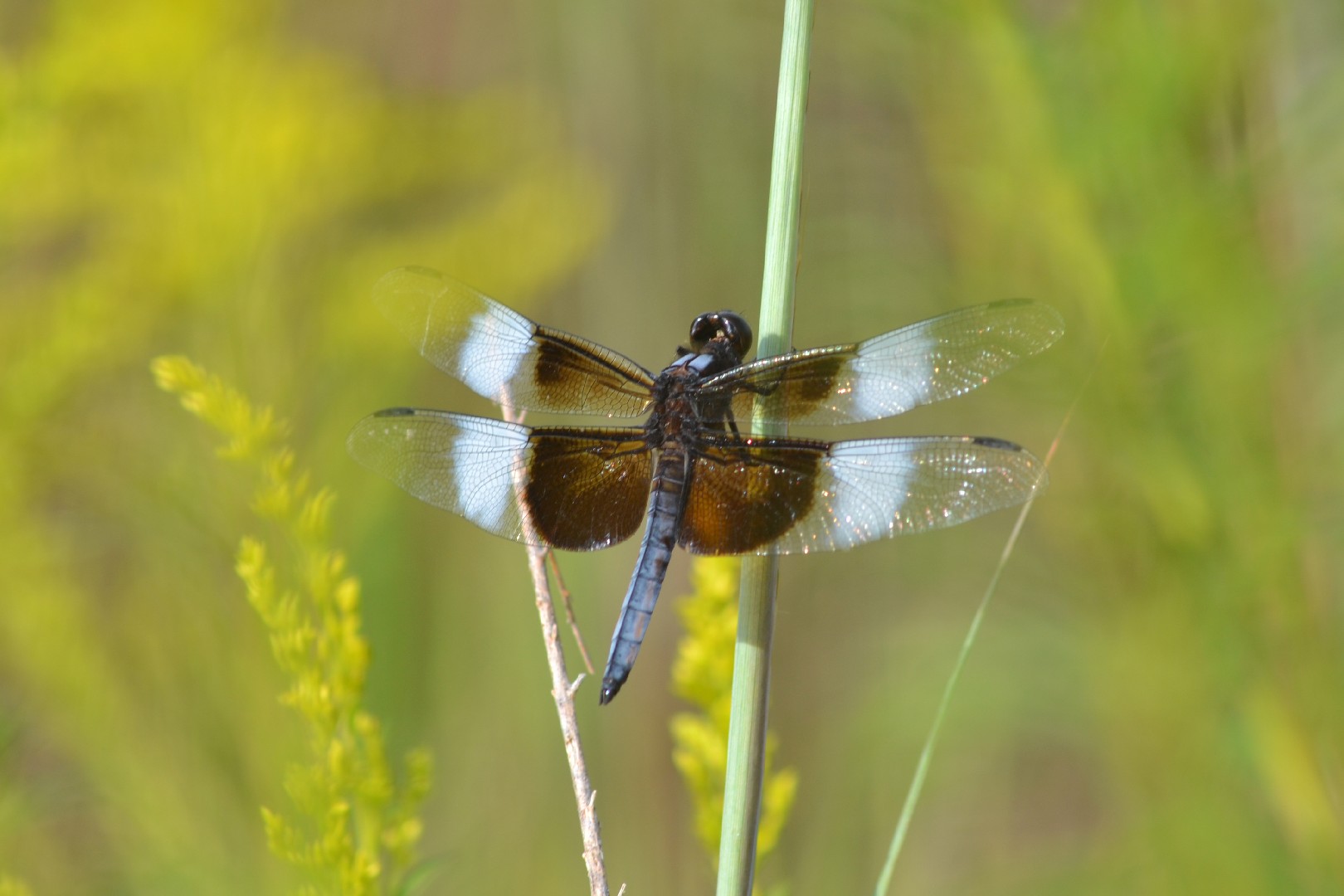
The widow skimmer (Libellula luctuosa) is a large insect that grows to be incredibly large with a bulbous head and body. As they age, they are known to grow whitish, much like our grandparents' hair. They live in the water until their final molt, where they reveal their wings, it is at this point it reveals why it has part of a group called the king skimmers.
9. Common Eastern Bumble Bee
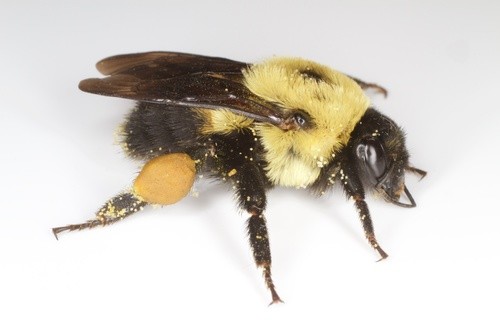
The common Eastern Bumble Bee (Bombus impatiens) is one of the most important pollinator bees in North America. A decline in the bee population will lead to financial hardships for farmers and reduced food yield. Their efficiency in pollination and foraging comes from their ability to drop "traplines." These lines guide other bees to the correct path for food while informing them of depleted locations.
10. Fragile forktail
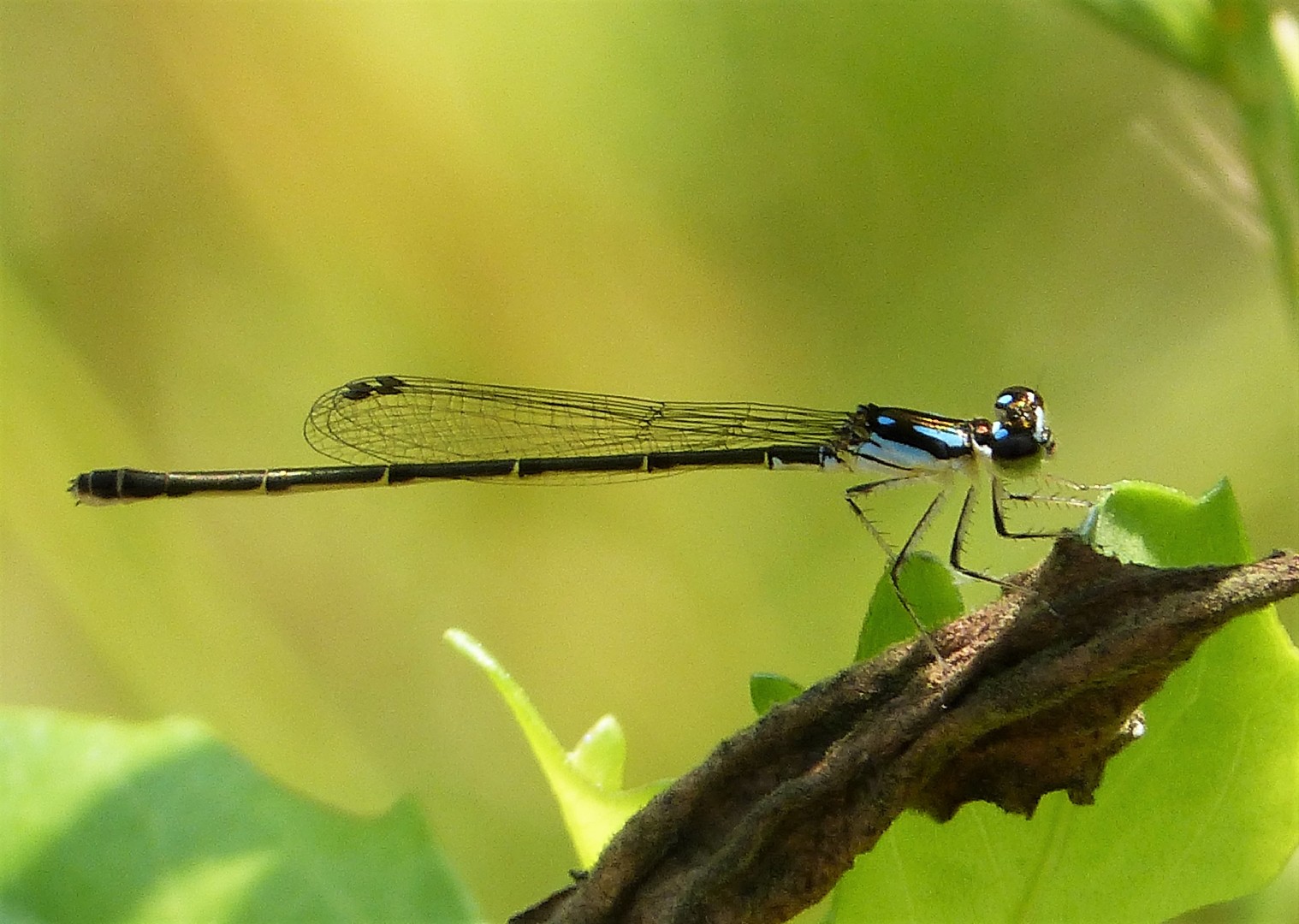
Ischnura posita, the fragile forktail, is a species of damselfly in the genus Ischnura. It is 21 to 29 mm long. It is native to most all of eastern North America.

More







