




Top 20 Most Common Insects in Spartanburg
Insects, an integral part of Spartanburg's ecosystem, are an ubiquitous presence marked by diverse appearances and habitats. Their contributions, ranging from aiding in pollination to waste decomposition, underpin the city's health. Our relation with these creatures is a balancing act, as we grapple with pests alongside beneficial insects. Our list of 'Top 20 most common insects' demystifies these fascinating city-dwellers.

Most Common Insects
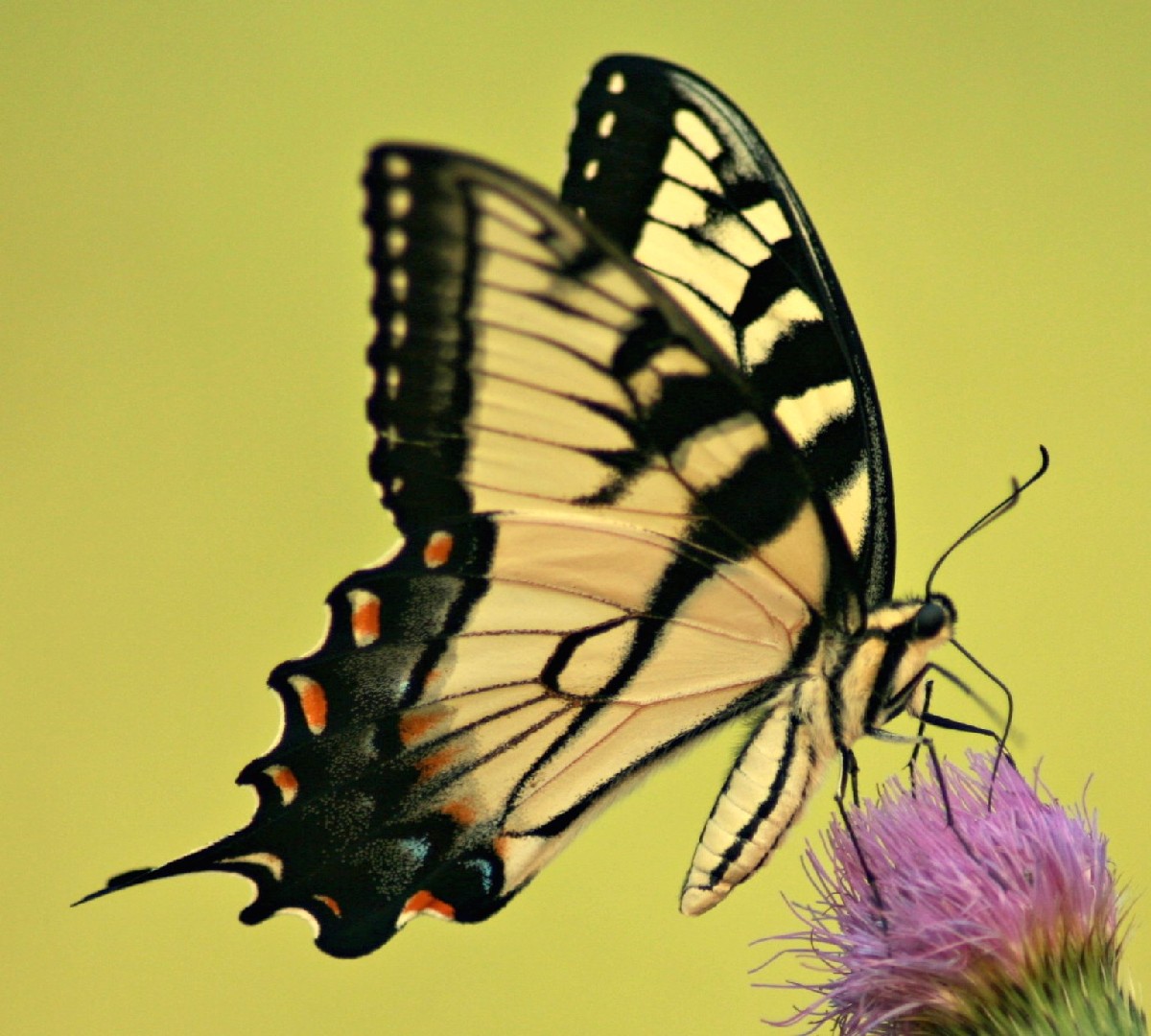
1. Eastern tiger swallowtail
Eastern tiger swallowtail (Papilio glaucus) is among the most recognizable butterflies in the eastern United States, where it inhabits a variety of habitats. This species is diurnal and usually solitary, preferring to fly high above the ground until the time comes to mate. Caterpillars display eyespots to deter birds in between some molting phases.

2. Multicolored asian ladybeetle
Often confused for the ladybug, multicolored asian ladybeetle (Harmonia axyridis) is a separate species that, unlike the ladybug, is a household pest. It is considered particularly annoying for its habit of returning to places from which it is removed. One of the most variable species in the world, there are many different colors and patterns multicolored asian ladybeetle may display, making identification potentially difficult.
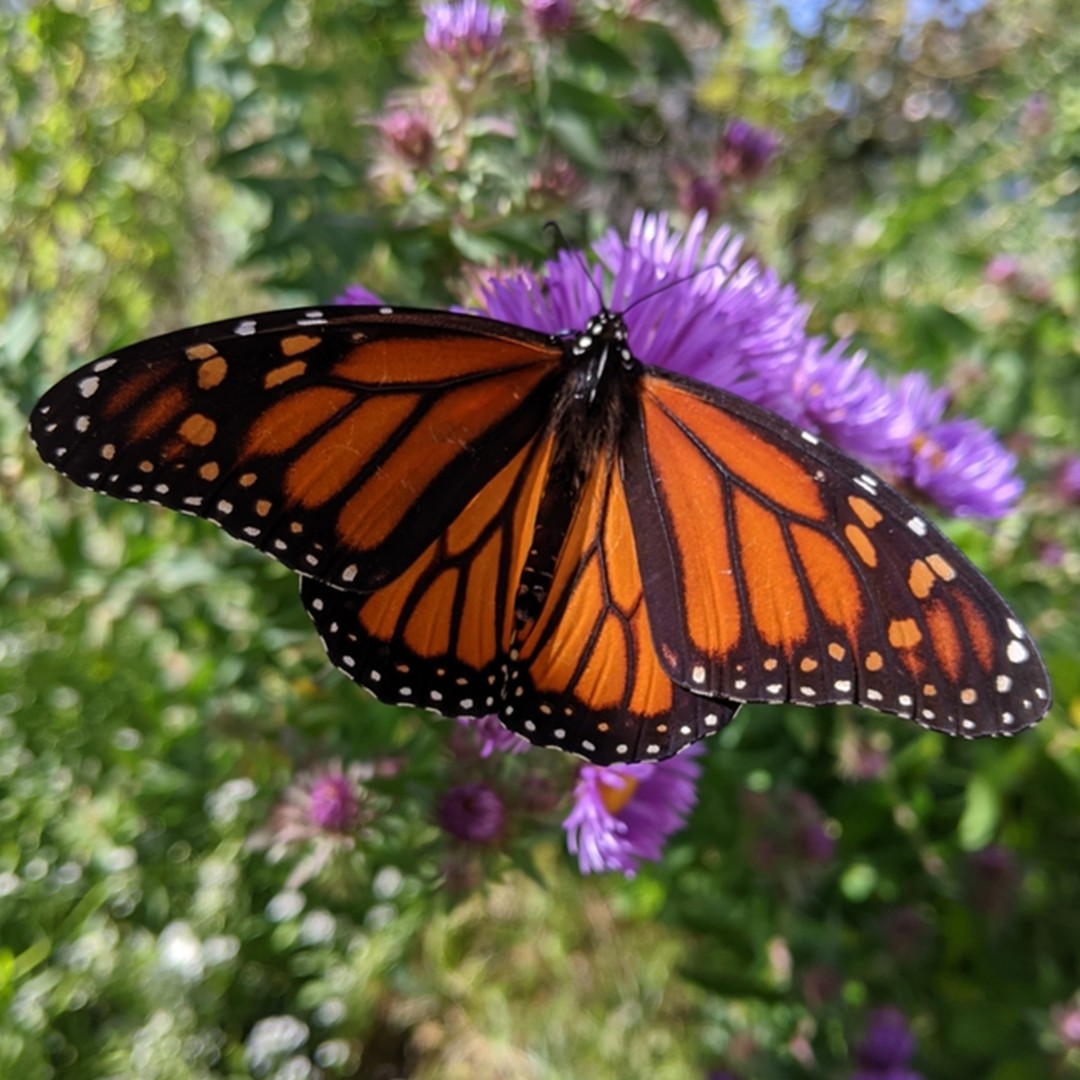
3. Monarch butterfly
The monarch butterfly (Danaus plexippus) is the most recognizable butterfly in North America. It is best known for its appearance, but should be better known for the fact that it has a 3000-mile migration that takes the butterfly 4 generations to complete. Their diet is also a natural deterrent for predators, as they eat milkweed, a poison that induces vomiting.
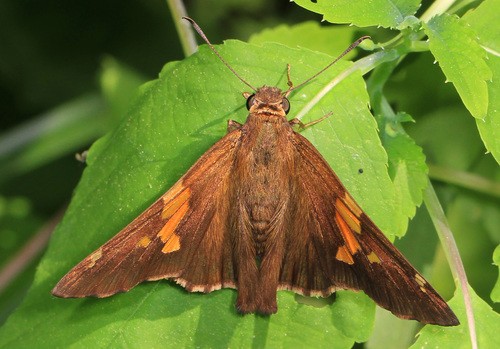
4. Silver-spotted skipper
The silver-spotted skipper (Epargyreus clarus) constructs a series of nests throughout its development that depends on its growth stage. Its caterpillar form is considered a major homebody, as they rarely leave the spot they call home. When they are adults, males perch on high branches in order to claim and defend favorable territory. Unusually, silver-spotted skipper adults never visit yellow flowers.
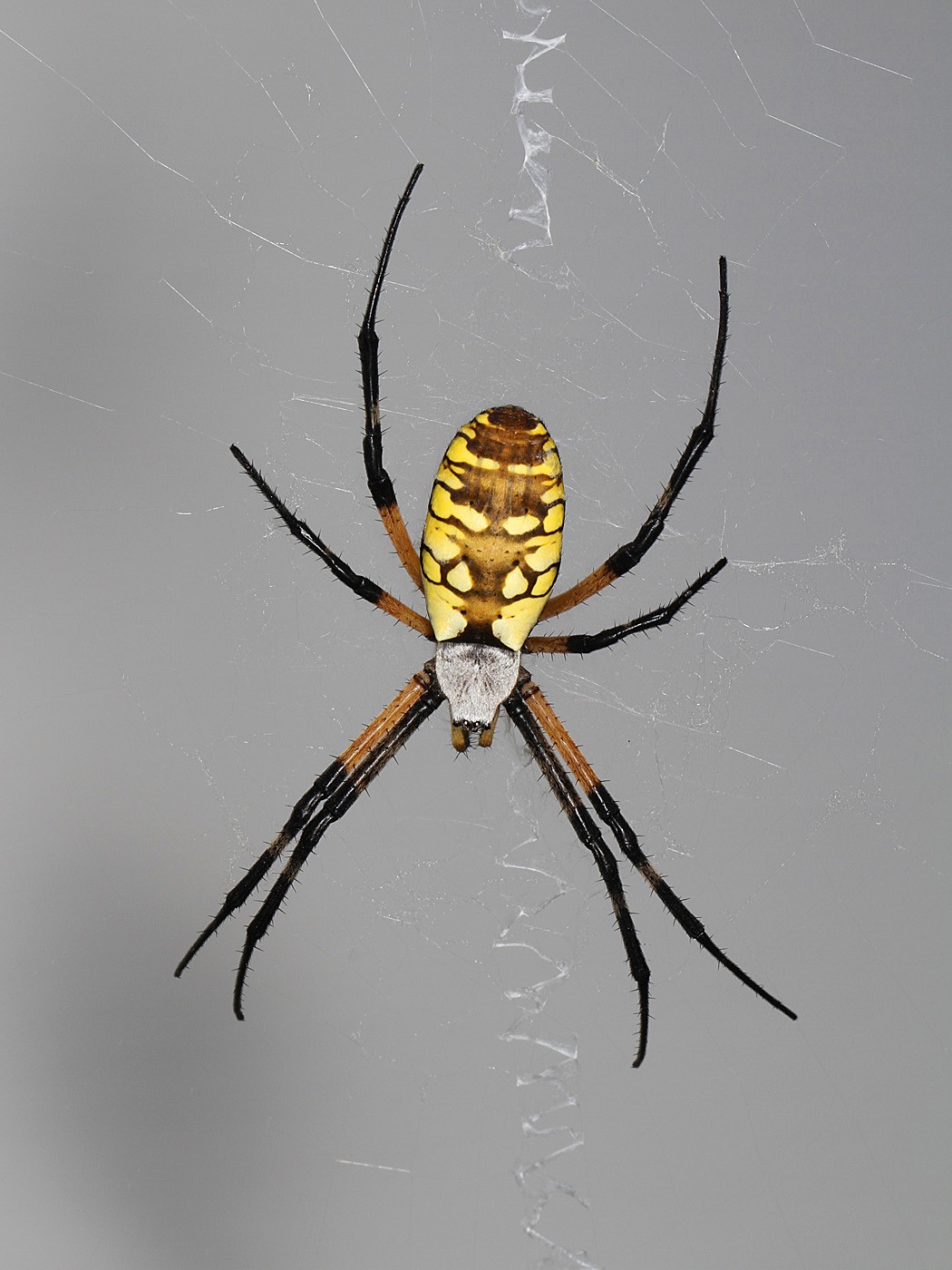
5. Yellow garden spider
The yellow garden spider (Argiope aurantia) is an arachnid that connects itself to its web to feel vibrations that signal to him prey has been caught. Its venom is harmless to humans but perfect for catching smaller insects that might cause harm to your garden. Yellow garden spiders web construction process includes bridge construction and scaffolding, making it among the more complicated web patterns.
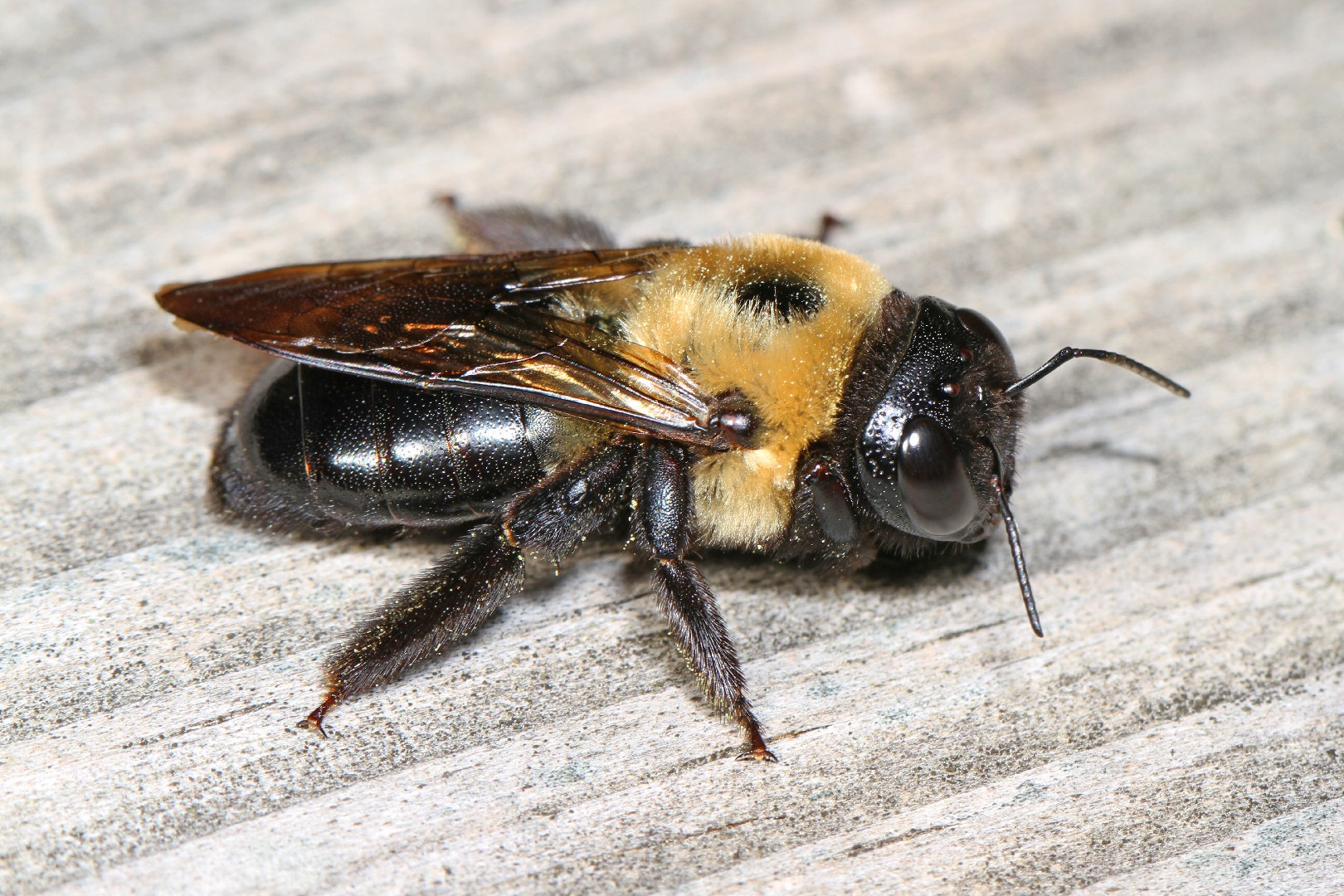
6. Eastern Carpenter Bee
The eastern Carpenter Bee (Xylocopa virginica) is considered a pest and a benefit in the same body. It has earned its pest status from its ability to tunnel into human-made structures and weaken them. They can also stain their excrement on the building as they leave the tunnel. Their benefits as pollinators heavily outweigh any damage they do to structures.
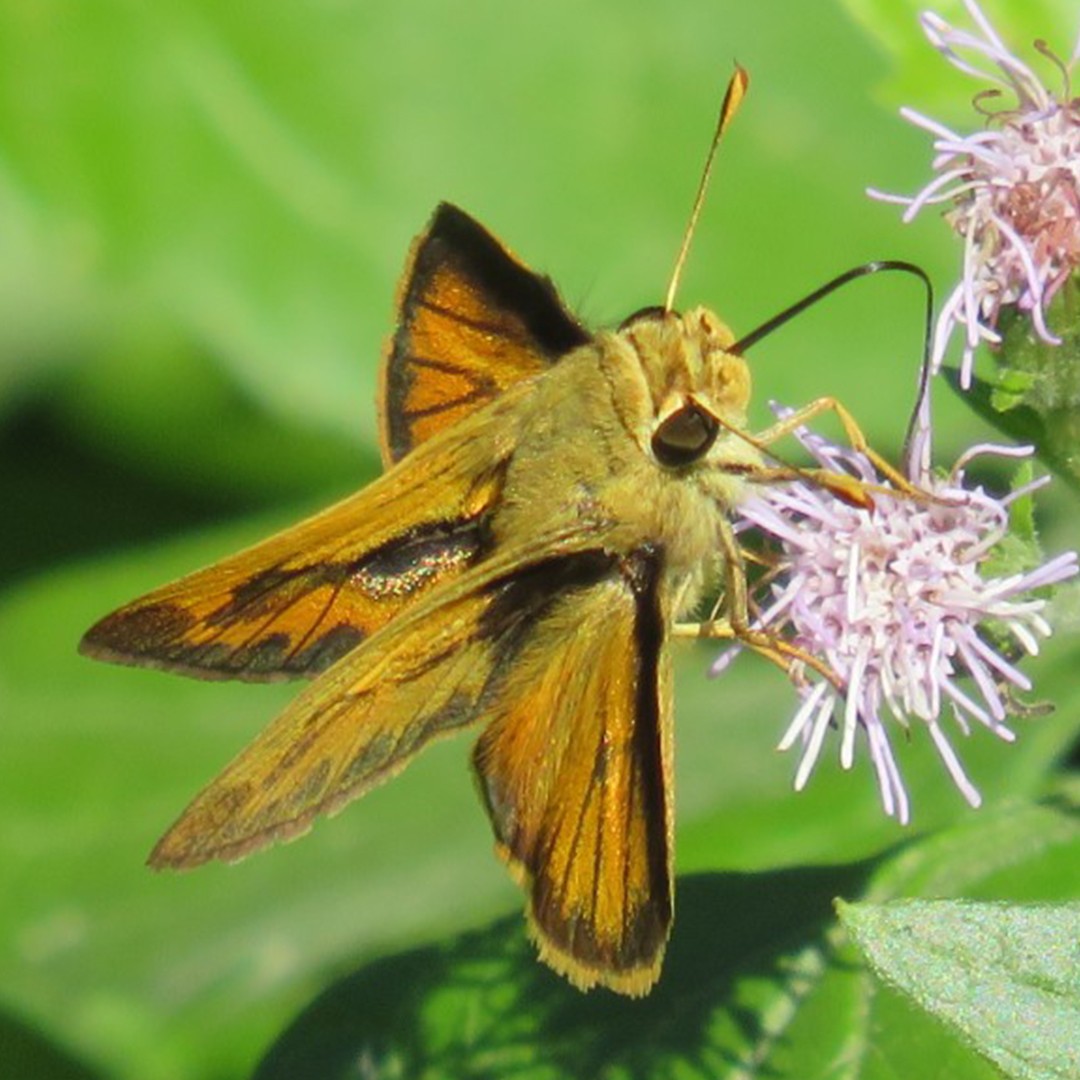
7. Fiery skipper
The fiery skipper (Hylephila phyleus) is a butterfly of the family Hesperiidae and is approximately 1 inch (2.5 cm) long. The males are orange or yellow with black spots while the females are dark brown with orange or yellow spots. The caterpillars are greenish pink with a black head. The caterpillars are often considered pests and can feed on Bermudagrass, creeping bentgrass, and St. Augustine grass. Fiery skippers, along with all other species of skippers and skipperlings, can hold their wings in a "triangle" shape. The forewings are held upright, and the hindwings are folded flat. This position is thought to better absorb the sun's rays. The fiery skipper lives in North and South America, from Canada to Argentina. It is a migratory species. 
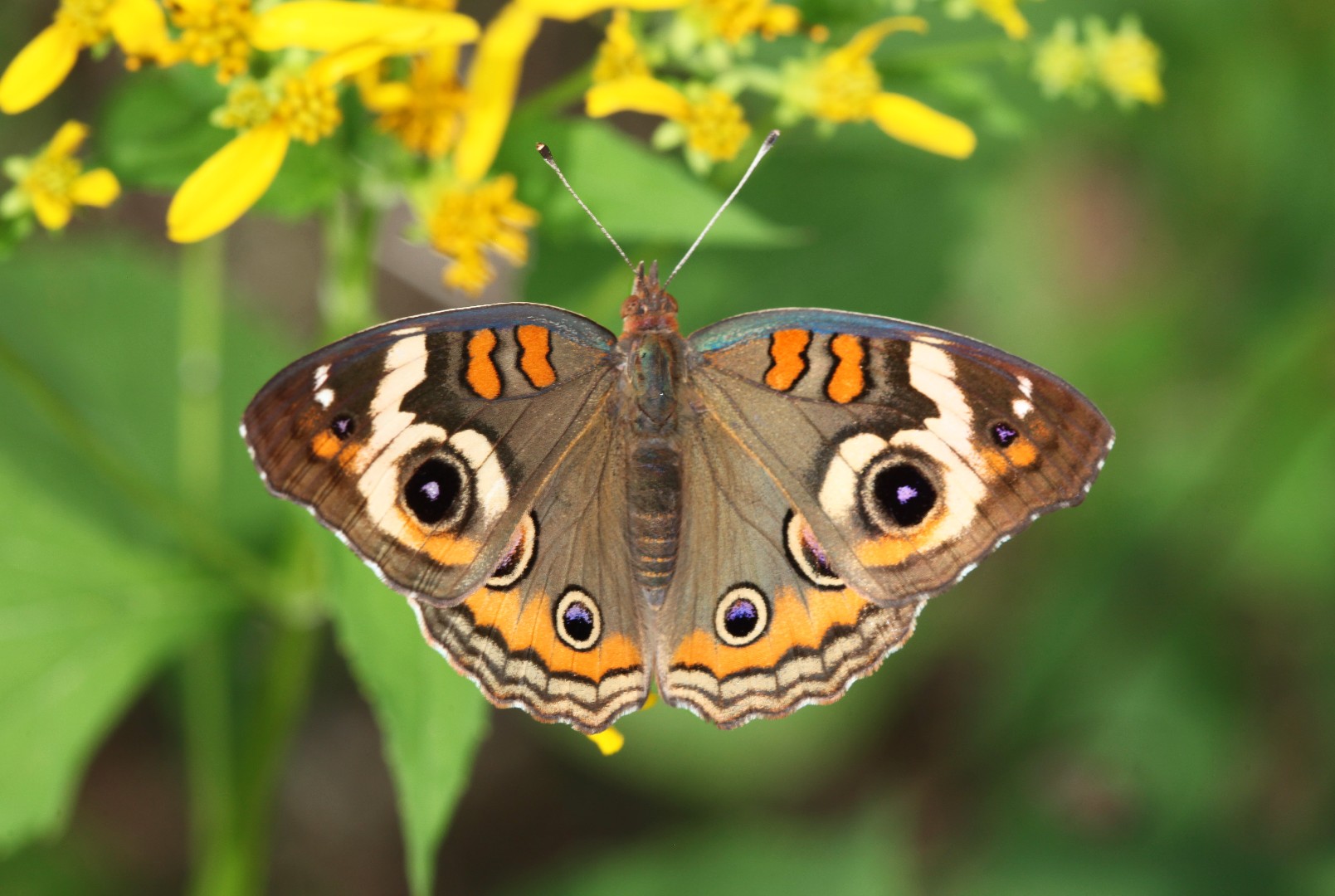
8. Common Buckeye
The common Buckeye (Junonia coenia) has distinguishable target-shaped spots on its dark wings, along with patches of orange and white. It produces multiple generations each year as it migrates to sunny landscapes. When it flies, it moves rapidly in an irregular pattern, often low to the ground.
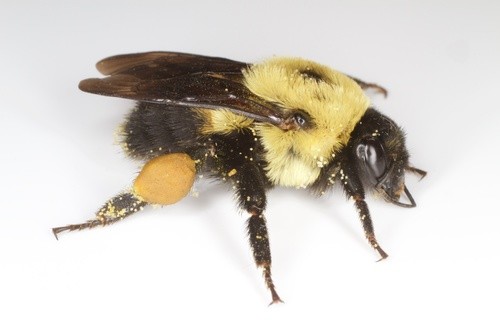
9. Common Eastern Bumble Bee
The common Eastern Bumble Bee (Bombus impatiens) is one of the most important pollinator bees in North America. A decline in the bee population will lead to financial hardships for farmers and reduced food yield. Their efficiency in pollination and foraging comes from their ability to drop "traplines." These lines guide other bees to the correct path for food while informing them of depleted locations.
10. Luna Moth
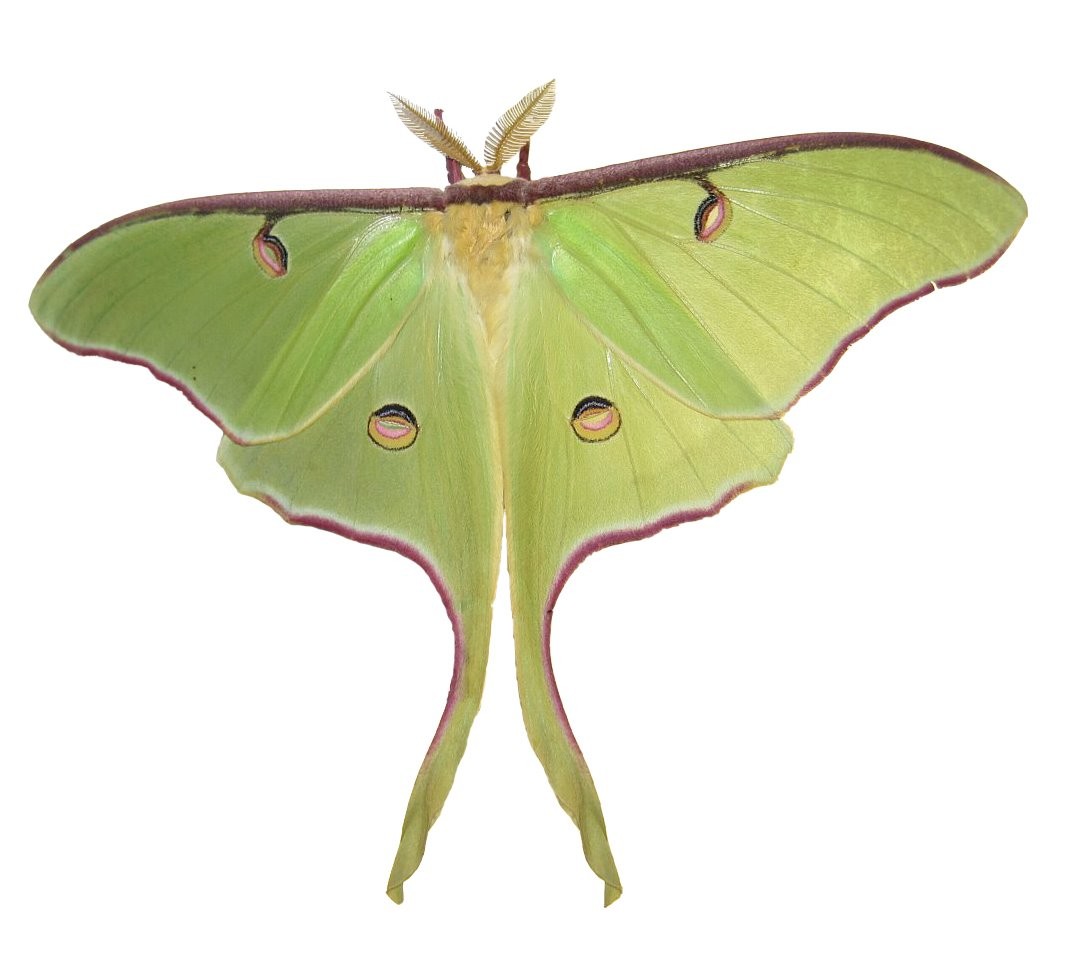
The luna Moth (Actias luna) is a beautiful moth with lime-green wings and a white body. It warns away those who approach with clicking noises. If this fails, it will expel the contents of its intestines, which will deter most predators. Its long tail is also thought to confuse bats by messing with their echolocation.

More







