




Top 20 Most Common Insects in Brownwood
Let's embark on a fascinating journey exploring the dazzling world of insects in Brownwood. From their striking features to varied habitats, insects play crucial roles in Brownwood's ecosystem. Pests or benefactors, their presence reflects the city's environmental health. Dive with us into the top 20 most common insects thriving amidst us in Brownwood.

Most Common Insects
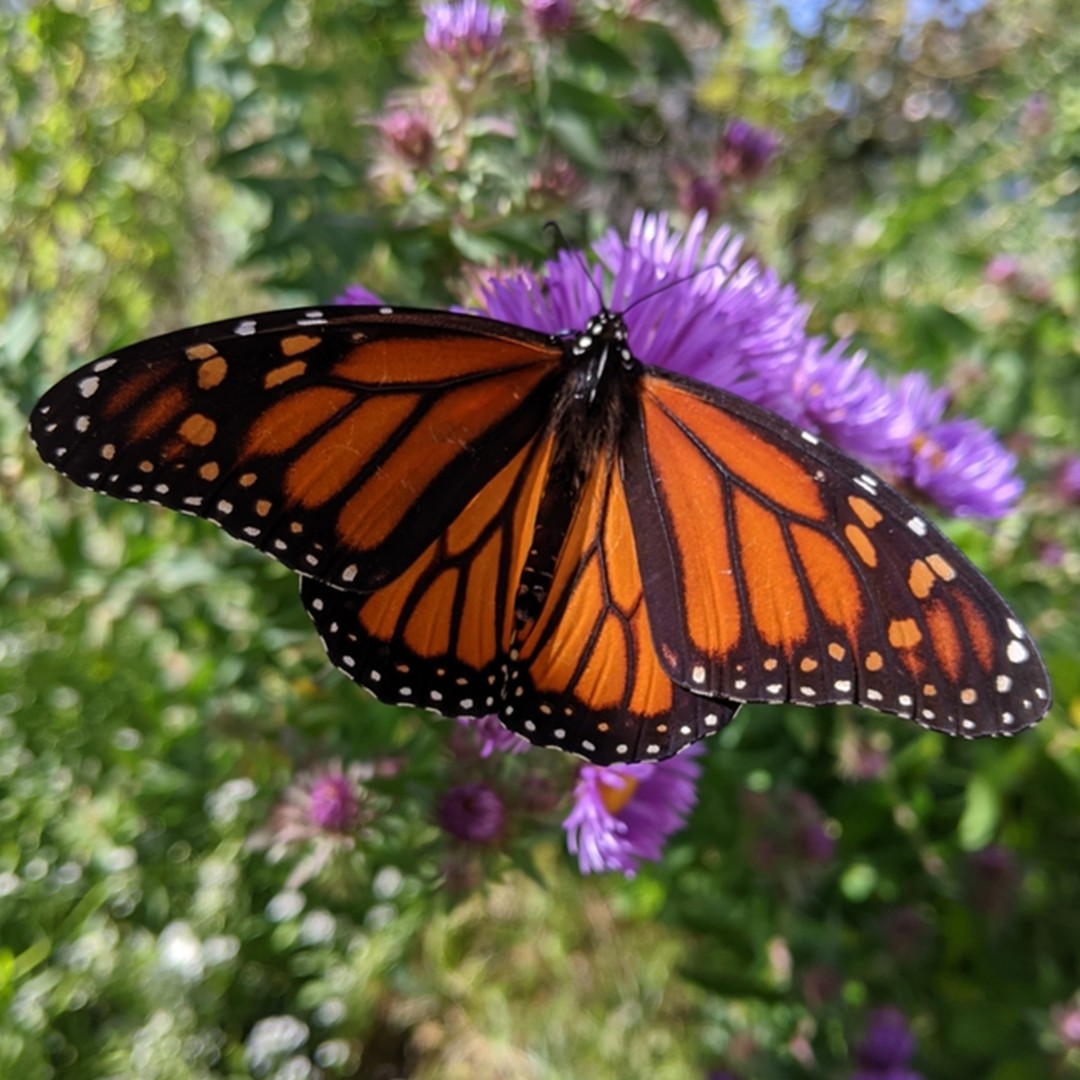
1. Monarch butterfly
The monarch butterfly (Danaus plexippus) is the most recognizable butterfly in North America. It is best known for its appearance, but should be better known for the fact that it has a 3000-mile migration that takes the butterfly 4 generations to complete. Their diet is also a natural deterrent for predators, as they eat milkweed, a poison that induces vomiting.
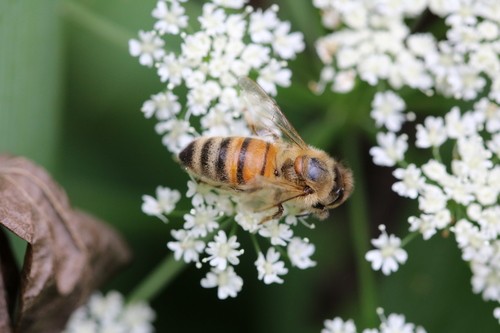
2. Western honey bee
Western honey bee(Apis mellifera) is the most common species of honeybee in the world. Among the first domesticated insects, its cultural and economic impact on humanity has been vast and far-reaching, providing honey, wax and its services as a pollinator. Western honey bee faces challenges worldwide, such as colony collapse disorder, and populations are thought to be decreasing.
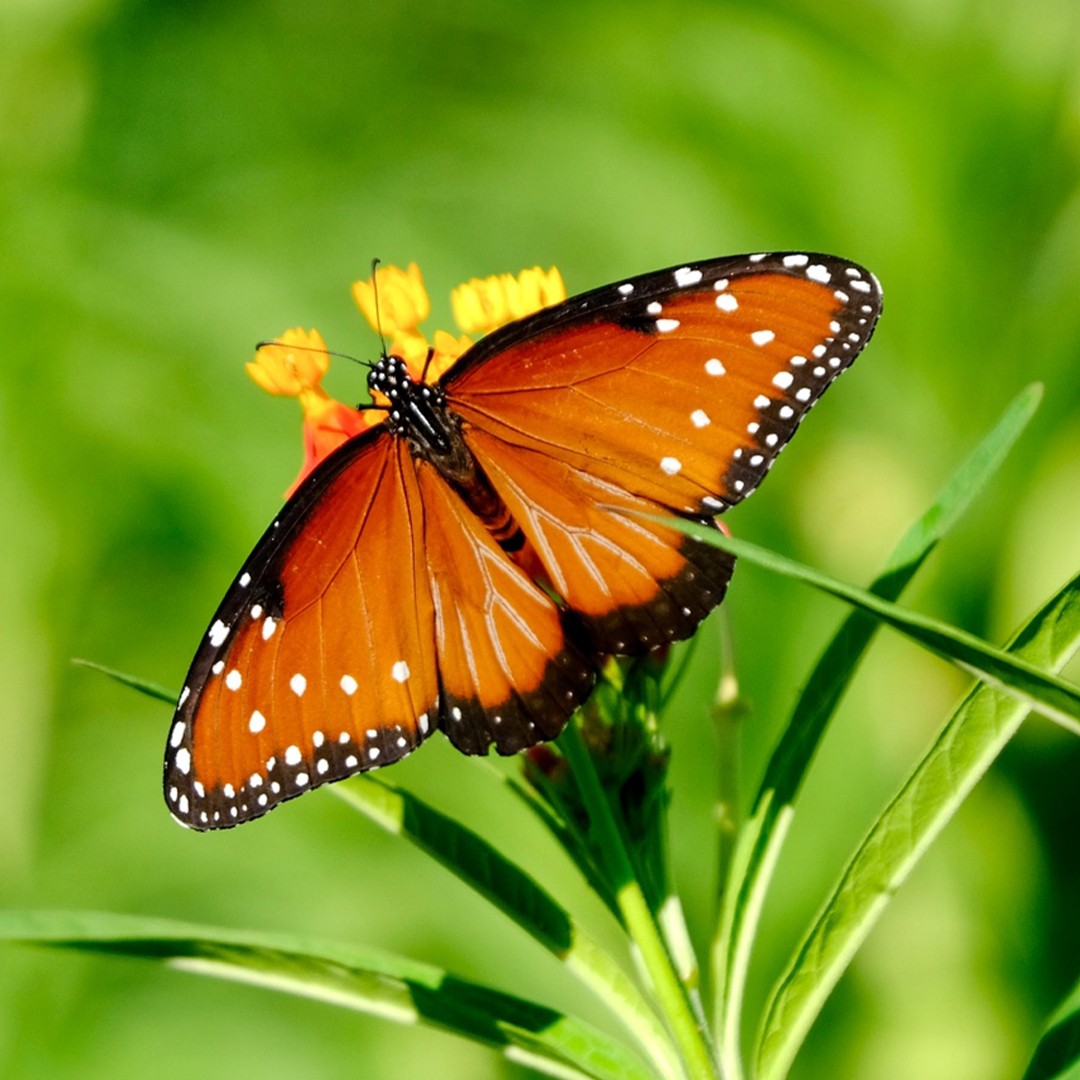
3. Queen
The queen butterfly (Danaus gilippus) is a North and South American butterfly in the family Nymphalidae with a wingspan of 70–88 mm (2.8–3.5 in). It is orange or brown with black wing borders and small white forewing spots on its dorsal wing surface, and reddish ventral wing surface fairly similar to the dorsal surface. The ventral hindwings have black veins and small white spots in a black border. The male has a black androconial scent patch on its dorsal hindwings. It is found throughout the tropics and into the temperate regions of the Americas, Asia and Africa. It can be found in meadows, fields, marshes, deserts, and at the edges of forests. This species is possibly a close relative to the similarly colored soldier butterfly (or tropic queen; Danaus eresimus); in any case, it is not close to the plain tiger (Danaus chrysippus) as was long believed. There are seven subspecies. Females lay one egg at a time on larval host plants. Larvae use these plants as a food source, whereas adult butterflies feed mainly on nectar from flowers. Unpalatability to avian predators is a feature of the butterfly; however, its level is highly variable. Unpalatability is correlated with the level of cardenolides obtained via the larval diet, but other compounds like alkaloids also play a part in promoting distastefulness. Males patrol to search for females, who may mate up to 15 times a day. Male organs called hair-pencils play an important role in courtship, with males with lower hair-pencil levels being selected against. These hair-pencils may be involved in releasing pheromones during courtship that could attract female mates. 
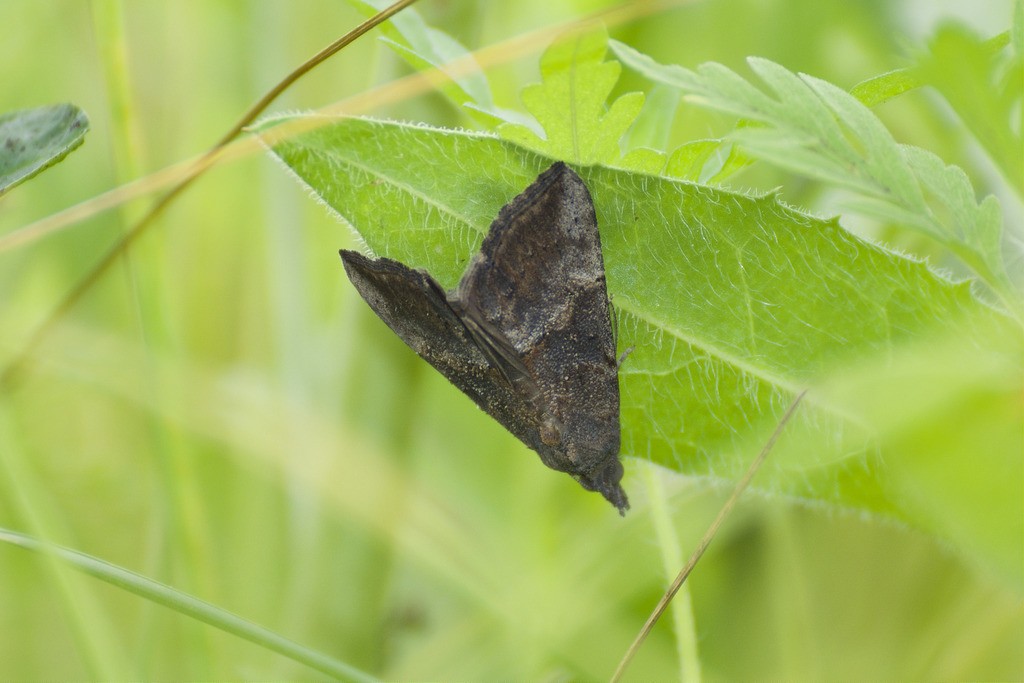
4. Green cloverworm moth
Hypena scabra, the green cloverworm or black snout, is a moth of the family Erebidae. The species was first described by Johan Christian Fabricius in 1798. It is found in North America from Canada south to Florida and Texas. It has also been reported from Great Britain. The wingspan is 25–35 mm. Adults are on wing from March to November or all year round in warmer regions. There are multiple generations per year. The larvae feed on low-growing legumes, including alfalfa, bean, clover, pea and soybean. They also feed on woody legumes such as false indigo and locust. Other reported hosts include birch, cherry, corn, elm, hackberry, New Jersey tea, poplar, ragweed, sida, strawberry and willow.
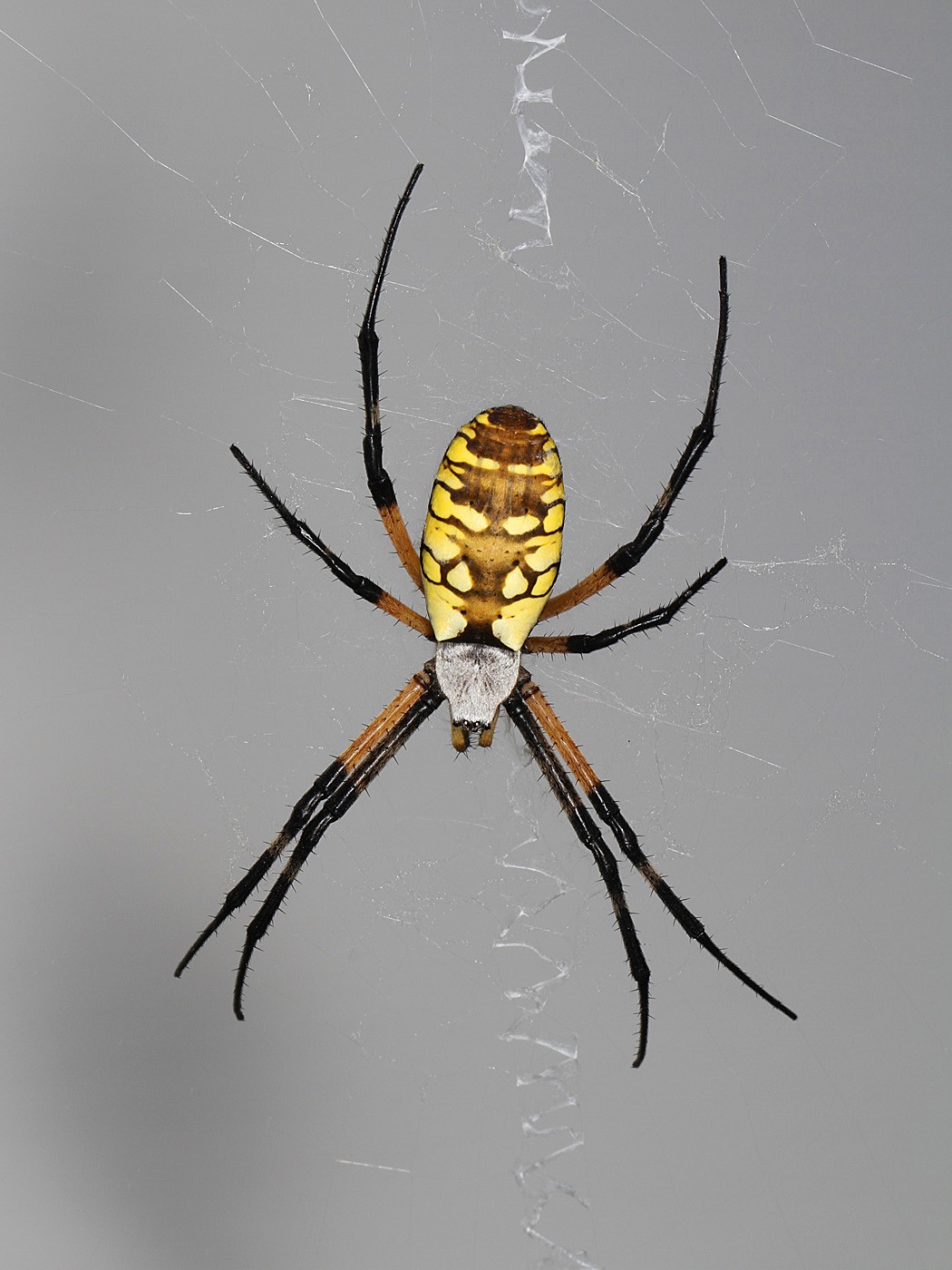
5. Yellow garden spider
The yellow garden spider (Argiope aurantia) is an arachnid that connects itself to its web to feel vibrations that signal to him prey has been caught. Its venom is harmless to humans but perfect for catching smaller insects that might cause harm to your garden. Yellow garden spiders web construction process includes bridge construction and scaffolding, making it among the more complicated web patterns.
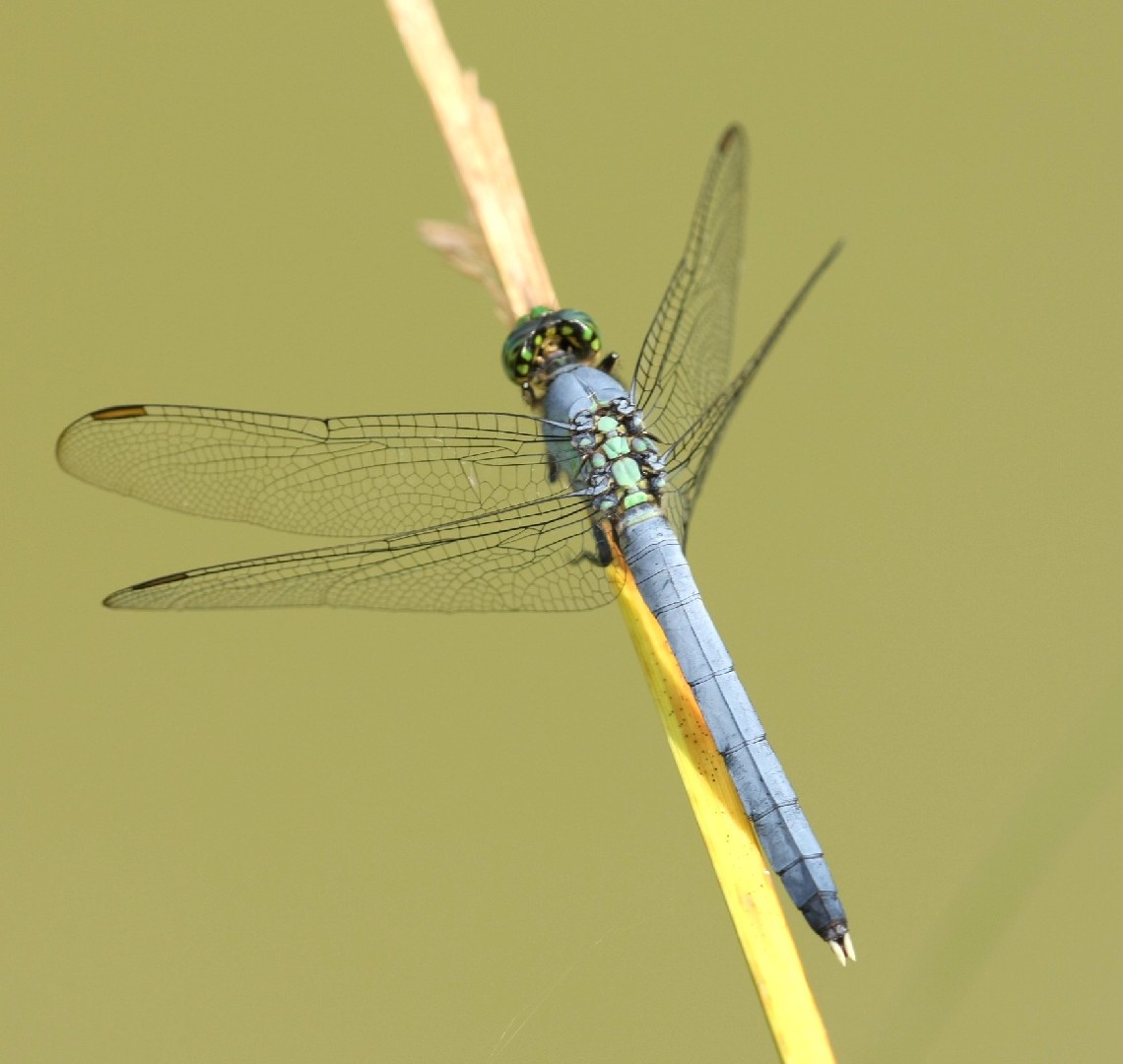
6. Eastern pondhawk
The eastern pondhawk (Erythemis simplicicollis) has much in common with American fishermen, they love living near the sides of ponds. They are a beautiful insect that is easy to distinguish when it comes to different genders. Females are bright green with bands around the abdomen and the males are bright blue with a green face.
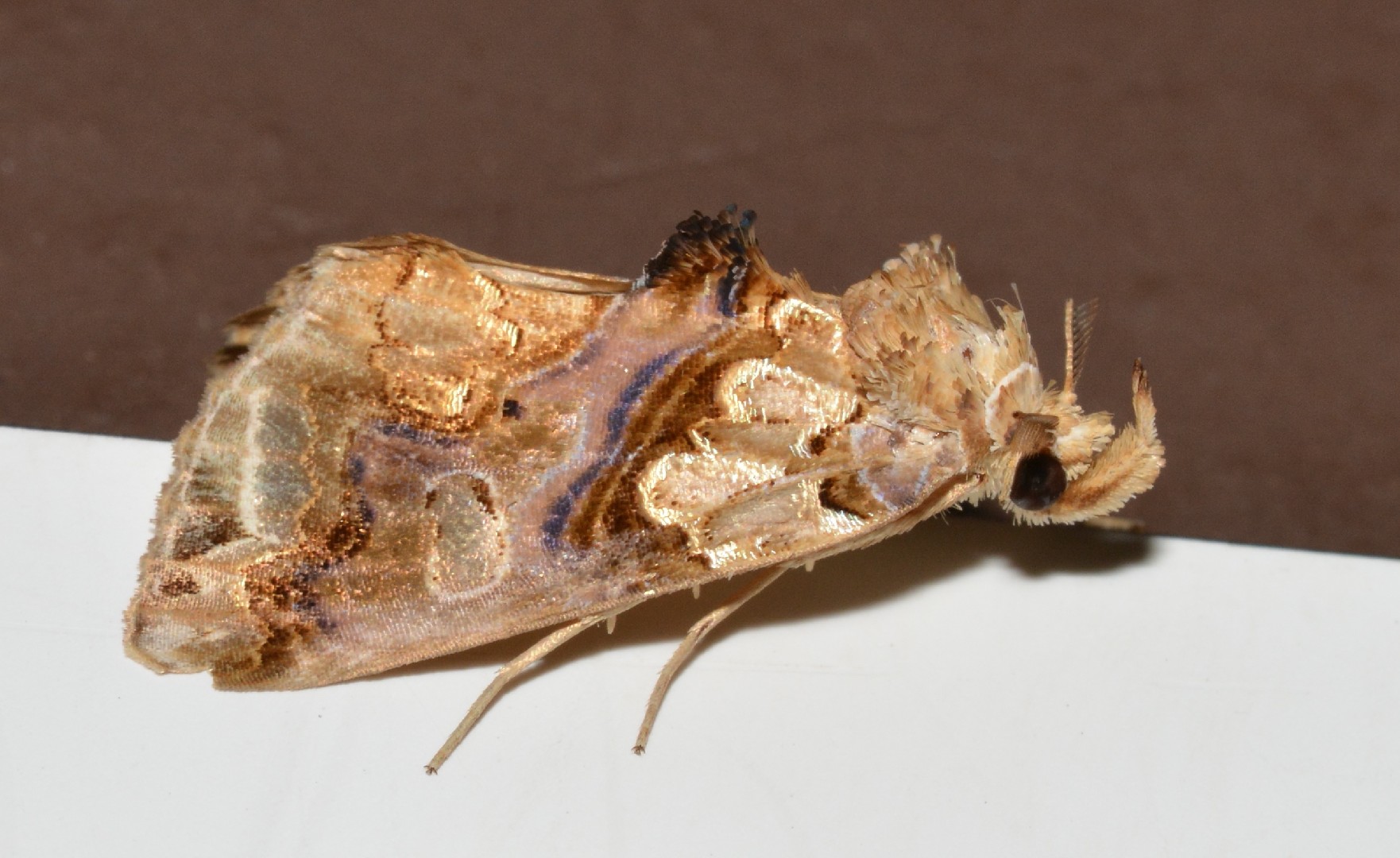
7. Moonseed moth
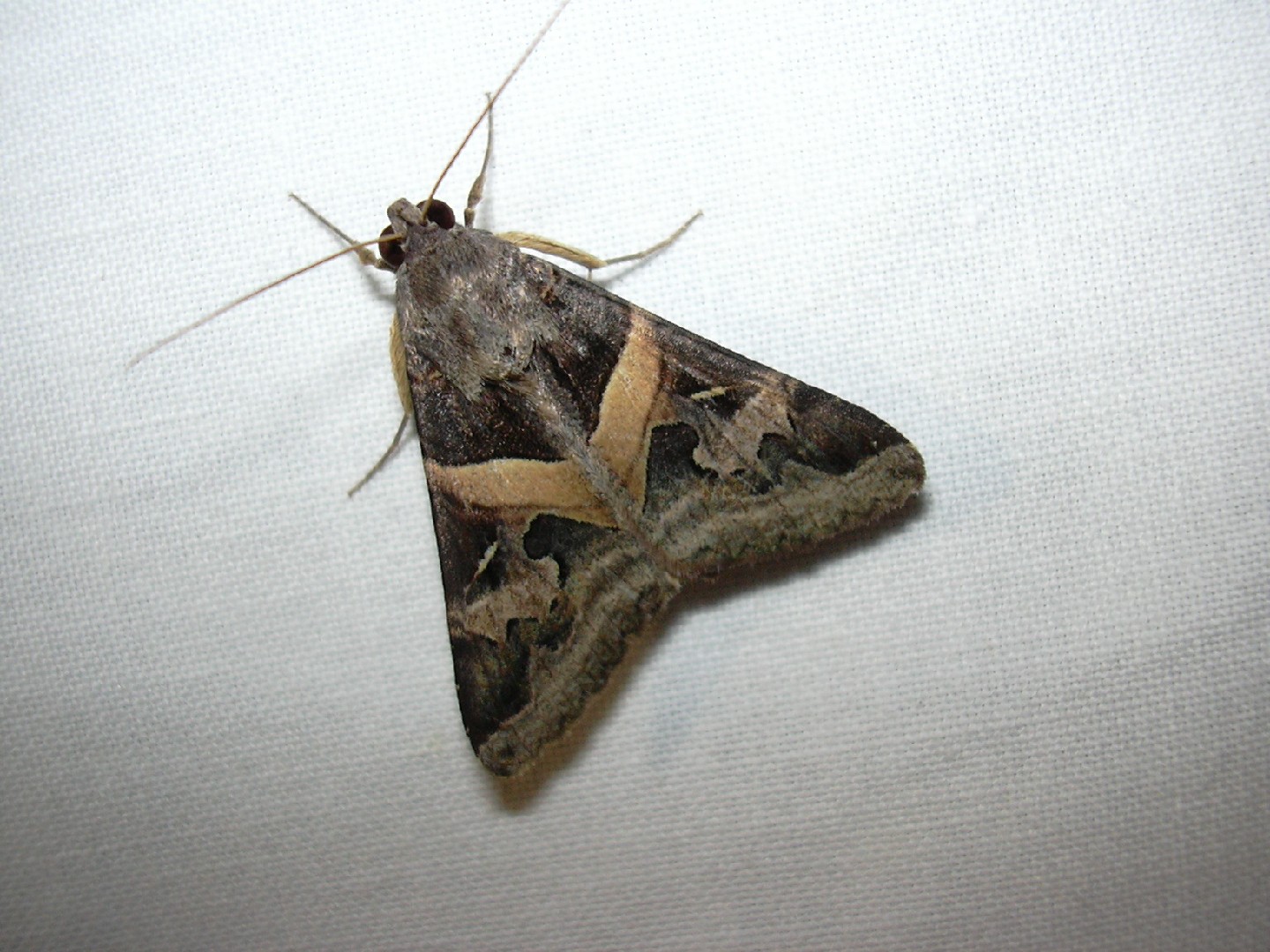
The wingspan is 2.5 - 3.5 cm.
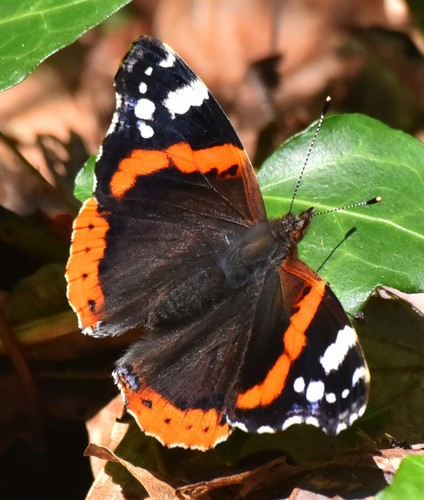
8. Red admiral
Red admiral (Vanessa atalanta) is a visually striking species of butterfly. Unusually territorial, males will compete for choice areas, and females will only mate with males that maintain their own territories. This butterfly is known for being particularly patient with human interactions, even to the point of perching on clothing or flesh.
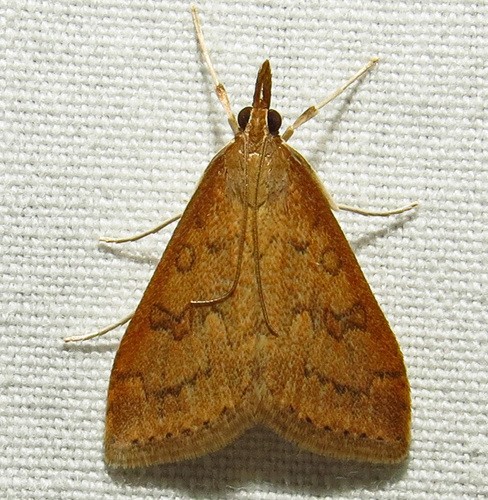
9. Celery leaftier
The species is found in Europe.
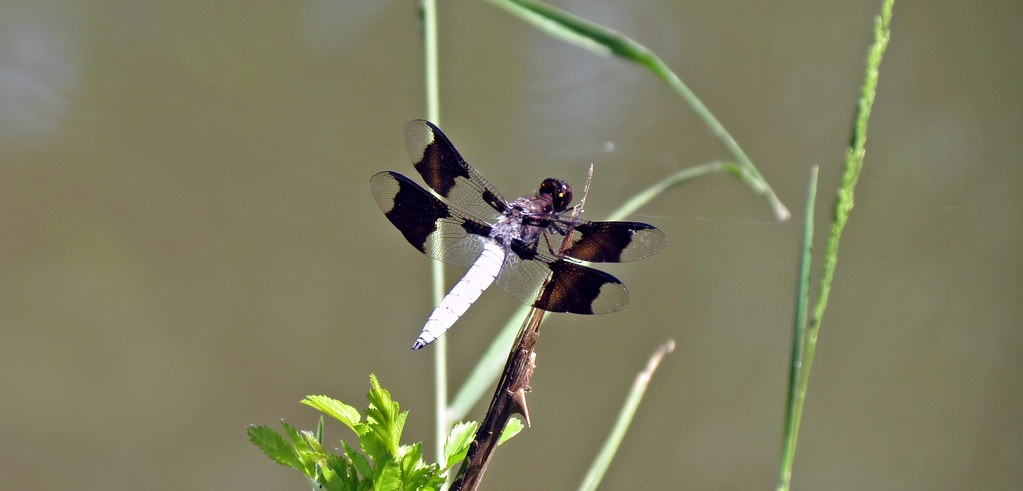
10. Common whitetail skimmer
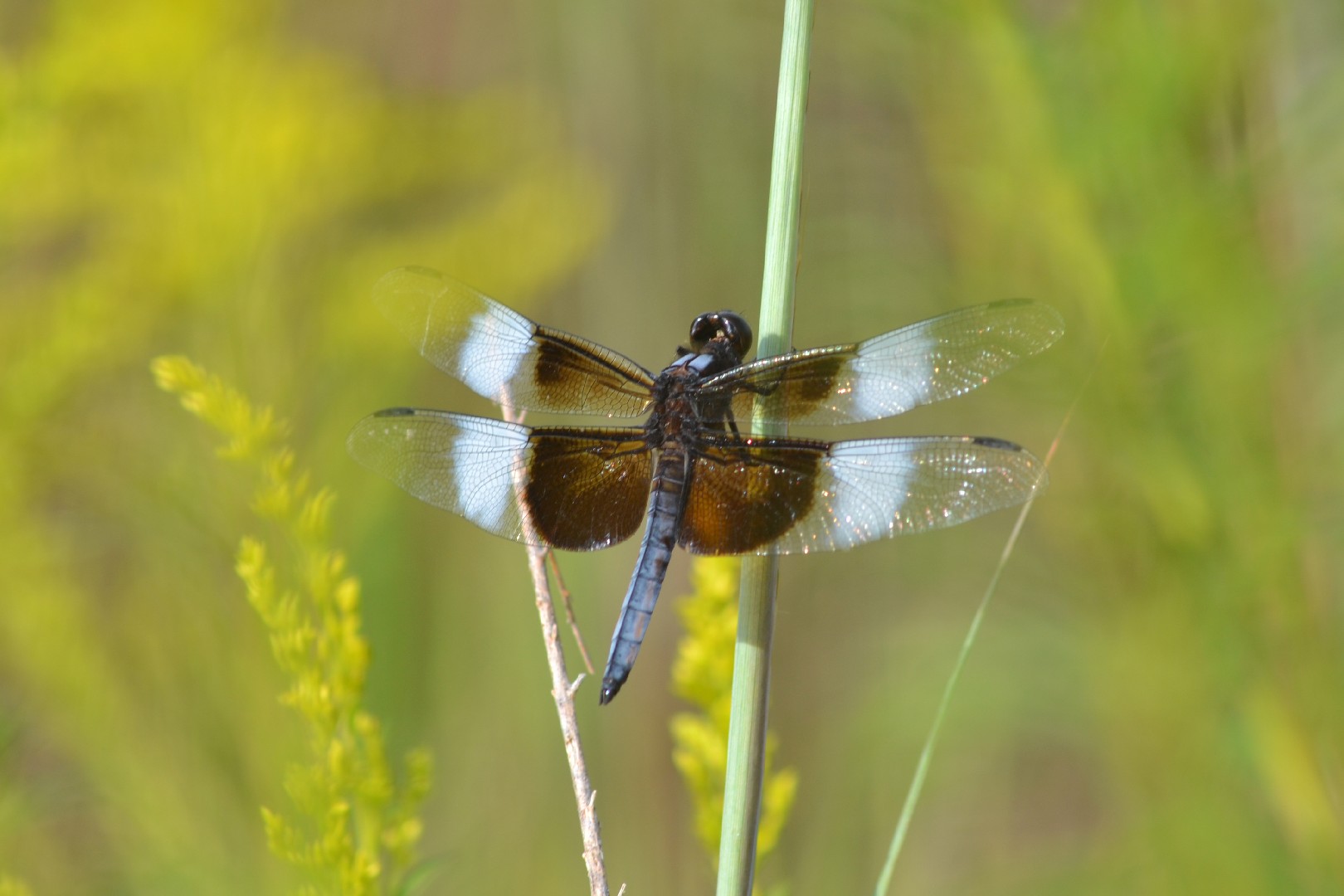
Common whitetail skimmer has black bands on its translucent wings which make it easy to identify. The common whitetail skimmer is found throughout North America and serves a vital ecological purpose. The dragonfly’s compound eyes provide it with a 360-degree field of vision, allowing it to spot prey like spiders and other nuisance insects.


More







