




Top 20 Most Common Insects in North Ogden
Insects, with their distinct features and diverse habitats, play crucial roles in the ecology of North Ogden. Each species, whether a pest or a beneficial insect, contributes to North Ogden's environmental health, demonstrating the intricate connection between urban landscapes and their insect inhabitants. In this feature, we'll explore the 20 most common insect species thriving in North Ogden.

Most Common Insects
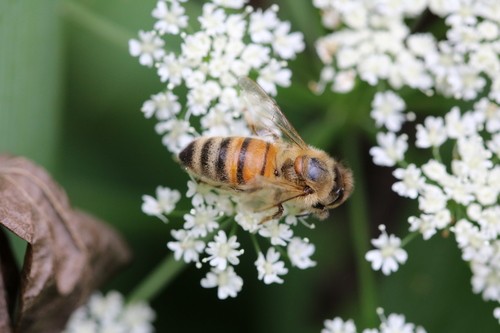
1. Western honey bee
Western honey bee(Apis mellifera) is the most common species of honeybee in the world. Among the first domesticated insects, its cultural and economic impact on humanity has been vast and far-reaching, providing honey, wax and its services as a pollinator. Western honey bee faces challenges worldwide, such as colony collapse disorder, and populations are thought to be decreasing.
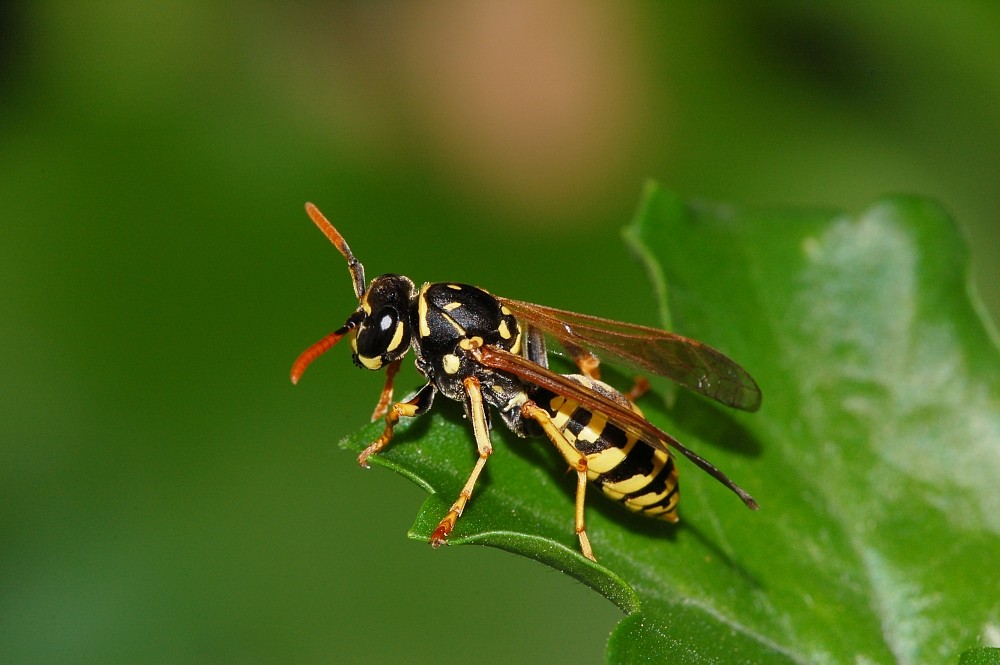
2. European paper wasp
A particularly hated invasive species in North America, european paper wasp (Polistes dominula) is well-known for its tendency to nest on human porches and sting if approached. Nests are controlled by a dominant female queen, who lays most of the eggs. Dominance among individuals can be predicted by the shape, size and number of spots they display, with more spots signaling greater dominance within the nest.

3. Boisduval's blue
Larvae of boisduval's blue are extremely small and rarely seen. The males' top wing grades from ice blue in the center to deep sky blue, exhibiting a dazzling iridescent fluctuation in range under direct, full sunlight. Black margins on the upper wing sport long, white, hair-like scales. A constellation of jet-black dots frames the extremities of the ventral surface, its pattern adroitly complementing the wing shape and throwing it into spectacular relief against the shimmering silvery pearlescent background. A fascinatingly muted hint of dark ice blue bleeds faintly up from the body, permeating the veins throughout for the palest, most delicate emphasis. The body shape, eyes, antennae, and appendages give it a uniquely exquisite poise. The males' bodies are dark-blue or brown. The females' upper wings are dark brown but otherwise mirror the males'. 

4. Multicolored asian ladybeetle
Often confused for the ladybug, multicolored asian ladybeetle (Harmonia axyridis) is a separate species that, unlike the ladybug, is a household pest. It is considered particularly annoying for its habit of returning to places from which it is removed. One of the most variable species in the world, there are many different colors and patterns multicolored asian ladybeetle may display, making identification potentially difficult.
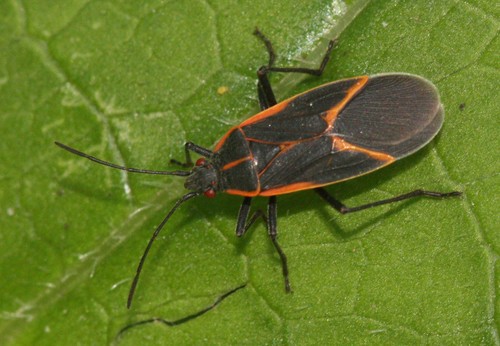
5. Eastern Boxelder Bug
The eastern Boxelder Bug (Boisea trivittata) pierces and feeds on maple seeds. They are not generally considered pests unless they invade homes or destroy fruit in the process. If they do invade homes, their excrement can stain the upholstery. They are also known as the boxelder bug.
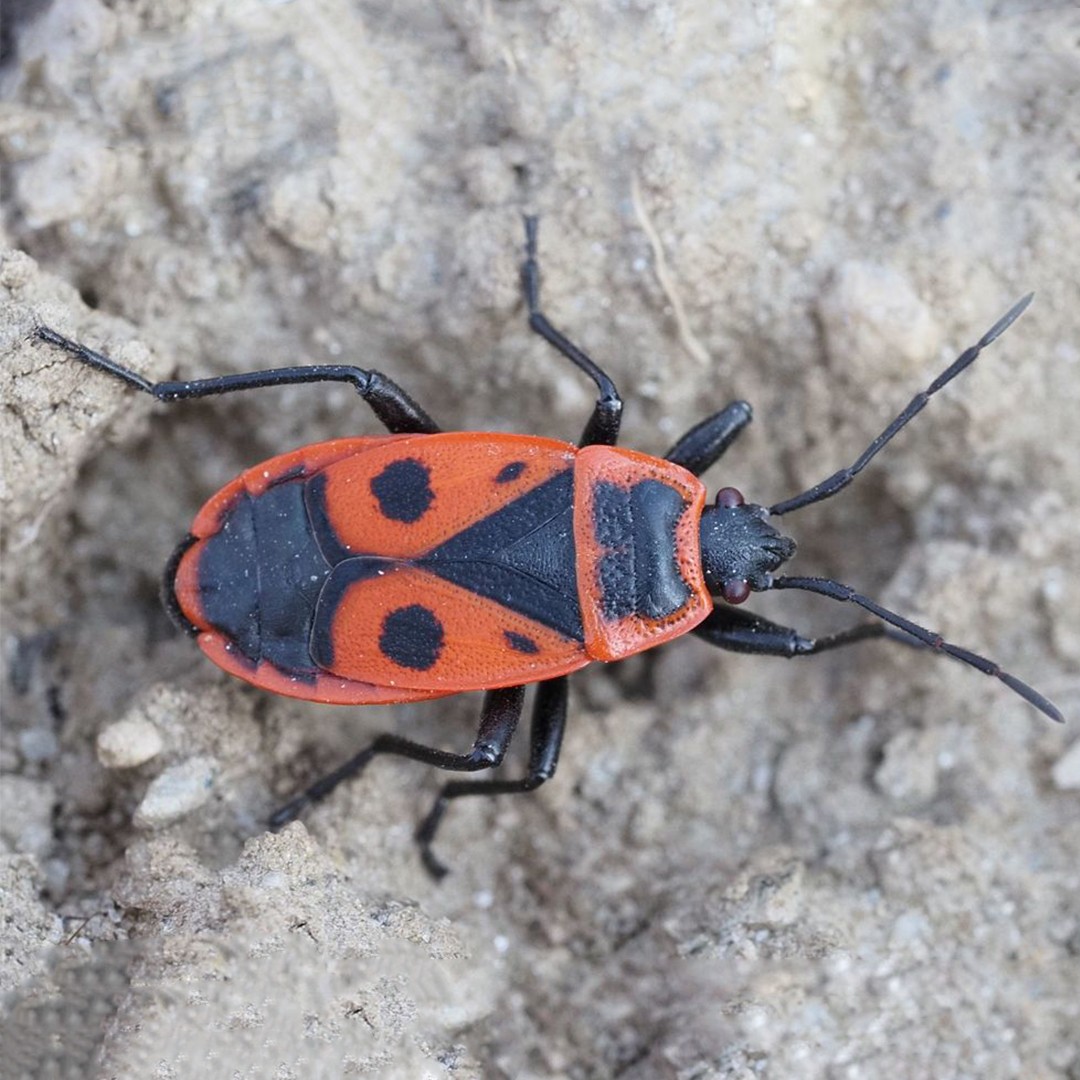
6. European firebug
Named for its striking pattern, european firebug is often described as the "firebug." It is known to congregate in large aggregations reaching as many as one hundred individuals at a time, particularly while still immature. Because they feed upon the seeds of lime trees, clusters of mating individuals can often be found at the bases of these trees in late spring.
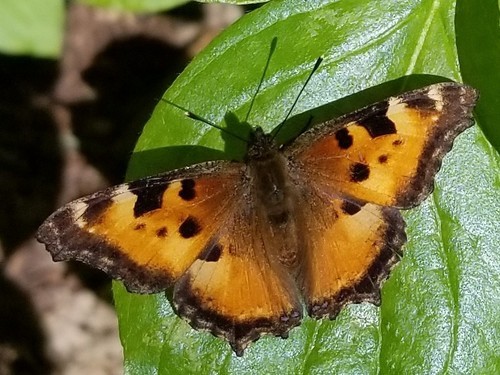
7. California tortoiseshell
It is recognized for the top of its wings being orange with big black spots (used mainly for camouflage). The browns and grays of the wing underside make it resemble a dead leaf when the wings are closed. Its wingspan varies from 1.25–2.75 in.
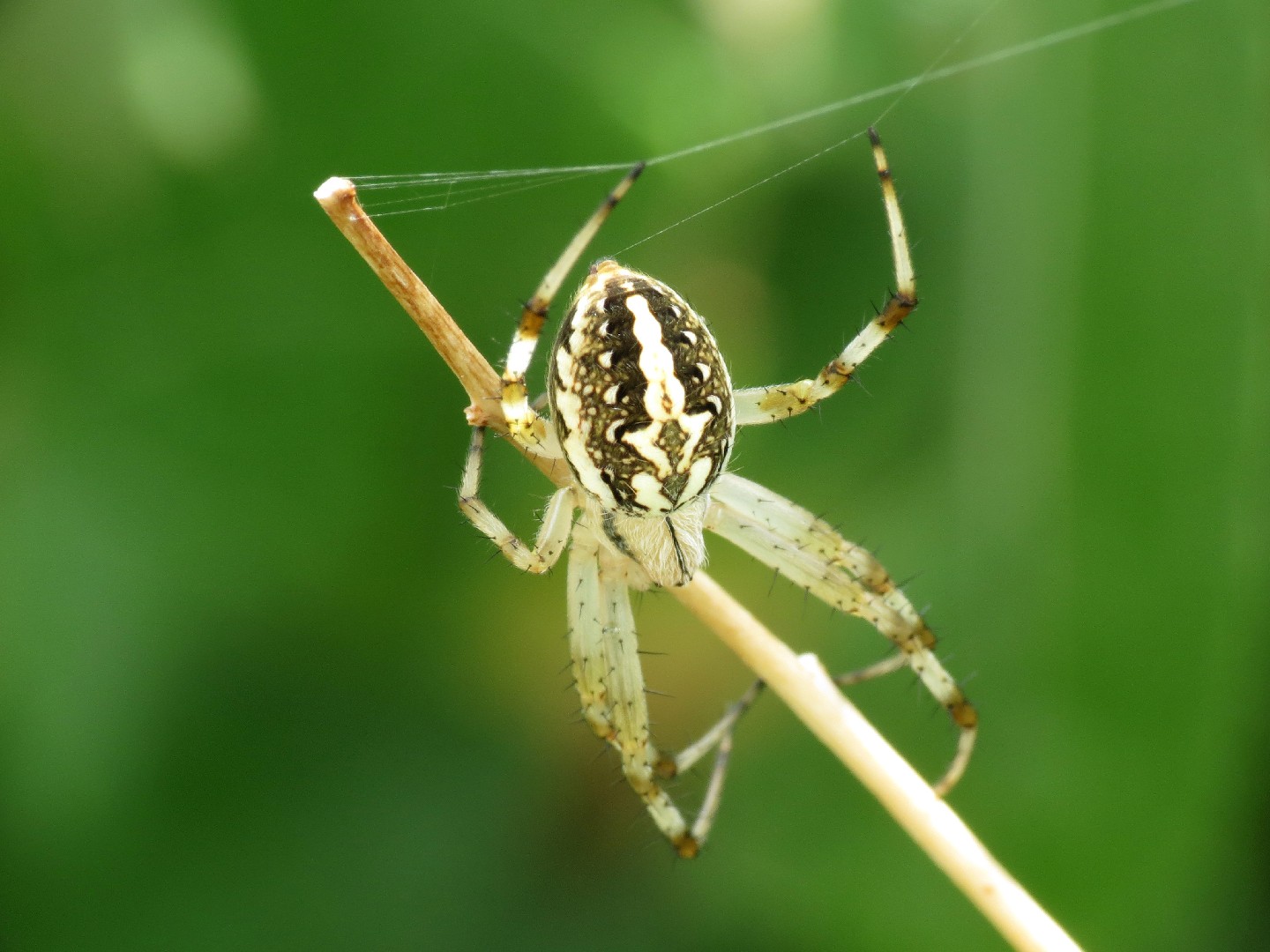
8. Western spotted orbweaver
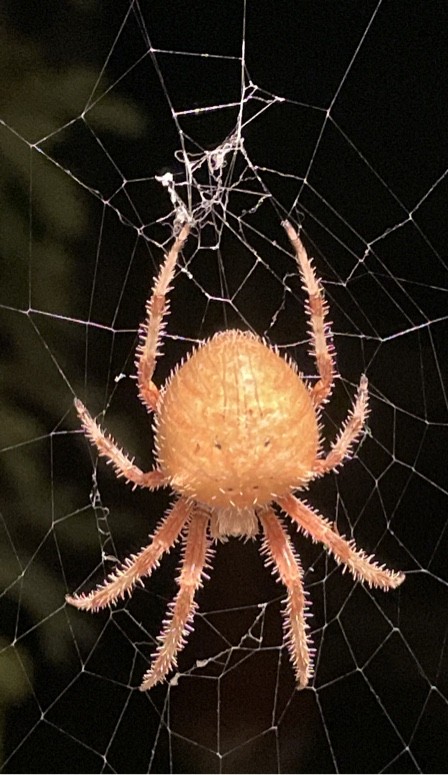
The western spotted orbweaver (Neoscona oaxacensis) has a large, round abdomen that's brown with white spots. It builds its webs in open areas, making it easy to spot. Its webs are circular like other spiders, but instead of making a stabilimentum web like other orb weavers, its webs are more sporadic and spaced out.
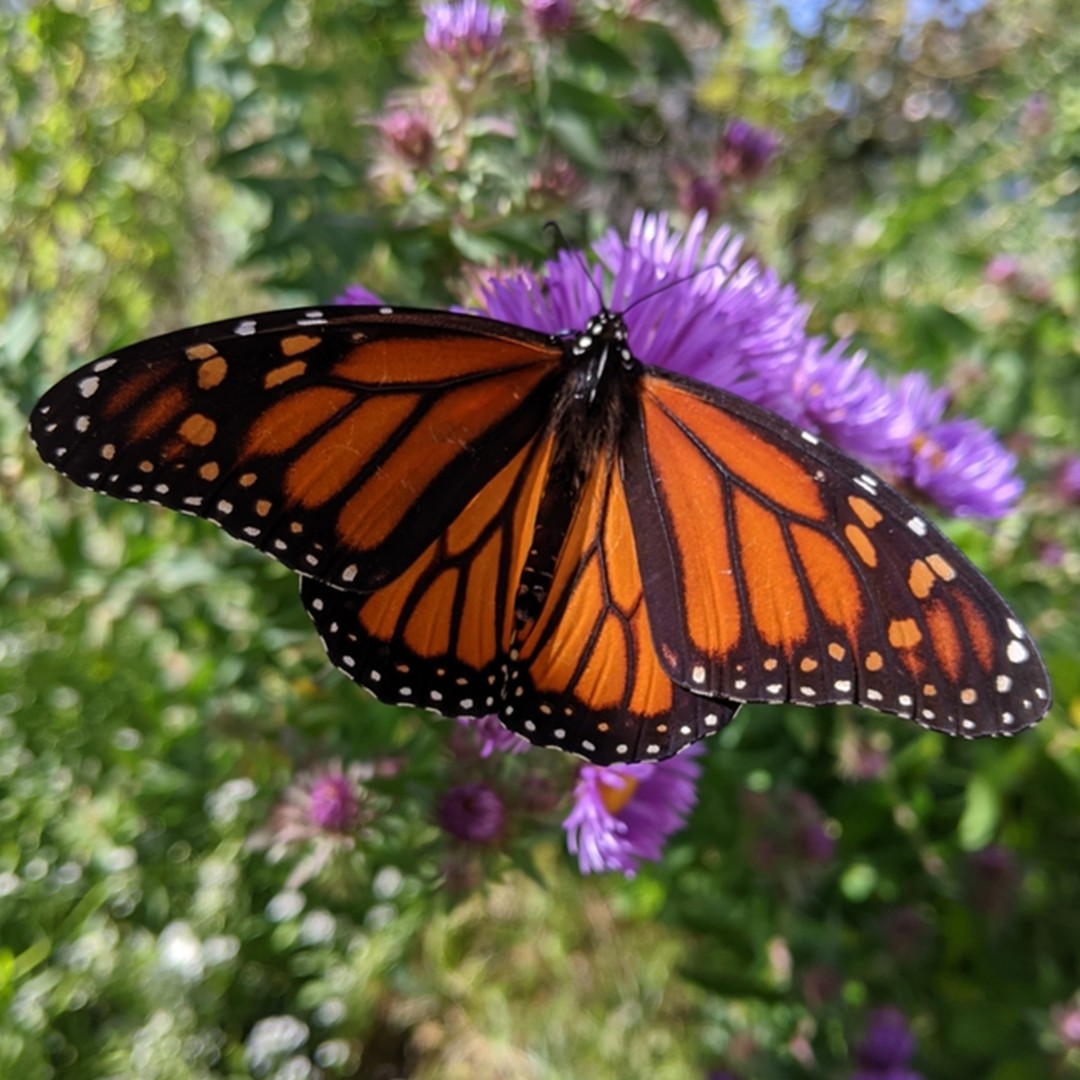
9. Monarch butterfly
The monarch butterfly (Danaus plexippus) is the most recognizable butterfly in North America. It is best known for its appearance, but should be better known for the fact that it has a 3000-mile migration that takes the butterfly 4 generations to complete. Their diet is also a natural deterrent for predators, as they eat milkweed, a poison that induces vomiting.
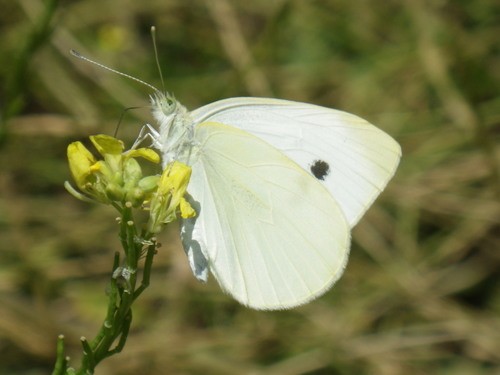
10. Cabbage white
Cabbage white (Pieris rapae) derives its common name from its habits as a caterpillar, which is a ferocious pest for cabbage, kale and broccoli farmers. In North America, it is one of the first butterflies to emerge in spring, heralding the beginning of the season.
More







