




Top 20 Most Common Insects in Poquoson
Insects, an incredibly diverse group with distinct features and habitats, are integral to Poquoson's ecosystem. These organisms serve essential roles, from nuisance pests to beneficial pollinators. Understanding the 20 most common insects in Poquoson offers unique insights into the city's environment, evidencing the rich interplay between urban landscapes and their resident bugs.

Most Common Insects
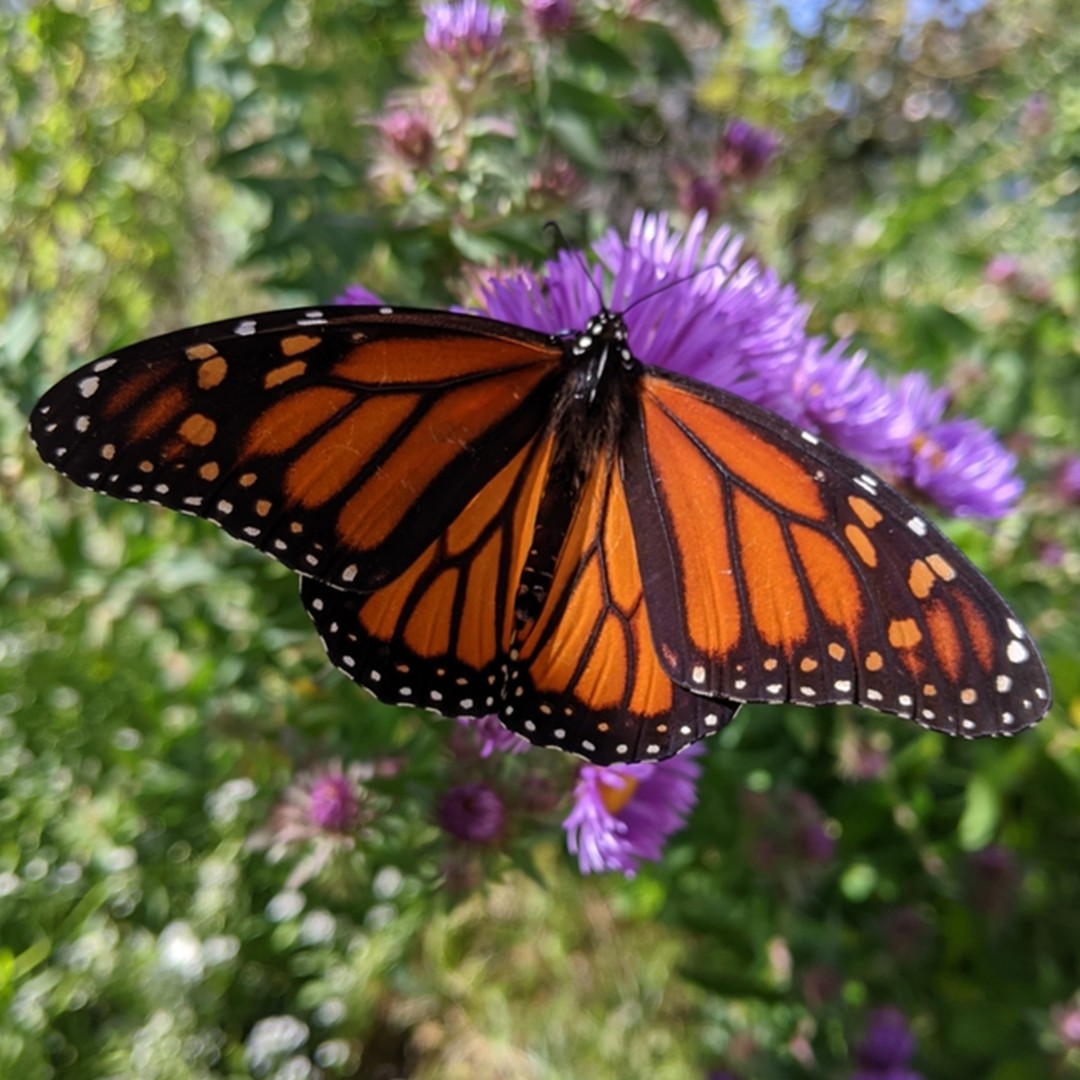
1. Monarch butterfly
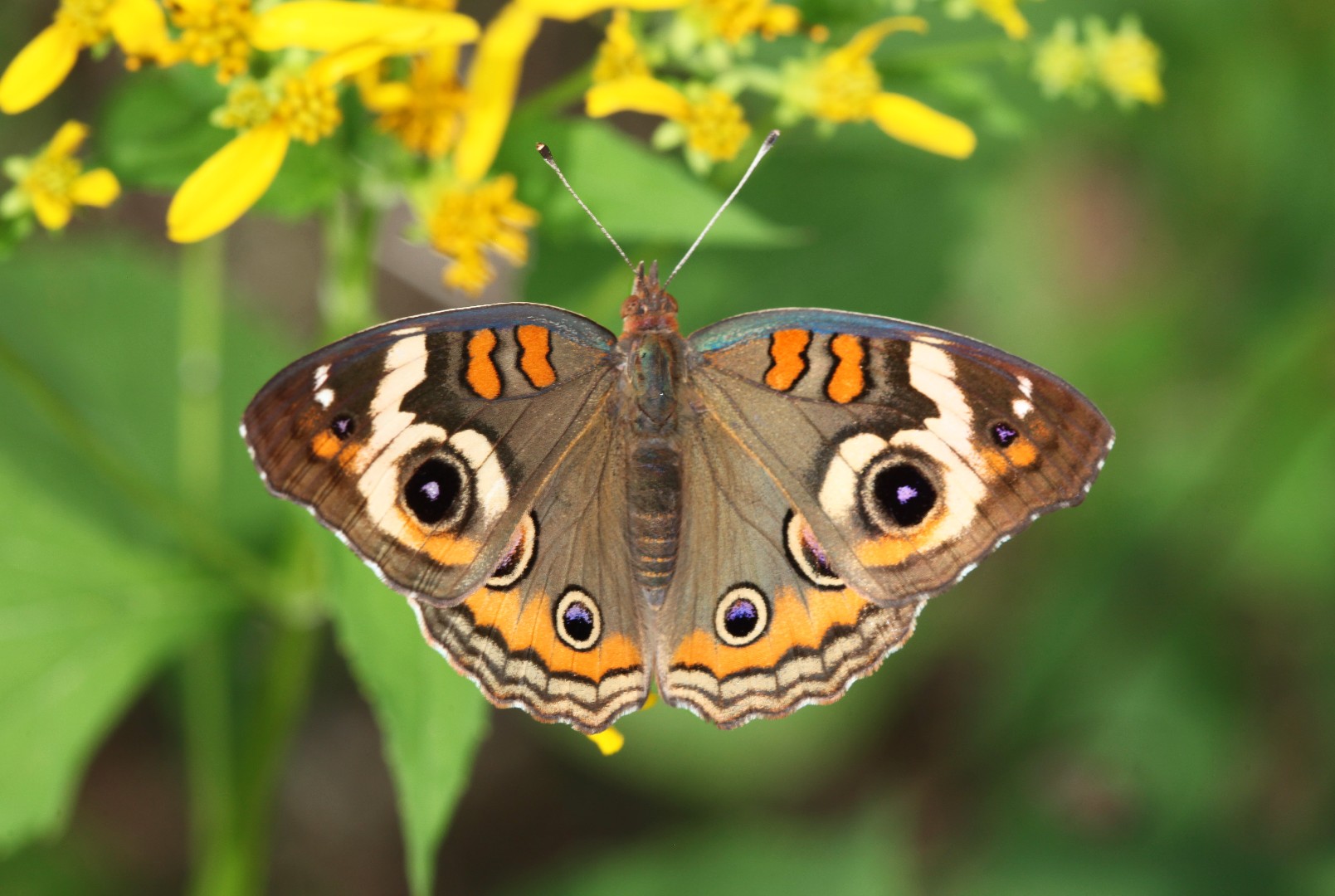
The monarch butterfly (Danaus plexippus) is the most recognizable butterfly in North America. It is best known for its appearance, but should be better known for the fact that it has a 3000-mile migration that takes the butterfly 4 generations to complete. Their diet is also a natural deterrent for predators, as they eat milkweed, a poison that induces vomiting.
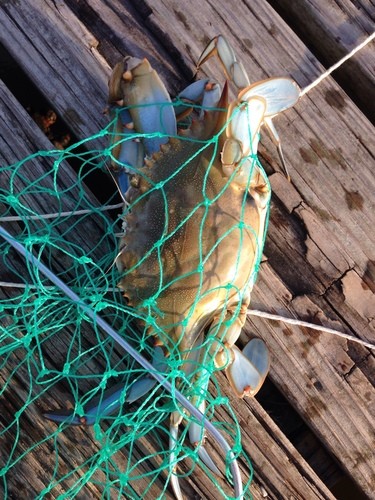
2. Blue crab
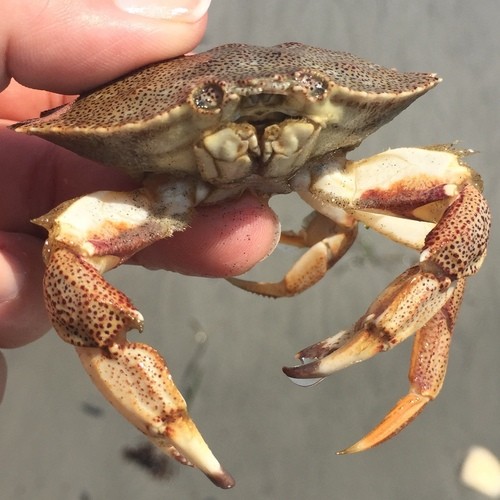
Thanks to its sapphire blue claws, blue crab is famous for its attractive appearance. Despite its lovely looks, the crab shows aggressive nature when it feels threatened. Blue crab has important commercial value and it's harvested for culinary use. Many people find its meat to be sweet and delicious.
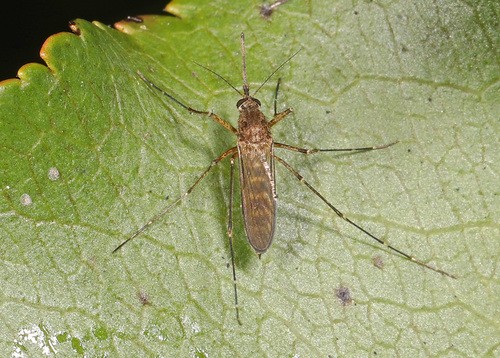
3. Inland floodwater mosquito
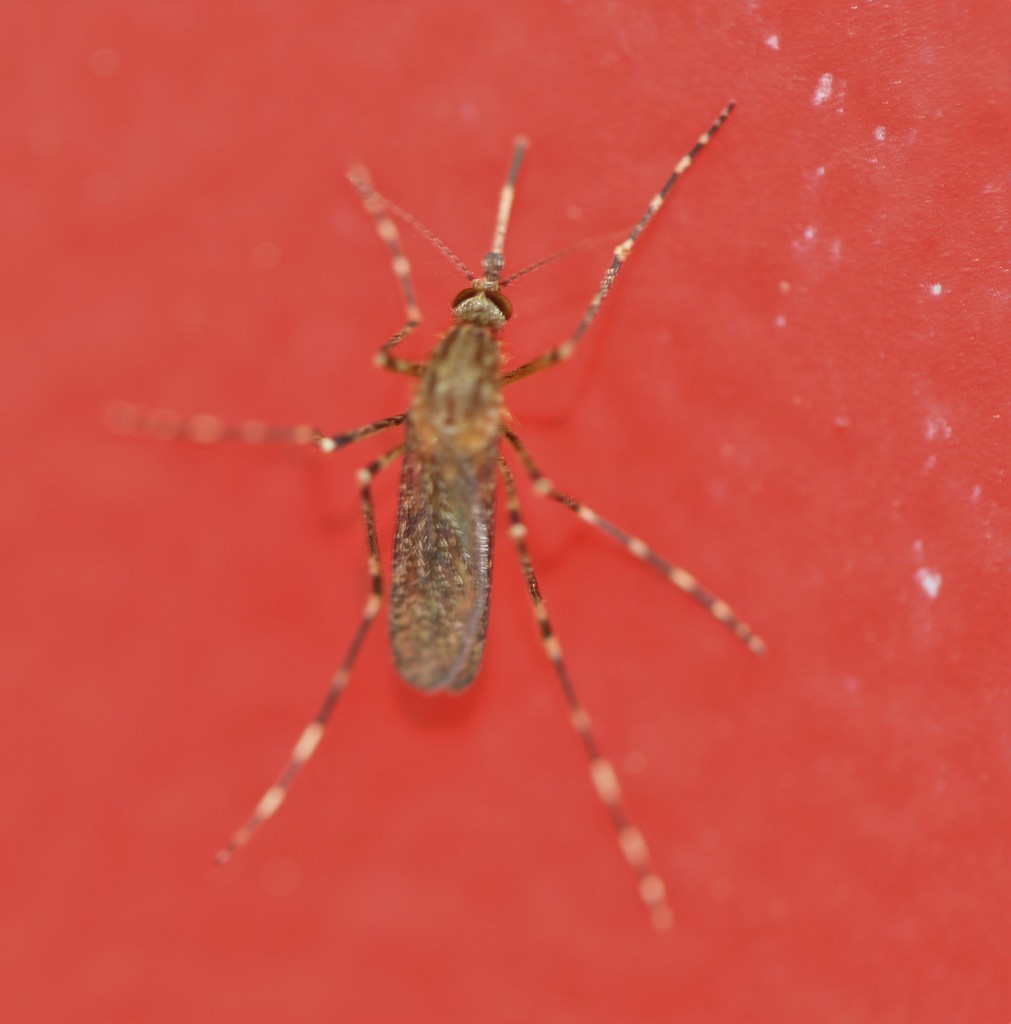
A common species of mosquito, inland floodwater mosquito (Aedes vexans) is often encountered near areas containing water such as grassy pools, shallow ponds, and even wet ditches. Only the females bite humans for their blood, as males subsist upon nectar and sap. Inland floodwater mosquito is a noted carrier of diseases such as Zika virus and myxomatosis.
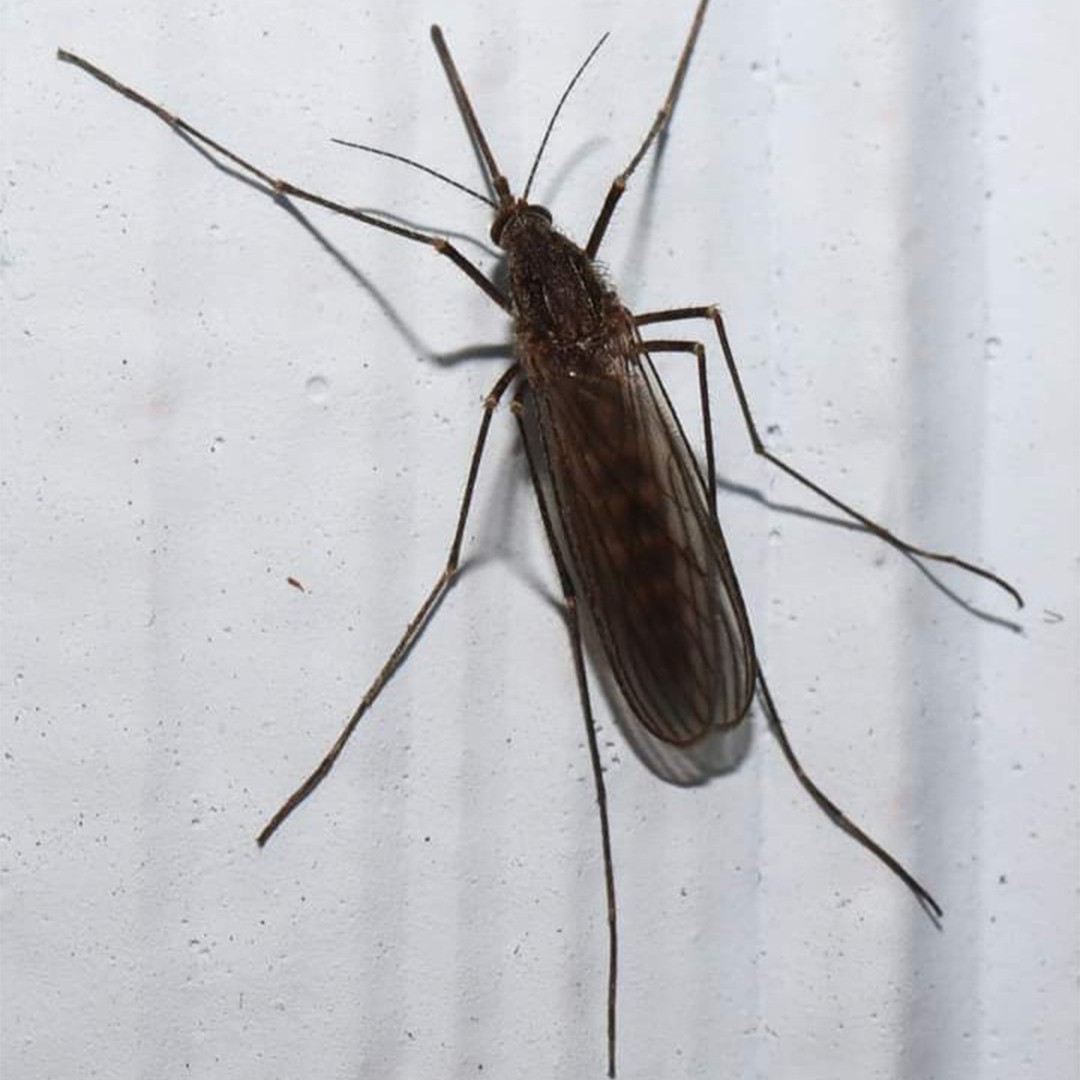
4. Erratic Mosquito
Culex erraticus is a species of mosquito in the family Culicidae. 
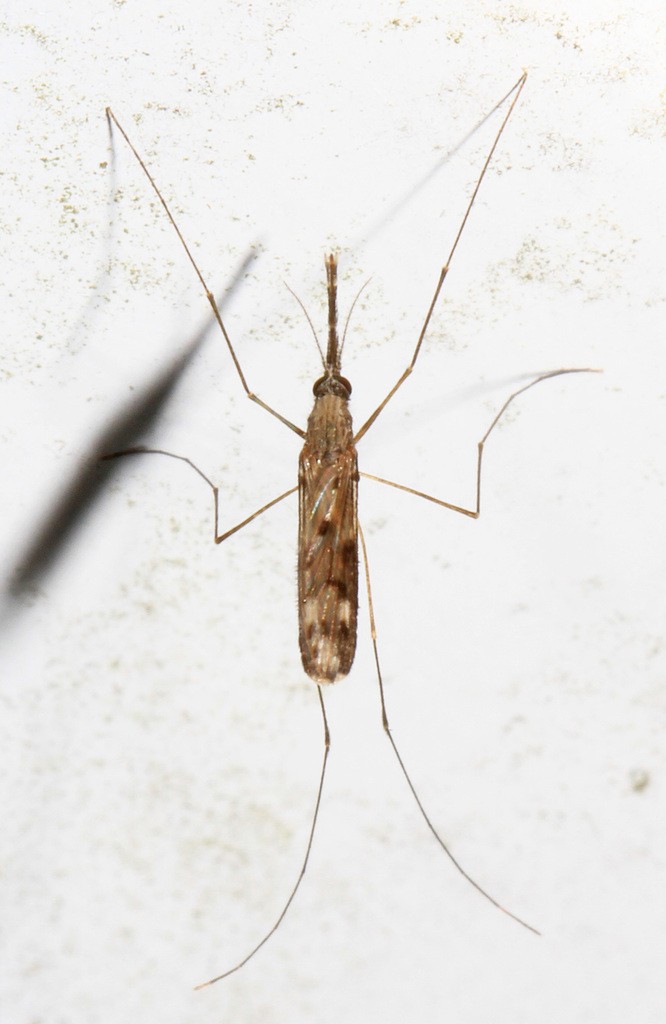
5. Anopheles crucians
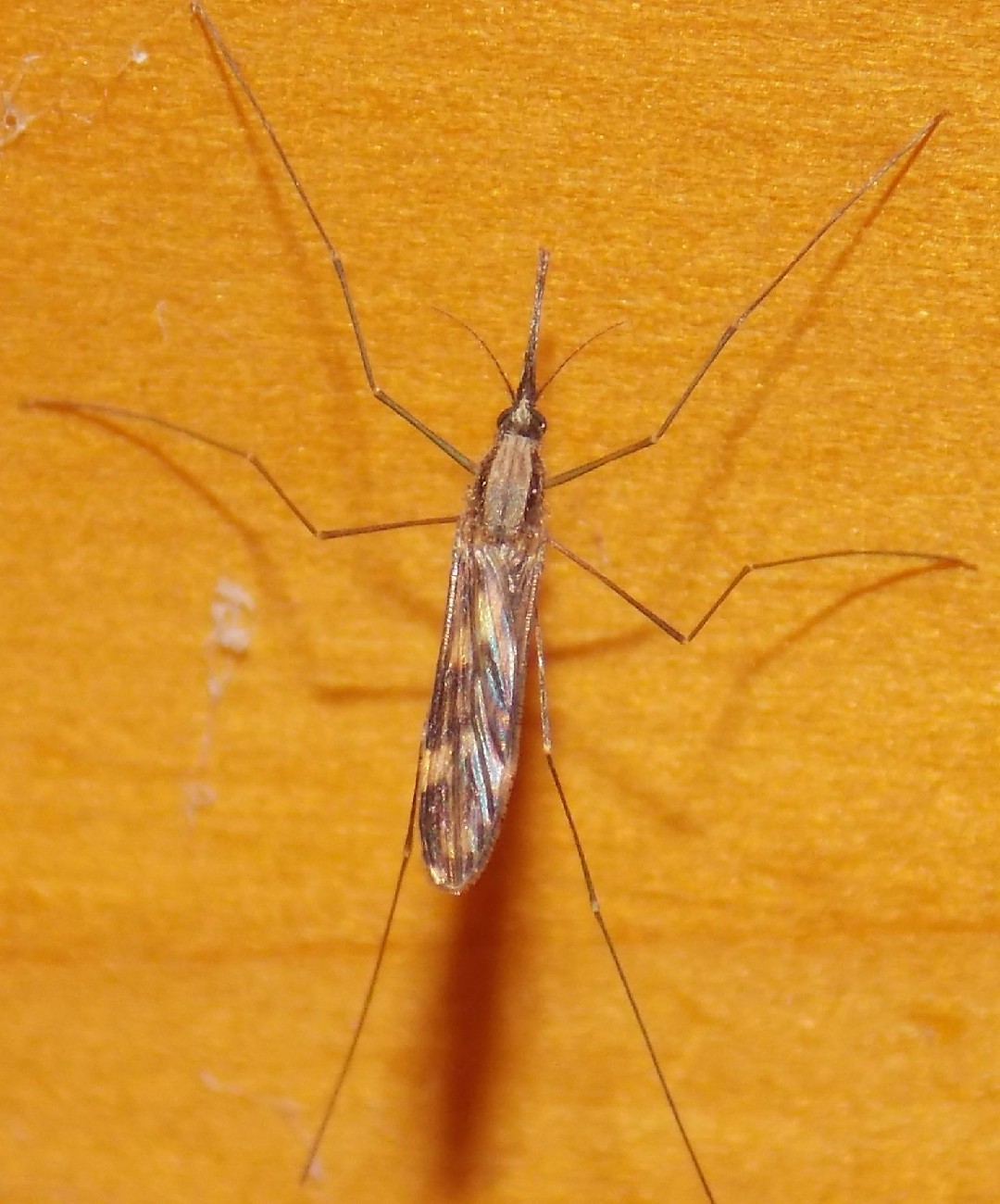
Anopheles crucians is a mosquito that exists in aquatic environments under areas with little light presence. The preferred environment for A. crucians is areas with acidic water such as that found in cypress swamps. The mosquito breeds in semipermanent and permanent pools, ponds, lakes and swamps. It may be a vector for malaria. Walter Reed Biosystematic Unit Characteristics, Bionomics, Medical Importance GeoSpecies Knowledge Base University of Wisconsin
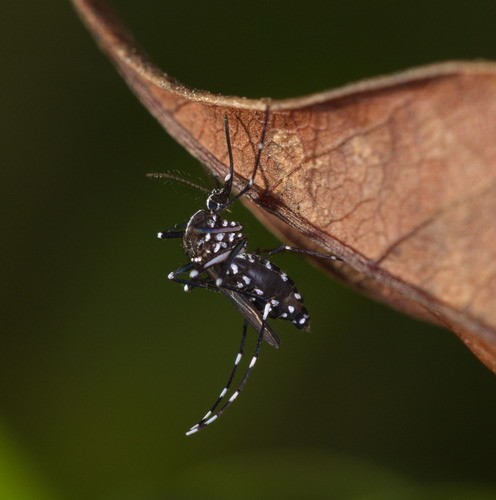
6. Asian Tiger Mosquito
The asian Tiger Mosquito (Aedes albopictus) has recently (the 1970s) infested every corner of the world through the shipment of used tired, lucky bamboo (Dracaena sanderiana), and other similar products. The asian Tiger Mosquito is known to transmit many deadly diseases that include West Nile Virus.
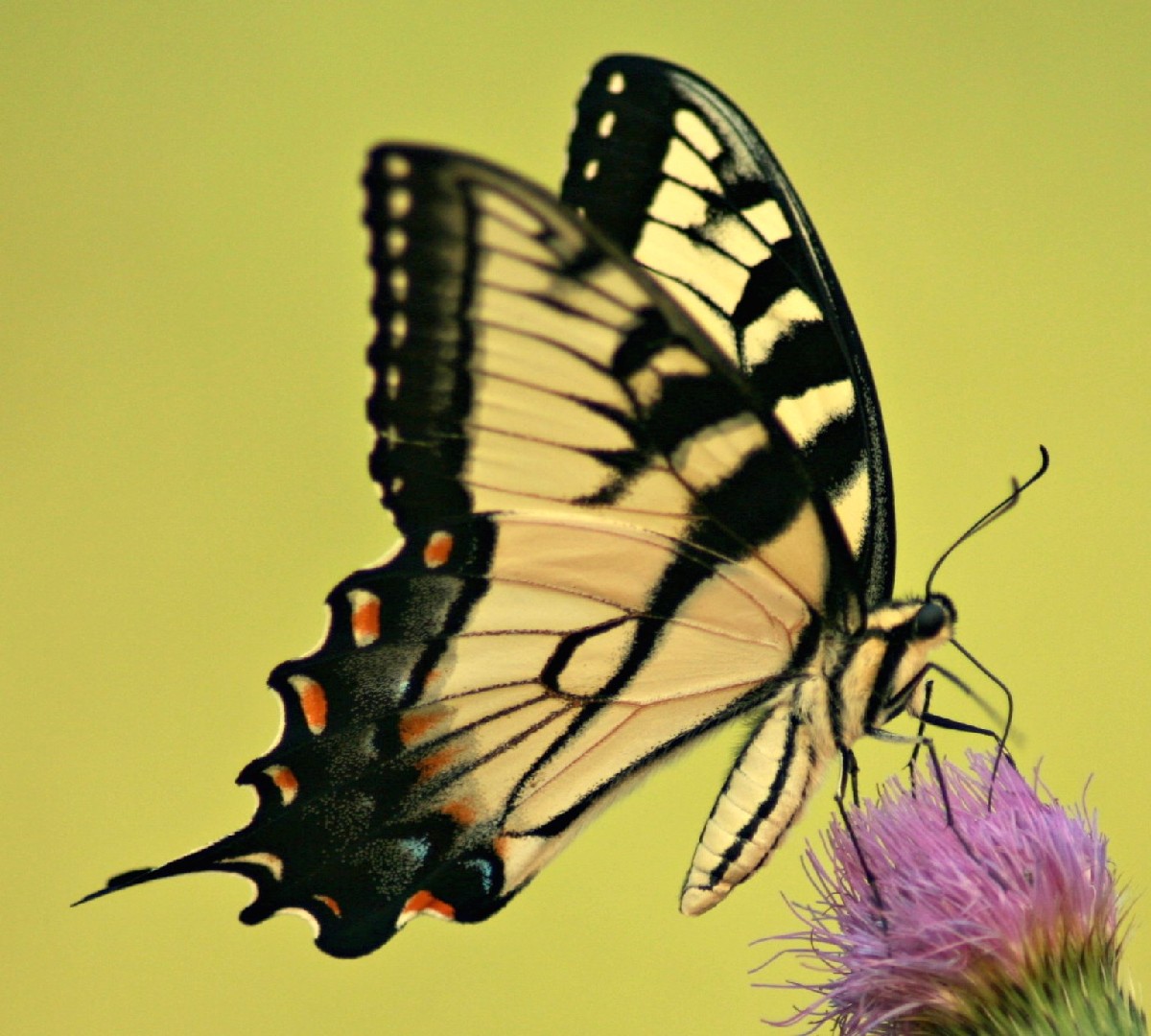
7. Eastern tiger swallowtail
Eastern tiger swallowtail (Papilio glaucus) is among the most recognizable butterflies in the eastern United States, where it inhabits a variety of habitats. This species is diurnal and usually solitary, preferring to fly high above the ground until the time comes to mate. Caterpillars display eyespots to deter birds in between some molting phases.
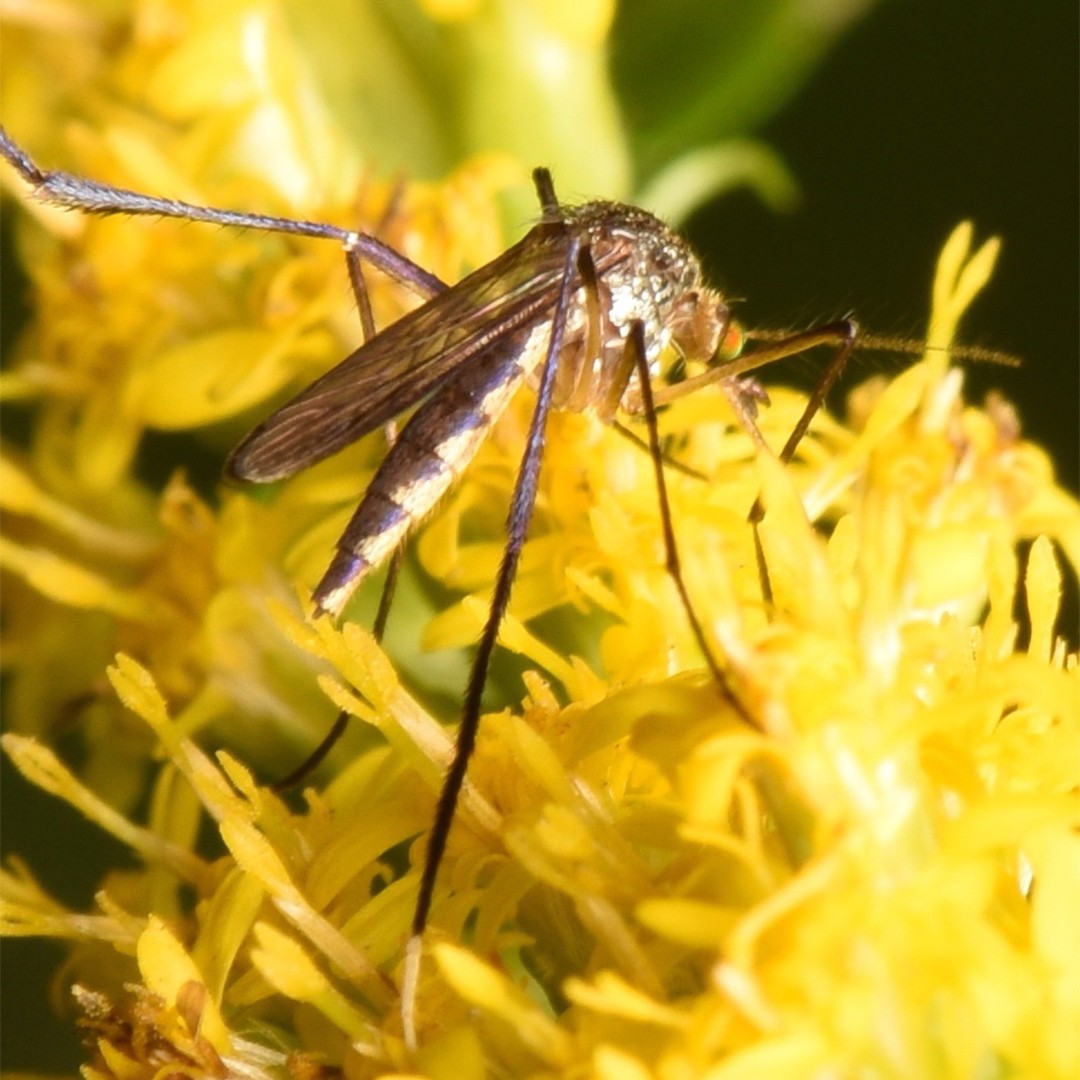
8. White-footed woods mosquito
The adult's thorax is covered in dark scales with flecks of lighter yellowish scales. The abdomen is mostly dark-scaled dorsally, and yellowish ventrally. These yellowish scales form apicolateral triangular patches. The dorsum reflects a purple color. The legs are largely dark with white scales on the last two tarsal segments. The female's wings range from around 3.7-4.0 mm. The proboscis is long and dark.
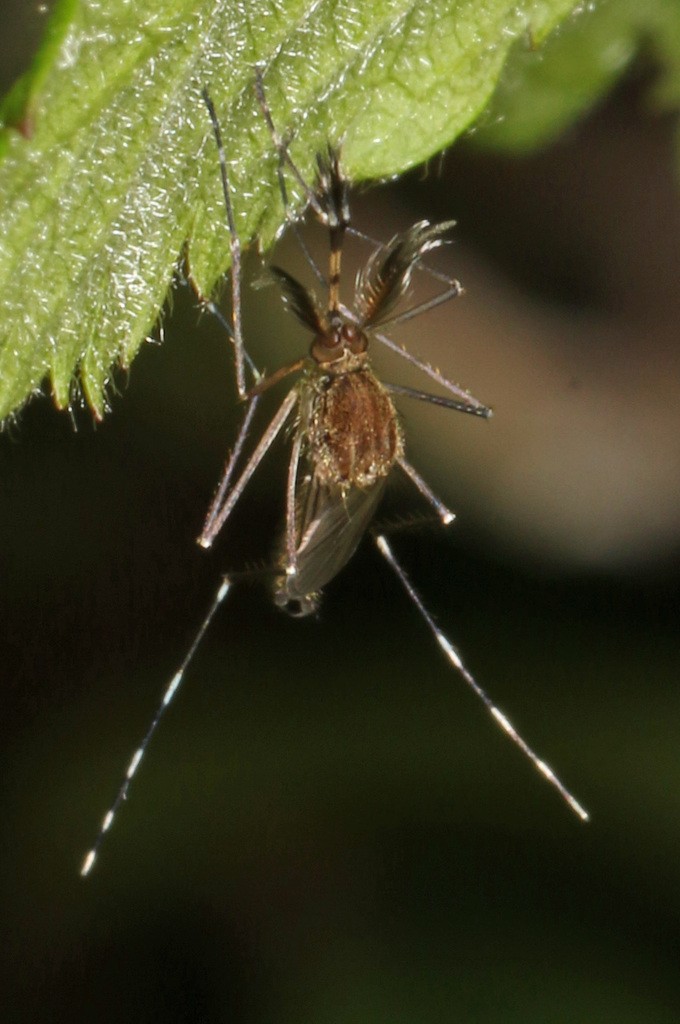
9. Woodland Pool Mosquito
Aedes canadensis, the woodland pool mosquito, is an aggressive, day biting mosquito that can be a vector of a number of diseases which is found mainly in eastern North America.
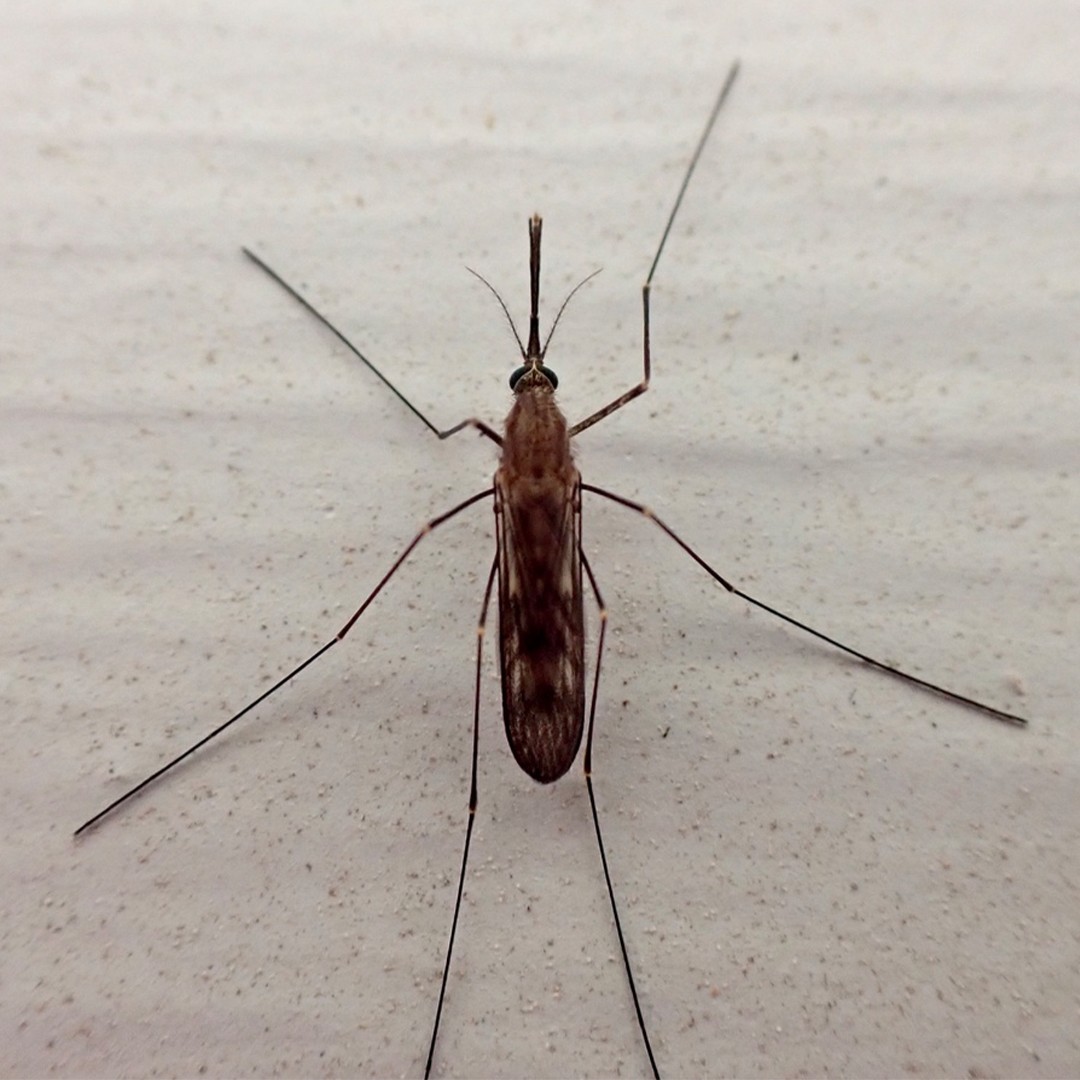
10. White dotted mosquito
Culex restuans is a species of mosquito known to occur in Canada, the United States, Mexico, Guatemala, and Honduras. It is a disease vector of St. Louis encephalitis and West Nile virus.


More







