




Top 20 Most Common Insects in Suffolk
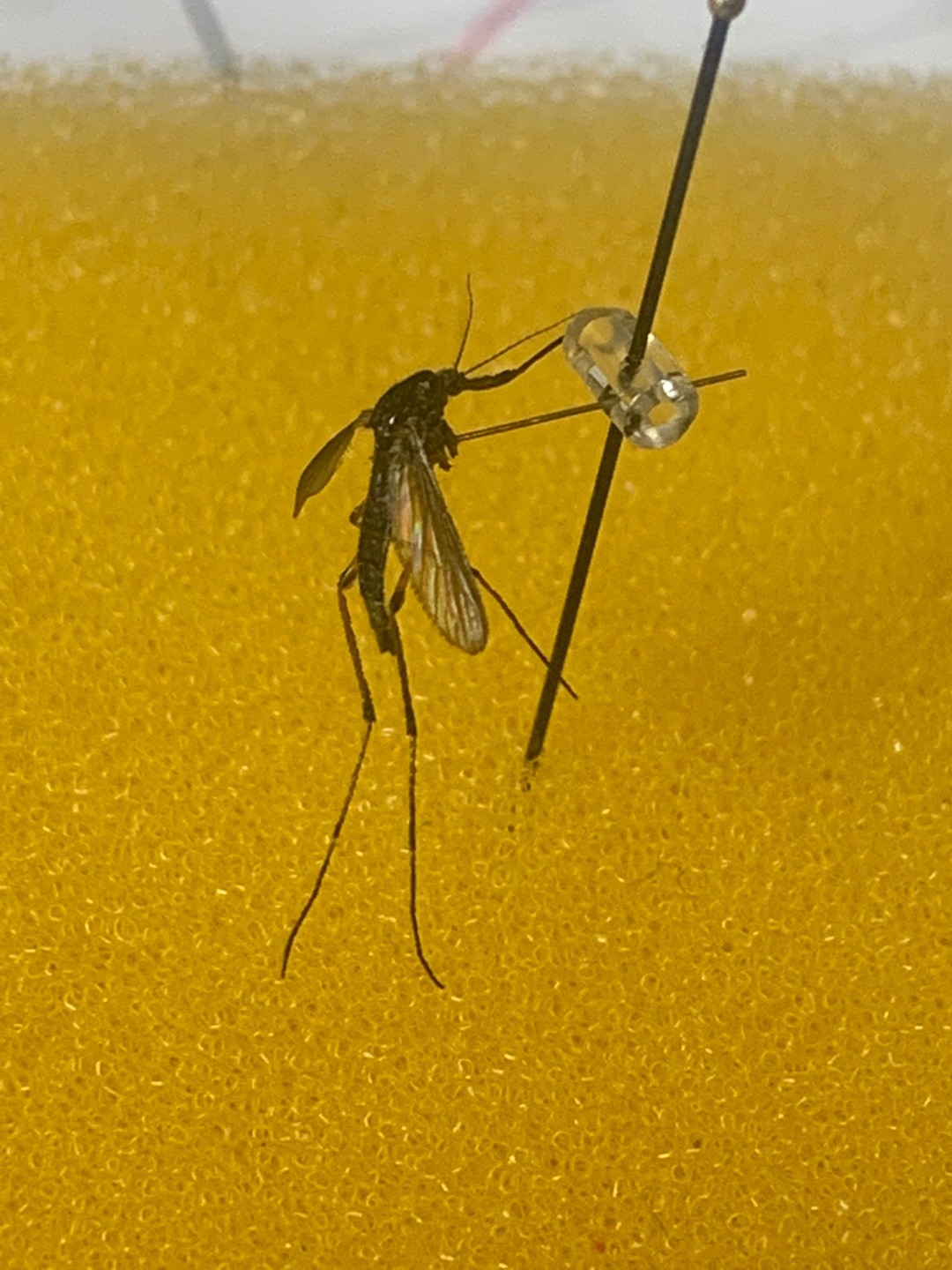
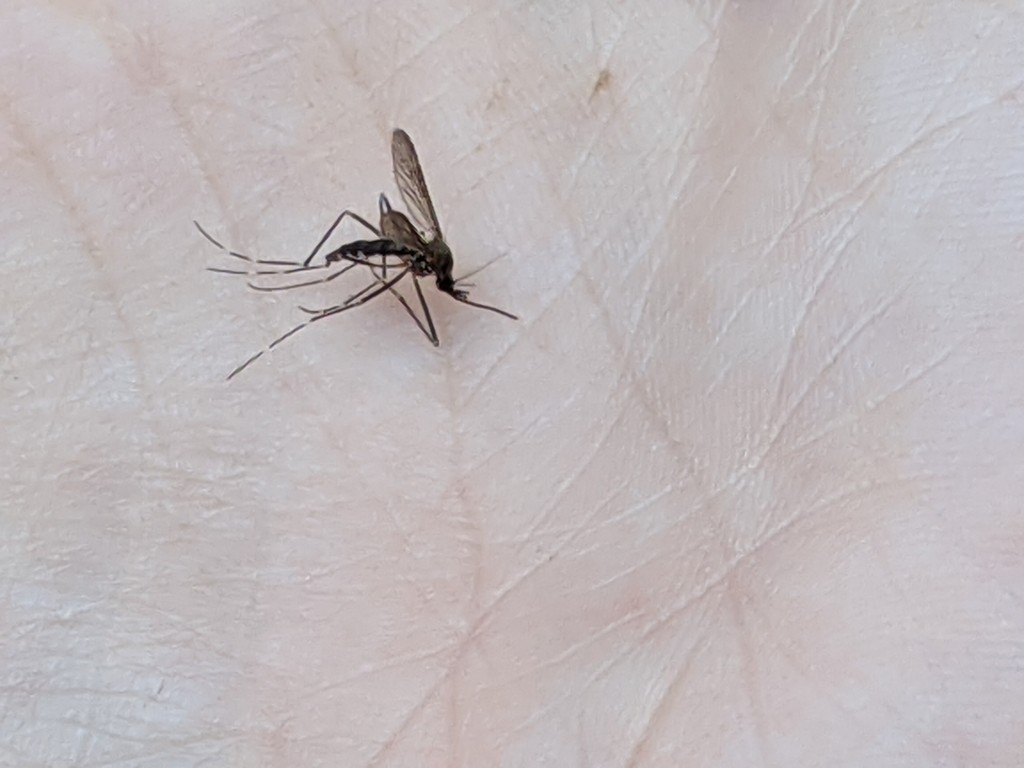
Insects, with their exoskeletons and six-legged structures, find unique habitats within the urban and rural environments of Suffolk. From pollinators enhancing biodiversity to pests demanding vigilance, these creatures play pivotal roles in our ecosystem. This guide will highlight the top 20 insects charming, challenging and surprising us in Suffolk.

Most Common Insects
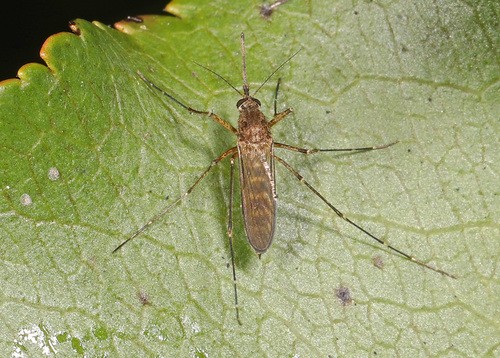
1. Inland floodwater mosquito
A common species of mosquito, inland floodwater mosquito (Aedes vexans) is often encountered near areas containing water such as grassy pools, shallow ponds, and even wet ditches. Only the females bite humans for their blood, as males subsist upon nectar and sap. Inland floodwater mosquito is a noted carrier of diseases such as Zika virus and myxomatosis.
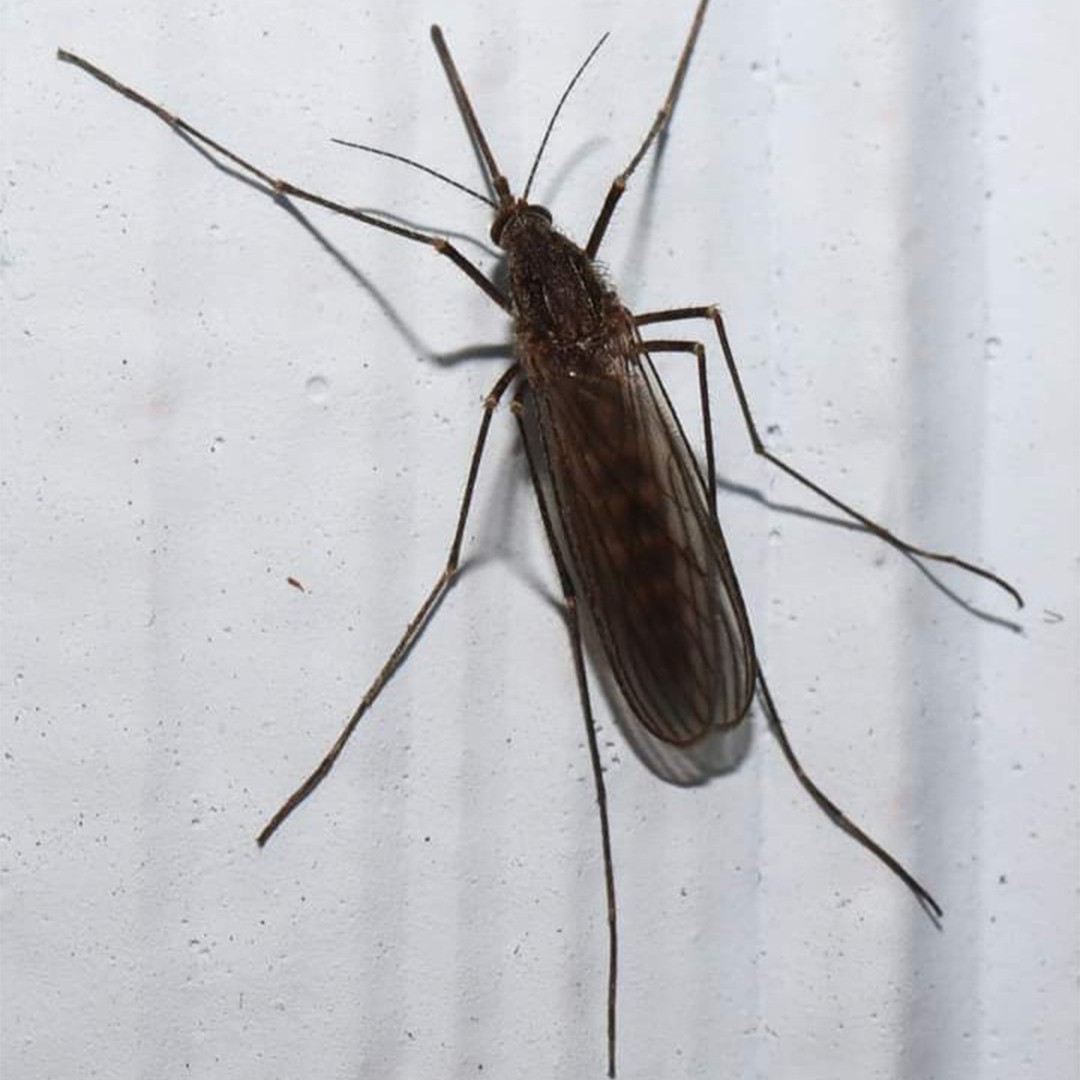
2. Erratic Mosquito
Culex erraticus is a species of mosquito in the family Culicidae. 
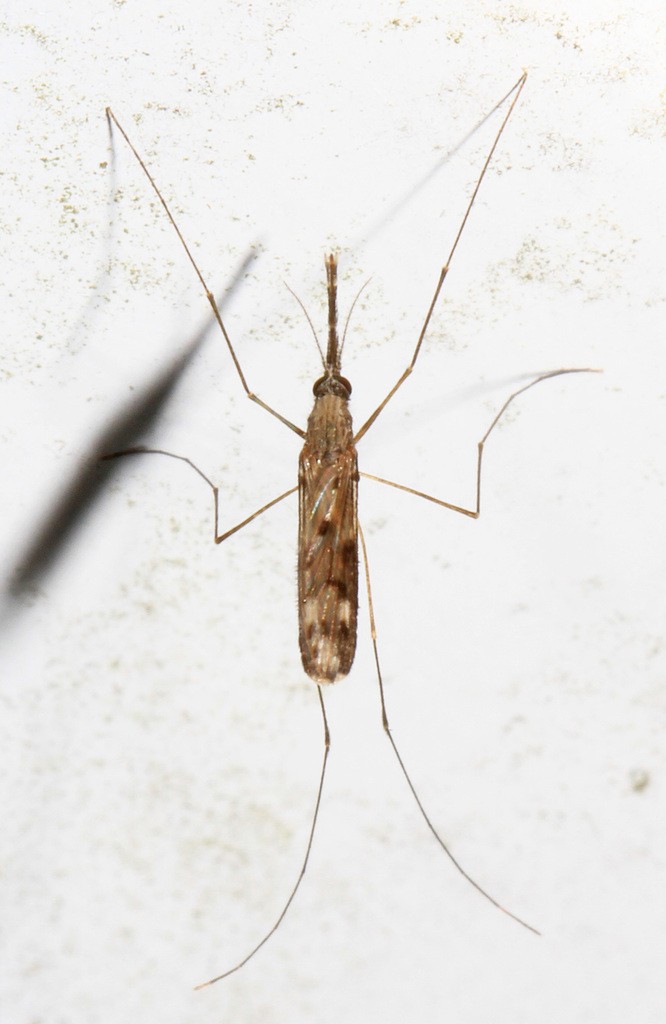
3. Anopheles crucians
Anopheles crucians is a mosquito that exists in aquatic environments under areas with little light presence. The preferred environment for A. crucians is areas with acidic water such as that found in cypress swamps. The mosquito breeds in semipermanent and permanent pools, ponds, lakes and swamps. It may be a vector for malaria. Walter Reed Biosystematic Unit Characteristics, Bionomics, Medical Importance GeoSpecies Knowledge Base University of Wisconsin
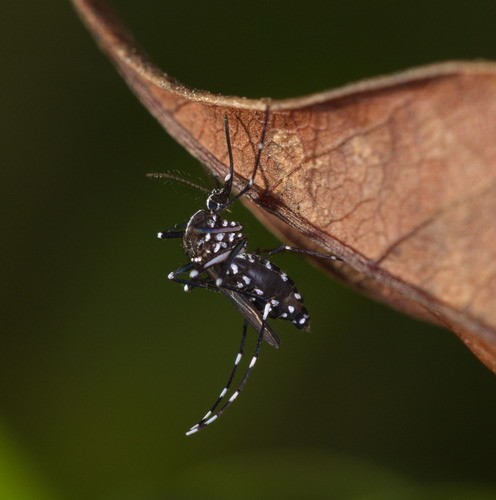
4. Asian Tiger Mosquito
The asian Tiger Mosquito (Aedes albopictus) has recently (the 1970s) infested every corner of the world through the shipment of used tired, lucky bamboo (Dracaena sanderiana), and other similar products. The asian Tiger Mosquito is known to transmit many deadly diseases that include West Nile Virus.
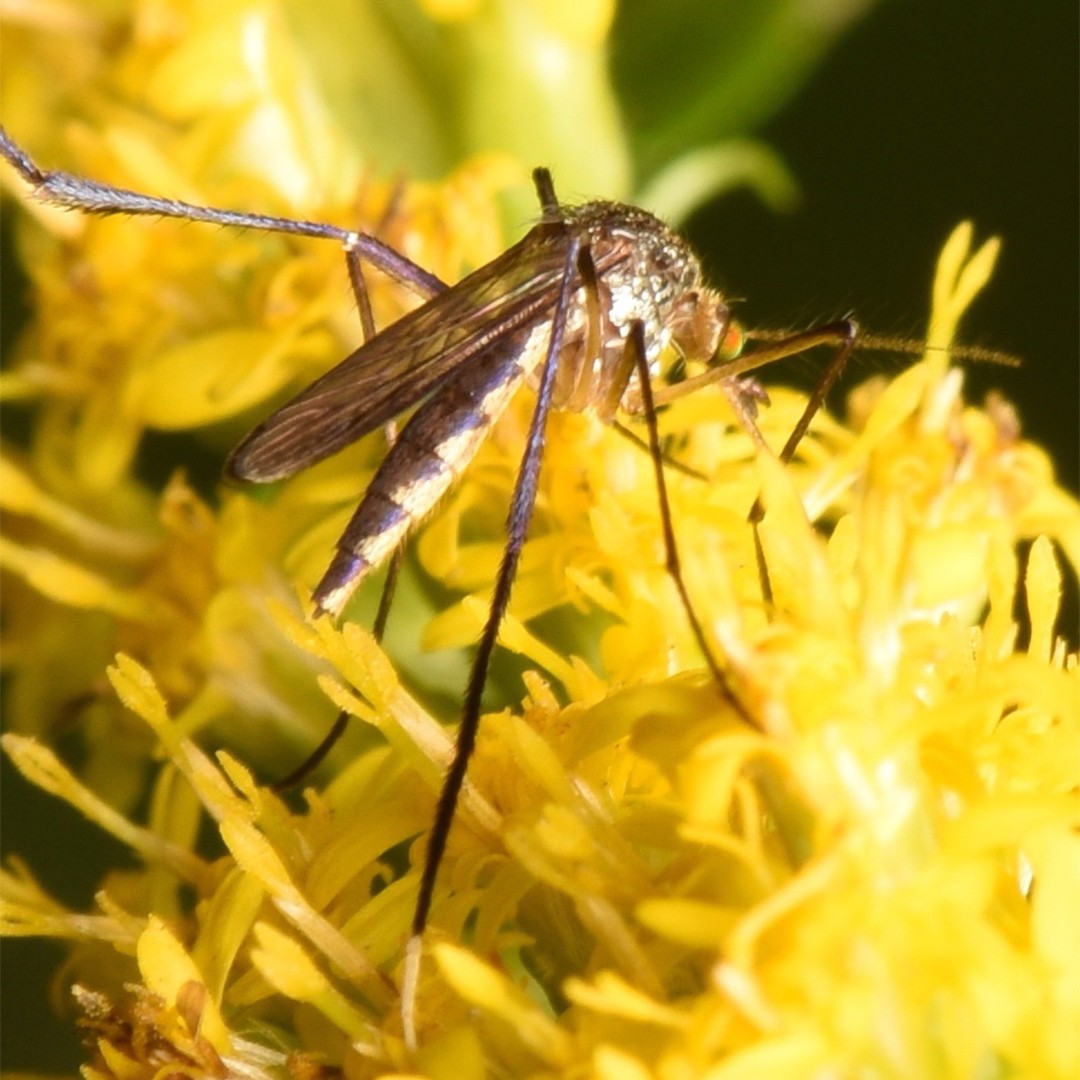
5. White-footed woods mosquito
The adult's thorax is covered in dark scales with flecks of lighter yellowish scales. The abdomen is mostly dark-scaled dorsally, and yellowish ventrally. These yellowish scales form apicolateral triangular patches. The dorsum reflects a purple color. The legs are largely dark with white scales on the last two tarsal segments. The female's wings range from around 3.7-4.0 mm. The proboscis is long and dark.
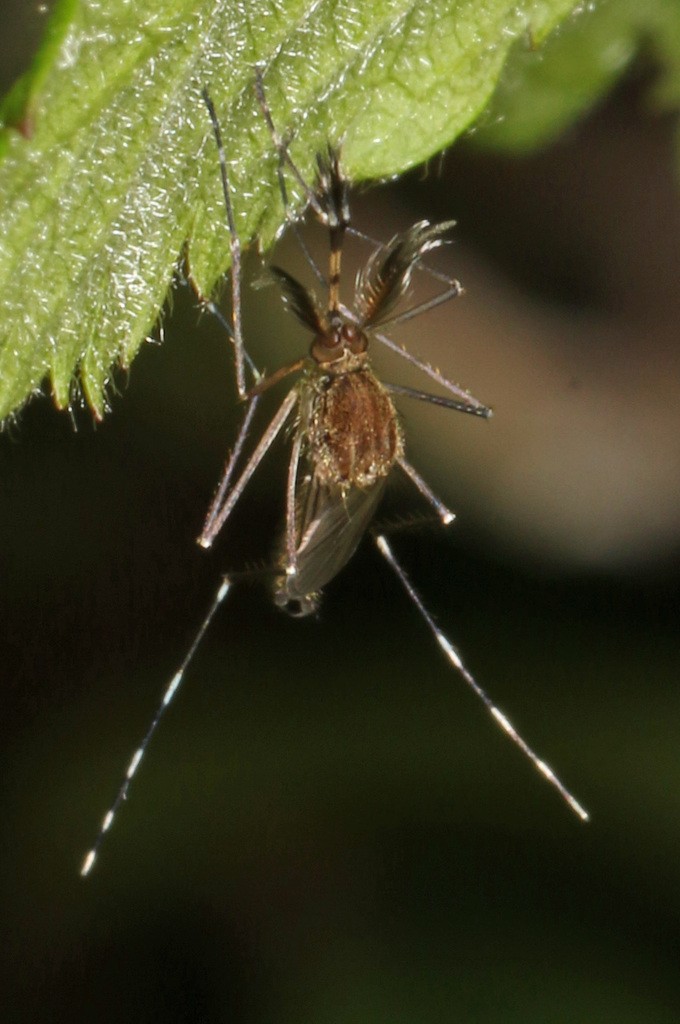
6. Woodland Pool Mosquito
Aedes canadensis, the woodland pool mosquito, is an aggressive, day biting mosquito that can be a vector of a number of diseases which is found mainly in eastern North America.
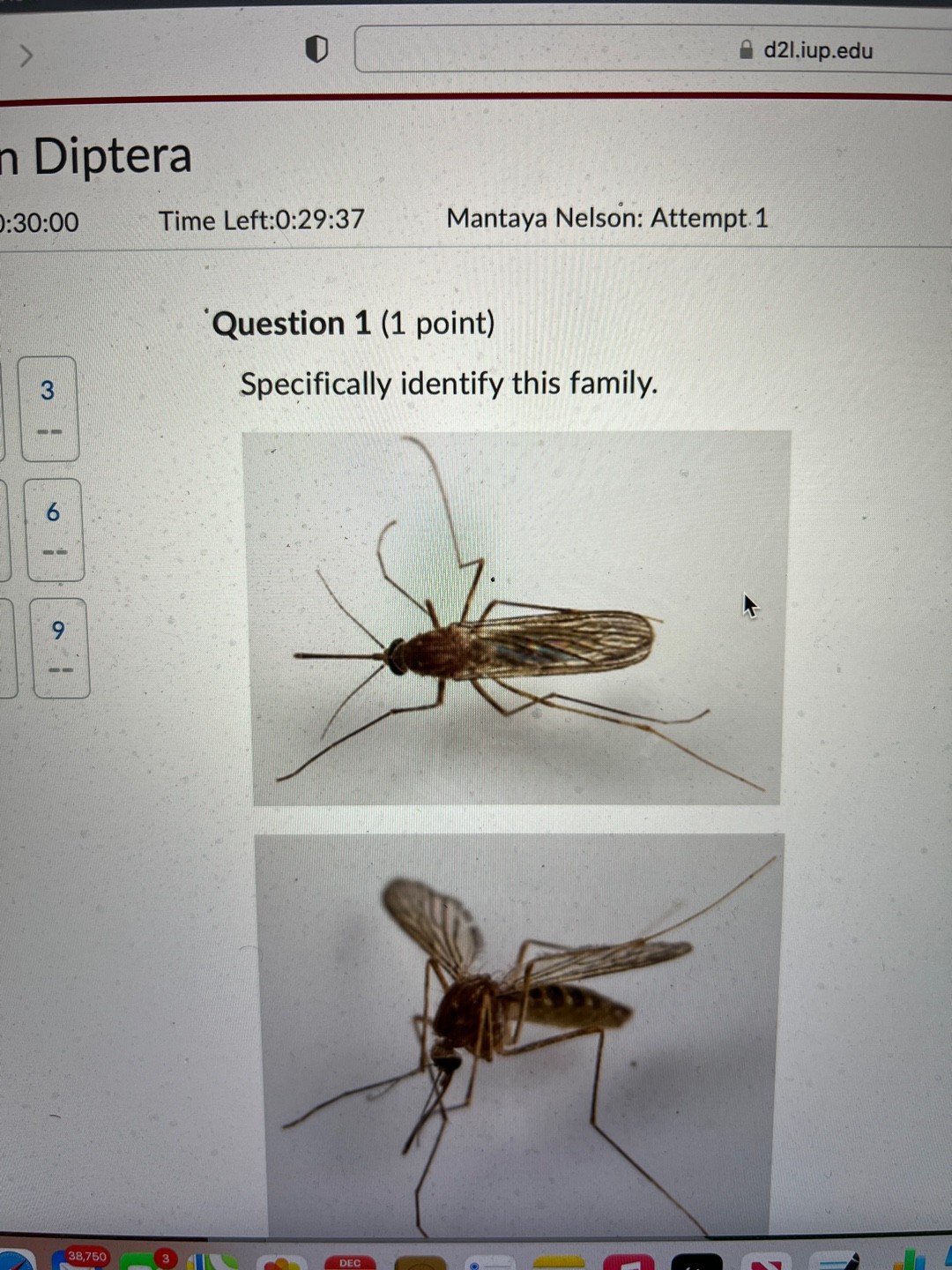
7. White dotted mosquito
Culex restuans is a species of mosquito known to occur in Canada, the United States, Mexico, Guatemala, and Honduras. It is a disease vector of St. Louis encephalitis and West Nile virus.
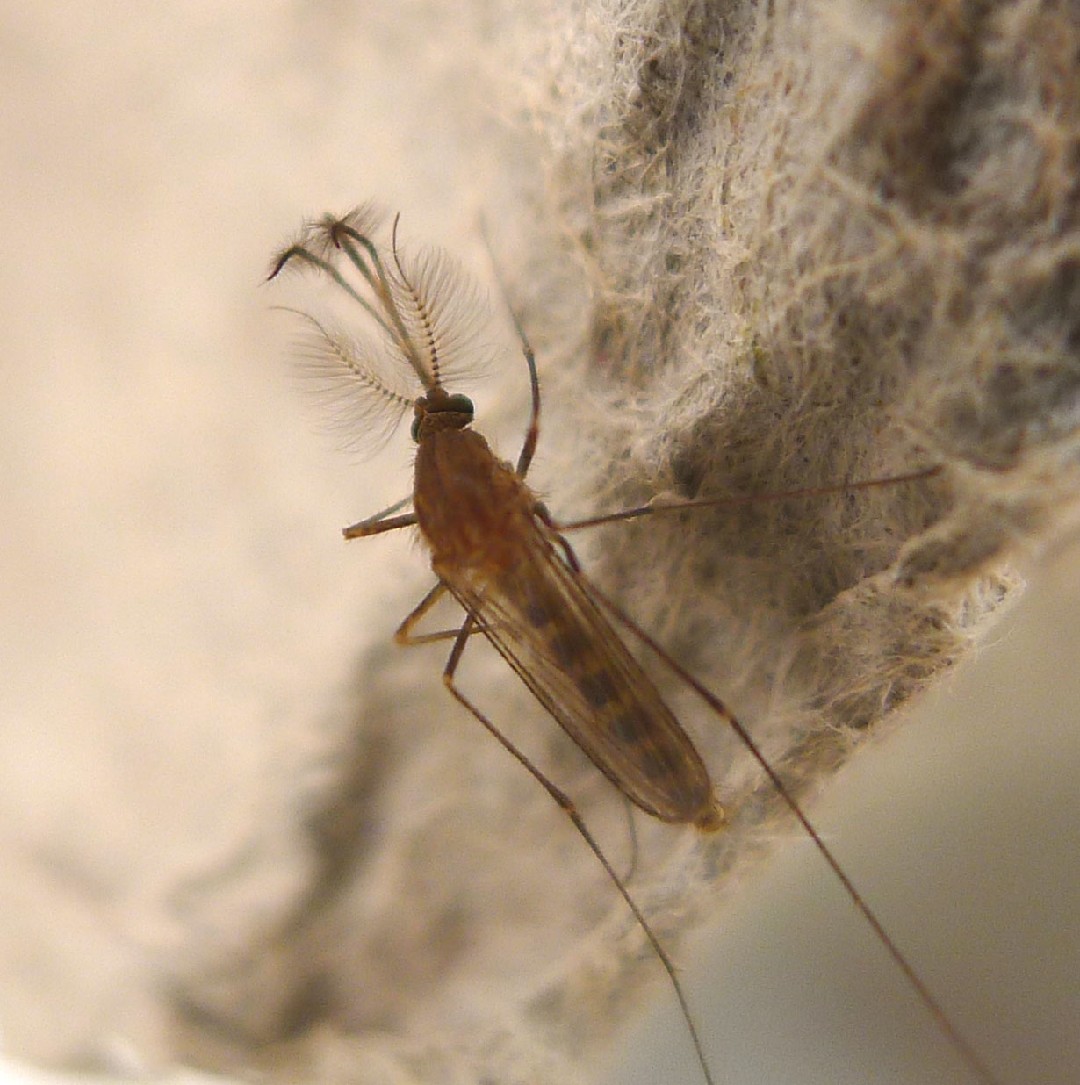
8. Common house mosquito
Among the most common mosquitos in the Unites States, common house mosquito (Culex pipiens) is a ubiquitous biting pest. It has adapted to thrive in human-touched conditions and even to feed on the blood of avian species closely connected to humans, such as pigeons and doves. However, only females consume blood; the males survive on sap and nectar.
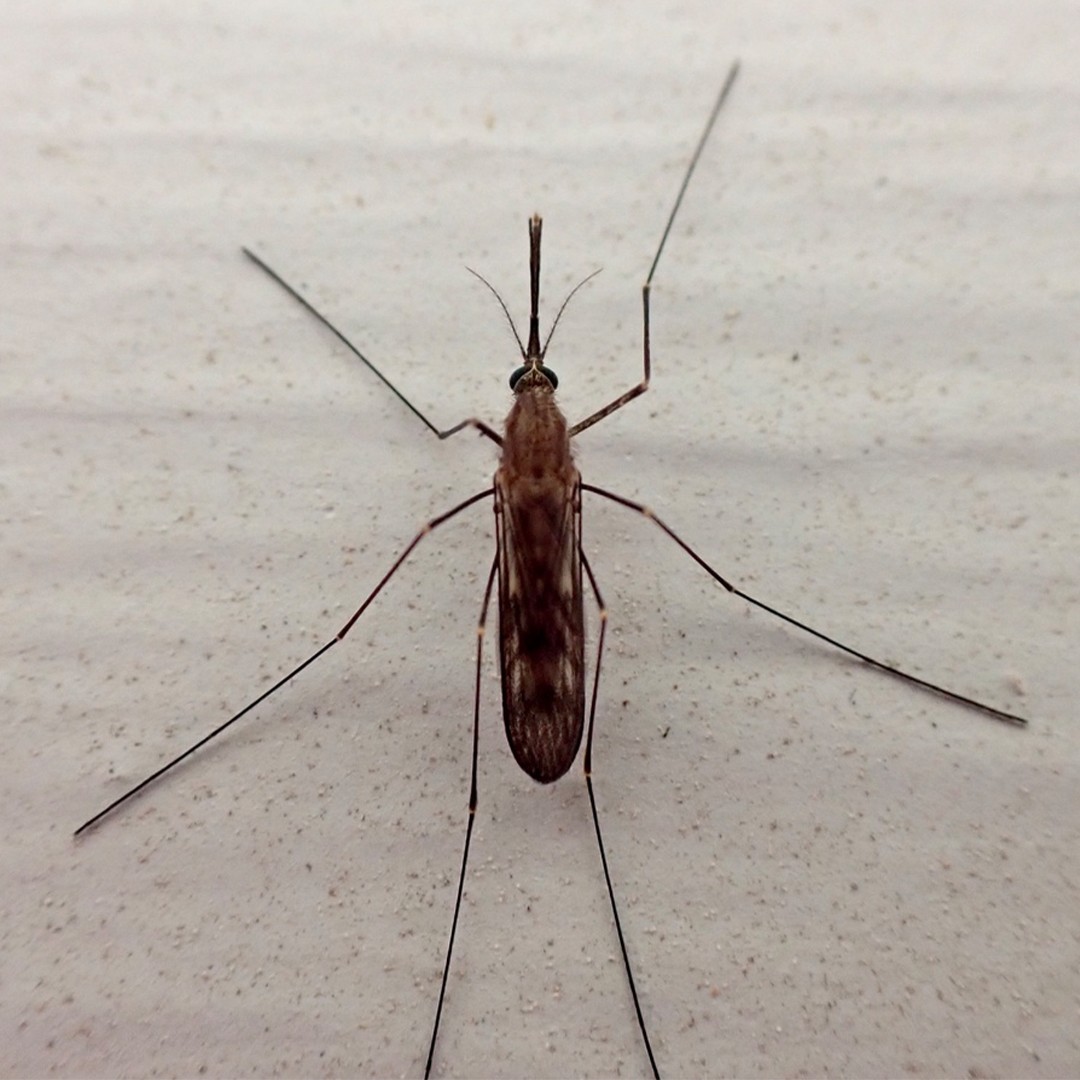
9. North american malaria mosquito
Anopheles (/əˈnɒfɪliːz/) is a genus of mosquito first described and named by J. W. Meigen in 1818. About 460 species are recognised; while over 100 can transmit human malaria, only 30–40 commonly transmit parasites of the genus Plasmodium, which cause malaria in humans in endemic areas. Anopheles gambiae is one of the best known, because of its predominant role in the transmission of the most dangerous malaria parasite species (to humans) – Plasmodium falciparum. The name comes from the Ancient Greek word ἀνωφελής anōphelḗs 'useless', derived from ἀν- an-, 'not', 'un-' and ὄφελος óphelos 'profit'. Mosquitoes in other genera (Aedes, Culex, Culiseta, Haemagogus, and Ochlerotatus) can also serve as vectors of disease agents, but not human malaria.

10. Aedes atlanticus
Ae. atlanticus is a medium-sized mosquito with prominent white stripes on its abdomen. The females of this species are pestiferous, like their aptly named close cousin Aedes tormentor. In addition to being a vector of yellow fever, the mosquito can carry the Keystone virus, which is common in small animals in Florida, and may be common among humans with only minor symptoms, though only two cases have been verified, as of June 2018. Ae. atlanticus mosquitoes are widespread and common in the southeast US, from Texas and southern Missouri all the way through Maryland. Their reproductive cycle can carry some viruses transstadially through the different stages of the insect's life: a female mosquito may lay eggs carrying the virus, which hatch into infected larvae, eventually maturing into adults that can infect mammals while injecting their anti-coagulant saliva during a bite.

More







