




Top 20 Most Common Insects in Port Angeles
Insects, nature's miniaturized marvels, teem within the diverse environments of Port Angeles. Their presence is crucial in Port Angeles for their role in pollination, pest control, and as a food source for other wildlife. Our list of '20 Most Common Insects' underscores the fascinating connection between urban environments and these small, yet significant creatures - both friend and foe alike.

Most Common Insects
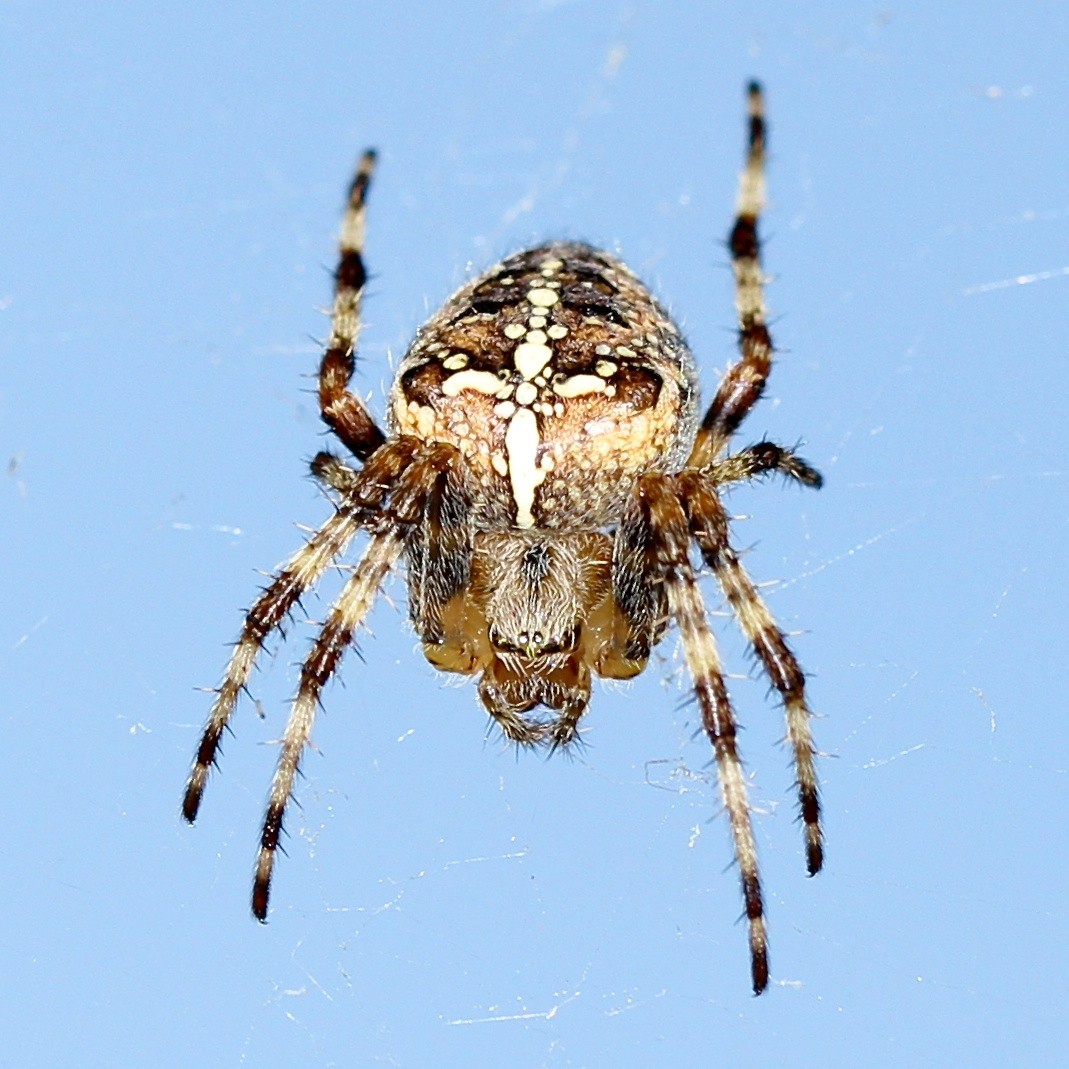
1. Crowned orbweaver
A common species of orb-weaver, crowned orbweaver (Araneus diadematus) builds large and noticeable webs. Only the females build webs, and they may prey upon their mates before, during or after engaging in sexual intercourse. Crowned orbweaver is reluctant to bite humans and will not do so unless scared or provoked. It avoids danger by vibrating in its web until it becomes a blur, confusing predators.
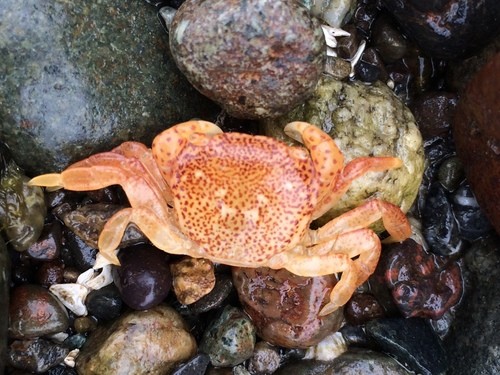
2. Purple shore crab
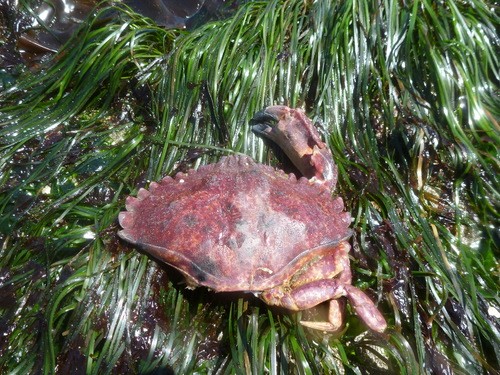
3. Red rock crabs
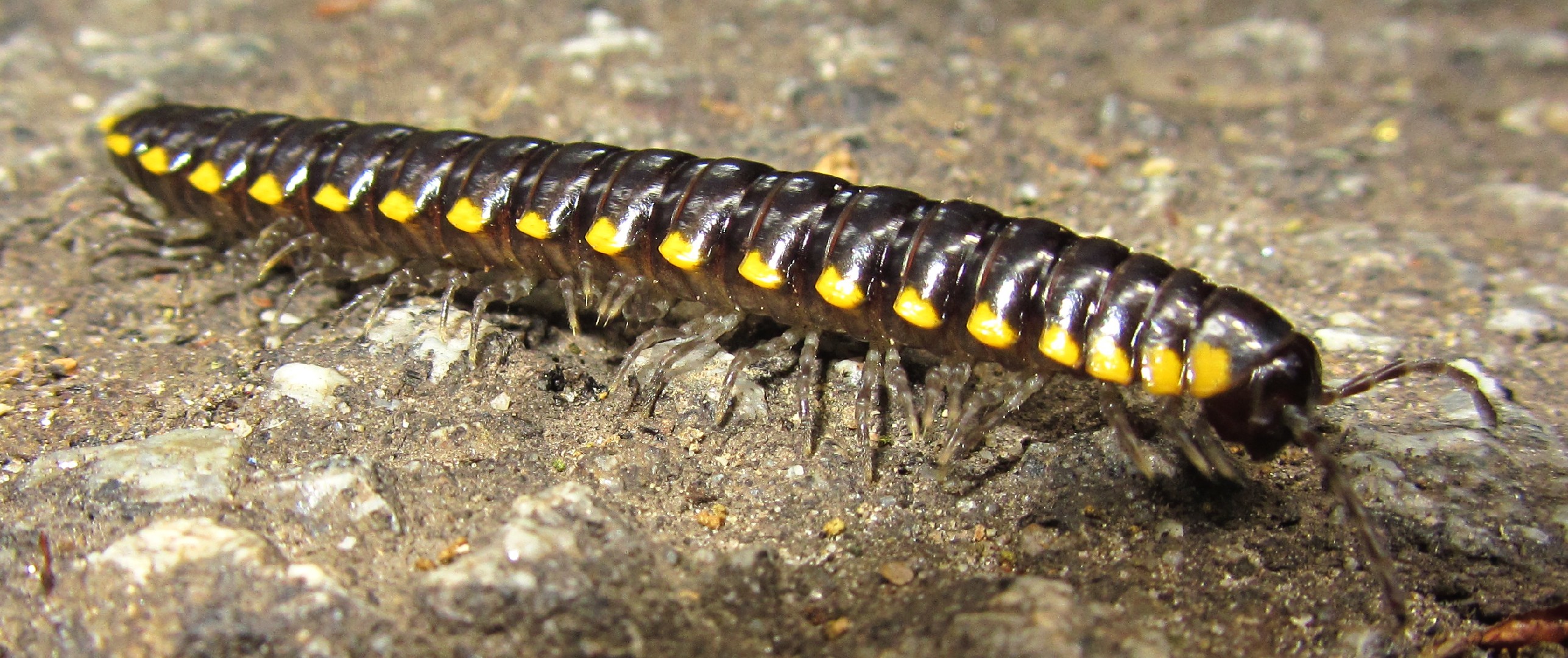
4. Yellow-spotted millipede
Harpaphe haydeniana reach a length of 4 - 5 cm when mature. The upper surface of the body is black to olive green, and is distinctively marked along the sides with patches of a yellowish colour. Harpaphe haydeniana has approximately twenty body segments, bearing a total of 30 (males) or 31 (females) pairs of legs. The difference between males and females is due to one pair of legs on the seventh segment in males being modified to form gonopods used for sperm transfer. 
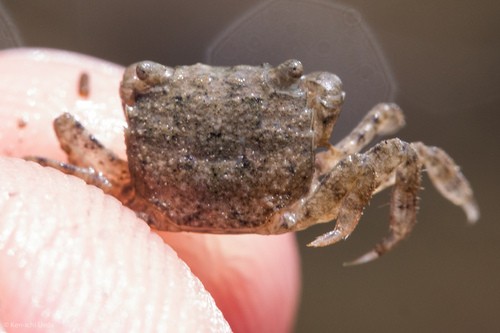
5. Yellow shore crab
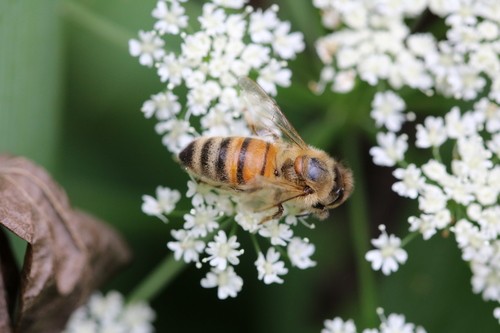
6. Western honey bee
Western honey bee(Apis mellifera) is the most common species of honeybee in the world. Among the first domesticated insects, its cultural and economic impact on humanity has been vast and far-reaching, providing honey, wax and its services as a pollinator. Western honey bee faces challenges worldwide, such as colony collapse disorder, and populations are thought to be decreasing.
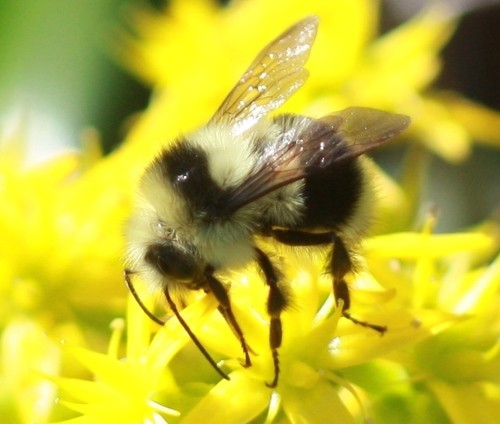
7. Black-tailed bumble bee
Bombus melanopygus is a non-woven insect from the family of bees and bumblebees (Apidae). The scientific name of the species was first validly published in 1848 by Nylander.
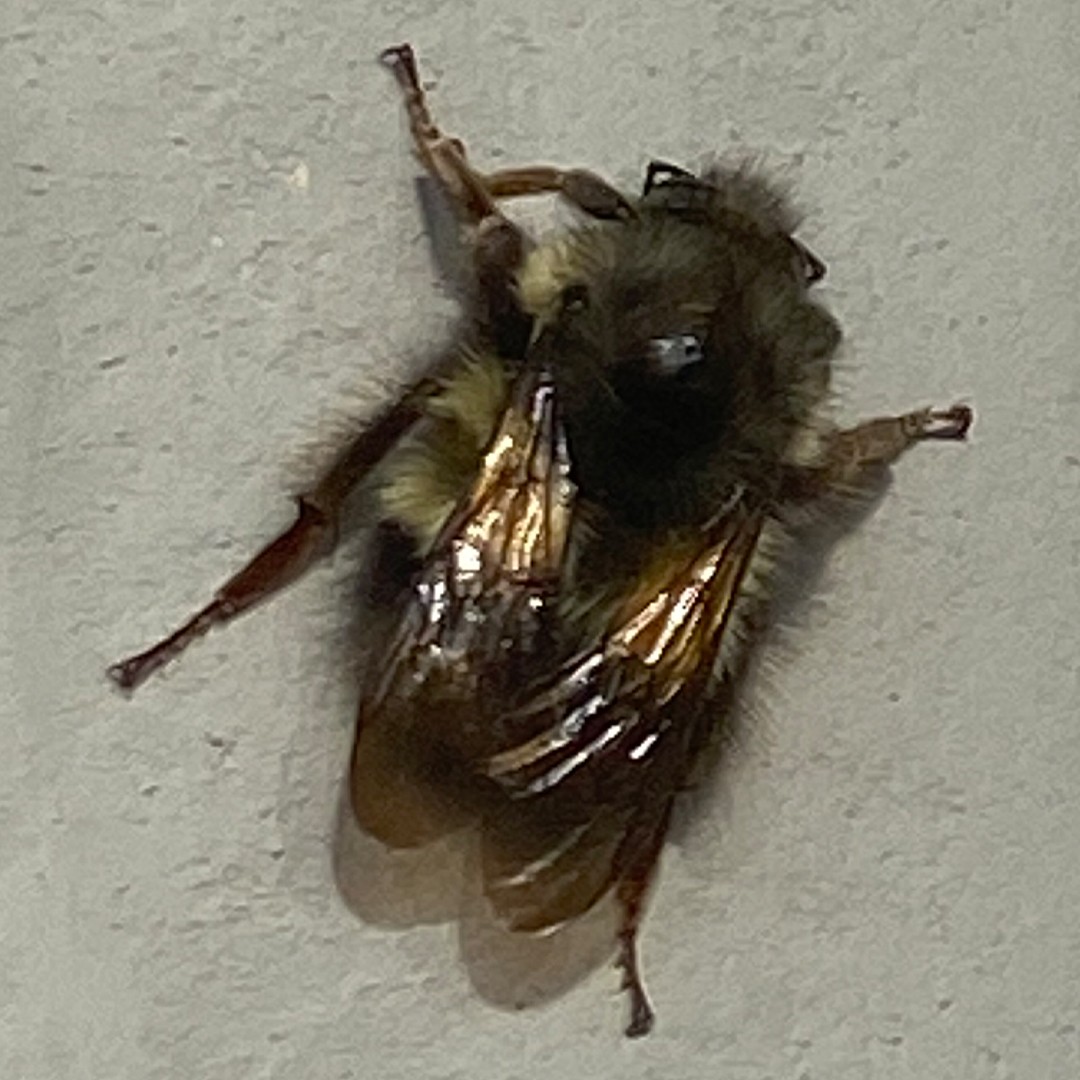
8. Fuzzy-horned bumble bee
Bombus mixtus is a non-woven insect from the family of bees and bumblebees (Apidae). The scientific name of the species was first validly published in 1878 by Cresson.
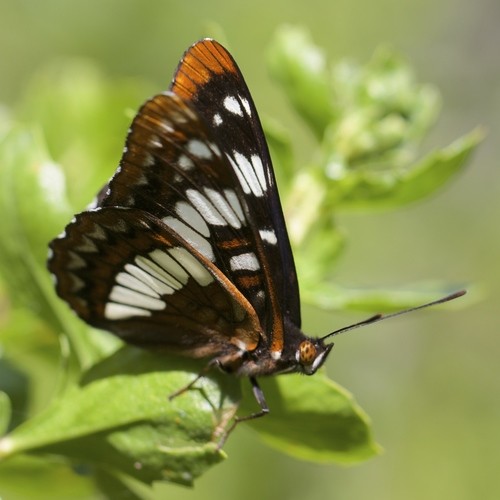
9. Lorquin's admiral
The lorquin's admiral has brown-black wings, each with a row of white spots across it. Its forewings have orange tips. The wingspan is 4.5 - 7 cm; females are generally larger than males. Larvae are usually yellow with a patch of white on the back.
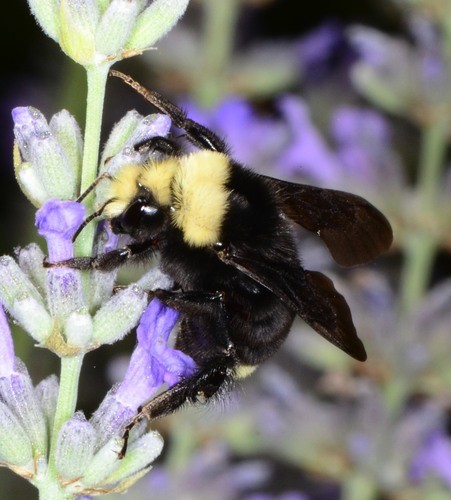
10. Yellow-faced bumble bee
The yellow-faced bumble bee (Bombus vosnesenskii) is known for its mostly black body with a yellow face. Their population is not dropping, but continued expansion of urban human populations is causing some difficulty for this bee to make nests. But what it does find it tends to monopolize due to its early arrival in the season.

More







