




Top 19 Most Common Insects in Western Australia
Insects, a vivid representation of Western Australia's biodiversity, are recognizable from their segmented bodies to their varied habitats. The region's diverse geographical landscapes play a vital role in shaping this insect diversity. From pest to pollinator, each insect in Western Australia holds a crucial role in maintaining ecological balance. Our list highlights the top 19 most common insects, illustrating the intricate relationship between Western Australia's environmental conditions and its insect inhabitants.

Most Common Insects
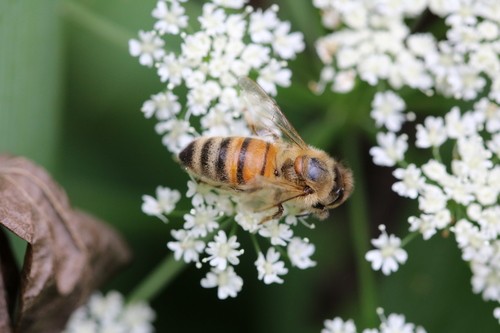
1. Western honey bee
Western honey bee(Apis mellifera) is the most common species of honeybee in the world. Among the first domesticated insects, its cultural and economic impact on humanity has been vast and far-reaching, providing honey, wax and its services as a pollinator. Western honey bee faces challenges worldwide, such as colony collapse disorder, and populations are thought to be decreasing.
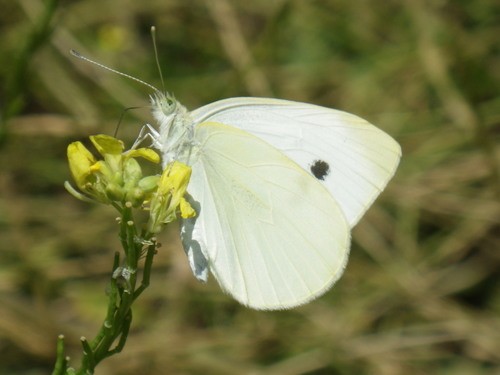
2. Cabbage white
Cabbage white (Pieris rapae) derives its common name from its habits as a caterpillar, which is a ferocious pest for cabbage, kale and broccoli farmers. In North America, it is one of the first butterflies to emerge in spring, heralding the beginning of the season.
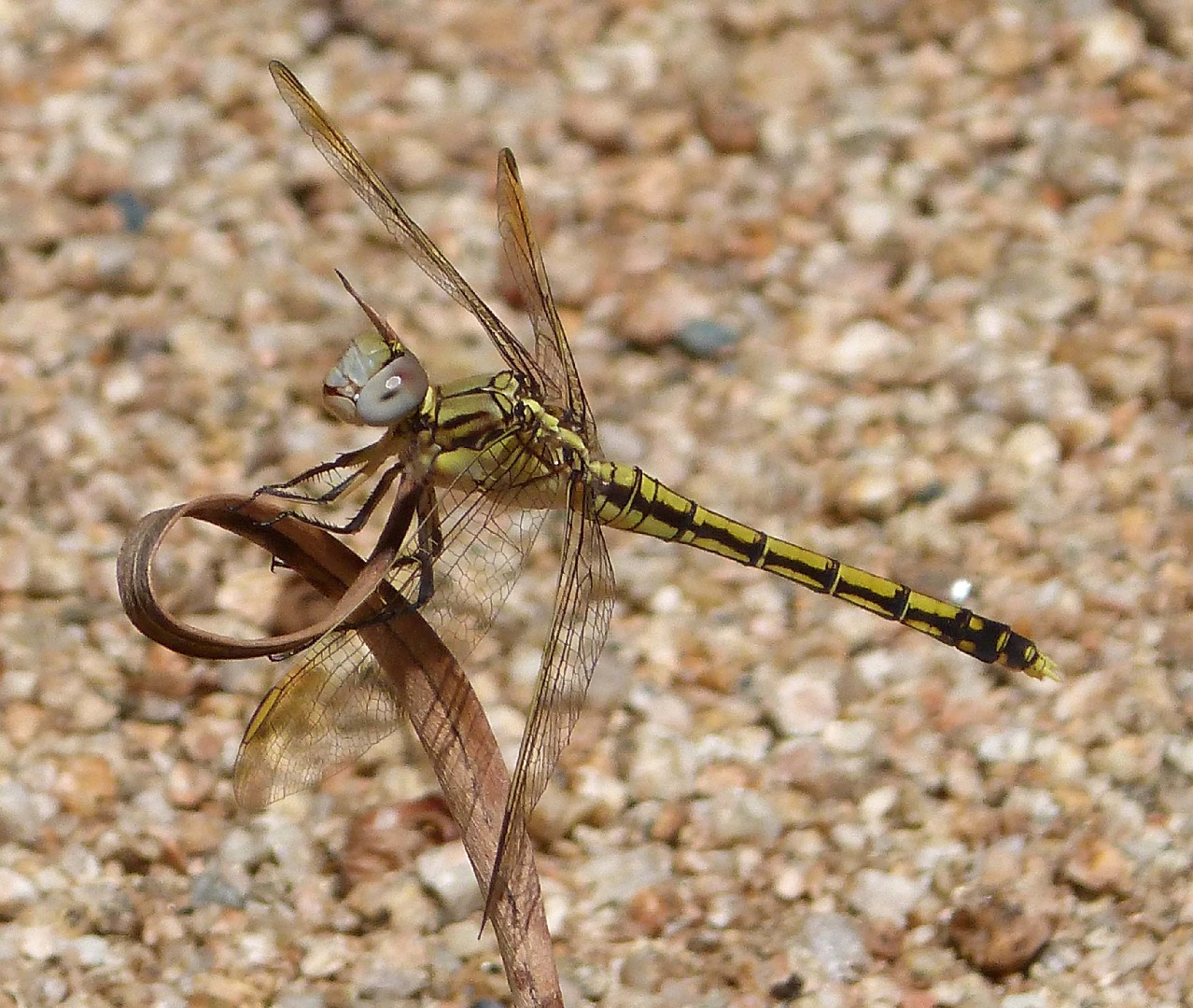
3. Blue skimmer
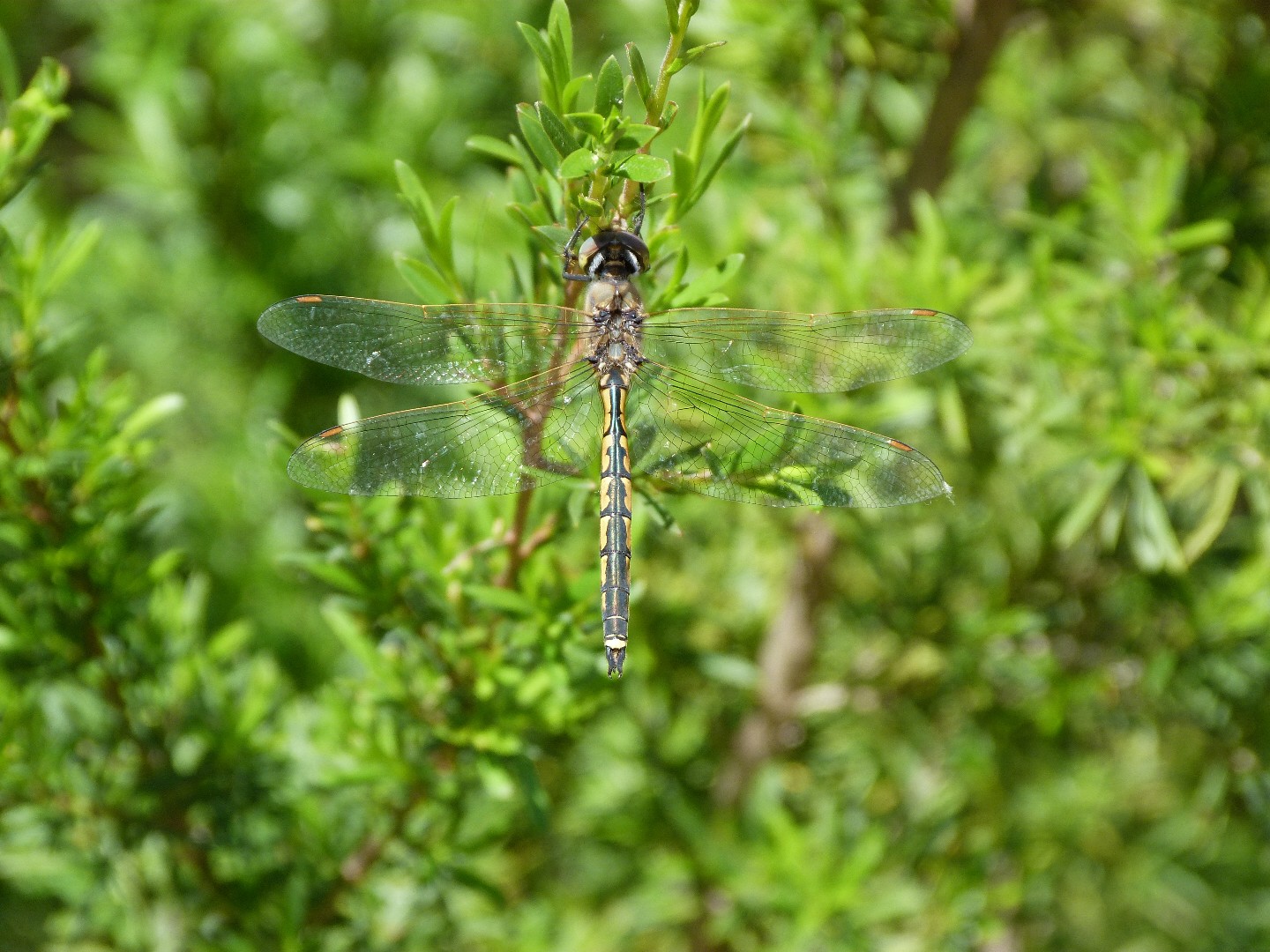
Males have a powder blue thorax and abdomen pruinescent blue when mature. The females are brownish grey in colour while the teneral are yellow with black markings. They are medium in size, with a body length of 5 cm and a wingspan of 8 cm. 

4. Jewel spider
The cephalothorax is black in colour with a bluish metallic sheen. It is covered with small white hairs (setae). The carapace (upper part of the cephalothorax) is rectangular in shape. The sternum (chest) is brownish black, with a yellow central area. The chelicerae (fangs) are black with four to six small teeth. The maxillae and other mouthparts are black at the base, lightening to brown and bright yellow at the tips. The pedipalps are dark brown. Jewel spiders have eight eyes arranged in two rows. The front row is recurved, with the two middle eyes (anterior median eyes) further in front than the two at the sides (anterior lateral eyes). The back row is procurved, with the two middle eyes (posterior median eyes) further in the back than the two at the sides (posterior lateral eyes). The legs in females are predominantly dirty yellow to orange in color. Black tips are present on the last three segments of the legs (the tibiae, metatarsi, and tarsi). The first pair of legs are longer than the others. In males, the legs are mostly black, with brownish tips. The opisthosoma (abdomen) is large, slightly wider than it is long, and strongly rounded at the front and back. It is shiny black with bright colourful patterns. These colours can vary, but they are usually white, yellow, or yellow-orange. Its most distinctive feature are the three pairs of large "spines" projecting outwards. The first two pairs on the front are close to each other, forming a V-shape as they point to the sides. They are short and roughly conical. The spines on the rear are longer and point backwards. There are wide spaces between them and the two front pairs. The spines are black or brownish black from above, but has a yellow-orange to rusty red lower surfaces. Jewel spiders are sexually dimorphic. Females are about twice as large as males, reaching 0.28 to 0.47 in in total length. Their carapace (upper part of cephalothorax) is squarish, usually around 0.11 to 0.12 in long and 0.10 to 0.12 in wide. Males are usually only around 0.12 to 0.20 in. The carapace is slightly rectangular, usually around 0.08 in long and 0.07 in wide. They are also less colourful than females; with predominantly dark reddish brown bodies. The spines are blunt and are much shorter than the spines of the females. Like all mature male spiders, they are relatively easy to identify because of their greatly enlarged pedipalps used in sperm transfer during mating. Jewel spiders exhibit colour polymorphism. They can be found in white, yellow, or red colour morphs. Jewel spiders found later in autumn (from March to April) are also sometimes melanistic, being entirely dark brown to black in coloration.
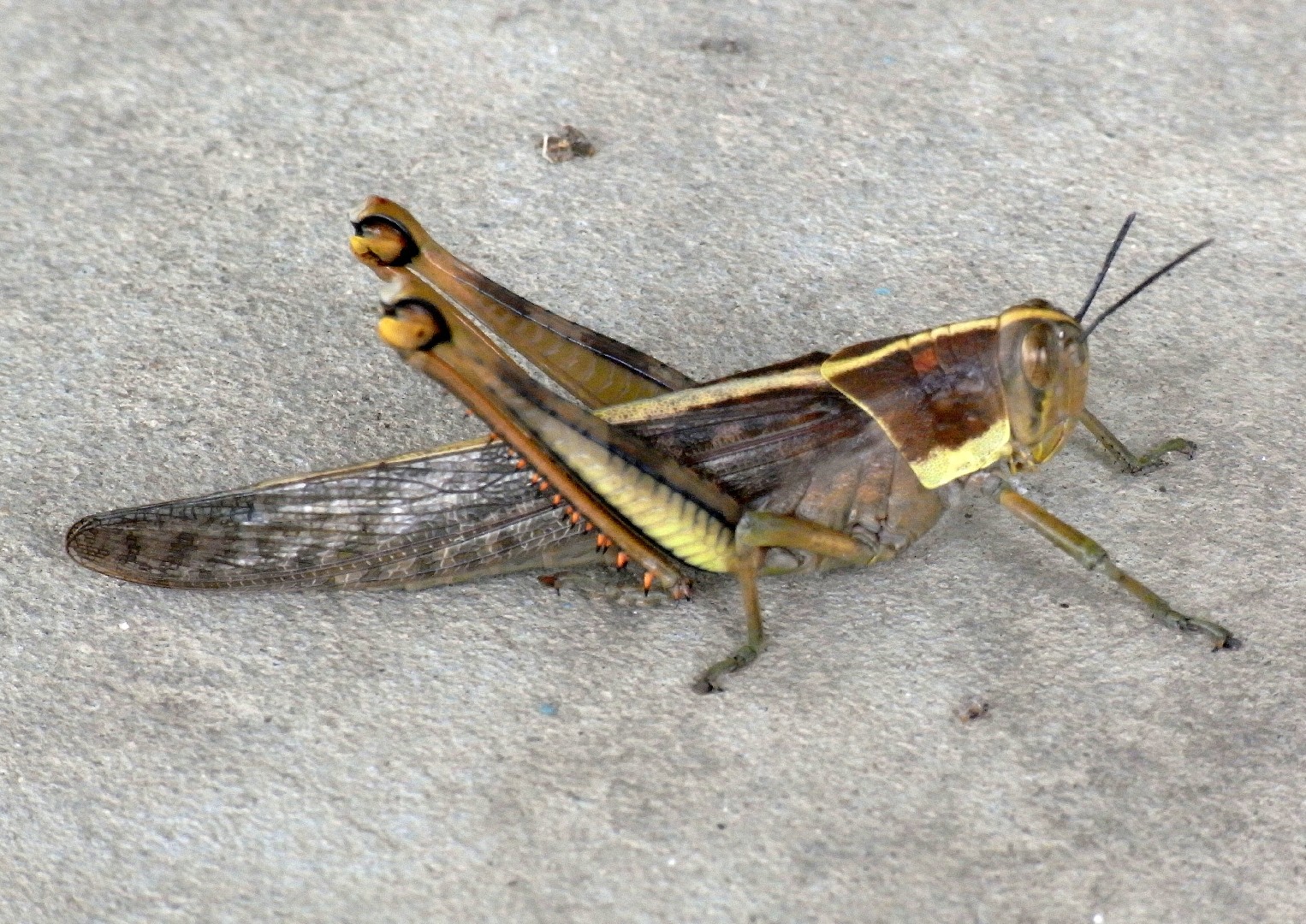
5. Giant grasshopper
The giant grasshopper (Valanga irregularis), also known as the "hedge grasshopper", is a massive insect with a brown body and dark spots. However, the nymphs are bright green. These grasshoppers have spines on their back legs, which they use to attack predators. They also have large compound eyes that can see objects from meters away.
6. Common brown
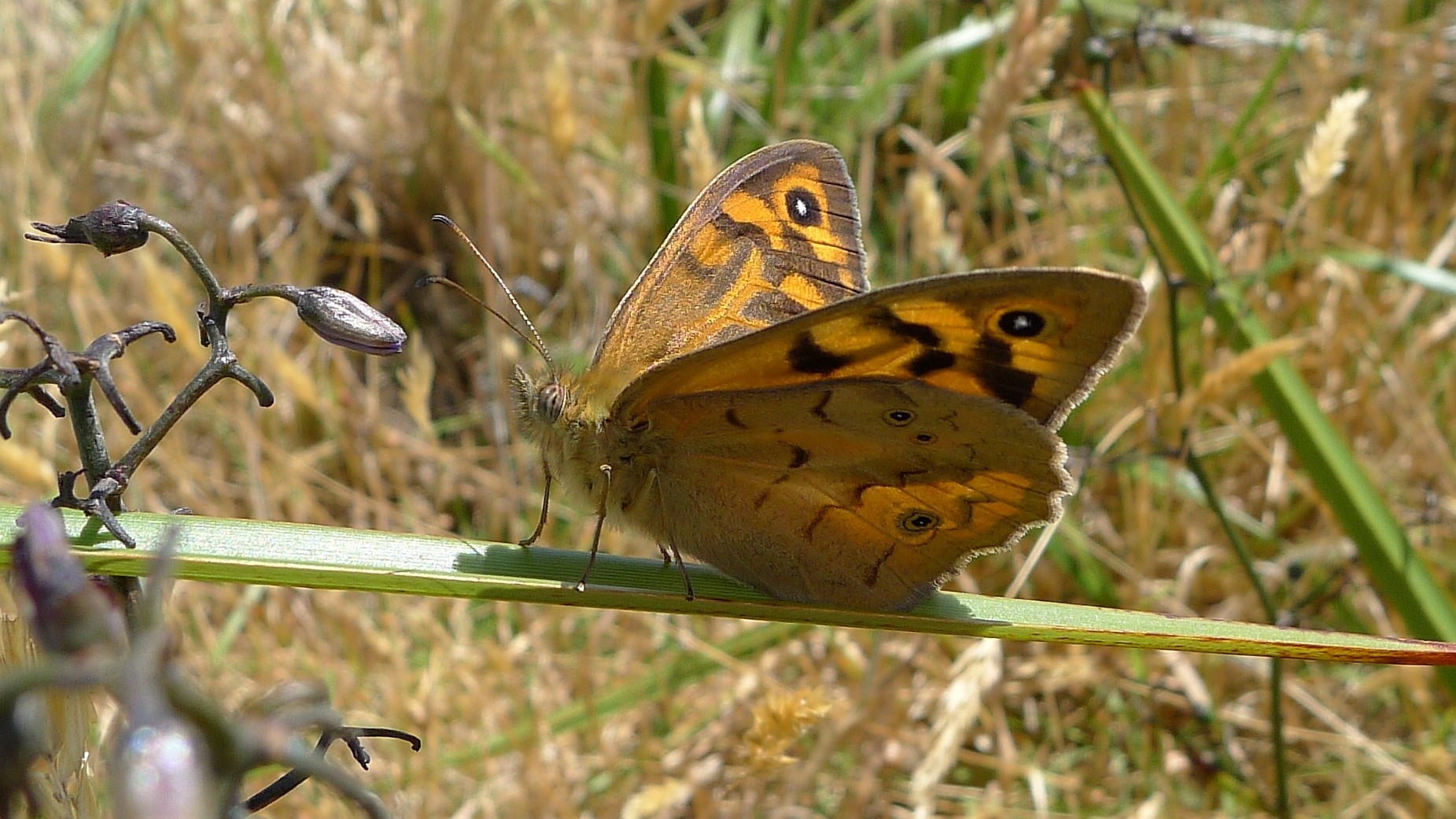
The wingspan is about 6 cm for males and 7 cm for females.
7. Redback spider
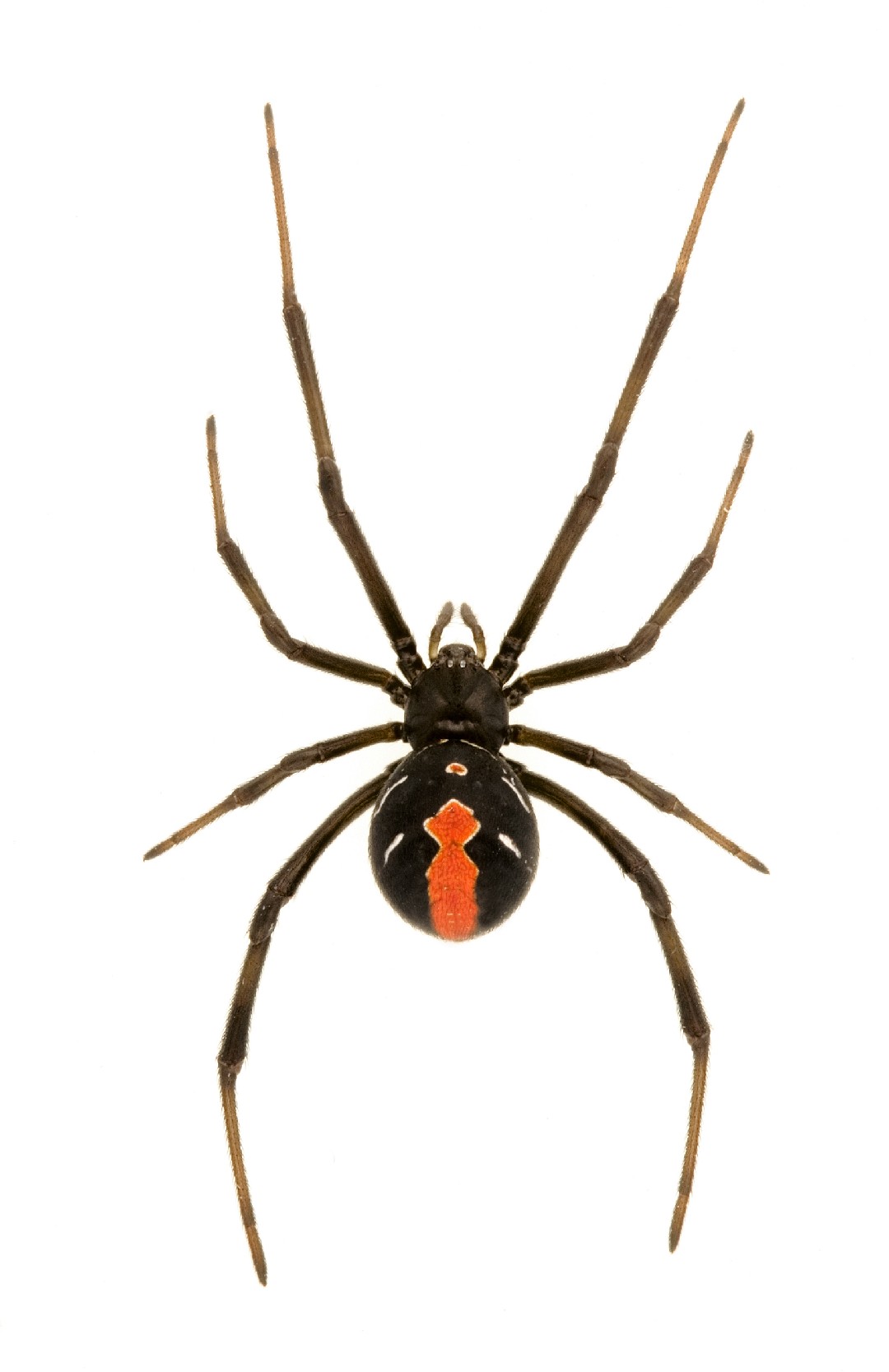
The redback spider (Latrodectus hasselti) hunts large creatures, including trapdoor spiders (Ctenizidae), king crickets (Anostostomatidae), and even small lizards. It will commonly steal prey off of other spiders' webs too. These spiders bite humans frequently, but only the females pose a serious threat. Female bites could lead to illnesses and even death in extreme cases.
8. Small transverse ladybird beetle
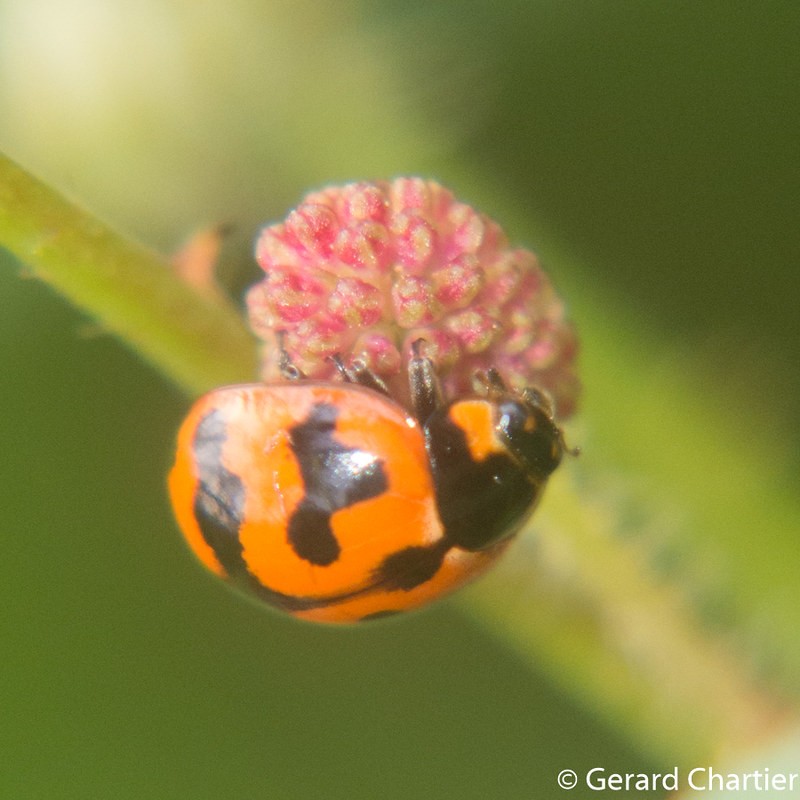
Coccinella transversalis, commonly known as the transverse ladybird or transverse lady beetle is a species of ladybird beetle found from India across southern and southeastern Asia to Malesia and Australia. It is not to be confused with Coccinella transversoguttata, a widespread species in Europe and North America also known as the transverse ladybird. The alternative vernacular of small transverse ladybird may be used for C. transversalis in instances where these two species are discussed together. The transverse ladybird was first described by Danish zoologist Johan Christian Fabricius in 1781 as Coccinella transversalis and still bears its original name. Fabricius' description predated Carl Peter Thunberg's naming of this species as C. repanda by several months. Measuring 3.8 to 6.7 millimetres (0.15 to 0.26 in) long and 3.3 to 5.45 millimetres (0.130 to 0.215 in) wide, the transverse ladybird shows little variation across its wide range. It has a black head with predominantly bright red or orange elytra boldly marked with a black band down the midline and two lateral three-lobed markings.
9. Monarch butterfly
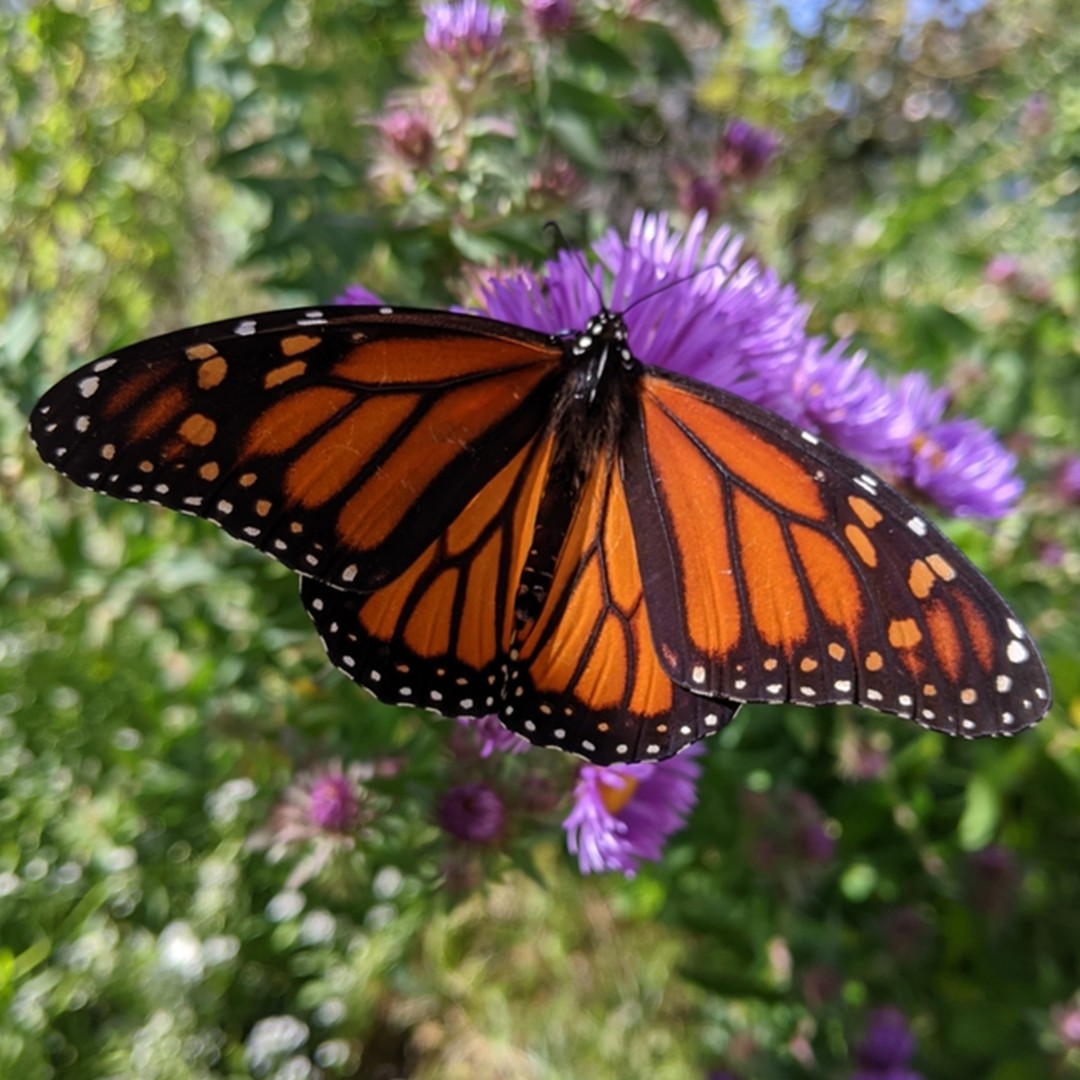
The monarch butterfly (Danaus plexippus) is the most recognizable butterfly in North America. It is best known for its appearance, but should be better known for the fact that it has a 3000-mile migration that takes the butterfly 4 generations to complete. Their diet is also a natural deterrent for predators, as they eat milkweed, a poison that induces vomiting.
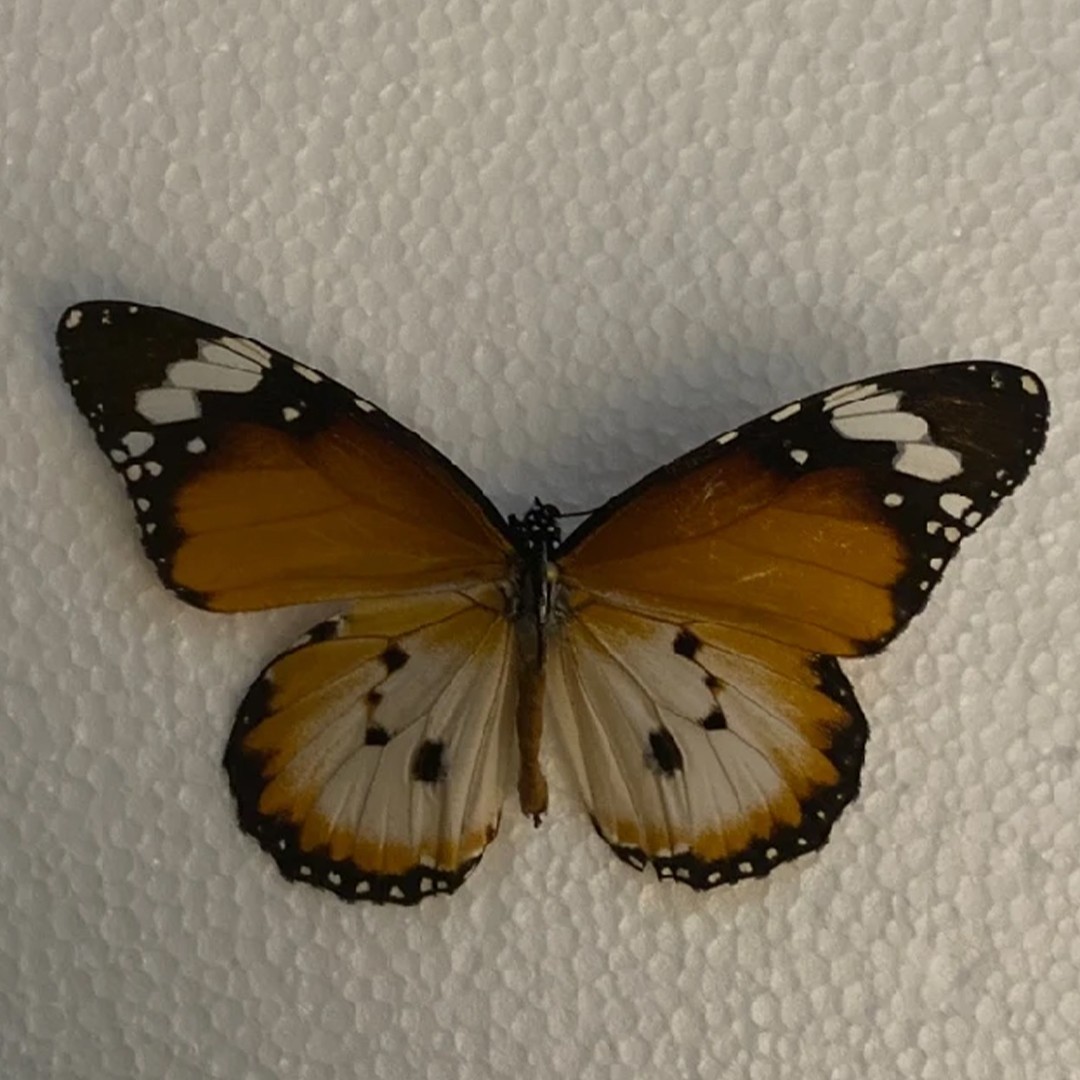
10. Plain tiger butterfly
D. chrysippus is a medium-sized butterfly with a wingspan of about 7–8 cm (2.8–3.1 in). The body is black with many white spots. The wings are orange, the upperside brighter and richer than the underside. The apical half of the forewing is black with a white band. The hindwing has three black spots in the center. The wings are bordered in black and outlined with semicircular white spots. This species exhibits slight sexual dimorphism, as the Male has large scent glands on his hindwings, which the female lacks. They appear as a large black spot with a white centre if viewed from the underside D. chrysippus is a polymorphic species, so the exact coloring and patterning vary within and between populations. It is similar in appearance to the Indian fritillary (Argynnis hyperbius), which may coexist with it.

More







