




Top 20 Most Common Insects in Jericoacoara
Insects, a diverse category of small creatures that rule the realm of Jericoacoara, are intricately tied to their unique geography and ecosystems. The location's varied terrain shapes the great diversity of these insects, making Jericoacoara a vibrant canvas of insect life. Insects are pivotal cogs in nature, with roles ranging from pests to beneficial pollinators. This unique bond between insects and their environment, crucial for both nature and humans, fuels our fascinating Top 20 list.

Most Common Insects
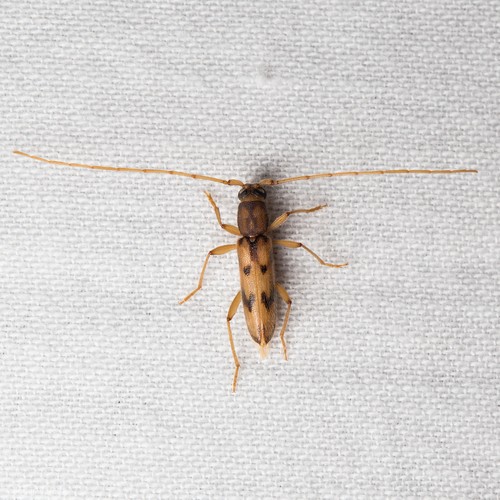
1. Achryson surinamum
Achryson surinamum is a beetle species from the boktorren family (Cerambycidae). The scientific name of the species was first validly published in 1767 by Linnaeus.
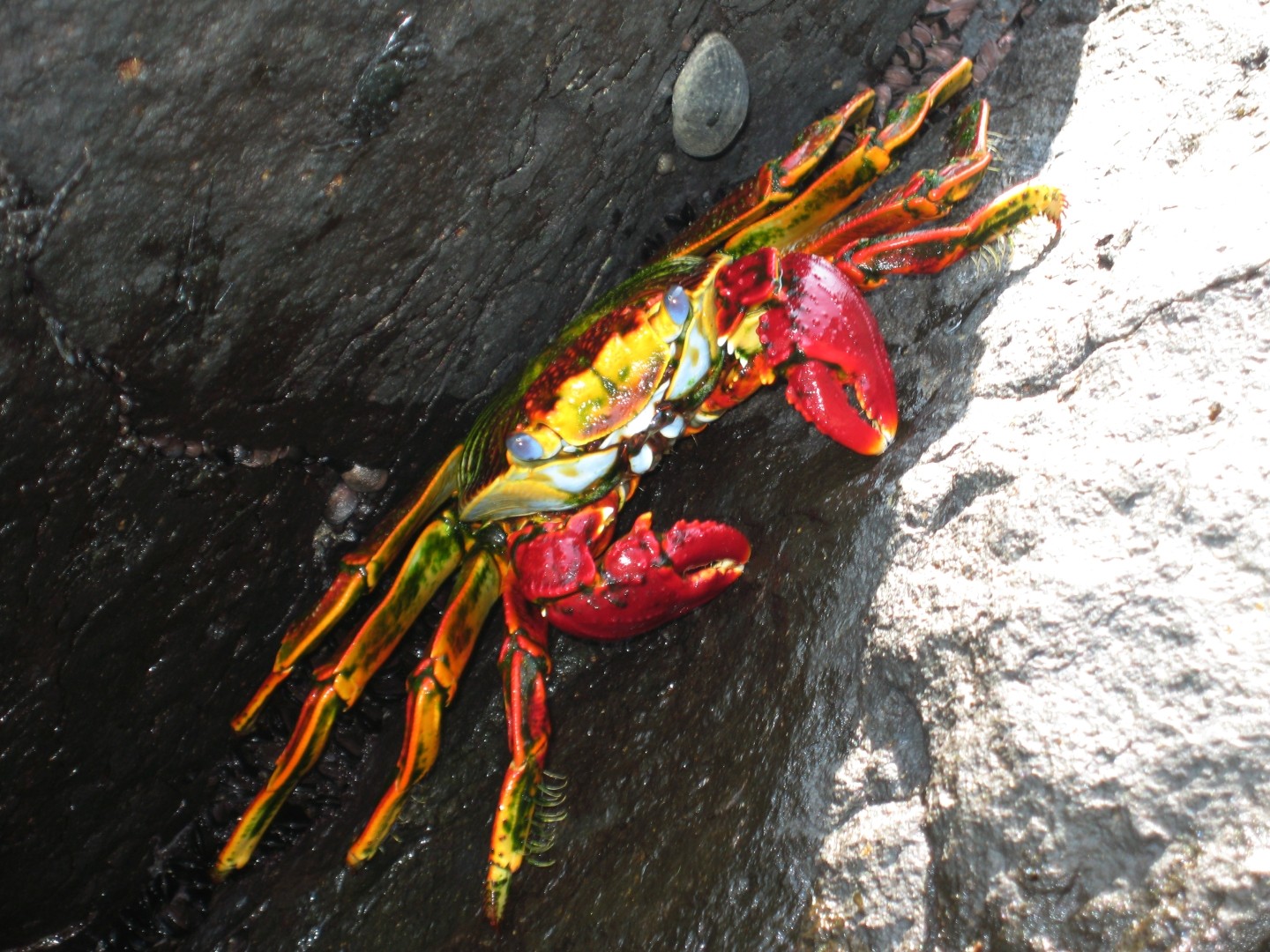
2. Mangrove root crab
Goniopsis cruentata is a crab species from the Grapsidae family. The scientific name of the species was first validly published in 1803 by Latreille.
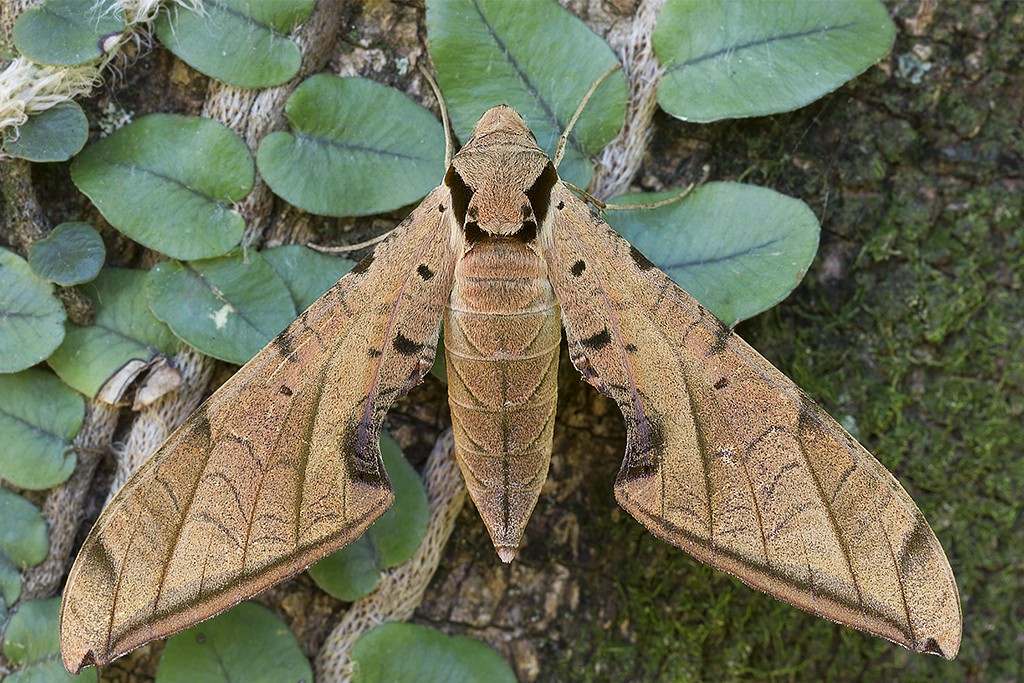
3. Streaked sphinx
The wingspan is 108–134 mm. 
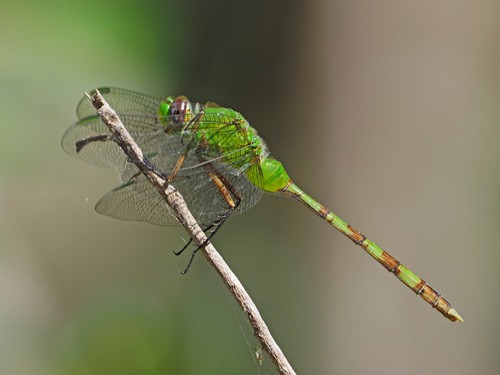
4. Great pondhawk
The erythemis vesiculosa is a dragonfly species of the genus Erythemis from the subfamily Sympetrinae. Its distribution area extends from the south of the USA throughout Central and South America.
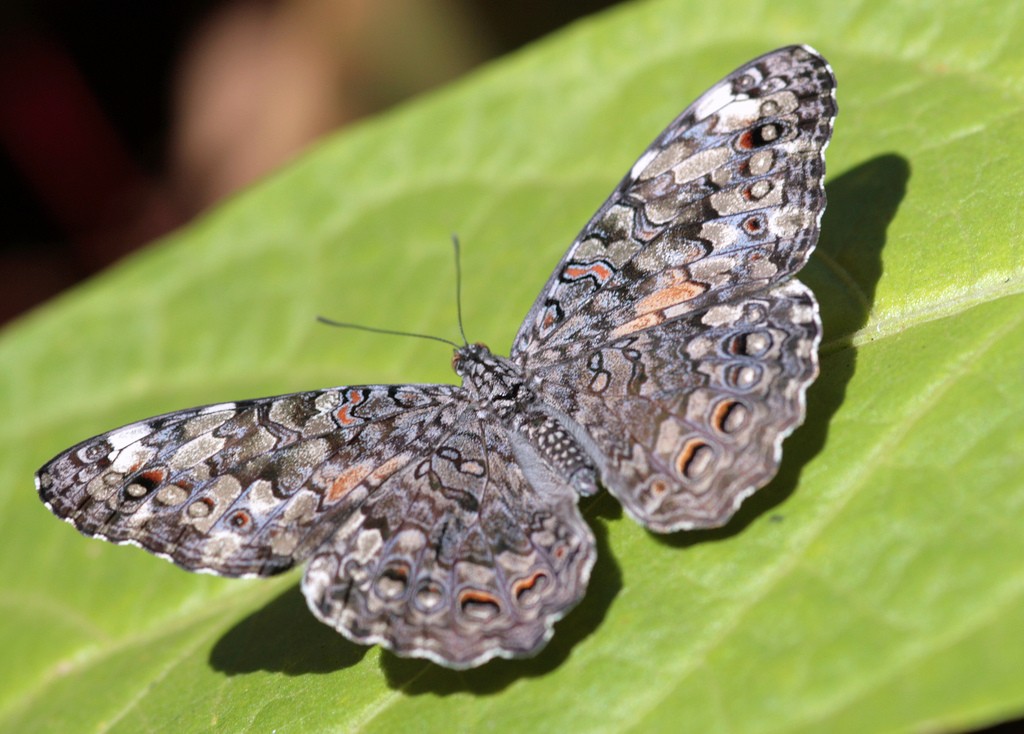
5. Gray cracker
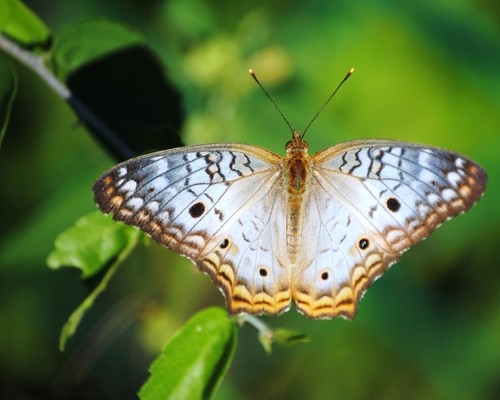
The wingspan is 7 - 9 cm. The upperside is mottled brown and white although there is some red in the forewing cell bar. The hindwing eyespots have orange scales preceding black crescents. The underside of the hindwings is white and the submarginal eyespots are composed of a brown ring around a black crescent in a white center.
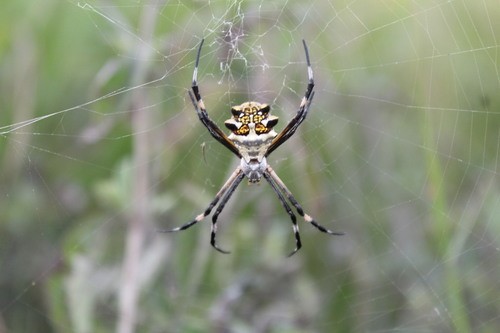
6. Silver argiope
The silver argiope (Argiope argentata) often creates unique zigzag patterns on its webs. It's usually found in warm, dry areas, especially on cacti and aloe vera plants. The females are much larger than males. They can bite and cause irritation to the skin, but the damage won't be life-threatening.
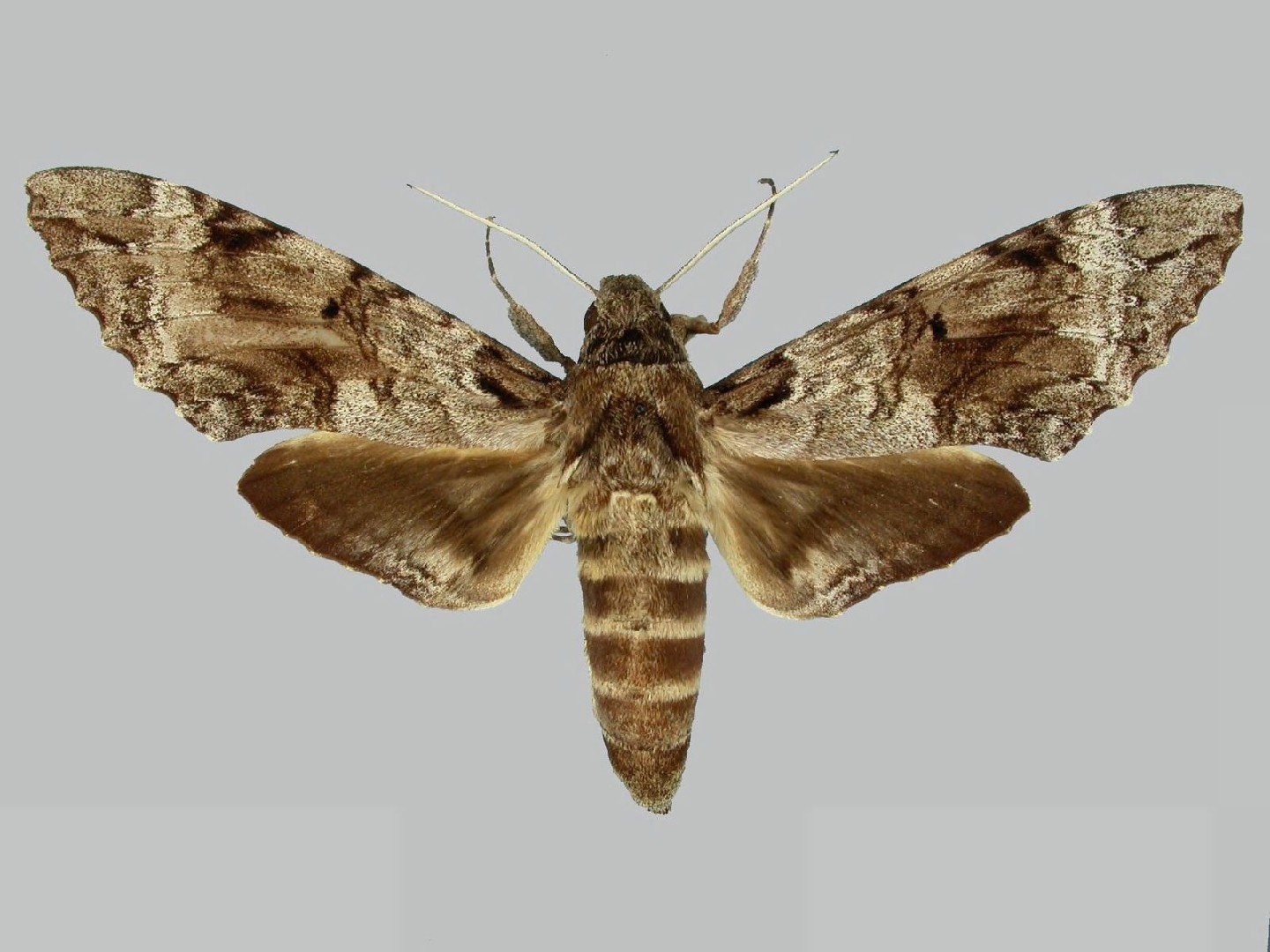
7. Tetrio sphinx
The adult moth is brown with gray and white markings, and the hindwing is a darker brown. The female may be lighter in tone. The body has gray, white, and black bands. The wingspan is 13 - 14 cm, and the female is generally slightly larger than the male. The larva is a caterpillar which may exceed 15 cm in length. It is black with aposematic yellow bands and a red-orange head. Toward the posterior end is an orange bump with a black horn roughly 2 cm long. The legs are orange with black spots. The pupa is about 7 cm long. It is yellow when new, turning brown and darkening to a reddish brown as it hardens.
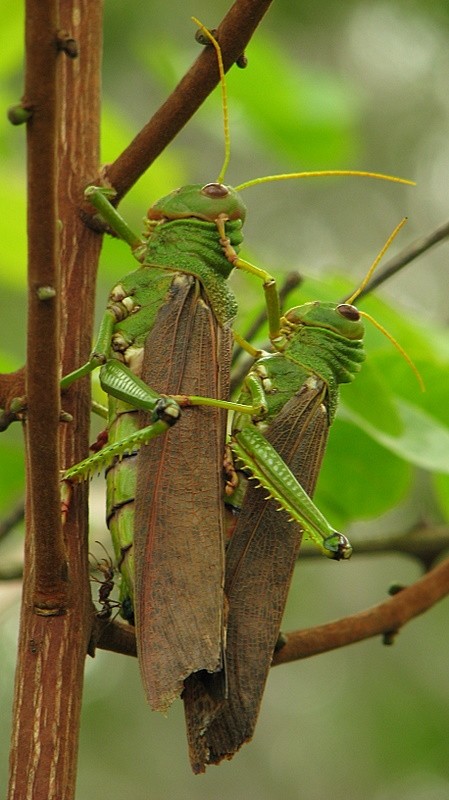
8. Blue-winged grasshopper
Tropidacris collaris is a right-winged insect from the Romaleidae family. The scientific name of this species was first validly published in 1813 by Stoll.
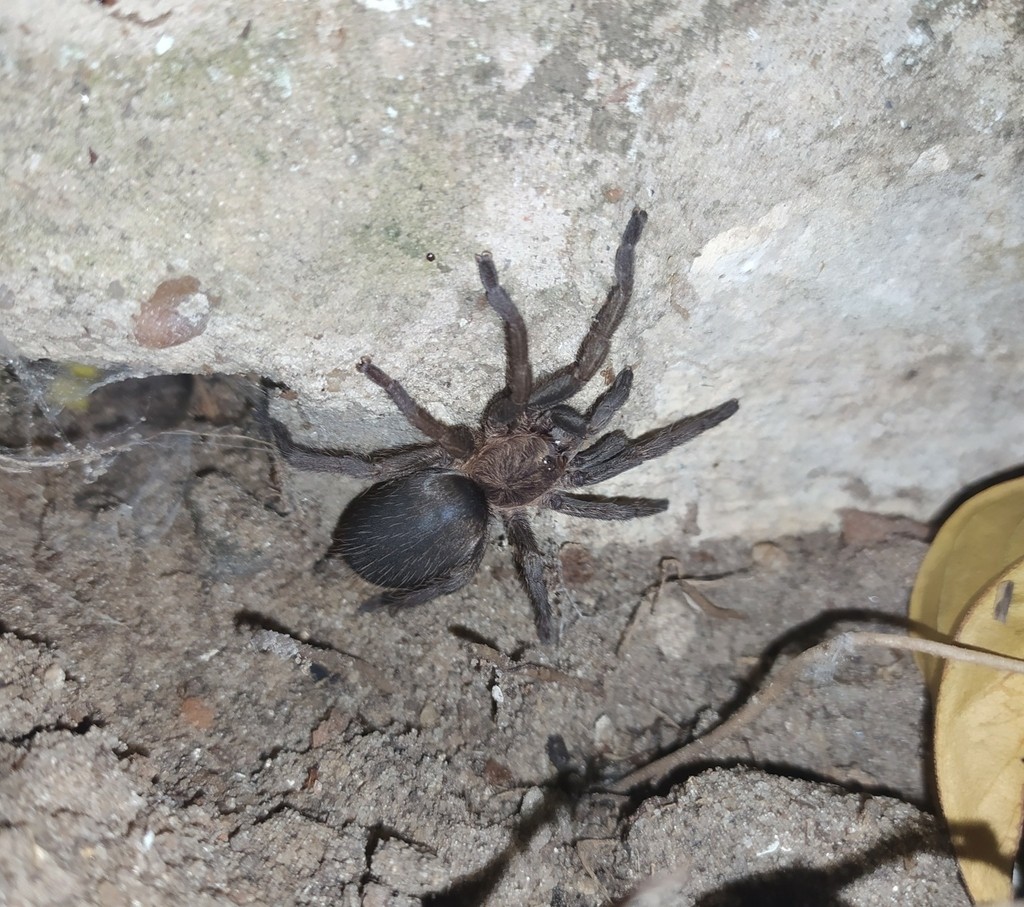
9. Exilis bronze tarantula
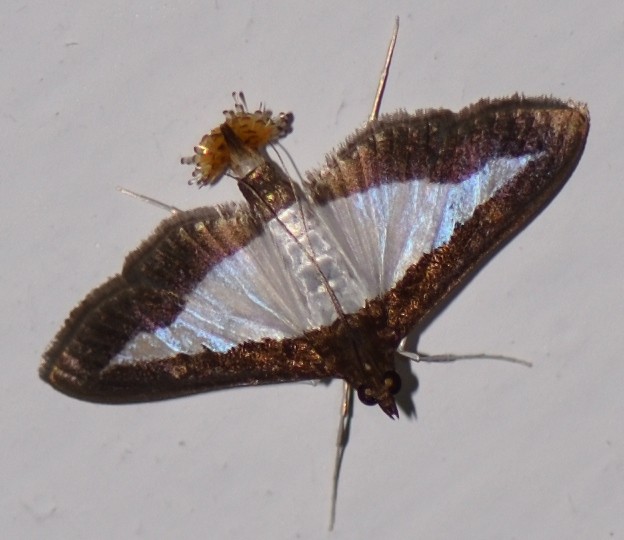
10. Cucumber Moth
The wingspan is about 30 mm. Adults have translucent whitish wings with broad dark brown borders. The body is whitish below, and brown on top of head and thorax as well as the end of the abdomen. There is a tuft of light brown "hairs" on the tip of the abdomen, vestigial in the male but well developed in the female. It is formed by long scales which are carried in a pocket on each side of the 7th abdominal segment, from where they can be everted to form the tufts. Unfertilized females are often seen sitting around with the tuft fully spread, forming two flower-like clumps of scales, which move slowly to spread their pheromones. These have been identified as consisting mainly of (E,E)-10,12-hexadecadienal and (E)-11-hexadecenal. From its closest relatives, the cucumber moth is most reliably distinguished by microscopic examination of the genitals. In the male, the clasper's harpe is twice as long as it is wide, with the costa and sacculus running almost in parallel and being strongly sclerotized, and a rounded cucullus. From the center of the harpe, which is otherwise only weakly sclerotized, a thin spine extends. The uncus is covered in bristles and ends in a small tube; it is a bit longer than the tegumen which in turn is about as wide as it is long. The vinculum is almost quadratic, and the anellus forms a small triangular plate which is more strongly sclerotized. The aedeagus is almost straight, strongly sclerotized below, and has a flattened curved process at end. In the female genitals, the ostium is transverse and oval, and the antrum broadly sclerotized. The ductus seminalis insert from above, a bit before the forward edge of the antrum. The bursa copulatrix is long and slim, with the forward third particularly narrow; its wall is covered with many short spines, and the hind end almost seamlessly merges into a short and barely distinguishable ductus bursae.


More







