




Top 20 Most Common Insects in Roraima
Insects – a diverse group of tiny, yet crucial creatures teeming in Roraima. These fascinating beings adopt distinct traits and habits based on their geographical setting, often mirroring the rich biodiversity within Roraima. These inhabitants play vital roles - from pesky intruders to nature's diligent recyclers. So, let us delve into the '20' most common insects breeding in diverse landscapes of Roraima, reflecting our ecosystems’ intrinsic balance and complexity.

Most Common Insects
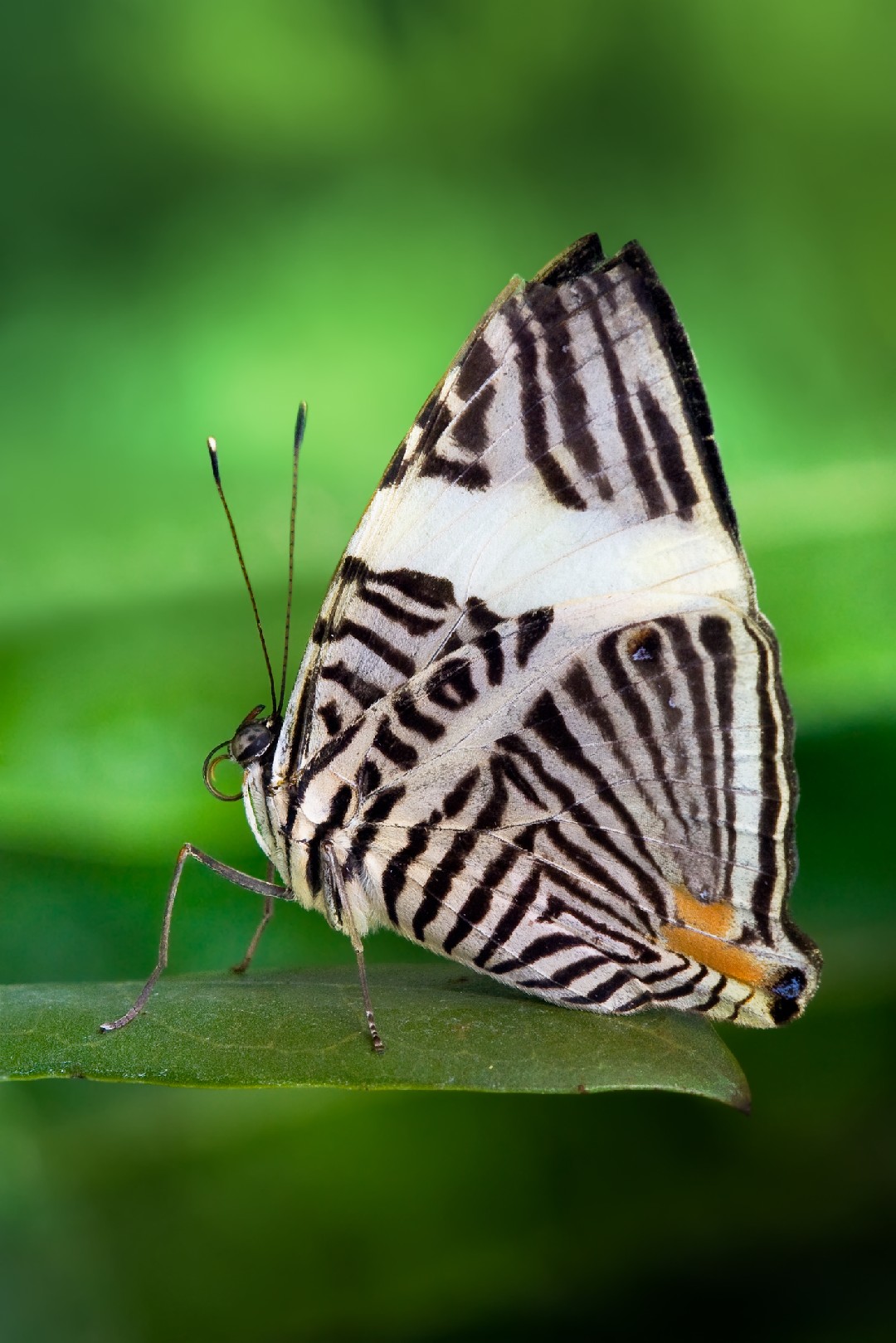
1. Dirce beauty
The length of the forewings is about 3.5 cm. 
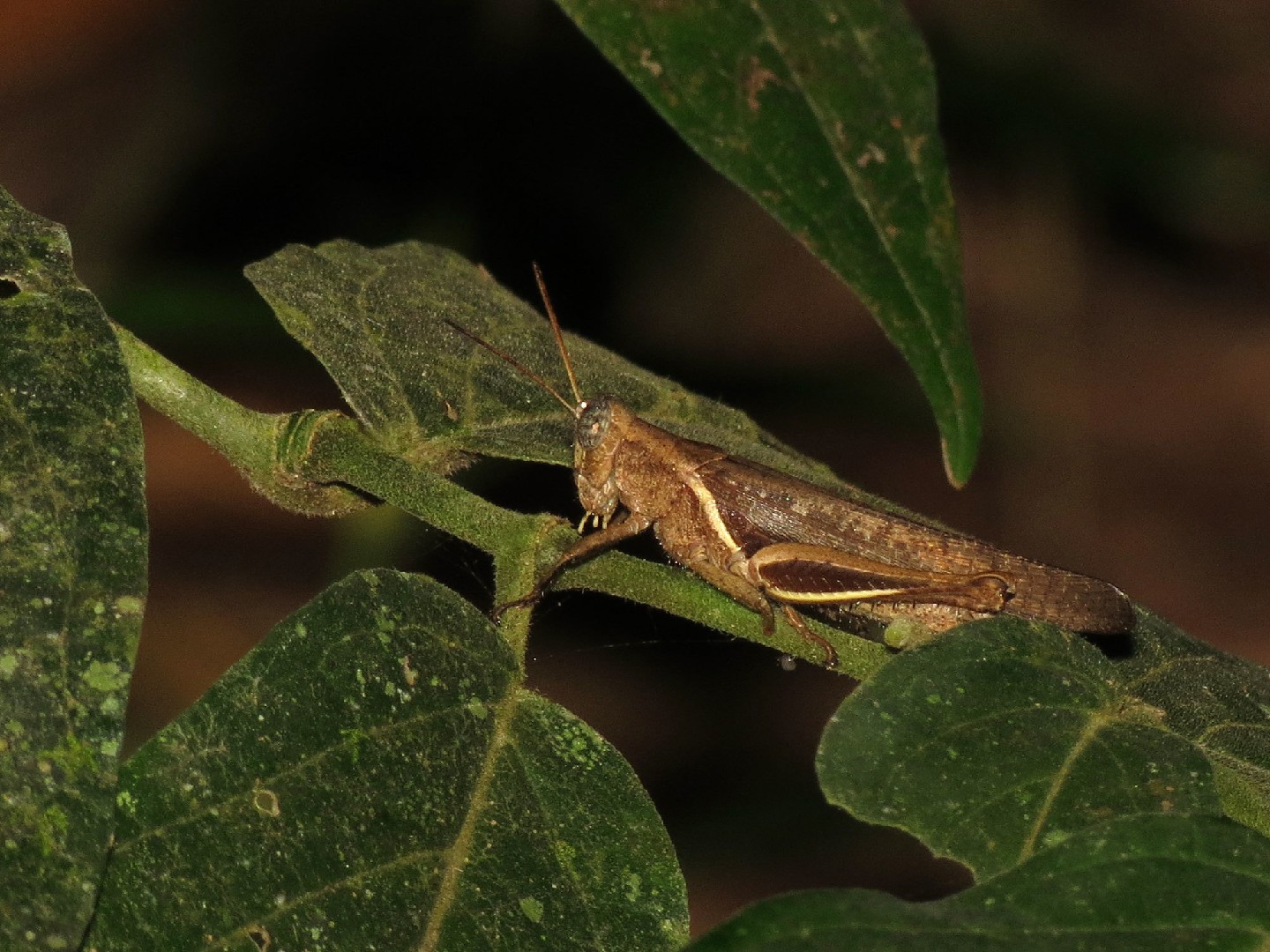
2. Abracris flavolineata
Abracris flavolineata is a right-winged insect from the family locusts (Acrididae). The scientific name of this species was first validly published in 1773 by De Geer.
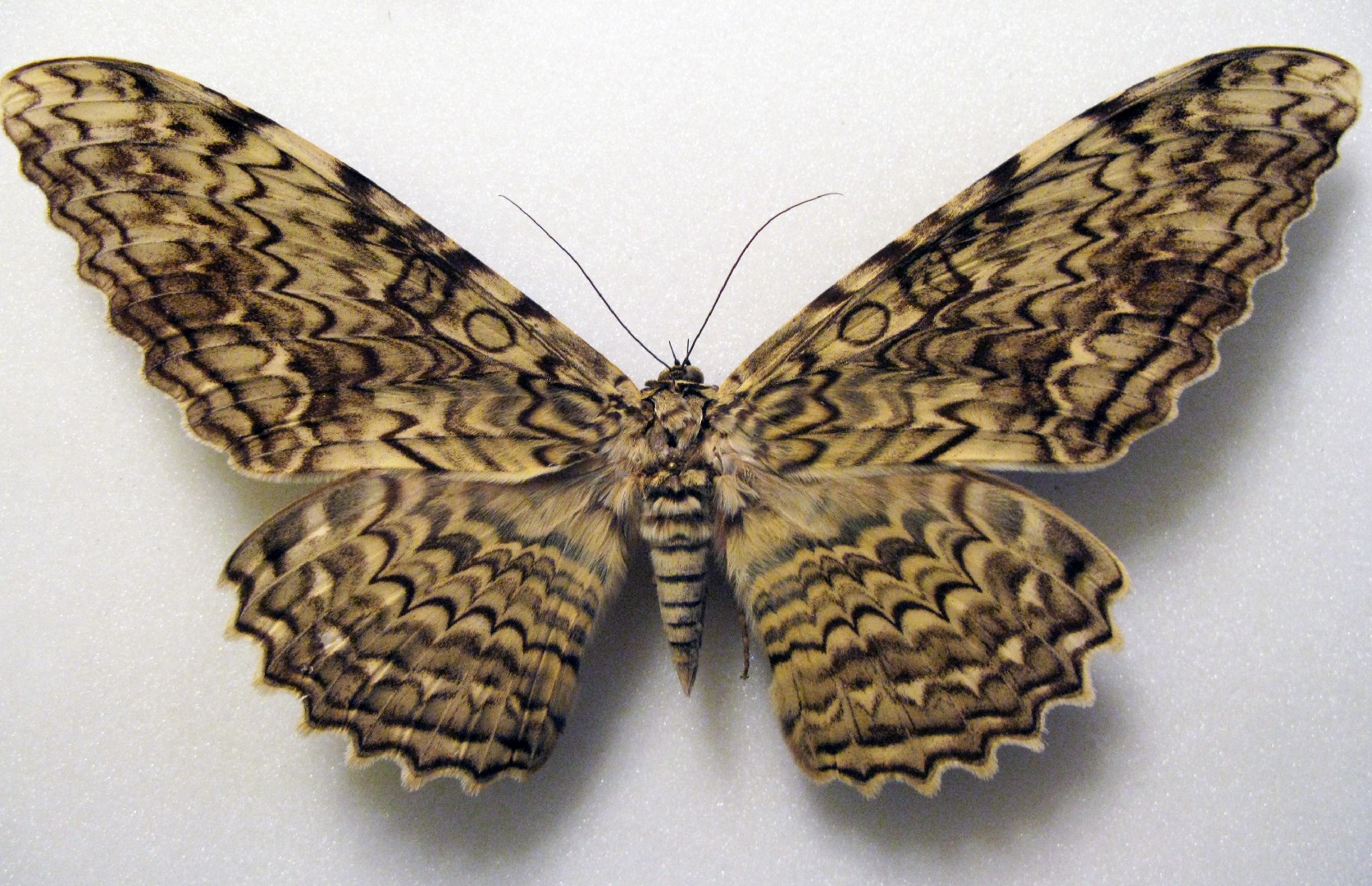
3. White witch
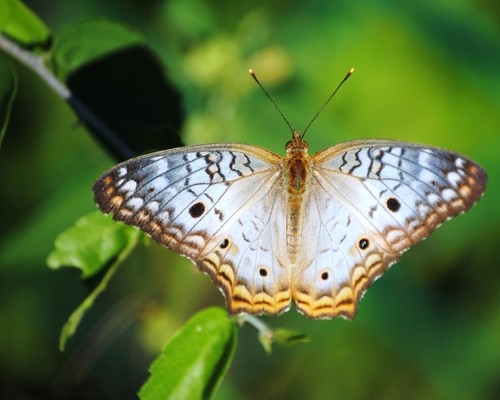
This may be true by the measure of wingspan—a Brazilian specimen with a wingspan of almost 30 cm appears to hold the record.
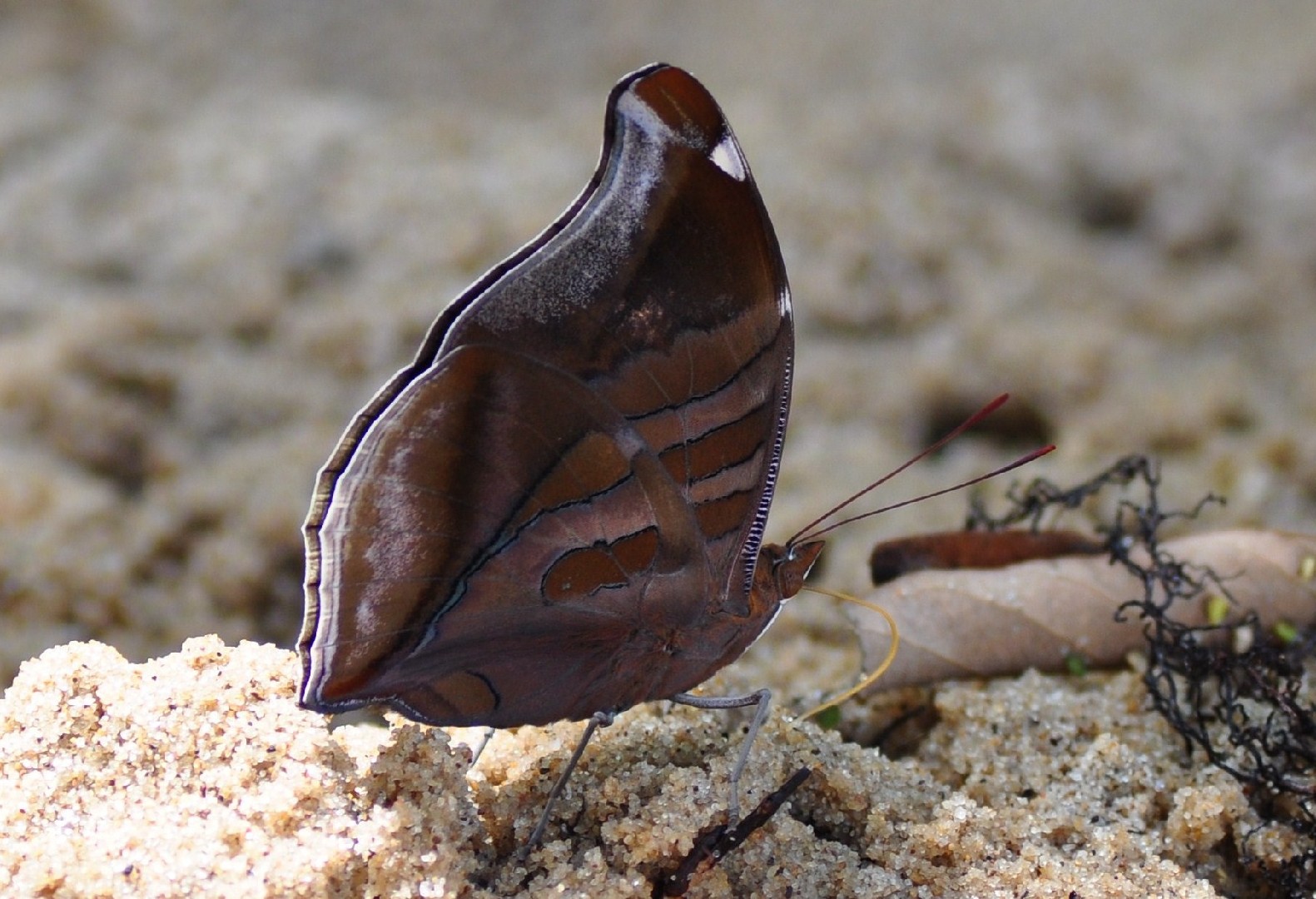
4. Orion cecropian
Historis odius is a butterfly from the Nymphalidae family. The scientific name of the species was first validly published in 1775 by Johann Christian Fabricius.

5. Red paper wasp
The red paper wasp (Polistes canadensis) is a unique red wasp that stands out when compared with others. This color seems to correlate with their aggressive society. There is one dominant female that stands above all, aggressively vibrating to indicate their control. While most females have the capacity to reproduce, the queen will suppress this. those who disobey the queen are met with swift punishment in the form of physical attacks.
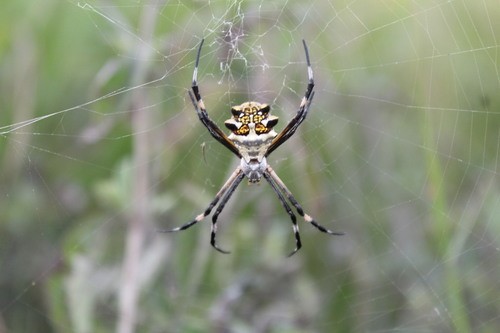
6. Silver argiope
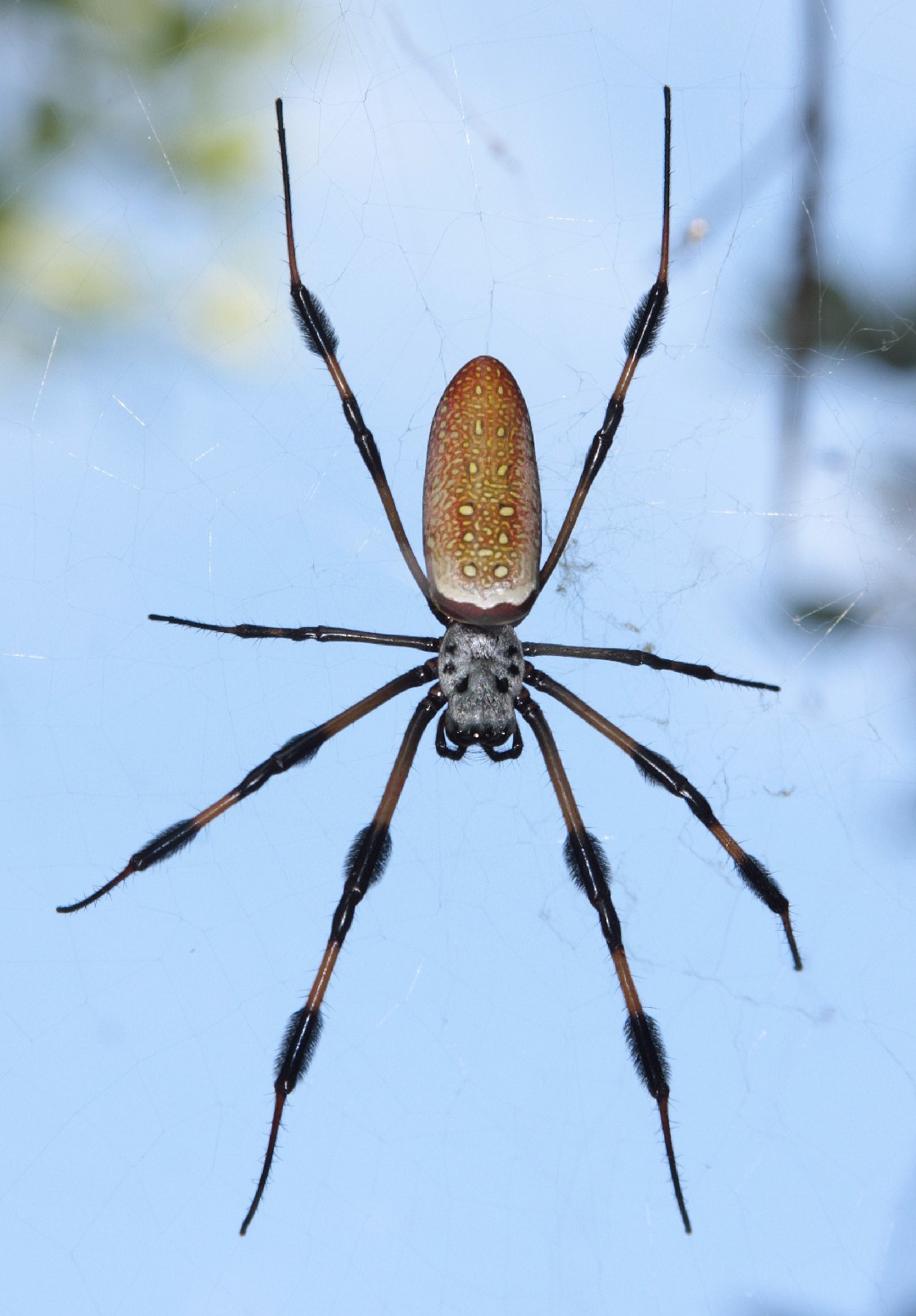
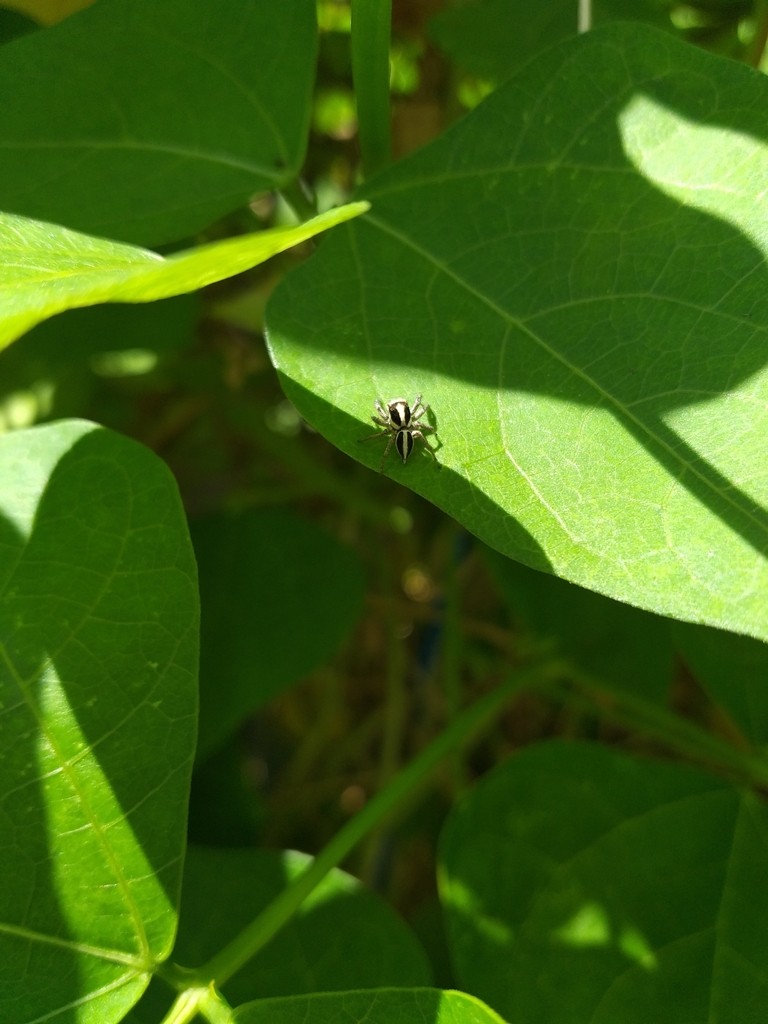
The silver argiope (Argiope argentata) often creates unique zigzag patterns on its webs. It's usually found in warm, dry areas, especially on cacti and aloe vera plants. The females are much larger than males. They can bite and cause irritation to the skin, but the damage won't be life-threatening.
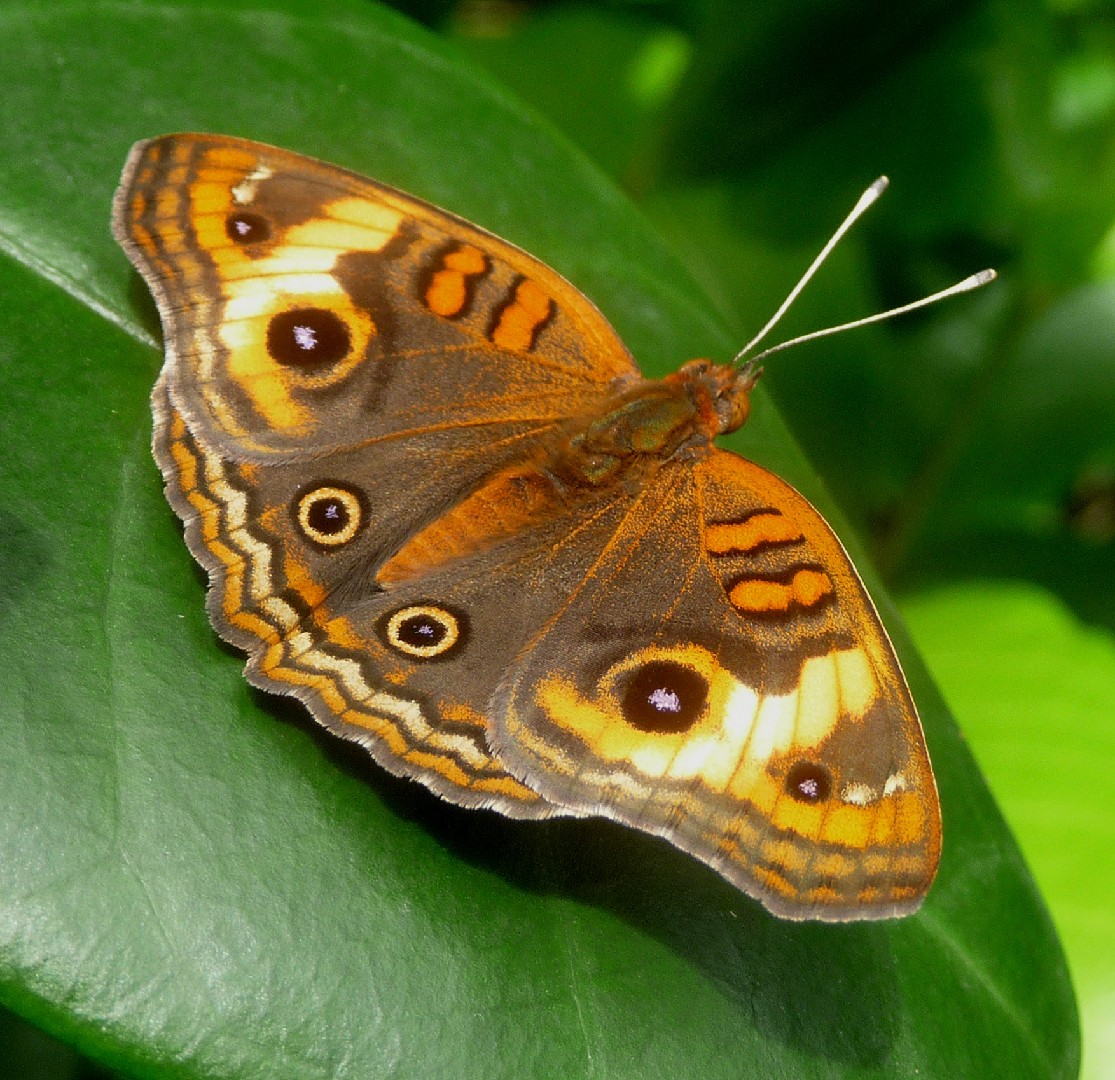
7. Tropical buckeye
The tropical buckeye is a striking butterfly named for the eight eye-shaped markings on its brown wings. Although commonly seen in the tropical Americas, it adapts well to urban environments. Adult butterflies feed on flower nectar and help to pollinate species including mock vervain and cayenne snakeweed.
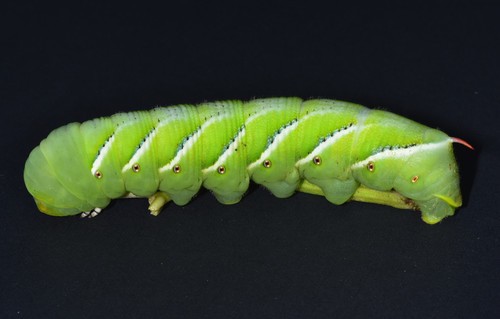
8. Carolina Sphinx Moth
The Manduca sexta is a moth present through much of the American continent. Commonly known as the carolina Sphinx Moth, the larva has a striking red "horn" located on the back. The larva is sometimes kept as a pet by children because of its cute green appearance. If you just have one, feed it on tobacco or tomato leaves, which is its favorite food.
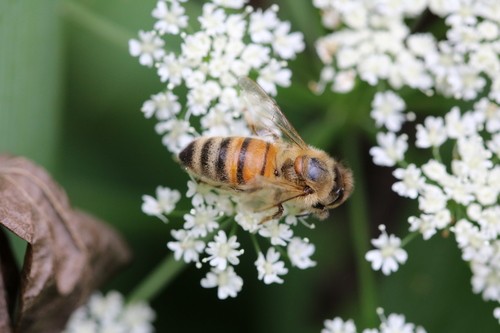
9. Western honey bee
Western honey bee(Apis mellifera) is the most common species of honeybee in the world. Among the first domesticated insects, its cultural and economic impact on humanity has been vast and far-reaching, providing honey, wax and its services as a pollinator. Western honey bee faces challenges worldwide, such as colony collapse disorder, and populations are thought to be decreasing.
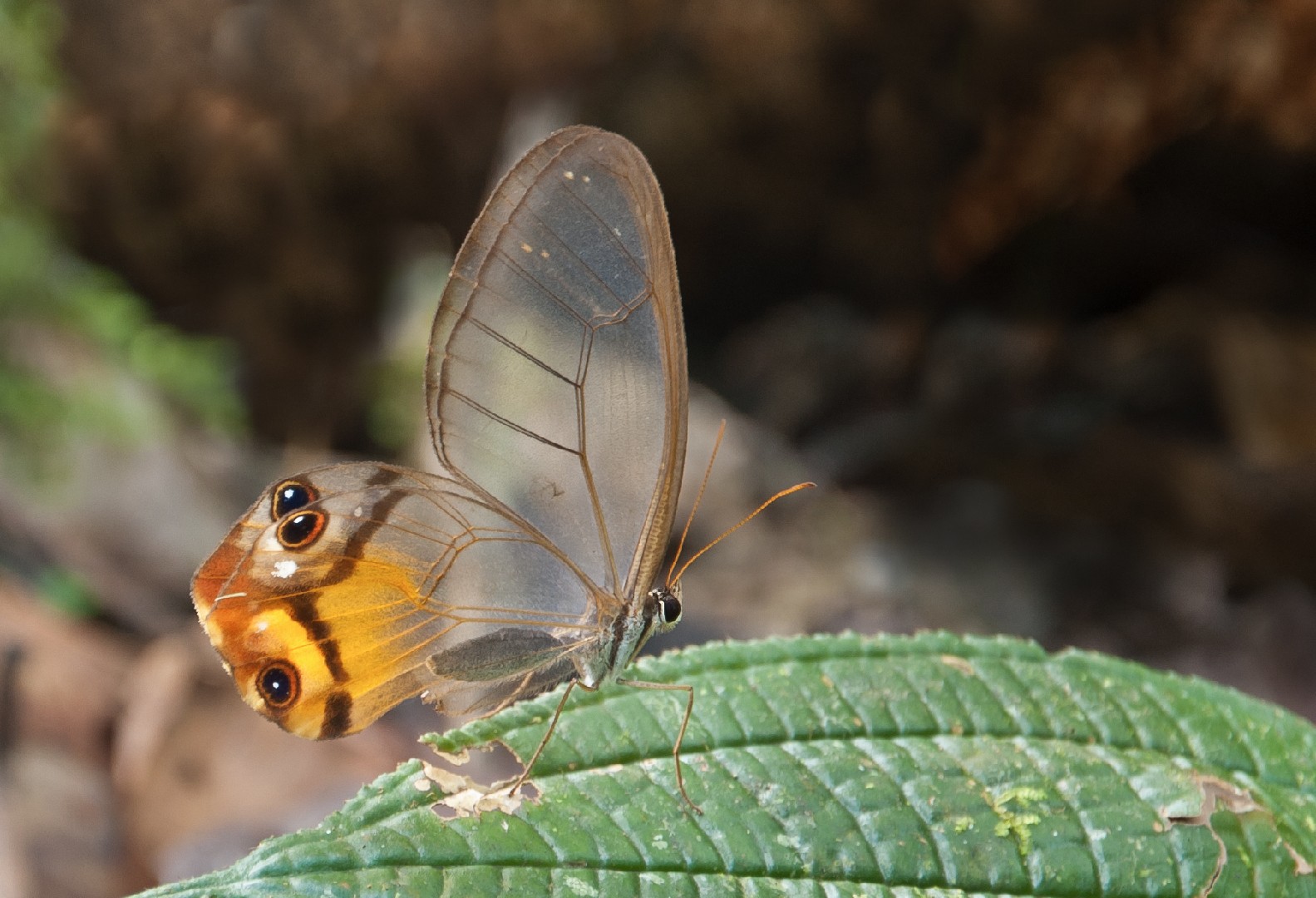
10. Amber Phantom
Haetera piera, the amber phantom, is a butterfly species from the subfamily Satyrinae in the family Nymphalidae. This species can be found in the Guianas, Brazil, Ecuador, Peru, Bolivia and Venezuela.



More







