




Top 20 Most Common Insects in Sofia
Insects, remarkable creatures diverse in both form and habitat, thrive uniquely in different parts of Sofia. Their existence in Sofia reflects the region's biodiversity shaped by varying geographical factors. As crucial members of the ecosystem, insects play pivotal roles - from notorious pests to beneficial pollinators. Our 'Top 20 most common insects' list will shed light on these intriguing dwellers of Sofia.

Most Common Insects

1. Multicolored asian ladybeetle
Often confused for the ladybug, multicolored asian ladybeetle (Harmonia axyridis) is a separate species that, unlike the ladybug, is a household pest. It is considered particularly annoying for its habit of returning to places from which it is removed. One of the most variable species in the world, there are many different colors and patterns multicolored asian ladybeetle may display, making identification potentially difficult.
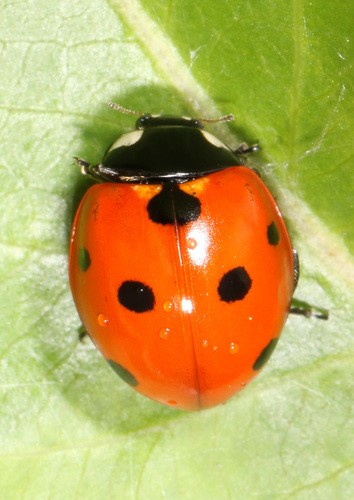
2. Seven-spotted ladybug
Seven-spotted ladybug (Coccinella septempunctata), known in North America as the "seven-spotted ladybug," is the most common species of ladybird in Europe and the official state insect of five U.S. states. While not native to North America, it has established itself there after being introduced to control aphid populations. Its bright coloring deters predators, and it may also play dead or secrete foul-smelling liquids to discourage consumption.
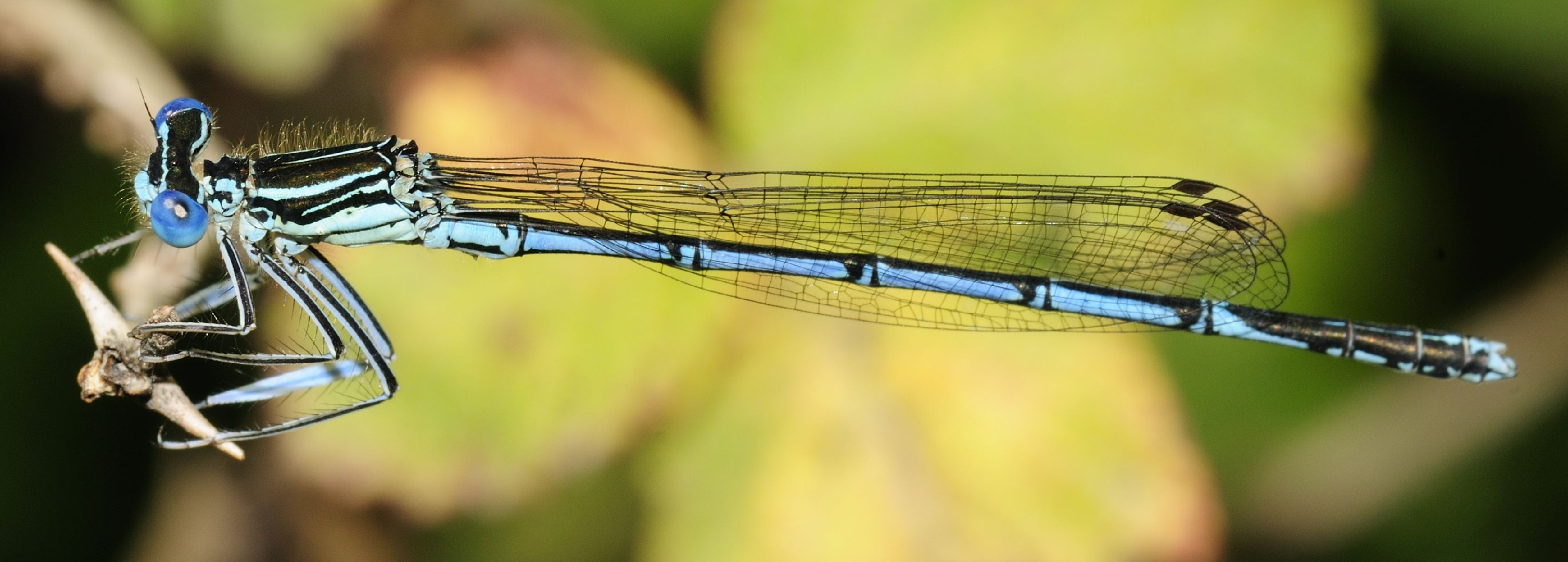
3. White-legged damselfly
The white-legged damselfly or blue featherleg (Platycnemis pennipes) is a damselfly of slow-flowing, muddy waters. It occurs from the Atlantic to Siberia and is often abundant throughout its range. 
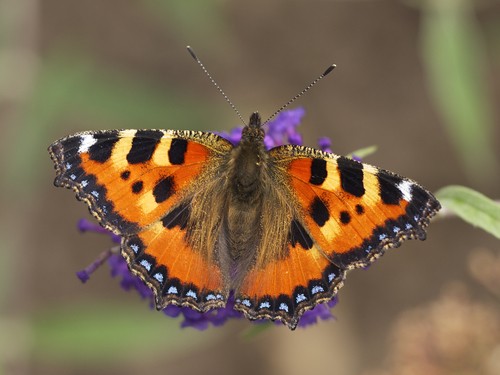
4. Small tortoiseshell
Small and colorful, small tortoiseshell (Aglais urticae) is the national butterfly of Denmark. However, it is capable of surviving anywhere the common nettle leaf may be found, which the larvae of this species depend on. Once among the most common butterflies in Europe and temperate Asia, this species is experiencing rapid declines for reasons still being investigated.
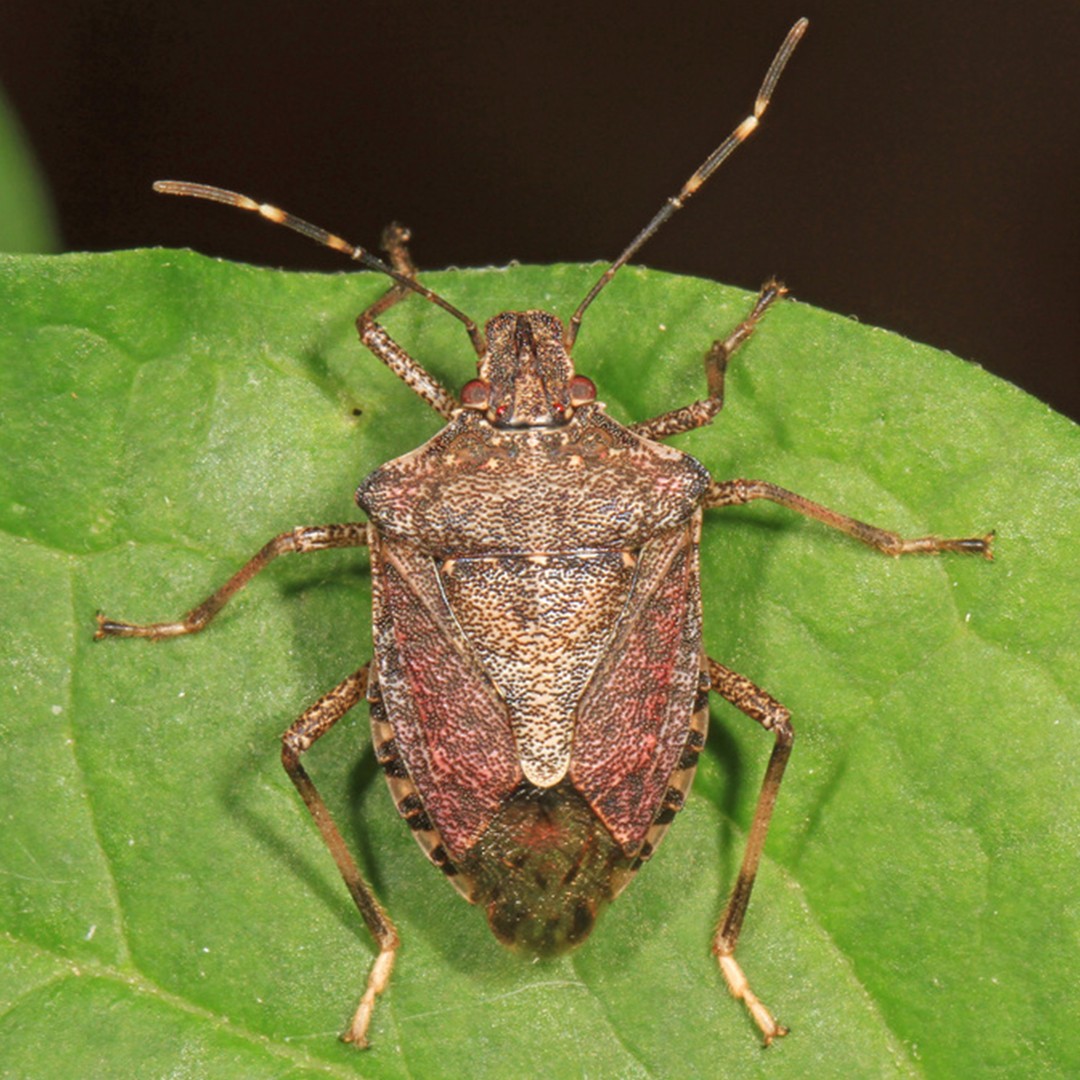
5. Brown marmorated stink bug
As evidenced by its name, brown marmorated stink bug (Halyomorpha halys) is most recognizable for its ability to exude a nasty, foul-smelling odor if disturbed. Capable of subsisting on over one hundred species of plant, it has become an enormous pest for many farmers in the U.S., costing over $30 million annually in apple crop losses alone. It often invades homes in autumn, as soon as the weather begins to chill.
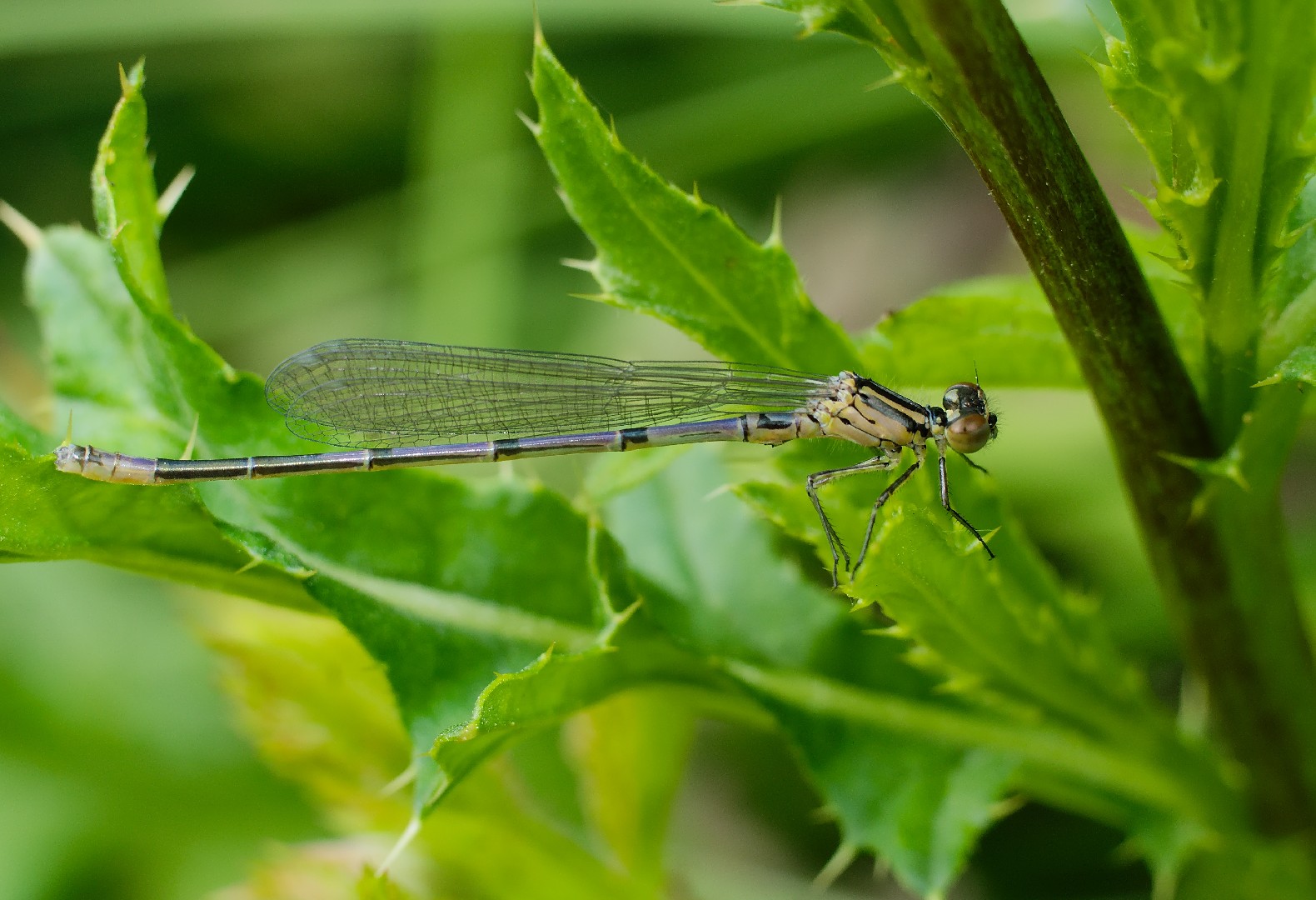
6. Azure damselfly
The azure damselfly (Coenagrion puella) is a species of damselfly found in most of Europe. It is notable for its distinctive black and blue colouring. They are commonly found around ponds and lakesides during the summer.
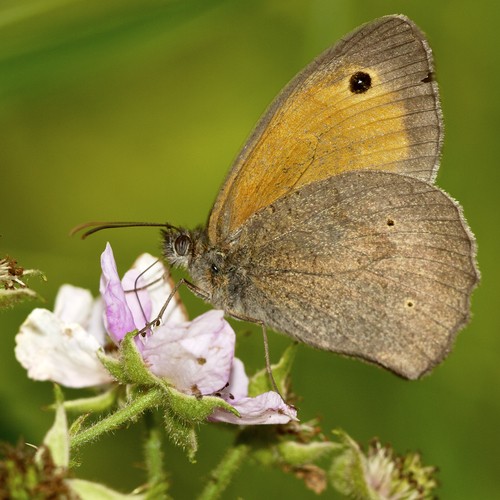
7. Meadow brown
The meadow brown (Maniola jurtina) is similar to the Gatekeeper in the way that it rests with its wings open due to the "eye spots" on either end of its wings that ward off predators. While the color is a deep brown, the caterpillar form is a beautiful bright green with little, white hairs and a dark line leading down its back.
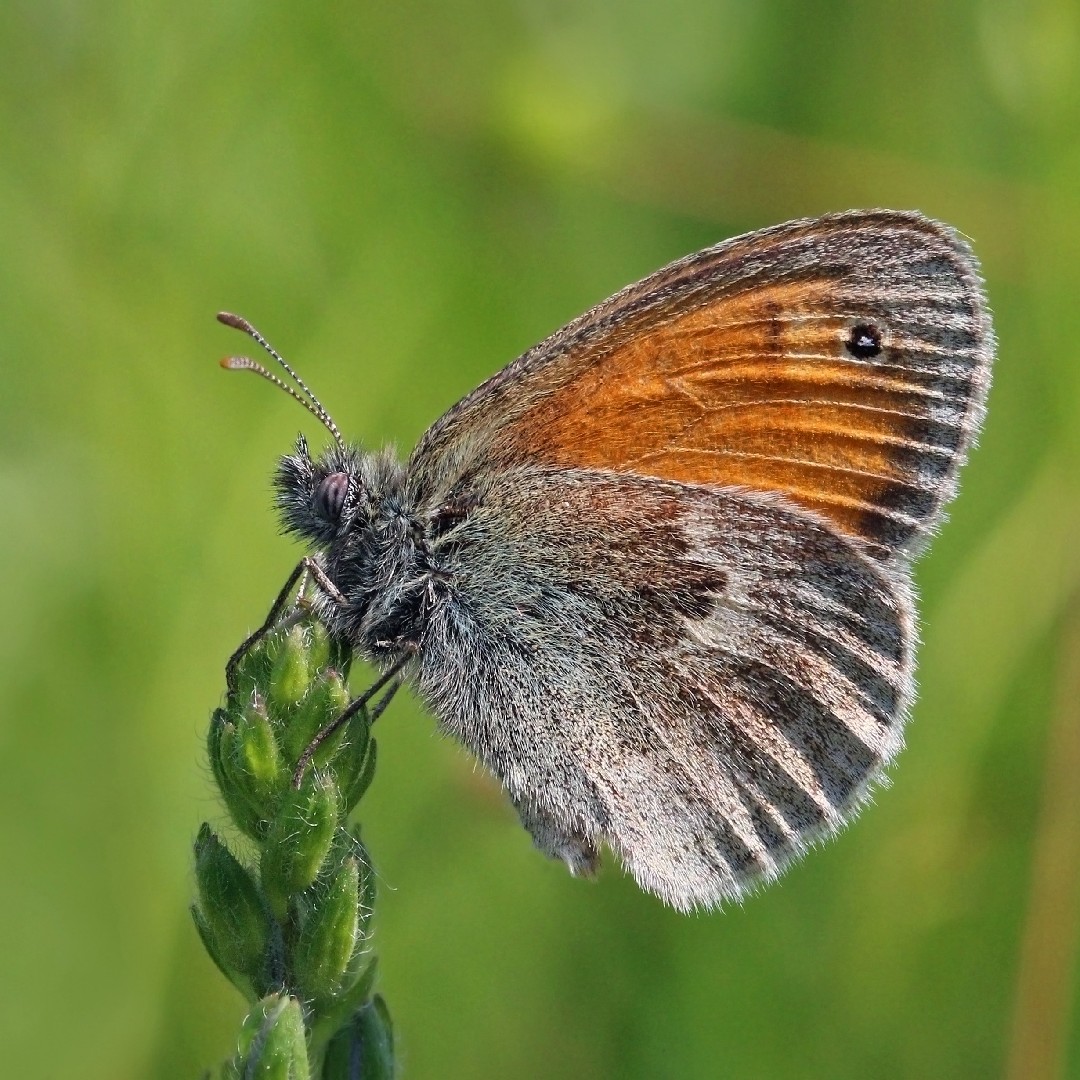
8. Small heath
It rests with closed wings when not in flight.

9. Beautiful demoiselle
The body length of larvae is variable and highly dependent on environmental conditions. The final stage (F-0-stage) larvae are 3.5 - 4.5 mm and weigh about 4 mg, slightly below the banded demoiselle. Calopteryx virgo can reach a body length of 5 - 5 cm, with a length of hindwings of 3 - 4 cm. These large, dark damselflies have small hemispherical eyes located laterally on the head, two pair of wings similar in shape and a slender abdomen. The basal area of the wings is transparent, otherwise wings are uniformly colored. The wings are also traversed by a dense network of veins. This species presents an evident sexual dimorphism in colour pattern. The male usually has much more extensive pigmentation on the wings than other Calopteryx species in its range: in the south east of its range (the Balkans and Turkey) the wings are entirely metallic blue while in other areas, there are clear areas at the base and tip of the wing. Immature males show brown wings, as the metallic blue wing color develops only with age. They have metallic blue-green bodies and blue-green eyes. The female has dark brown iridescent wings, a white patch near the tip of the wings (called a pseudopterostigma) and a metallic green body with a bronze tip of the abdomen.

10. Banded demoiselle
This is a large damselfly with a total length of up to 1.9 in and a hindwing length of up to 1.4 in. Male and female are variable in color and pattern. The male has translucent wings which each have a broad, dark iridescent blue-black spot (or band) across the outer part. On immature dragonflies the spot is dark brown. The body can be a metallic blue or bluish green or a combination of both colours, depending on the time of year and location. The dark wing patch of the male starts at the nodus (the slight dip midway down the upper edge of the wing) but can reach up to the wing-tip in southern races.
More







