




Top 20 Most Common Insects in Cambodia
Welcome to a fascinating exploration of insects in Cambodia. Recognize, marvel, and appreciate as we unveil the top 20 most common insects that inhabit the diverse ecological niches of this region. Bounded by mountains, forests, and coastal landscapes, Cambodia's distinct environments result in varying insect populations. Each insect, regardless of being deemed a pest or helper, importantly contributes to the country's ecological health. It's a stirring blend of the remarkable and the mundane —join us as we delve in!

Most Common Insects

1. Common parasol
The common parasol (Neurothemis fluctuans) is called that due to the red color and the shape of its body being vaguely resemblant of a red parasol. Despite red being associated with passion, these skimmers are shy creatures. If you approach it, you can expect it to run away.

2. Common mormon
The common mormon (Papilio polytes) is a beautiful, black butterfly with unique hindwings that have orange and white colorings and two spots jutting out. They are named after the Mormon religion, as the butterflies participate in polygamy, which is a common practice for Mormons. They are also known to mimic red-bodied swallowtail, who are inedible.
3. Common grass yellow
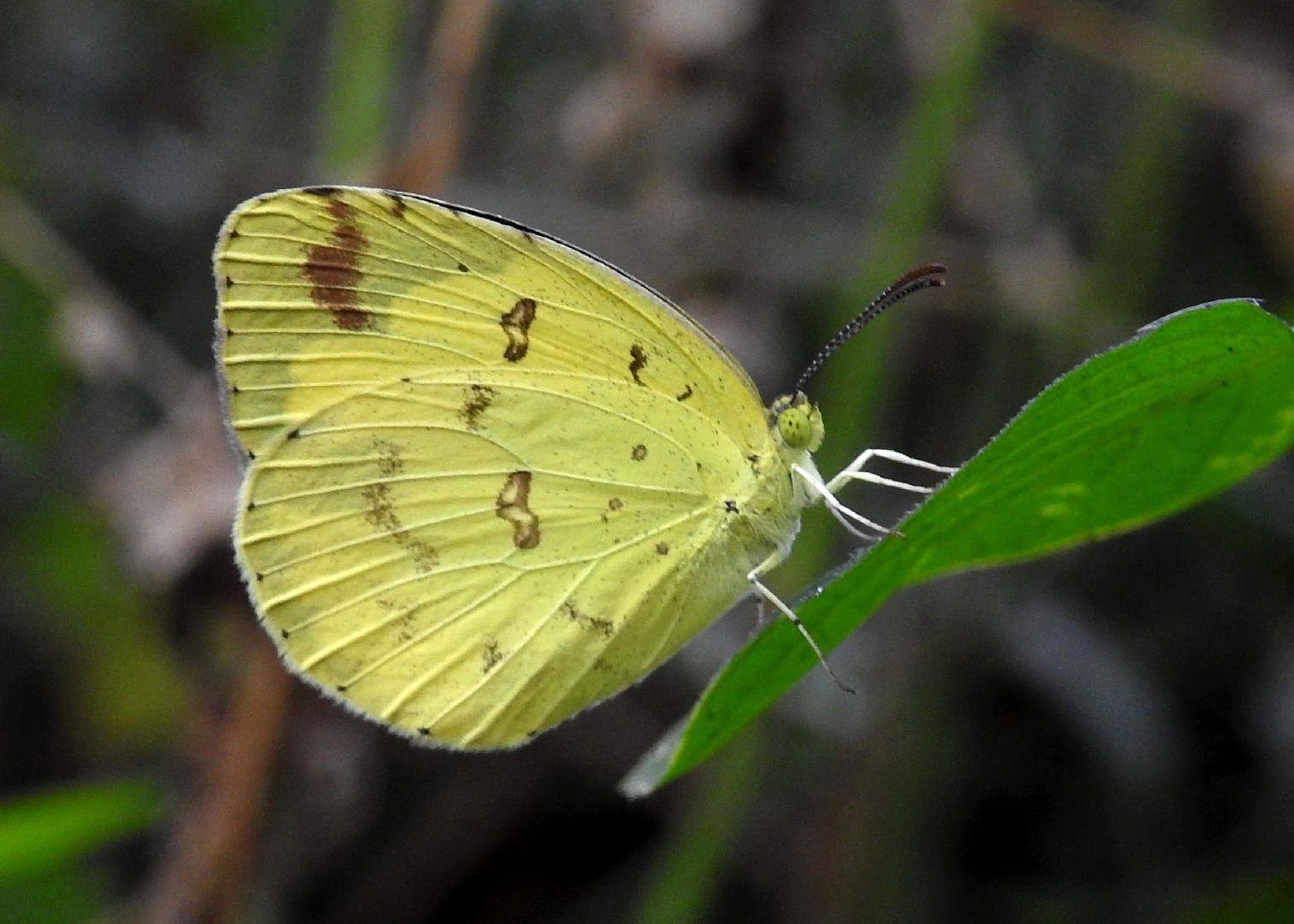
The common grass yellow (Eurema hecabe) can be found in groups around damp soil. Despite their name, they do not feed on grass, instead, they are known to frequently visit grasslands. It can change its form depending upon the season, as it is far more rough-looking if it comes during the dry season.
4. Fulvous forest skimmer
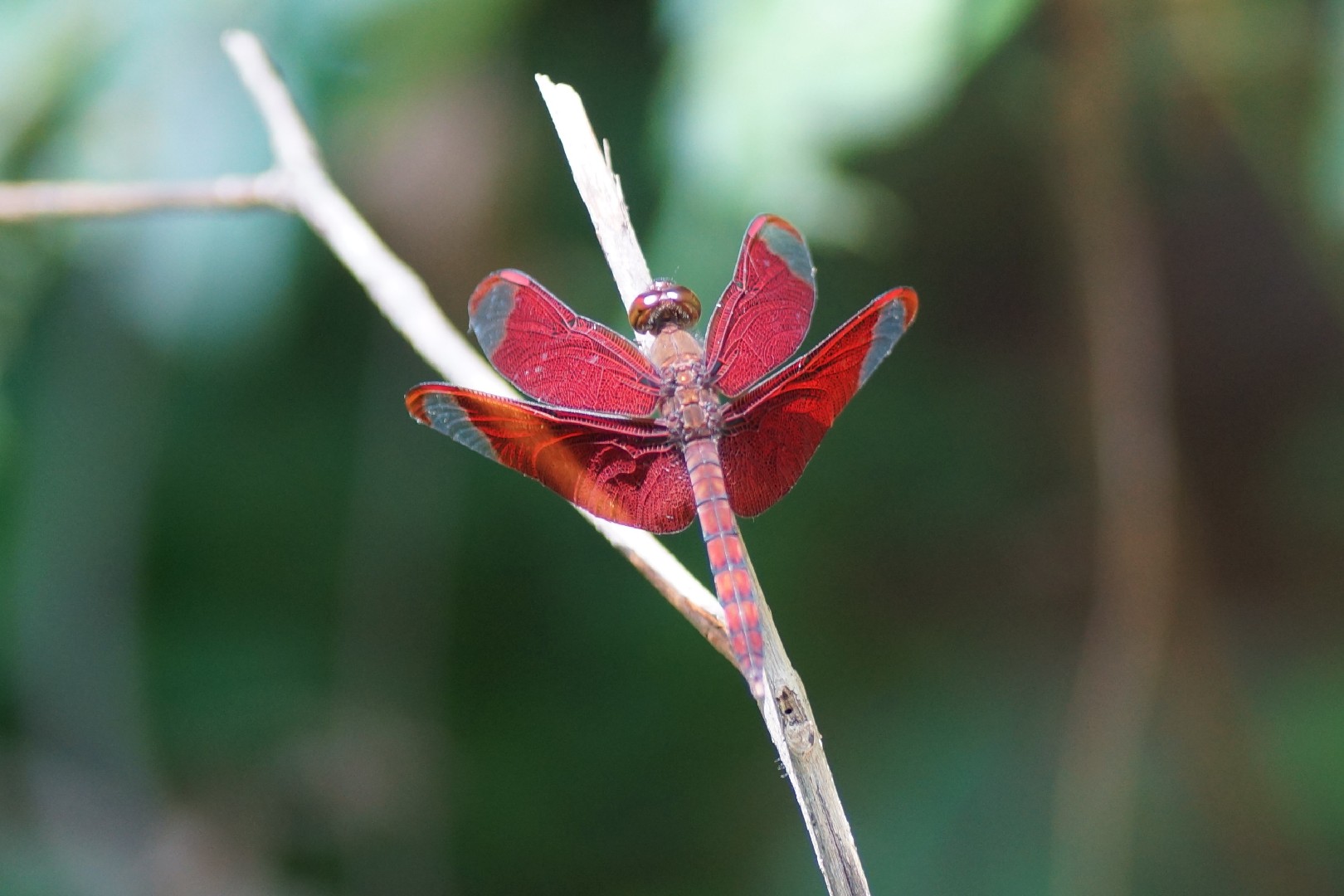
It is a medium-sized rusty dragonfly with transparent wing tips. Male has a reddish-brown face with eyes which are dark reddish brown above, golden brown below. Thorax, abdomen and legs are reddish brown. Wings are dark reddish brown with an irregular triangular transparent area at the tip of the wing. The wing spots are dark reddish brown. Many forms of females are found. Color of head, thorax and abdomen paler than males or rusty brown. Wings are clear amber yellow with a dark ray extending to the tip in fore wing. Many of them have an irregular triangular transparent area at the tip of the wing. The wings vary in size, shape, width and coloration. The clear uncoloured apices of wings will help to distinguish it from other red Asian dragonflies. 

5. Scarlet skimmer
The species is on the IUCN Red List as not endangered, year of assessment 2009.
6. Ditch jewel
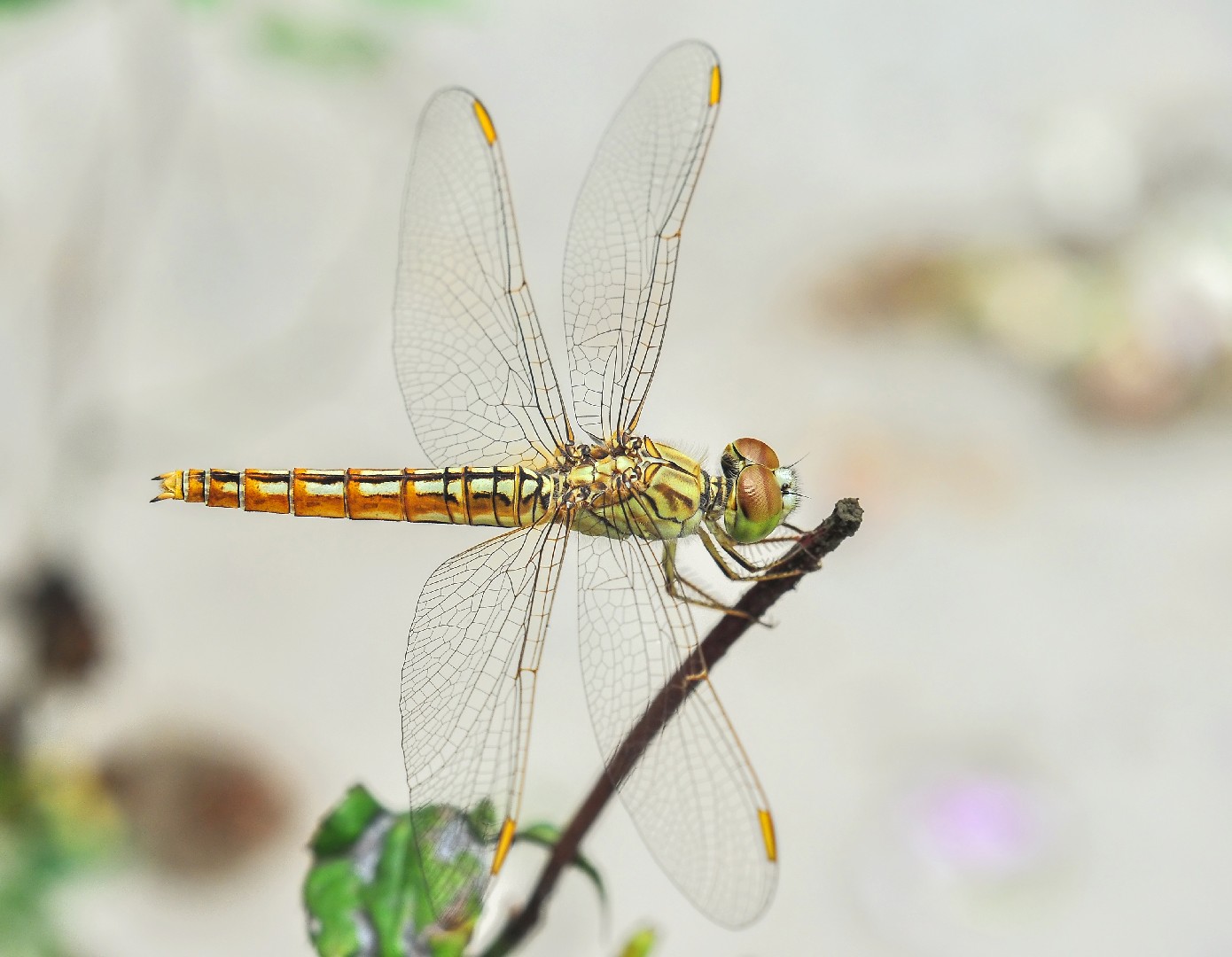
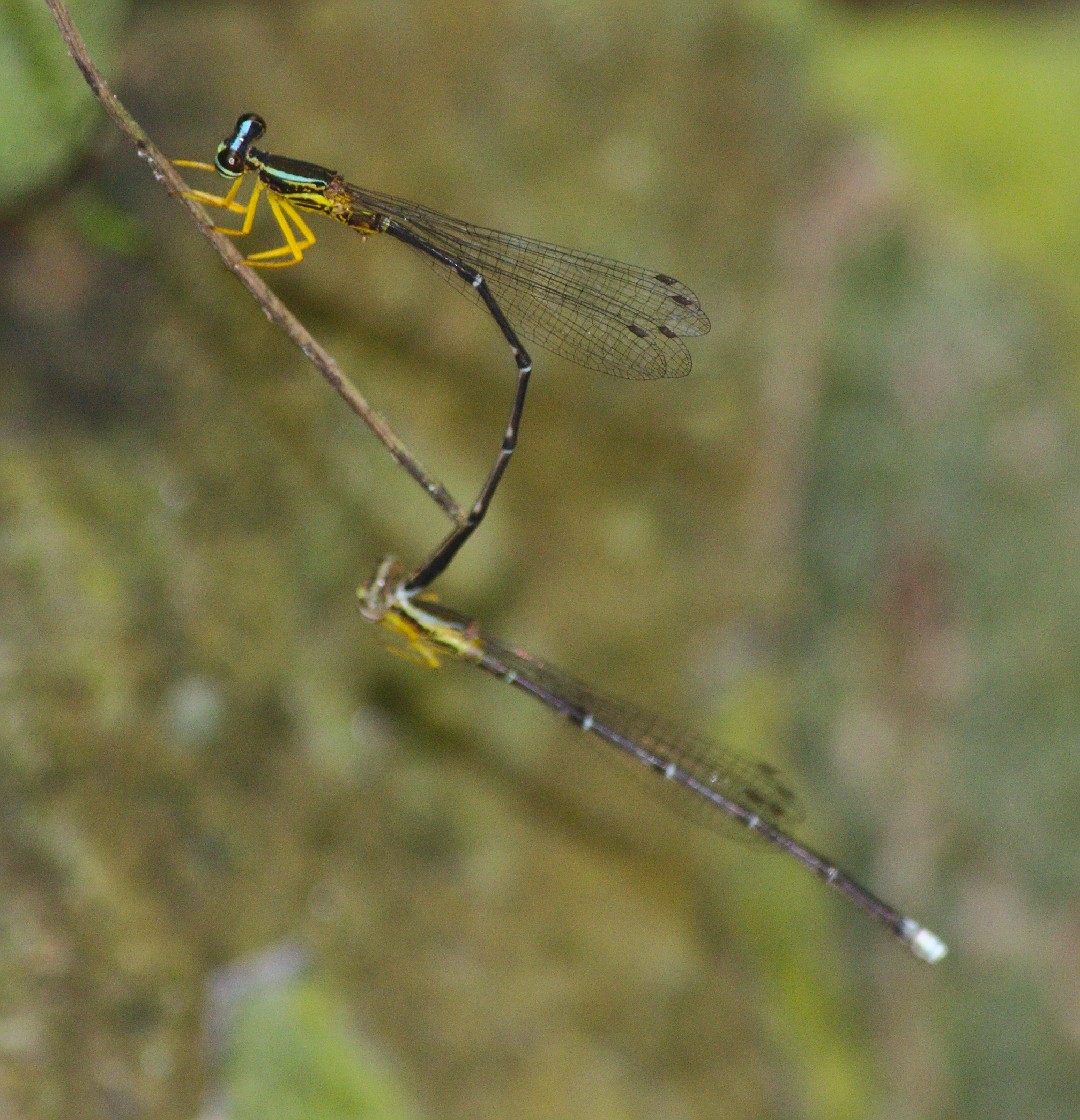
The species is on the IUCN Red List as not endangered, year of assessment 2010.

7. Weaver ant
The weaver ant can be found in silk-woven nests in the foliage of Southeast Asia and Oceania. These ants have a painful bite and prey on other small insects. Larvae have many uses for local regions, including being a popular fishing bait and a good choice of bird food.
8. Slender skimmer
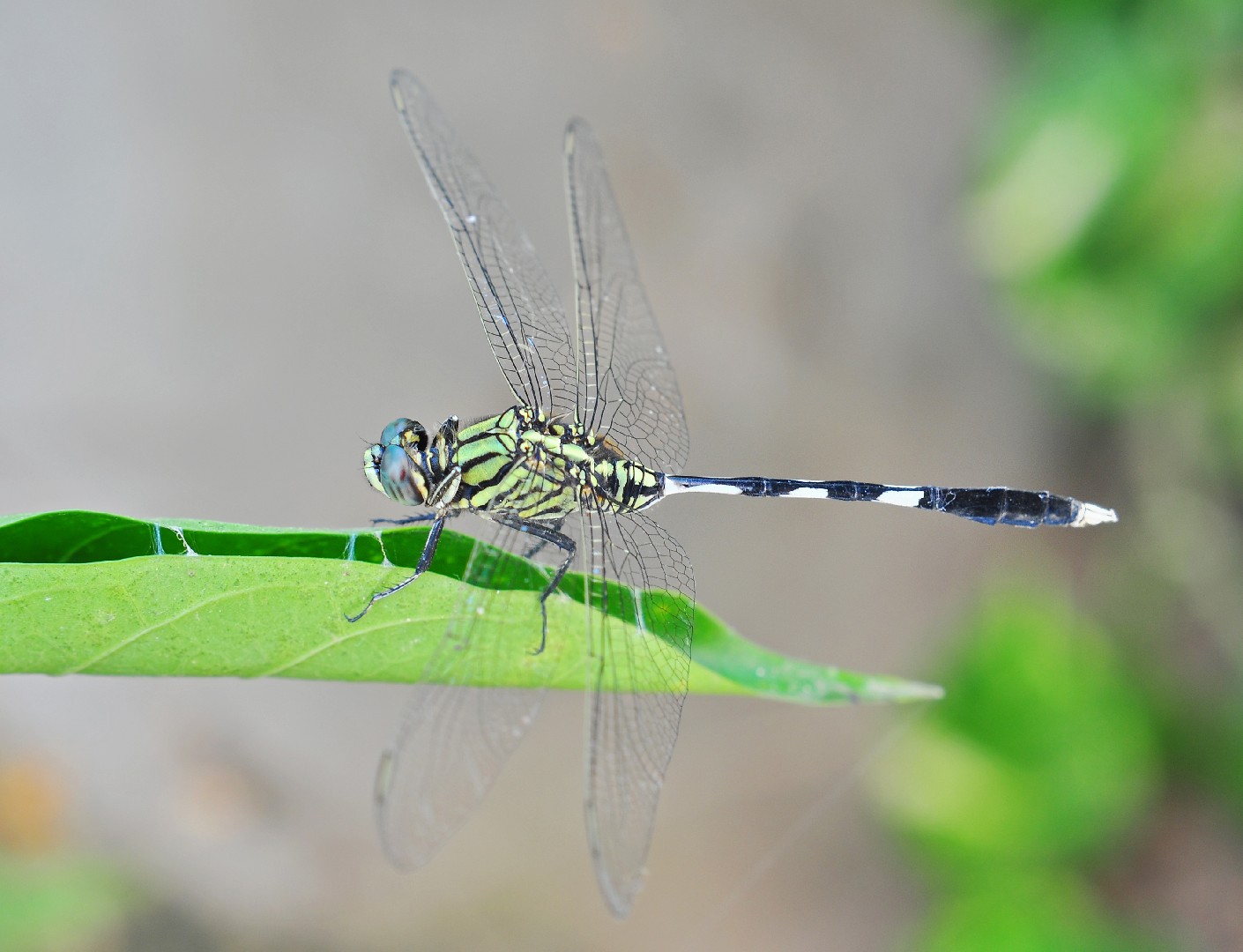
The species is on the IUCN Red List as not endangered, year of assessment 2009. The slender bank dragonfly occurs from Southeastern Europe and North Africa to Japan and Australia
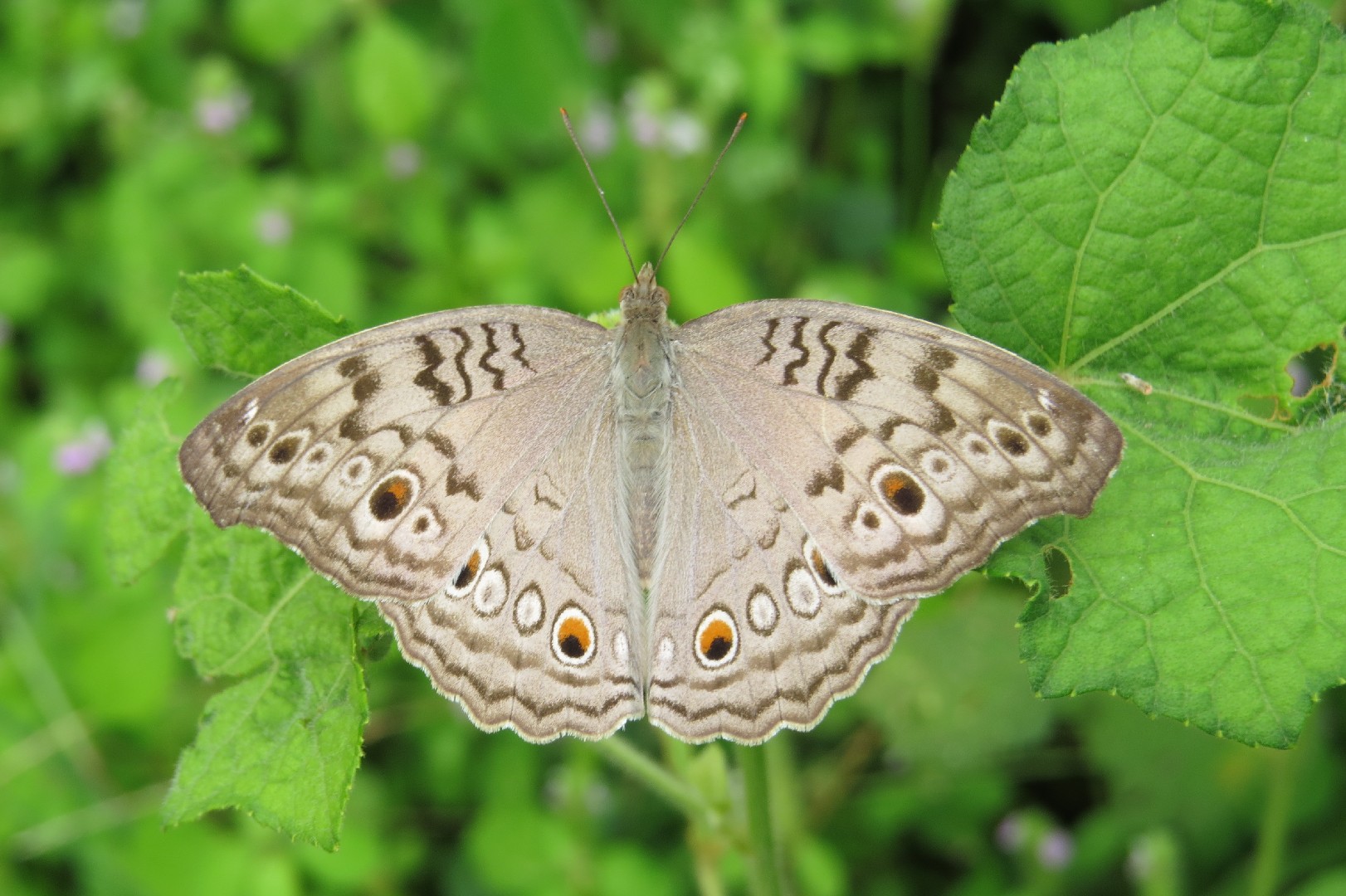
9. Grey pansy
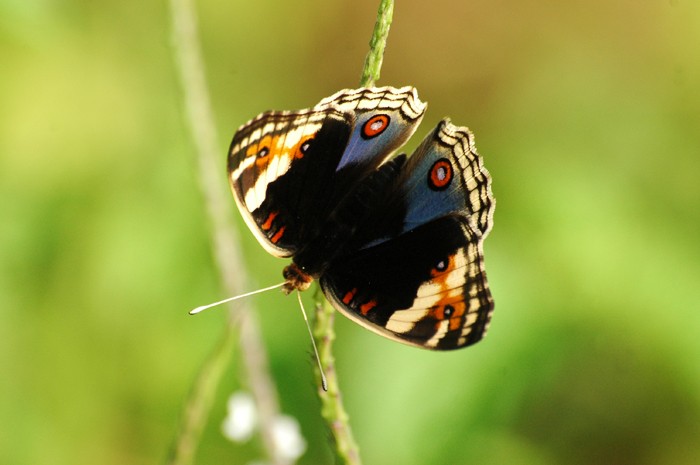
Upperside of both sexes pale lavender brown, apical half of wings paler. Forewing: cell with, three transverse, short, sinuous black bands, the outermost defining the discocellulars; a similar short, somewhat broader band beyond the apex of the cell; two transverse discal dusky black fasciae, the inner highly sinuous and outward, angulate above vein 4, the outer straighter, somewhat lunular, bordered by a series of whitish ovals with dusky or black centers. The black-centered spots in the ovals in interspaces 2, 5, and 6 margined posteriorly with rich ocherous yellow. Beyond this series of ovals is a lunular, narrow, transverse dark band, followed by sinuous subterminal and terminal broad dark lines. Apex of wing slightly fuliginous. Hindwing: a short slender black loop from veins 6 to 4 at apex of cell-area; two discal sinuous transverse dark, fasciae in continuation of those on the forewing: followed by a series of dark-centered ovals in interspaces 2–6, the ovals in interspaces 2, 5, and 6 with the dark centers inwardly broadly bordered with ochreous yellow; postdiscal, subterminal and terminal dark lunular lines as on the forewing. Underside lilacine white markings as on the upperside but very delicate, slender and somewhat obsolescent. In the dry-season forms of the males the rows of oval ocelli are only indicated by the yellow-centered ovals. The most prominent marking is the inner discal fascia crossing the wings; this is much less sinuous than on the upperside and not angulated on the forewing. In the females the markings are all heavier and more distinct, the space between the various transverse fasciae tinged with ocherous.
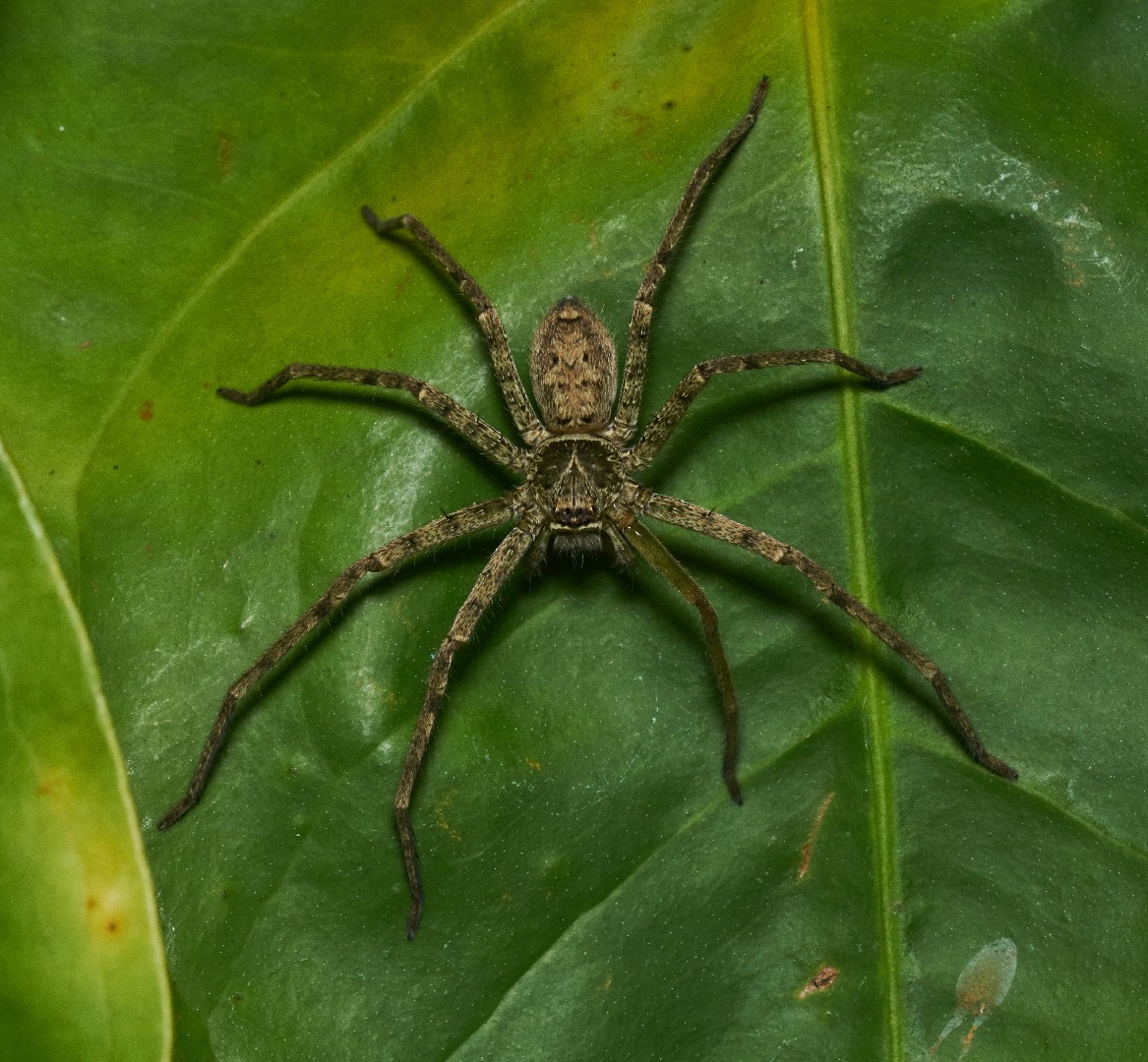
10. Giant Crab Spider
The giant Crab Spider is a large spider native to the tropics; the largest reported individual had a leg span of 30 cm. This cosmopolitan spider is highly valued in some areas, as it's able to catch cockroaches and other indoor pests. Reportedly, it hunts even scorpions and bats. This spider is venomous and sometimes bites humans, but it's considered harmless.


More







