




Top 19 Most Common Insects in Camrose
Insects, distinguished by their six-legged body structure, are an integral part of Camrose's ecosystem. The region's diverse geography - from mountain ranges to prairies, remarkably influences the insect variety. Yet, regardless of location, all types of insects - pest and beneficial alike, play crucial roles in ecological balance. Unveiling Camrose's '19 most common insects' will shed light on their respective roles, fostering a deeper understanding of our local environment.

Most Common Insects
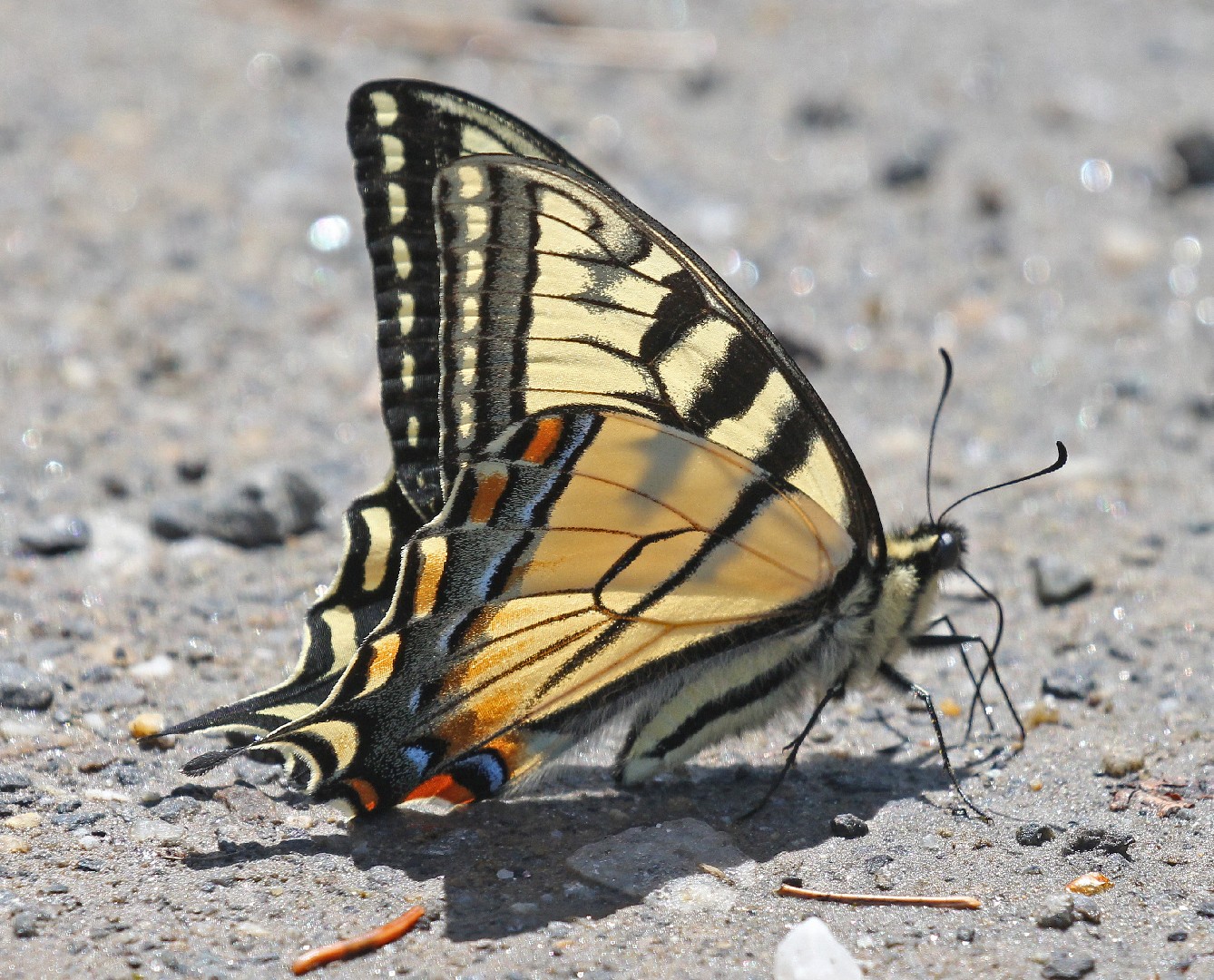
1. Canadian tiger swallowtail
The canadian tiger swallowtail (Papilio canadensis) is a beautiful insect that has earned its name by resembling tiger stripes. They are one of the most popular species when it comes to puddling, which involves butterflies splashing around in mud puddles in an attempt to get nutrients. When mothers lay their eggs, they will fold leave around them as a protective and edible shell, making them great parents.
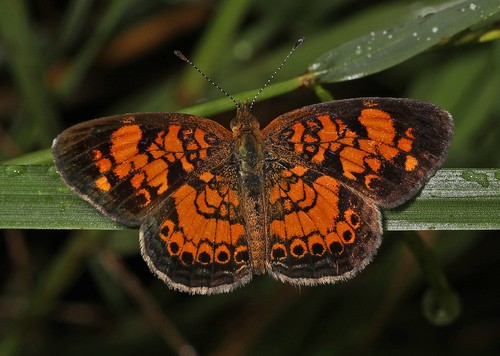
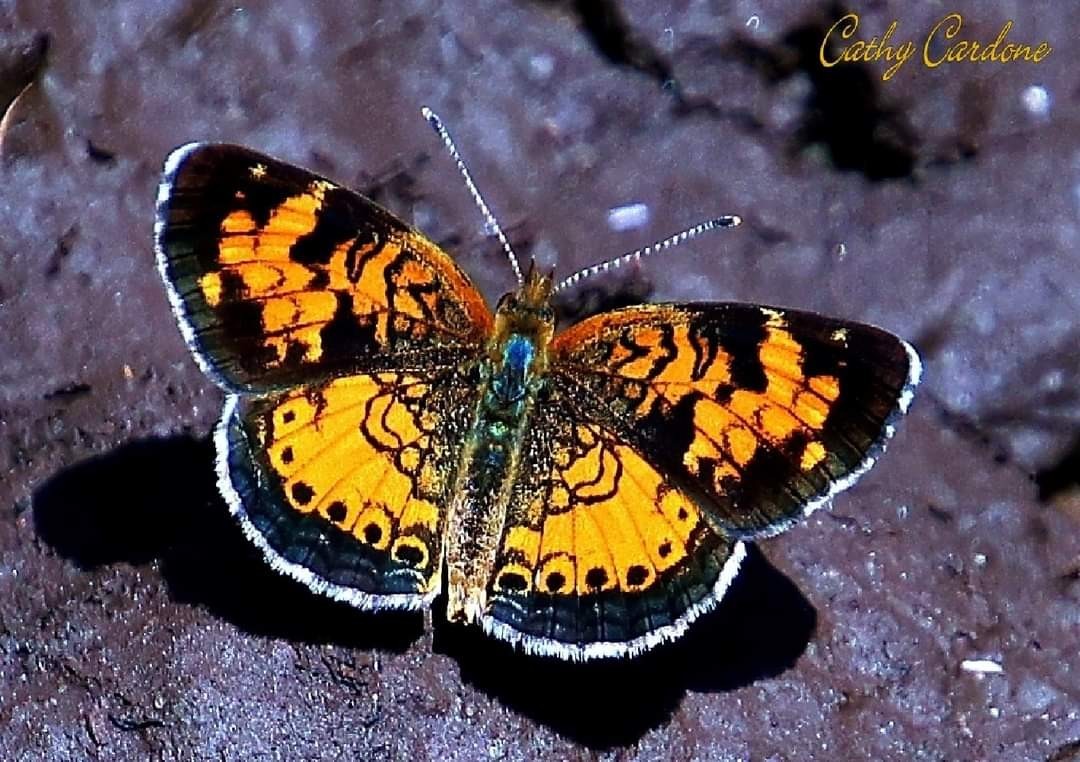
2. Pearl crescent
The pearl crescent (Phyciodes tharos) is an orange butterfly that lives in open areas that are generally moist and sunny. These butterflies are attracted to puddles, and the males will often fight with other male butterflies that land near the same puddle. However, females are not as aggressive and prefer to stay in groups.
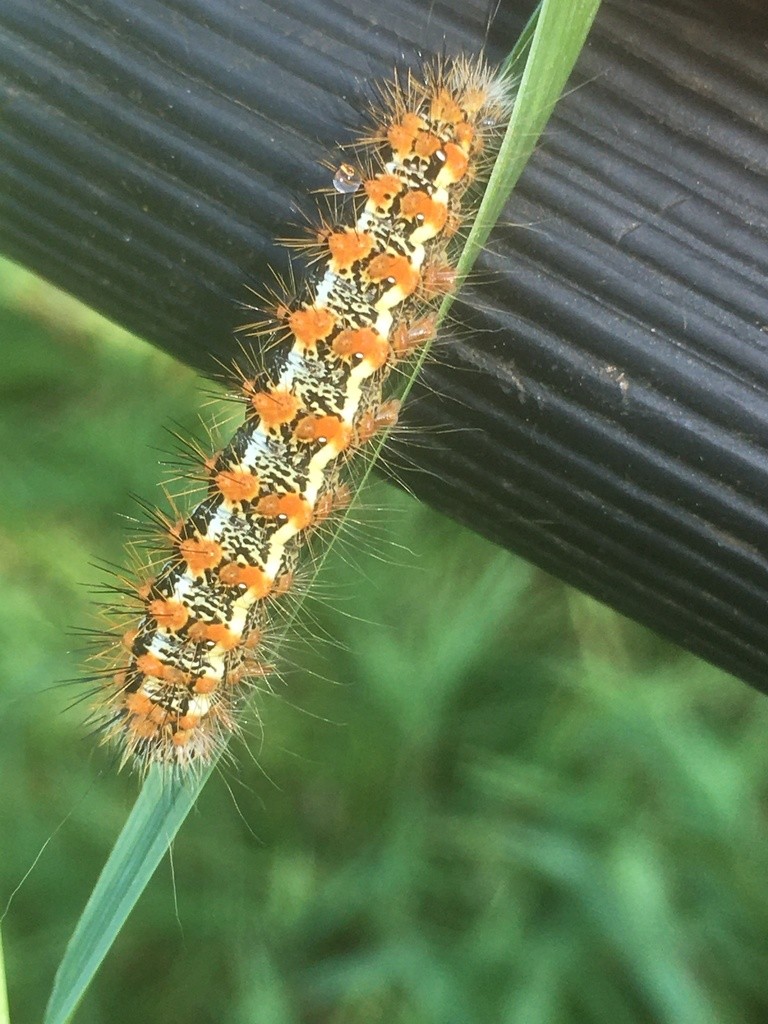
3. Cattail Caterpillar
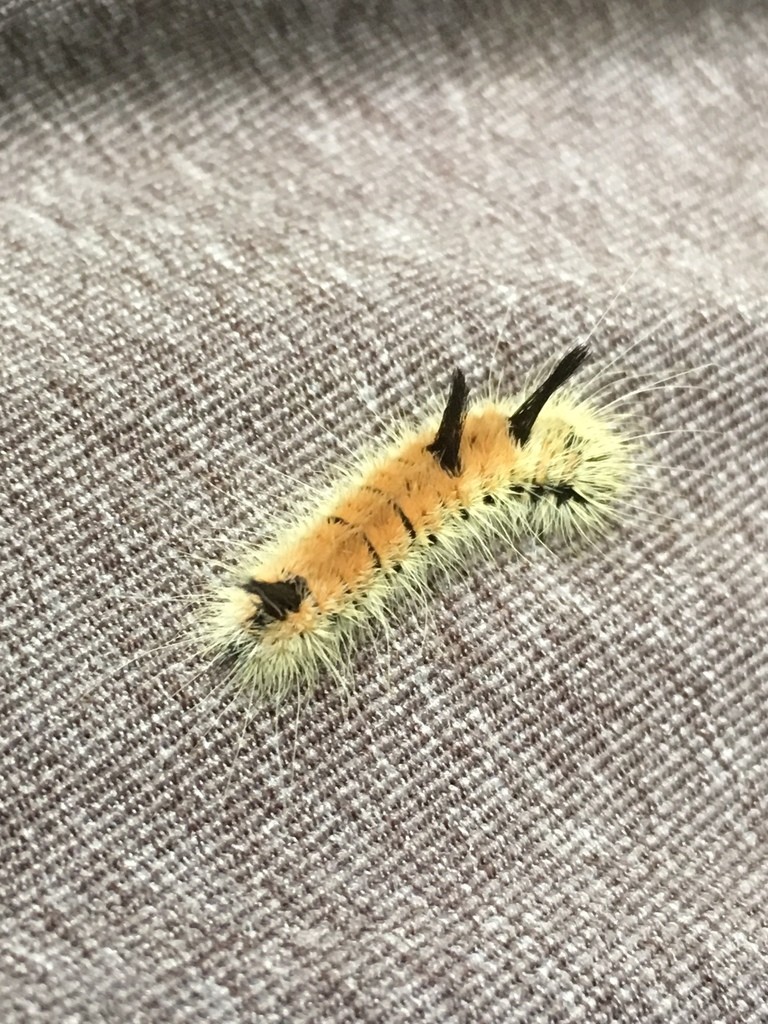
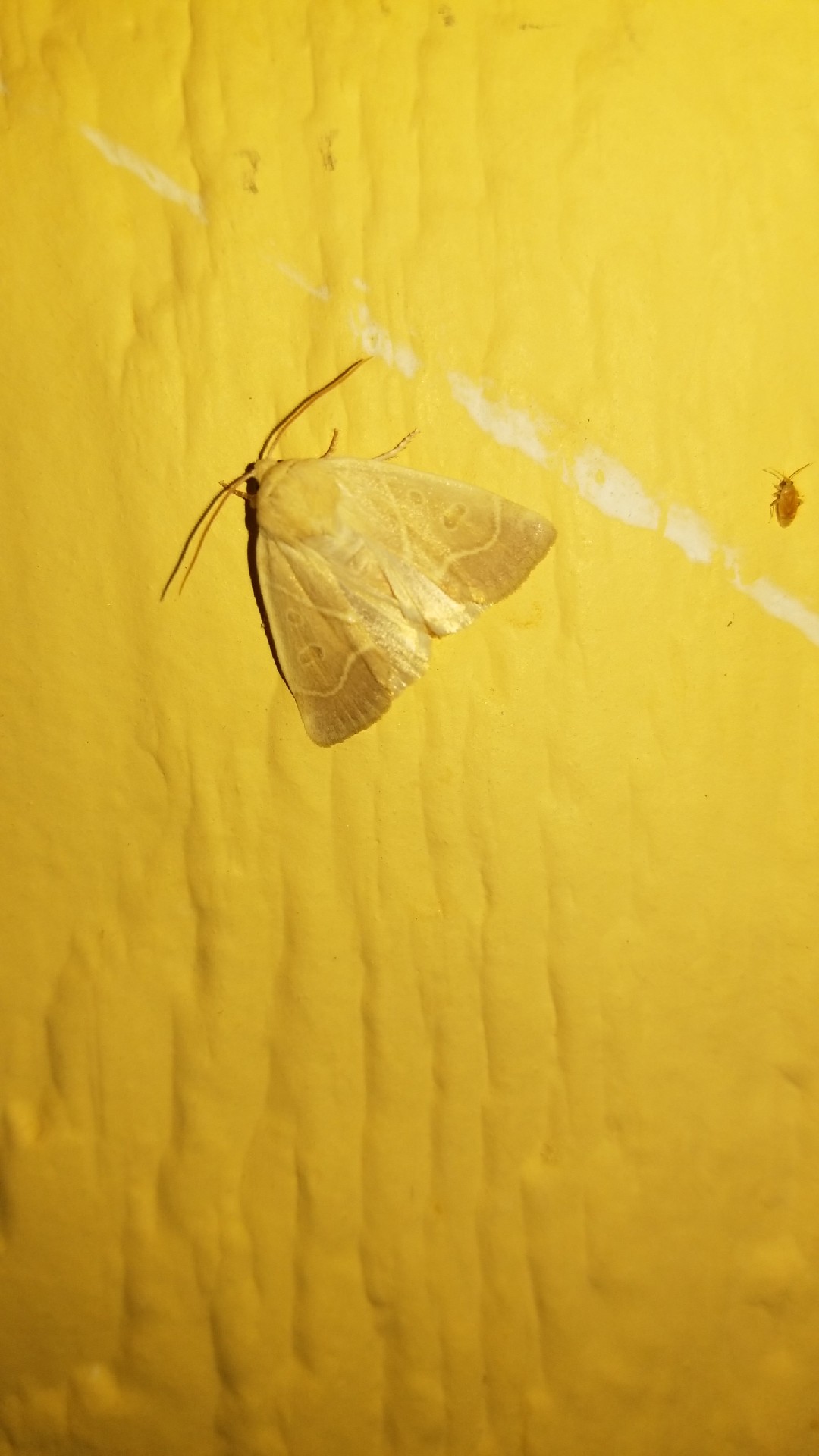
Acronicta insularis, the cattail caterpillar (when referring to the larva) or Henry's marsh moth (when referring to the adult), is a moth of the family Noctuidae. The species was first described by Gottlieb August Wilhelm Herrich-Schäffer in 1868. It is found from coast to coast throughout the United States and southern Canada (Ontario, Quebec, New Brunswick, Nova Scotia, British Columbia, Alberta, Saskatchewan and Manitoba). The wingspan is 35–40 mm. Adults are on wing from April to September. The larvae feed on Typha and Polygonum species, as well as various grasses and sedges, poplar and willow. Acronicta insularis was formerly called Simyra insularis. In 2015, the genus Simyra, along with Oxicesta and Eogena, were moved to Acronicta based on phylogenetic analysis. The MONA or Hodges number for Acronicta insularis is 9280. 
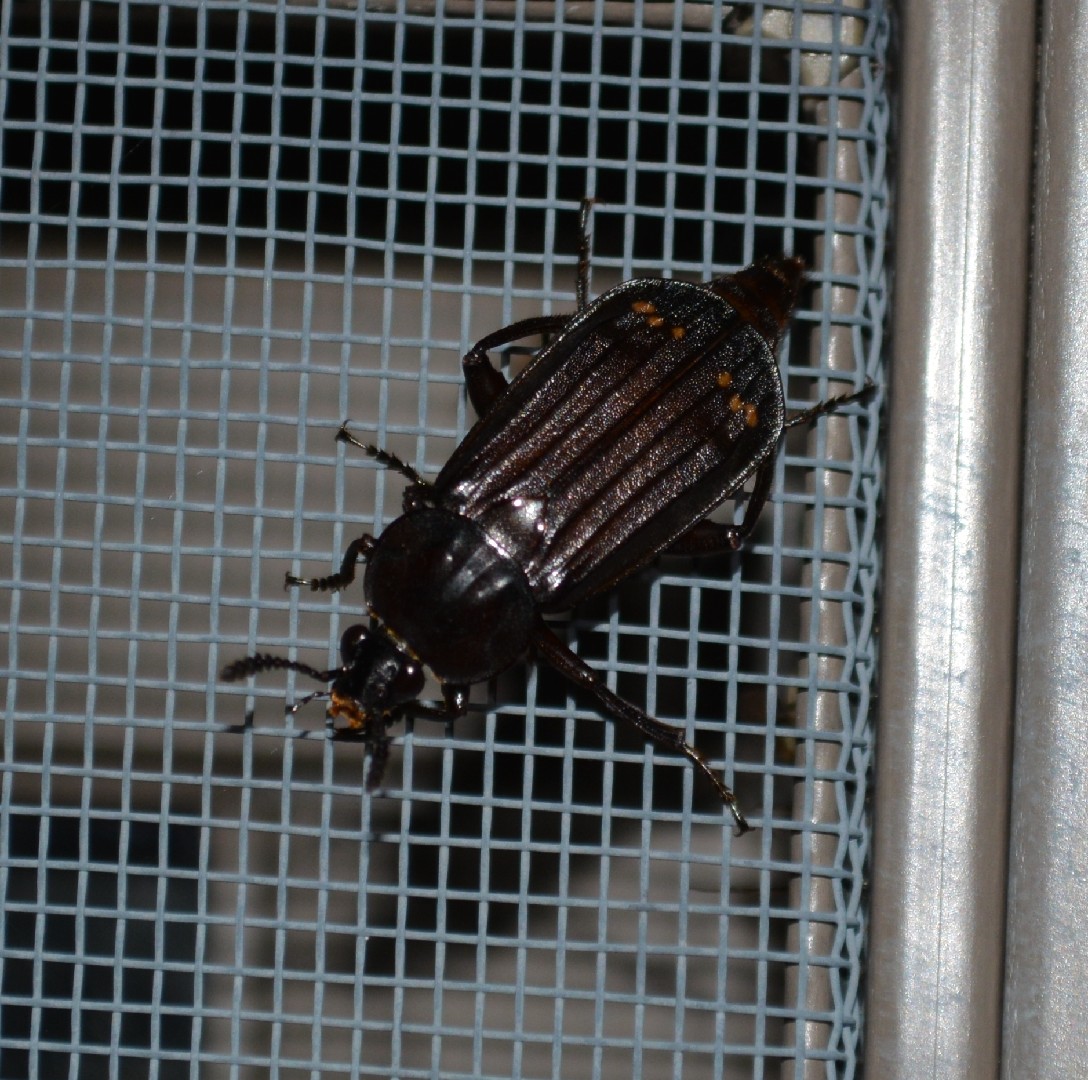
4. Red-lined carrion beetle
The red-lined carrion beetle (Necrodes surinamensis) is a nocturnal species, often attracted to lights. It's usually found near dead things, especially deceased birds. It also consumes fly larvae, which are abundant near carrion. If threatened, these bugs can release a foul-smelling chemical at all life stages.
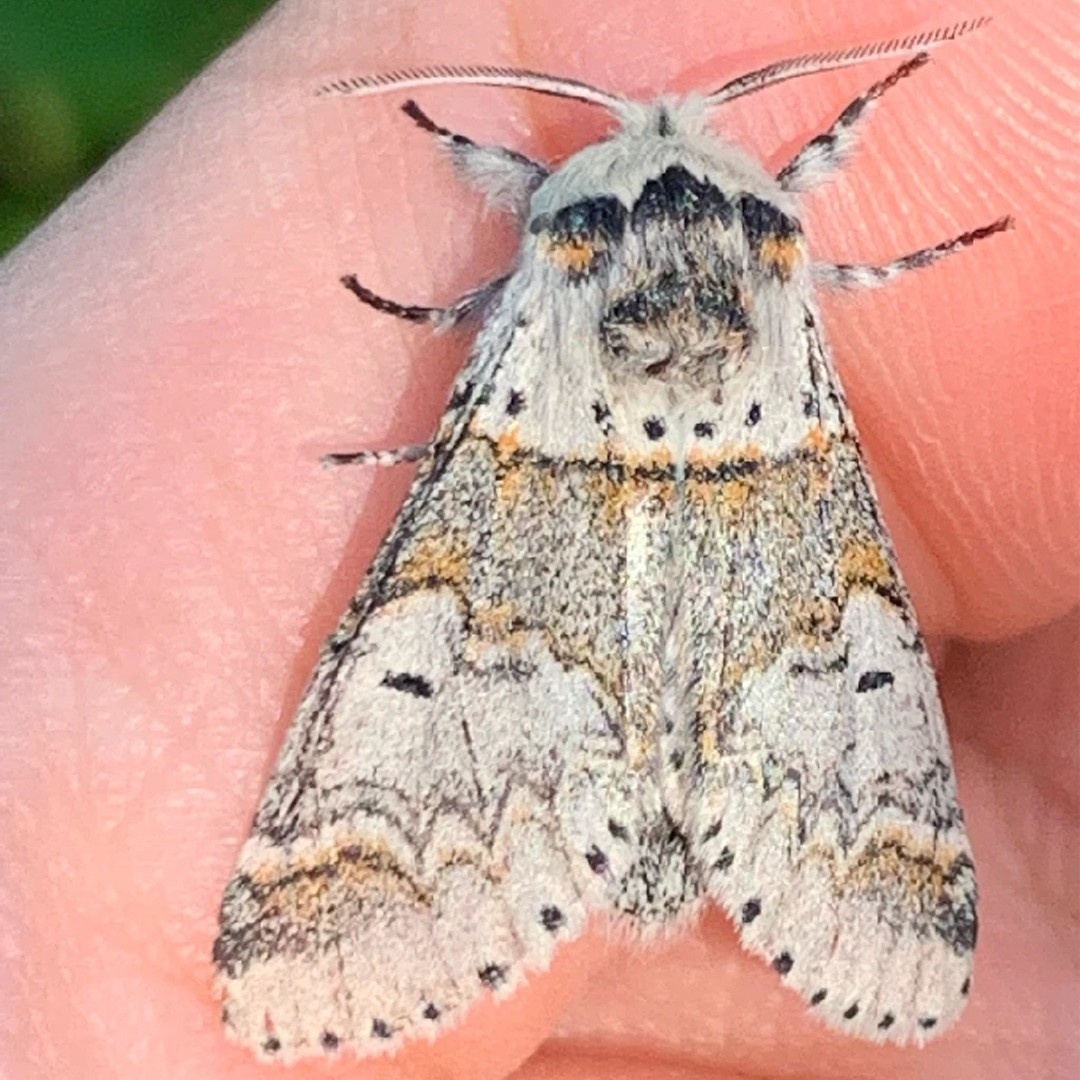
5. Sallow kitten
The sallow kitten is grey/white and has a wingspan of 27 to 35 mm. The first part of the wing has a large grey middle band. It differs from the poplar kitten (Furcula bifida) in its generally smaller size, but more especially in the shape of the black line forming the outer margin of the central band; this is always more or less angled or dentate towards the front margin of the wings, whereas, in the poplar kitten, this portion of the line forms a clean curve. The flight period ranges from April to the end of August. Depending on location the moth has one or two generations per year and is attracted to light. Ova The dark purple, hemispericle eggs are laid in batches of two or three on the upper surface of leaves in May or June and again in August. They hatch after nine days. Larva The caterpillar can grow up to 35 mm and is bright green with a purple brown marking on the saddle and can be found from May through to September. The main host plants are willow (Salix species) and occasionally aspen (Populus tremula) and other poplar (Populus species). Larvae can be found on small isolated moorland bushes. Pupa Before pupation the larva hollows out a recess. The pupa is dark purple-brown and pupation takes place in a tough cocoon constructed from a mixture of chewed wood-pulp and silk.
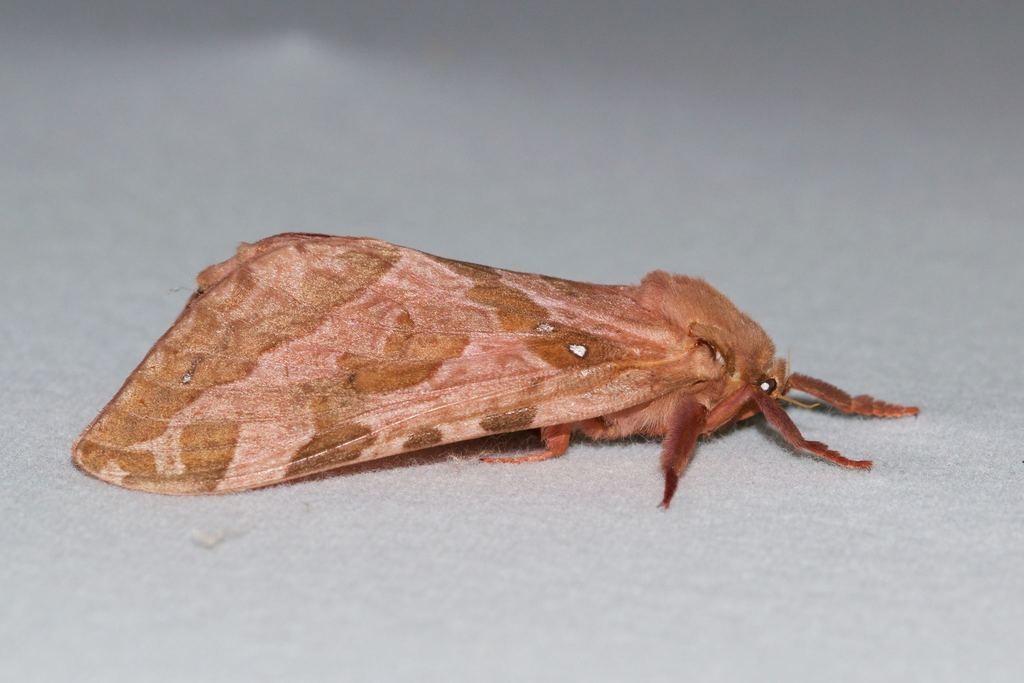
6. Four-spotted ghost moth
Sthenopis purpurascens, the four-spotted ghost moth, is a species of moth of the family Hepialidae. It was described by Packard in 1863. It is found in Canada and the United States, from Labrador and New York north and west to British Columbia and the Northwest Territories, south in the mountains to Arizona. The wingspan is 66–100 mm. There are two color forms, a purple-grey and a yellow-brown form. The latter was previously thought to be a separate species, Sthenopis quadriguttatus. The forewings have a darker oblique median band, a darker terminal area and darker spots along the costa. There are two small, silver spots near the wing base. The hindwings are purple brown or salmon pink and generally unmarked. The larvae feed on Populus, Salix and Alnus species. They bore into the roots of their host plant. The larvae have a cream-white body and brown head and reach a length of 50–60 cm. They need two years to complete their lifecycle
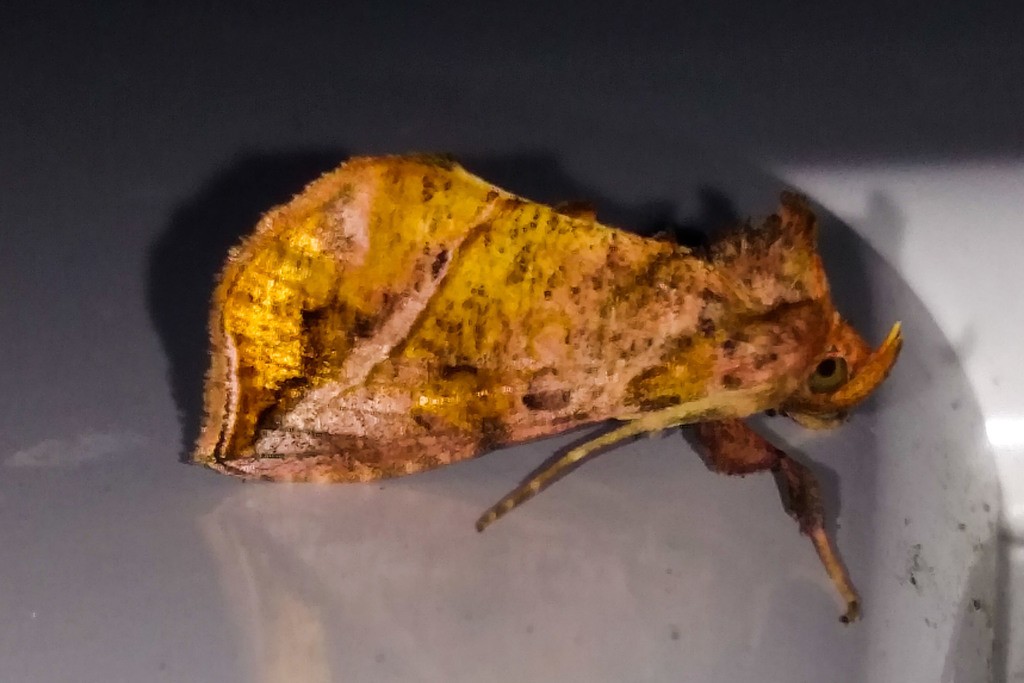
7. Straight-lined looper moth
Pseudeva purpurigera, the western straight-lined looper, is a moth of the family Noctuidae. The species was first described by Francis Walker in 1858. It is found in the Rocky Mountains from south-west Alberta to New Mexico and east to New England and Newfoundland. The wingspan is 28–34 mm. Adults are on wing from July to August depending on the location. There is one generation per year. The larvae feed on Thalictrum.
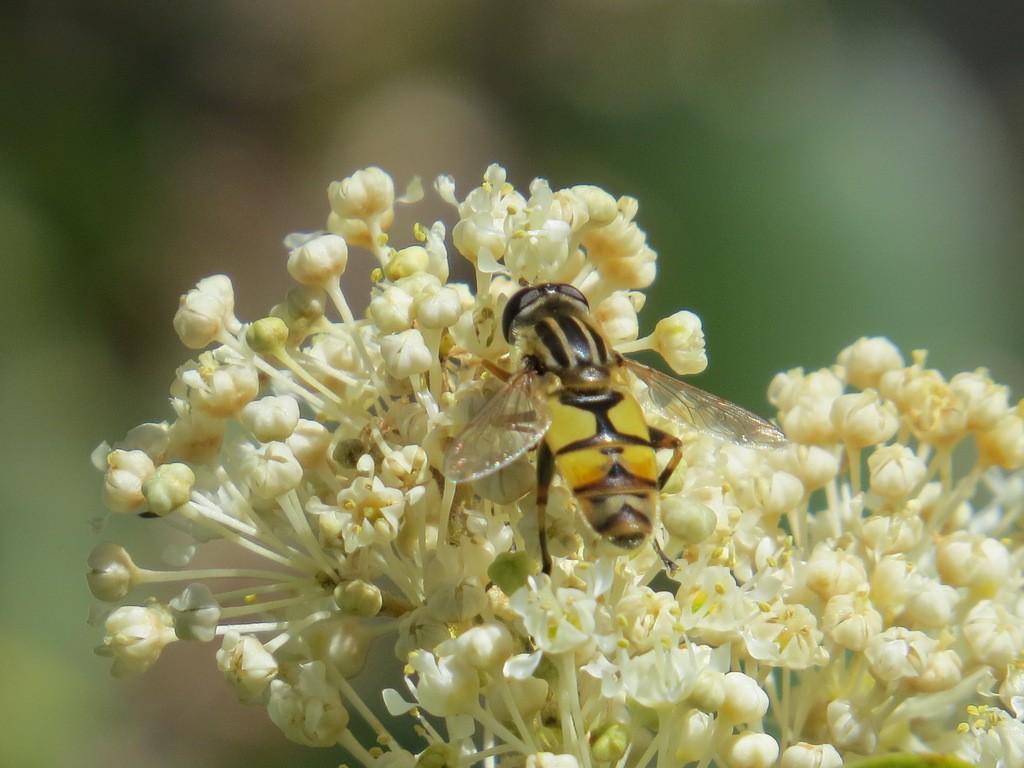
8. Broad-headed marsh fly
Helophilus latifrons is a species of syrphid fly in the family Syrphidae.
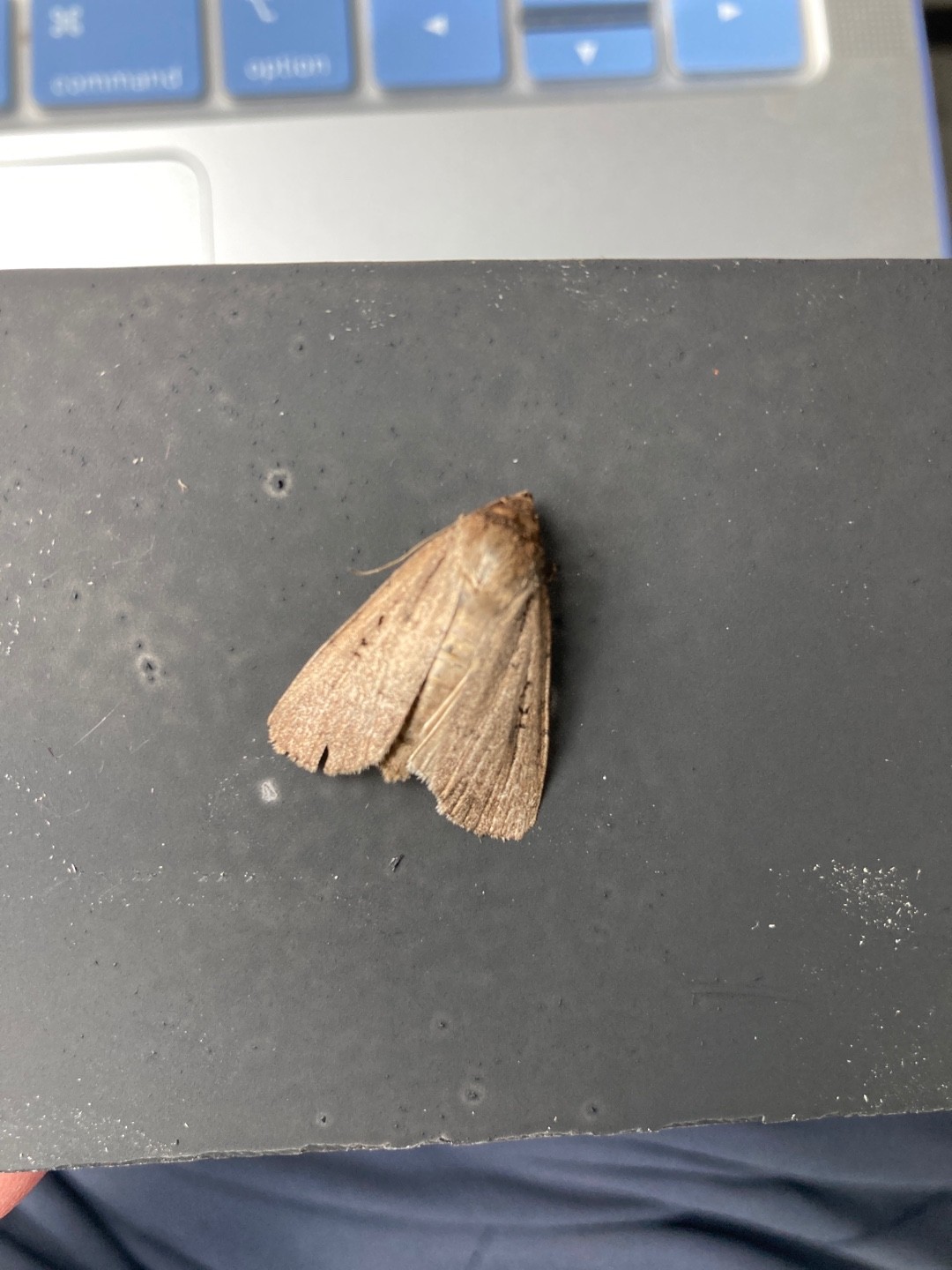
9. Clandestine dart
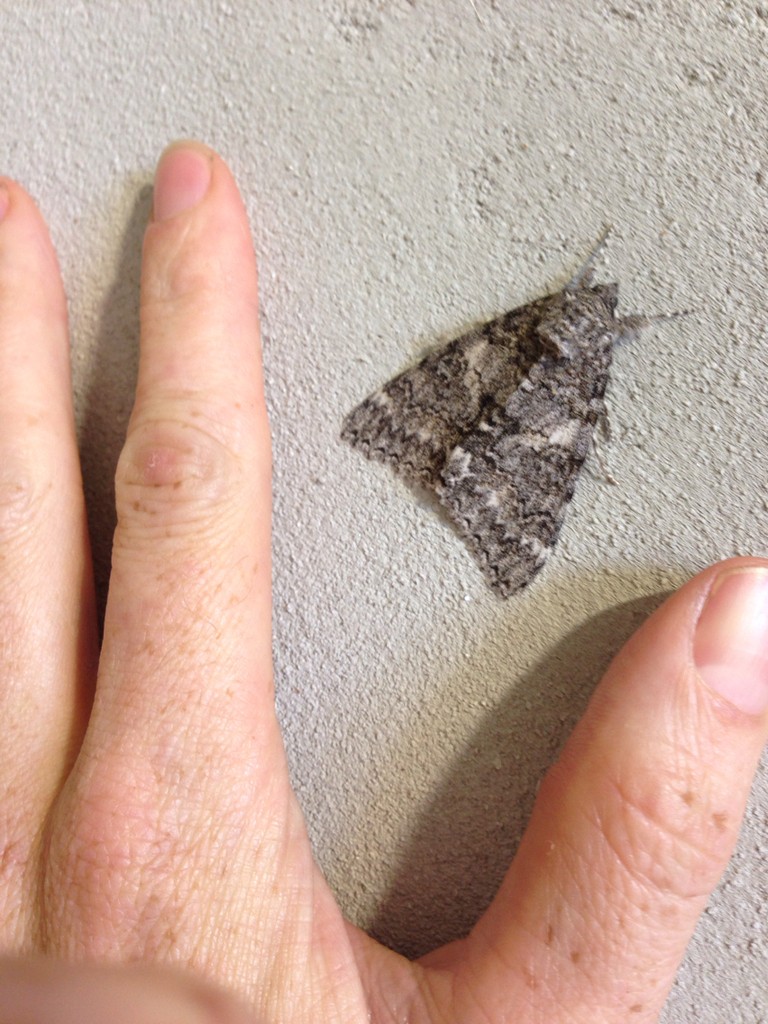
The clandestine dart or w-marked cutworm (Spaelotis clandestina) is a moth of the family Noctuidae. It is found from coast to coast across Canada to southern Alaska, and in the eastern United States from Maine to western North Carolina, west to northern Ohio to North Dakota, South Dakota, Nebraska, and down the Rocky Mountains from Montana to southern Arizona. The wingspan is about 38 mm. Adults are on wing from May to October. The larvae are a pest on a variety of trees, shrubs, and herbaceous plants, including Vaccinium, Acer, Pinus, Fabaceae, Brassica oleracea, Zea mays, Malus and Fragaria.
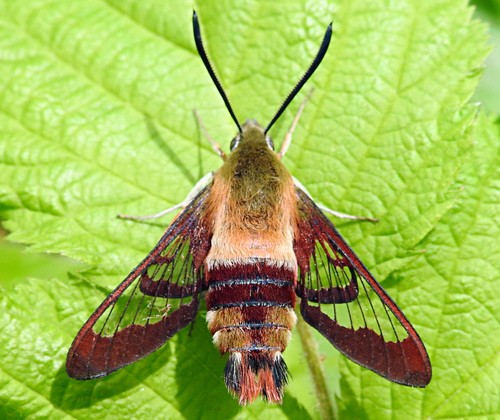
10. Hummingbird clearwing
The hummingbird clearwing (Hemaris thysbe) not only looks like a hummingbird, but it also hovers near flower to suck nectar. So, these insects are most commonly found in gardens, meadows, and forests, and they can migrate long distances. The adults benefit the environment by pollinating flowers, but the larvae are often pests for tobacco and tomato plants.
More







