




Top 20 Most Common Insects in Leduc
Insects, distinguished by their six-legged body structure, are an integral part of Leduc's ecosystem. The region's diverse geography - from mountain ranges to prairies, remarkably influences the insect variety. Yet, regardless of location, all types of insects - pest and beneficial alike, play crucial roles in ecological balance. Unveiling Leduc's '20 most common insects' will shed light on their respective roles, fostering a deeper understanding of our local environment.

Most Common Insects
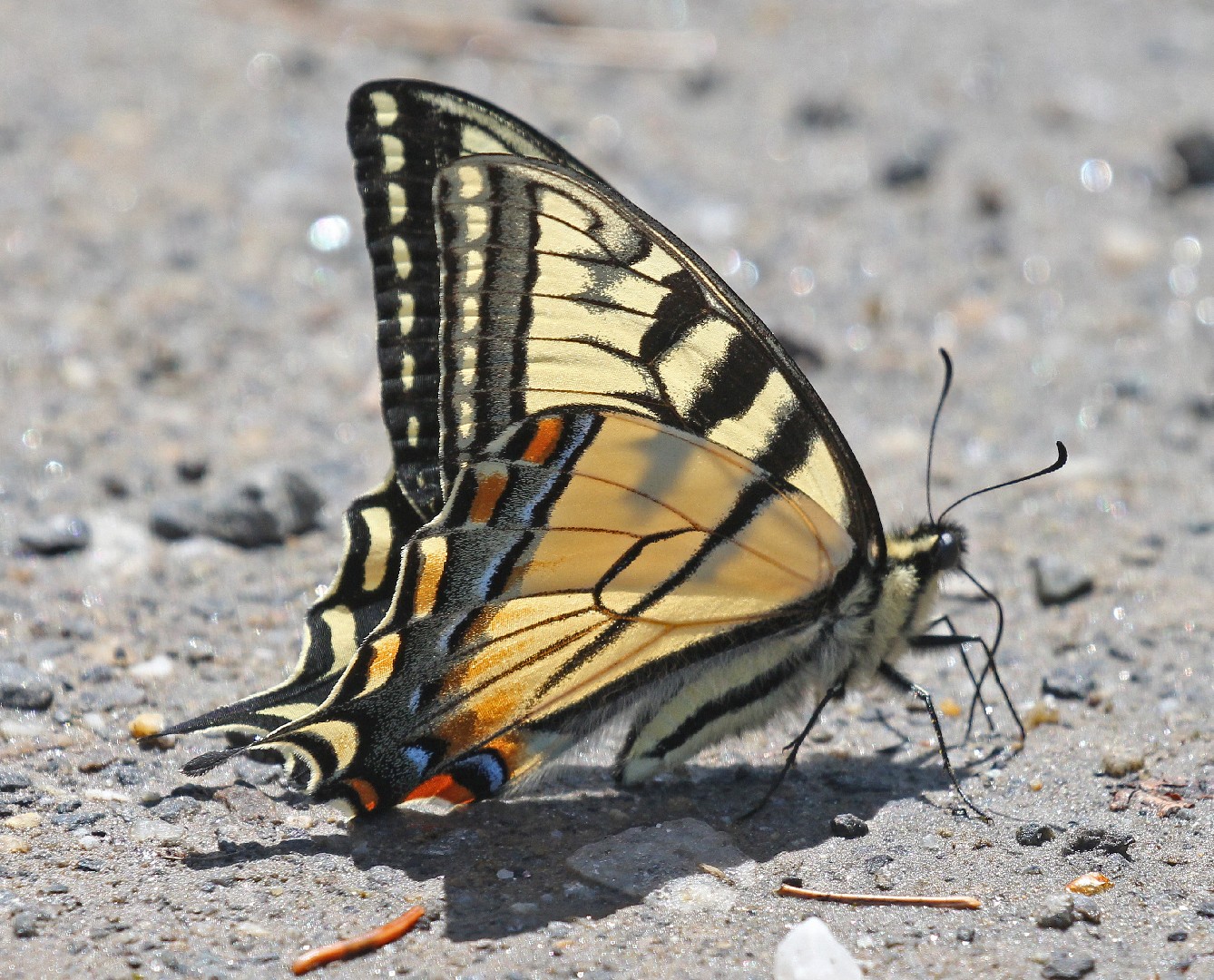
1. Canadian tiger swallowtail
The canadian tiger swallowtail (Papilio canadensis) is a beautiful insect that has earned its name by resembling tiger stripes. They are one of the most popular species when it comes to puddling, which involves butterflies splashing around in mud puddles in an attempt to get nutrients. When mothers lay their eggs, they will fold leave around them as a protective and edible shell, making them great parents.
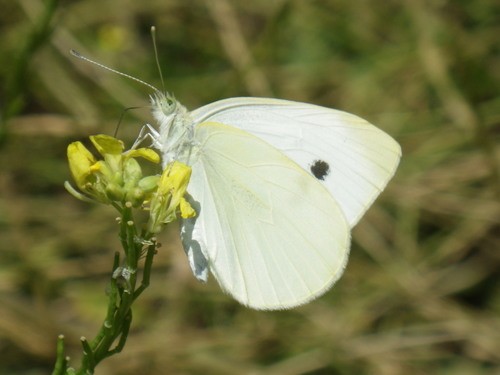
2. Cabbage white
Cabbage white (Pieris rapae) derives its common name from its habits as a caterpillar, which is a ferocious pest for cabbage, kale and broccoli farmers. In North America, it is one of the first butterflies to emerge in spring, heralding the beginning of the season.
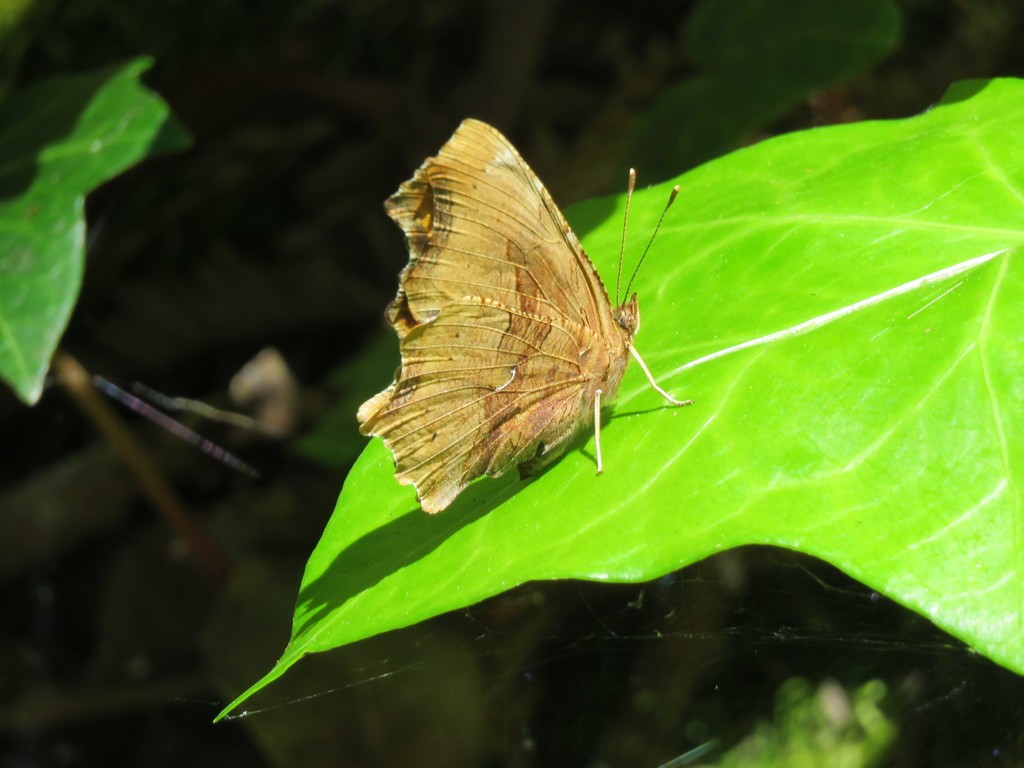
3. Satyr comma
Polygonia satyrus (Syn: Nymphalis satyrus) is a butterfly (butterfly) of the family Nymphalidae, which occurs in North America.
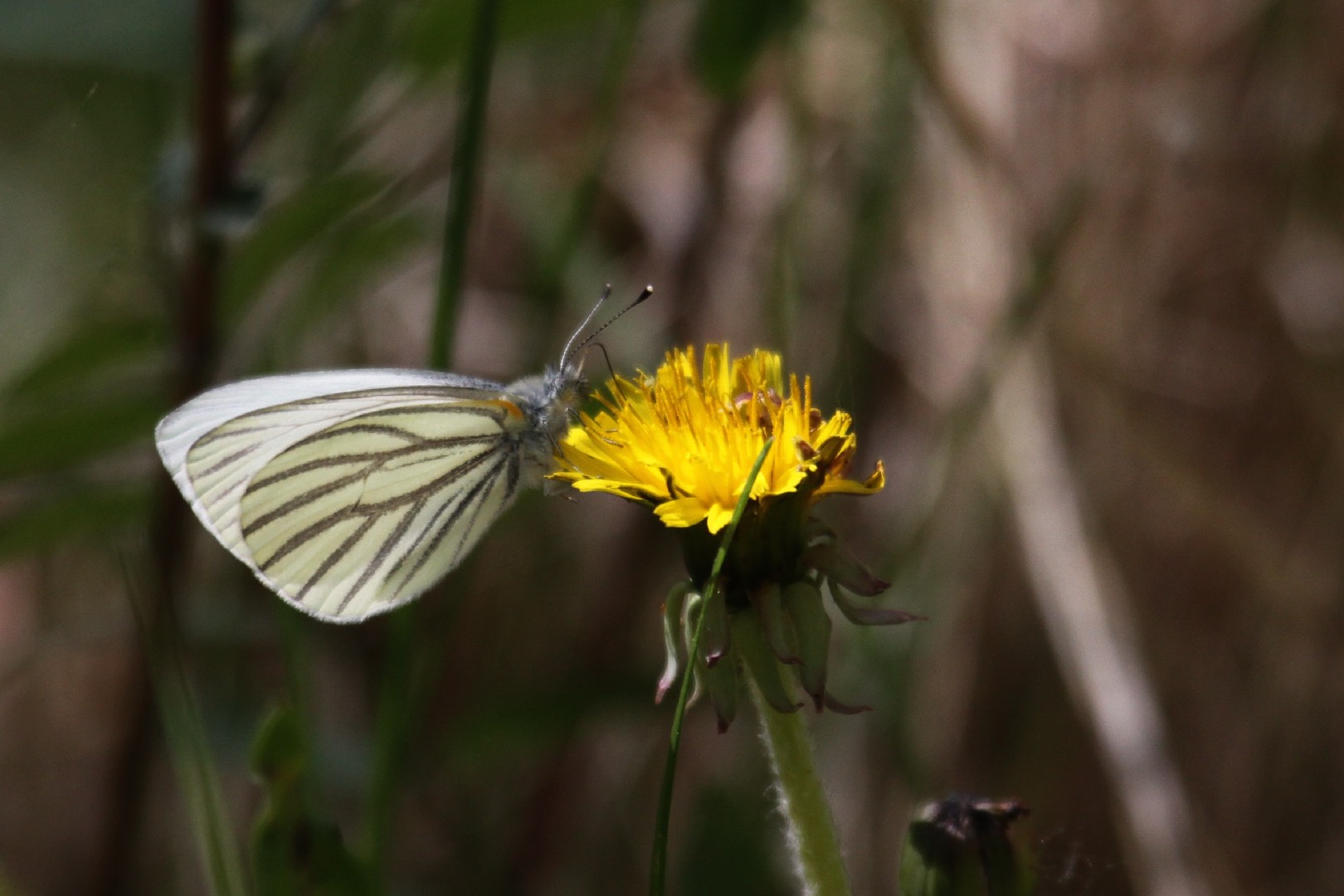
4. Mustard white
Pieris oleracea larvae are yellow and shaped like cones, with vertical ridges. Larvae that are mature have many black spots with a green body, dark dorsal stripe, and short, dense hairs. The pupae can range in color from brown to white to green, and have dorsal and apical projections. There are two seasonal forms of the butterfly, one for spring and one for summer. Above the wings, the butterfly is entirely white, which a small patch of black scales at the tips of the wings. A feature that differentiates this species from other similar species is the green or yellow markings on the underside of the hind wings that run along the veins. In the spring, the green markings are very apparent, and can be seen from the top side of the wing. In the summer, the wing appears almost entirely white, as the markings on the underside of the wing and the black tips are fainter. 
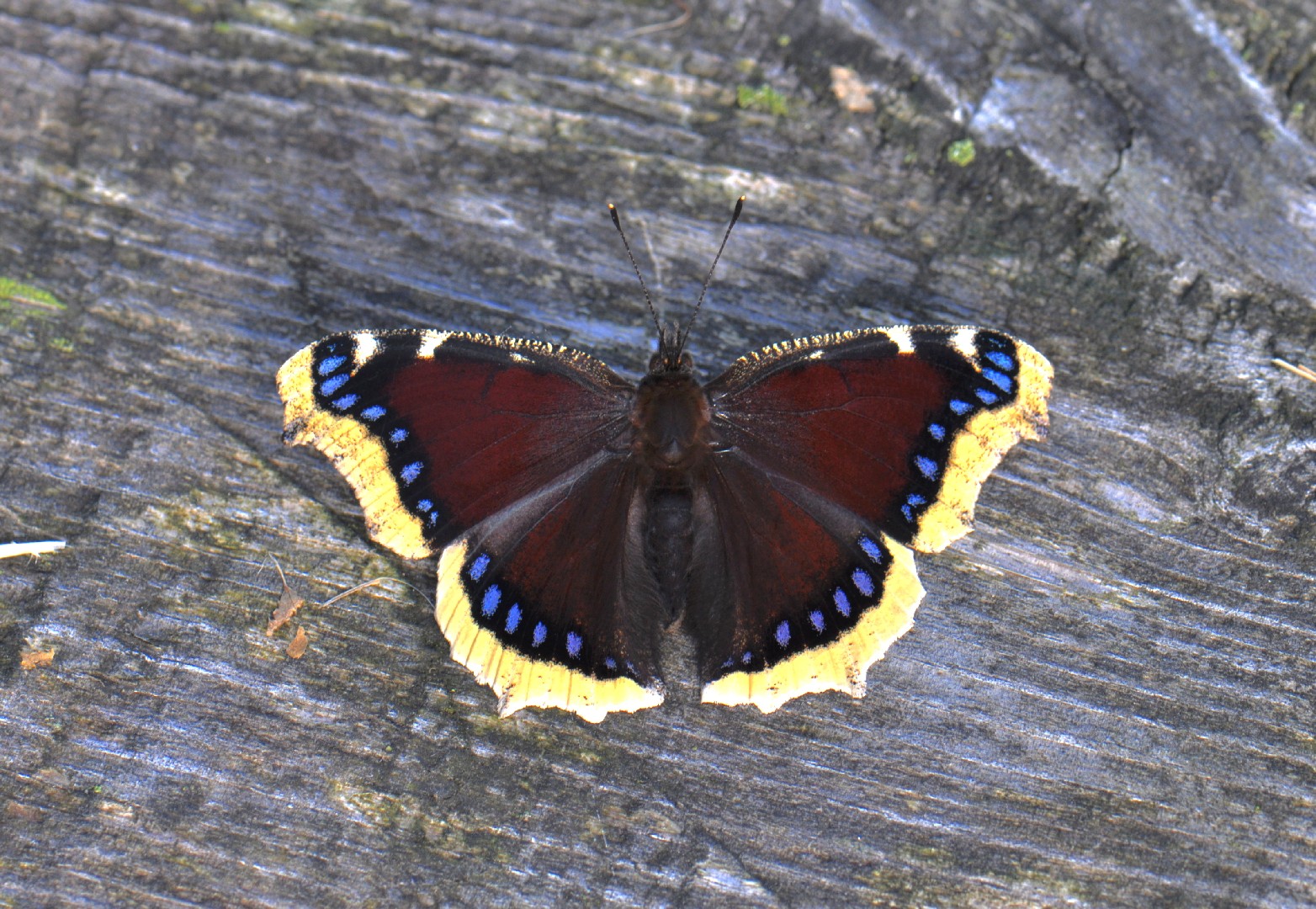
5. Mourning cloak
The state insect of Montana, mourning cloak (Nymphalis antiopa) owes its name to a visual comparison with a girl who, disliking mourning, allows a few inches of color to show from under her mourning garb. Among the longest-lived butterflies, individuals may persist for as long as eleven to twelve months. It is a powerful flier, with vagrants often found many miles from the usual migration paths.
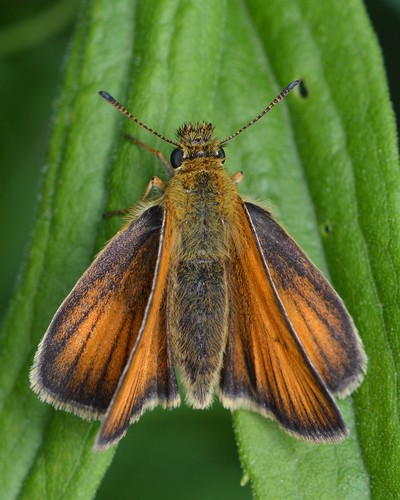
6. Essex skipper
With a wingspan of 2.5 - 3 cm, it is very similar in appearance to the small skipper Thymelicus sylvestris. They can be told apart by the undersides of the tips of their antennae: the essex skipper's antennae are black, whereas those of the small skipper are orange.
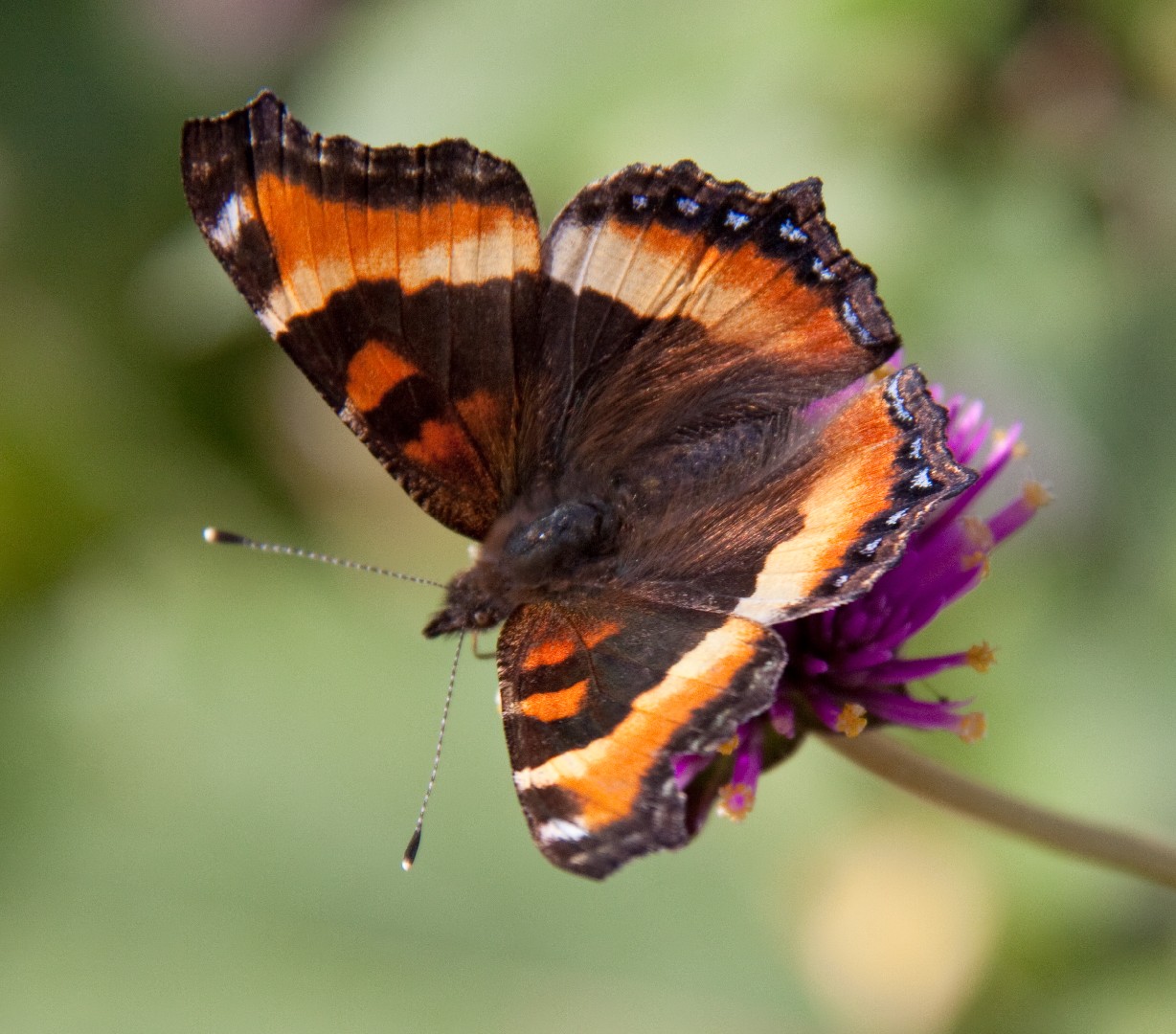
7. Milbert's tortoiseshell
Milbert's tortoiseshell (Aglais milberti) is a beautiful butterfly that is identified with their black coloring. The upperside of them is anywhere from red to brown and often fades into white. They are the only species under the Tortoiseshell butterflies that occur in North America.
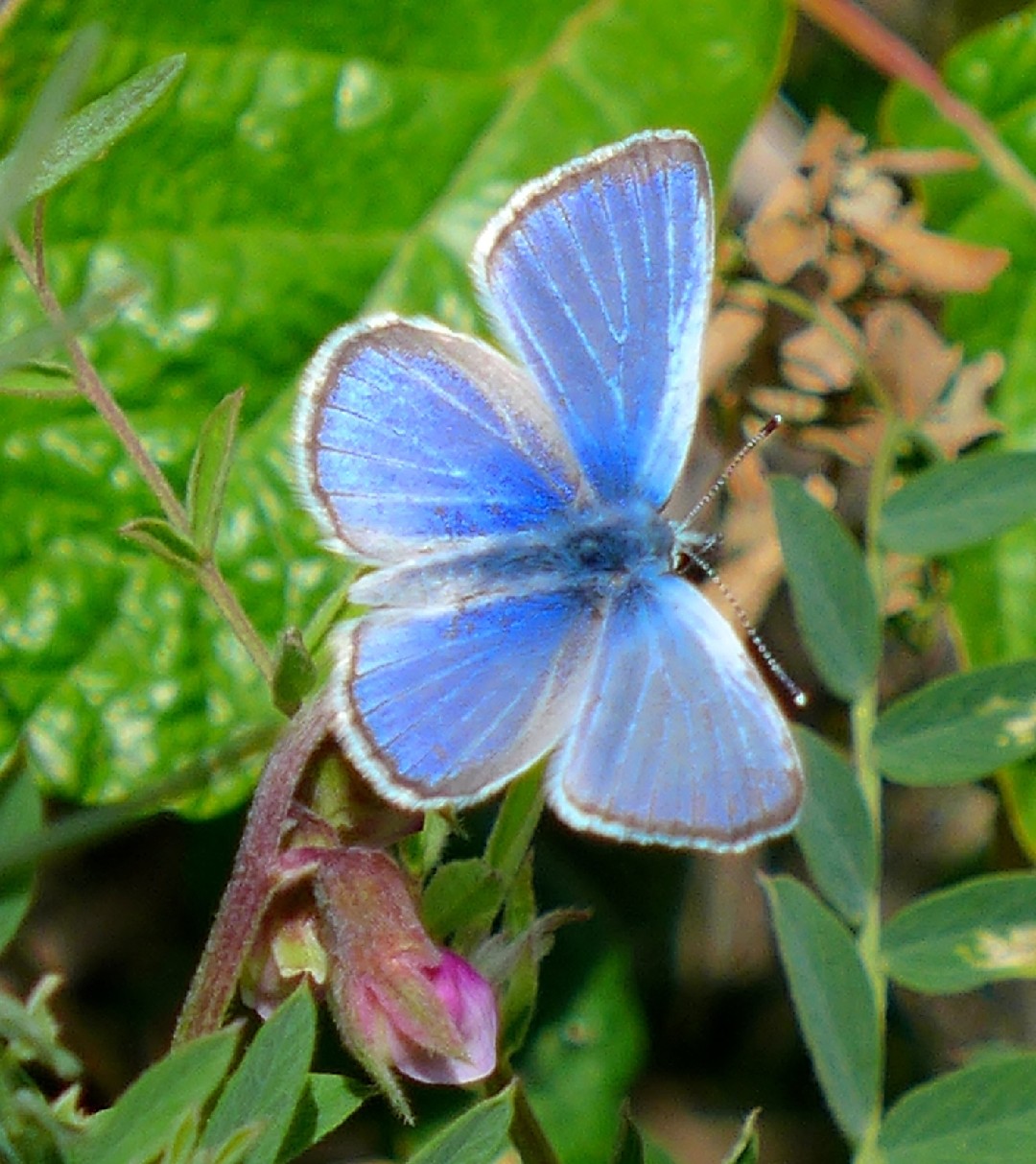
8. Silvery blue
Its upperside is a light blue in males and a dull grayish blue in females. The underside is gray with a single row of round spots of differing sizes depending upon the region. Wingspan is from 1.8 - 3 cm.
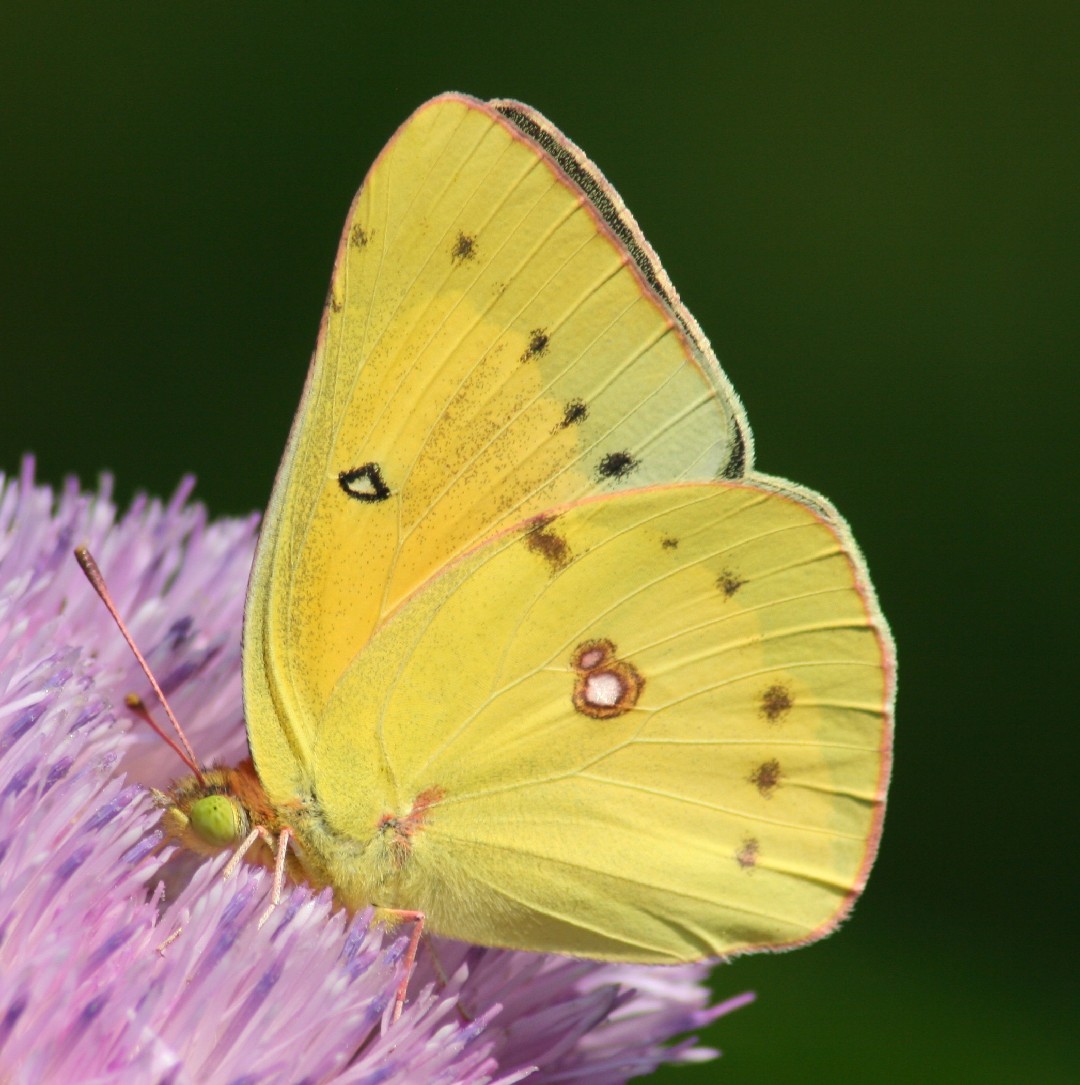
9. Clouded Sulphur
The scientific name is Colias philodice, also known as the clouded Sulphur. It is very commonly seen in North America with pale yellow wings, which have solid black borders on the upper surface and a doubled hindwing spot trimmed in brownish red. Interestingly, the wing color of the clouded Sulphur varies in a seasonal manner from white to yellow and the spots on the wings also change as well, being more pronounced during the cool months in spring and fall.
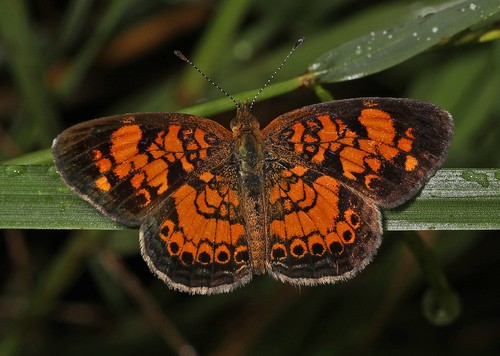
10. Pearl crescent
The pearl crescent (Phyciodes tharos) is an orange butterfly that lives in open areas that are generally moist and sunny. These butterflies are attracted to puddles, and the males will often fight with other male butterflies that land near the same puddle. However, females are not as aggressive and prefer to stay in groups.
More







