




Top 18 Most Common Insects in Inner Mongolia
Insects, nature's intriguing microcosms, flaunt an astonishing diversity, particularly in Inner Mongolia where varying landscapes dramatically influence their distribution. Underestimated as might be, insects are pivotal for ecosystem balance, fulfilling roles from being nuisances to beneficial agents. This list will introduce you to the 18 most common insects of Inner Mongolia, helping you appreciate both the beauty and importance of these miniature marvels.

Most Common Insects
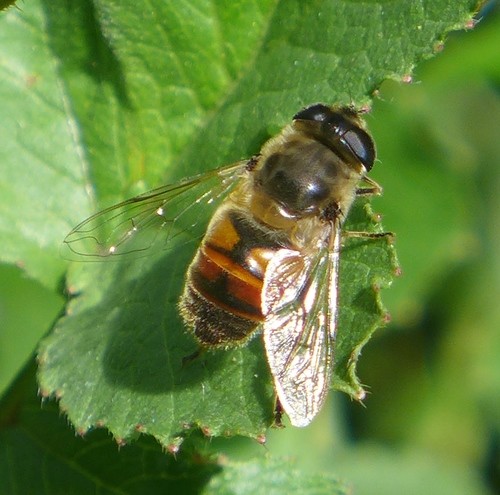
1. Common drone fly
Common drone fly (Eristalis tenax) is the most common hoverfly worldwide. Noted for its remarkable adaptability, it has spread to every continent other than Antarctica and even survives in the frigid Himalayas. It is territorial and will attack any other species that ventures into its chosen territory, and it is apt to dwell within this area for the rest of its life.
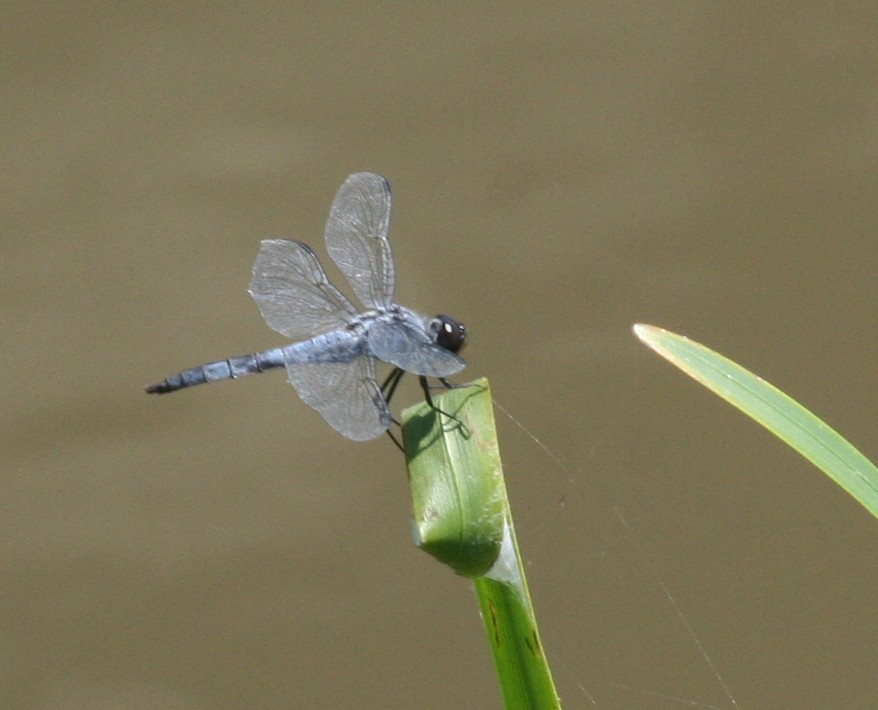
2. Deielia phaon
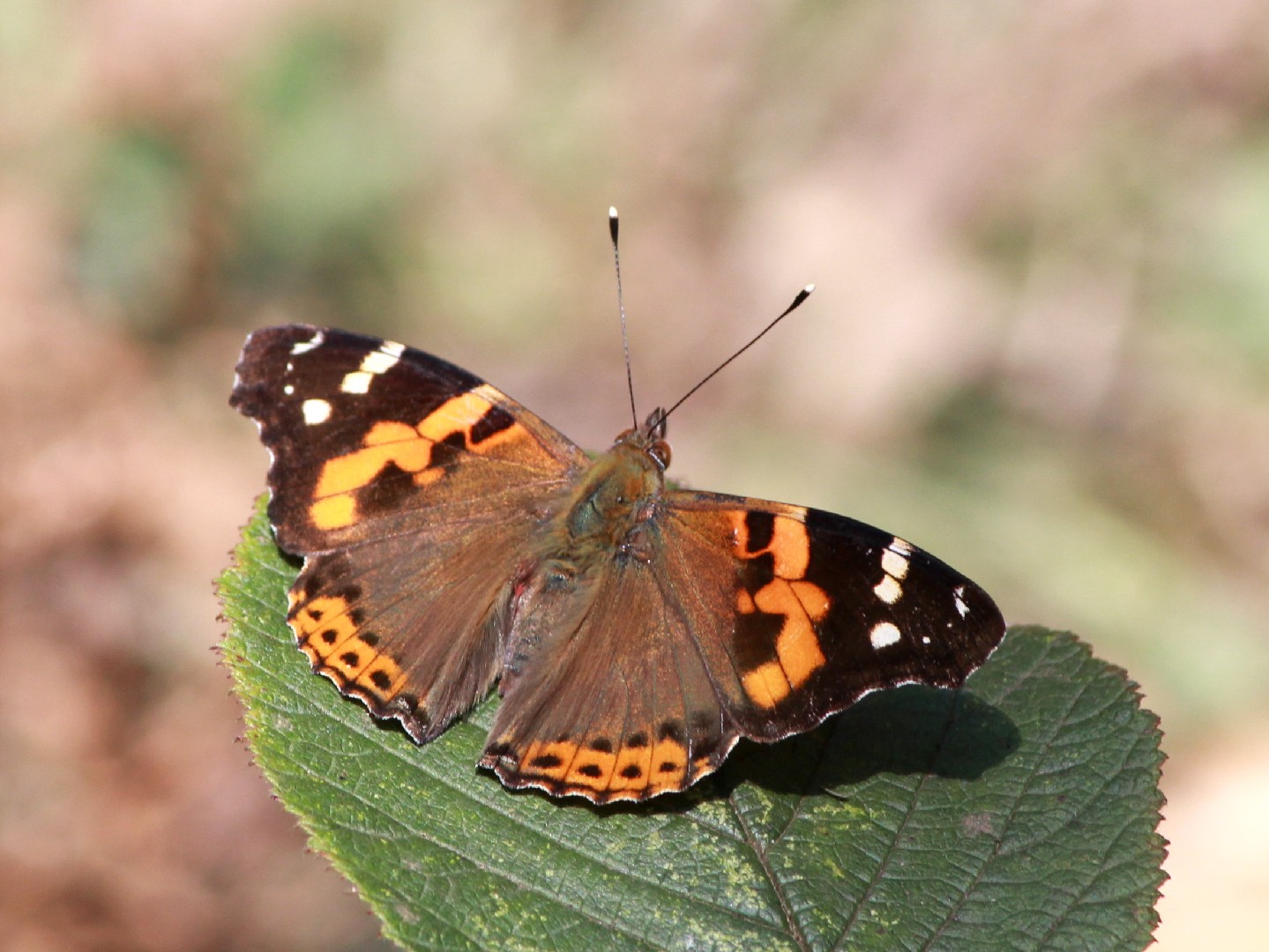
3. Indian red admiral
The indian red admiral (Vanessa indica) is one of the most common butterflies. Any red butterfly you see when hiking or camping is probably an indian red admiral. It is a frequent visitor to garden flowers, although it likes rotten fruit, tree sap, and bird droppings even more than beautiful, fragrant flowers.
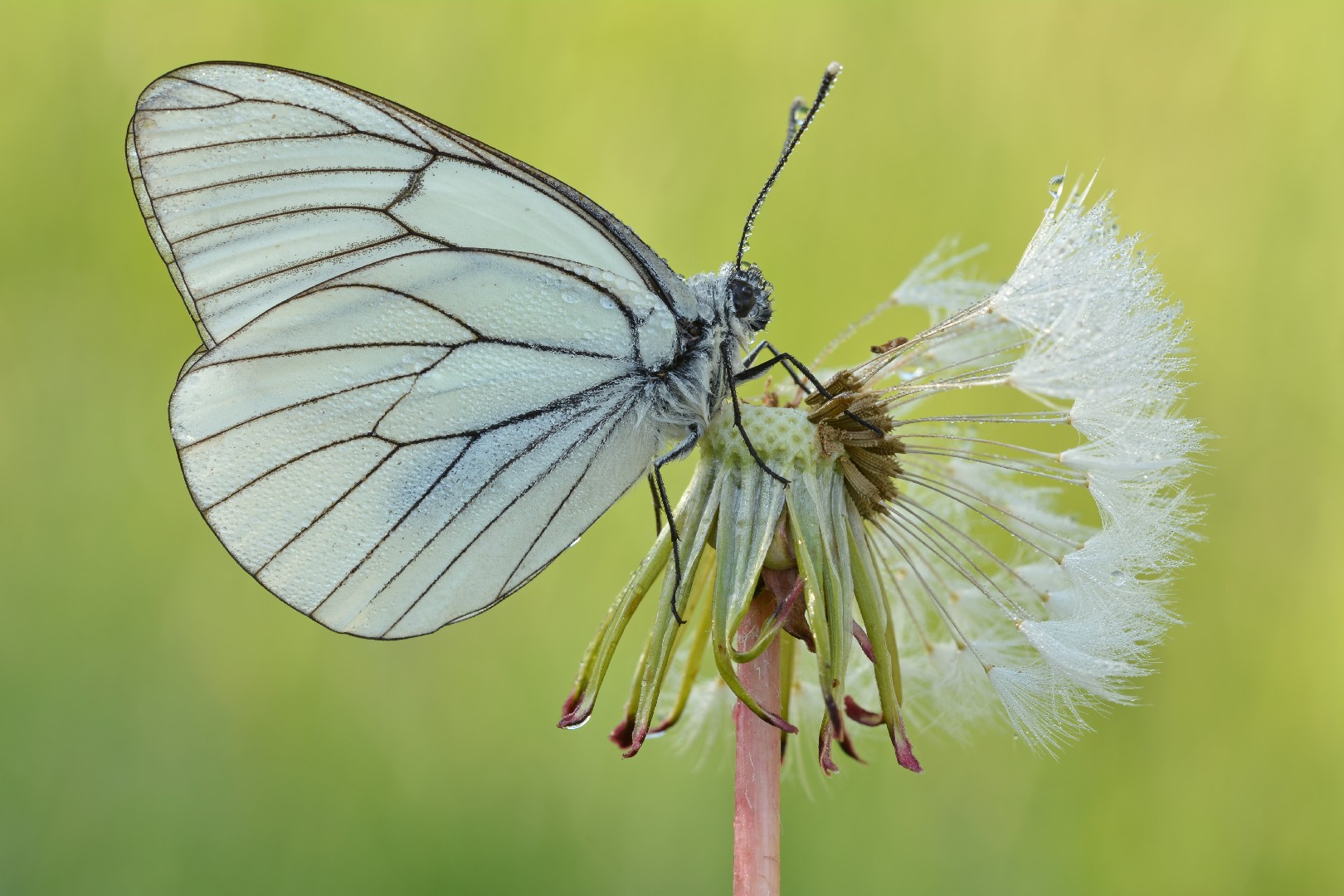
4. Black-veined white
The black-veined white has a wingspan of 5 - 7 cm. Females are commonly larger than males. The upperside of both forewings and hindwings is a translucent white boldly veined with black. The underside is similar in the male but the female has brown veining. Moreover, the female loses most of her scales by rubbing her wings together, resulting almost-transparent. This butterfly can be distinguished from other members of white butterflies of the genus Pieris by its distinctive veined wings. The eggs are yellow at first, darkening with age. The caterpillars are greenish grey with transverse banding. The pupa is creamy white, marked with black, attached by a silken girdle to a twig. 
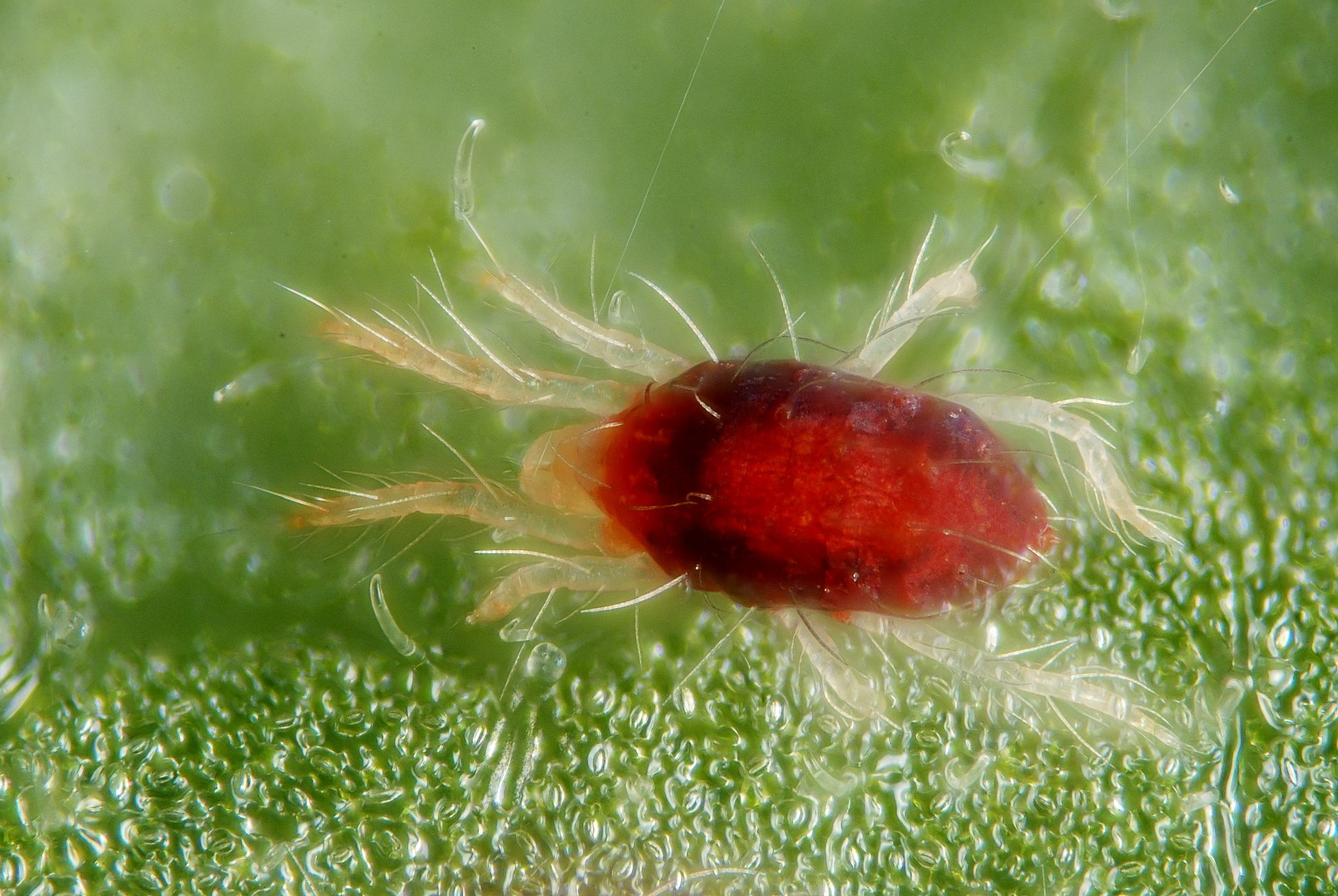
5. Two-spotted spider mite
The two-spotted spider mite is a pest insect in the United States, even in colder climates where it invades greenhouses. The insect is often found underneath plant leaves, where it uses its needle-like mouth to pierce the foliage. The insect can also damage flowers. It spins a fine web as its feeds, aiding the plant damage.
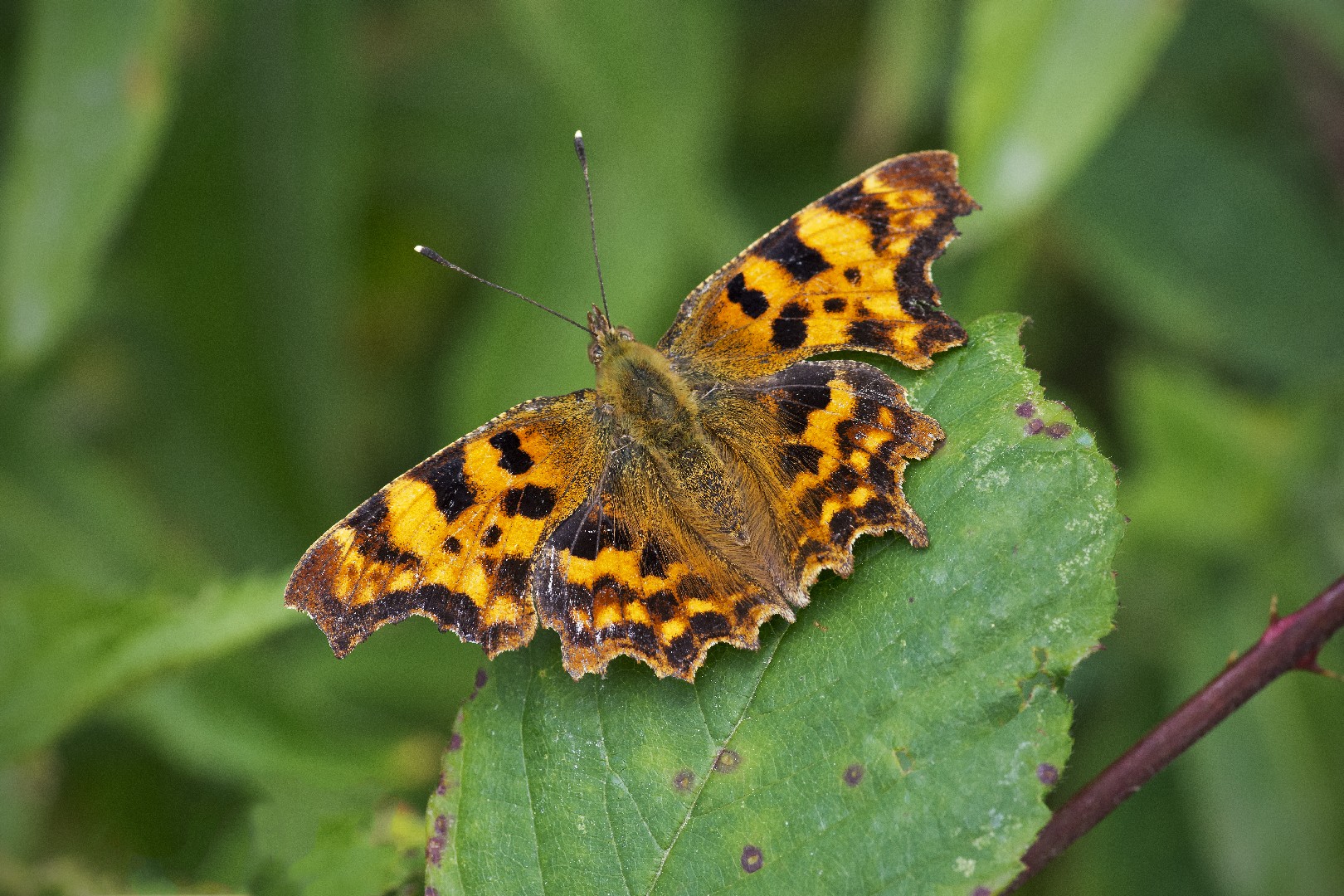
6. Comma butterfly
The silver, comma-shaped marked on the butterfly’s wings give it the common name the Comma. It is a common butterfly in southern Britain that was once on the verge of extinction in the 1930s. The butterflies are often found at the edge of forests, close to meadows with plenty of nectar-rich wildflowers.
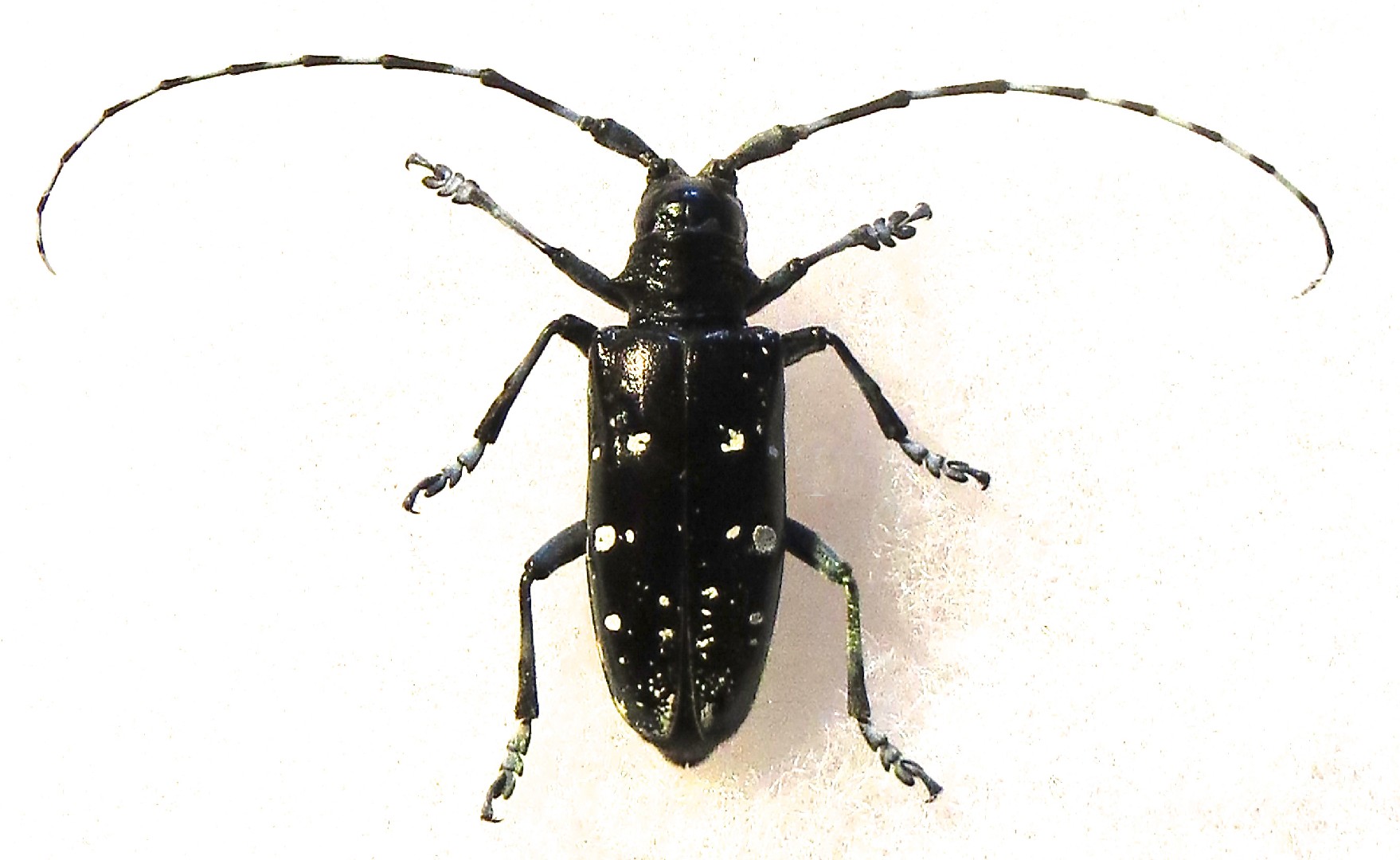
7. Asian long-horned beetle
The asian long-horned beetle (Anoplophora glabripennis) is a beetle with a strong love for trees. Unfortunately for us, they are also an invasive species. Trees that they consider hosts have an incredibly high mortality rate. They have been accidentally shipped using solid-wood packaging. They are considered so special that over-the-water shipping is heavily regulated when it comes to solid-wood packaging.
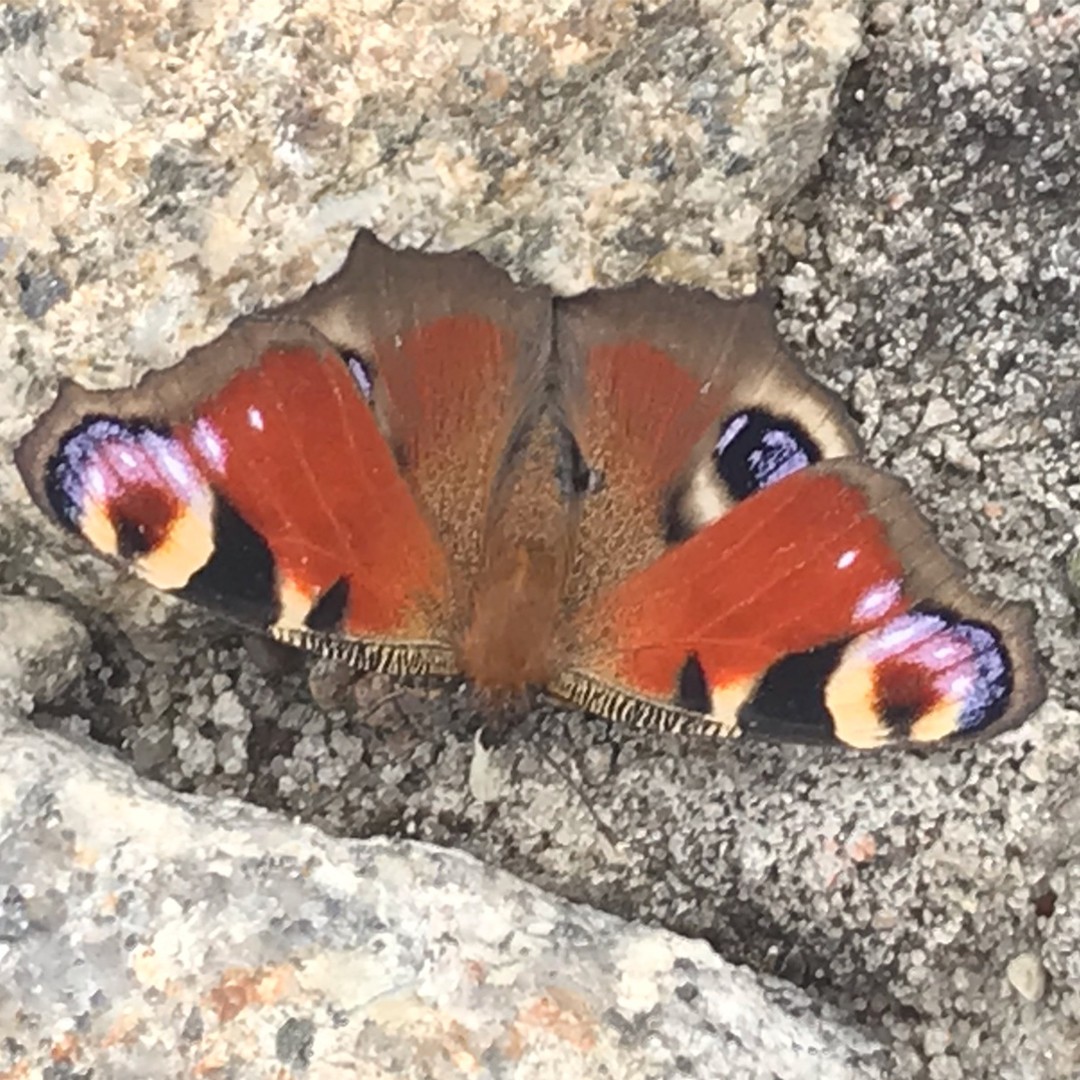
8. European peacock
European peacock (Aglais io) is a colorful butterfly that resides in temperate Asia and Europe – hence its common name. Its prominent eyespots deter would-be predators, who mistake them for the eyes of a bigger, more dangerous species. In recent years, this species appears to be expanding its range into previously uncolonized territory.
9. Elm seed bug
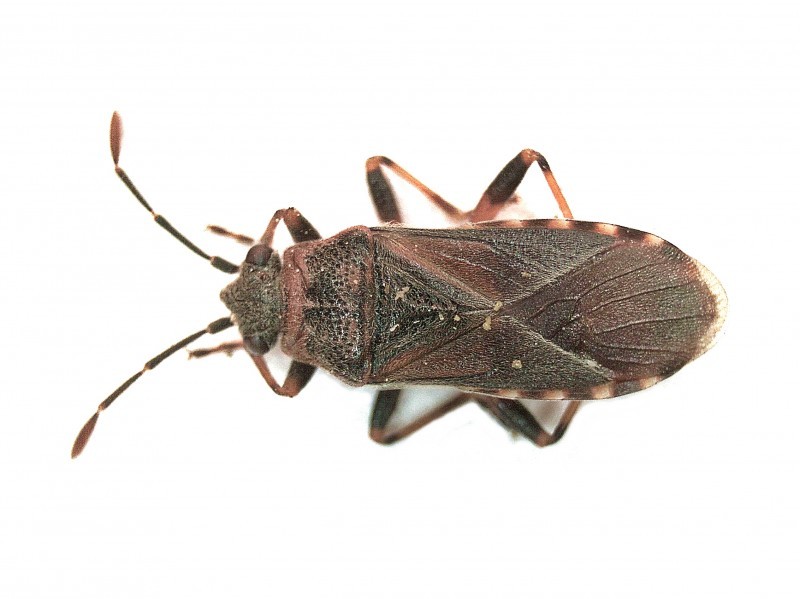
The elm seed bug (Arocatus melanocephalus) is an invasive species because it enters homes in large groups to escape extreme weather conditions. It feeds on the seeds of elm trees, but it doesn't cause any damage to trees or buildings. It also doesn't harm humans, but if it's threatened or killed, it will release an unpleasant smell.
10. Great Sooty Satyr
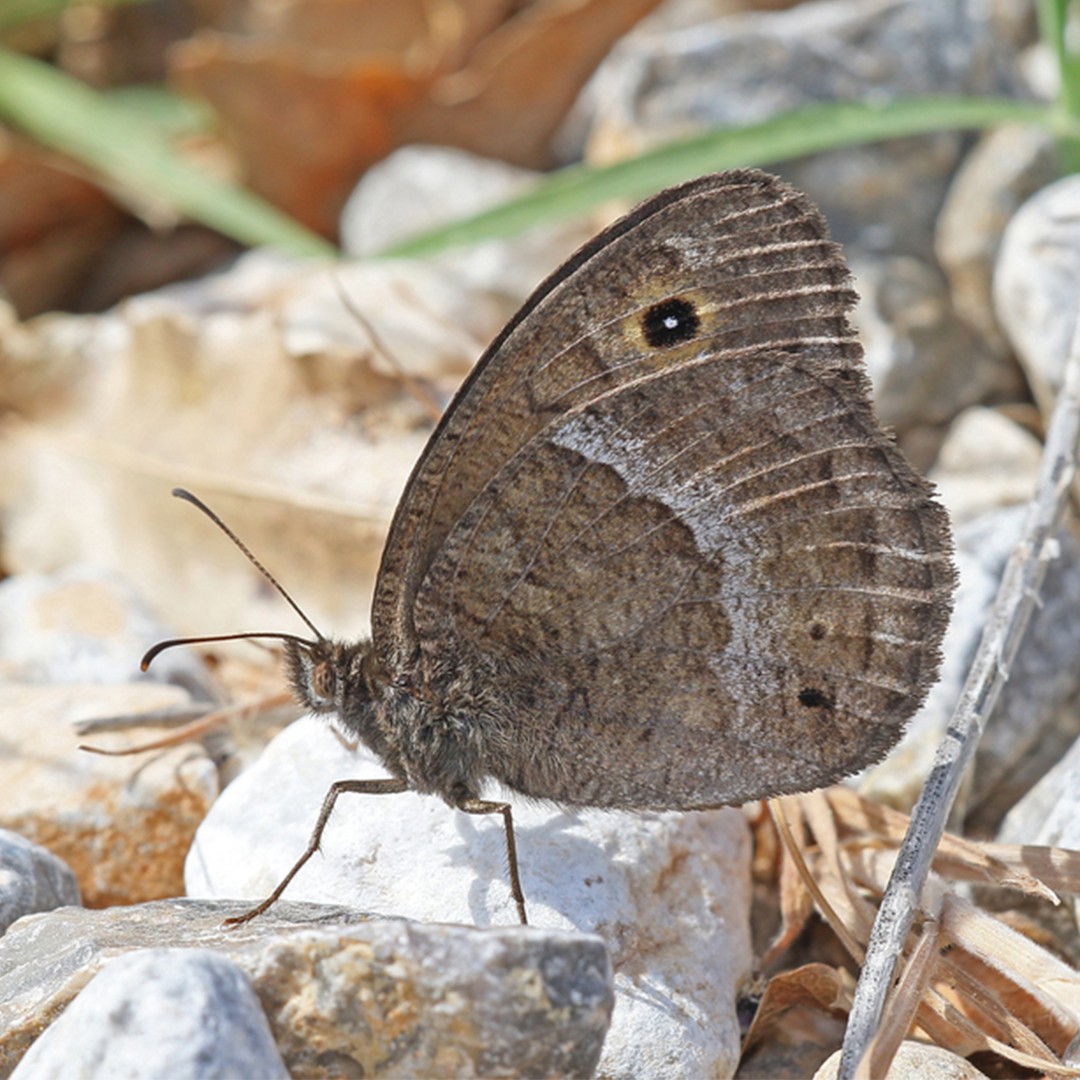
The length of the forewings is 25 to 30 mm. This species shows an evident sexual dimorphism and the males are much more close to each other in appearance than the females. The wings of the males are usually dark brown on both surfaces, while in the female the wings are paler, with broad greyish bands on the undersides of the hindwings. On both sides of the forewings they have two-four black ocelli with white pupils, the first one much larger than the lower ones. The flight period extends from June to early September and the butterflies lay their eggs on the grass. The larvae are recorded as feeding on various grasses, including Stipa, Festuca, Bromus erectus and Deschampsia caespitosa. (Higgins, Riley, 1982)

More







