




Top 20 Most Common Insects in Medellin
Insects, a diverse group marked by exoskeletons and segmented bodies, display a dynamic array of species within the diverse terrains of Medellin. Different environments, from the dense rainforests to the highland valleys, harbor distinct insects, contributing to an enriched biodiversity. These creatures are pivotal to the ecosystem, as pollinators, recyclers, prey species, and even as pests. Our 'Top 20 Most Common Insects in Medellin', reveals the intriguing interplay between Medellin's unique habitats and its widespread insect inhabitants, providing a comprehensive view of both advantageous and nuisances species.

Most Common Insects
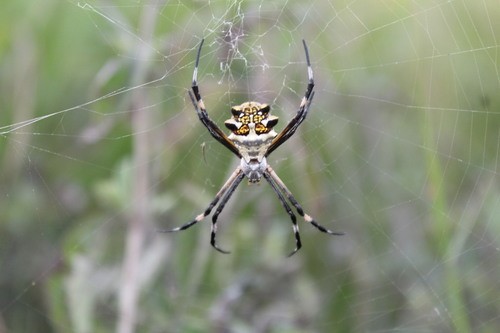
1. Silver argiope
The silver argiope (Argiope argentata) often creates unique zigzag patterns on its webs. It's usually found in warm, dry areas, especially on cacti and aloe vera plants. The females are much larger than males. They can bite and cause irritation to the skin, but the damage won't be life-threatening.
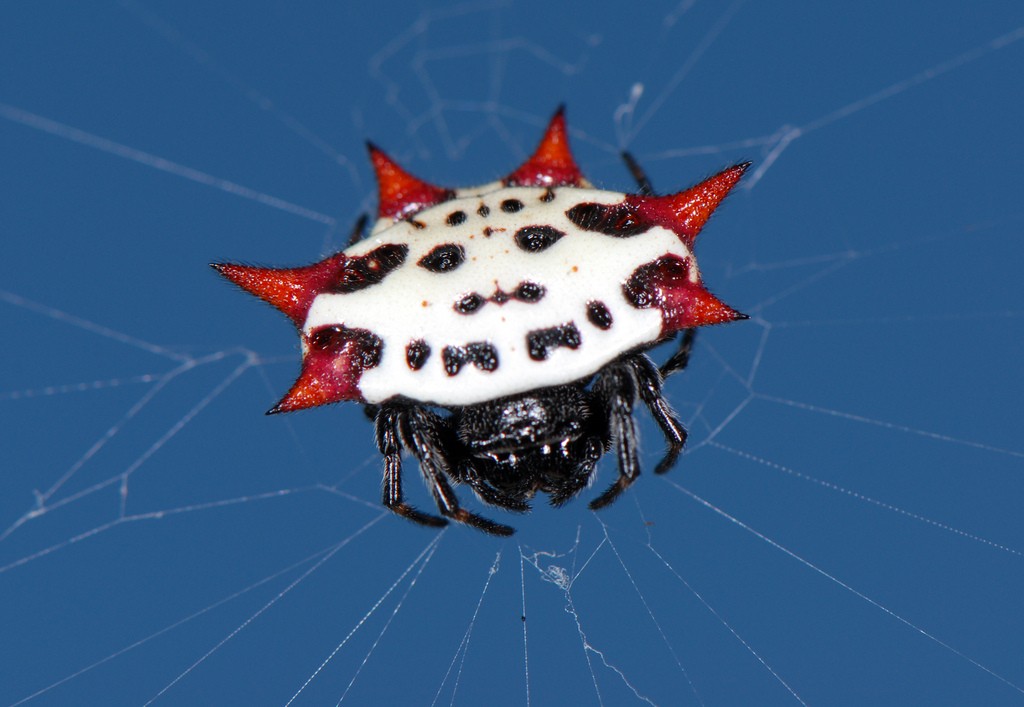
2. Spinybacked Orbweaver
The spinybacked Orbweaver (Gasteracantha cancriformis) has a crab-like structure with six spines on its abdomen. The color of this species varies based on where it lives, and the colors are usually red, orange, yellow, or white. Males and females communicate by creating patterns of vibration on their webs.
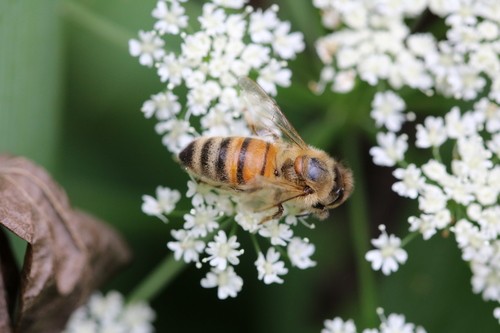
3. Western honey bee
Western honey bee(Apis mellifera) is the most common species of honeybee in the world. Among the first domesticated insects, its cultural and economic impact on humanity has been vast and far-reaching, providing honey, wax and its services as a pollinator. Western honey bee faces challenges worldwide, such as colony collapse disorder, and populations are thought to be decreasing.
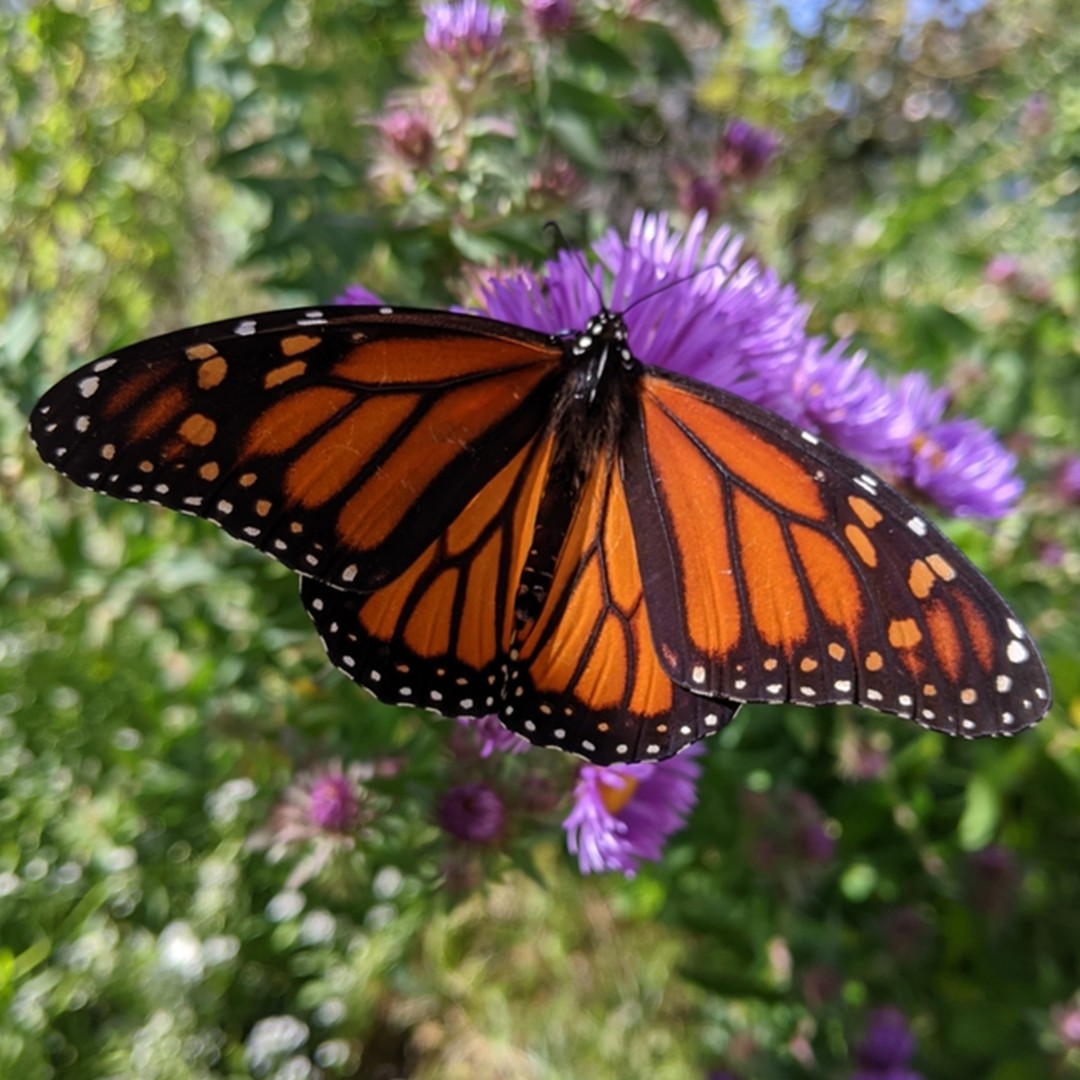
4. Monarch butterfly
The monarch butterfly (Danaus plexippus) is the most recognizable butterfly in North America. It is best known for its appearance, but should be better known for the fact that it has a 3000-mile migration that takes the butterfly 4 generations to complete. Their diet is also a natural deterrent for predators, as they eat milkweed, a poison that induces vomiting.
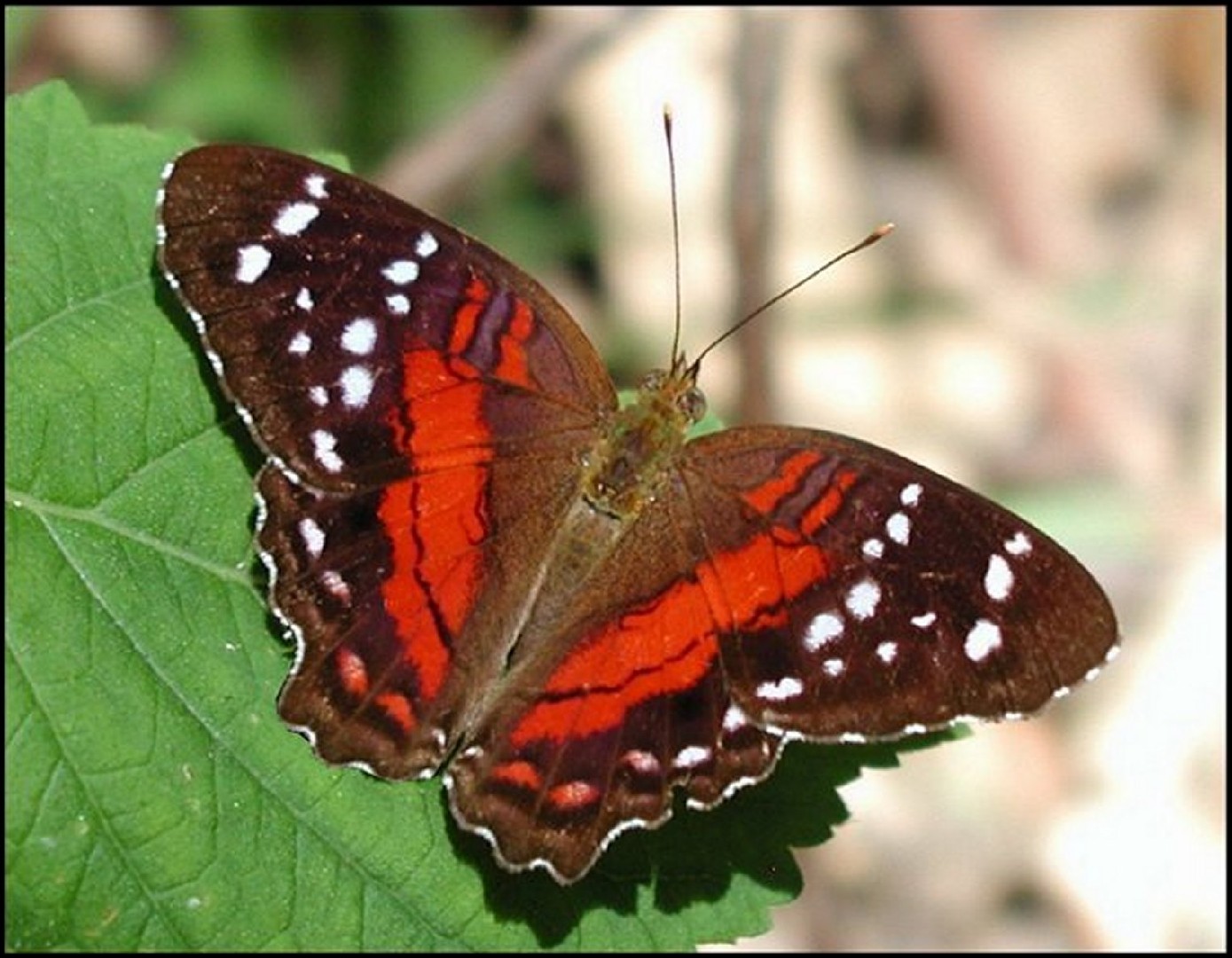
5. Scarlet peacock
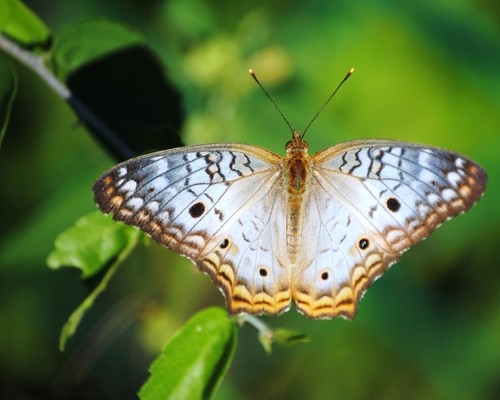
Anartia amathea is a butterfly of the family Nymphalidae. In addition to A. amathea amathea there are the subspecies A. amathea thyamis and A. amathea sticheli. The species is represented in the tropical areas of Latin America and the offshore islands, such as Trinidad.
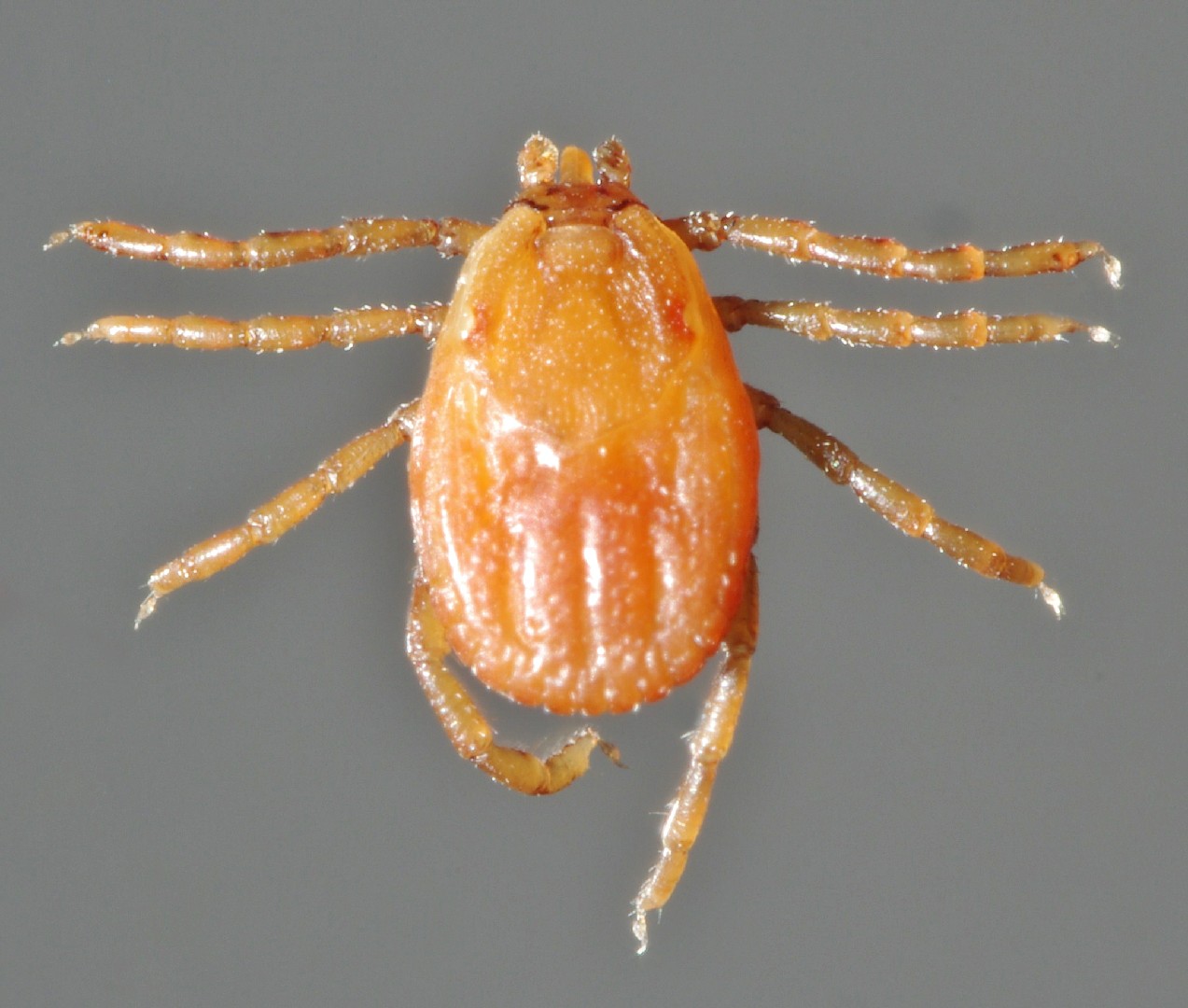
6. Brown dog tick
The brown dog tick is a global parasite and can survive a wide range of temperatures. These ticks are mostly found on the ears, heads, and paws of dogs and can transmit diseases like canine ehrlichiosis and canine babesiosis. If there is no viable host, then the brown dog tick may attach to other mammals, such as rodents, deer, and humans.

7. Multicolored asian ladybeetle
Often confused for the ladybug, multicolored asian ladybeetle (Harmonia axyridis) is a separate species that, unlike the ladybug, is a household pest. It is considered particularly annoying for its habit of returning to places from which it is removed. One of the most variable species in the world, there are many different colors and patterns multicolored asian ladybeetle may display, making identification potentially difficult.
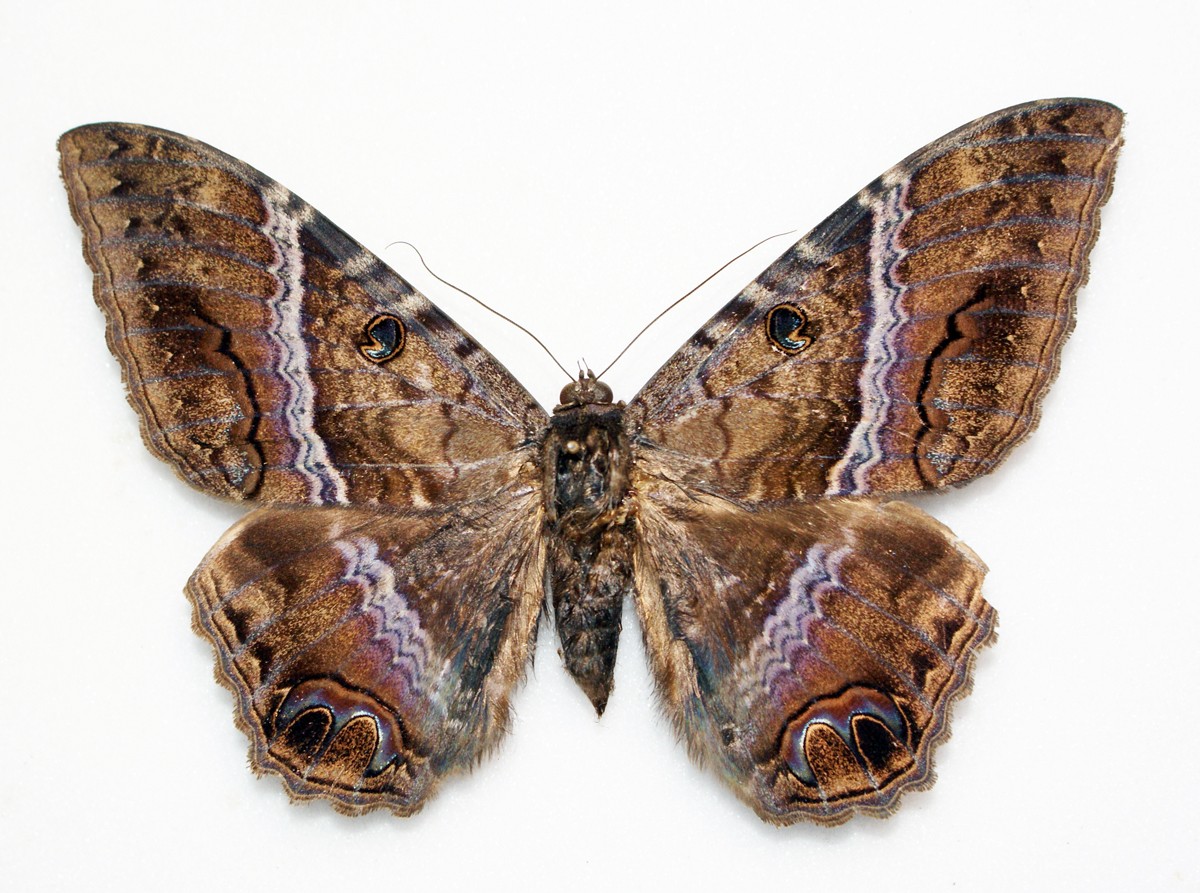
8. Black Witch
The black Witch (Ascalapha odorata) is given this spooky name because its part in folklore being associated with misfortune or death. In the novel, The Silence of the Lambs, they were placed in the mouths of the victims of Buffalo Bill. They can be identified with darker colorings and undertones of purple and pink.

9. Executioner wasp
It is a very large yellow and brown paper wasp that establishes small colonies which build nests under the eaves of buildings or suspended from branches. 
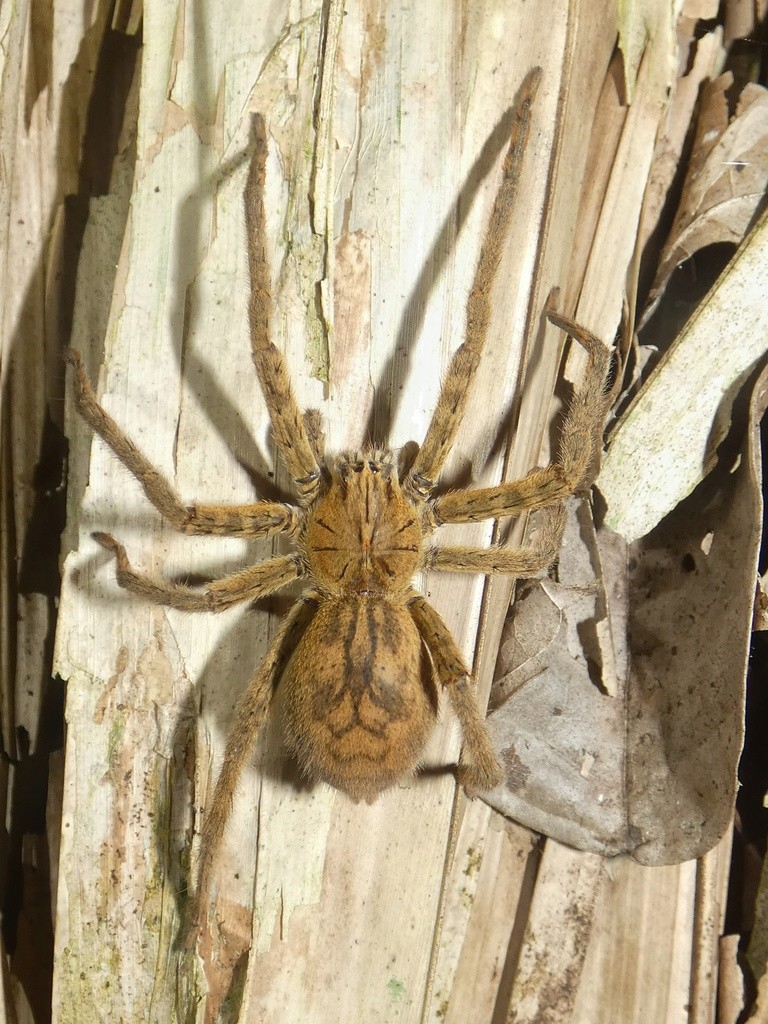
10. Red-legged banana spider
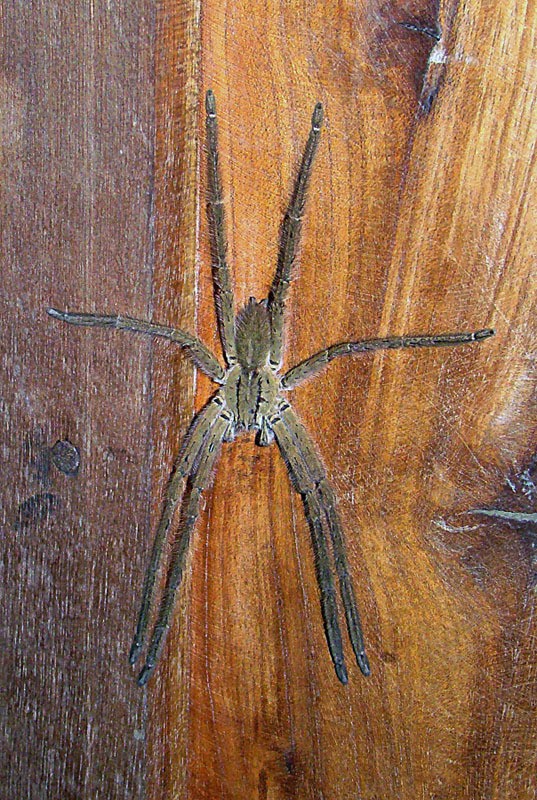


More







