




Top 20 Most Common Insects in Caqueta
Insects, with their diverse, distinctive features, allude to the rich biodiversity present in Caqueta. Geography greatly influences Caqueta's insect diversity, species vary from rocky ridges to humid lowlands. These creatures play pivotal roles in our ecosystem, from pests affecting agriculture to pollinators enhancing flora. Let's explore 20 of Caqueta's most common insects, and appreciate the critical interplay between their existence and Caqueta's varied environments.

Most Common Insects

1. Southern House Mosquito
The southern House Mosquito is the common pest of the tropical and subtropical world and has spread worldwide from old sailing ships. This nuisance biter makes a meal out of all types of birds and mammals (humans included) and is the main spreader of the disabling disease lymphatic filariasis. The southern House Mosquito has caused massive losses in terms of health and economic damage because of its disease-ridden bites.
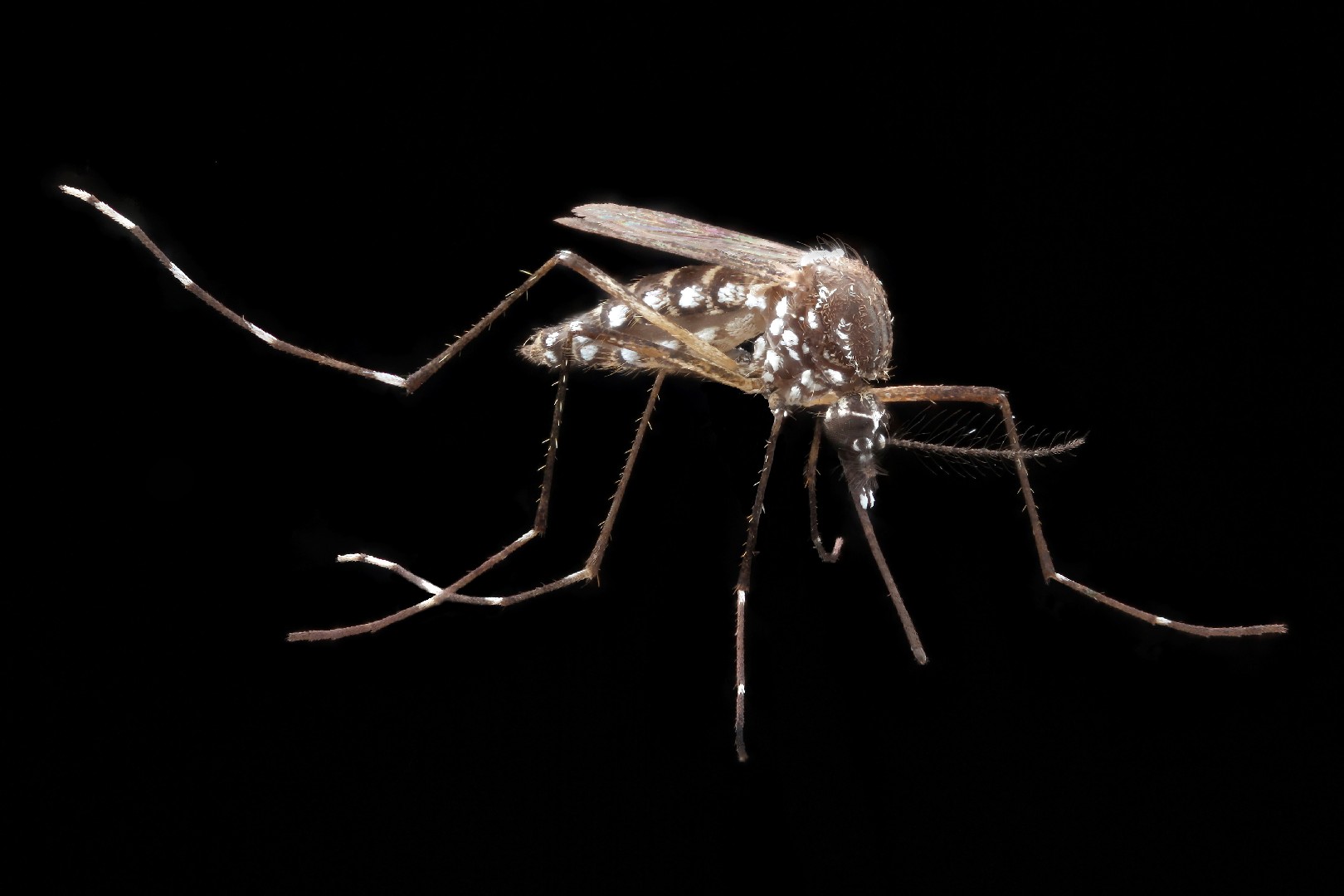
2. Yellow fever mosquito
Yellow fever mosquito is notorious for spreading many diseases including dengue, zika, and yellow fevers to name a few. Only the females bite and suck blood, which contributes to the production and maturation of her eggs that they prefer to lay in stagnant water. Researchers have tried to reduce their population by genetically modifying the males to reduce the lifespan of offspring.
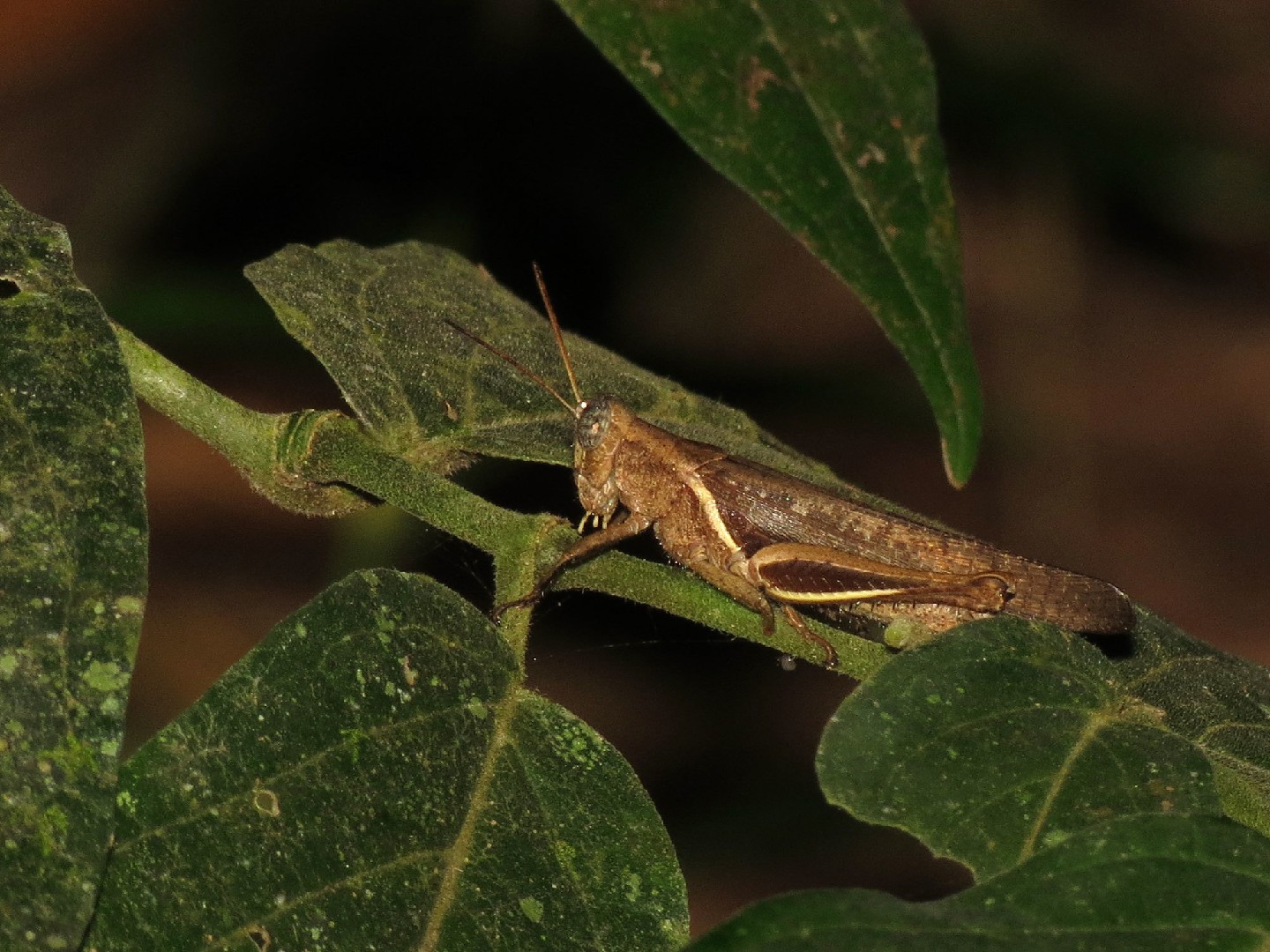
3. Abracris flavolineata
Abracris flavolineata is a right-winged insect from the family locusts (Acrididae). The scientific name of this species was first validly published in 1773 by De Geer.
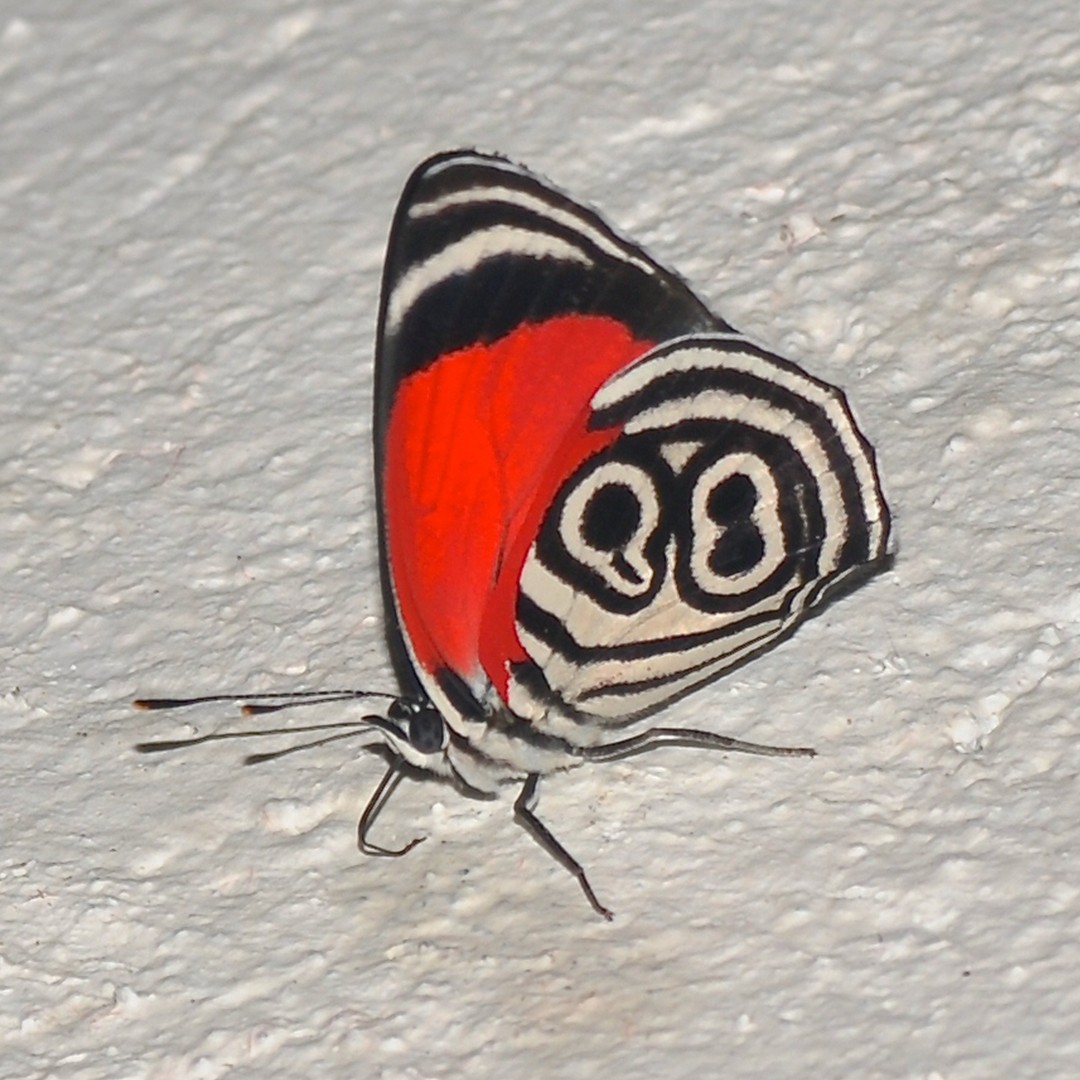
4. Cramer's eighty-eight
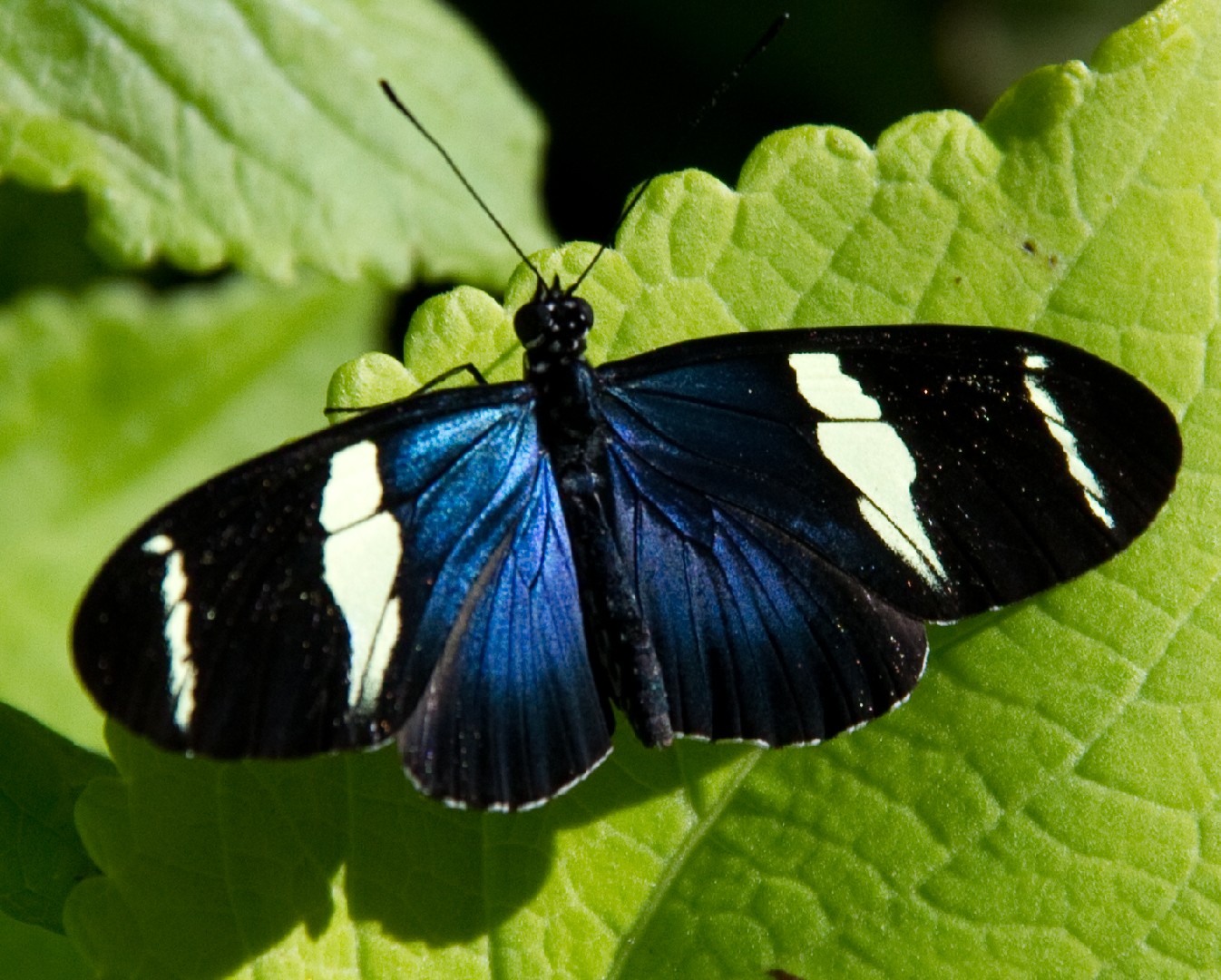
The wingspan is about 3 - 4 cm. Adults are black with a blue band on each wing. The underside is red and white with black stripes that look like an outlined number "89" or "98". 
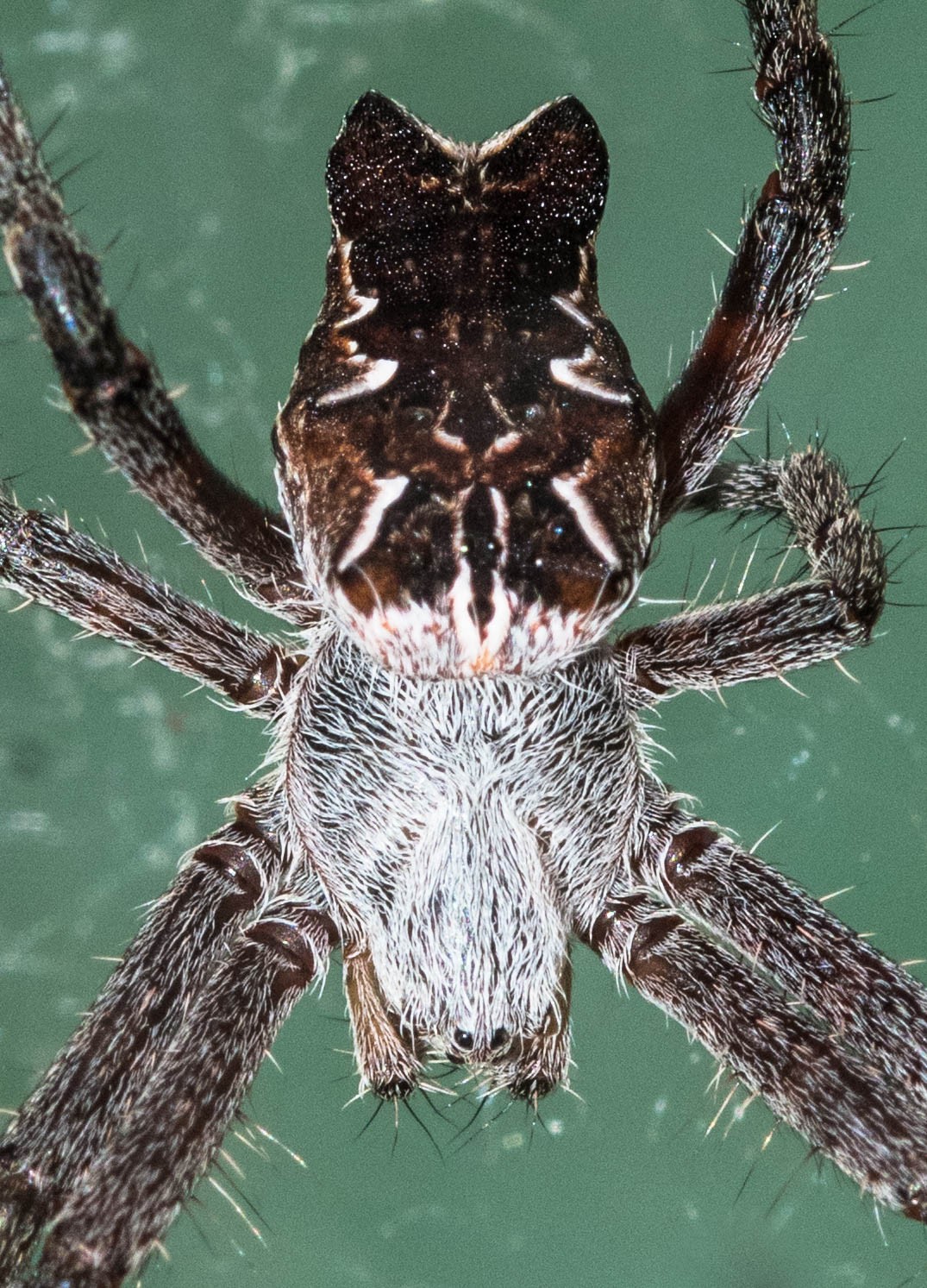
5. Tropical tent-web spider
The tropical tent-web spider (Cyrtophora citricola) is a spider that is known to participate in communal cooperation. Other spiders in its vicinity can build their webs into each other, providing greater mating access and defense against predators. They are strikingly beautiful spiders that have much color variance from black and white to brown. Females tend to resemble a dead leaf.
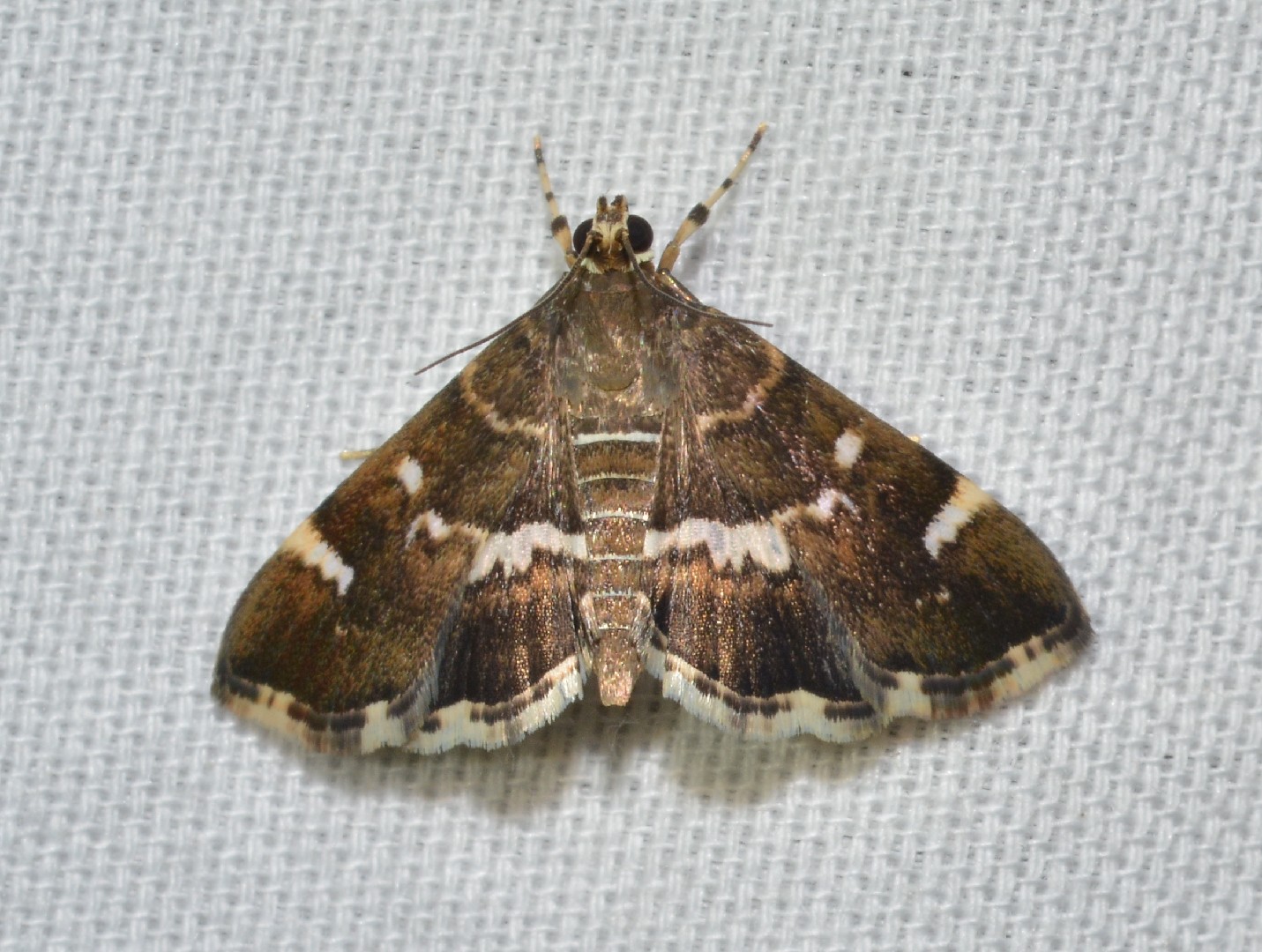
6. Spotted beet webworm moth
The wingspan is 1.6 - 2 cm. Adults are cinnamon brown with narrow white bands on the forewings. The hindwings with brownish or greyish-yellow wing bands in some individuals.
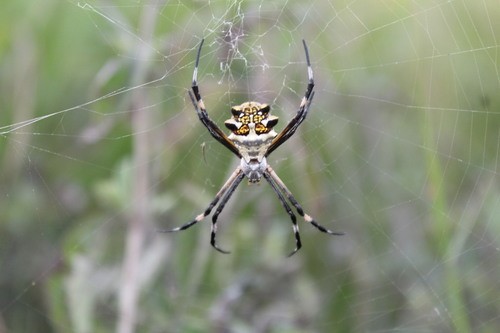
7. Silver argiope
The silver argiope (Argiope argentata) often creates unique zigzag patterns on its webs. It's usually found in warm, dry areas, especially on cacti and aloe vera plants. The females are much larger than males. They can bite and cause irritation to the skin, but the damage won't be life-threatening.
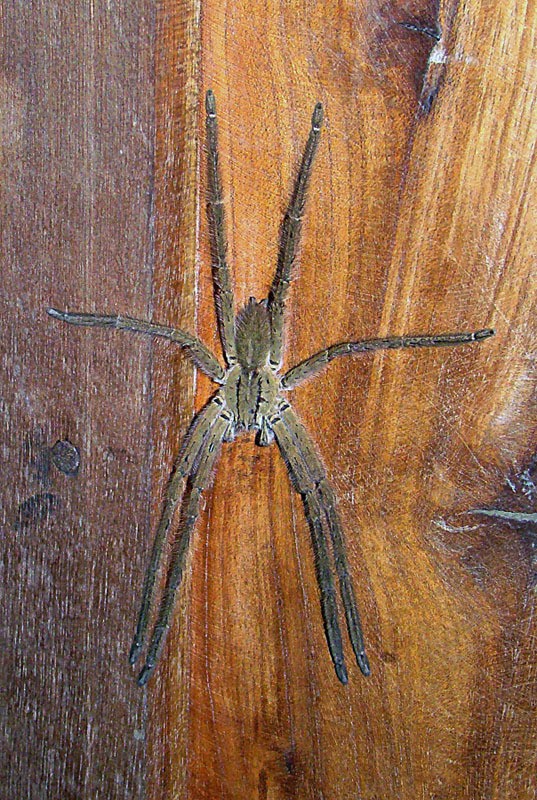
8. Araa errante
Instead of relying on a web, the araa errante relies on venom to incapacitate its prey. It is a nocturnal spider with a wide distribution throughout South and Central America. Females typically lay four egg sacks that hatch within four to five weeks. During reproduction, the male spider climbs on the female’s back.
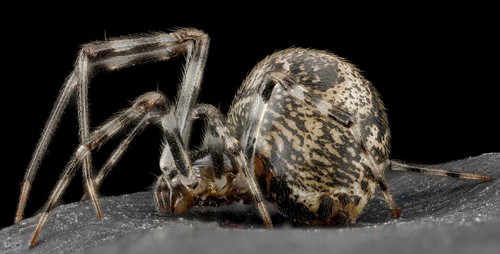
9. Common house spider
The common house spider is the most common spider that humans encounter in their dwellings. These spiders like to make their webs in secluded corners in such places and are not aggressive towards humans. The male and female will share webs for long periods of time, and some groups of females will build their webs near each other.
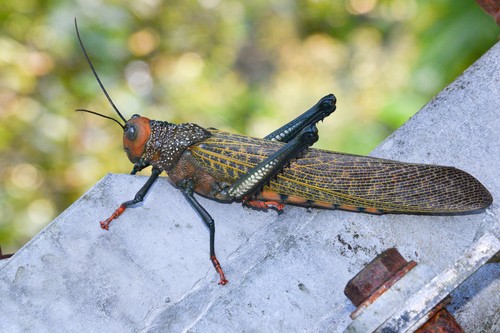
10. Giant red-winged grasshopper
The giant red-winged grasshopper is one of the largest insects in the world! They are herbivores and if put in large numbers, can decimate crops. Interestingly, they can use their wings to create vibrations in order to attract females. The adult giant red-winged grasshopper has leaf-like wings which help the species to camouflage very well in vegetation.


More







