




Top 20 Most Common Insects in Imatra
Insects, showcasing an astonishing array of diversity and tenacity, are among the most visible elements of wildlife in Imatra. The region's varying geographical locations undeniably shape the insect diversity we encounter. Pests and beneficial insects alike play distinct roles in our ecosystem, directly impacted by their environment. This list unveils the 'Top 20 most common insects' in Imatra, shedding light on their unique attributes and ecological significance.

Most Common Insects
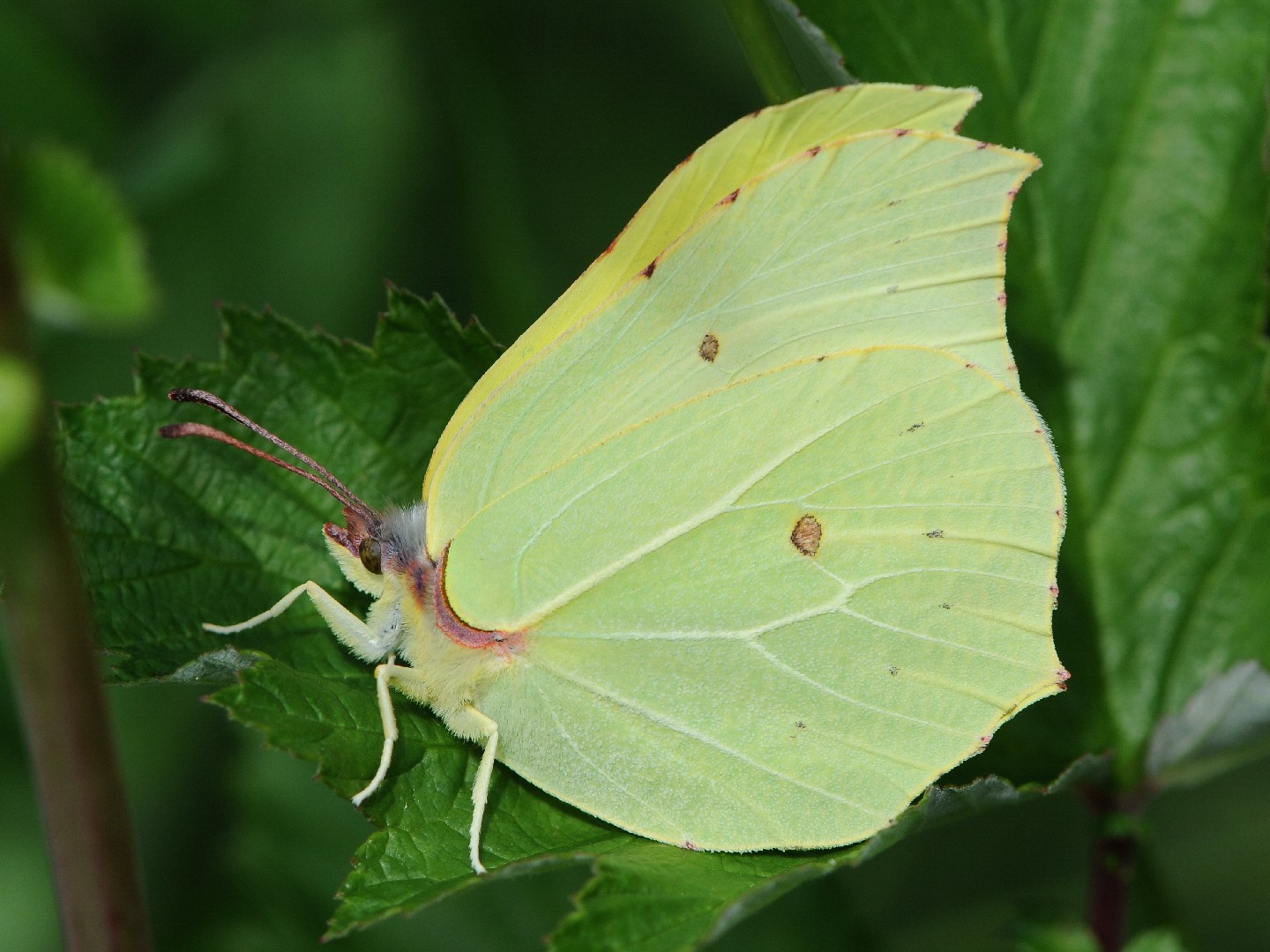
1. Common brimstone
Common brimstone (Gonepteryx rhamni) is an attractive species of butterfly; males display iridescence and have yellow wings, whereas females have white-green, non-iridescent wings. This species is wholly reliant on two species of buckthorn plant to lay its eggs. Consequently, the larvae consume large amounts of buckthorn.
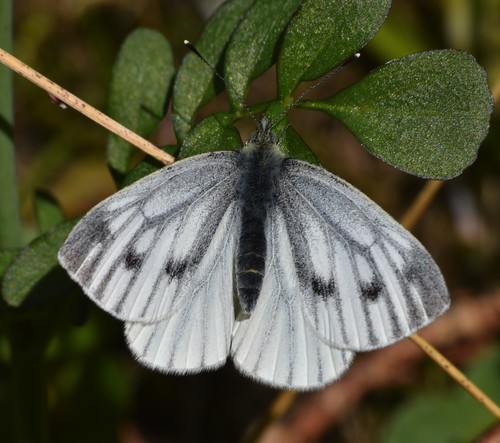
2. Green-veined white
Green-veined white (Pieris napi) is a distinctively white-winged butterfly that lays its eggs in a variety of food plants. This species displays observable differences dependent on sex: males possess only one dark spot on each forewing, whereas females display two. Unlike several of its cousin species, green-veined white prefers not to lay eggs in garden cabbages, rendering it less of a pest to farmers.
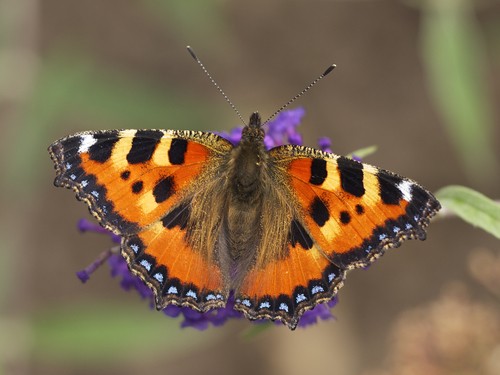
3. Small tortoiseshell
Small and colorful, small tortoiseshell (Aglais urticae) is the national butterfly of Denmark. However, it is capable of surviving anywhere the common nettle leaf may be found, which the larvae of this species depend on. Once among the most common butterflies in Europe and temperate Asia, this species is experiencing rapid declines for reasons still being investigated.
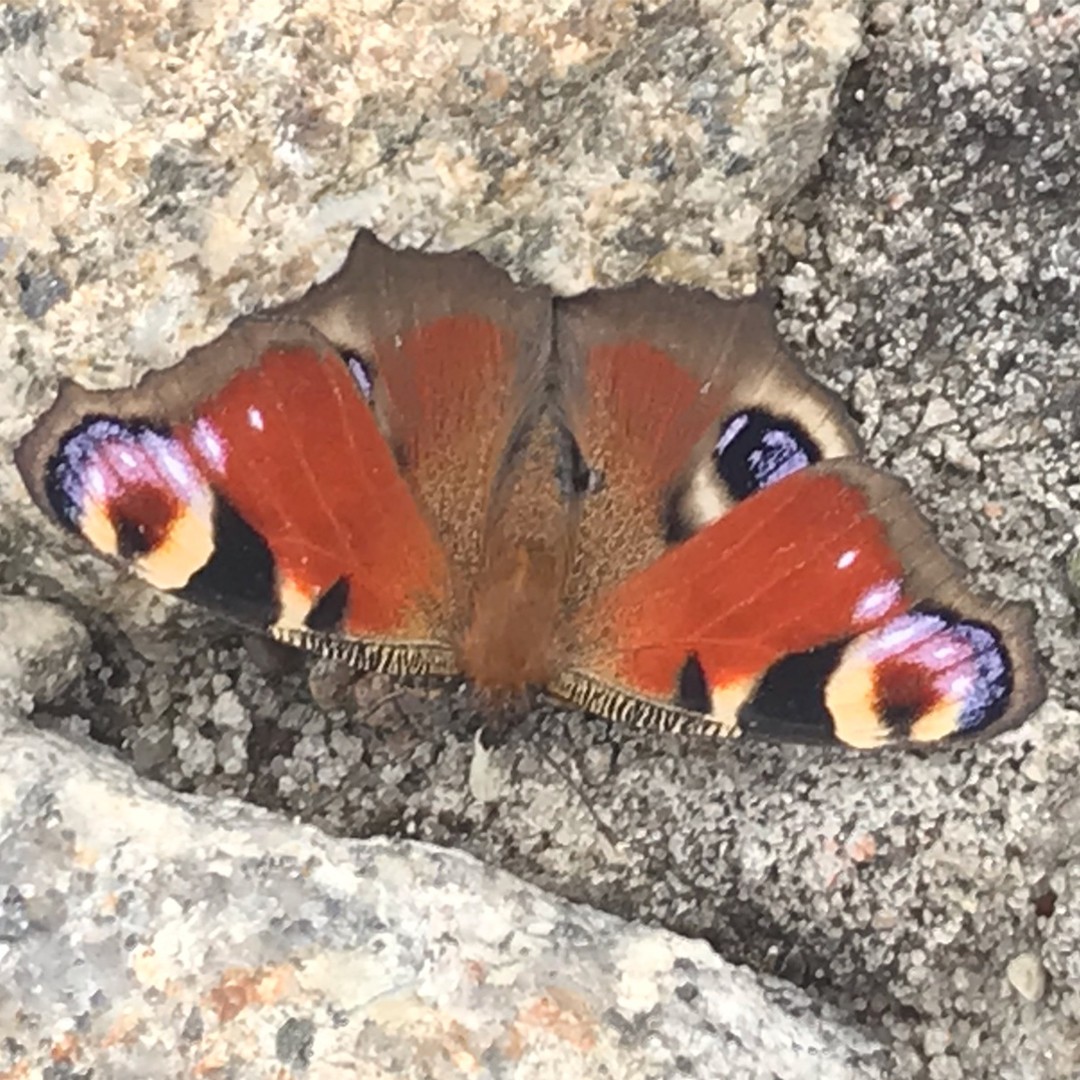
4. European peacock
European peacock (Aglais io) is a colorful butterfly that resides in temperate Asia and Europe – hence its common name. Its prominent eyespots deter would-be predators, who mistake them for the eyes of a bigger, more dangerous species. In recent years, this species appears to be expanding its range into previously uncolonized territory.
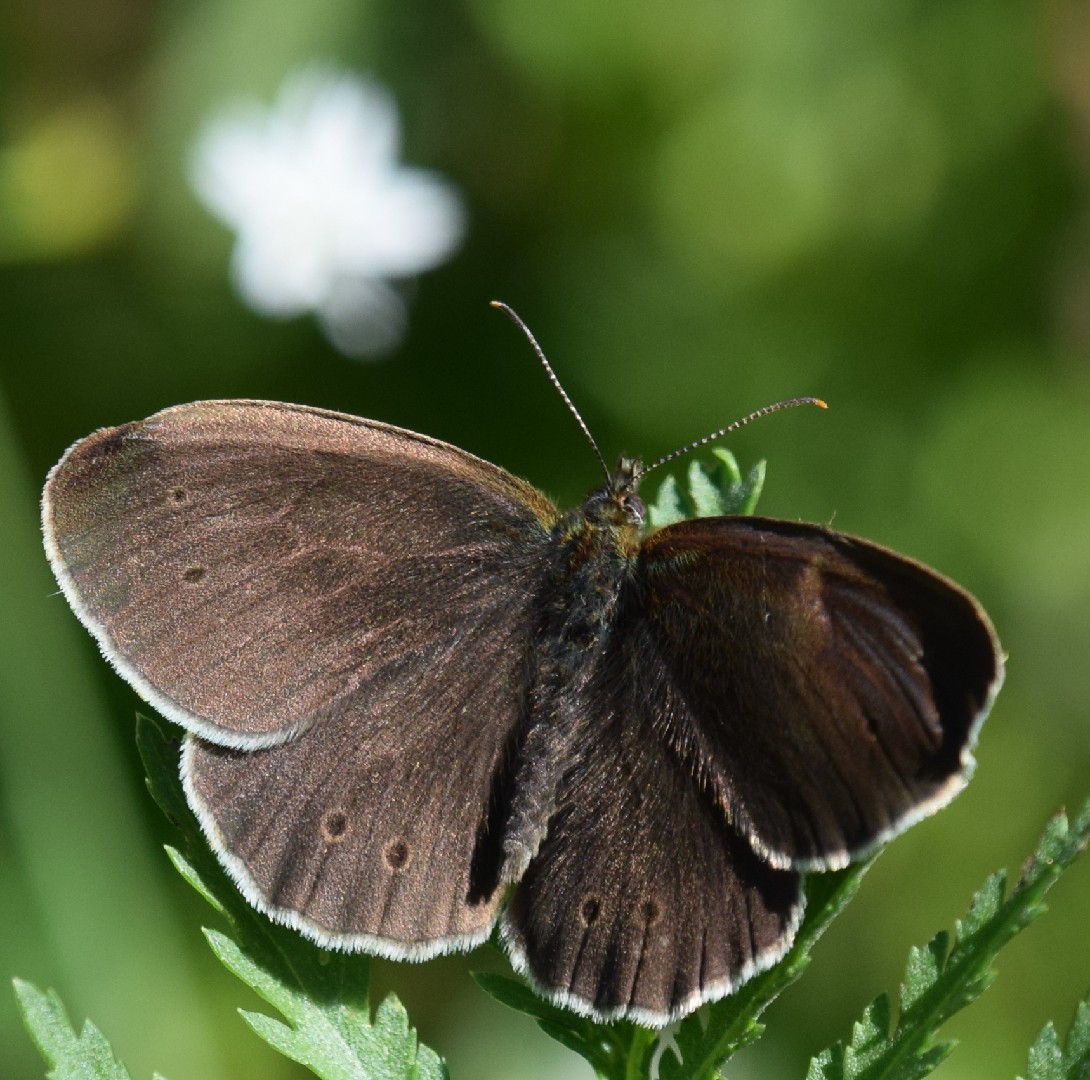
5. Ringlet
Aphantopus hyperantus is a medium-sized butterfly with a wingspan of up to 3.5 - 4 cm . The wing upper and lower sides are solid brown with small, yellowish-rimmed eyespots. The newly emerged ringlet has a velvety appearance and is almost black with a white fringe to the wings. The number and size of the eyespots is variable, they may be missing on the upper wing surface. The eggs are pale yellow when first laid, but become pale brown.The caterpillars are about 2.5 cm long. They are gray or light reddish brown and have dark, reddish brown and very fine dots. Dorsally there is a dark longitudinal line, which is widened at the segment boundaries. Toward the rear, this line is more intensely colored. The head is darker and has several faint longitudinal stripes. 
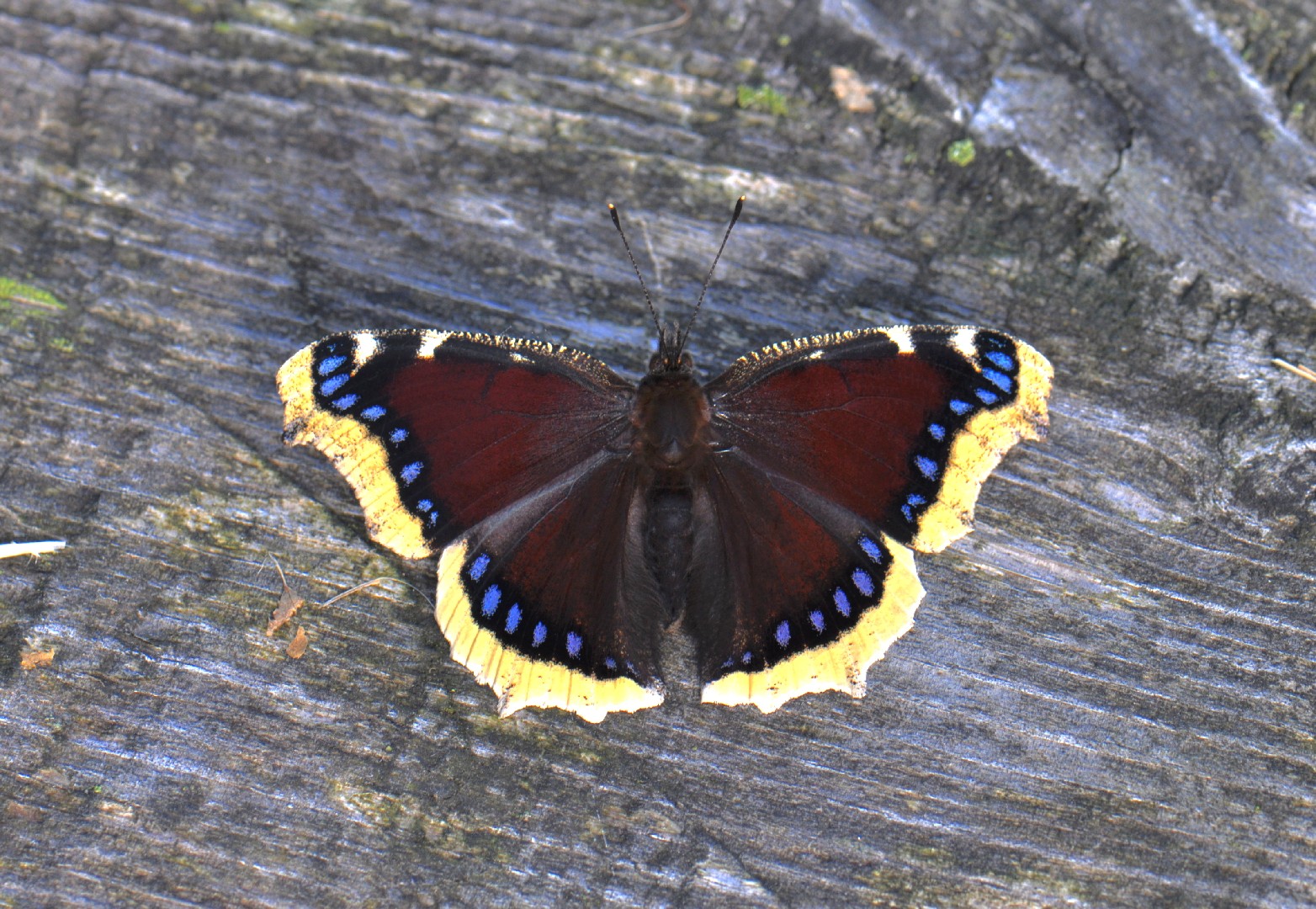
6. Mourning cloak
The state insect of Montana, mourning cloak (Nymphalis antiopa) owes its name to a visual comparison with a girl who, disliking mourning, allows a few inches of color to show from under her mourning garb. Among the longest-lived butterflies, individuals may persist for as long as eleven to twelve months. It is a powerful flier, with vagrants often found many miles from the usual migration paths.
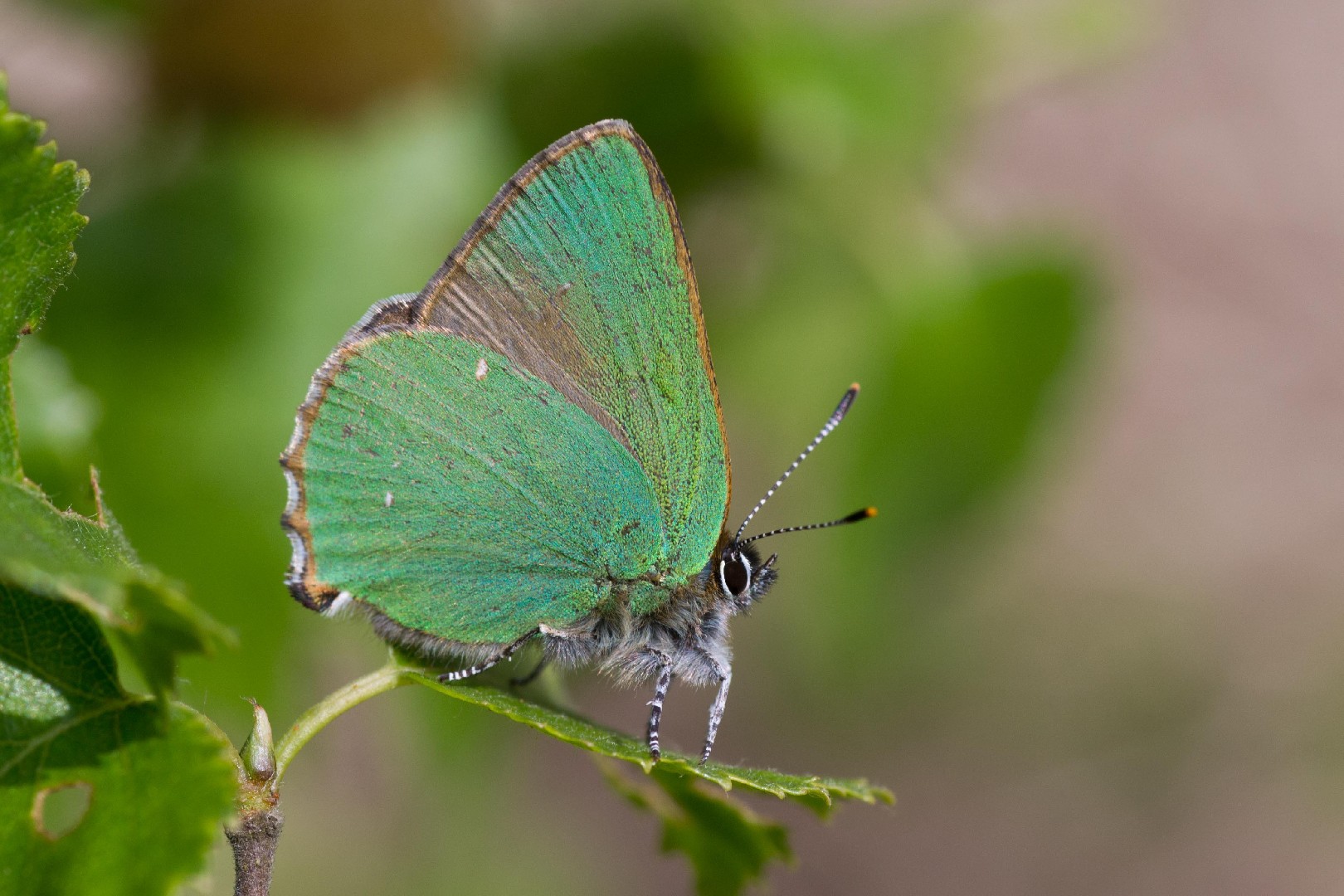
7. Green hairstreak
Callophrys rubi has a wingspan reaching about 1.0–1.2 in in length. The oversides of the wings are a uniform dull brown, with two paler patches on the male's forewings made up of scent scales. The undersides are a bright green with a thin white line, often reduced to a faint row of dots or even missing altogether. The iridescent green colour of the undersides is a structural colour caused by diffraction and interference of light by microscopic repeating structures forming a diffraction grating in the wing scales. The caterpillars are green with yellow markings along the back.
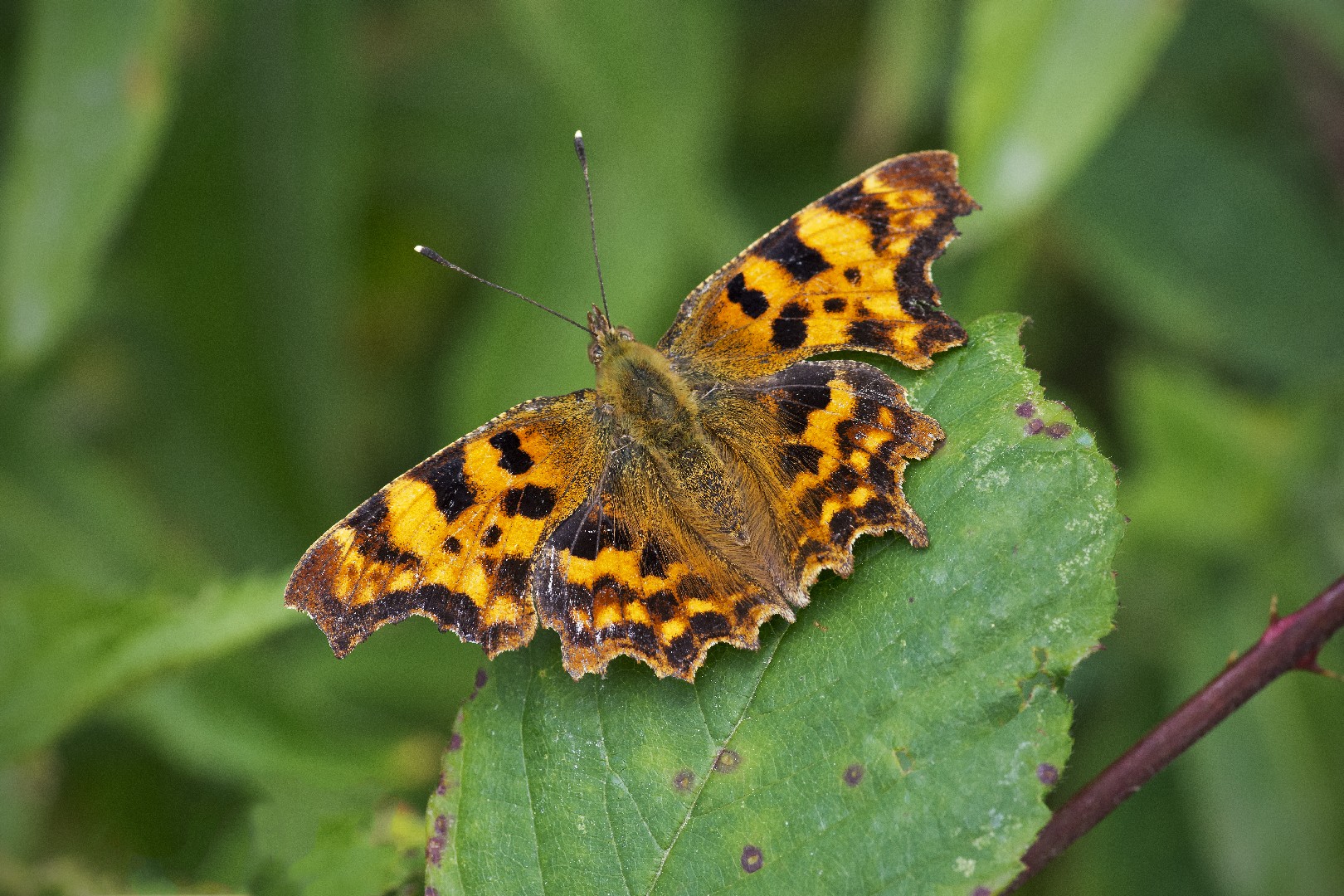
8. Comma butterfly
The silver, comma-shaped marked on the butterfly’s wings give it the common name the Comma. It is a common butterfly in southern Britain that was once on the verge of extinction in the 1930s. The butterflies are often found at the edge of forests, close to meadows with plenty of nectar-rich wildflowers.
9. Arran brown
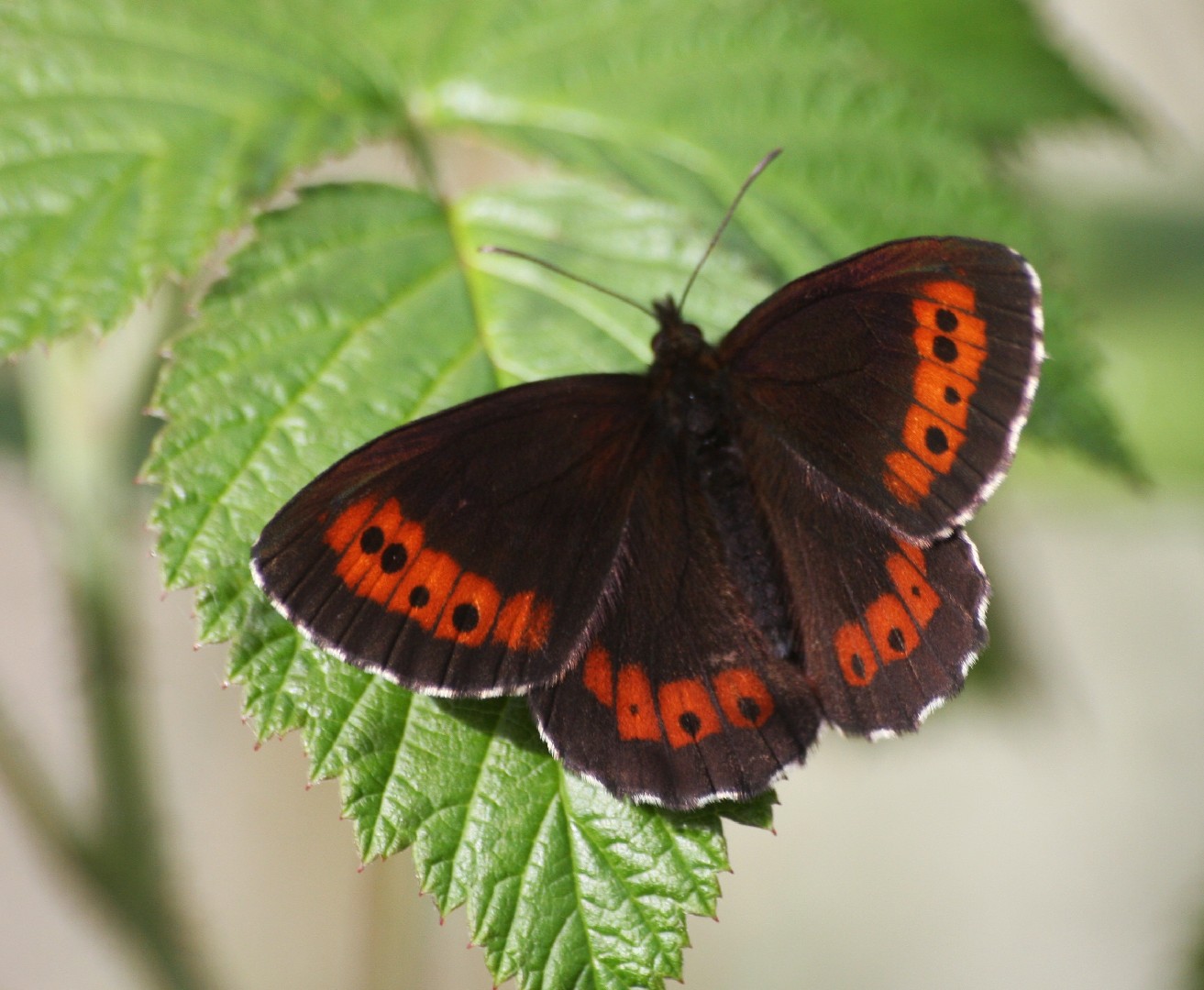
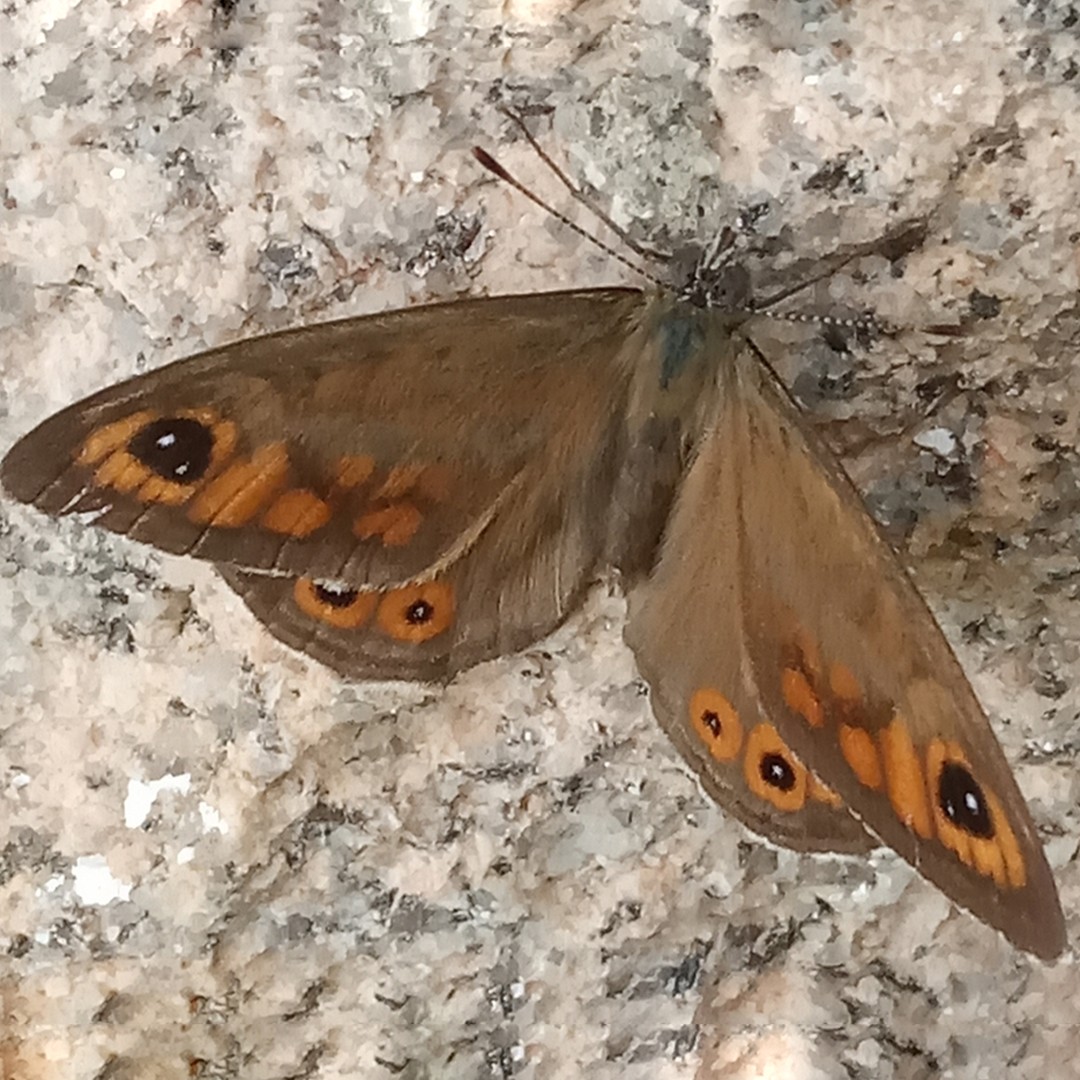
The arran brown is a medium-sized butterfly with a wingspan of between 3 cm and 4.5 cm. Females tend to be a little larger than males. The upperside of both the forewings and hindwings are dark greyish brown with a reddish-orange strip near the margin along which runs a series of black spots. Many of the spots are small but some have white centres. The underside of the forewing is dark brown with a reddish strip with black, white-centred eyespots near the outer edge. The underside of the hindwing is brown, edged with a row of more or less distinct dark coloured eyespots. The basal side of these is close to the centre of wing and there are one or two patches of white. The basal part of the hindwing of the female is a darker brown than the rest of the wing. This butterfly can be distinguished from the rather similar Lapland ringlet (Erebia embla) and the Arctic ringlet (Erebia disa) by the fact that it has white blotches on the under surfaces of the hindwing and those butterflies do not. It can also be distinguished from the Arctic ringlet by the fact that it always has eyespots on its hindwings while the upperside of the Arctic ringlet's wings are plain brown.
10. Black-veined white
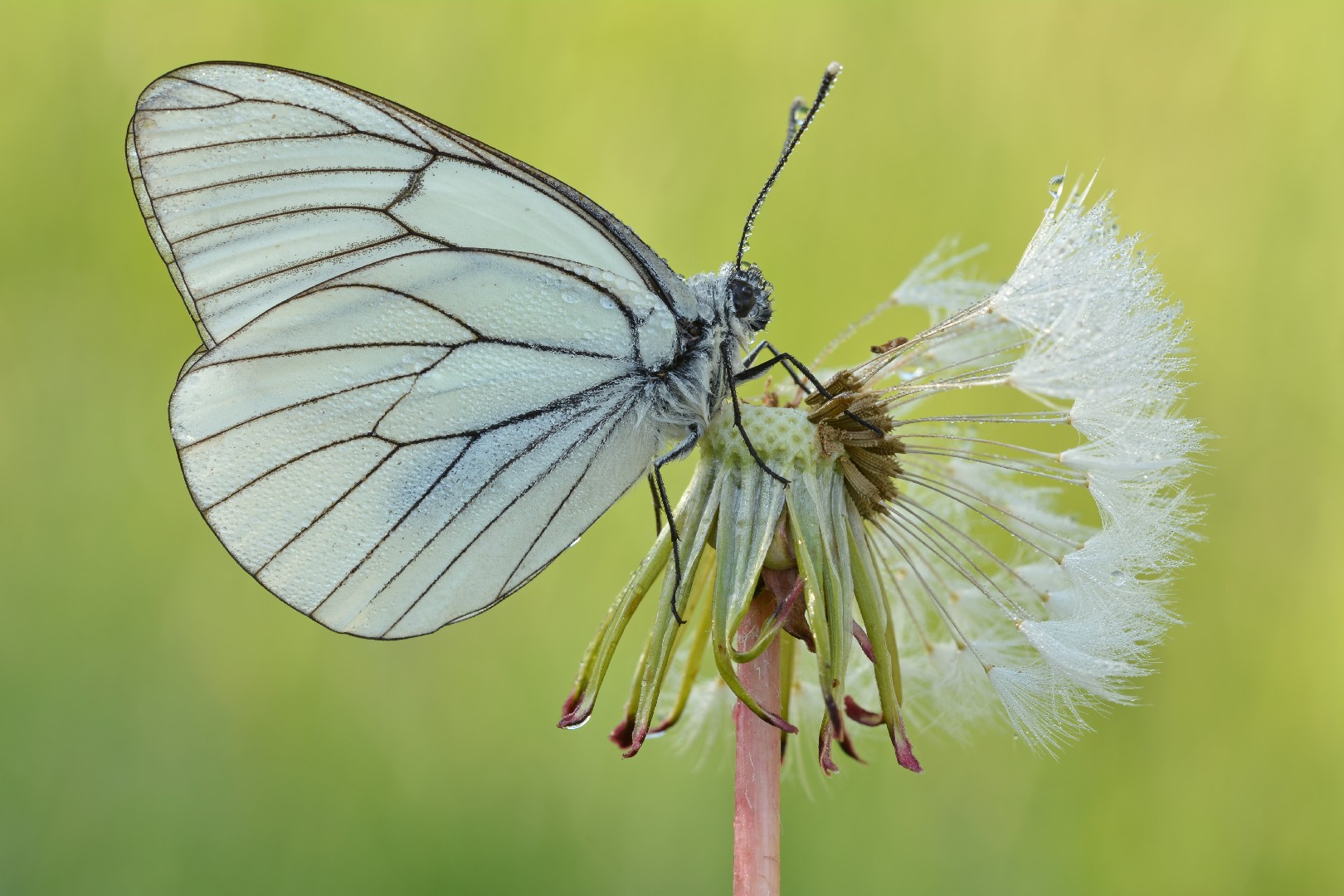
The black-veined white has a wingspan of 5 - 7 cm. Females are commonly larger than males. The upperside of both forewings and hindwings is a translucent white boldly veined with black. The underside is similar in the male but the female has brown veining. Moreover, the female loses most of her scales by rubbing her wings together, resulting almost-transparent. This butterfly can be distinguished from other members of white butterflies of the genus Pieris by its distinctive veined wings. The eggs are yellow at first, darkening with age. The caterpillars are greenish grey with transverse banding. The pupa is creamy white, marked with black, attached by a silken girdle to a twig.
More