




Top 20 Most Common Insects in Berlin
In the vibrant and diverse ecosystem of Berlin, insects play a crucial role. Uniquely adapted to various habitats within the region, these creatures are as diverse as their environment, from urban gardens to stunning wild landscapes. Insects are interwoven into the ecology of Berlin, being both pests and workers, contributing to pollination, decomposition, and maintaining the balance of nature. Join us in discovering the top 20 most common insects and their unique roles in Berlin.

Most Common Insects
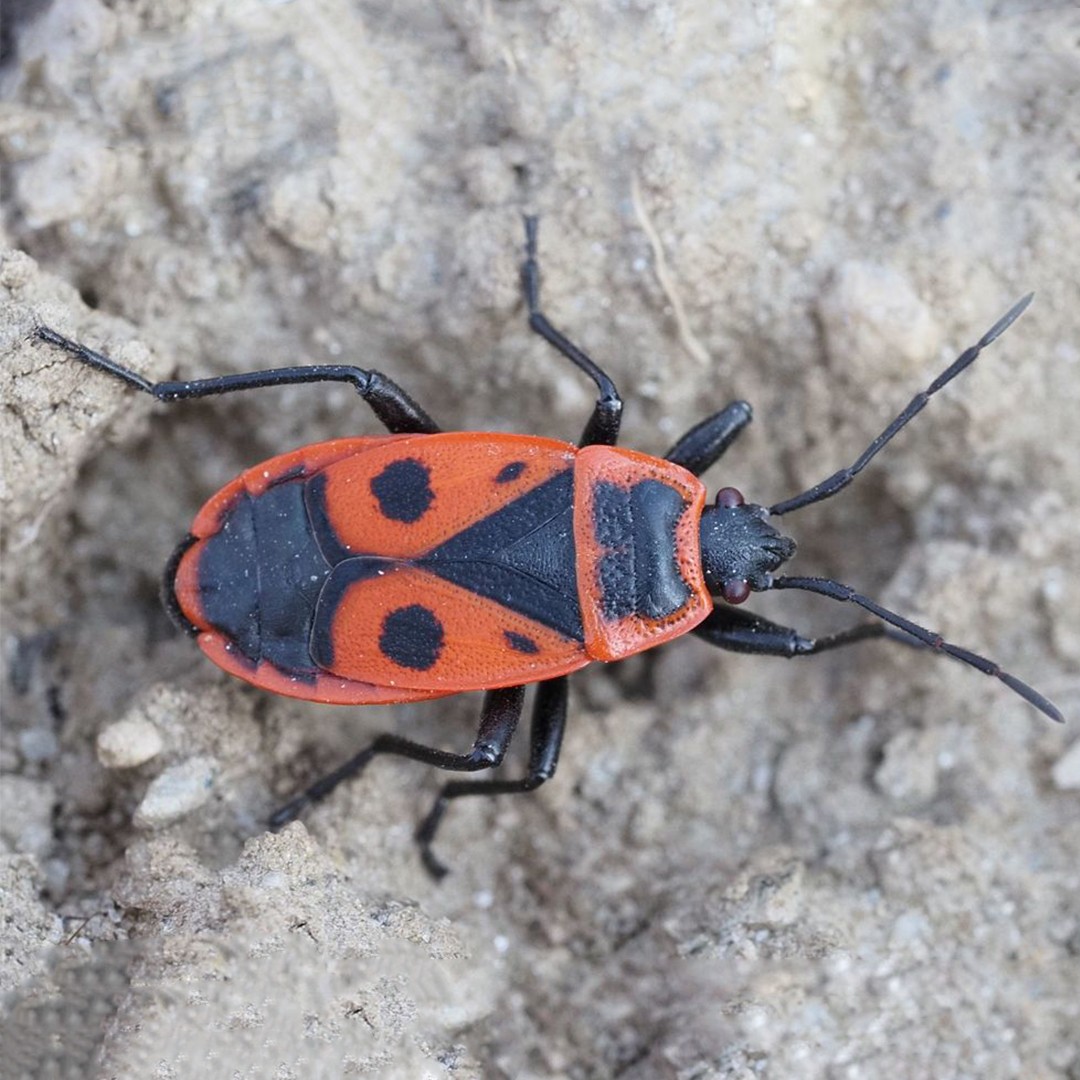
1. European firebug
Named for its striking pattern, european firebug is often described as the "firebug." It is known to congregate in large aggregations reaching as many as one hundred individuals at a time, particularly while still immature. Because they feed upon the seeds of lime trees, clusters of mating individuals can often be found at the bases of these trees in late spring.

2. Multicolored asian ladybeetle
Often confused for the ladybug, multicolored asian ladybeetle (Harmonia axyridis) is a separate species that, unlike the ladybug, is a household pest. It is considered particularly annoying for its habit of returning to places from which it is removed. One of the most variable species in the world, there are many different colors and patterns multicolored asian ladybeetle may display, making identification potentially difficult.
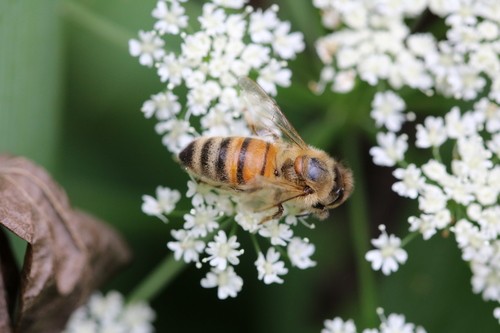
3. Western honey bee
Western honey bee(Apis mellifera) is the most common species of honeybee in the world. Among the first domesticated insects, its cultural and economic impact on humanity has been vast and far-reaching, providing honey, wax and its services as a pollinator. Western honey bee faces challenges worldwide, such as colony collapse disorder, and populations are thought to be decreasing.
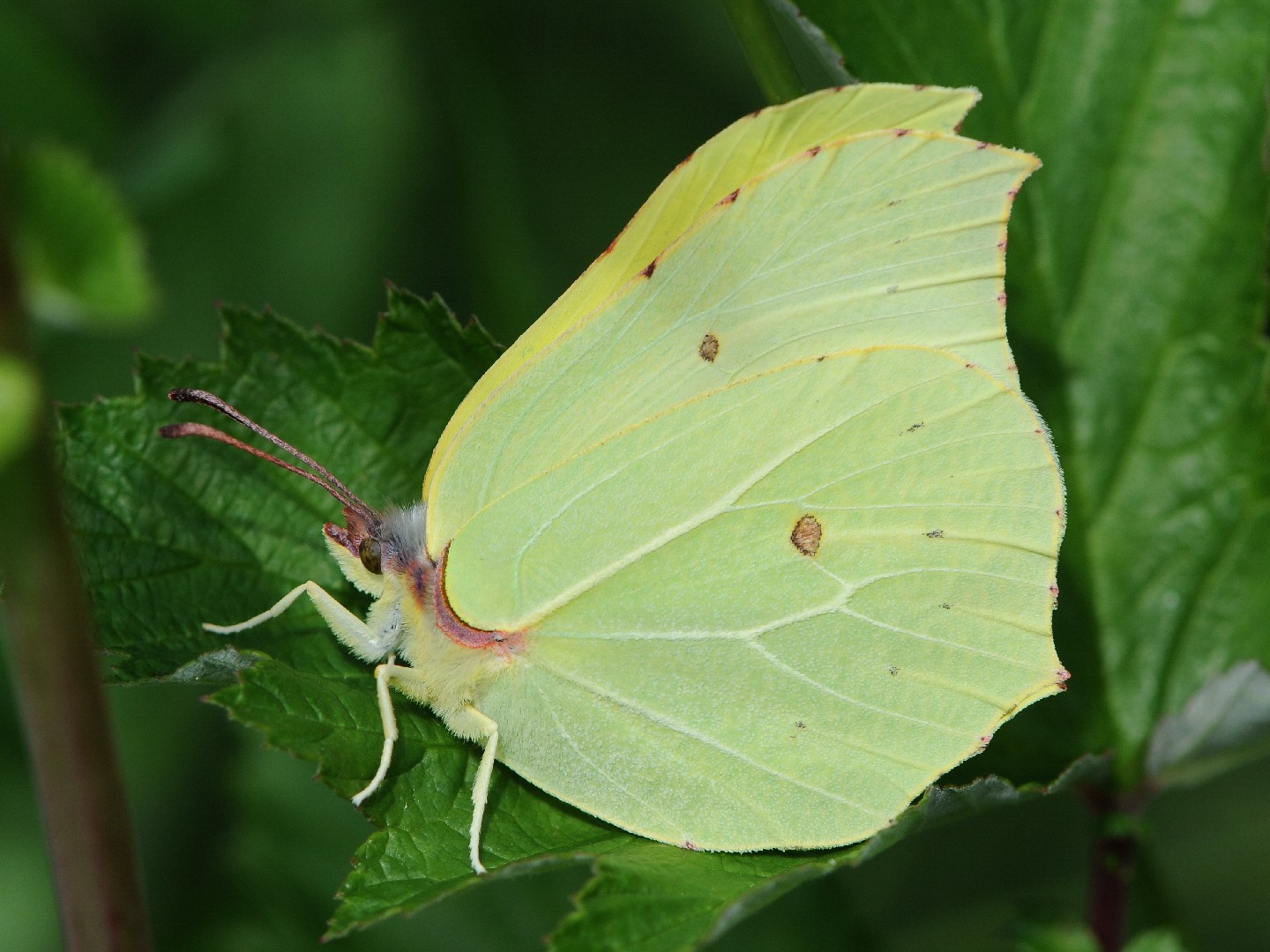
4. Common brimstone
Common brimstone (Gonepteryx rhamni) is an attractive species of butterfly; males display iridescence and have yellow wings, whereas females have white-green, non-iridescent wings. This species is wholly reliant on two species of buckthorn plant to lay its eggs. Consequently, the larvae consume large amounts of buckthorn.
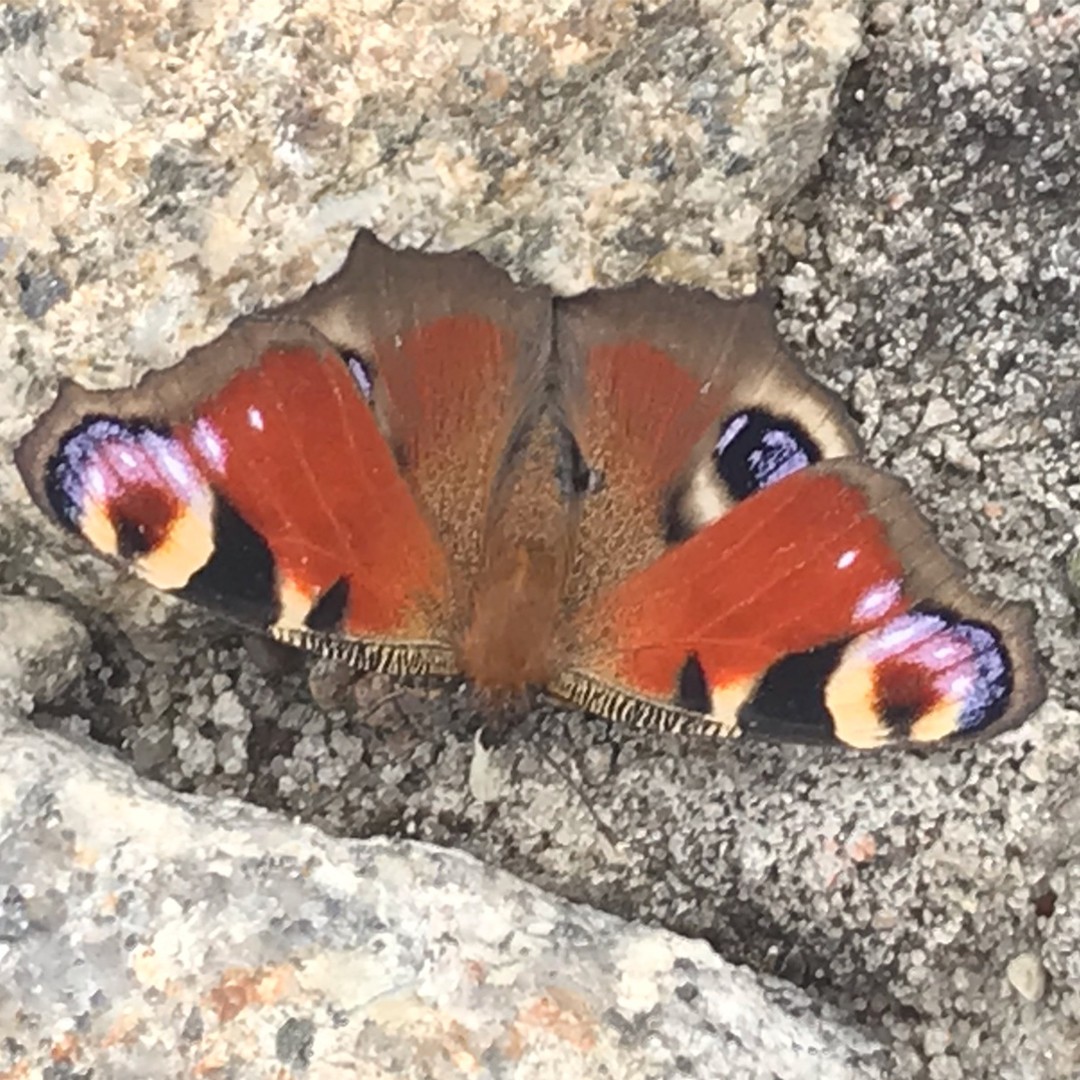
5. European peacock
European peacock (Aglais io) is a colorful butterfly that resides in temperate Asia and Europe – hence its common name. Its prominent eyespots deter would-be predators, who mistake them for the eyes of a bigger, more dangerous species. In recent years, this species appears to be expanding its range into previously uncolonized territory.
6. Cabbage white
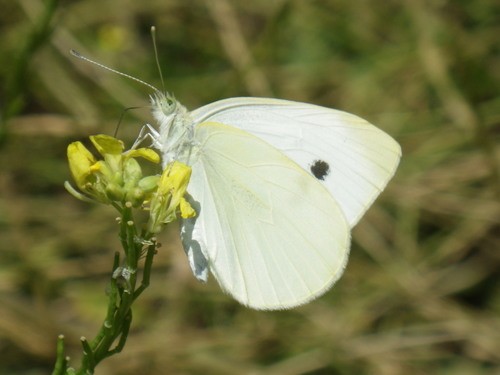
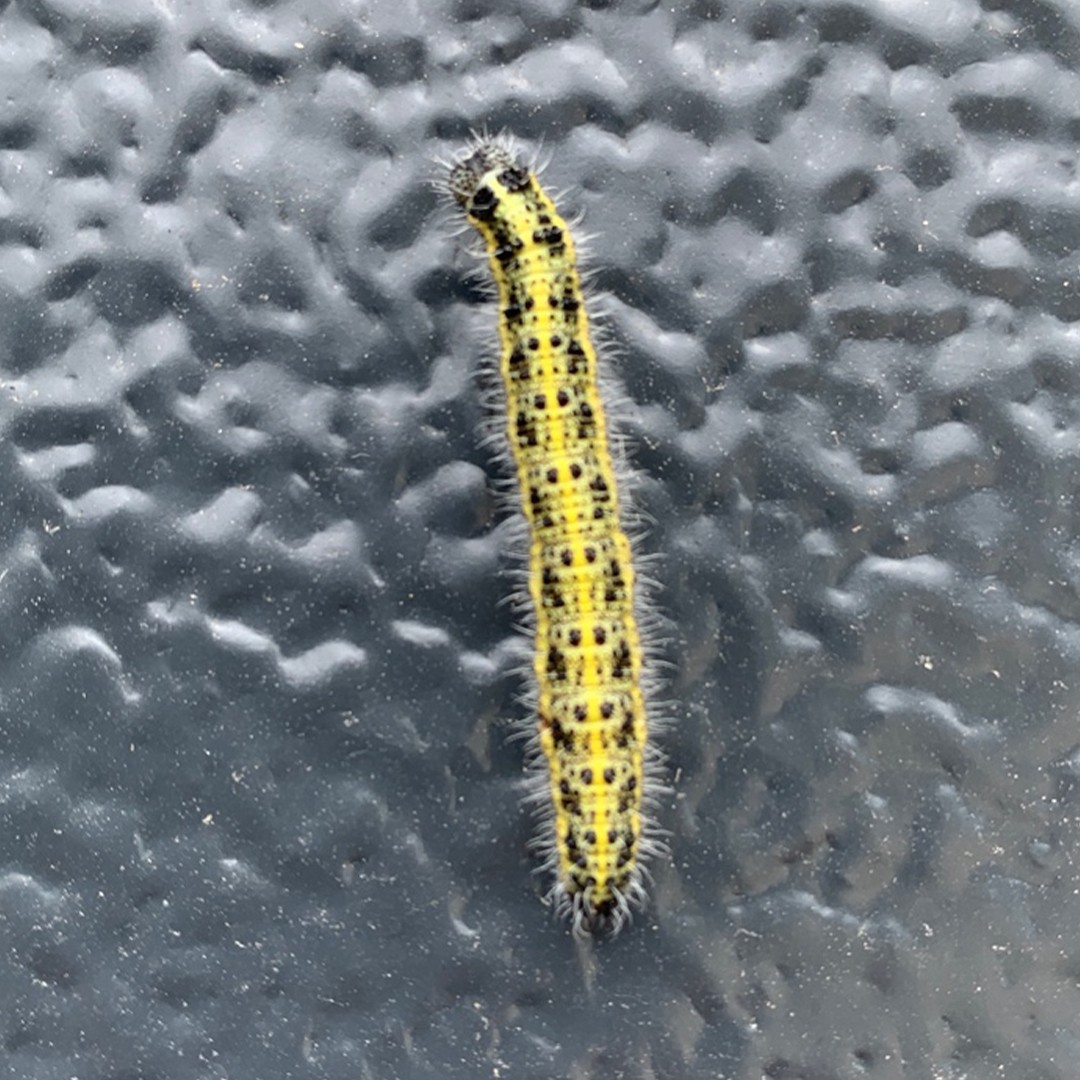
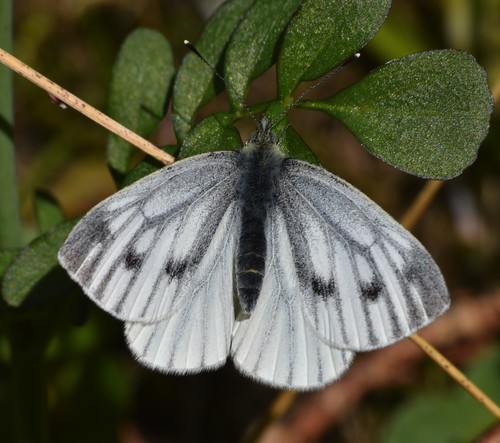
Cabbage white (Pieris rapae) derives its common name from its habits as a caterpillar, which is a ferocious pest for cabbage, kale and broccoli farmers. In North America, it is one of the first butterflies to emerge in spring, heralding the beginning of the season.
7. Red admiral
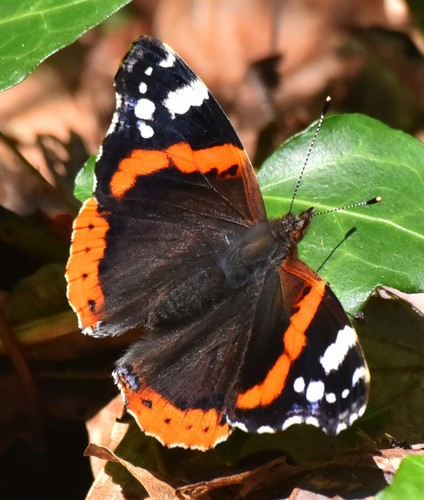
Red admiral (Vanessa atalanta) is a visually striking species of butterfly. Unusually territorial, males will compete for choice areas, and females will only mate with males that maintain their own territories. This butterfly is known for being particularly patient with human interactions, even to the point of perching on clothing or flesh.
8. Common carder bee
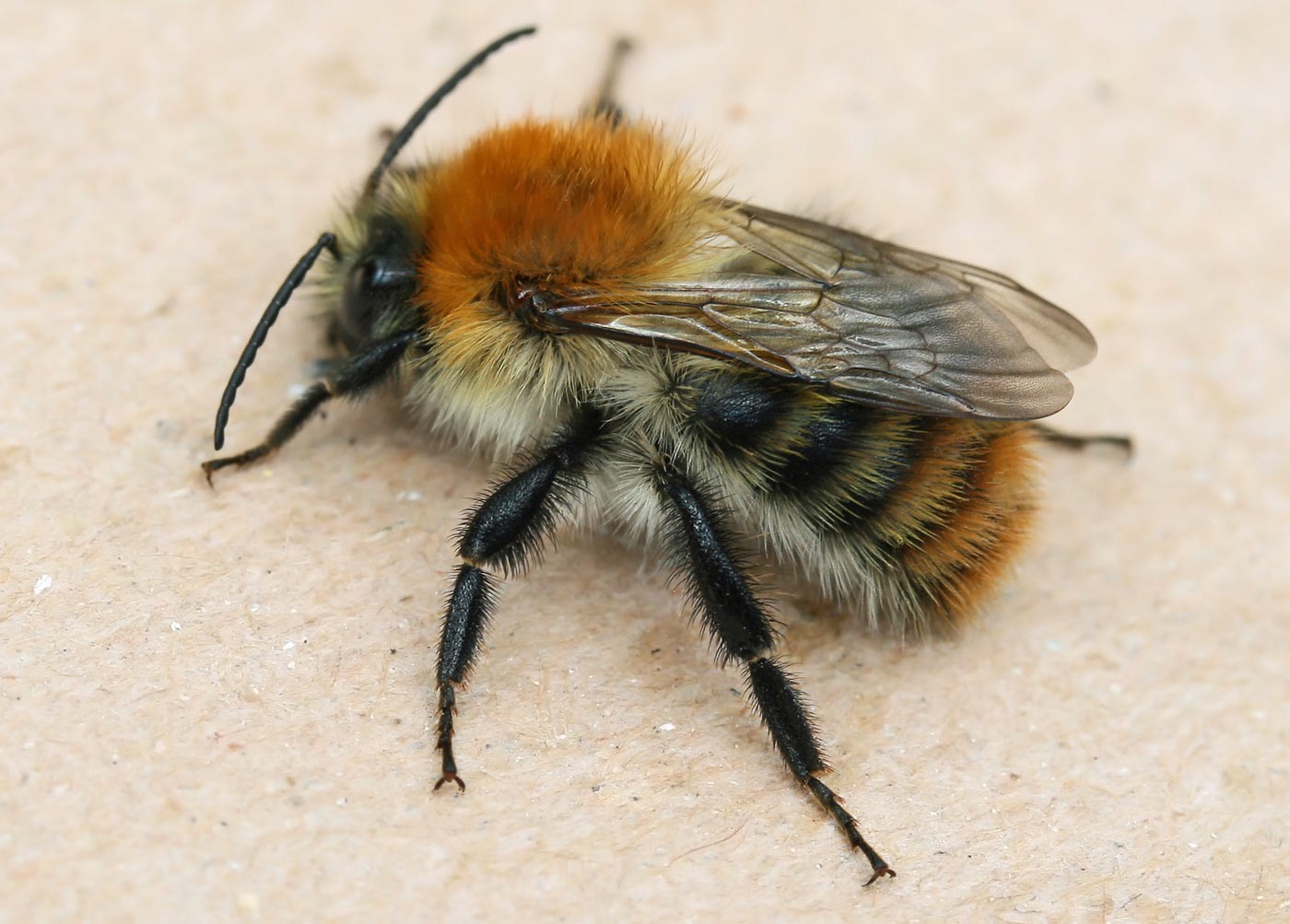
The common carder bee (Bombus pascuorum) earns this name from its ability to be found almost anywhere. It isn't picky and can set up shop in a ditch or a meadow. During this time, it collects moss and combines it with wax to form their nests. They reach more than 100 individuals until they rapidly die off. Dramatically, the last surviving females and males leave the nest for greener pastures.
9. Seven-spotted ladybug
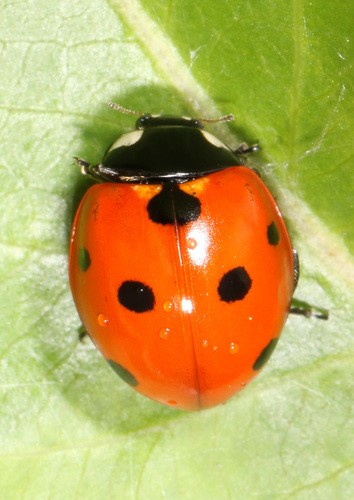
Seven-spotted ladybug (Coccinella septempunctata), known in North America as the "seven-spotted ladybug," is the most common species of ladybird in Europe and the official state insect of five U.S. states. While not native to North America, it has established itself there after being introduced to control aphid populations. Its bright coloring deters predators, and it may also play dead or secrete foul-smelling liquids to discourage consumption.
10. Marmalade hoverfly
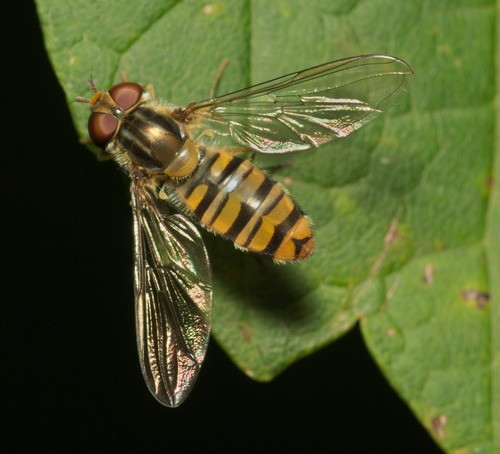
Marmalade hoverfly (Episyrphus balteatus) is a hoverfly species that tends to congregate in groups. This sometimes alarms people who mistake them for wasps, although marmalade hoverfly does not sting and is harmless to humans and animals. It feeds on nectar and pollen grains, possesses the rare ability to crush the latter.

More







