




Top 20 Most Common Insects in Batticaloa
Insects, remarkable creatures of diverse habitats within Batticaloa, are celebrated for their variety and ecological roles. The different landscapes in Batticaloa shape the insect variety, leading to a diverse range of both pests and beneficial species. These insects, whether numbering in the 20 most common or beyond, play crucial parts within Batticaloa's ecosystem, significantly impacting the flora and fauna of the region.

Most Common Insects
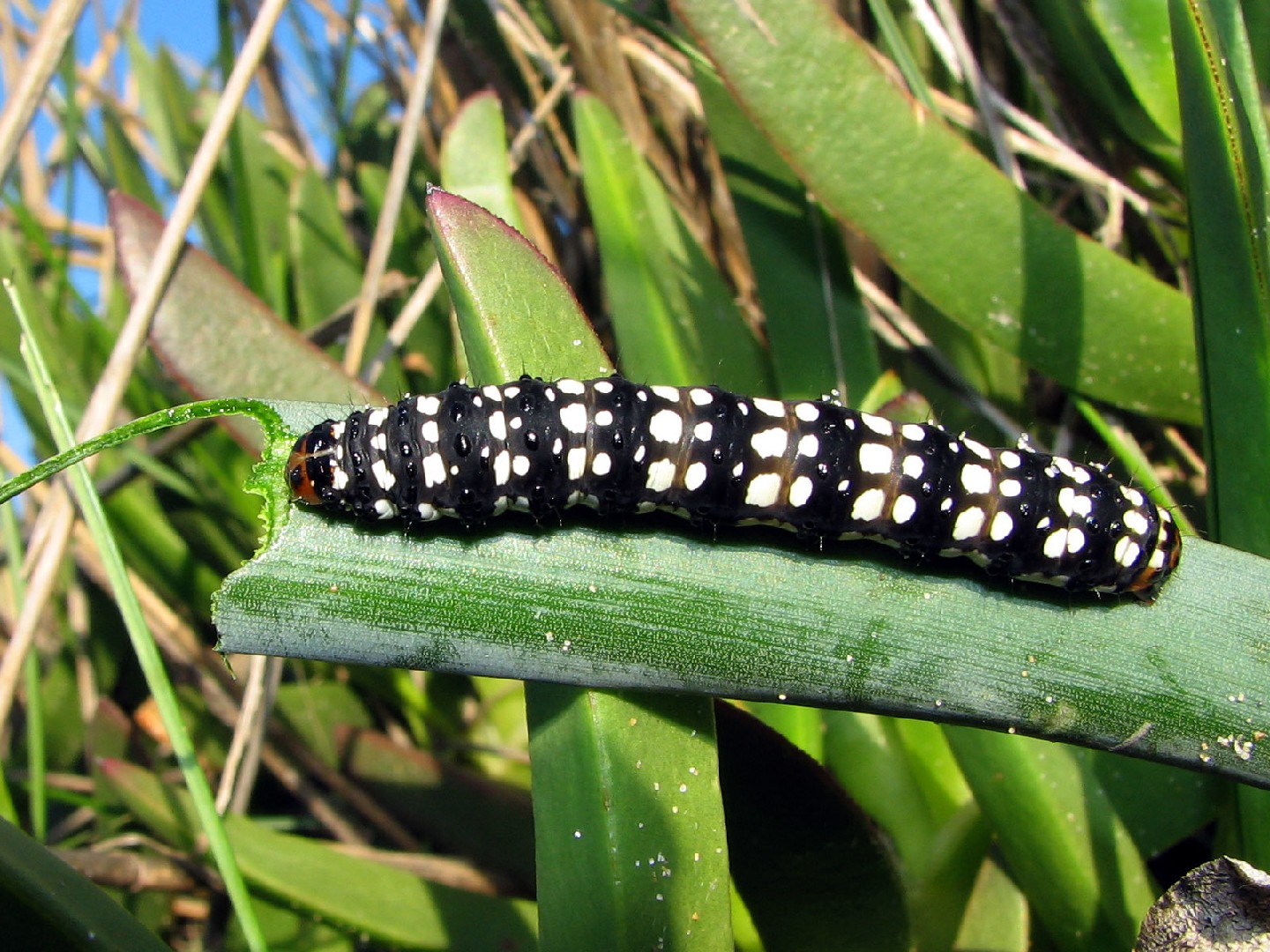
1. Lily borer
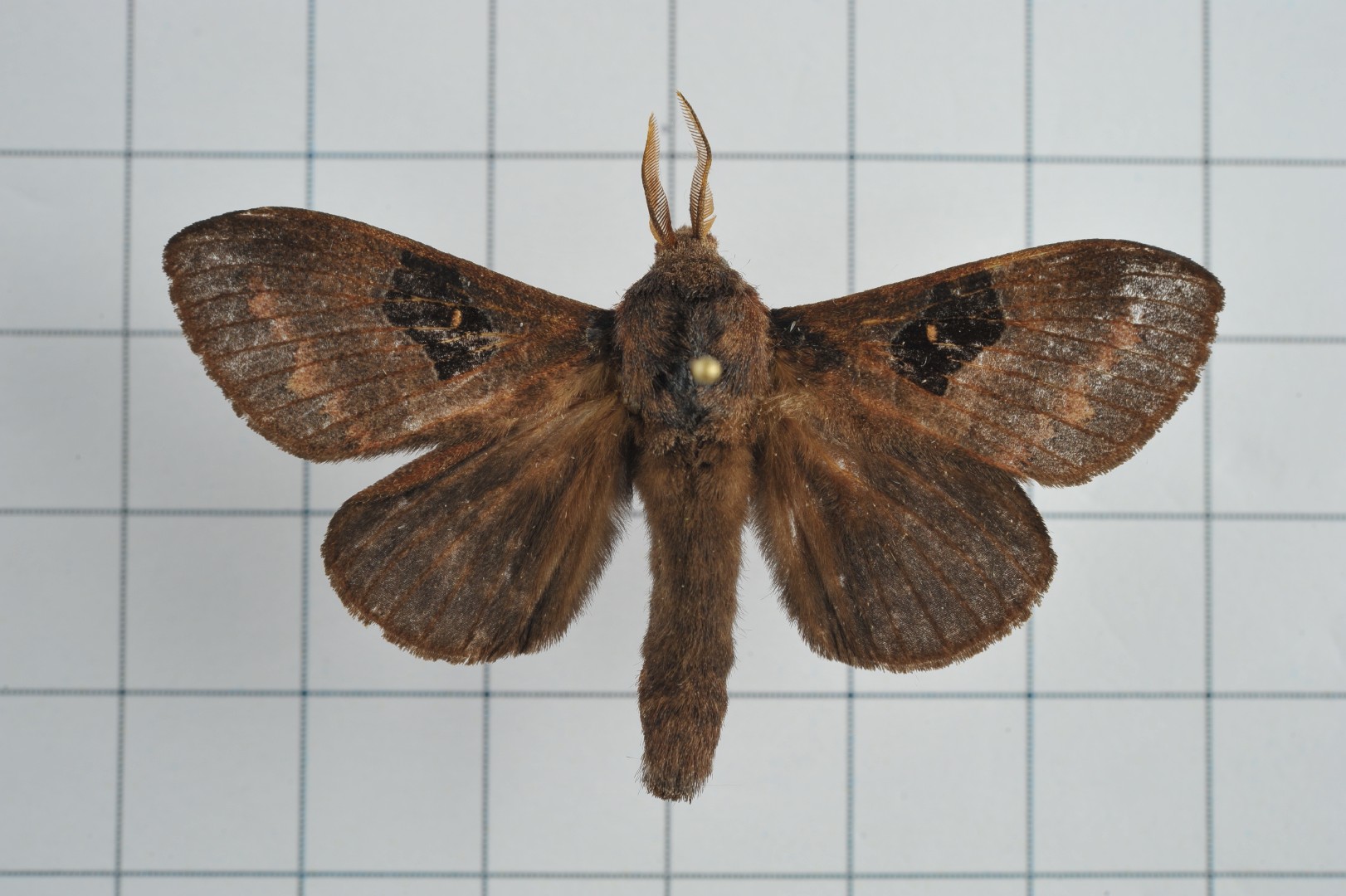
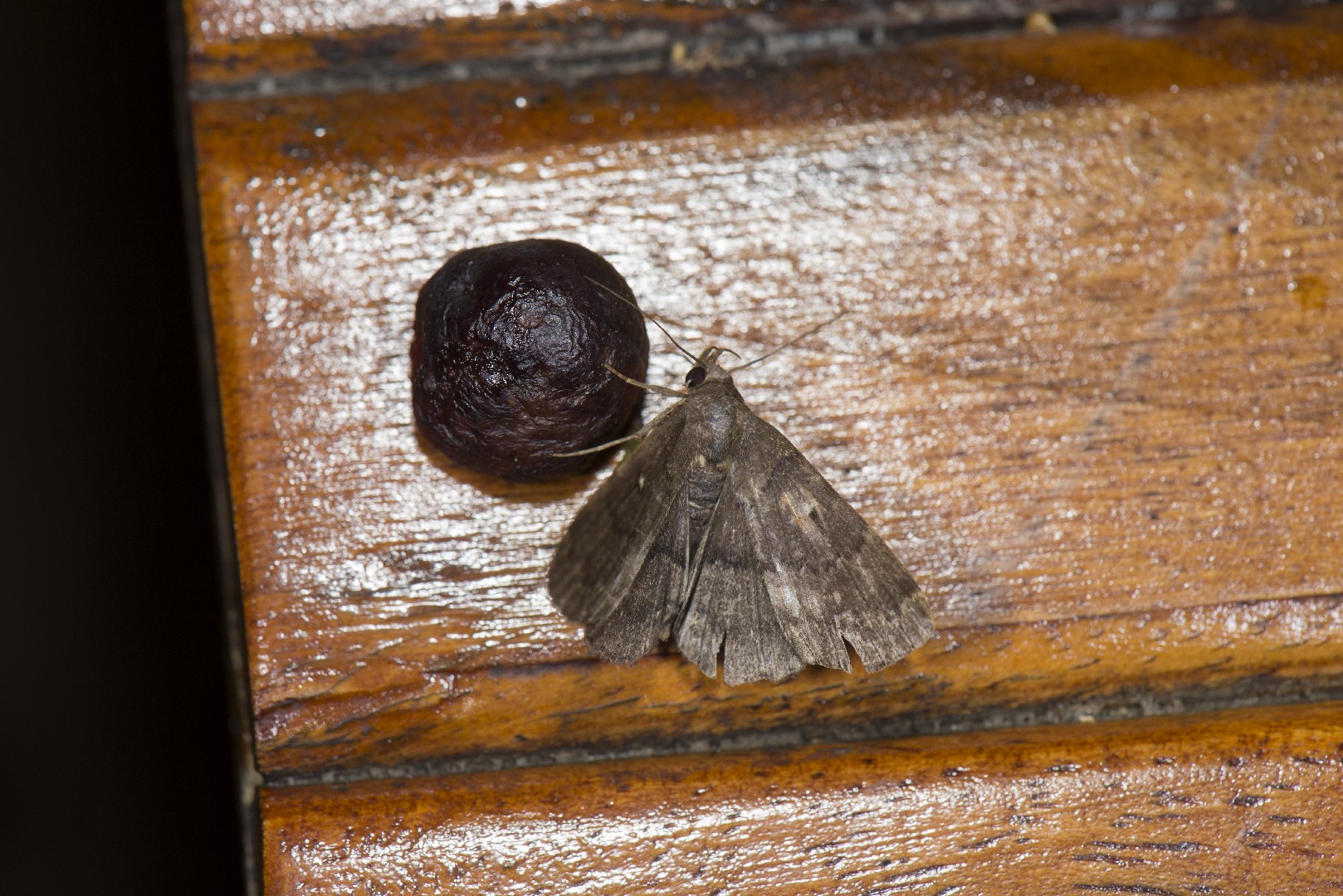
The wingspan of the moth is about 4 cm. Its head, thorax and forewings are very dark brown, but paler toward the wingtips. Sub-basal, median and postmedial indistinct waved lines are black. A curved submarginal ochreous line with ferrous colored lunuled found on each side of it. There is a marginal black lunule series. The hindwings are practically white. Tarsi bear black and white stripes. 
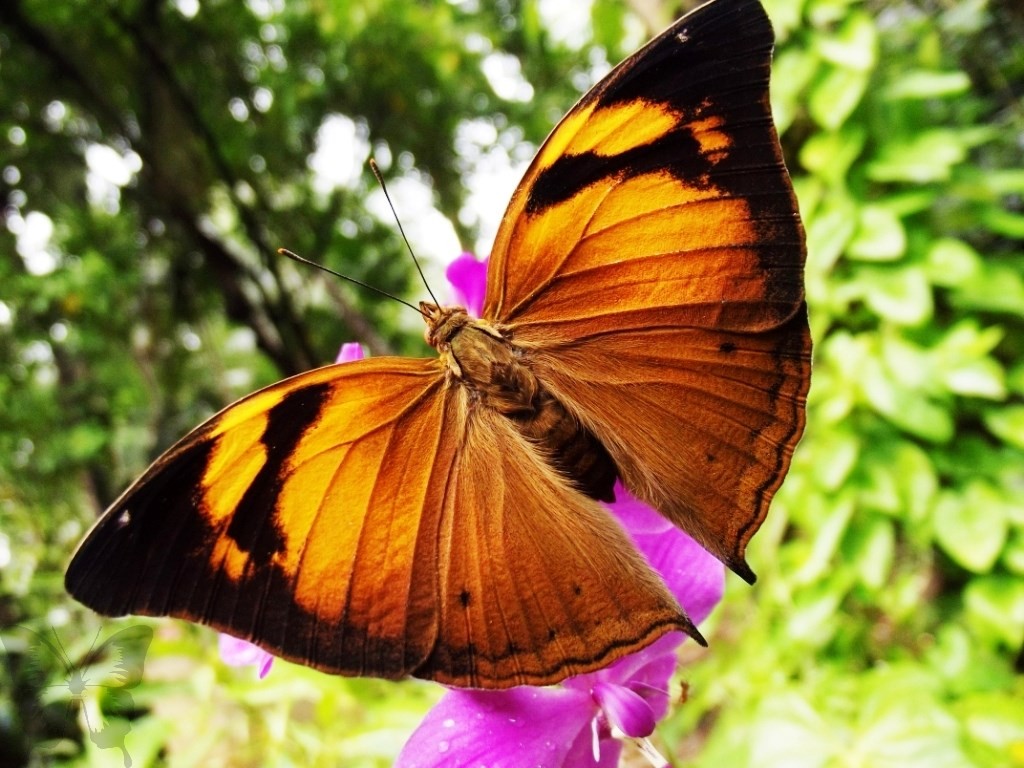
2. Autumn leaf
The larvae are black, with two rows of dorsal white spots. Head with a pair of branched spines; rest of the segments with a dorsal and a lateral row of blue branched spines on each side. The pupae are yellowish with numerous black spots; constricted in the middle; head produced into two points. Male's and female's underside yellowish brown, paling anteriorly to rich golden yellow on the forewing, shading anteriorly into dusky brown on the hindwing. Forewing: the apical half black, following a line from vein 12 opposite the discocellulars, passing through apex of cell, obliquely across middle of interspace 3 and curving down to tornus; a black spot near apex of cell coalescing with the inner margin of 1he black colour; a short, very oblique, broad golden-yellow band, broader in the female than in the male, from middle of costal margin to interspace 5; a spot beyond in line with it in interspace 4; two, sometimes three, minute, preapical white specks; the cilia fulvous (tawny), touched with white, anteriorly. Hindwing uniform; the costal margin broadly as noted above, a subterminal narrow band and narrower terminal line posteriorly, dusky black; a postdiscal black spot in interspaces 2 and 5 respectively; the cilia fulvous. The ground colour varies from reddish to dark greenish brown with irrorations (speckles) of greyish and black scales; apex of the forewing and the terminal margin posteriorly of the hindwing more or less lilacine; forewings and hindwings crossed by a dark narrow discal fascia, generally bordered on the inner side by a greyish line; this fascia bent inwards at right angles above vein 6 of the forewing and in most specimens, bordered internally by a diffuse pale patch and externally by an oblique whitish mark, beyond which is a subcostal white spot, followed by a transverse sinuous postdiscal series of obscure ocelli crossing both wings, each ocellus centred by a minute dot, white on the fore, black on the hindwing. In the male there are generally, but not invariably, a number of whitish spots on the basal areas of both wings. Antennae blackish brown, ochraceous at apex; head, thorax and abdomen dark fulvous brown; beneath, the palpi white, the thorax and abdomen pale brown. Wingspan is about 8 - 9 cm.
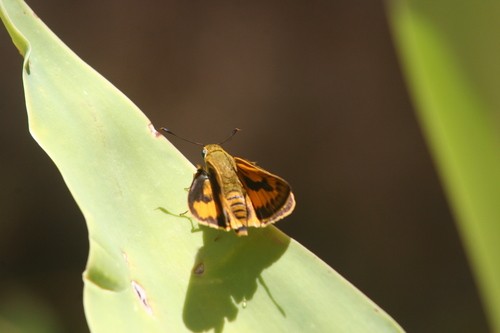
3. Yellow palm dart
The wingspan is about 4 cm.
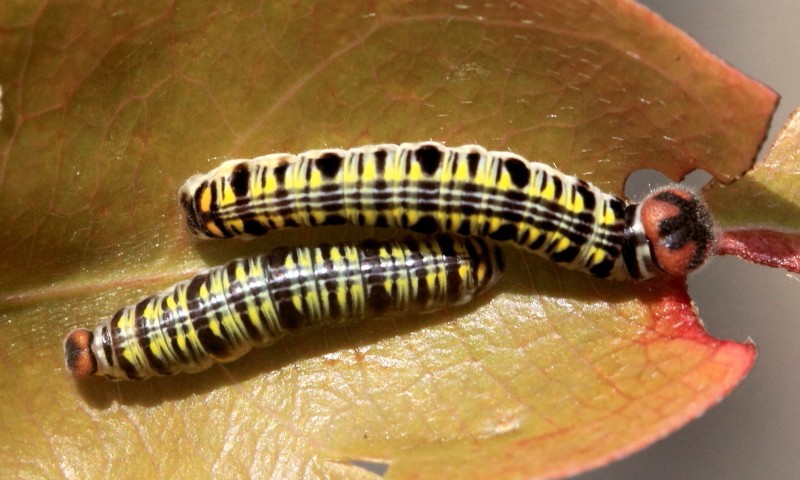
4. Orangetail awlet
Both sexes: The butterfly has a wingspan of 45 to 50 mm. Above, both sexes are an unblemished dark brown. The hindwings have an orange fringe. The abdomen is orange towards the rear. Below, the wings have white patches; the forewings having a large white central patch, and the hindwings having a broad pure white discal band. The male has no brands.
5. Thyas honesta
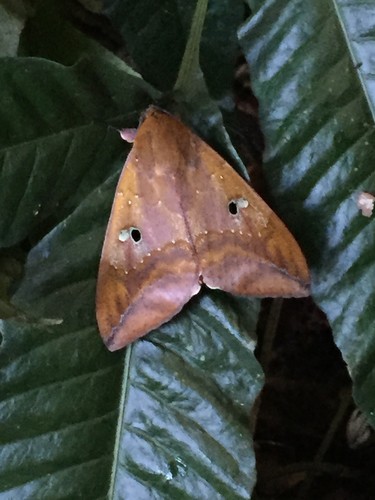
Its wingspan is about 84–104 mm. Head and thorax reddish chestnut in colour, where the third joint of palpi black. Abdomen crimson. Forewings reddish chestnut, slightly irrorated with dark scales. There are traces of a sinuous antemedial line with three specks on it. Reniform greyish, where the lower part more or less completely filled in with black. A curved postmedial series of white specks with an indistinct band beyond it angled at vein 6 and met by a dark streak from the apex. A marginal series of specks present. Hindwings crimson with black sub-marginal medial patch. Larva ophiusine-shaped with an apple-greenish body and finely lined longitudinally with purple-centered double white lines. The dorsolateral pair of conical tubercles are yellowish patched with red. The larvae feed on Careya, Barringtonia and Planchonia species.
6. Crotalaria pod borer
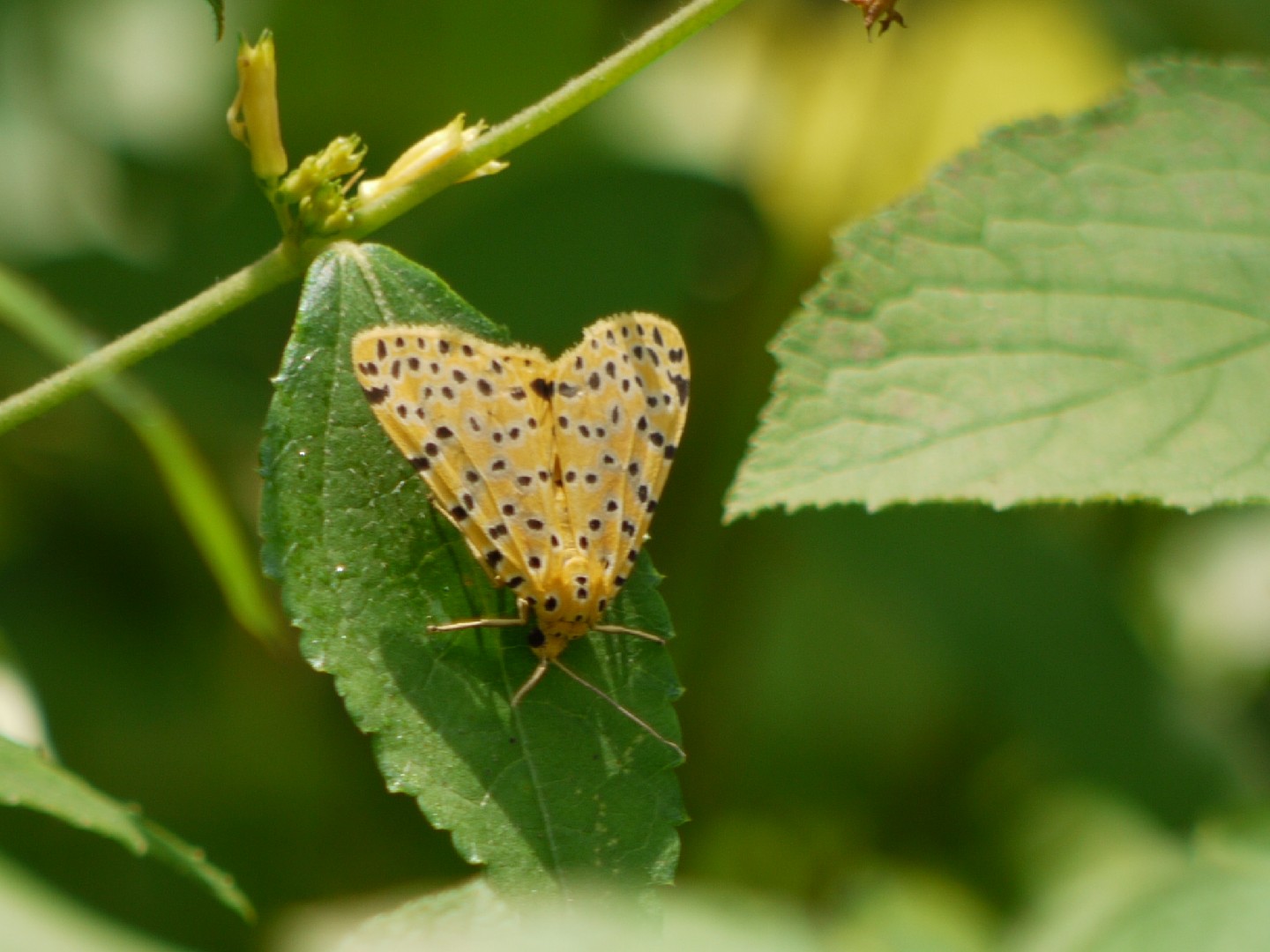
The wingspan is about 40 mm. The species is extremely variable in wing pattern as well as ground colour. It differs from Mangina argus in the head, thorax and forewing being orange yellowish or whitish. The abdomen and hindwings are bright orange. Markings and spots are similar to its neighbor species. The head of the caterpillar is reddish brown when fully grown. Its body is black with white intersegmental rings that contain broken black transverse lines. Spiracles are in orange patches.
7. Tamil lacewing
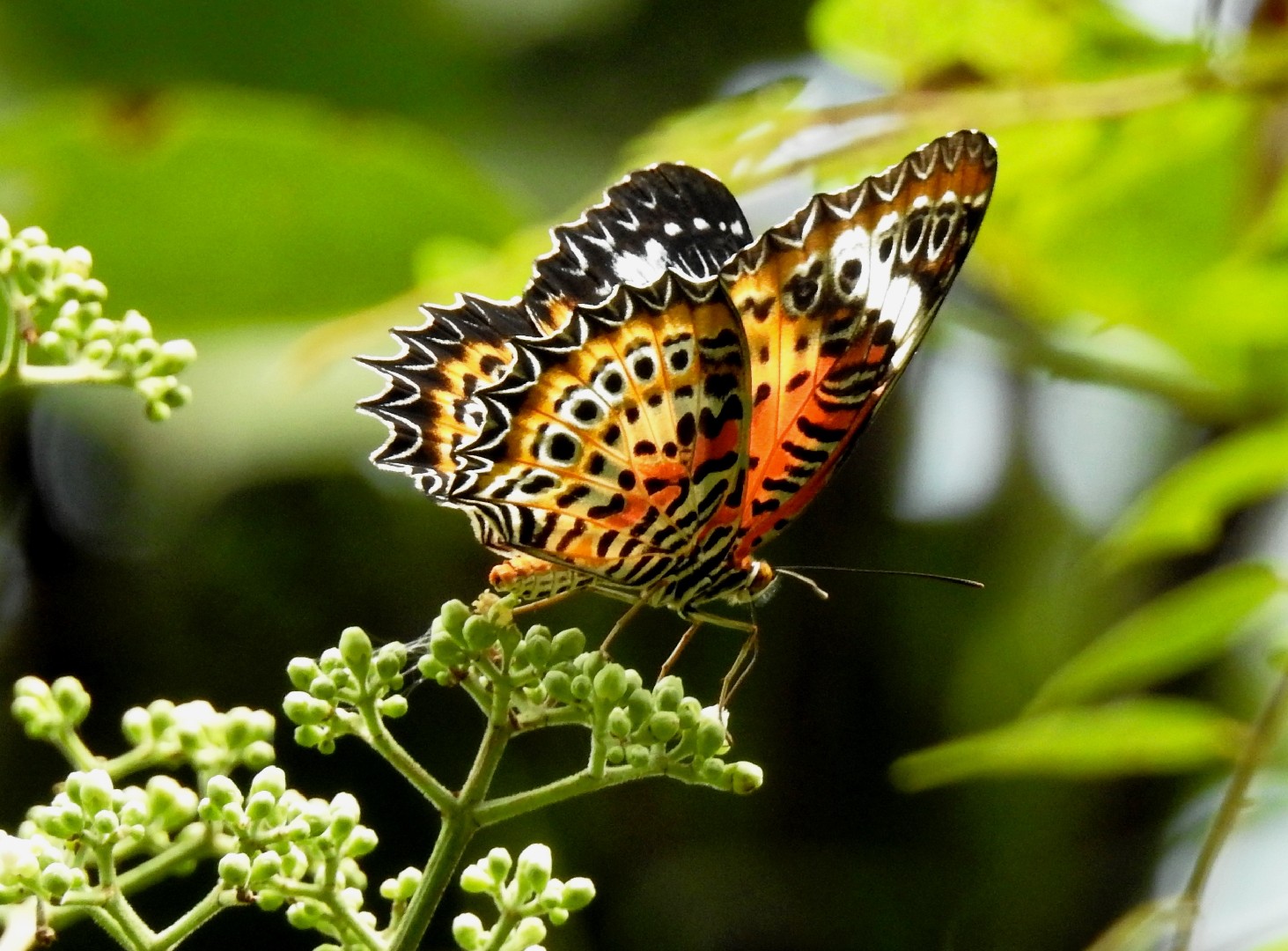
Cethosia nietneri, the Tamil lacewing, is a species of nymphalid butterfly found in Sri Lanka and south India. The species name is after John Nietner who obtained specimens of the butterfly from Ceylon from which it was described.
8. Redspot
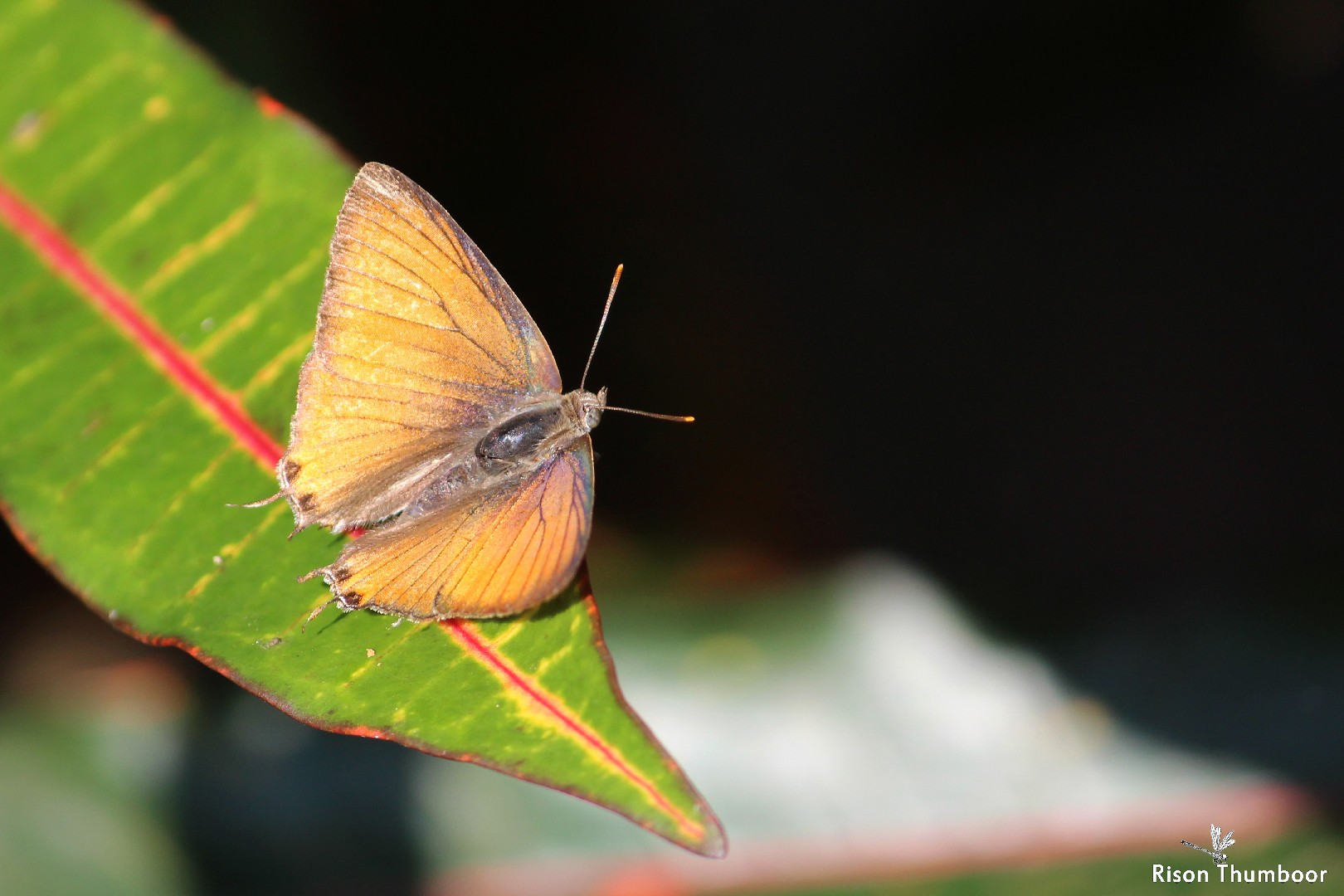
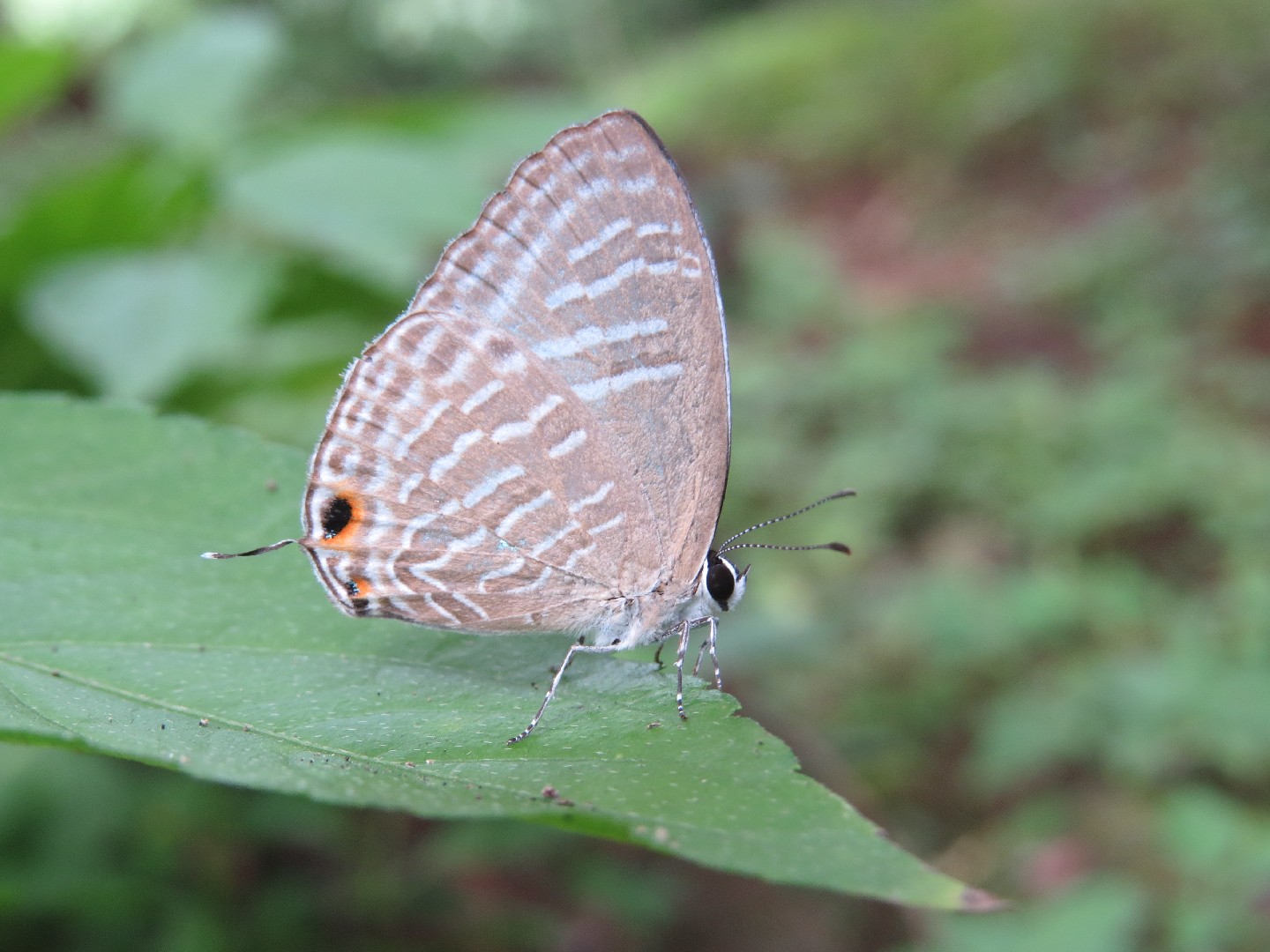
Male. Upperside pale cupreous-red, veins finely blackish-brown. Forewing with the costa and outer margin with a narrow brown band of fairly even width throughout. Hindwing with the costal space and abdominal fold pale brown; outer margin more narrowly brown, narrowing hindwards, the abdominal space outside the fold suffused narrowly with brown; a sub-terminal brown spot in each of the three anal interspaces, margined by a slender greyish-blue line, often obsolescent; tails brown, tipped with white. Underside pale grey, markings pale reddish-brown, edged with dark brown and white lines. Forewing with three somewhat linear spots in the cell, increasing in size outwards, sub-basal, medial and terminal; a similar spot below the medial spot; a discal band of six conjoined spots, with a seventh disconnected, the series slightly outwardly curved and somewhat irregular, the fourth and sixth from the costa being a little outwards, some dark suffusion in the middle of the hinder marginal space. Hindwing with a sub-basal small round spot in the cell, one on the costa above it and another below it, a larger spot in the middle, with a still larger spot on the costa above it and a smaller one below it, a bar at the end of the cell, composed of two conjoined spots, the lower shifted half outwards; a discal outwardly curved series of nine spots, the first six from the costa conjoined, the second the largest, its outer lower end touching the inner upper end of the third; the fifth inwards, the sixth and seventh outwardly oblique, the latter somewhat linear and detached, the ninth represented by a short line running in on the abdominal margin and well separated from the seventh, with the eighth, a minute spot between them, a small black spot at the anal angle, another in the first interspace, both capped with orange, some blue and white scaling in the interspace between them, a white anteciliary thread from the anal angle to vein 2; cilia brown, with a white line in its middle; both wings with a sub-marginal series of small lunular marks, only faintly indicated in the forewing. Antennae black, whitish beneath, club with an orange-red tip; frons black; head and body blackish-brown above, grey beneath. Female. Upperside. Foreicing pale blue, the outer borders blackish-brown with a violet tint, narrow on the costa to the end of the cell, and also narrow on the hinder margin, the apex broadly blackish-brown, the band running down the outer margin about twice as broadly as it is on the costa; the width of all these blackish marginal bands varies somewhat in different examples. Hindwing with the blue ground colour of the wing suffused more or less over its whole extent with blackish-brown, the suffusion being darkest on the costal part; a very small anal black spot, sometimes absent, a large sub-terminal black spot in each of the next two interspaces and some smaller sub-terminal spots becoming obsolete upwards, the spot in the first interspace crowned with orange, the other with whitish; a white line inside the black terminal line; tails blackish, tipped with white; the extra tail at the end of vein 3 about half the length of the others. Underside as in the male, the ground colour paler. The host plants of the larvae include Terminalia catappa and Smilax zeylanica.
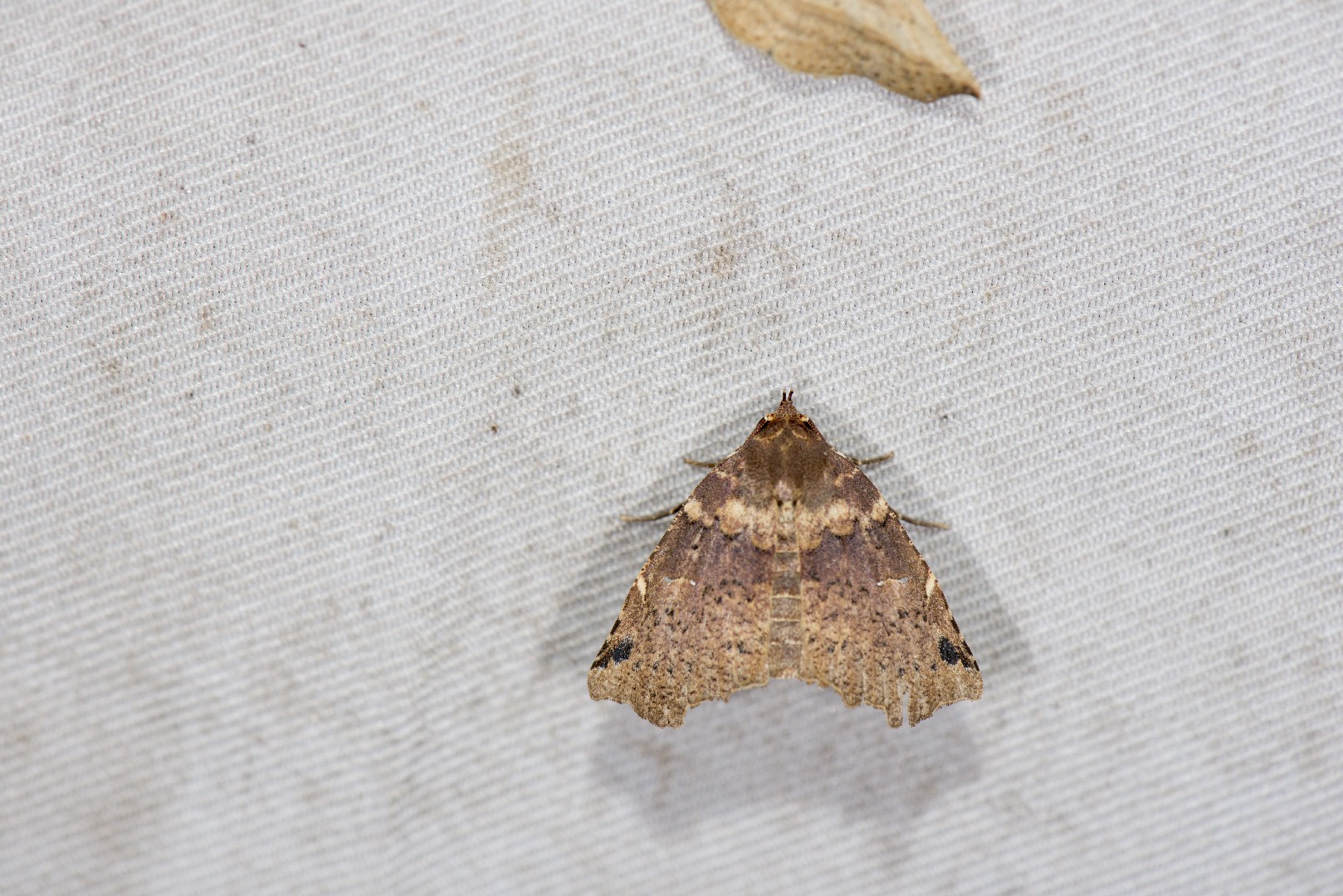
9. Falana sordida
The distal margin of the forewings has a falcate apex and dentate process dividing the more dorsal half. Facies on the dark greyish ground are the paler grey antemedial band. Transverse white dash of the reniform and submarginal black flecks found near the apex. Eggs depressed and light green dome shaped. Hatchlings are green-tinged honey yellow, and the darker setae arise from blackish-green spots. Mature caterpillars are cylindrical with orange heads and dorsolateral tubercles on their head. Body has black and bluish-white transverse bands with two black bands per segment. Hosts plants are Mallotus and Ficus species.
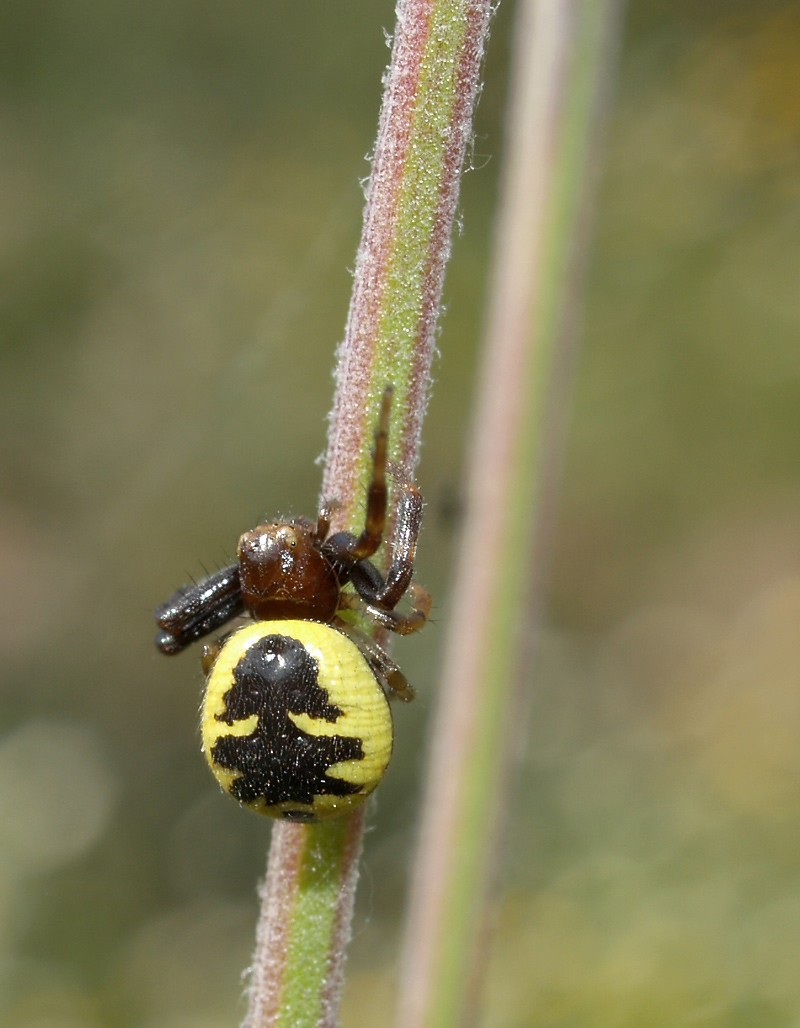
10. Napoleon spider
The adult males reach 2 - 4 mm in length, while females are 7 - 8 mm long. The two pairs of the front legs, used for hunting the flower-feeding insects, are more developed than the rear ones, which have a predominant motor function. Mature males have a black abdomen with two white marks. In mature females, the background colour of the abdomen can be red, yellow or white, with a black pattern which has been noted for a certain resemblance to the silhouette of Napoleon. Prosoma and legs are black or dark brown.

More







