




Top 18 Most Common Insects in Haiti
Plunge into the winged world of insect biodiversity in Haiti! Insects, with distinct features and habitats, thrive in varying geographical landscapes across Haiti. The rolling hills to coastal plains can influence Haiti's insect diversity. Remember, 18 common insects you'll encounter depend on factors like geography, climate, ecosystem, and human interaction. These vital organisms perform diverse roles, from pests to beneficial insects, shaping Haiti's unique ecosystem.

Most Common Insects
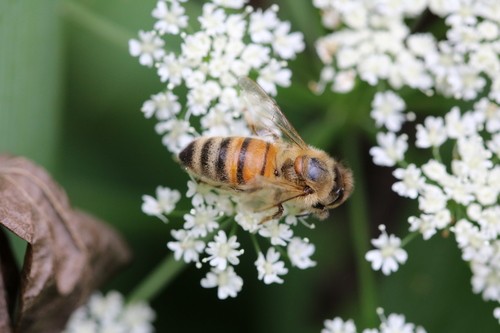
1. Western honey bee
Western honey bee(Apis mellifera) is the most common species of honeybee in the world. Among the first domesticated insects, its cultural and economic impact on humanity has been vast and far-reaching, providing honey, wax and its services as a pollinator. Western honey bee faces challenges worldwide, such as colony collapse disorder, and populations are thought to be decreasing.
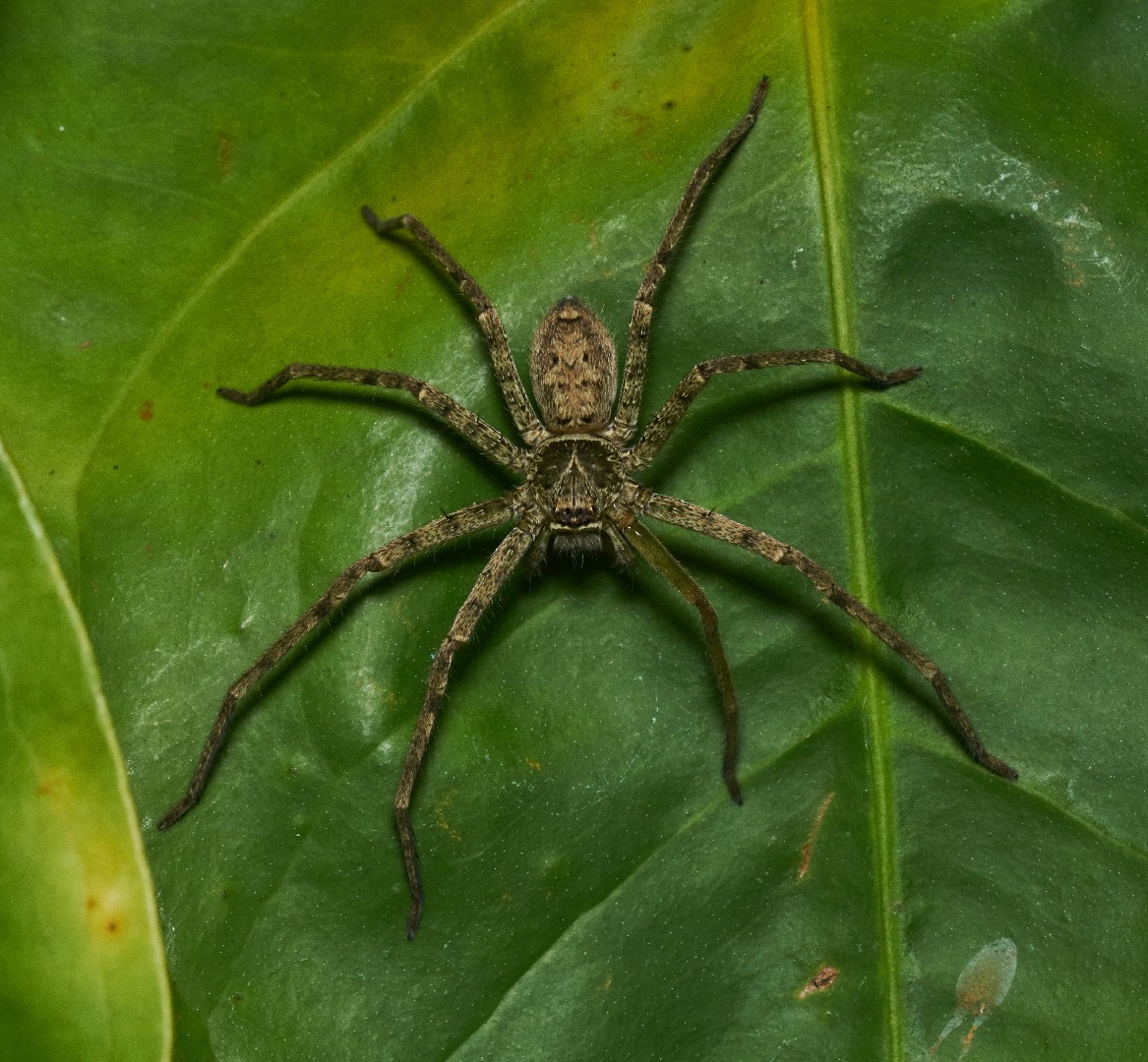
2. Giant Crab Spider
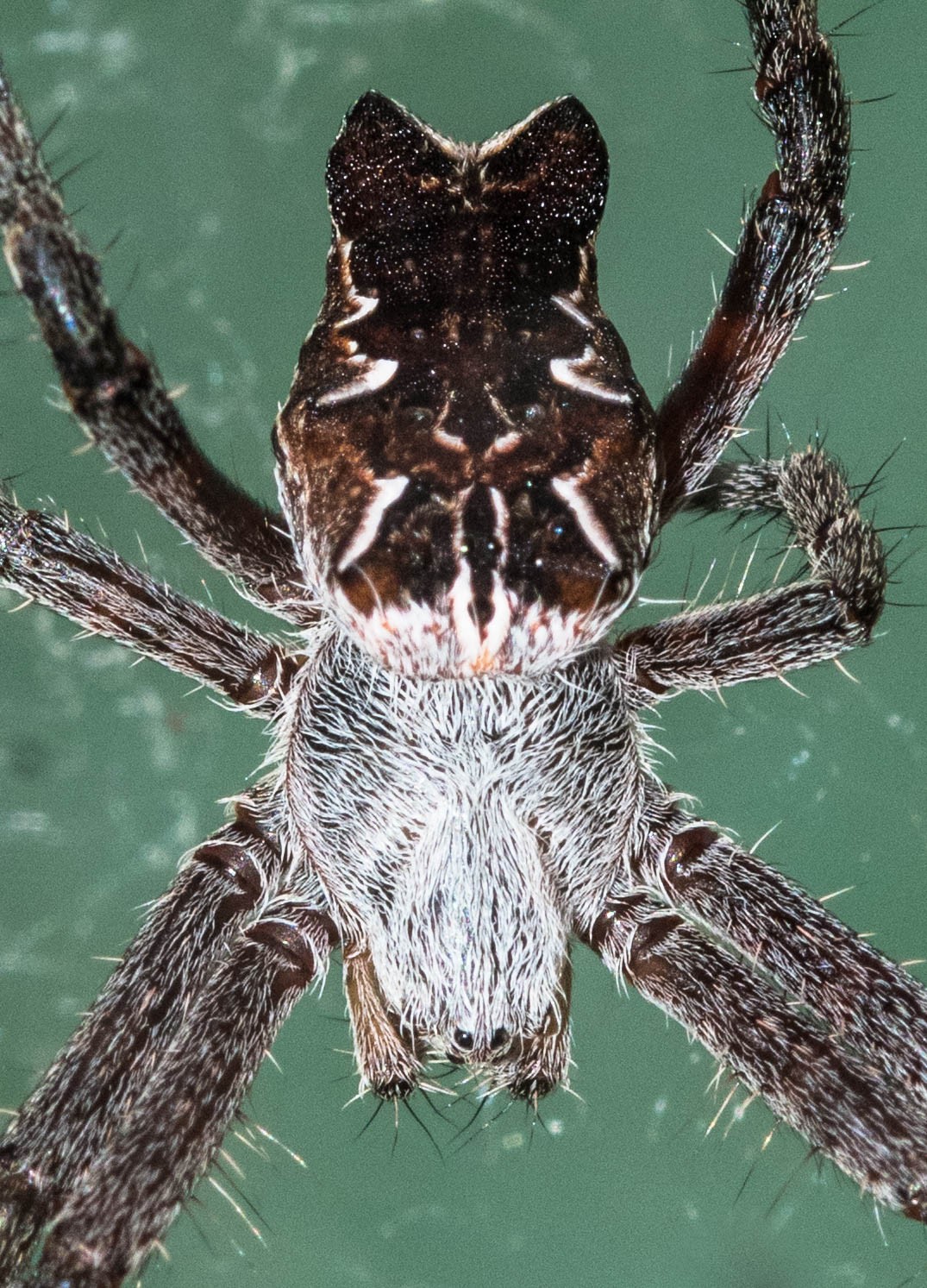
The giant Crab Spider is a large spider native to the tropics; the largest reported individual had a leg span of 30 cm. This cosmopolitan spider is highly valued in some areas, as it's able to catch cockroaches and other indoor pests. Reportedly, it hunts even scorpions and bats. This spider is venomous and sometimes bites humans, but it's considered harmless. 

3. Legume pod borer
The species is found in Europe.
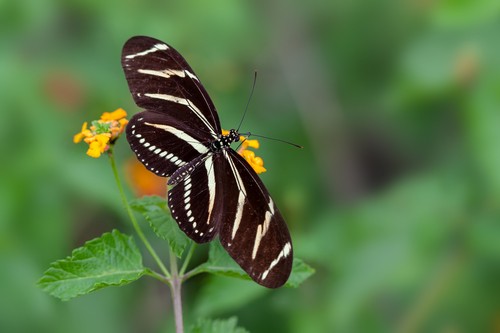
4. Zebra longwing
The zebra longwing (Heliconius charithonia) is a beautiful butterfly that has a texture resembling a zebra. They feast and pollen and nectar, using the pollen to produce chemicals that poison predators if they are eaten, deterring most predators from attack. Unfortunately, their populations have been decimated after being caught in the crossfire of sprays meant to control mosquitos.
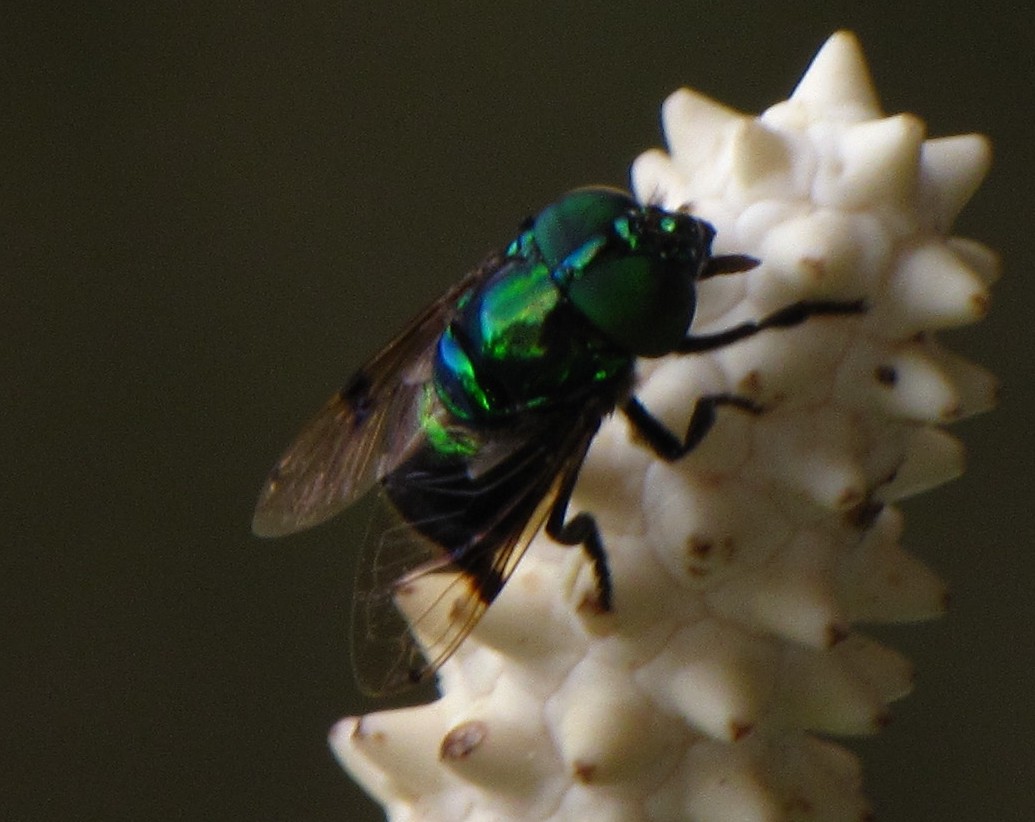
5. Green jewel fly
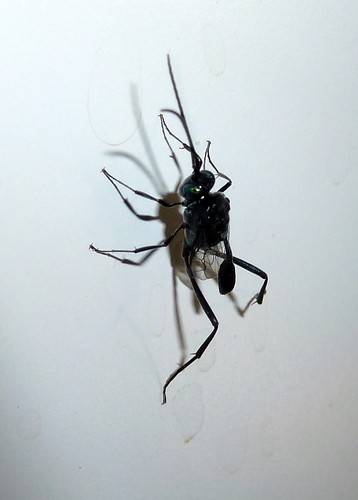
The green jewel fly (Ornidia obesa) are brilliantly colored insects that can be anywhere between green and blue but are always metallic in their shine. It is a versatile insect that can take advantage of the amenities offered in human settlements, but they are not dependent upon them.

6. Black soldier fly
The larvae of the black soldier fly are voracious eaters, making them excellent composters of a wide range of decomposing organic matter, including food waste and feces. The adults do not eat food - they only consume water and nectar and live off of the nutrients consumed as larvae, so they are not household pests. The larvae have been used as an important protein source for both animals and humans.
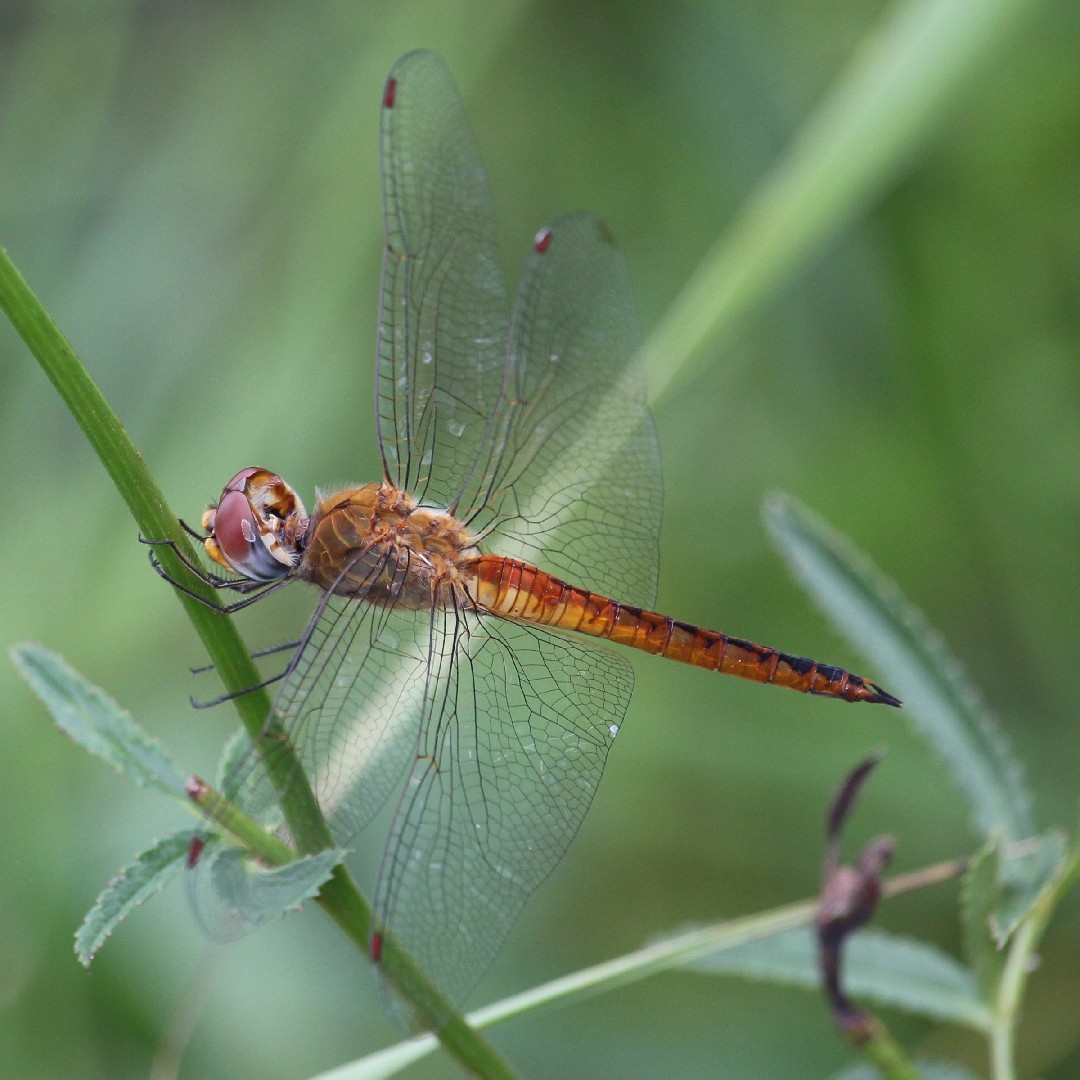
7. Wandering glider
The wandering glider (Pantala flavescens) is a yellow dragonfly that migrates long distances. It's easily recognized by its elegant flight pattern, where it seems to glide across the sky effortlessly, even when it's windy outside. It often lands near still water, which includes ponds and puddles.
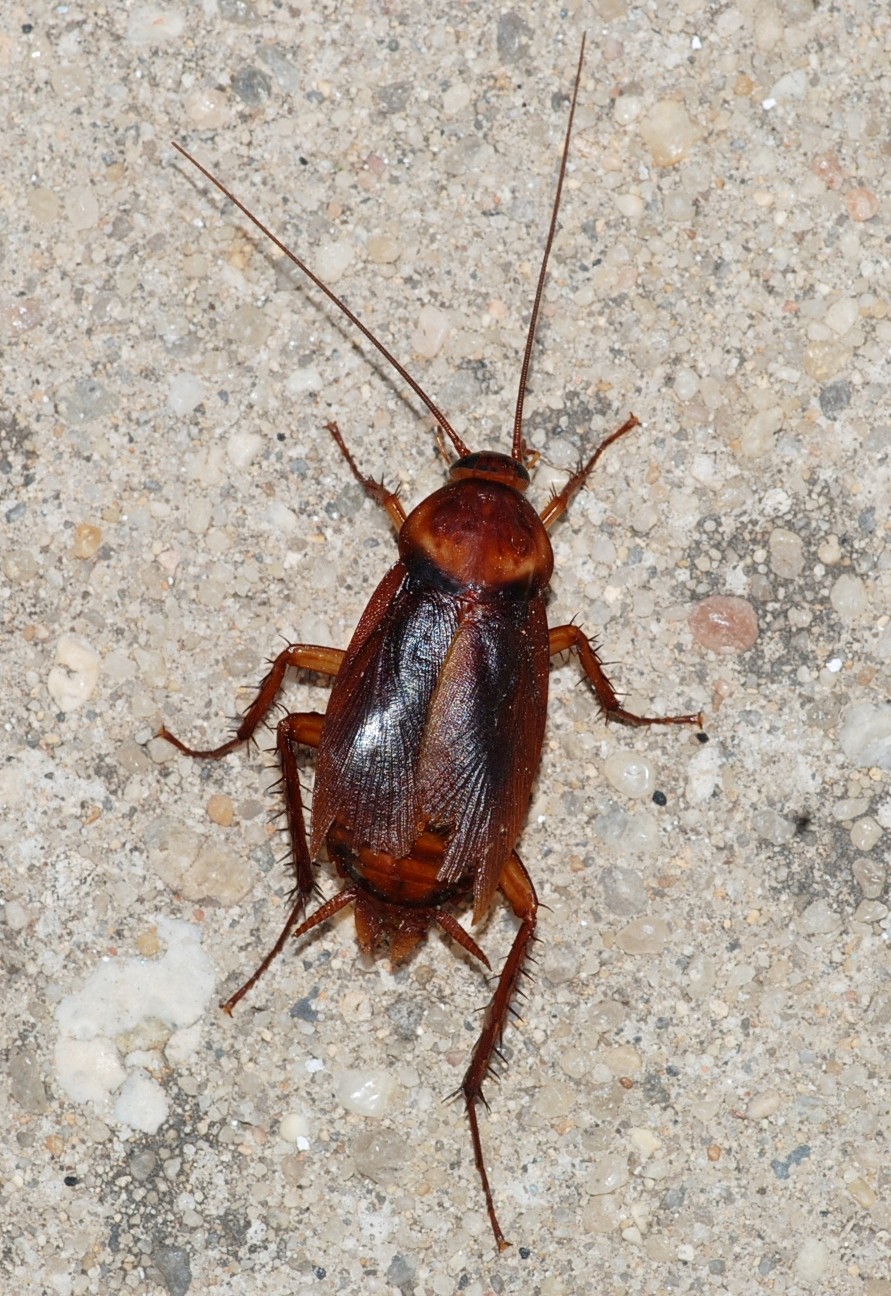
8. American cockroach
Despite its name, american cockroach (Periplaneta americana) is not native to the Americas but rather to Africa and the Middle East, from which it arrived as a result of human commercial patterns. Notably quick and rather resilient, this species is capable of limb regeneration. It requires a certain level of moisture to thrive, and it will avoid drier areas unless it has access to the required level of water.
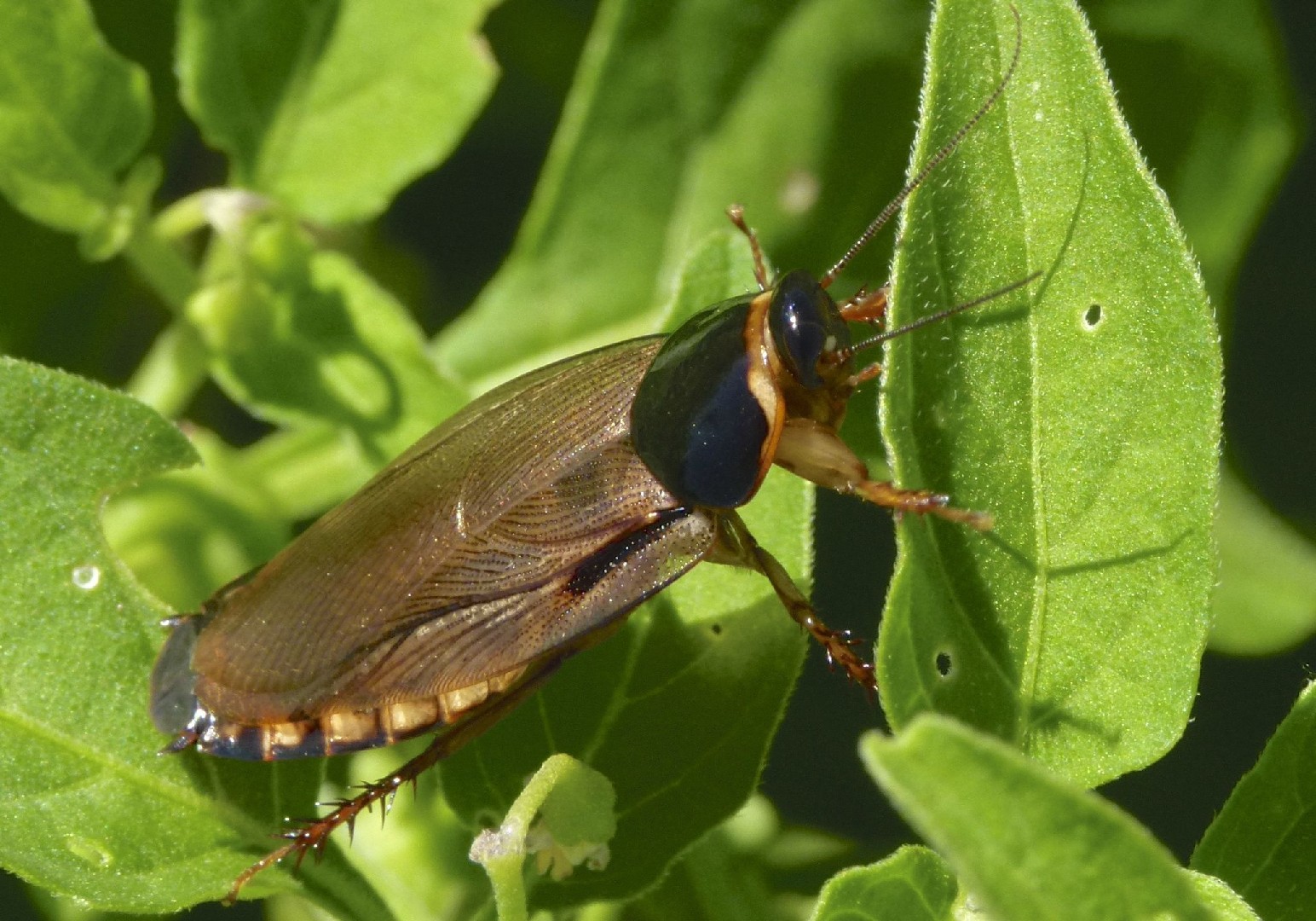
9. Surinam cockroach
Surinam cockroach is commonly observed in tropical, cultivated land areas or in greenhouses. Since the females can reproduce without mating, males of this species are rarely observed. These cockroaches are unlikely to be household pests since they prefer to burrow under soil, mulch, compost, woodpiles, and other similar environments. However, they sometimes get accidentally transported indoors via potted plants.
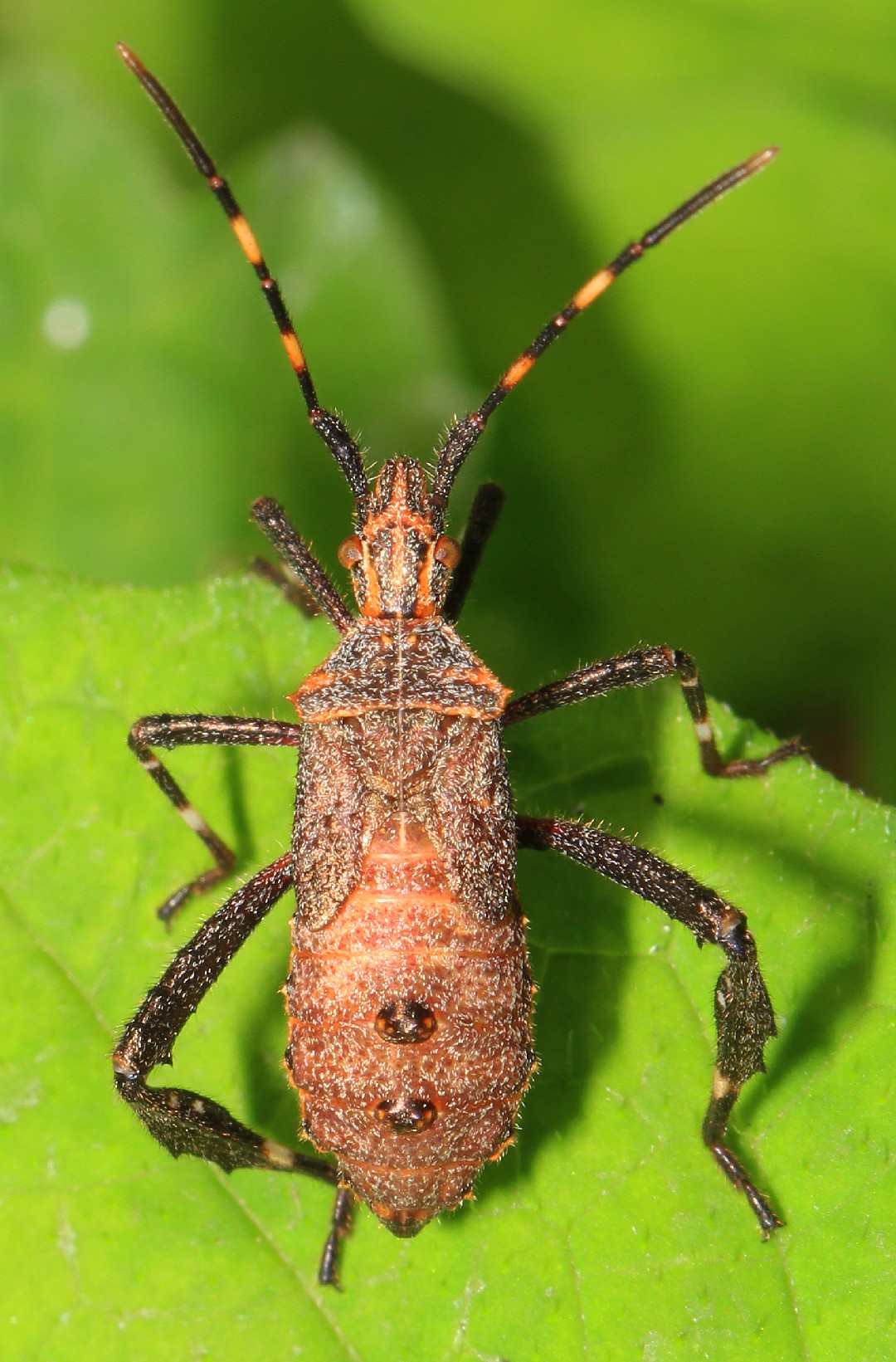
10. Passionvine bug
This leaf-footed plant bug is elongated and about 18 mm (0.7 in) long and 6 mm (0.2 in) wide. The long antennae are banded in black and orange, and there is a pale orangish transverse band at the front of the broad plate covering the prothorax. The remaining surface is dark brown or a dull purplish-black, with small orange spots on the underside of the thorax and abdomen, and a pair of orange spots on the two rear, enlarged, flattened tibiae.


More







