




Top 20 Most Common Insects in Siofok
In the intriguing world of insects, Siofok serves as a playground filled with an array of species, each with unique features and habitats. From the valleys to the hilltops, Siofok's varied landscapes foster a broad spectrum of insect diversity. As critical members of our ecosystems, these insects, as pests or as allies, play key roles in driving nature's cycle. This list explores the 20 most common insects in Siofok, shedding light on their ecological importance and their intertwining relationship with the environment. Prepare to embark on an entomological journey!

Most Common Insects
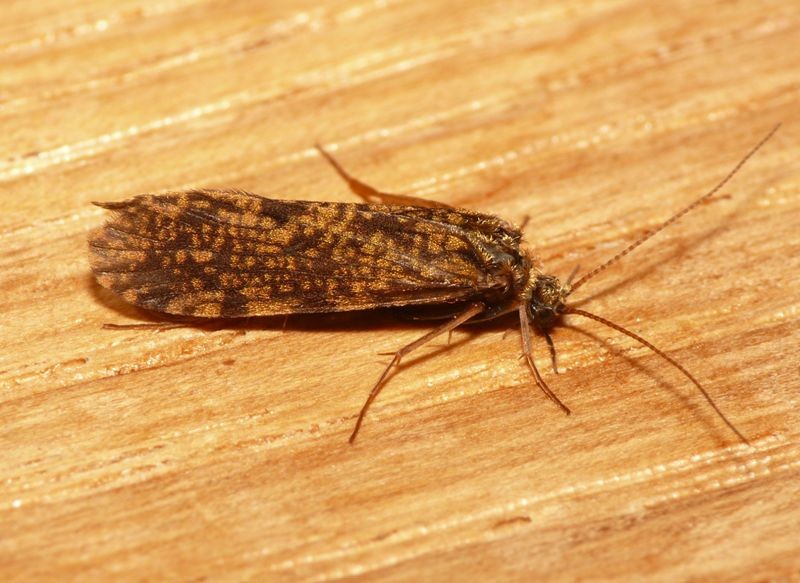
1. Ecnomus tenellus
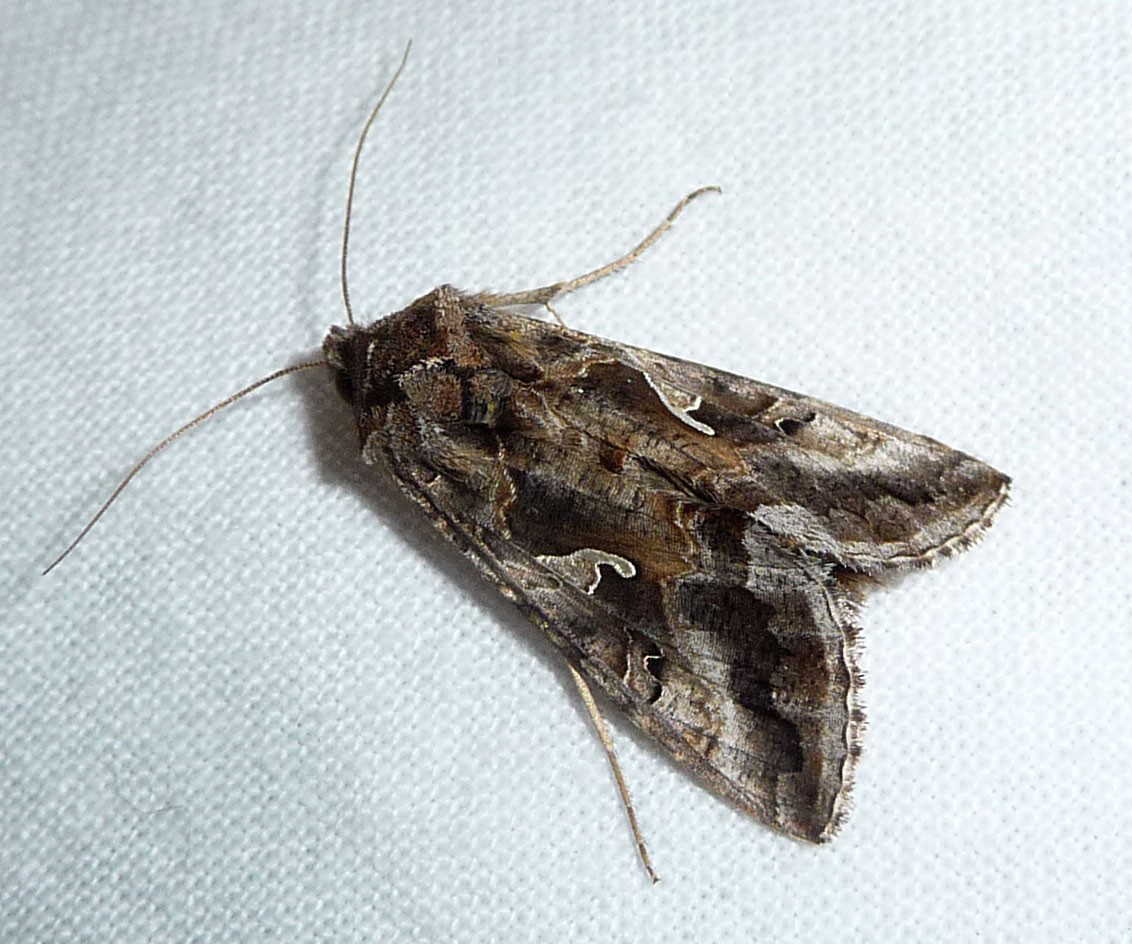
2. Silver y
The silver y (Autographa gamma) has an interesting name that comes from the silver, y-shaped patterns on each of its wings. Patterns on those wings also provide for decent camouflage. Its colors can be different depending on the local climate. You may catch them in your garden given their love of taking nectar from flowers.
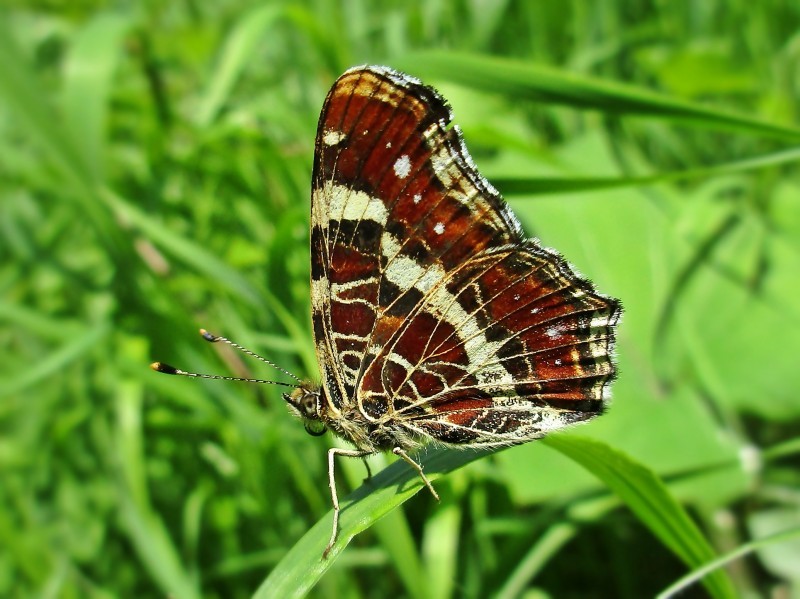
3. Map butterfly
The map butterfly is unusual in that its two annual broods look very different. The summer brood are black with white markings, looking like a miniature version of the white admiral and lacking most of the orange of the pictured spring brood. The eggs are laid in long strings, one on top of the other, on the underside of stinging nettles, the larval food plant. 
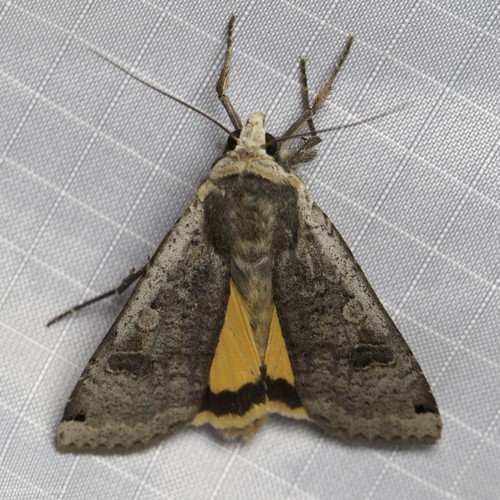
4. Large yellow underwing
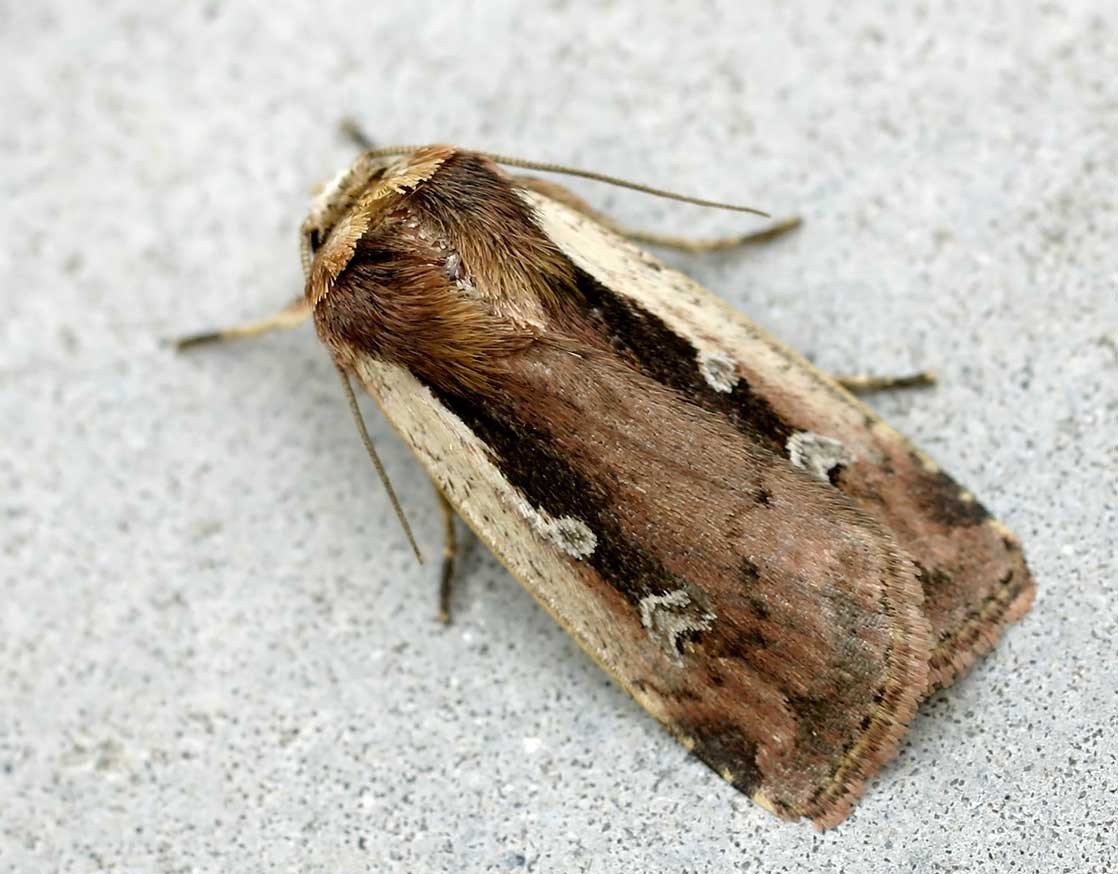
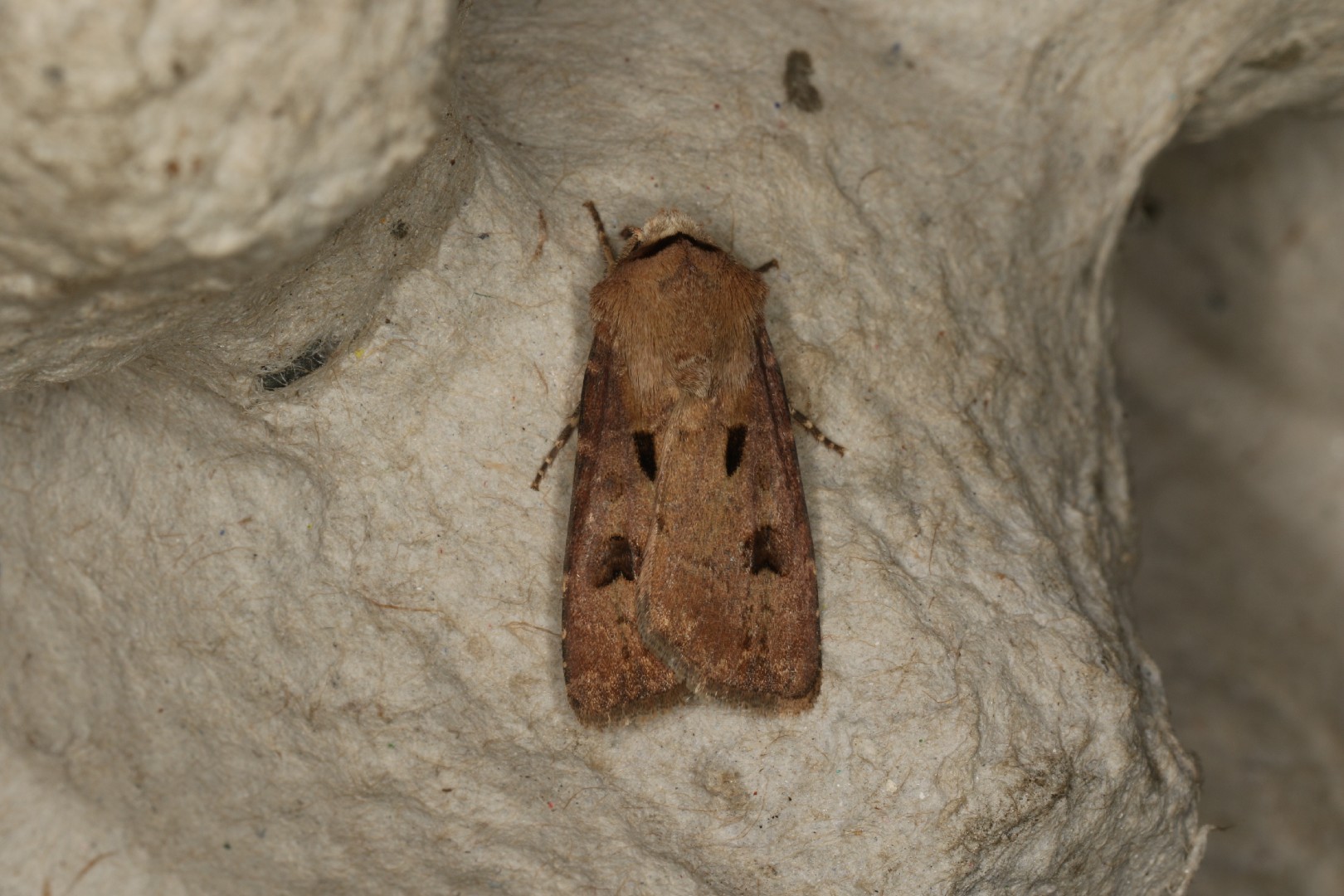
An unusually large and heavy species of moth, large yellow underwing (Noctua pronuba) is dreaded by gardeners for the larvae's habit of causing fatal damage to the base of virtually any herbaceous plant. Large migrations occur some years, but how those years are determined is not yet known. Its contrasting colors (yellow-orange and brown) are thought to confuse would-be predators.
5. Rusty long-horned caddisfly
6. Setaceous Hebrew character
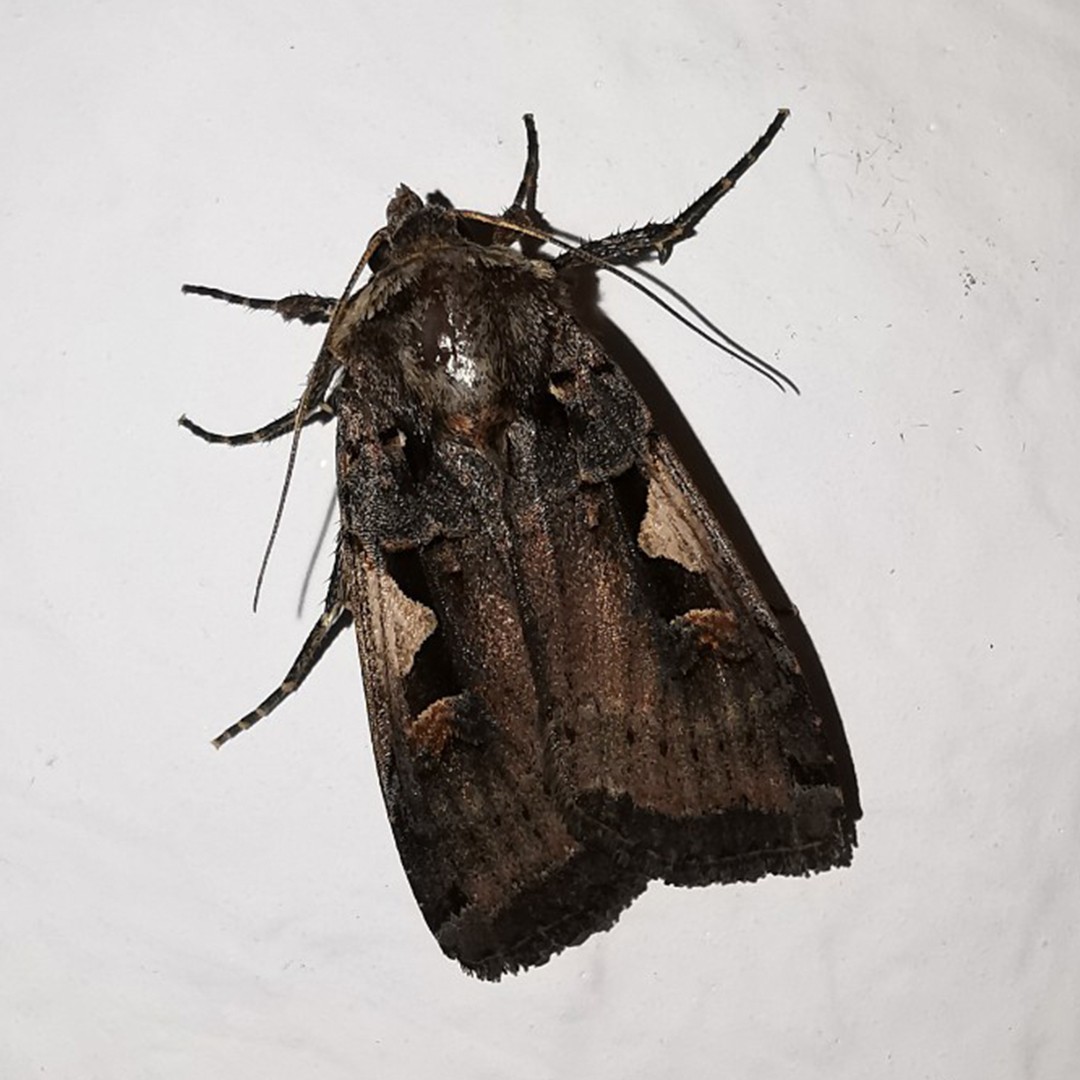
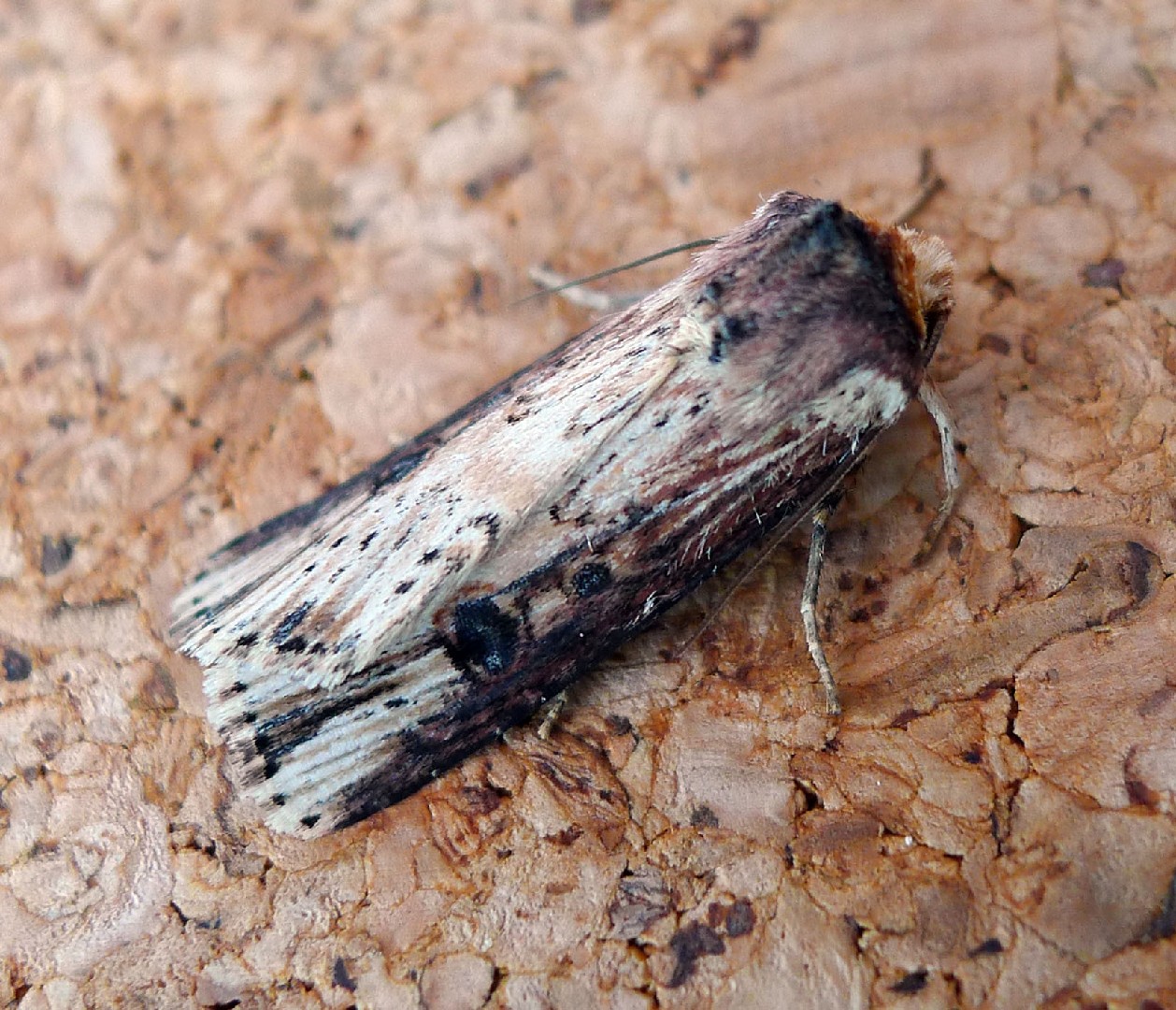
The wingspan is 35–45 mm. Forewing purplish grey or purplish fuscous with a leaden gloss; costal area at middle ochreous, merged with the bluntly triangular orbicular stigma: cell, a submedian basal blotch, and costal spot before apex purplish black; claviform stigma minute; reniform large, the lower lobe purplish; hindwing ochreous whitish, in female with the termen broadly fuscous. Lava pink with a broad dark brown subdorsal band. A lateral yellow band with a brown spot on it. Head reddish brown in color.

7. Multicolored asian ladybeetle
Often confused for the ladybug, multicolored asian ladybeetle (Harmonia axyridis) is a separate species that, unlike the ladybug, is a household pest. It is considered particularly annoying for its habit of returning to places from which it is removed. One of the most variable species in the world, there are many different colors and patterns multicolored asian ladybeetle may display, making identification potentially difficult.
8. Stenophylax permistus

9. Straw-barred pearl
The wingspan of Pyrausta despicata can reach 14–19 mm. The wings are brown or greyish, with quite variable pale brown markings.
10. Clouded apollo
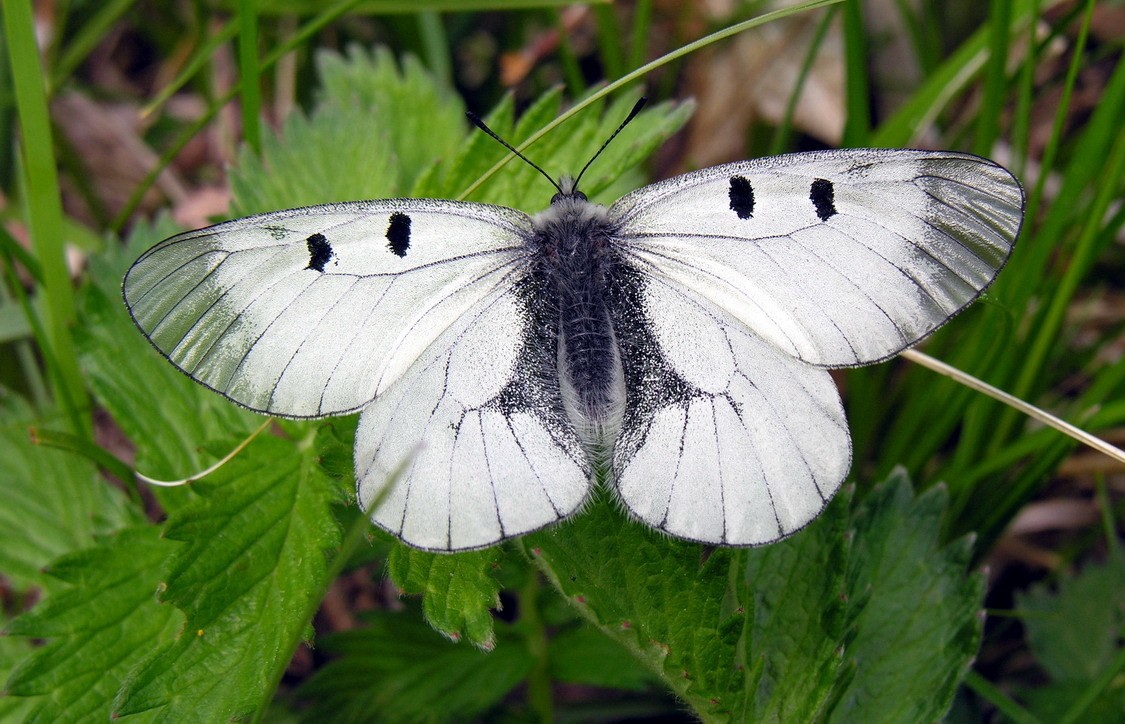
The moths reach a forewing span of 50 to 62 millimeters. The wings are white with black veins and two black spots in the cell of the forewings. At the wing tips, the wings are gray translucent. The hind wings are dark towards the inner edge. The female has larger translucent zones on the forewings and also on the hindwings gray translucent zones on the apex. In the Alps, butterflies are found that are dark in both sexes. In the abdomen, the females have yellow spots and mated females carry on the abdomen a large sphragis made of chitin from the 3rd abdominal segment to the end of the body.
More







