




Top 20 Most Common Insects in Khambhat
Insects, a diversified class of arthropods, are an essential part of Khambhat's ecosystem. Their habitats range from lush greens of Gir to the sandy Rann, contributing to the area's remarkable insect diversity. In Khambhat, both pests and beneficial critters play crucial roles, indicating the subtle yet significant connection between the state’s environment and its insect inhabitants. Get ready as we unravel 20 of the most common insects thriving in this biologically rich state!

Most Common Insects
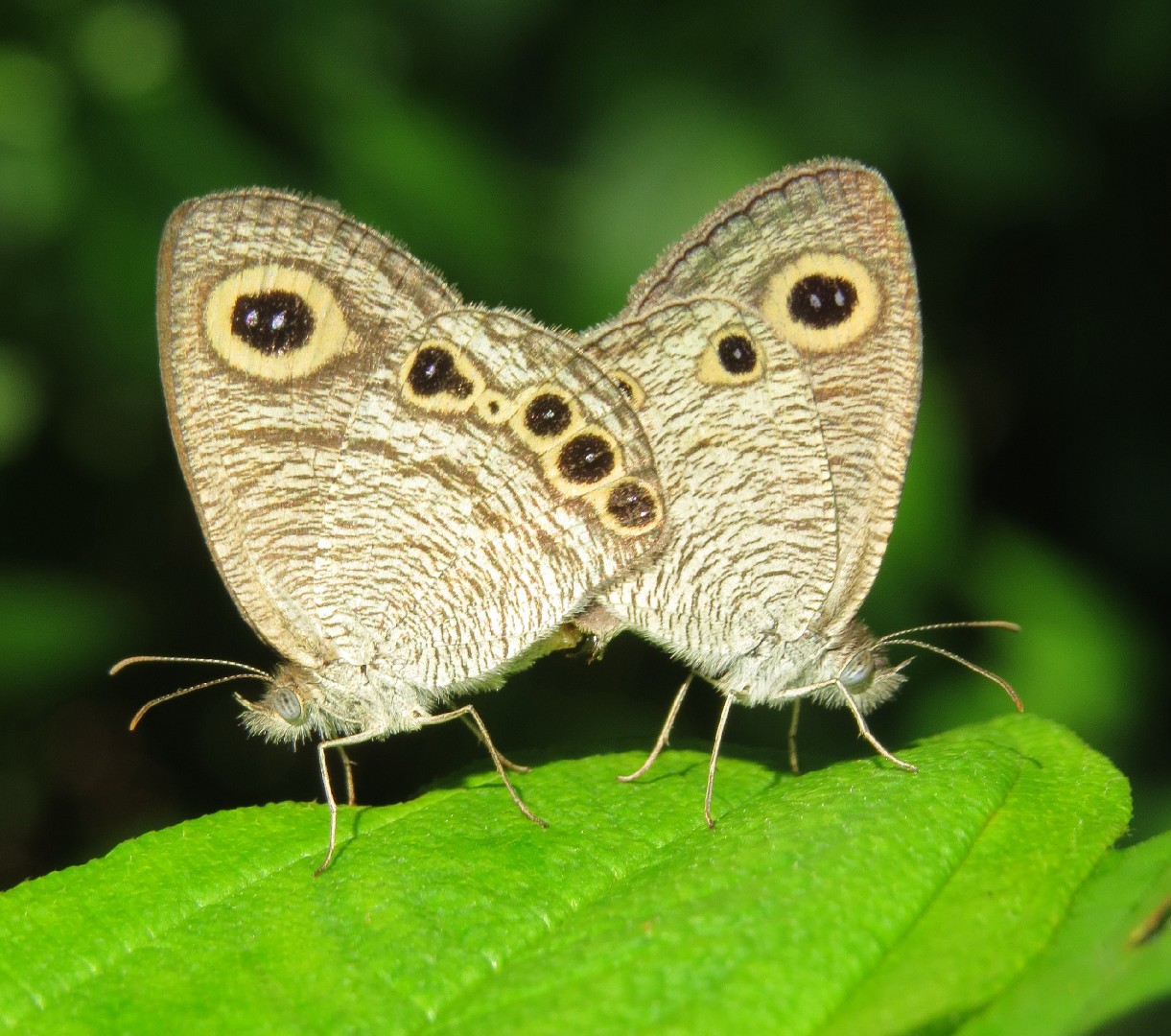
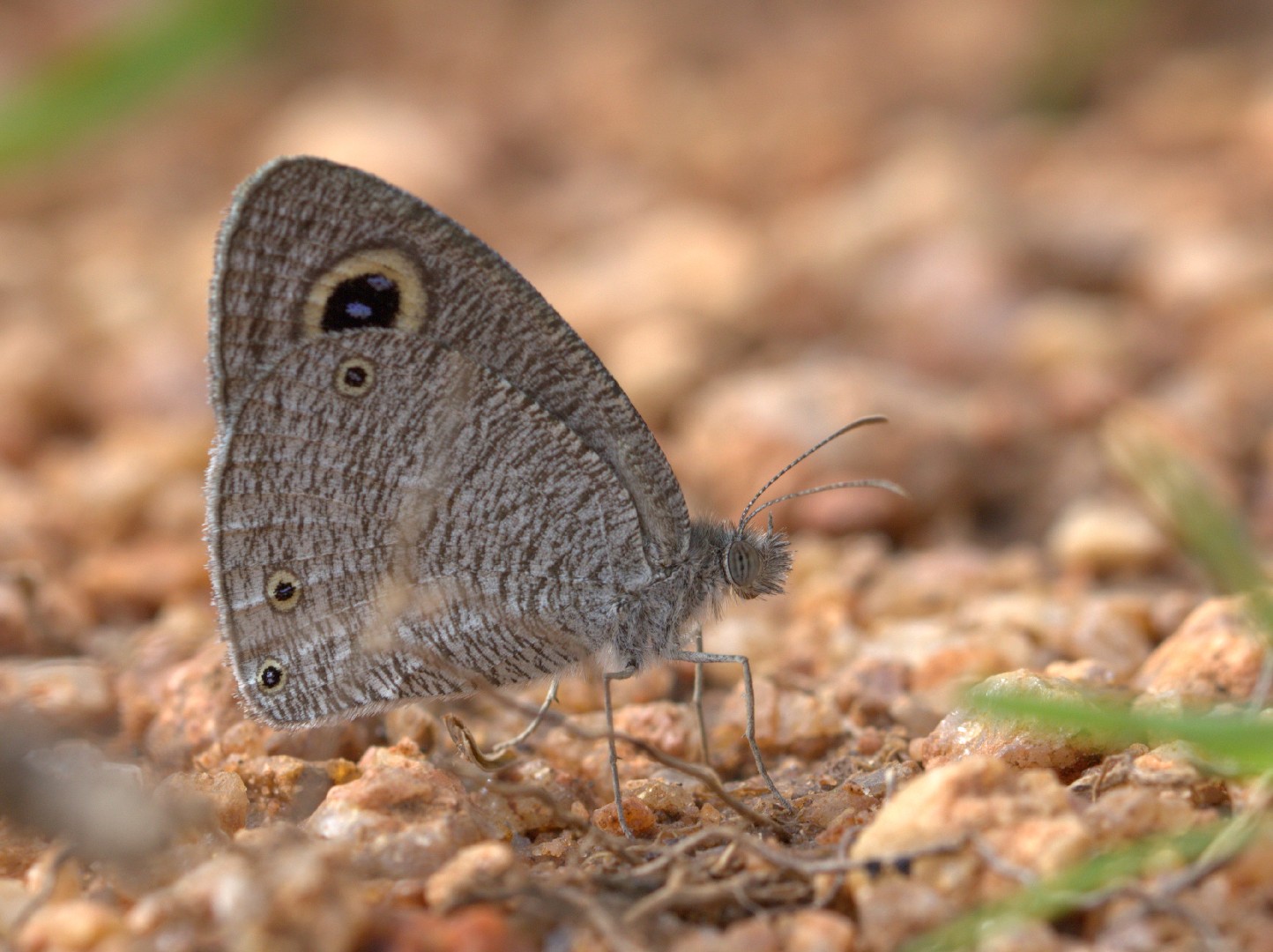
1. Common four-ring
Wet-season form: Upperside greyish brown. Forewing with the usual comparatively large, bi-pupilled, yellow-ringed, black preapical ocellus. Hindwing usually with two, sometimes with three, very rarely without any, smaller similar uni-pupilled postdiscal ocelli. Underside greyish white, not very densely covered with transverse short brown striae. Forewing with the preapical ocellus as on the upperside, obscure discal and subterminal dull brown transverse fasciae and a narrow brown ring round the ocellus diffusely produced posteriorly. Hindwing with one apical and typically three postdiscal posterior ocelli placed in a curve; traces of transverse brown discal and subterminal fasciae in most specimens. Antenna, head, thorax and abdomen greyish brown, the abdomen paler beneath. Male without secondary sex-mark. Dry-season form: Similar, somewhat paler on both upper and under sides; the discal and subterminal transverse fasciae more pronounced; the ocelli on the underside of the hindwing minute or absent. Adults have a wingspan of 4 - 4.5 cm. 
2. Chlorion lobatum
3. Pied paddy skimmer
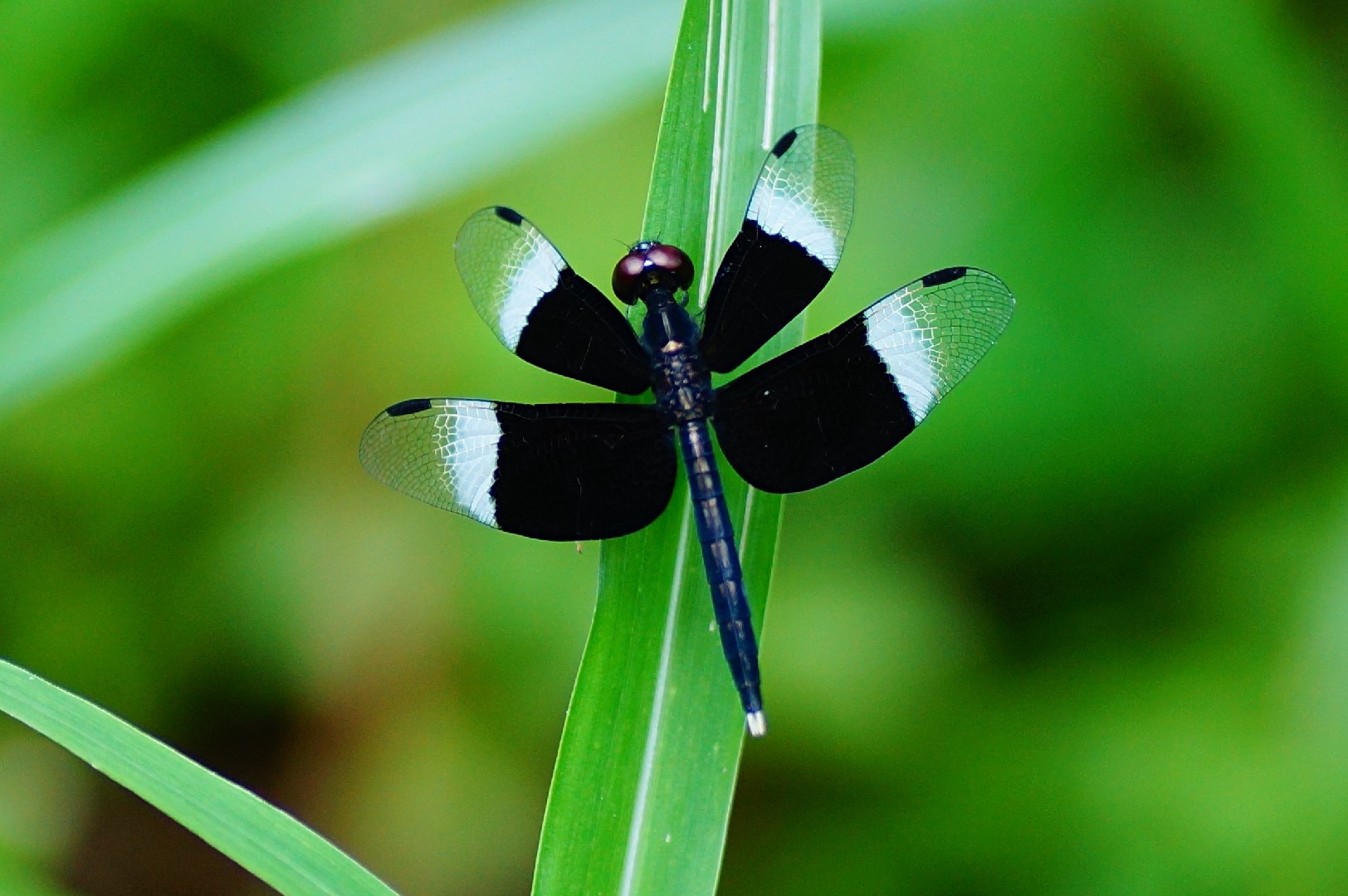
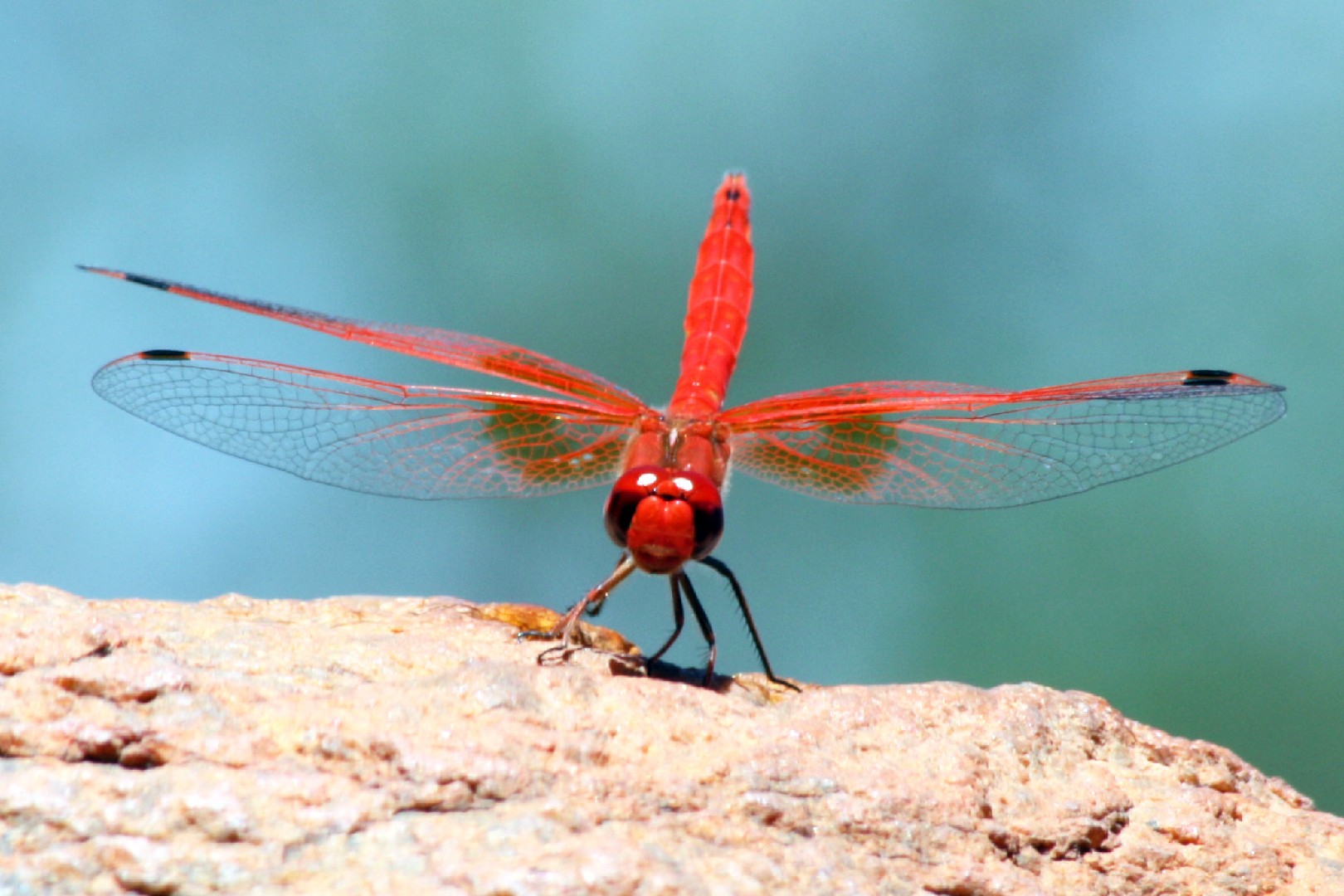
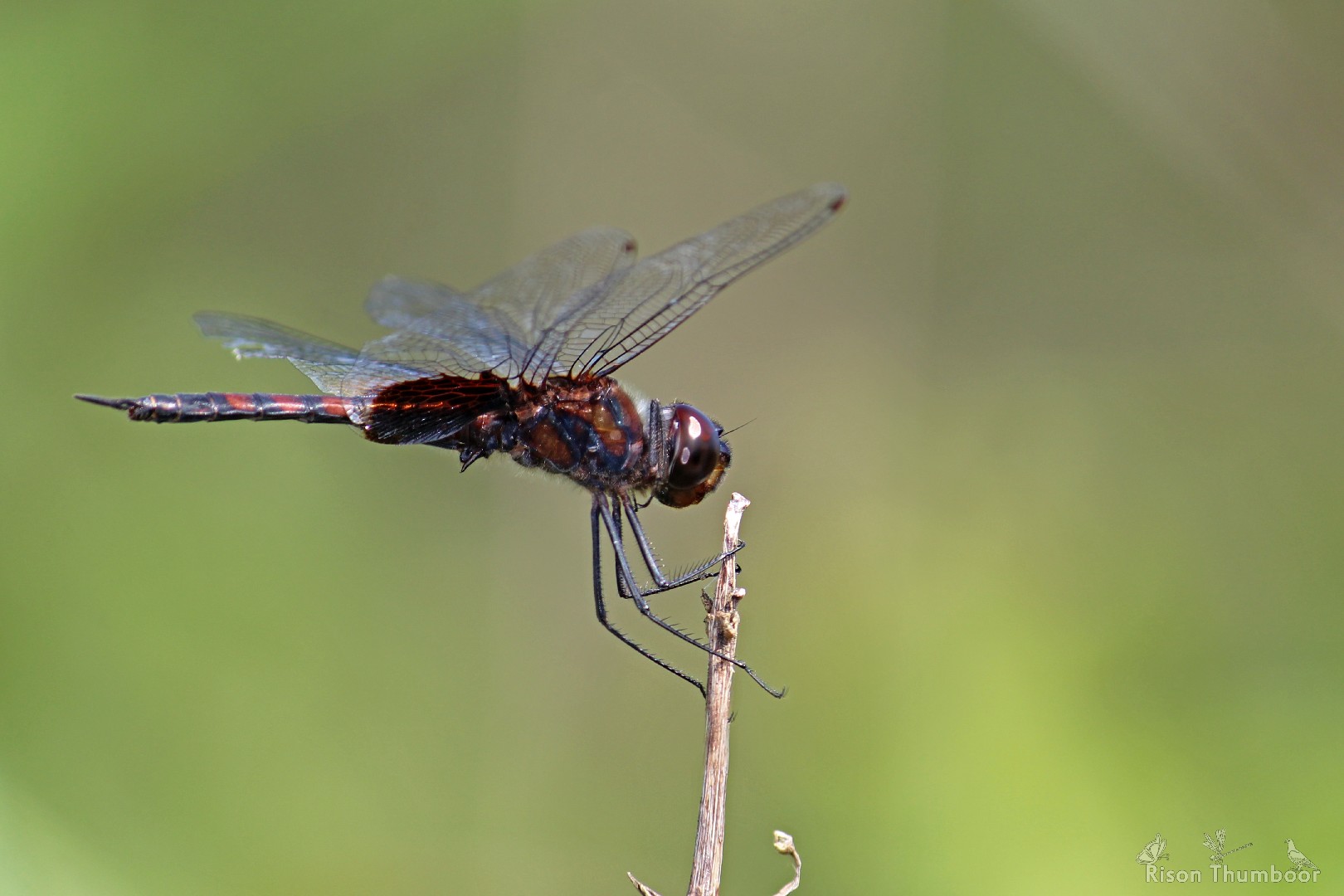
The species is on the IUCN Red List as not endangered, year of assessment 2007.
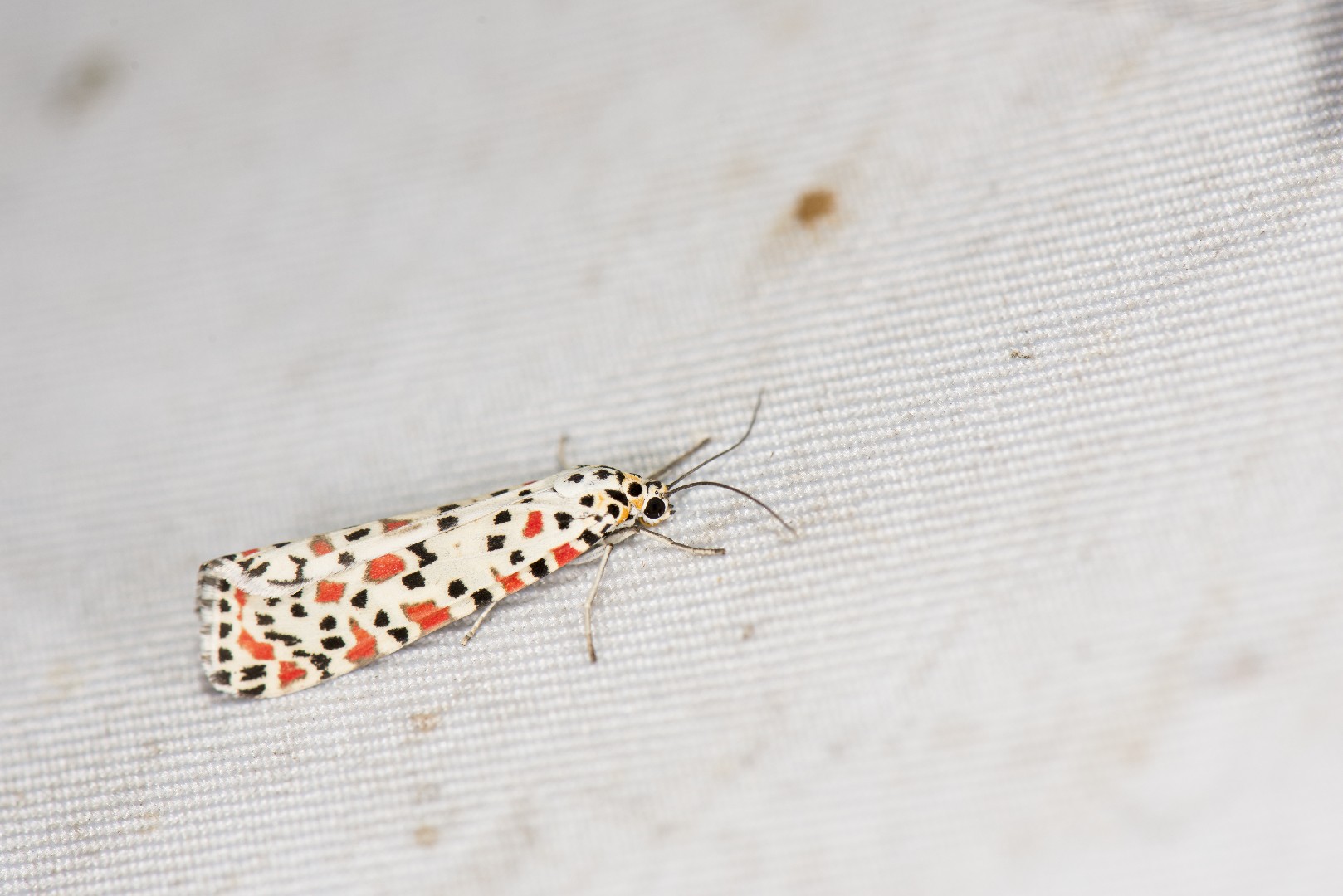
4. Rattlebox salt-and-pepper moth
Utetheisa lotrix, the salt-and-pepper moth or crotalaria moth, is a moth of the family Erebidae. The species was first described by Pieter Cramer in 1777. It is found in most of the Old World tropics. The wingspan is about 30 mm. The larvae feed on Crotalaria species.
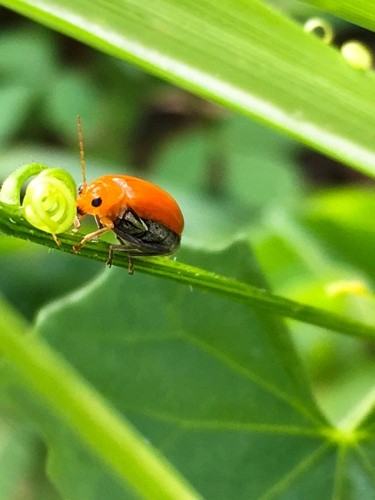
5. Cucurbit beetle
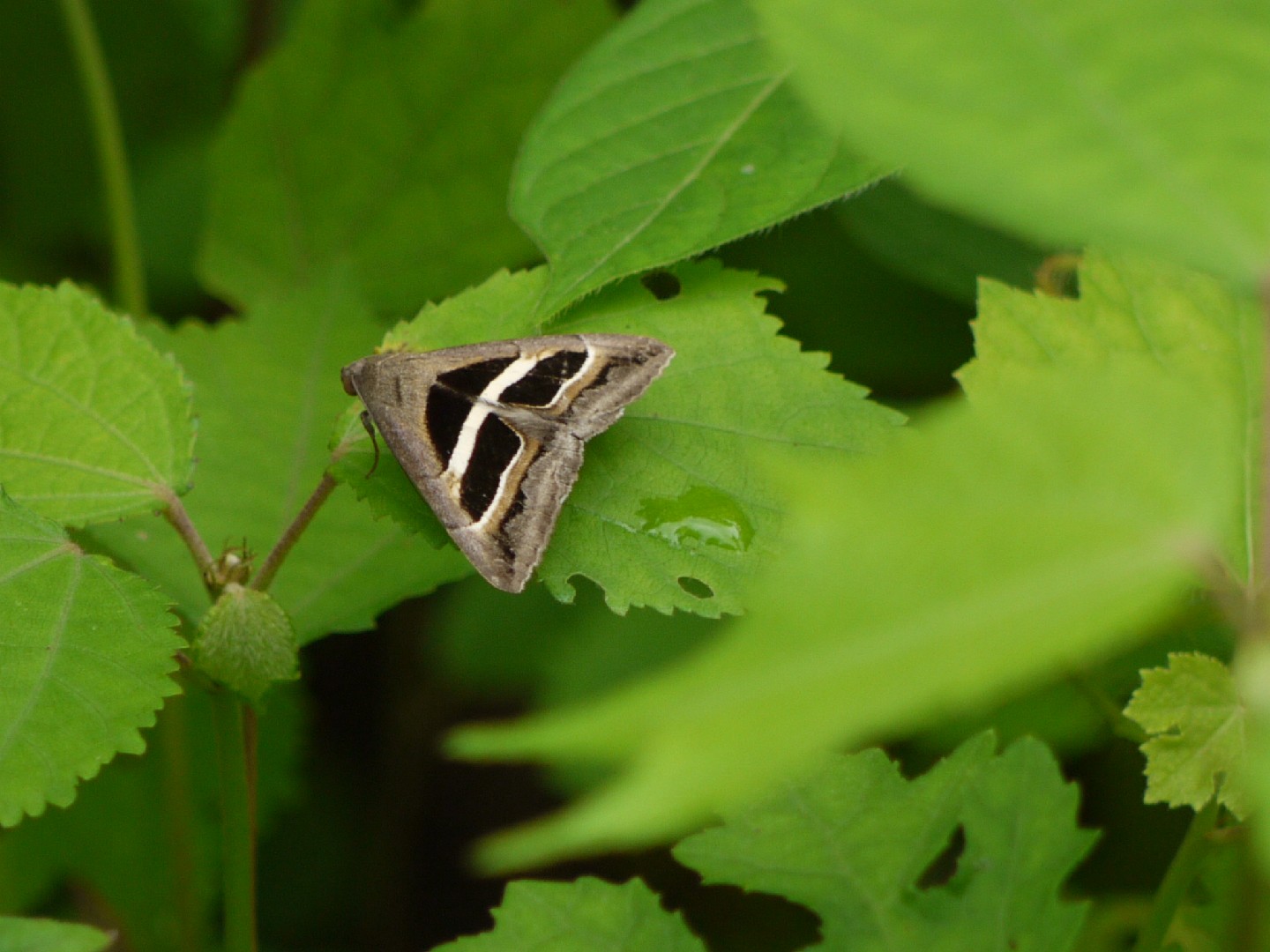
6. Grammodes geometrica
Its wingspan ranges from 26 to 45 mm. Body is greyish brown. Forewings with a large black patch occupying the whole wing except the basal, costal and outer area. Its outer edge waved ad joined by an oblique streak from the apex. Antemedial and postmedial lines curved inwards below the costa with whitish bands outside them on the black patch. The outer part of the postmedial band pale fulvous colored. Hindwings fuscous, with medial pale band. Cilia with white apex and anal angle. Larva is an elongated semi-looper. Tubercles absent. Head is pale ochreous with black spots. Body with longitudinal red lines dorsally and dorso-laterally.
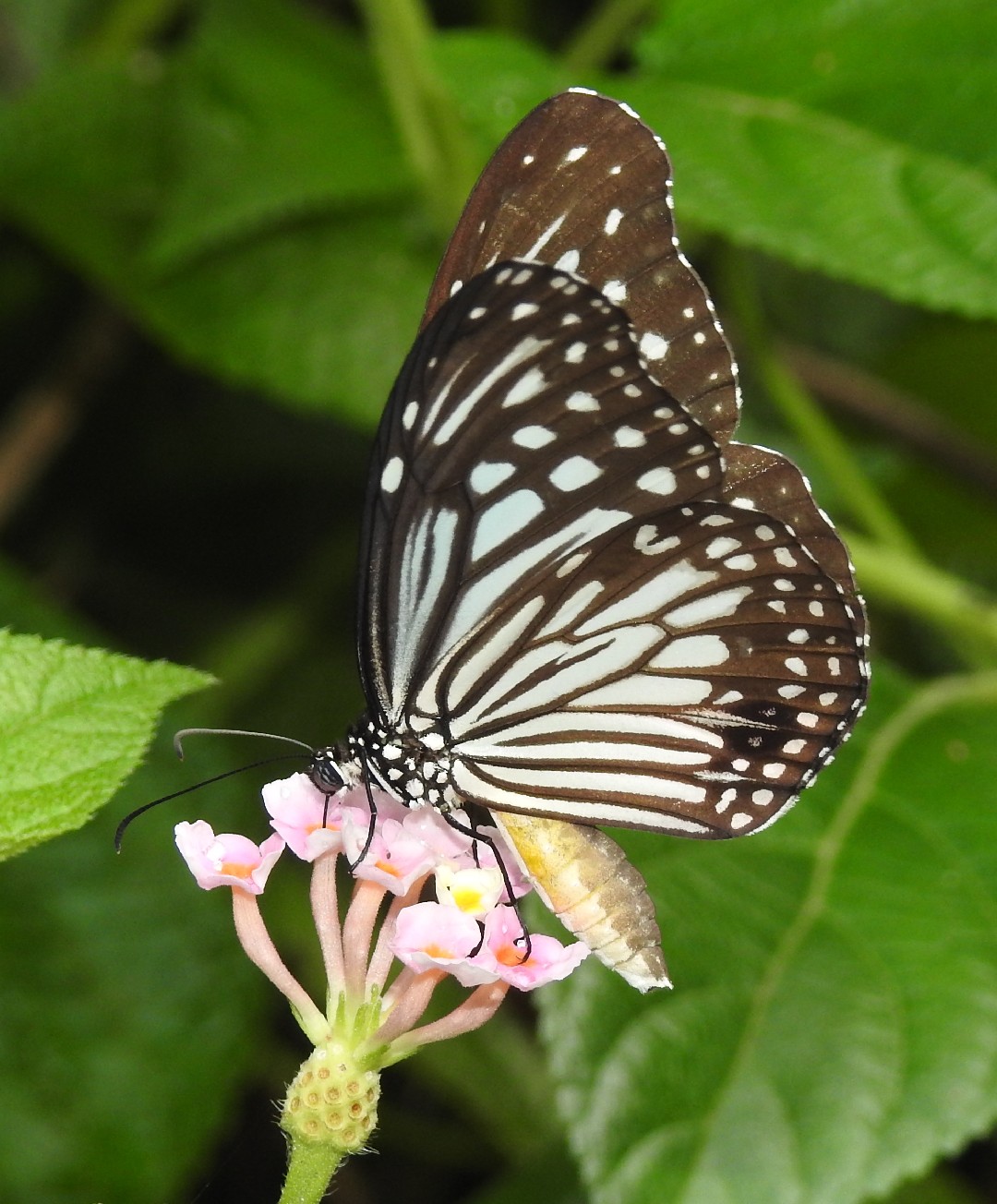
7. Glassy tiger
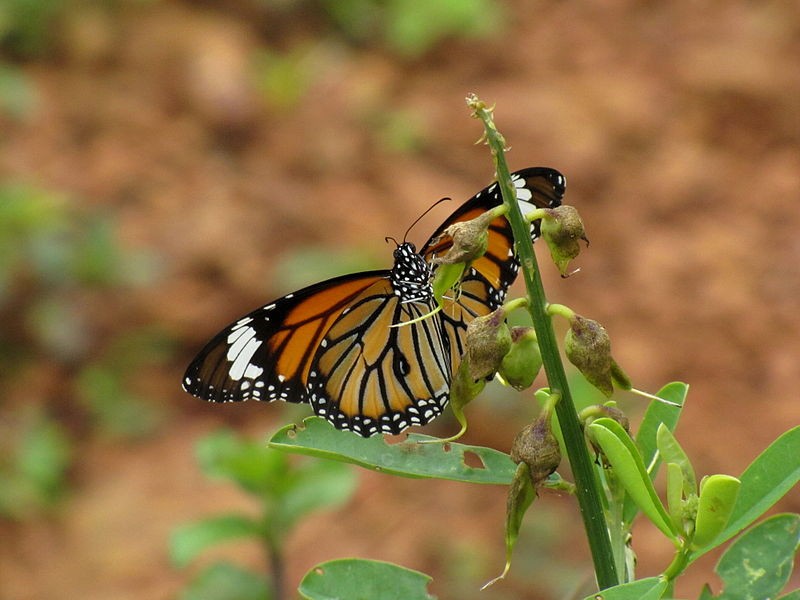
The scientific name of the species was first validly published in 1782 by Caspar Stoll.
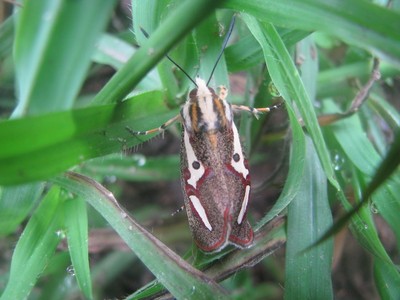
8. Red masked noctuid moth
Its wingspan is about 33 mm. Forewings of male without costal vesicles. Forewings with longitudinal white streak entire, and with an indenture on its upper edge and a small black spots near its lower edge. A red marginal line is present. Cilia of both wings white.
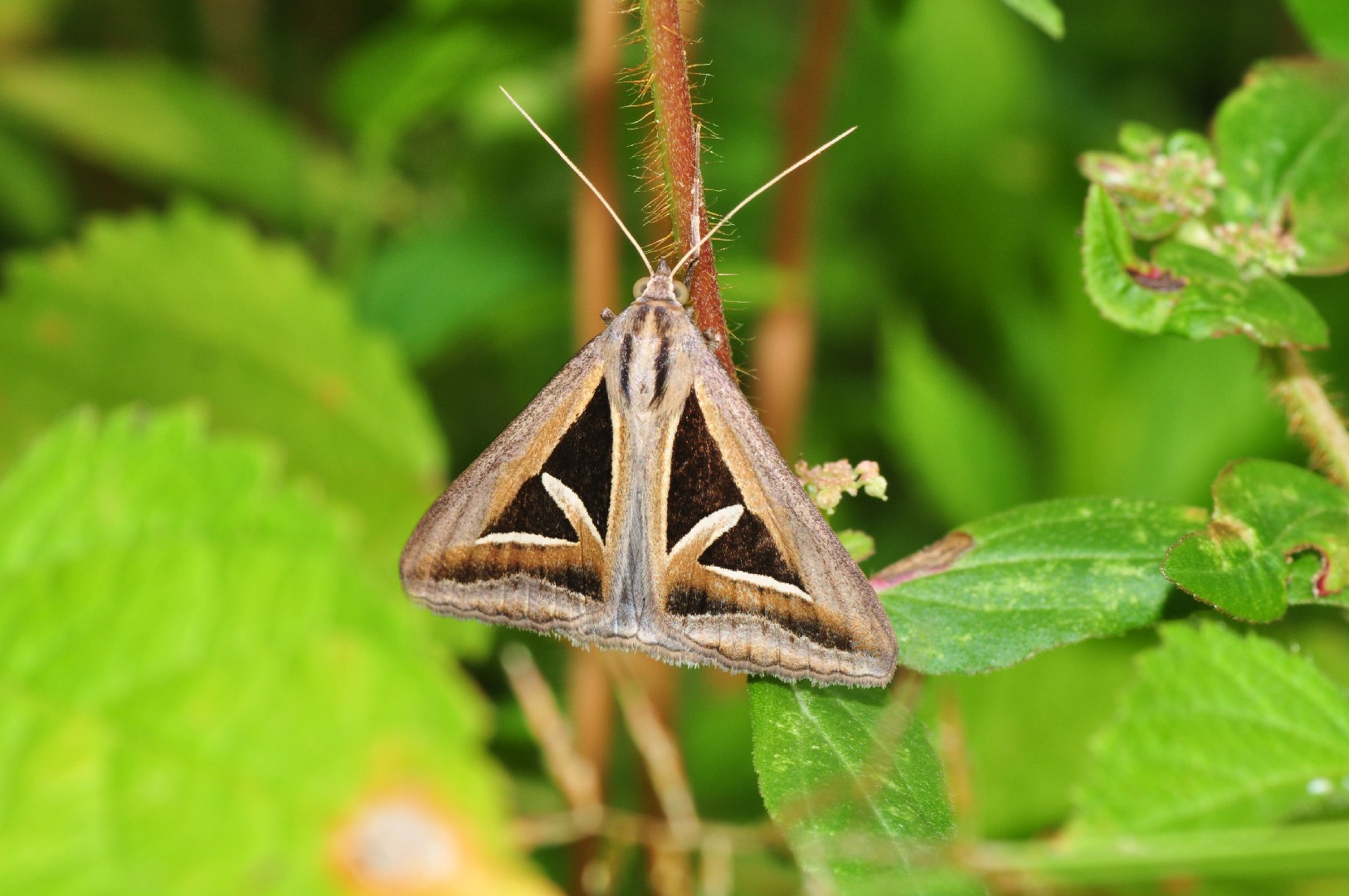
9. Triangles
The wingspan is about 3 - 4.5 cm. Antennae of male ciliated. Mid and hind tibia hairy. Body pale ochreous brown, slightly suffused with fuscous or dark grey brown. Forewings with a large black white-edged triangular patch easily distinguished below the cell from near base to towards outer angle. A similar smaller patch found beyond the cell on vein 5, with some pale fulvous behind it. A slightly sinuous submarginal pale line with patches of black suffusion found inside it and a series of black specks beyond it. A dark marginal line can be seen as well. Hindwings with indistinct medial line and fuscous suffused outer area. Larva has yellow upper half and brown ventral part. The yellow part is broken by longitudinal brown bands, which faints towards posterior and becomes intensive again in prolegs. Eggs olive green and speckled rusty red. First few instars are green with three lateral purple brown lines. Late instars are yellowish. Pupa within a slight cocoon of white silk, which spun amongst leaves.
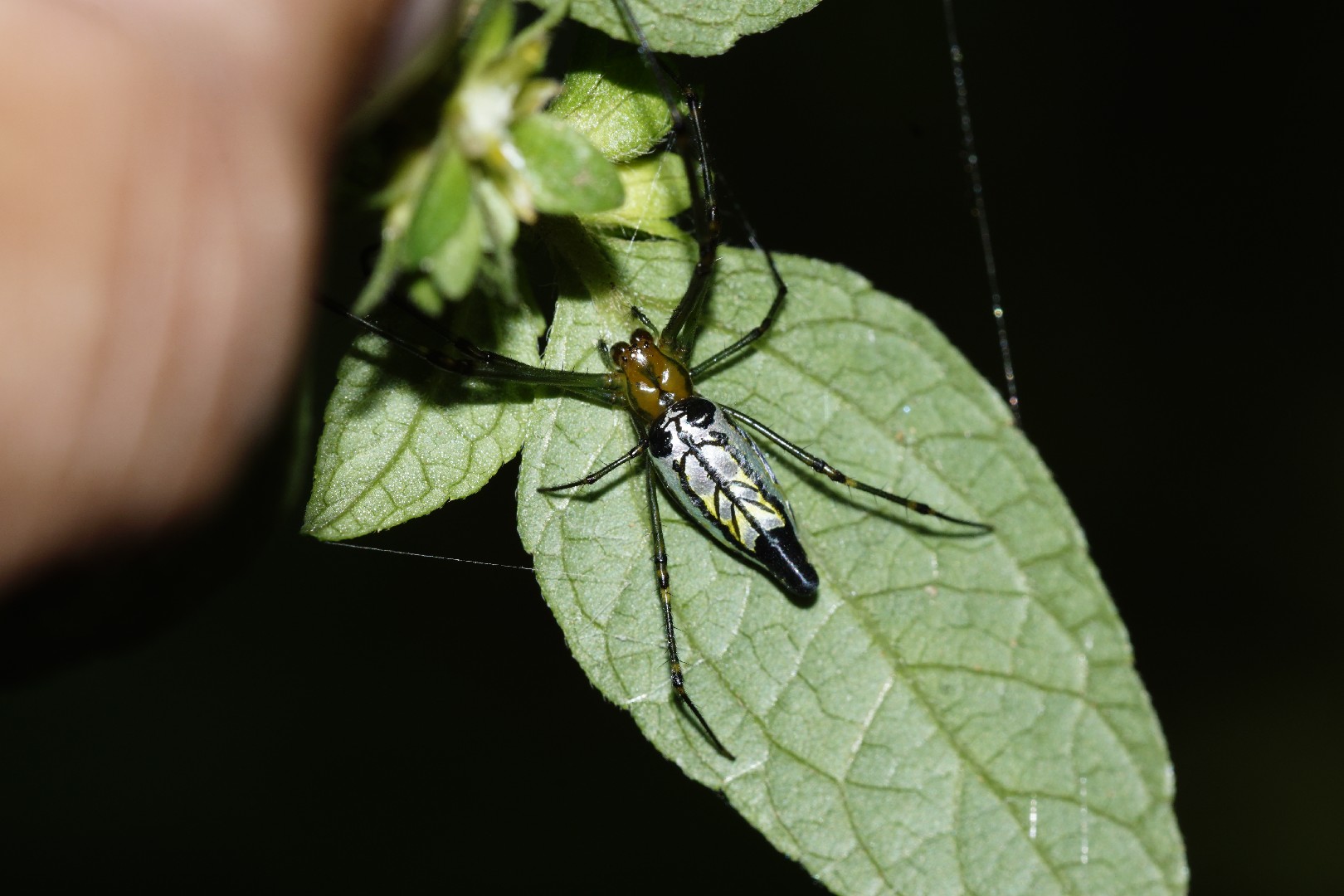
10. Decorative silver orb spider
Leucauge decorata, the decorative silver orb spider, is one of the long-jawed orb weaver spiders. A medium to large sized orb weaving spider, with a body length up to 12 mm long (female). Male to 6 mm. This species has a "point" to the end of the abdomen. Found in Africa, India, south east Asia, also to Australia.
More







