




Top 20 Most Common Insects in Jammu and Kashmir
Insects, the most diversified life forms on planet, are well represented in Jammu and Kashmir due to diverse geographical terrains, from lush valleys to barren mountains. These small organisms play pivotal roles as decomposers, pollinators, and even pest controllers. The series showcases the '20 most common insects' and how they copiously co-exist in Jammu and Kashmir's ecosystem, reflecting the intricate balance between nature and state's local environment.

Most Common Insects
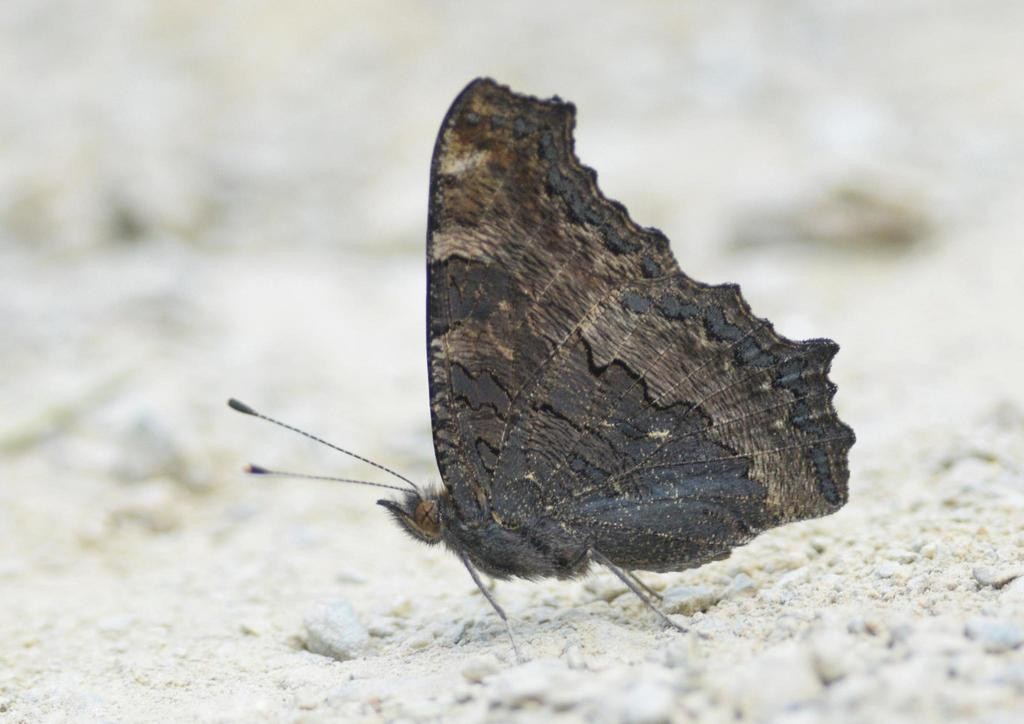
1. Indian Tortoiseshell
Upperside of forewings with the basal half of costa and termen pale brown, the former flecked with pale yellow, the latter bordered inwardly by a narrow darker brown band bearing a series of black lunules; outwardly traversed by sinuous slender subterminal and more slender terminal black lines: base of wing and the greater part of interspace 1a and of 1 posteriorly brown, irrorated with golden scales, the rest of the wing anteriorly yellow, posteriorly and at base of cell red, with the following black markings: a broad band across the cell, another broader short band beyond, touching the discocellulars, not extending below vein 4, and a third not extending below vein 5, with a white patch beyond before apex, all three short bands rounded posteriorly; on the disc there is a large oval black spot, followed by a yellow patch in interspace 1, and above it smaller black spots in interspaces 2 and 3. Hindwing has the basal half dusky brown, covered posteriorly with long brown hairs; anteriorly beyond the bases of veins 5, 6 and 7 black, followed by a broad red band anteriorly turning to yellow; a broad terminal brown band, traversed by a series of black-bordered blue lunules, and beyond them by very slender inner and outer black sinuous lines. Underside brown, with closely set transverse short black striae; basal half of wings clouded with dark purplish brown, the outer margin of the dark portion defined by a highly sinuous jet-black transverse line, most distinct on the hindwing, and also crossed, nearer the base of the wings, by two or three similar, much interrupted lines; terminal half of the wings paler, with two dark irregular patches below costa of forewing; finally a sinuous transverse subterminal narrow dark blue band across both forewings and hindwings, bordered on both sides by slender black lines, widening into spots on the veins of the forewing. This band is more distinct in the female than in the male. Antennae dark brown, minutely ringed with white; head, thorax and abdomen dark brown above and below. Has a wingspan of 52–63 mm. 
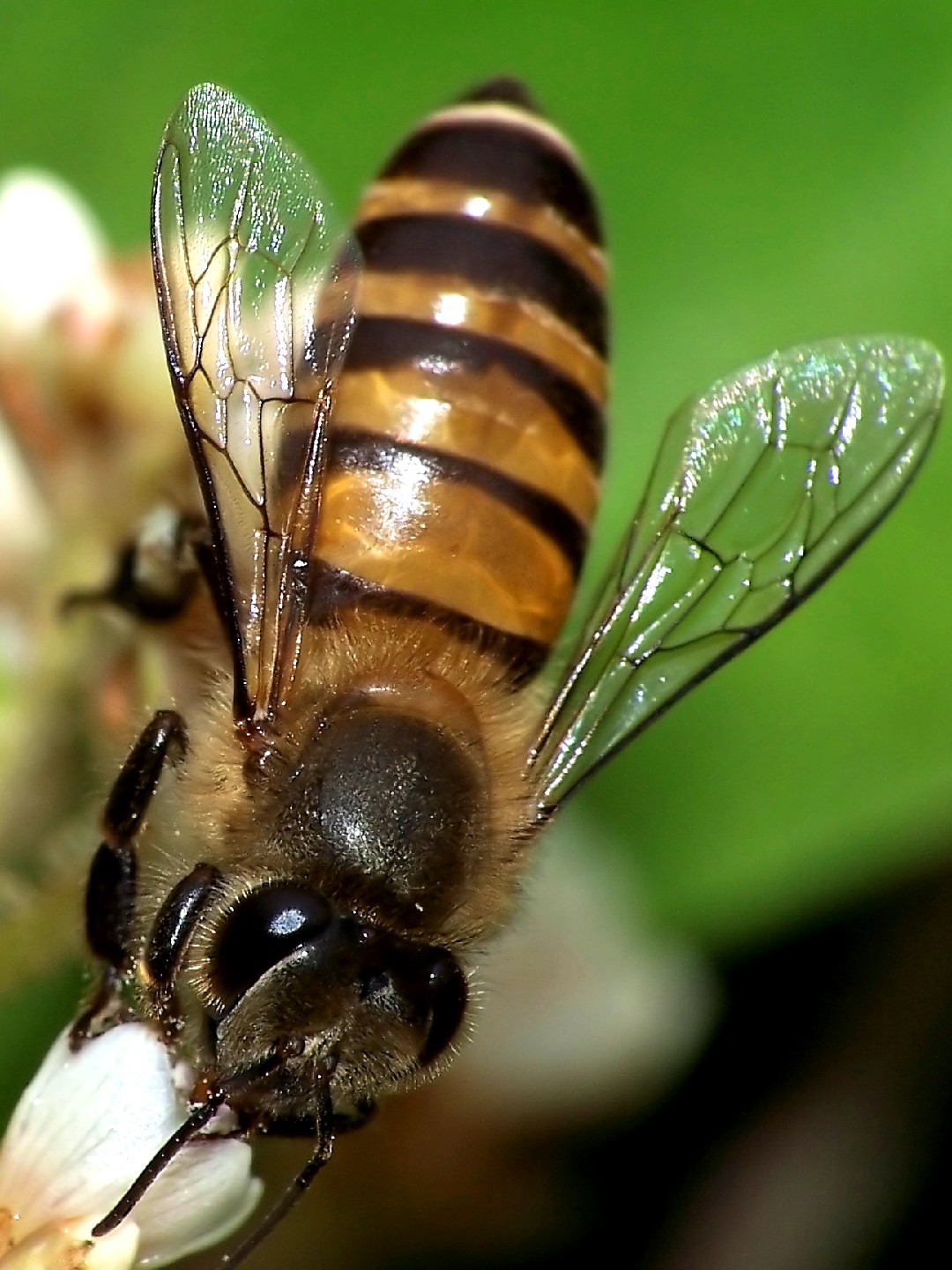
2. Eastern honey bee
Eastern honey bees communicate to one another about good sources of nectar and pollen through the "waggle dance". A bee will perform this descriptive dance to other bees, after which they can interpret the dance and find their way to the food source. When they need to defend their nest from a wasp, they will surround the wasp and vibrate their muscles to generate heat, eventually killing the wasp via "heat balling".
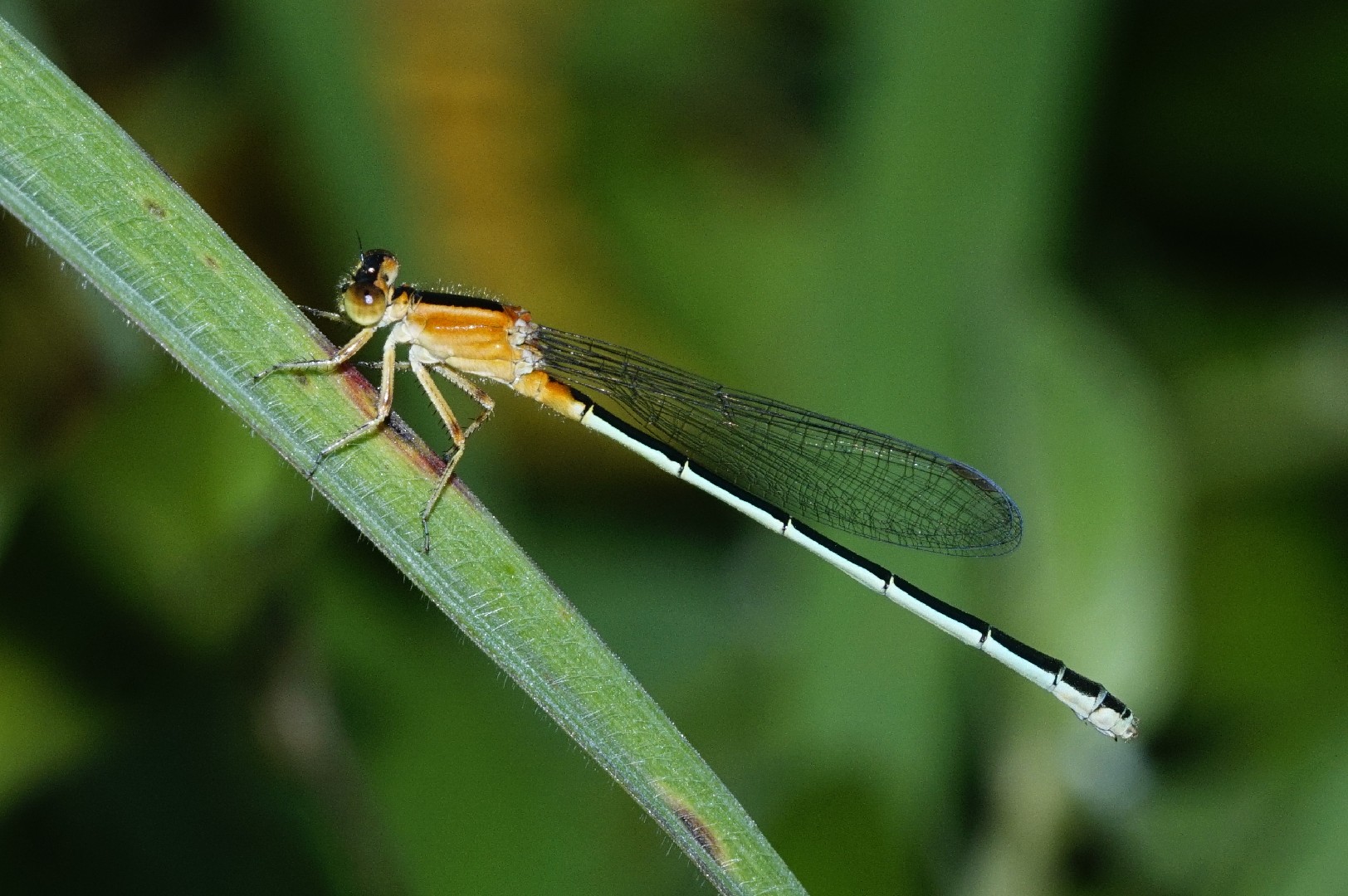
3. Common bluetail
The Senegal Pechlibelle (Ischnura senegalensis) is a dragonfly from the family of the slender dragonflies (Coenagrionidae).
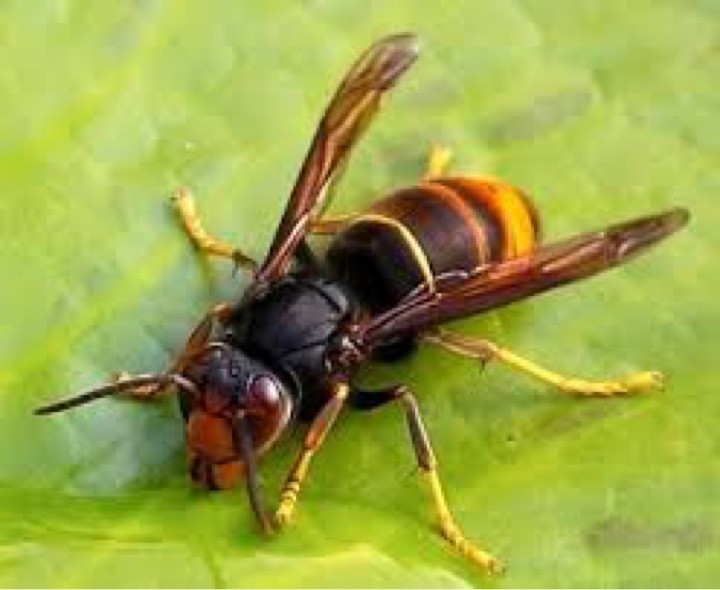
4. Asian hornet
The asian hornet (Vespa velutina) is a predatory species, preying primarily on deceased animals and arthropods, including honey bees. Because of this, it's a major pest for the beekeeping industry, weakening and destroying honey bee hives. The females have a stinger that can inflict pain on humans, but the males do not.
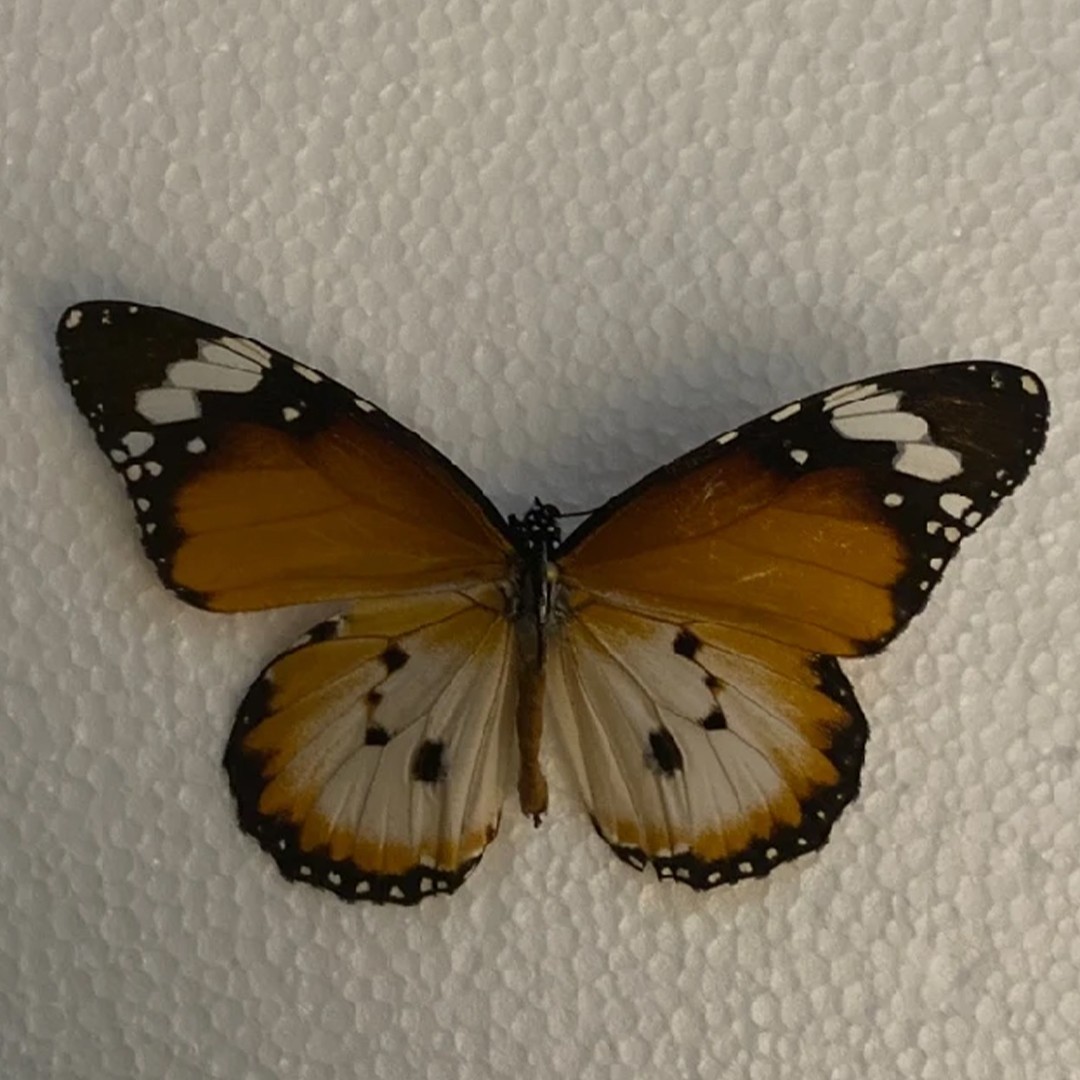
5. Plain tiger butterfly
D. chrysippus is a medium-sized butterfly with a wingspan of about 7–8 cm (2.8–3.1 in). The body is black with many white spots. The wings are orange, the upperside brighter and richer than the underside. The apical half of the forewing is black with a white band. The hindwing has three black spots in the center. The wings are bordered in black and outlined with semicircular white spots. This species exhibits slight sexual dimorphism, as the Male has large scent glands on his hindwings, which the female lacks. They appear as a large black spot with a white centre if viewed from the underside D. chrysippus is a polymorphic species, so the exact coloring and patterning vary within and between populations. It is similar in appearance to the Indian fritillary (Argynnis hyperbius), which may coexist with it.
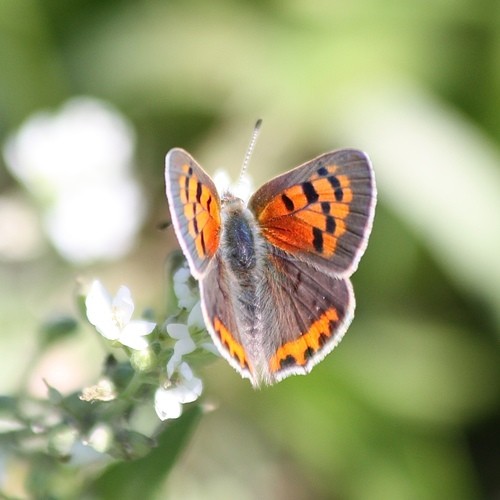
6. Small copper
The upperside forewings are a bright orange with a dark outside edge border and with eight or nine black spots. The hindwings are dark with an orange border. Some females also have a row of blue spots inside the orange border and are known as form caeruleopunctata. The undersides are patterned in a similar way but are paler. The black spots on the forewings are outlined in yellow and the dark colouring is replaced by a pale brownish grey. The hindwings are the same brown/grey colour with small black dots and a narrow orange border. The caterpillars (larvae) are usually green, but some have a purple stripe down the middle of the back and along each side.
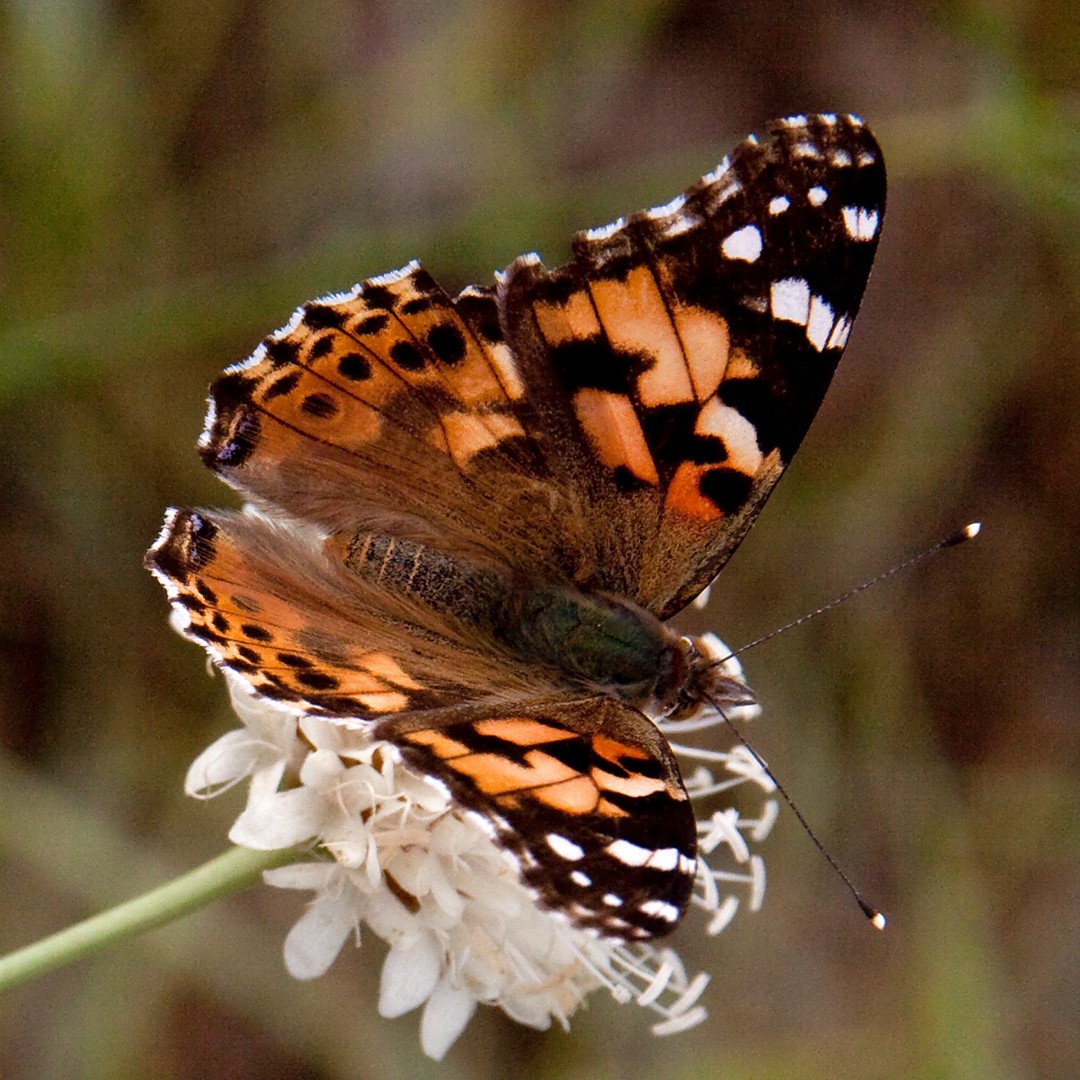
7. Painted lady
The painted lady is a migratory butterfly that spends part of the year in Northern Africa and then migrates to Europe during the warmer months. Although the adults feed on nectar from flowers, the larvae feed on the leaves of nettles and thistles.
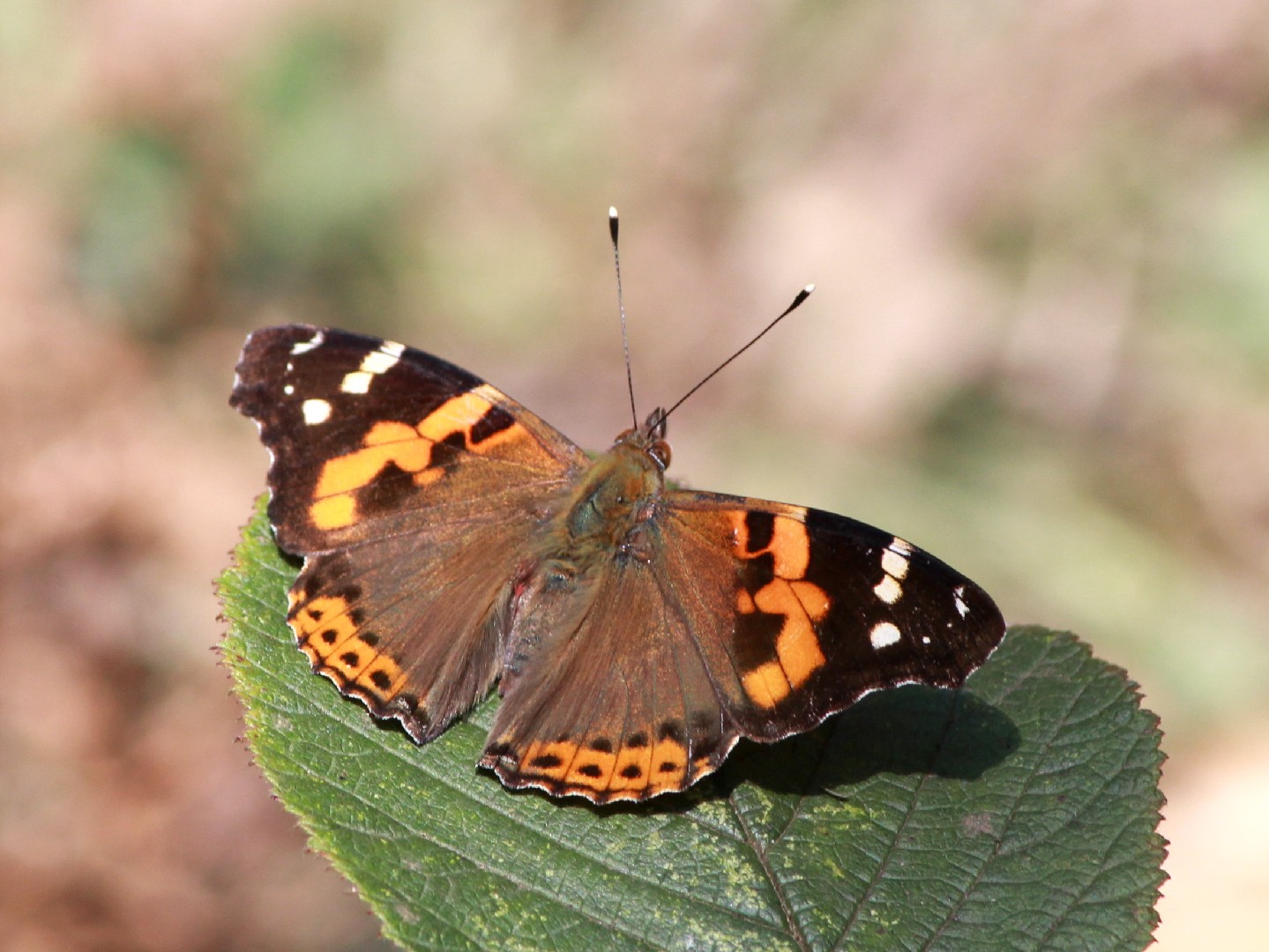
8. Indian red admiral
The indian red admiral (Vanessa indica) is one of the most common butterflies. Any red butterfly you see when hiking or camping is probably an indian red admiral. It is a frequent visitor to garden flowers, although it likes rotten fruit, tree sap, and bird droppings even more than beautiful, fragrant flowers.
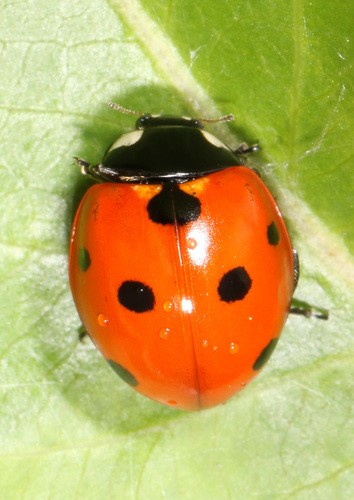
9. Seven-spotted ladybug
Seven-spotted ladybug (Coccinella septempunctata), known in North America as the "seven-spotted ladybug," is the most common species of ladybird in Europe and the official state insect of five U.S. states. While not native to North America, it has established itself there after being introduced to control aphid populations. Its bright coloring deters predators, and it may also play dead or secrete foul-smelling liquids to discourage consumption.
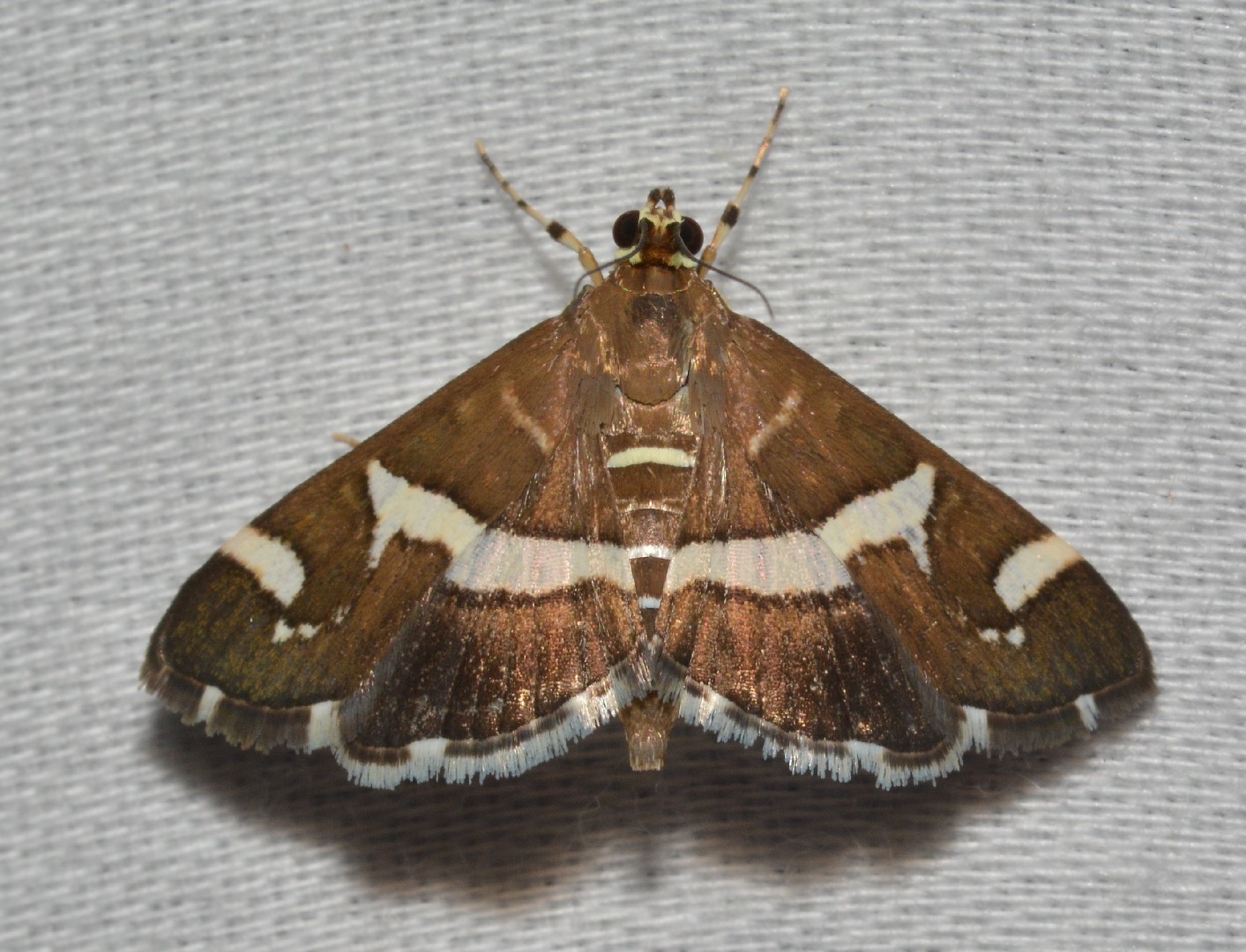
10. Hawaiian beet webworm
The wingspan is 2 - 2.5 cm.



More







