




Top 20 Most Common Insects in Rajasthan
Insects, nature's smallest warriors, have carved their niche into every corner of Rajasthan, standing testament to the diversity afforded by varied geographical landscapes. These creatures, typically seen as pests or allies, play significant roles within Rajasthan's ecosystem, their presence signaling the health of our environment. Prepare to discover the 20 most popular insects that call Rajasthan their home.

Most Common Insects

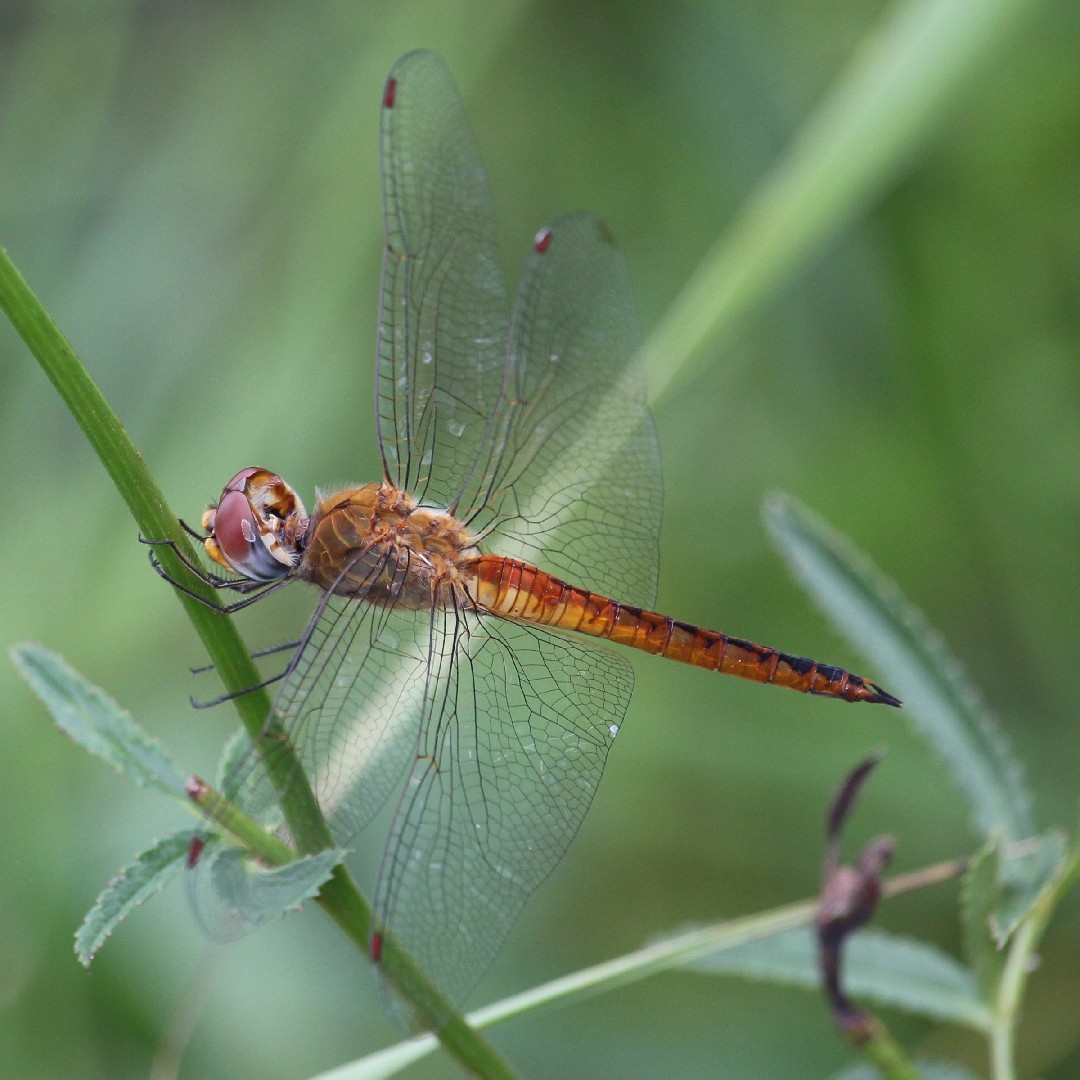
1. Scarlet skimmer
The species is on the IUCN Red List as not endangered, year of assessment 2009.
2. Wandering glider
The wandering glider (Pantala flavescens) is a yellow dragonfly that migrates long distances. It's easily recognized by its elegant flight pattern, where it seems to glide across the sky effortlessly, even when it's windy outside. It often lands near still water, which includes ponds and puddles.

3. Coromandel marsh dart
The species is on the IUCN Red List as not endangered, year of assessment 2007.
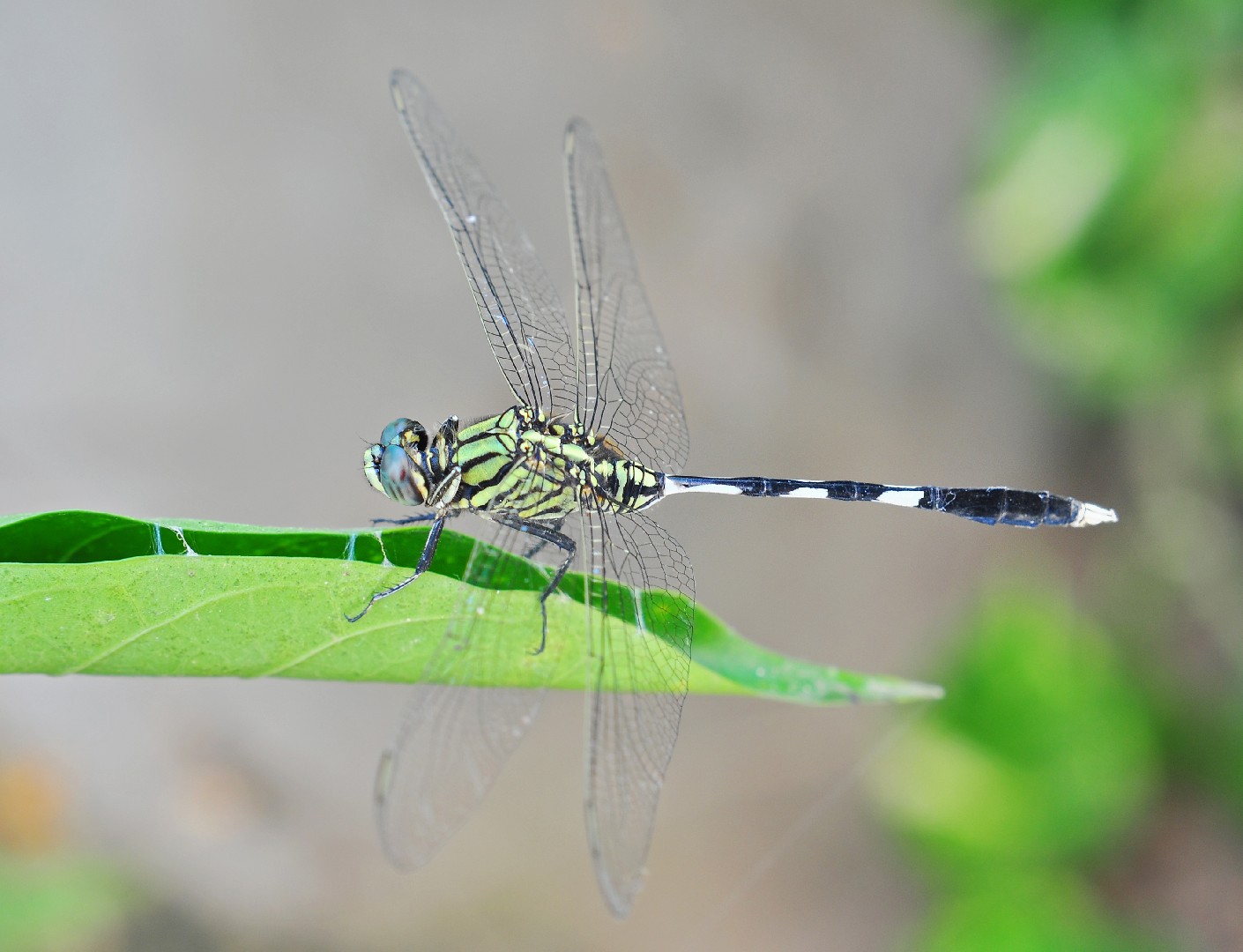
4. Slender skimmer
The species is on the IUCN Red List as not endangered, year of assessment 2009. The slender bank dragonfly occurs from Southeastern Europe and North Africa to Japan and Australia
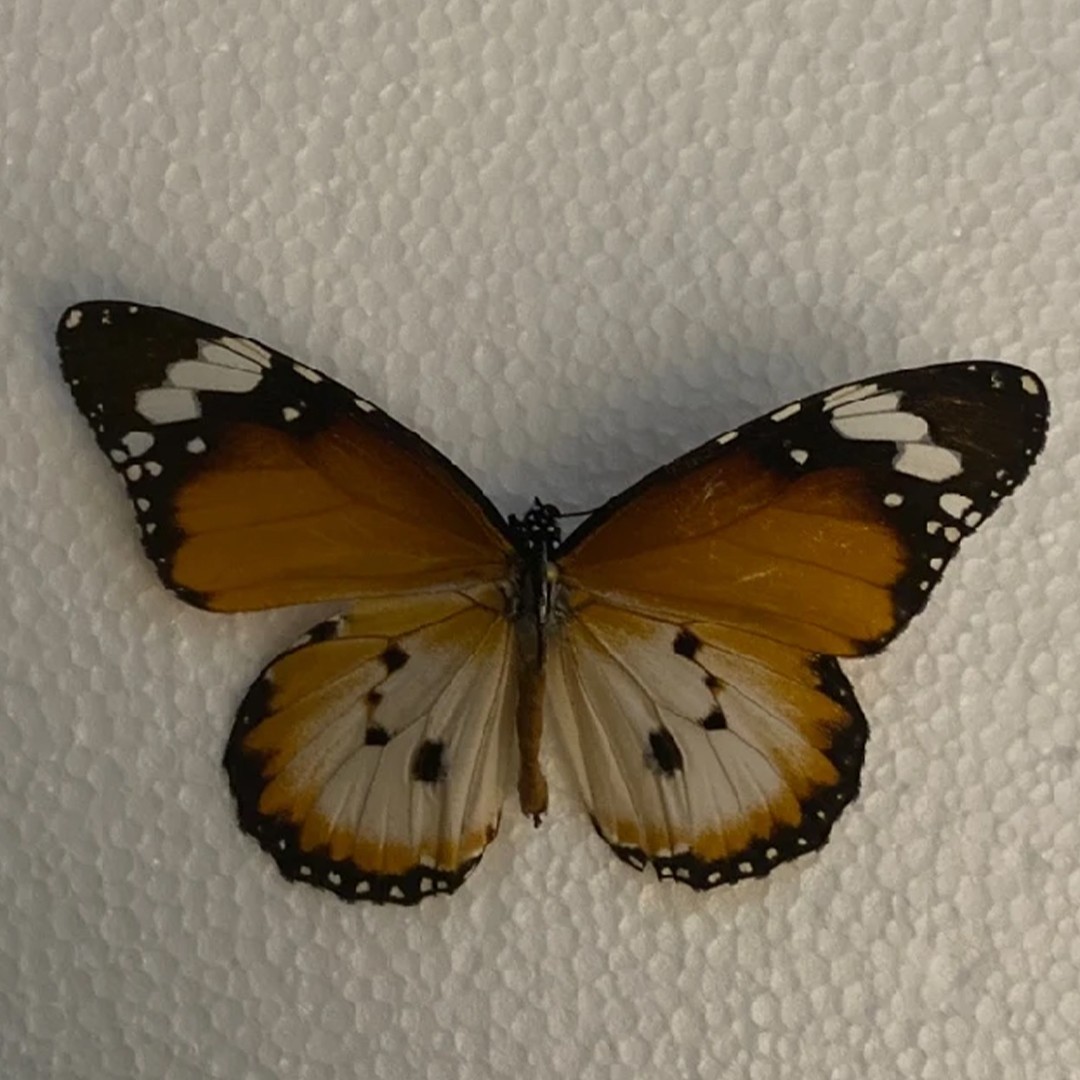
5. Plain tiger butterfly
D. chrysippus is a medium-sized butterfly with a wingspan of about 7–8 cm (2.8–3.1 in). The body is black with many white spots. The wings are orange, the upperside brighter and richer than the underside. The apical half of the forewing is black with a white band. The hindwing has three black spots in the center. The wings are bordered in black and outlined with semicircular white spots. This species exhibits slight sexual dimorphism, as the Male has large scent glands on his hindwings, which the female lacks. They appear as a large black spot with a white centre if viewed from the underside D. chrysippus is a polymorphic species, so the exact coloring and patterning vary within and between populations. It is similar in appearance to the Indian fritillary (Argynnis hyperbius), which may coexist with it. 

6. Crimson marsh glider
The male has a reddish-brown face, with eyes that are crimson above and brown on the sides. The thorax is red with a fine, purple pruinescence. The abdomen, the base of which is swollen, is crimson with a violet tinge. The wings are transparent with crimson venation and the base has a broad amber patch. The wing spots are a dark reddish-brown and the legs are black. The female has an olivaceous or bright reddish-brown face with eyes that are purplish-brown above and grey below. The thorax is olivaceous with brown median and black lateral stripes. The abdomen is reddish-brown with median and lateral black markings. The black markings are confluent at the end of each segment and enclose a reddish-brown spot. The wings are transparent with brown tips. The venation is bright yellow to brown and basal amber markings are pale. The wing spots are a dark brown and the lags are dark grey with narrow yellow stripes.
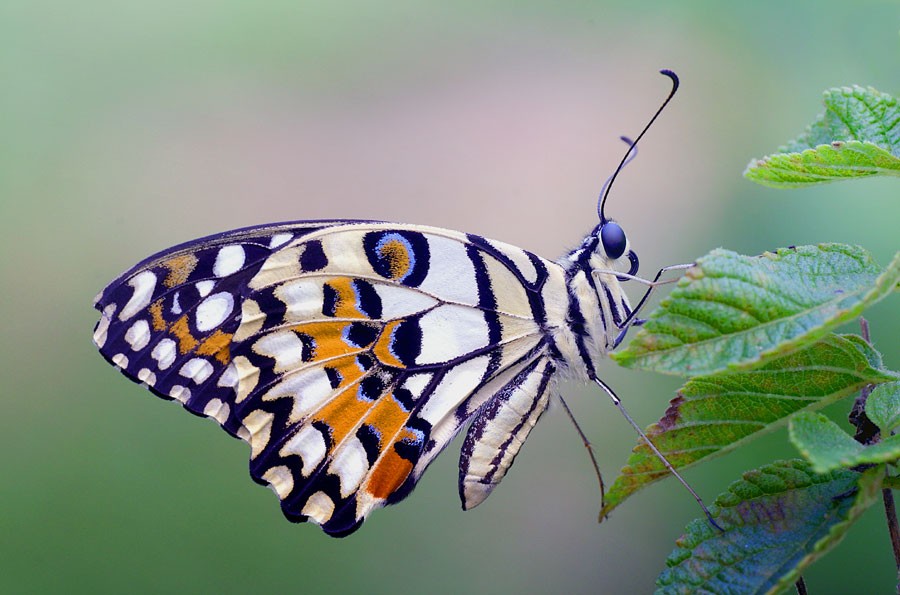
7. Lime swallowtail
The lime swallowtail (Papilio demoleus) has a beautiful black and white pattern, but it's considered a major pest to citrus trees. It feeds on nearly any type of citrus, including oranges and limes. This butterfly's small, green larvae are capable of defoliating an entire nursery grove. They are truly trouble makers in the citrus orchard.
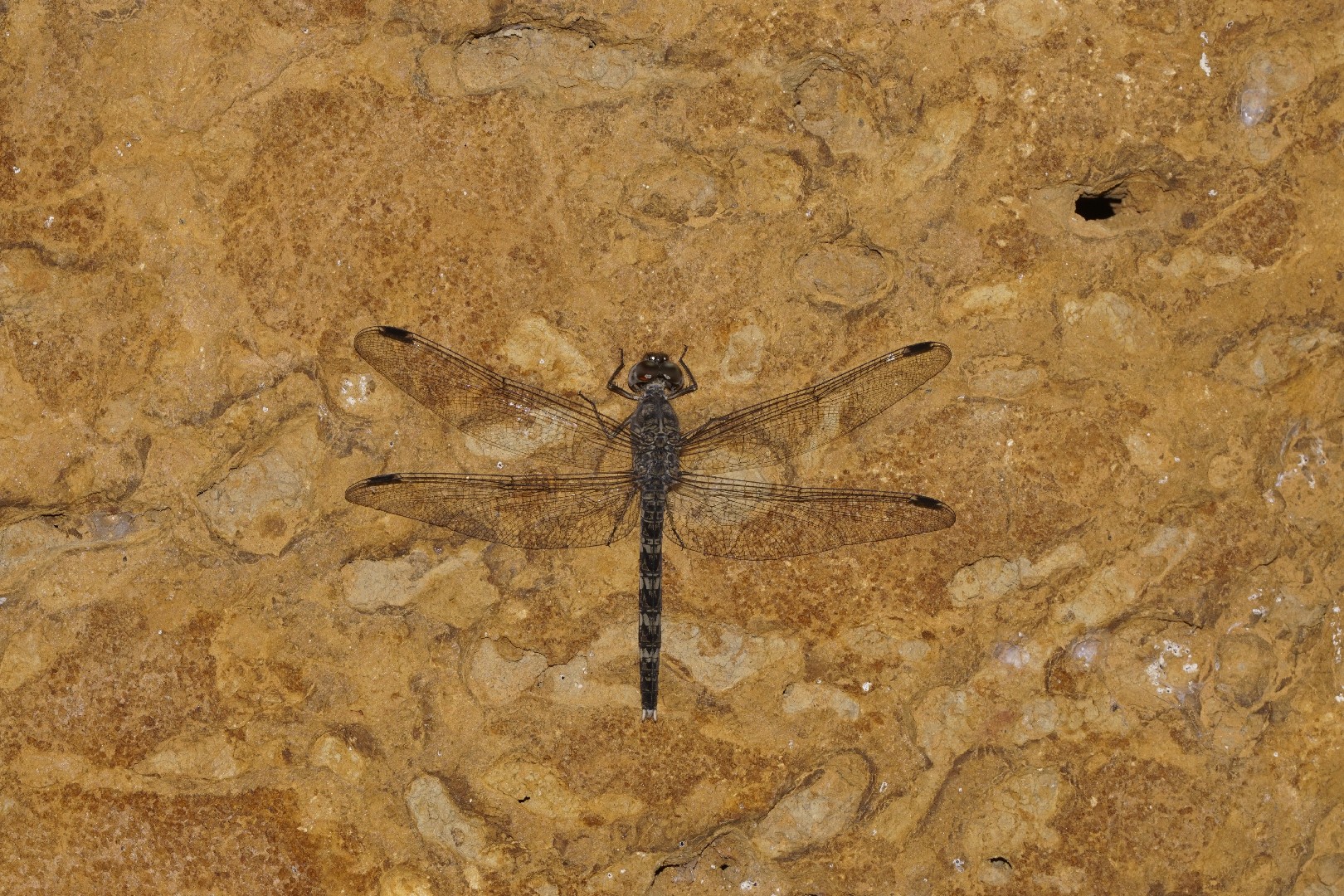
8. Granite ghost
The species is on the IUCN Red List as not endangered, year of assessment 2010.
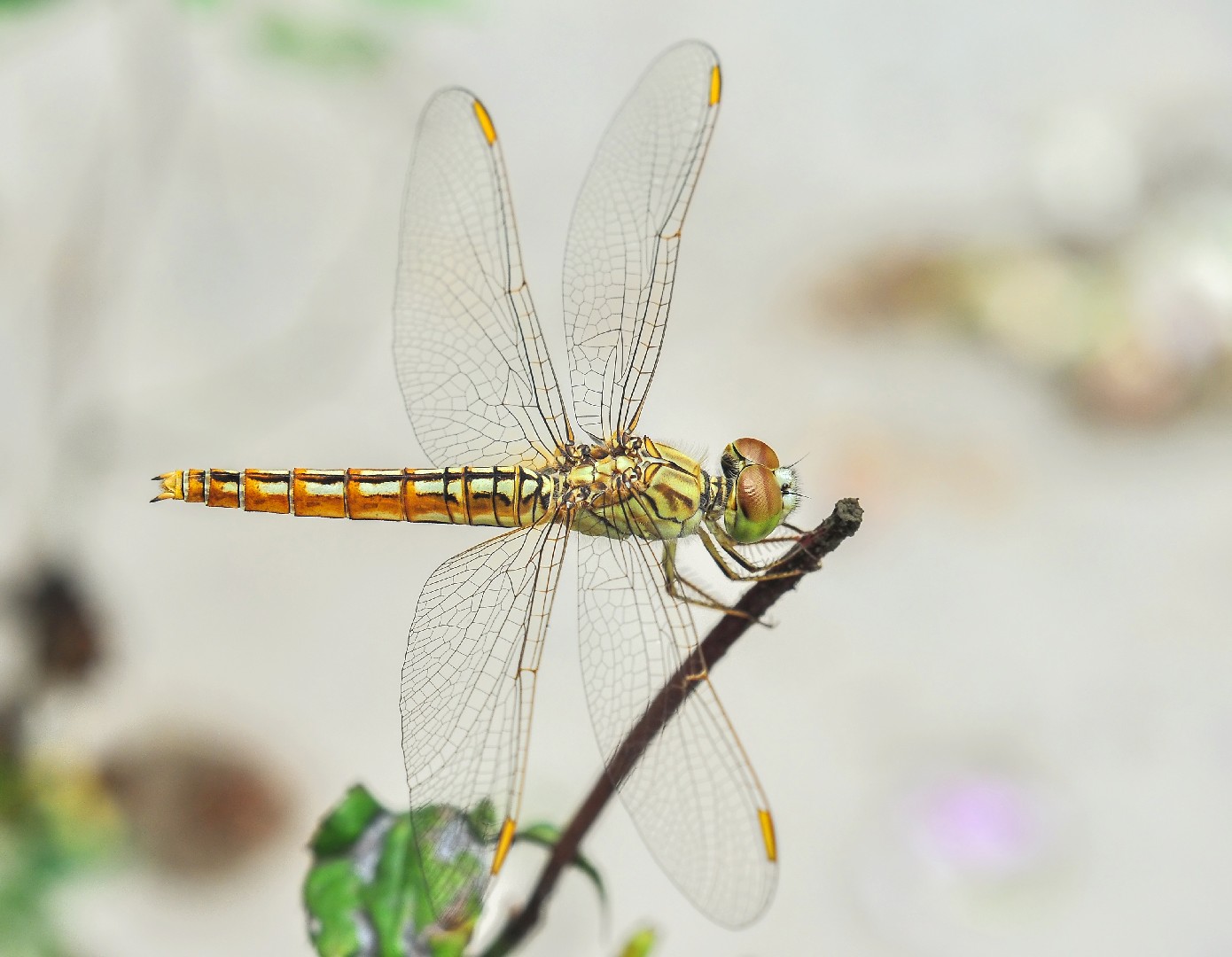
9. Ditch jewel
The species is on the IUCN Red List as not endangered, year of assessment 2010.
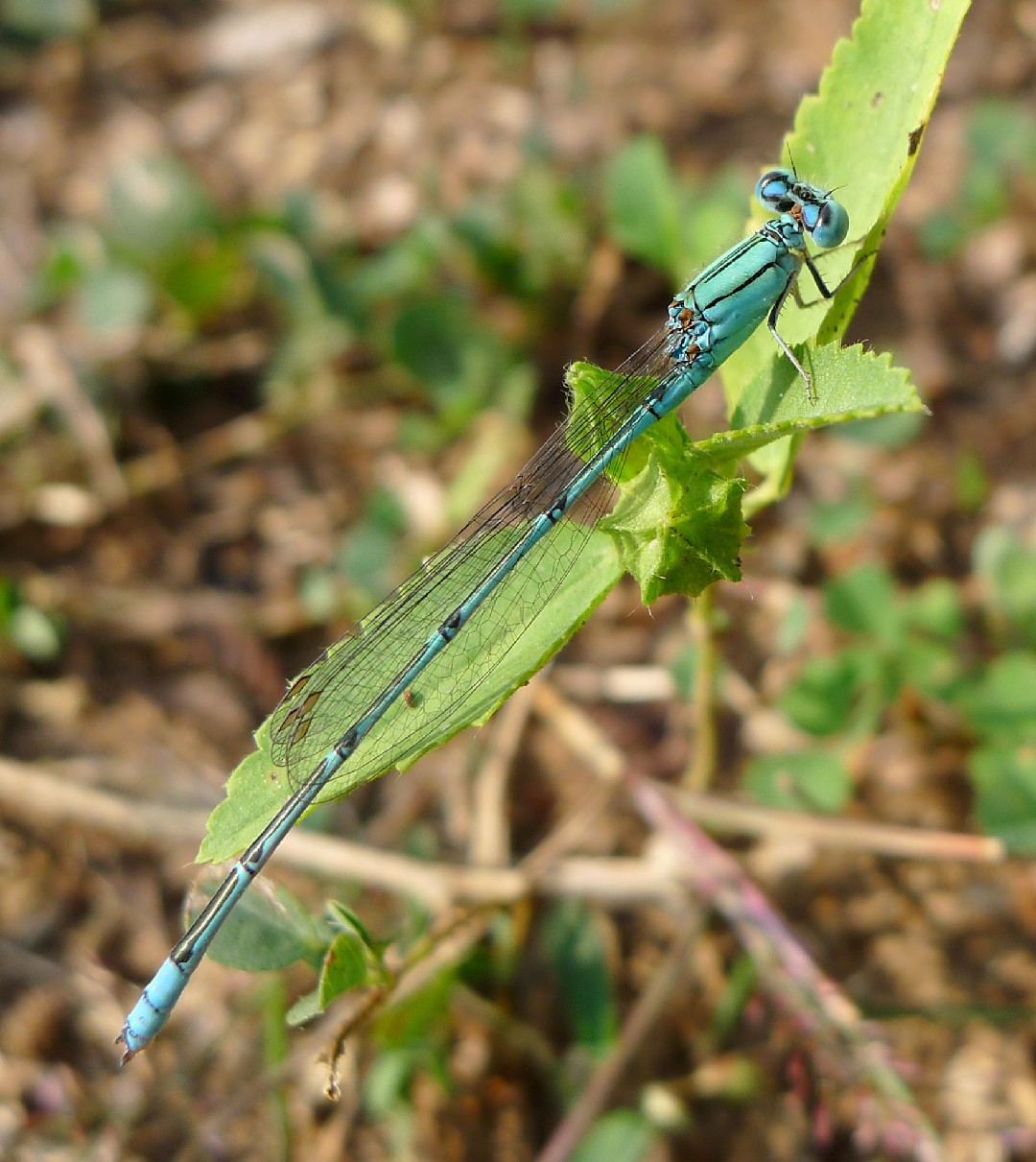
10. Green-striped grass dart
It is a medium sized damselfly with bluish green eyes with a tiny black spot on the top, paler below. Its thorax is bluish green on dorsum, and azure blue on the lower sides. There is a very thin and black mid-dorsal carina, bordered with equally narrow black lines, running close and parallel to it on each side. There is a narrow black humeral stripe and a short black point at the upper part of postero-lateral suture. Winqs are transparent with diamond-shaped pterostigma. Abdomen is azure blue with dorsal black mark up to segment 7. Segments 8 to 10 have only narrow apical black lines. Superior anal appendages are azure blue with black tips. Female has dull colored thorax and abdomen, mid-dorsal black stripe extended to the last segment. It breeds in slow flowing marshy streams and lakes in the lowland. Commonly seen along shoreline or on emergent vegetation; seen from hilly areas only during the migration.


More







