




Top 20 Most Common Insects in Allahabad
Insects, diverse creatures varying in size, structure, and habits, form an integral chunk of Allahabad's biodiversity. As Allahabad spans different landscapes, these bugs thrive uniquely in each locale, leading to an impressive '20' most common species. Vital for ecosystem balance, they range from agricultural helpers to bothersome pests, a testament to the symbiotic relationship between Allahabad's ecology and its insect inhabitants.

Most Common Insects
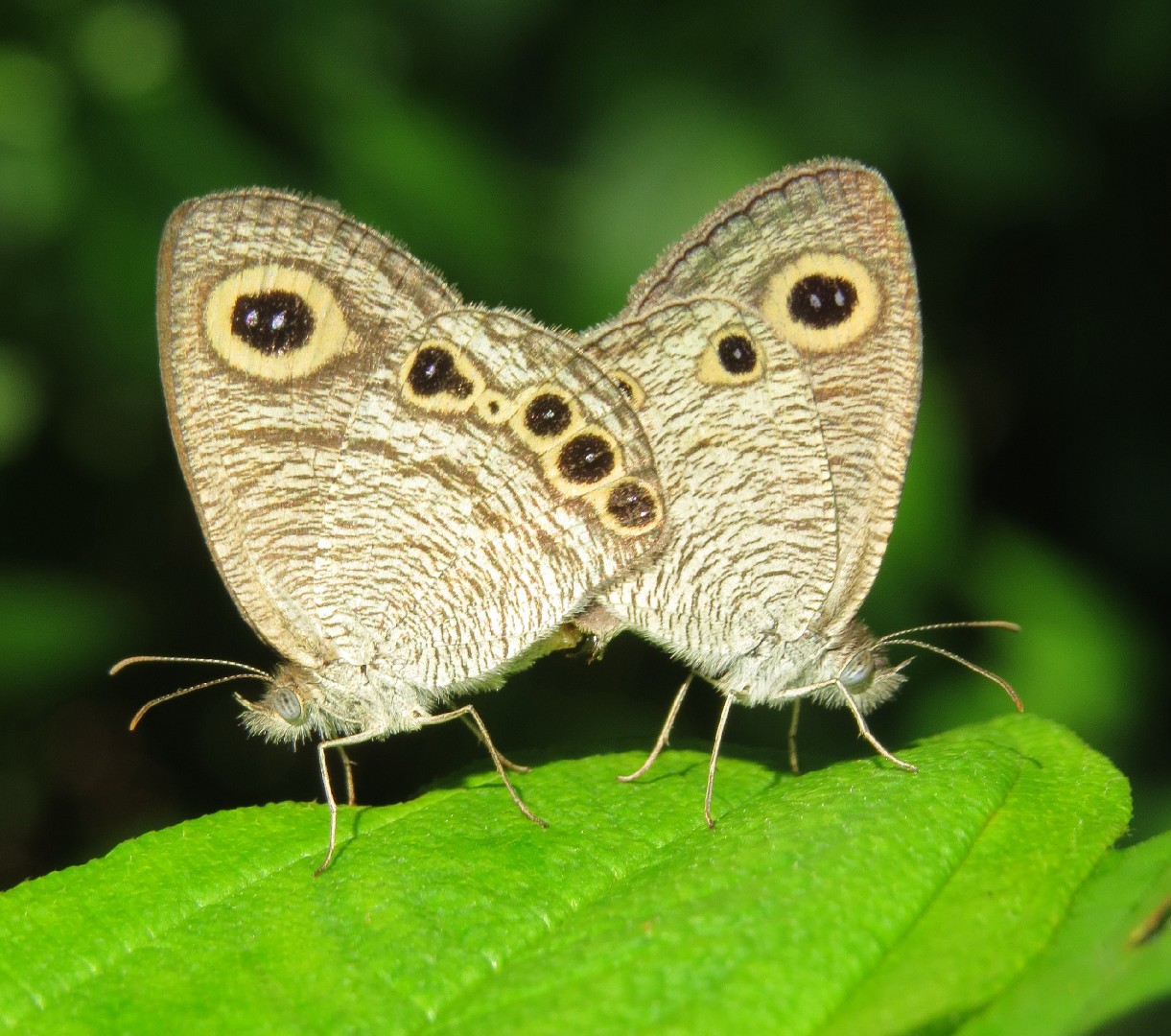
1. Common four-ring
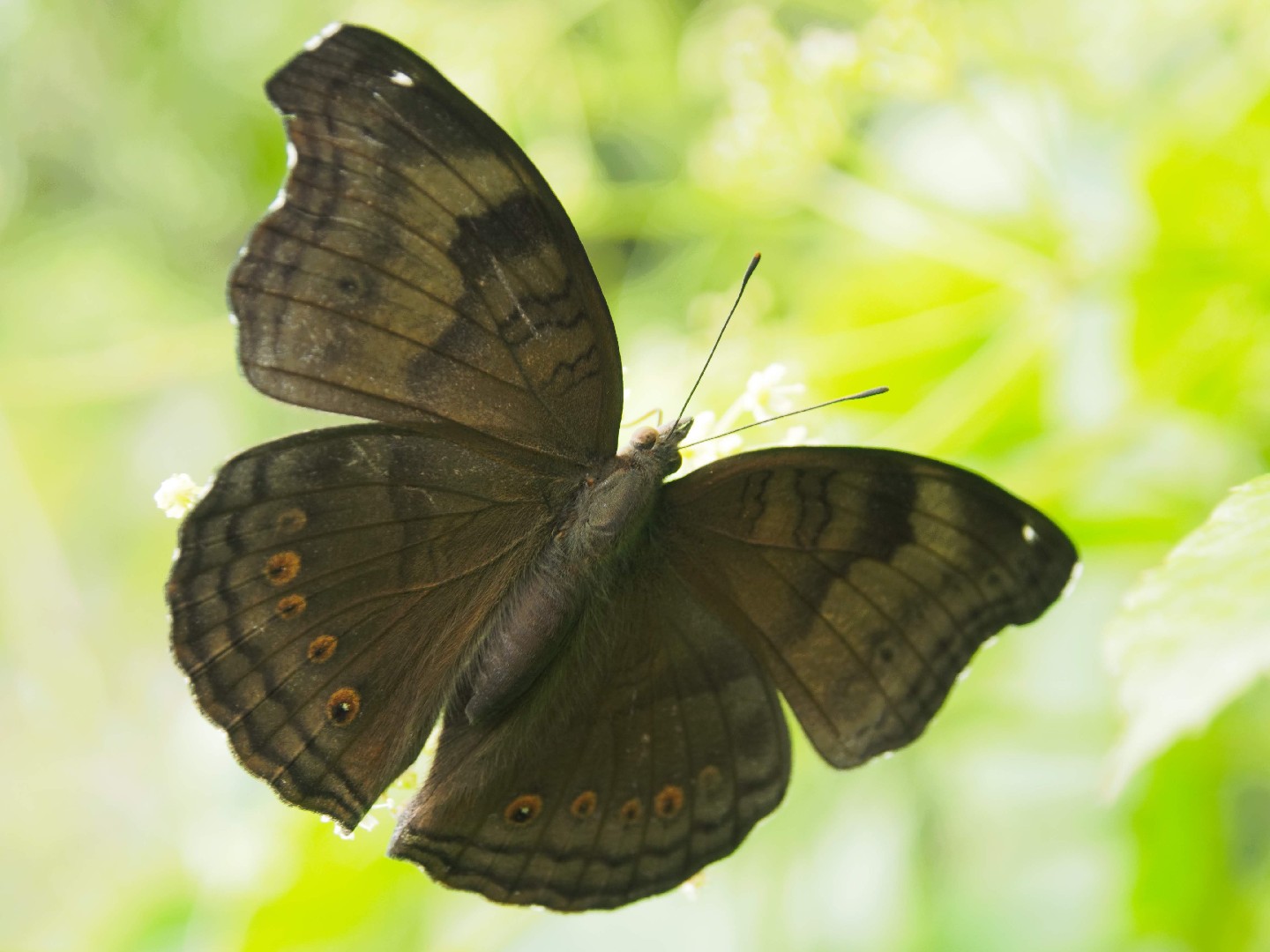
Wet-season form: Upperside greyish brown. Forewing with the usual comparatively large, bi-pupilled, yellow-ringed, black preapical ocellus. Hindwing usually with two, sometimes with three, very rarely without any, smaller similar uni-pupilled postdiscal ocelli. Underside greyish white, not very densely covered with transverse short brown striae. Forewing with the preapical ocellus as on the upperside, obscure discal and subterminal dull brown transverse fasciae and a narrow brown ring round the ocellus diffusely produced posteriorly. Hindwing with one apical and typically three postdiscal posterior ocelli placed in a curve; traces of transverse brown discal and subterminal fasciae in most specimens. Antenna, head, thorax and abdomen greyish brown, the abdomen paler beneath. Male without secondary sex-mark. Dry-season form: Similar, somewhat paler on both upper and under sides; the discal and subterminal transverse fasciae more pronounced; the ocelli on the underside of the hindwing minute or absent. Adults have a wingspan of 4 - 4.5 cm. 

2. Lemon pansy
It is brown with numerous eyespots as well as black and lemon-yellow spots and lines on the upperside of the wings. The underside is a dull brown, with a number of wavy lines and spots in varying shades of brown and black. There is also an eyespot on the lower side of the forewing. The wet- and dry-season forms differ considerably in coloration and even shape. In the wet-season form the markings are distinct and vivid and the wing shape is a little more rounded. In the dry-season form the markings are obscure and pale especially on the underside and the wing margin is more angular and jagged.
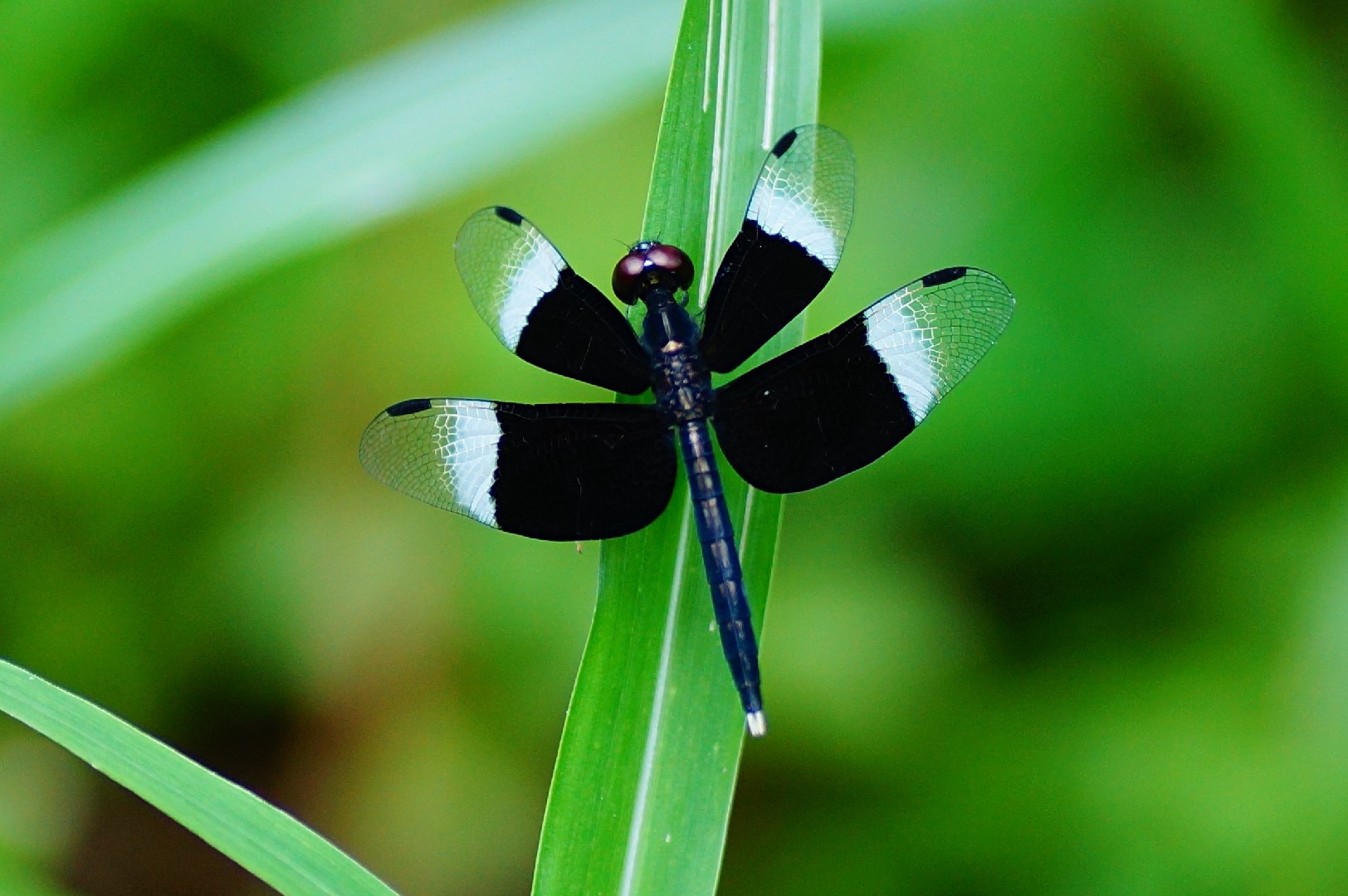
3. Pied paddy skimmer
The species is on the IUCN Red List as not endangered, year of assessment 2007.
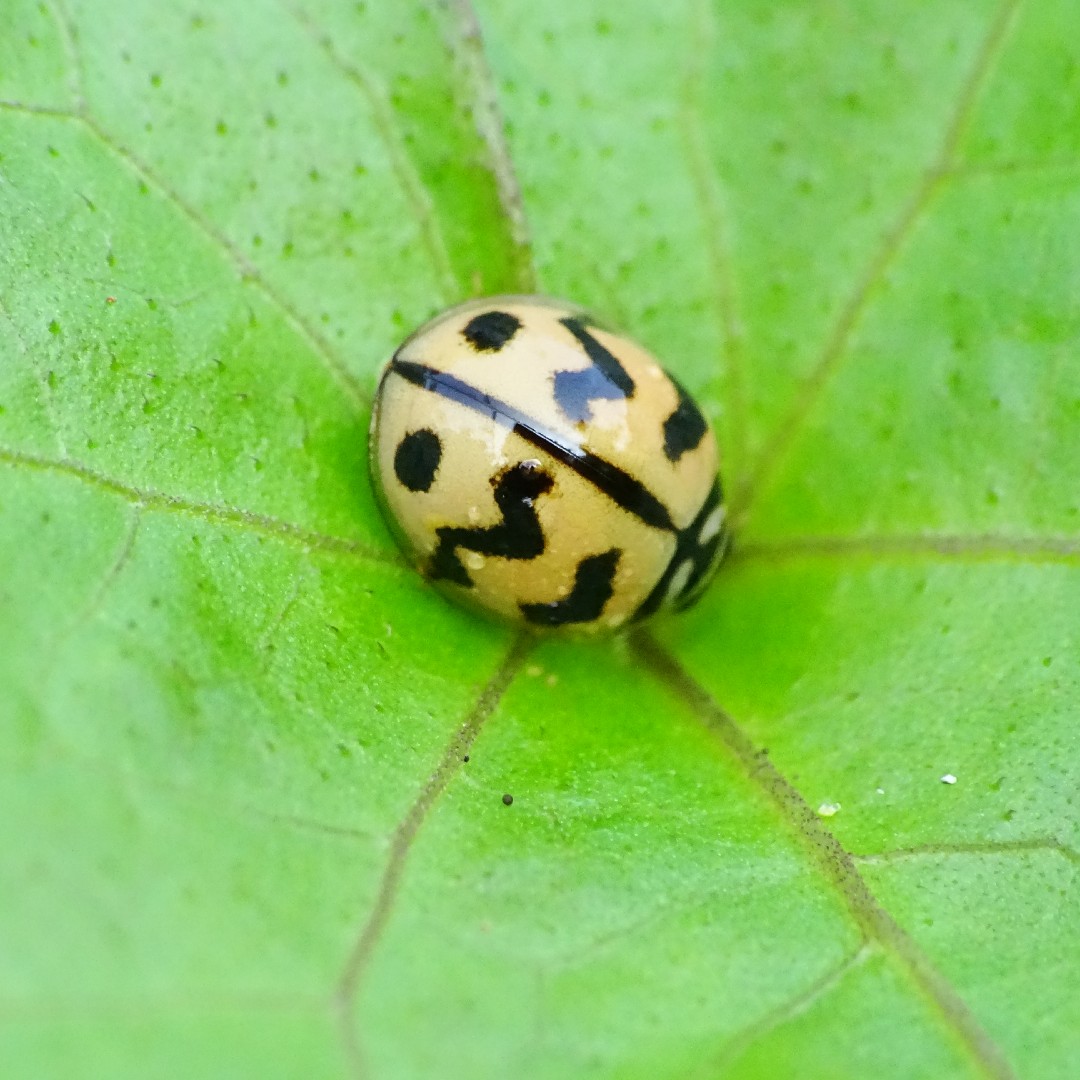
4. Six-spotted zigzag ladybird beetle
The six-spotted zigzag ladybird beetle is a common visitor to agricultural fields in India where it is considered a beneficial insect. It preys on several insects that reduce crop yield and is a more cost-effective and environmentally friendly method of pest control. The insect hibernates in cold temperatures, only appearing from spring through fall.
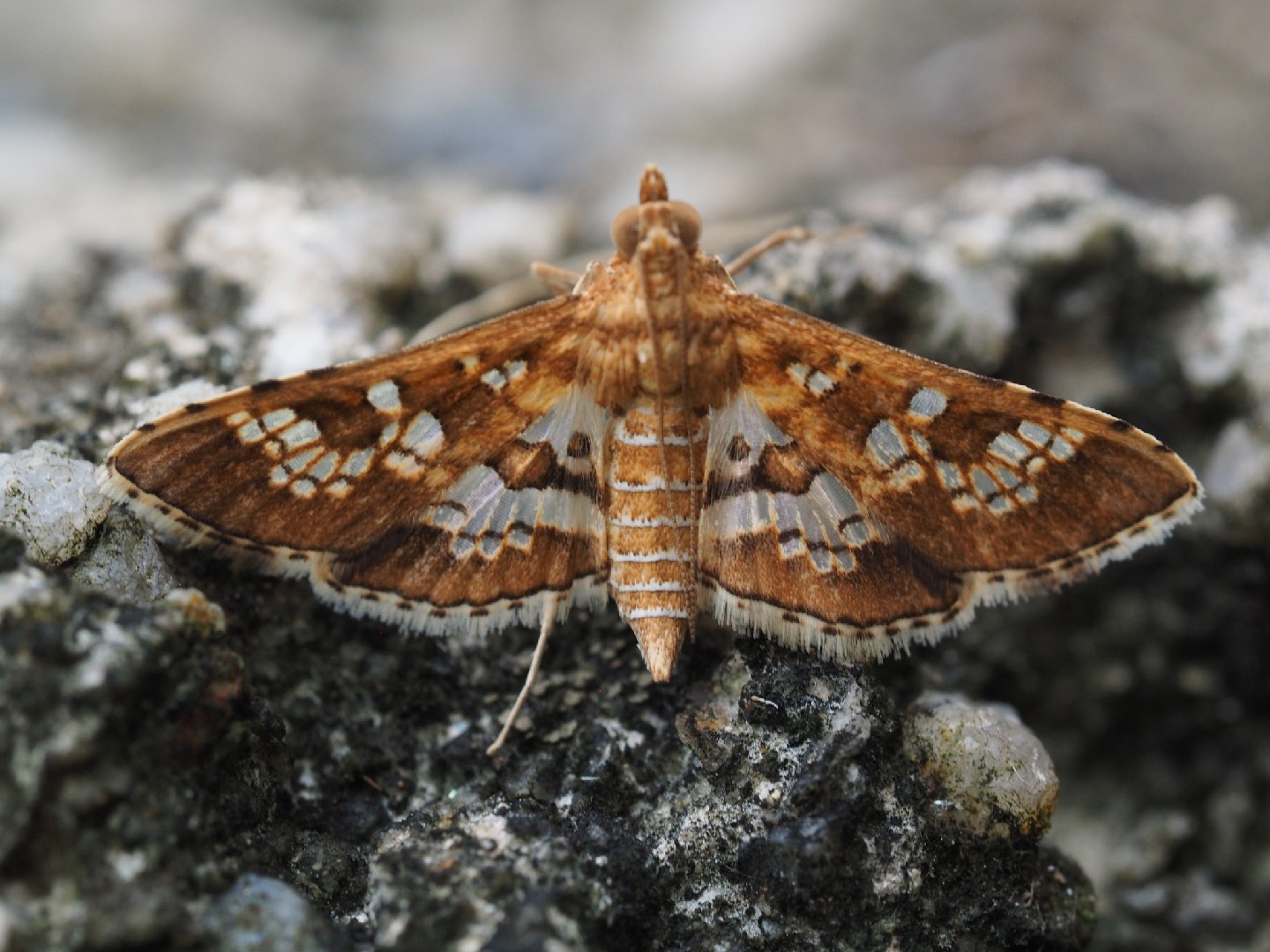
5. Banded pearl
The wingspan is about 2 cm. Adults are brown, with white spots partly outlined in black on the forewings, and white bands across the hindwings.
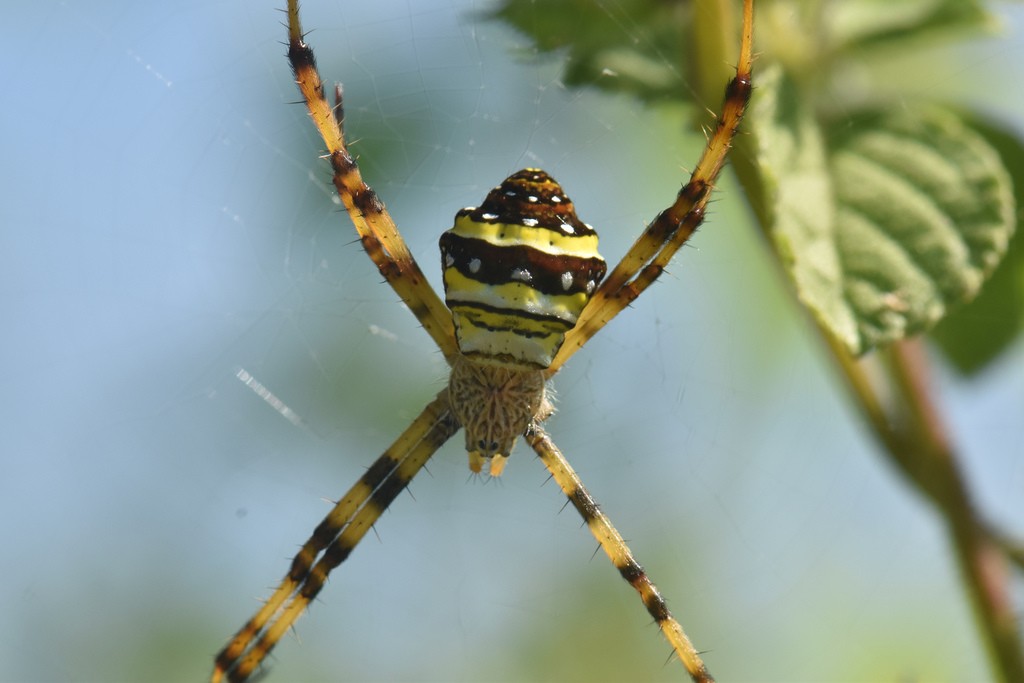
6. Signature spider
Female is about 8-12 mm long and male is 3.5-4.5 mm. After Cephalothorax greyish brown with hairs. Sternum heart shaped with hairy pubescent white patch. Palps bear spines. Legs greyish brown and hairy. Femora dorsally yellowish. Abdomen pentagonal and hairy. Dorsum yellowish with brown transverse bands. Three sigilla pairs distinct. Ventrum dark brownish with two longitudinal white patches.
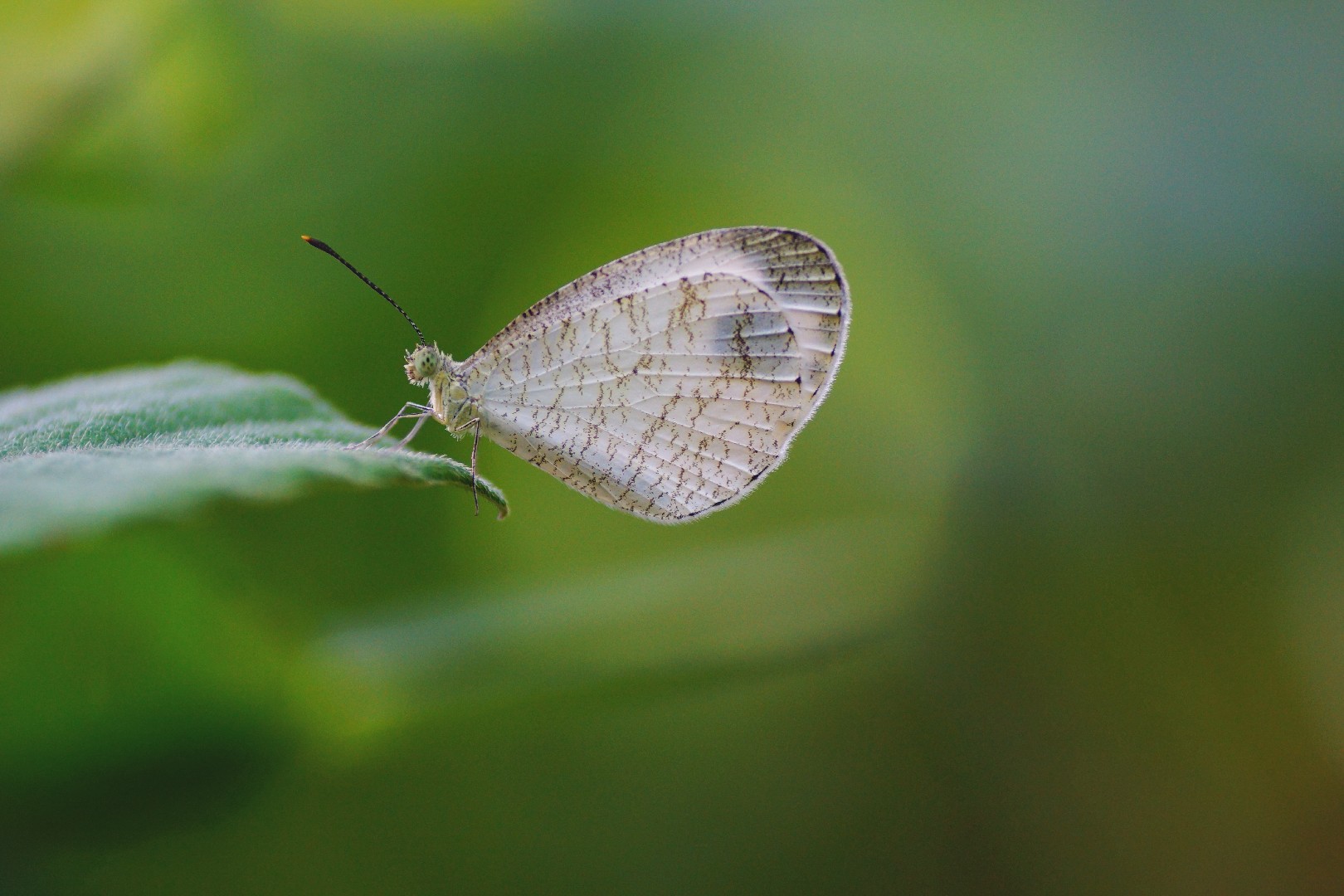
7. Psyche
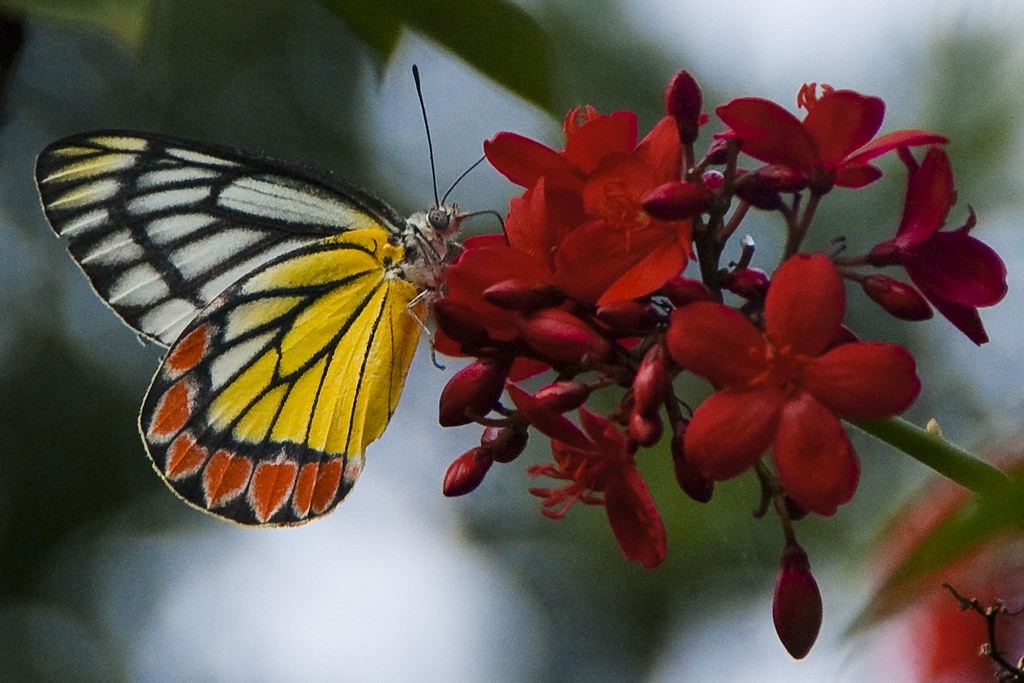
Upperside is white,base of wings are very slightly powdered with minute black scales.The costa of forewing is speckled obscurely with black; apex black, the inner margin of this inwardly angulate; a very large somewhat pear-shaped post-discal spot also black. Hindwing is white,in most specimens an obscure, extremely slender, terminal black line. Underside is white; costal margin and apex of forewing broadly, and the whole surface of the hindwing irrorated (speckled) with transverse, very slender, greenish strigae and minute dots; these on the hindwing have a tendency to form sub-basal, medial and discal obliquely transverse obscure bands; the postdiscal of forewing is black,spot as on the upperside; terminal margins of both forewings and hindwings with minute black, short, transverse slender lines at the apices of the veins, that have a tendency to coalesce and form a terminal continuous line as on the upperside. Antennae dark brown spotted with white, head slightly brownish, thorax and abdomen white. Female is similar as male, the black markings on the upperside of the forewing on the whole slightly broader, but not invariably so. Wingspan is 2.5 - 5 cm. Larva is green with a pale glaucous tinge about the bases of the legs and slightly hairy. Pupa sometimes green, but more often of a delicate pink shade.
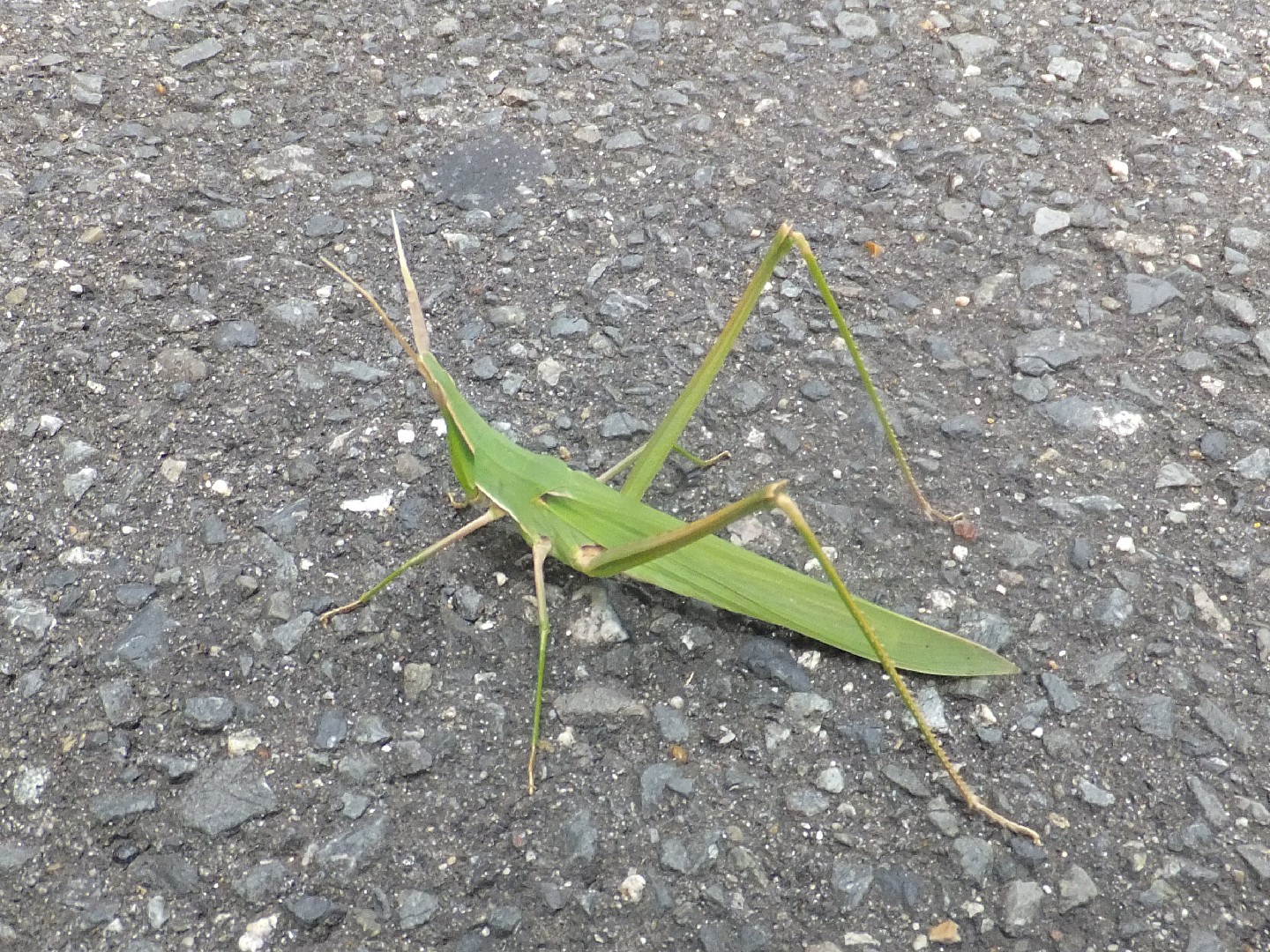
8. Oriental longheaded locust
It's easy to mistake the slender, green oriental longheaded locust for a blade of grass since it's often found among grasses and in crop fields. While it can become a pest in these crop fields, this insect has been eaten by humans and may provide nutrition for domesticated poultry.

9. Scarlet skimmer
The species is on the IUCN Red List as not endangered, year of assessment 2009.
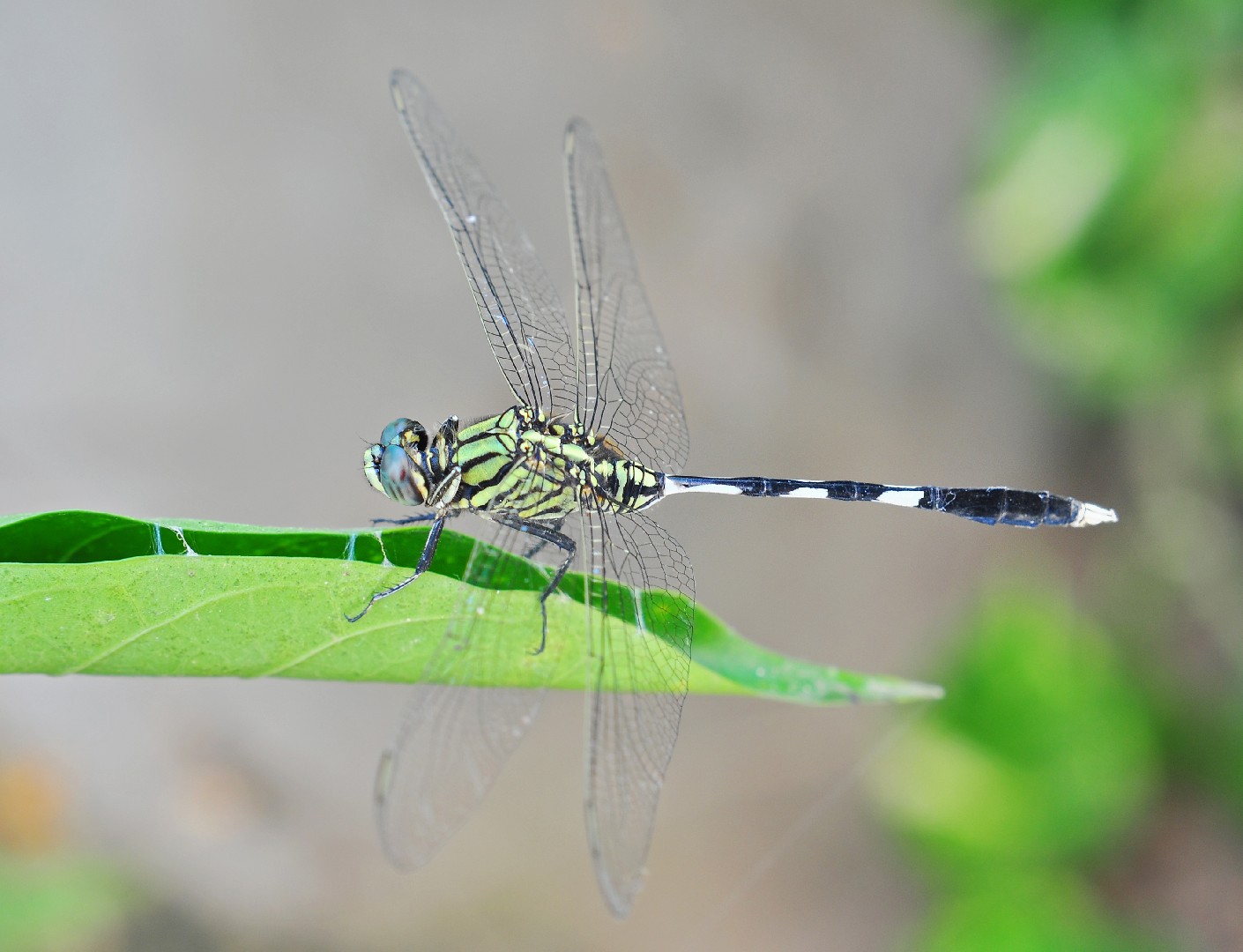
10. Slender skimmer
The species is on the IUCN Red List as not endangered, year of assessment 2009. The slender bank dragonfly occurs from Southeastern Europe and North Africa to Japan and Australia
More







