




Top 16 Most Common Insects in Darjeeling
Insects, with their diverse forms and fascinating behaviors, pervade every corner of Darjeeling, each uniquely adapted to their specific niches. The diverse geography of Darjeeling, from mountain forests to coastal plains, creates a mosaic of habitats, affecting insect diversity. These tiny creatures, both fascinating and dreaded, play vital roles in our ecosystems, acting as pollinators, decomposers, or pests. Unearthing the relationship between Darjeeling's environments and its insect inhabitants reveals the intricate dance of life happening under our noses. Come join us as we explore the 16 most common insects of Darjeeling.

Most Common Insects
1. Indian Tortoiseshell
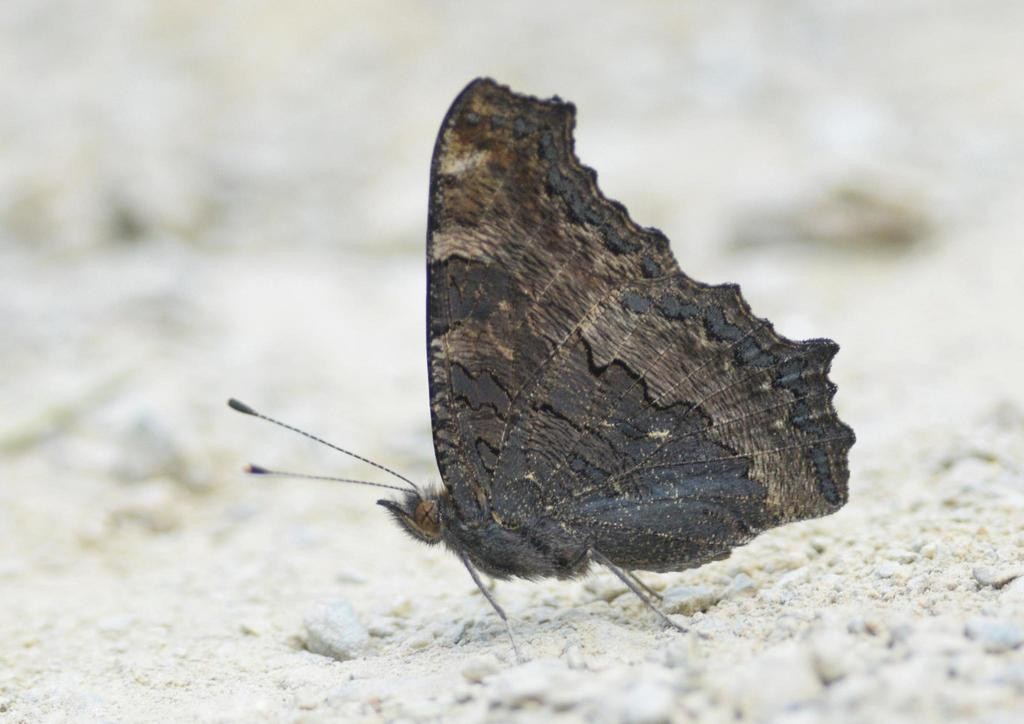
Upperside of forewings with the basal half of costa and termen pale brown, the former flecked with pale yellow, the latter bordered inwardly by a narrow darker brown band bearing a series of black lunules; outwardly traversed by sinuous slender subterminal and more slender terminal black lines: base of wing and the greater part of interspace 1a and of 1 posteriorly brown, irrorated with golden scales, the rest of the wing anteriorly yellow, posteriorly and at base of cell red, with the following black markings: a broad band across the cell, another broader short band beyond, touching the discocellulars, not extending below vein 4, and a third not extending below vein 5, with a white patch beyond before apex, all three short bands rounded posteriorly; on the disc there is a large oval black spot, followed by a yellow patch in interspace 1, and above it smaller black spots in interspaces 2 and 3. Hindwing has the basal half dusky brown, covered posteriorly with long brown hairs; anteriorly beyond the bases of veins 5, 6 and 7 black, followed by a broad red band anteriorly turning to yellow; a broad terminal brown band, traversed by a series of black-bordered blue lunules, and beyond them by very slender inner and outer black sinuous lines. Underside brown, with closely set transverse short black striae; basal half of wings clouded with dark purplish brown, the outer margin of the dark portion defined by a highly sinuous jet-black transverse line, most distinct on the hindwing, and also crossed, nearer the base of the wings, by two or three similar, much interrupted lines; terminal half of the wings paler, with two dark irregular patches below costa of forewing; finally a sinuous transverse subterminal narrow dark blue band across both forewings and hindwings, bordered on both sides by slender black lines, widening into spots on the veins of the forewing. This band is more distinct in the female than in the male. Antennae dark brown, minutely ringed with white; head, thorax and abdomen dark brown above and below. Has a wingspan of 52–63 mm. 
2. Bi-spot royal
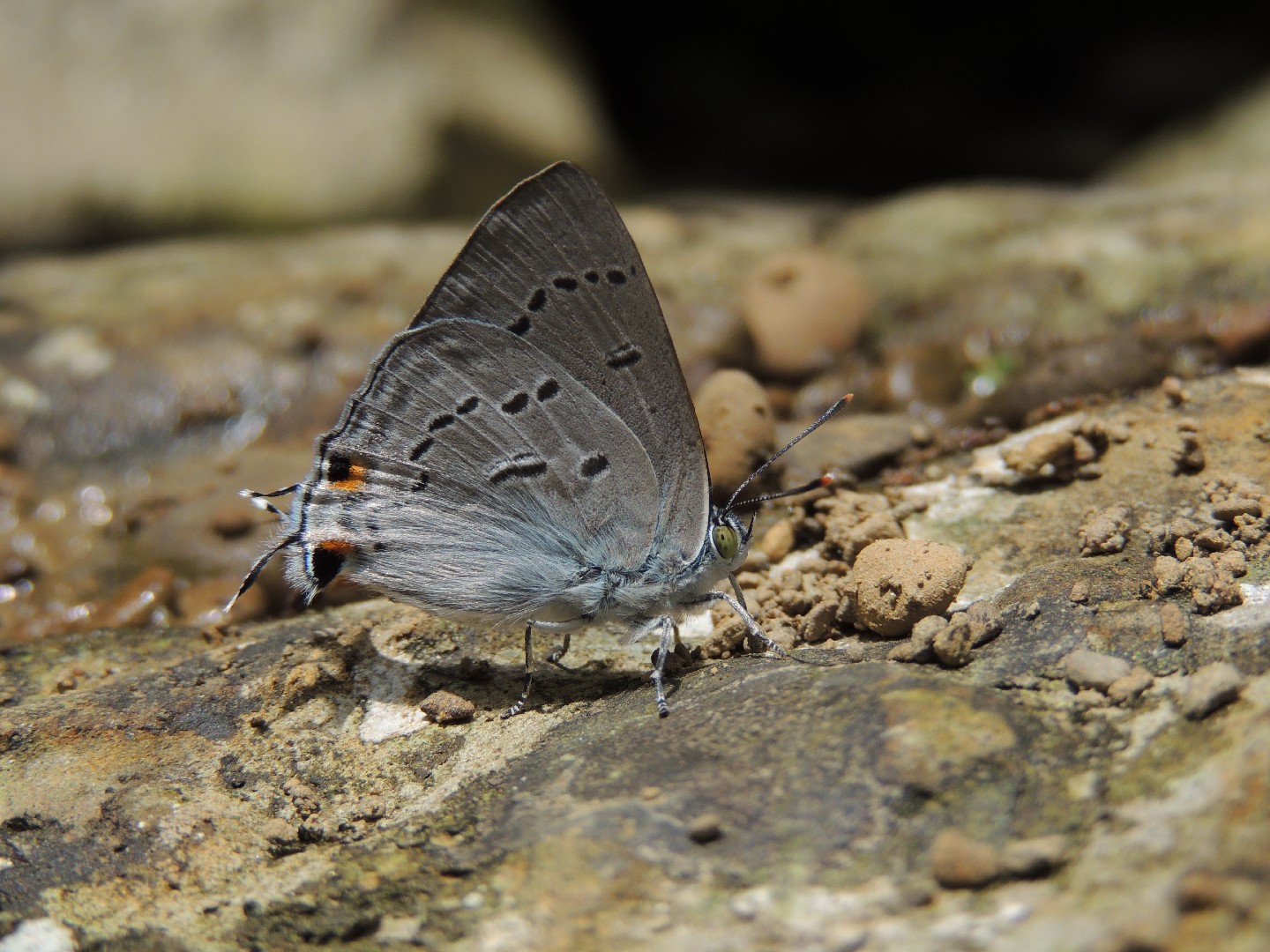
Ancema ctesia, the bi-spot royal, is a species of blue butterfly (Lycaenidae) found in Pakistan and India. The larvae feed on Viscum articulatum.
3. Black-and-white spiny spider
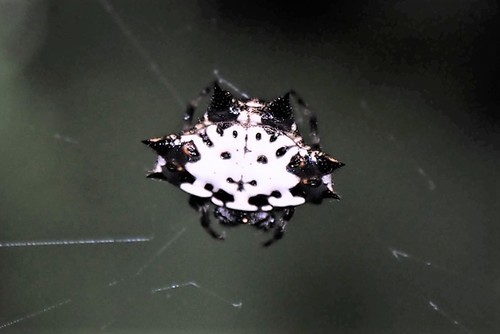
Female black-and-white spiny spider are 6 - 9 mm wide and possess a hard, shiny abdomen armed with six black conical spines. The upper surface of the abdomen is white to yellowish with variable black or dark brown markings and sigilla. Males are much smaller at 3 - 4 mm and in place of spines have small bumps on their abdomens.
4. Chlorion lobatum
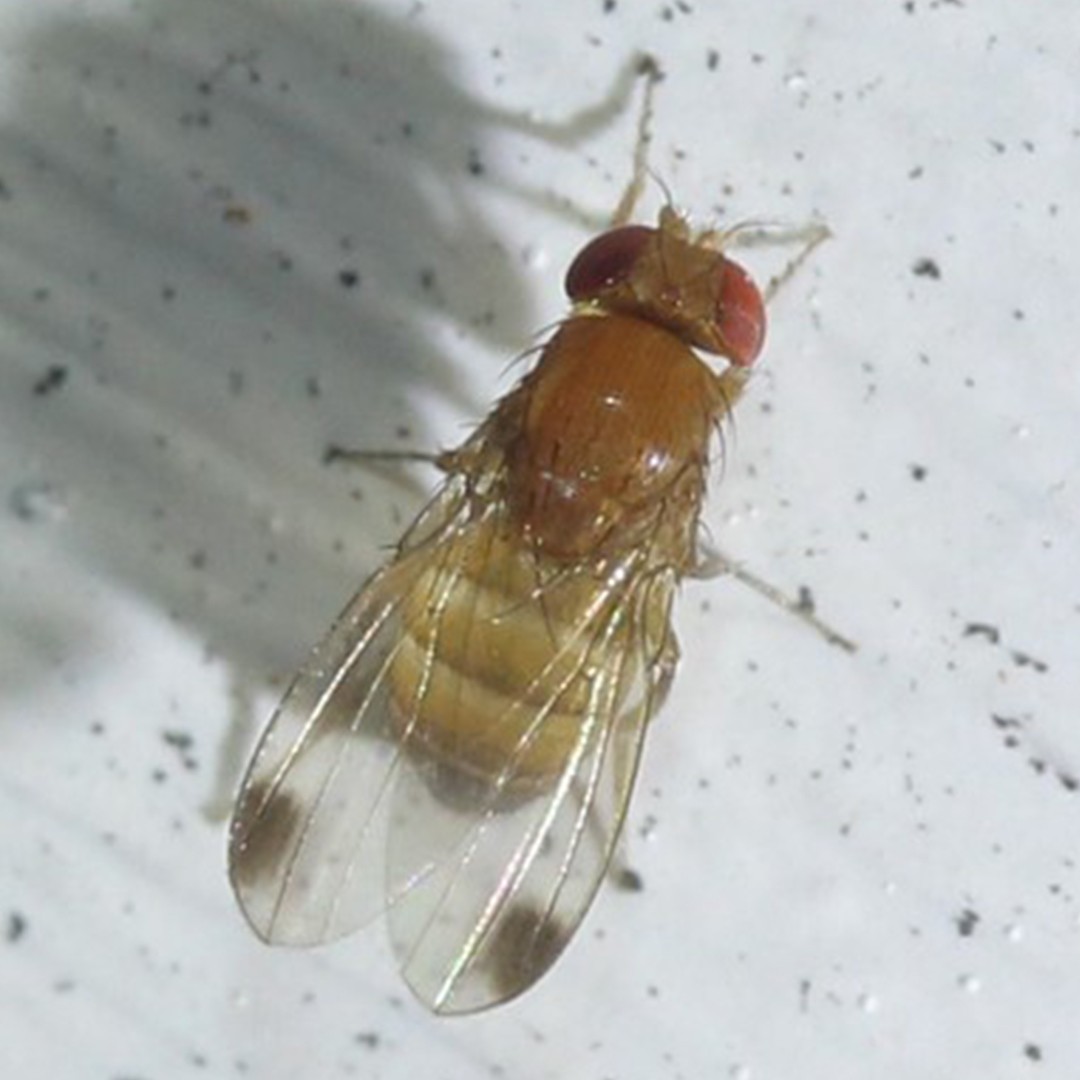
5. Spotted-wing drosophila
Spotted-wing drosophila is a pest insect that causes significant damage to fruit crops like grapes, strawberries, and cherries (hence the common name). It lays eggs in the fruit, contaminating them and introducing bacteria. This fast-breeding, short-lived pest can produce three generations during a single fruit season.
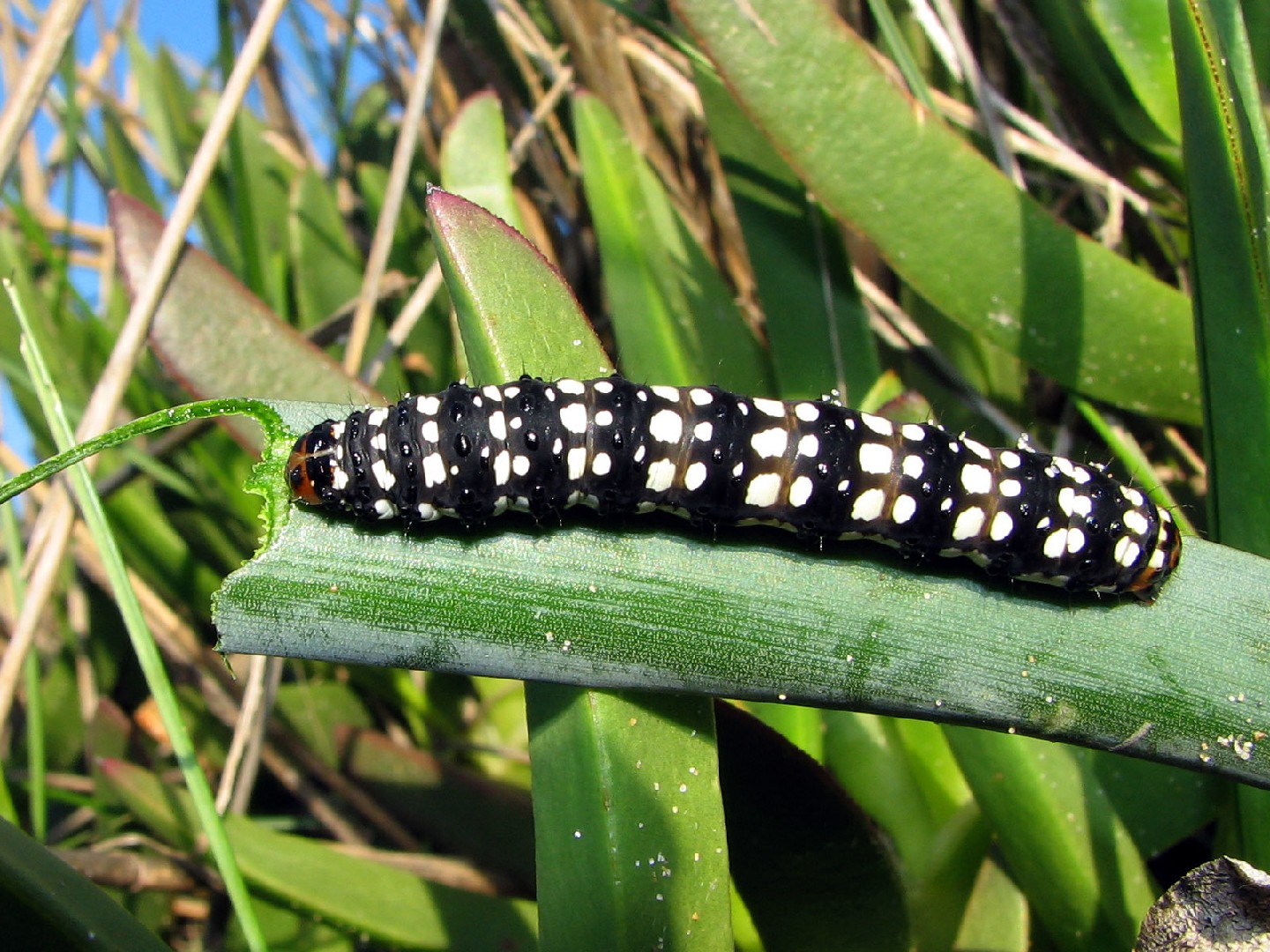
6. Lily borer
The wingspan of the moth is about 4 cm. Its head, thorax and forewings are very dark brown, but paler toward the wingtips. Sub-basal, median and postmedial indistinct waved lines are black. A curved submarginal ochreous line with ferrous colored lunuled found on each side of it. There is a marginal black lunule series. The hindwings are practically white. Tarsi bear black and white stripes.
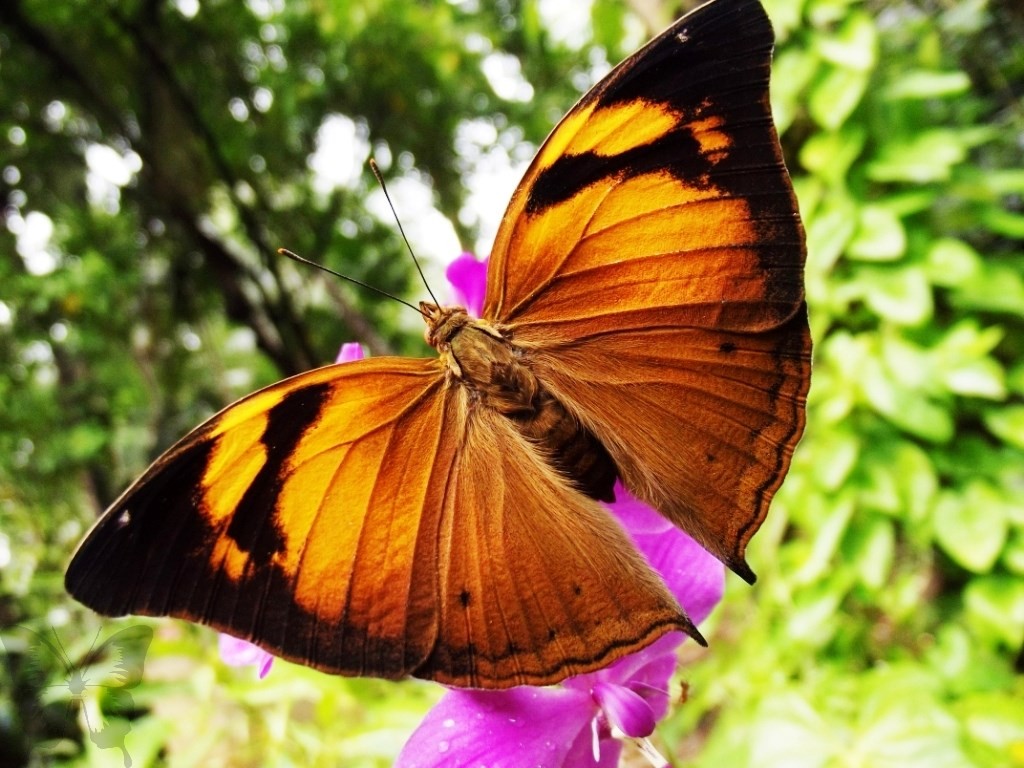
7. Autumn leaf
The larvae are black, with two rows of dorsal white spots. Head with a pair of branched spines; rest of the segments with a dorsal and a lateral row of blue branched spines on each side. The pupae are yellowish with numerous black spots; constricted in the middle; head produced into two points. Male's and female's underside yellowish brown, paling anteriorly to rich golden yellow on the forewing, shading anteriorly into dusky brown on the hindwing. Forewing: the apical half black, following a line from vein 12 opposite the discocellulars, passing through apex of cell, obliquely across middle of interspace 3 and curving down to tornus; a black spot near apex of cell coalescing with the inner margin of 1he black colour; a short, very oblique, broad golden-yellow band, broader in the female than in the male, from middle of costal margin to interspace 5; a spot beyond in line with it in interspace 4; two, sometimes three, minute, preapical white specks; the cilia fulvous (tawny), touched with white, anteriorly. Hindwing uniform; the costal margin broadly as noted above, a subterminal narrow band and narrower terminal line posteriorly, dusky black; a postdiscal black spot in interspaces 2 and 5 respectively; the cilia fulvous. The ground colour varies from reddish to dark greenish brown with irrorations (speckles) of greyish and black scales; apex of the forewing and the terminal margin posteriorly of the hindwing more or less lilacine; forewings and hindwings crossed by a dark narrow discal fascia, generally bordered on the inner side by a greyish line; this fascia bent inwards at right angles above vein 6 of the forewing and in most specimens, bordered internally by a diffuse pale patch and externally by an oblique whitish mark, beyond which is a subcostal white spot, followed by a transverse sinuous postdiscal series of obscure ocelli crossing both wings, each ocellus centred by a minute dot, white on the fore, black on the hindwing. In the male there are generally, but not invariably, a number of whitish spots on the basal areas of both wings. Antennae blackish brown, ochraceous at apex; head, thorax and abdomen dark fulvous brown; beneath, the palpi white, the thorax and abdomen pale brown. Wingspan is about 8 - 9 cm.
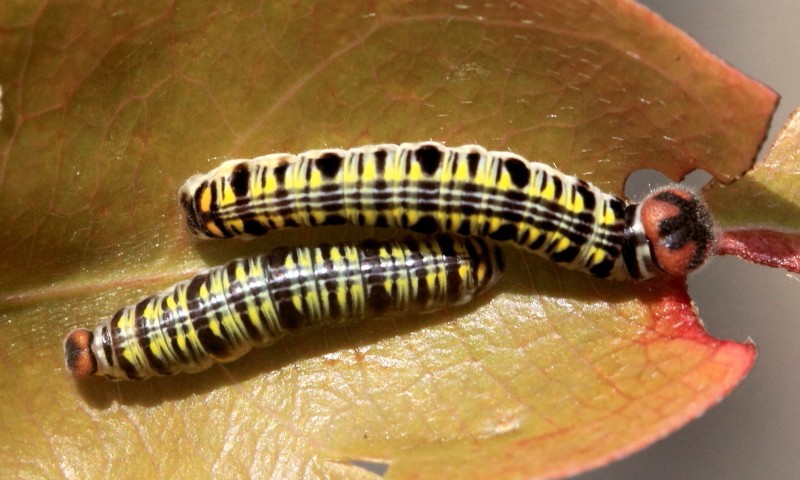
8. Orangetail awlet
Both sexes: The butterfly has a wingspan of 45 to 50 mm. Above, both sexes are an unblemished dark brown. The hindwings have an orange fringe. The abdomen is orange towards the rear. Below, the wings have white patches; the forewings having a large white central patch, and the hindwings having a broad pure white discal band. The male has no brands.
9. Tailed rustic
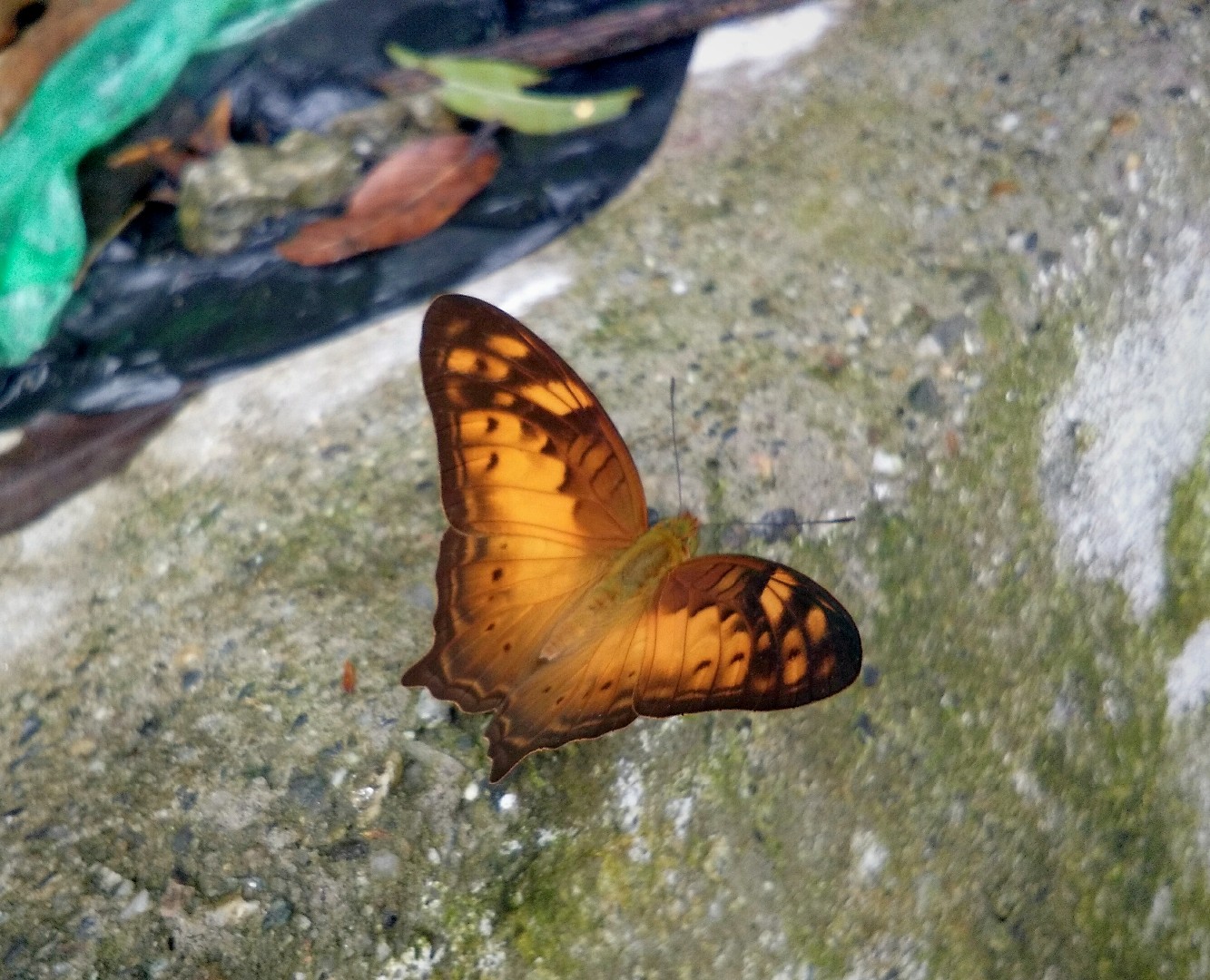
Vagrans is monotypic genus with the species vagrant (Vagrans egista) a species of nymphalid butterfly found in forested areas of tropical South Asia and Southeast Asia.
10. Himalayan jester
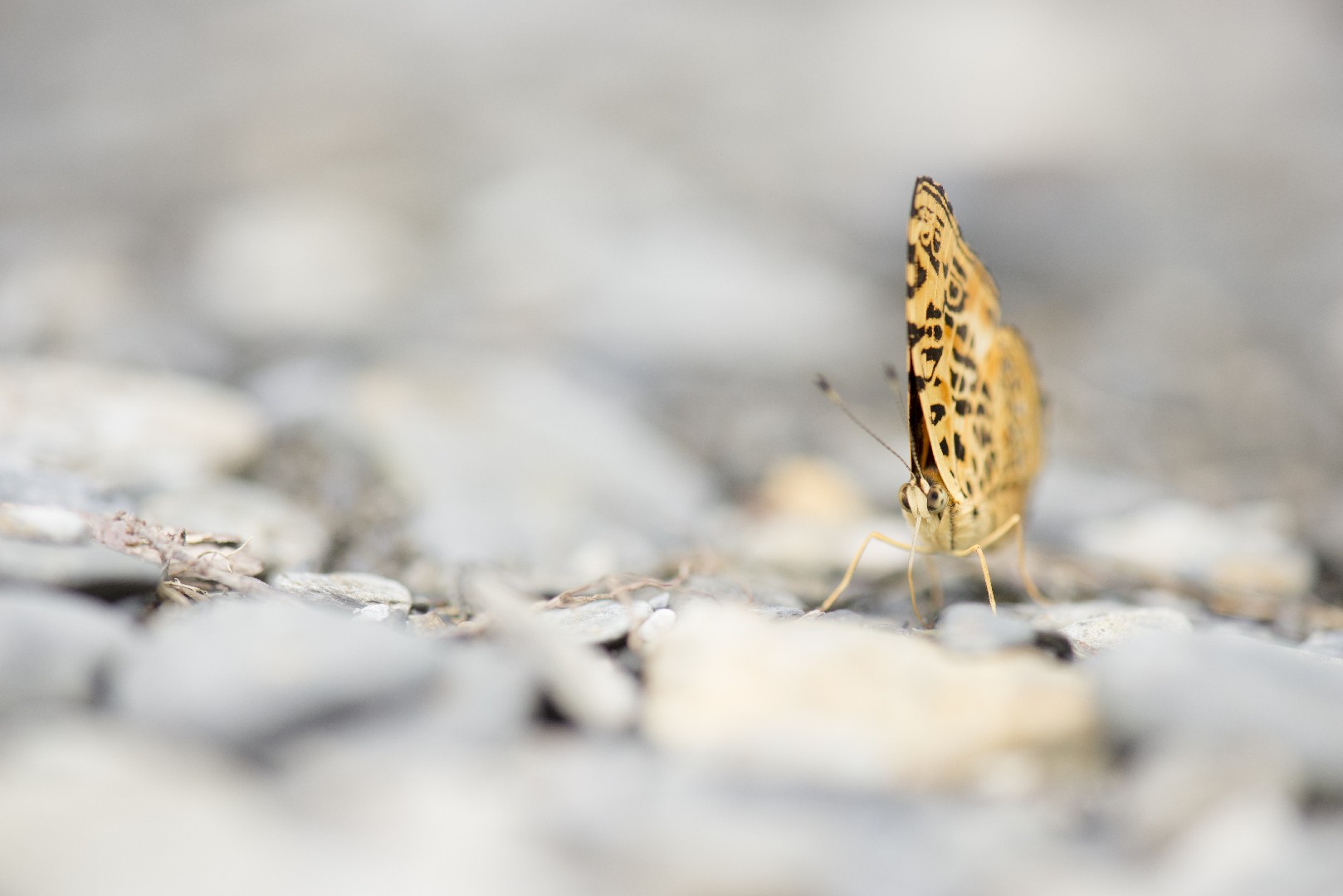
Symbrenthia hypselis, the Himalayan jester, is a species of nymphalid butterfly found in South Asia, and some islands in South East Asia (Sumatra, Java)

More







