




Top 20 Most Common Insects in Rampur Hat
Insects, with their diverse forms and fascinating behaviors, pervade every corner of Rampur Hat, each uniquely adapted to their specific niches. The diverse geography of Rampur Hat, from mountain forests to coastal plains, creates a mosaic of habitats, affecting insect diversity. These tiny creatures, both fascinating and dreaded, play vital roles in our ecosystems, acting as pollinators, decomposers, or pests. Unearthing the relationship between Rampur Hat's environments and its insect inhabitants reveals the intricate dance of life happening under our noses. Come join us as we explore the 20 most common insects of Rampur Hat.

Most Common Insects
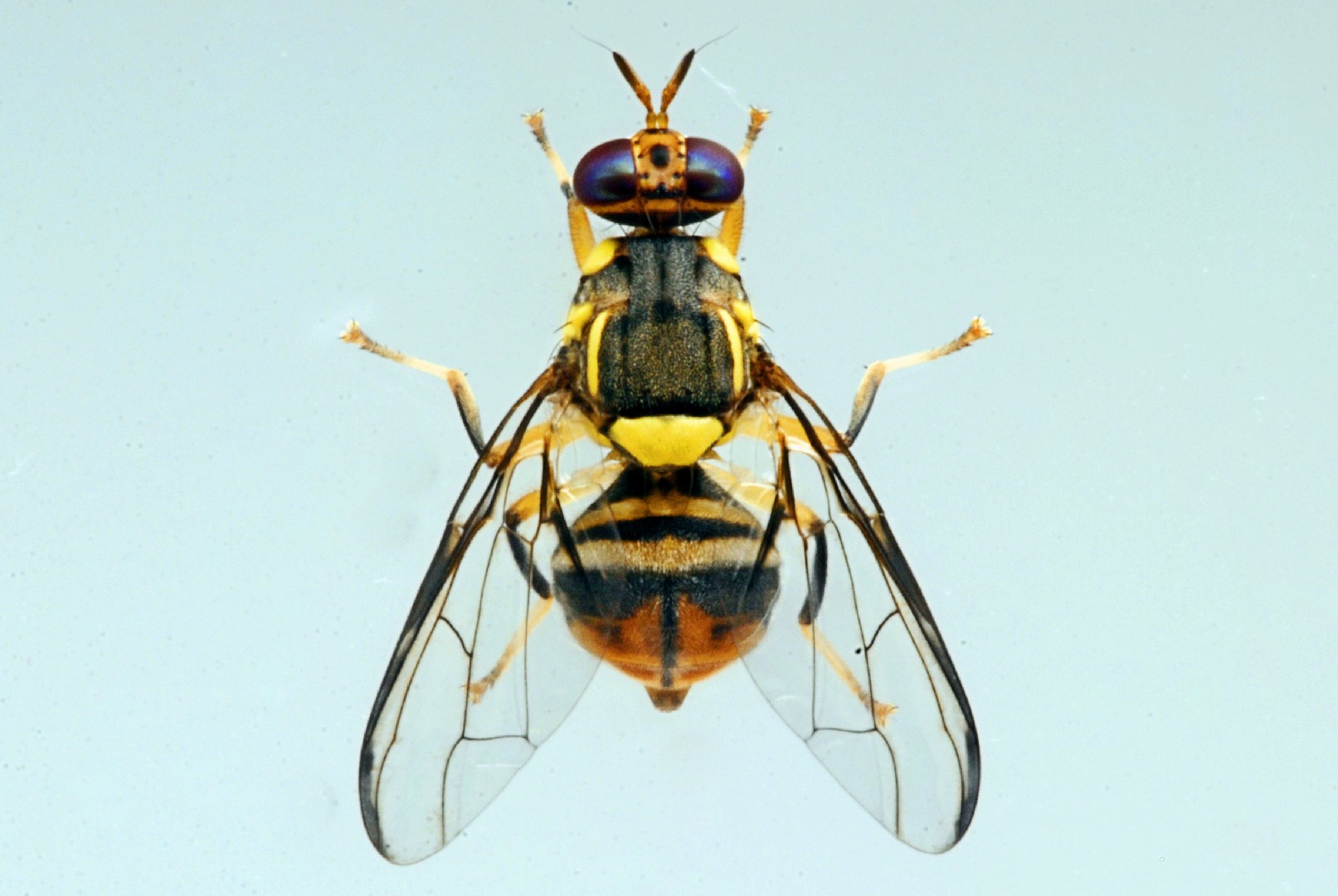
1. Oriental fruit fly
Bactrocera dorsalis is a fly species from the family of the drill flies (Tephritidae). The scientific name of the species was first validly published in 1912 by Hendel.

2. Scarlet skimmer
The species is on the IUCN Red List as not endangered, year of assessment 2009.
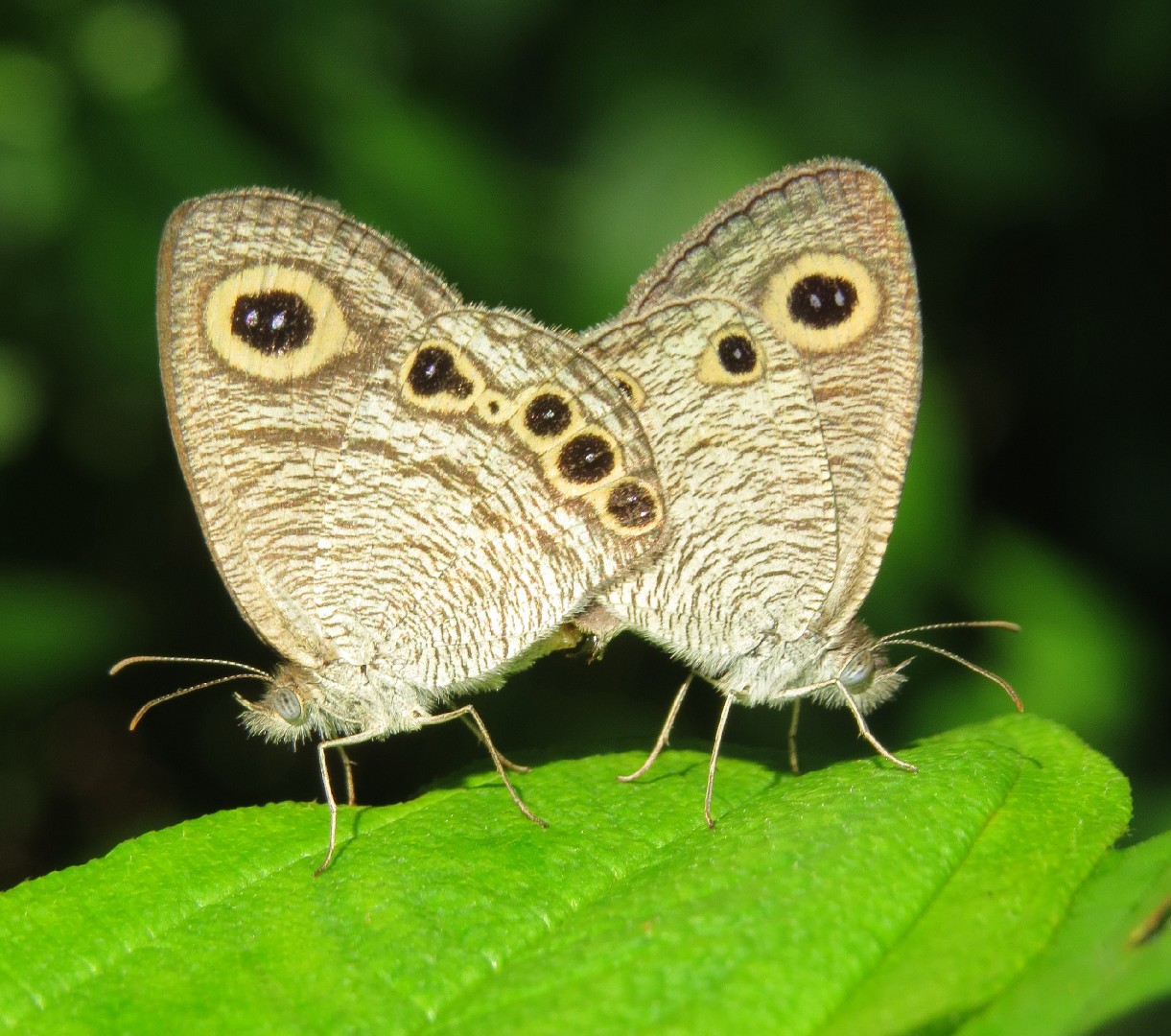
3. Common four-ring
Wet-season form: Upperside greyish brown. Forewing with the usual comparatively large, bi-pupilled, yellow-ringed, black preapical ocellus. Hindwing usually with two, sometimes with three, very rarely without any, smaller similar uni-pupilled postdiscal ocelli. Underside greyish white, not very densely covered with transverse short brown striae. Forewing with the preapical ocellus as on the upperside, obscure discal and subterminal dull brown transverse fasciae and a narrow brown ring round the ocellus diffusely produced posteriorly. Hindwing with one apical and typically three postdiscal posterior ocelli placed in a curve; traces of transverse brown discal and subterminal fasciae in most specimens. Antenna, head, thorax and abdomen greyish brown, the abdomen paler beneath. Male without secondary sex-mark. Dry-season form: Similar, somewhat paler on both upper and under sides; the discal and subterminal transverse fasciae more pronounced; the ocelli on the underside of the hindwing minute or absent. Adults have a wingspan of 4 - 4.5 cm. 
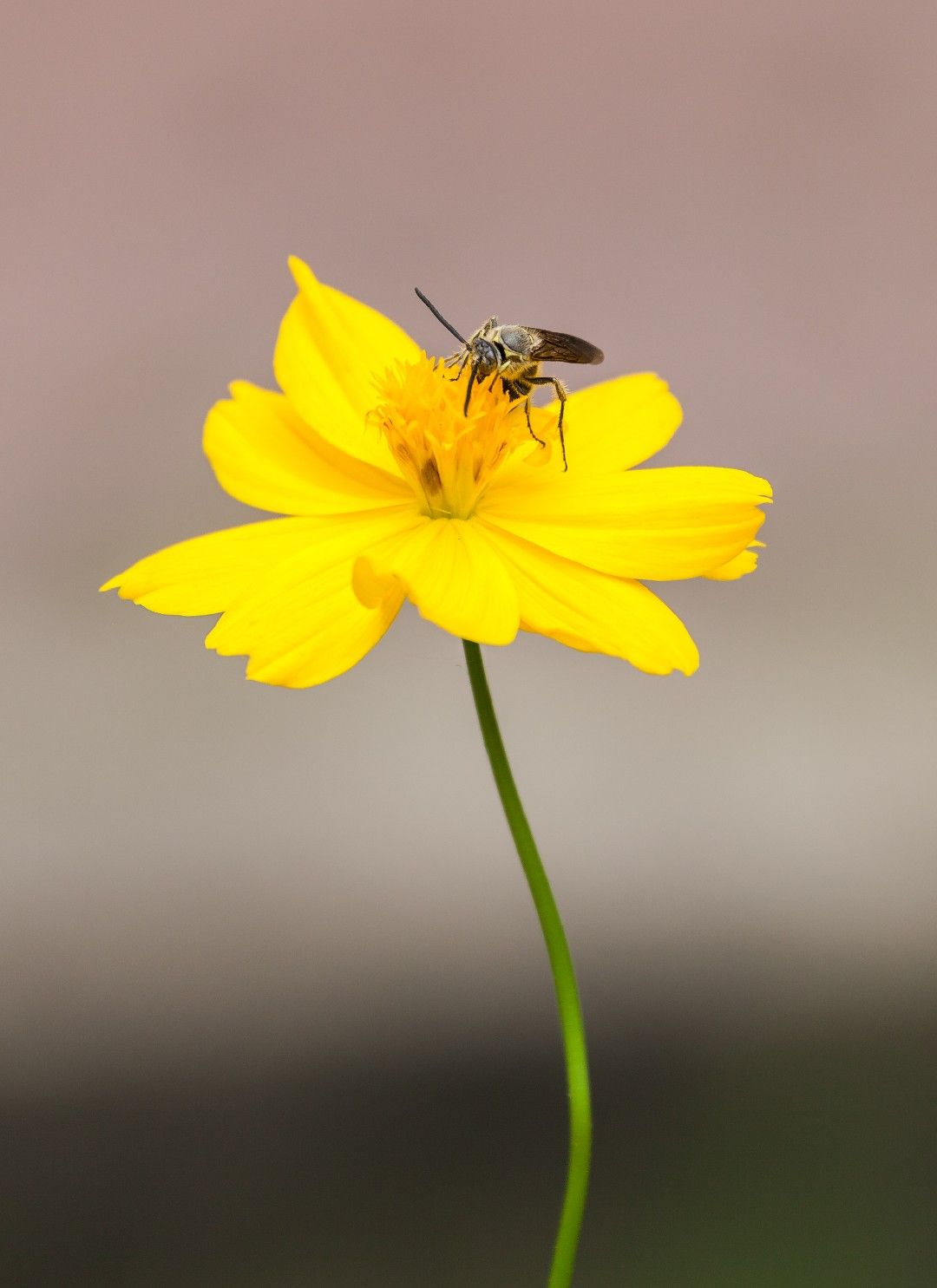
4. Chlorion lobatum
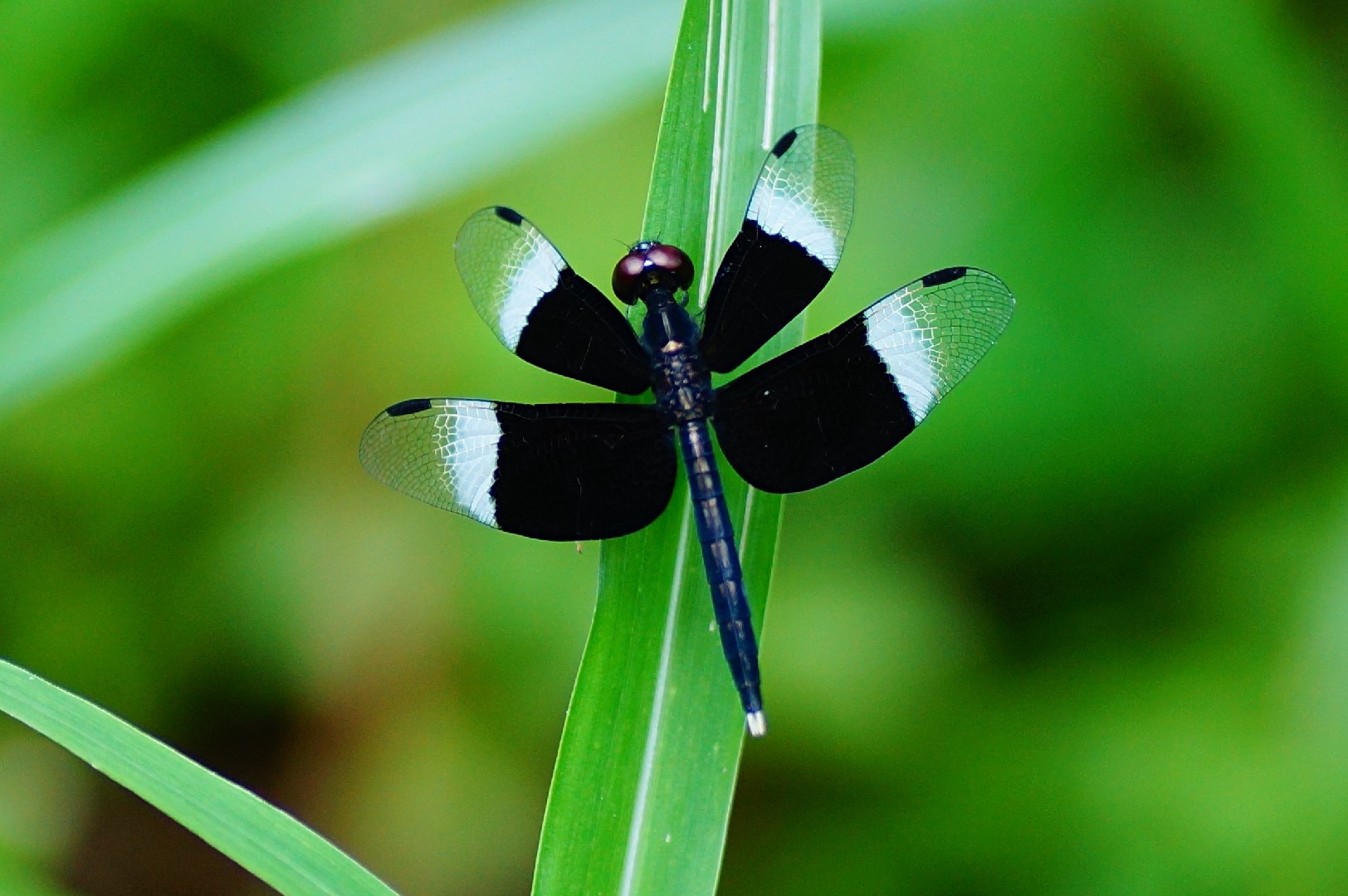
5. Pied paddy skimmer
The species is on the IUCN Red List as not endangered, year of assessment 2007.
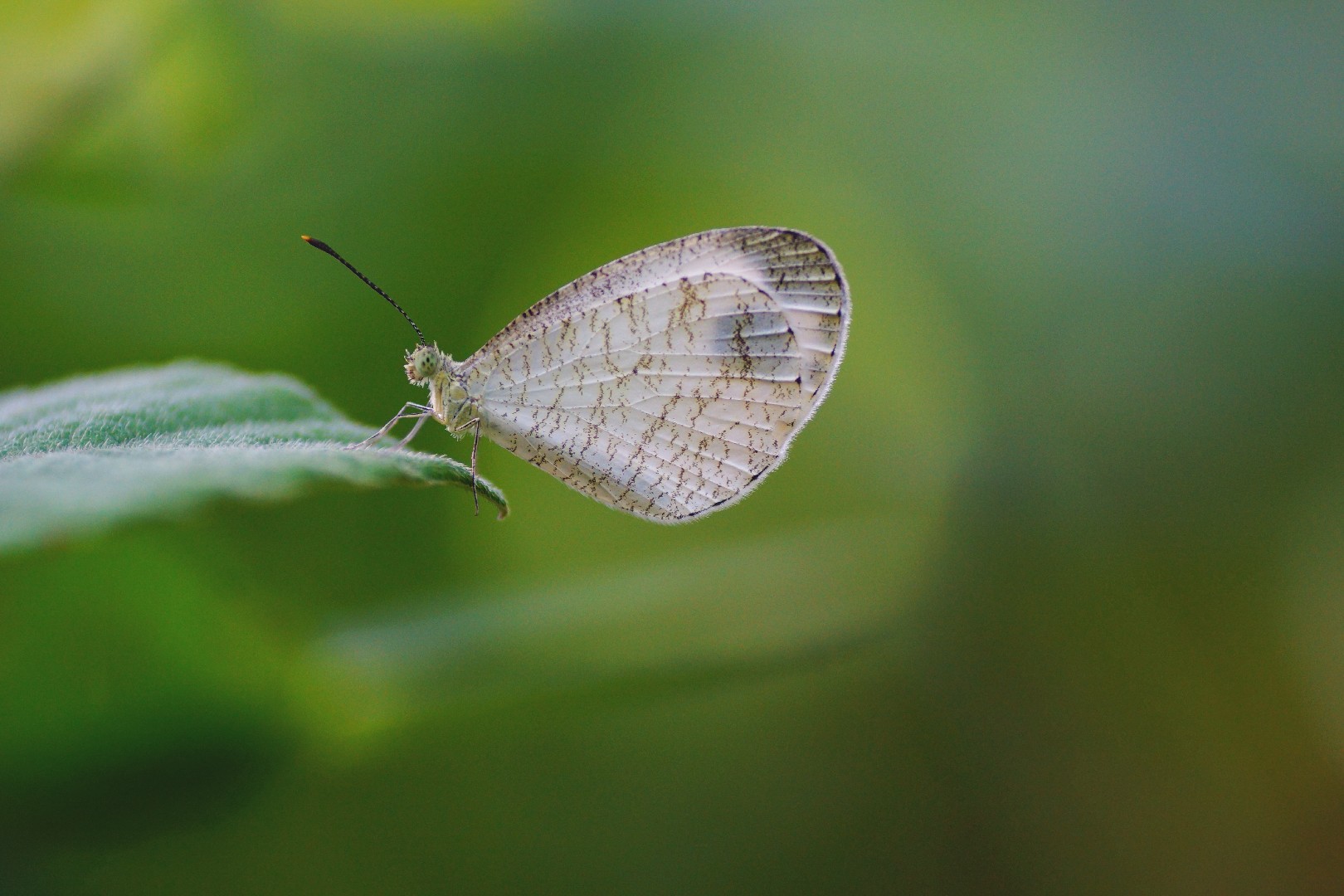
6. Psyche
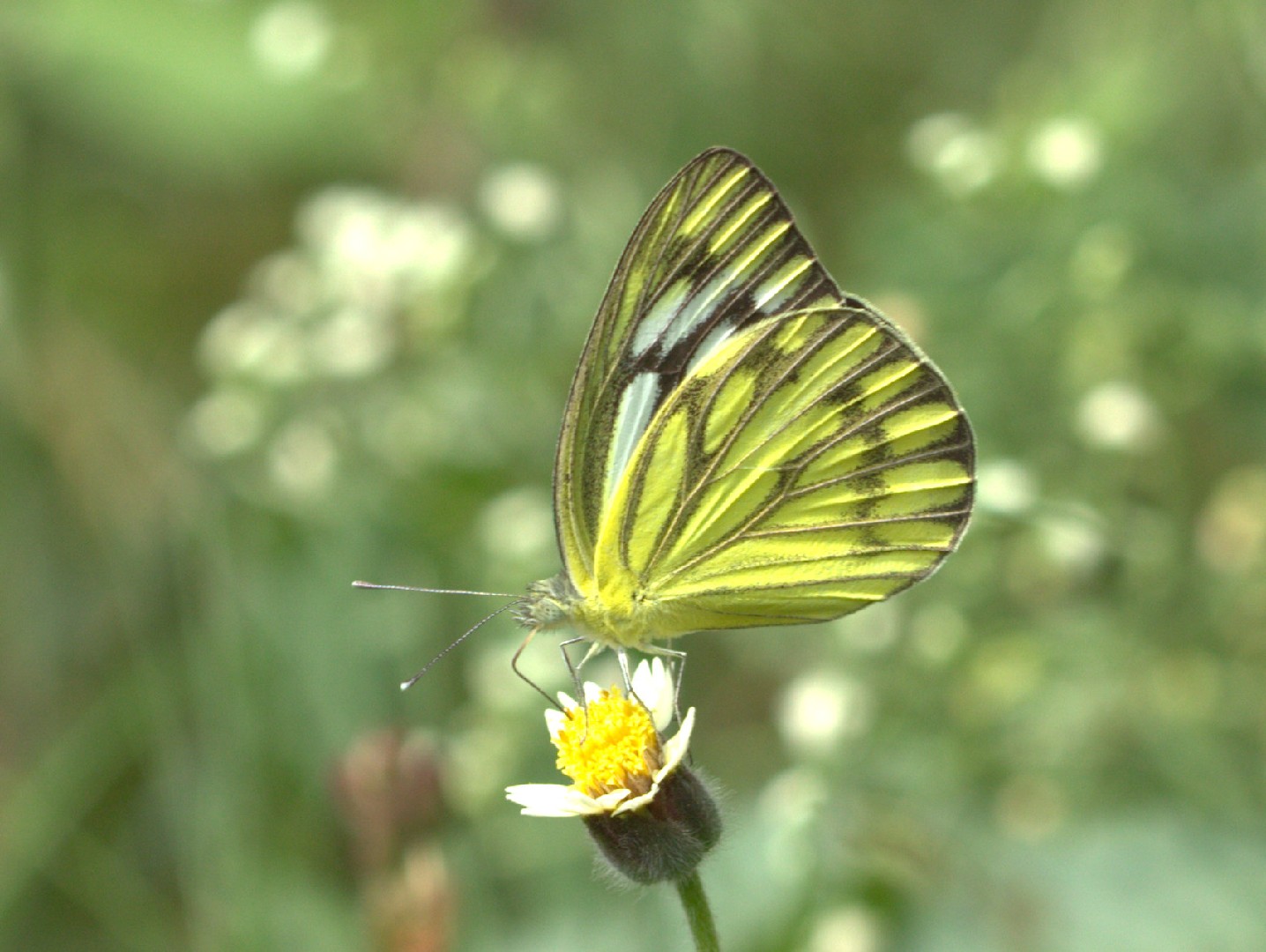
Upperside is white,base of wings are very slightly powdered with minute black scales.The costa of forewing is speckled obscurely with black; apex black, the inner margin of this inwardly angulate; a very large somewhat pear-shaped post-discal spot also black. Hindwing is white,in most specimens an obscure, extremely slender, terminal black line. Underside is white; costal margin and apex of forewing broadly, and the whole surface of the hindwing irrorated (speckled) with transverse, very slender, greenish strigae and minute dots; these on the hindwing have a tendency to form sub-basal, medial and discal obliquely transverse obscure bands; the postdiscal of forewing is black,spot as on the upperside; terminal margins of both forewings and hindwings with minute black, short, transverse slender lines at the apices of the veins, that have a tendency to coalesce and form a terminal continuous line as on the upperside. Antennae dark brown spotted with white, head slightly brownish, thorax and abdomen white. Female is similar as male, the black markings on the upperside of the forewing on the whole slightly broader, but not invariably so. Wingspan is 2.5 - 5 cm. Larva is green with a pale glaucous tinge about the bases of the legs and slightly hairy. Pupa sometimes green, but more often of a delicate pink shade.
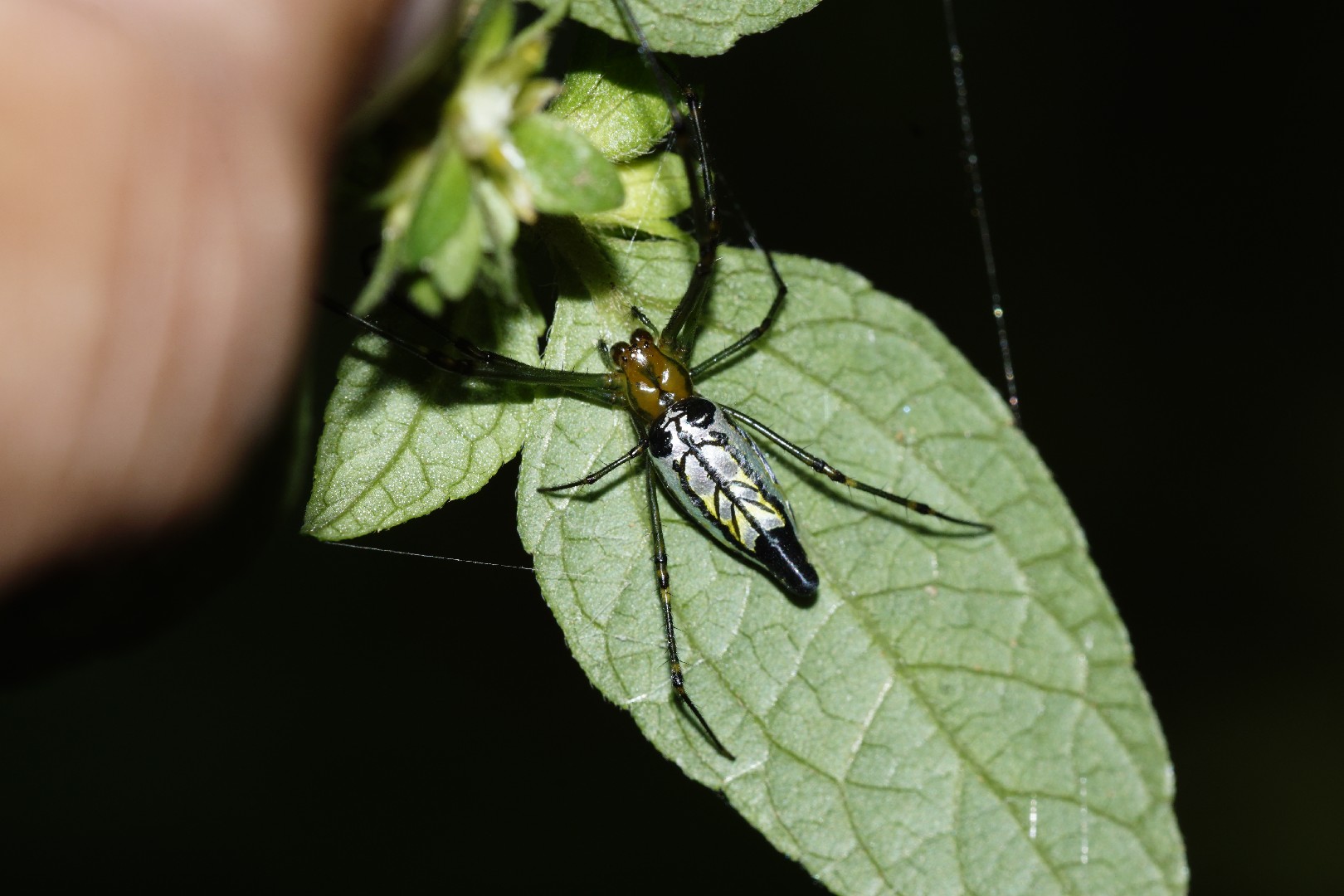
7. Decorative silver orb spider
Leucauge decorata, the decorative silver orb spider, is one of the long-jawed orb weaver spiders. A medium to large sized orb weaving spider, with a body length up to 12 mm long (female). Male to 6 mm. This species has a "point" to the end of the abdomen. Found in Africa, India, south east Asia, also to Australia.
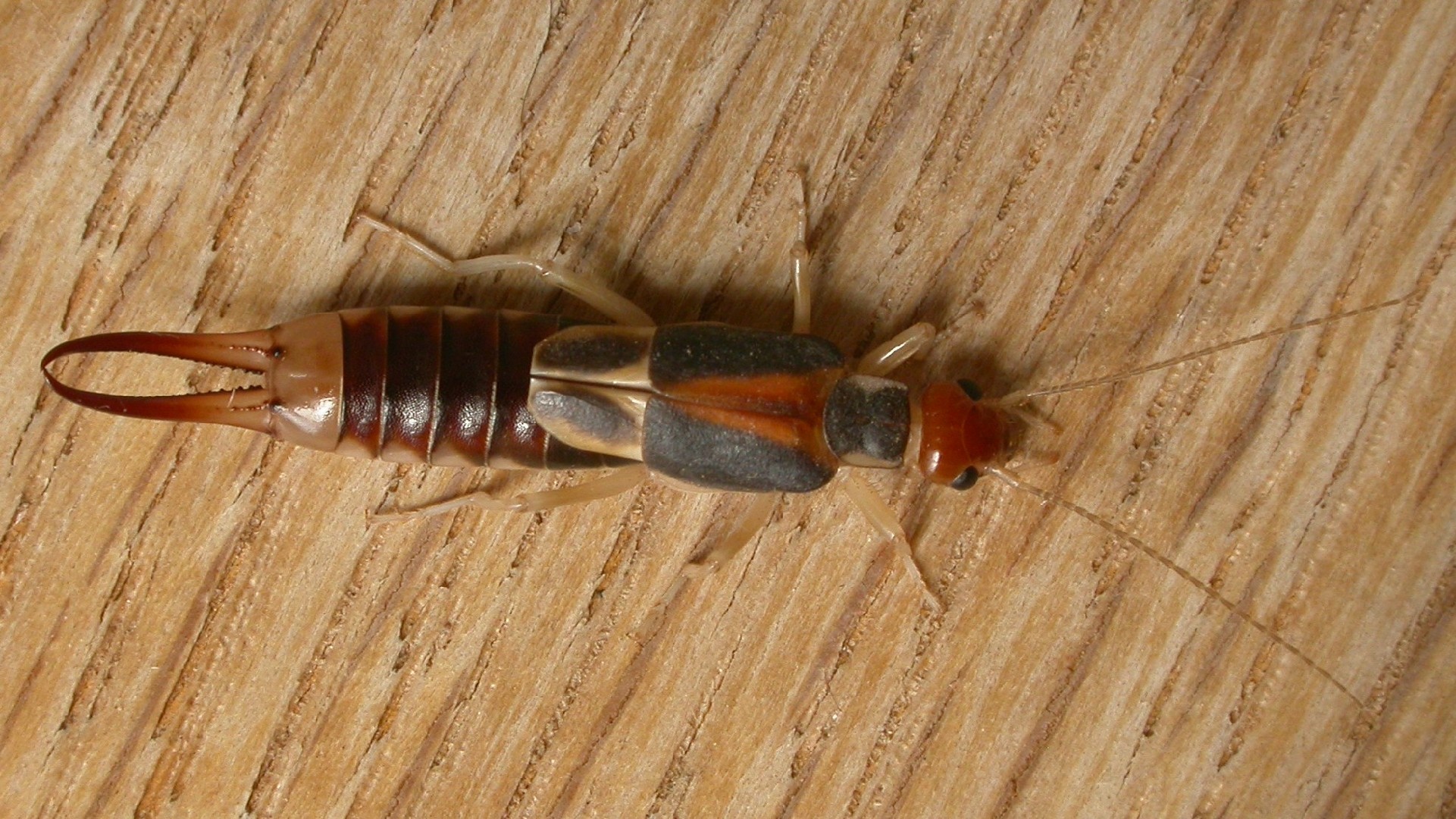
8. Striped earwig
The striped earwig is a good insect to control pests since it preys on a wide range of other insects. It also releases a rotten-smelling pheromone to deter predators. Its main predators are ants. The males have two penises, and they can choose to use either of them. They can produce two to three generations per year, and the last generation will hibernate during the winter.
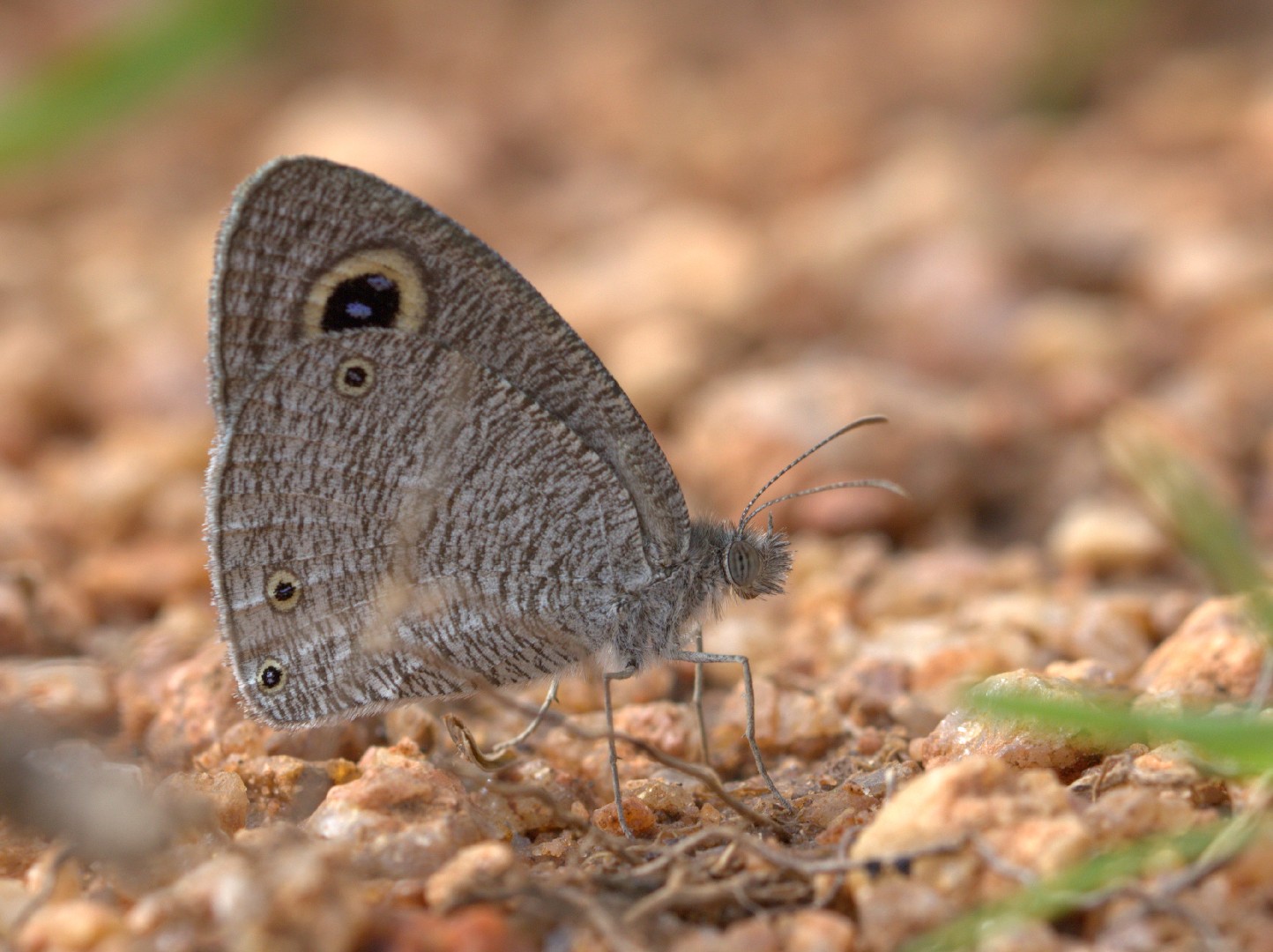
9. Common three-ring
The wingspan is 3 - 3.5 cm in males and 3 - 4 cm in females.
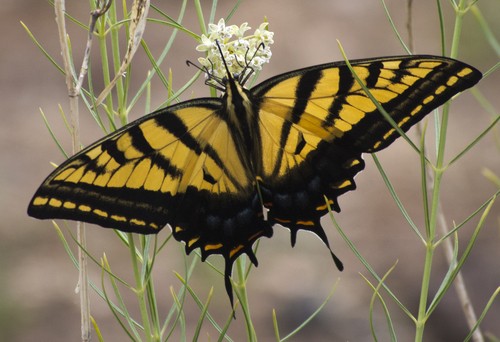
10. Two-tailed swallowtail
The two-tailed swallowtail (Papilio multicaudata) is easily identified with its yellow body and tiger-like stripes. It also has two tails, or spikes, coming off the back of its wings. Also, females are commonly larger and more brightly colored than males. They also have eyespots near the rear of their wings, which fool predators and give them a chance to escape.
More







