




Top 20 Most Common Insects in As Sulaymaniyah
In the diverse environments of As Sulaymaniyah, insects in all their fascinating varieties abound. These tiny organisms, varying in color, size, and habitat, play a vital role in the ecosystem. The rich biodiversity of As Sulaymaniyah contributes to its unique insect diversity, teeming with both pests and beneficial insects. As we venture deeper, let's discover together the 20 most common insects in As Sulaymaniyah, establishing a compelling narrative of the state's buzzing inhabitants.

Most Common Insects
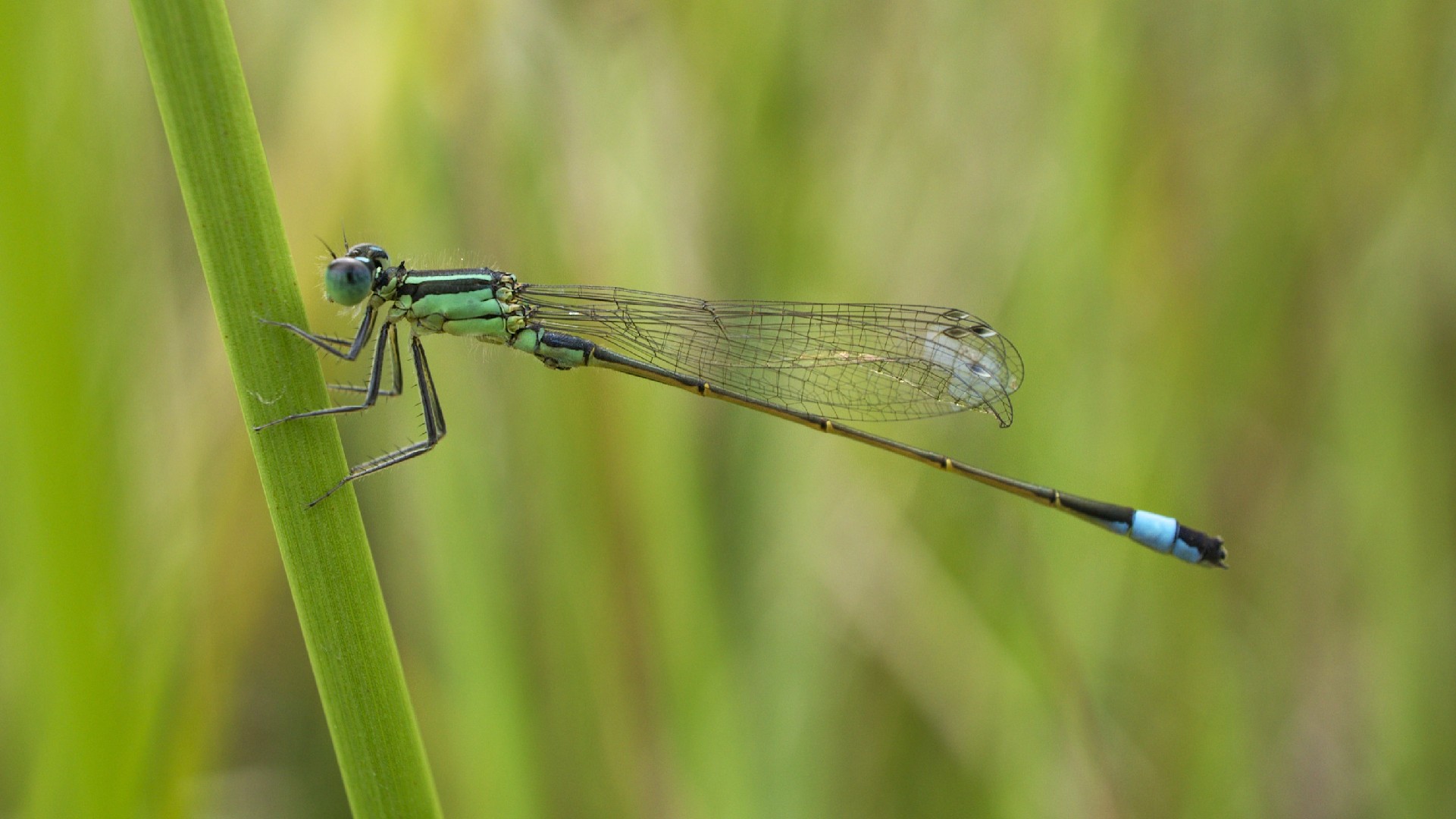
1. Blue-tailed damselfly
Ischnura elegans can reach a body length of 2.5 - 3.5 cm and a wingspan of about 3.5 cm. Hindwings reach alength of 1.4 - 2 cm. Adult male blue-tailed damselflies have a head and thorax patterned with blue and black. There is a bi-coloured pterostigma on the front wings. Eyes are blue. They have a largely black abdomen with very narrow pale markings where each segment joins the next. Segment eight, however, is entirely pale blue. At rest, the wings of most damselfly species are held back together, unlike dragonflies, which rest with their wings out flat. The thorax of juvenile males has a green tinge. Female blue-tailed Damselflies come in a variety of colour forms.Juveniles may be salmon pink, form rufescens; violet, form violacea and a pale green form. The colour darkens as the damselfly ages. Mature females may be blue like the male, form typica; olive green thorax and brown spot, form infuscans or pale brown thorax and brown spot, form infusca-obseleta. 
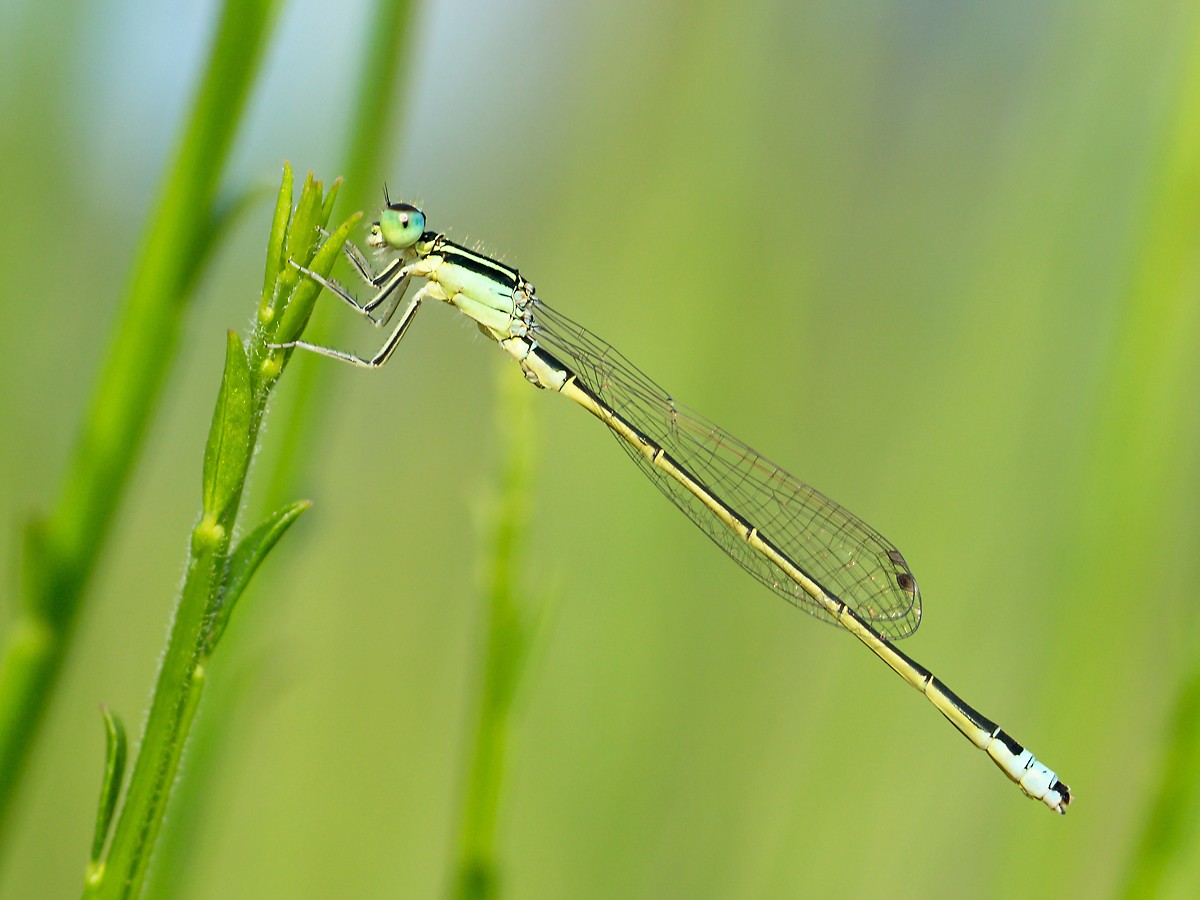
2. Scarce blue-tailed damselfly
It is very similar to the blue-tailed damselfly, Ischnura elegans but on that species the blue spot is mostly on segment 8.Females undergo a change of colour as they mature. The immature female is bright orange, the aurantiaca phase, but matures to a greenish-brown.
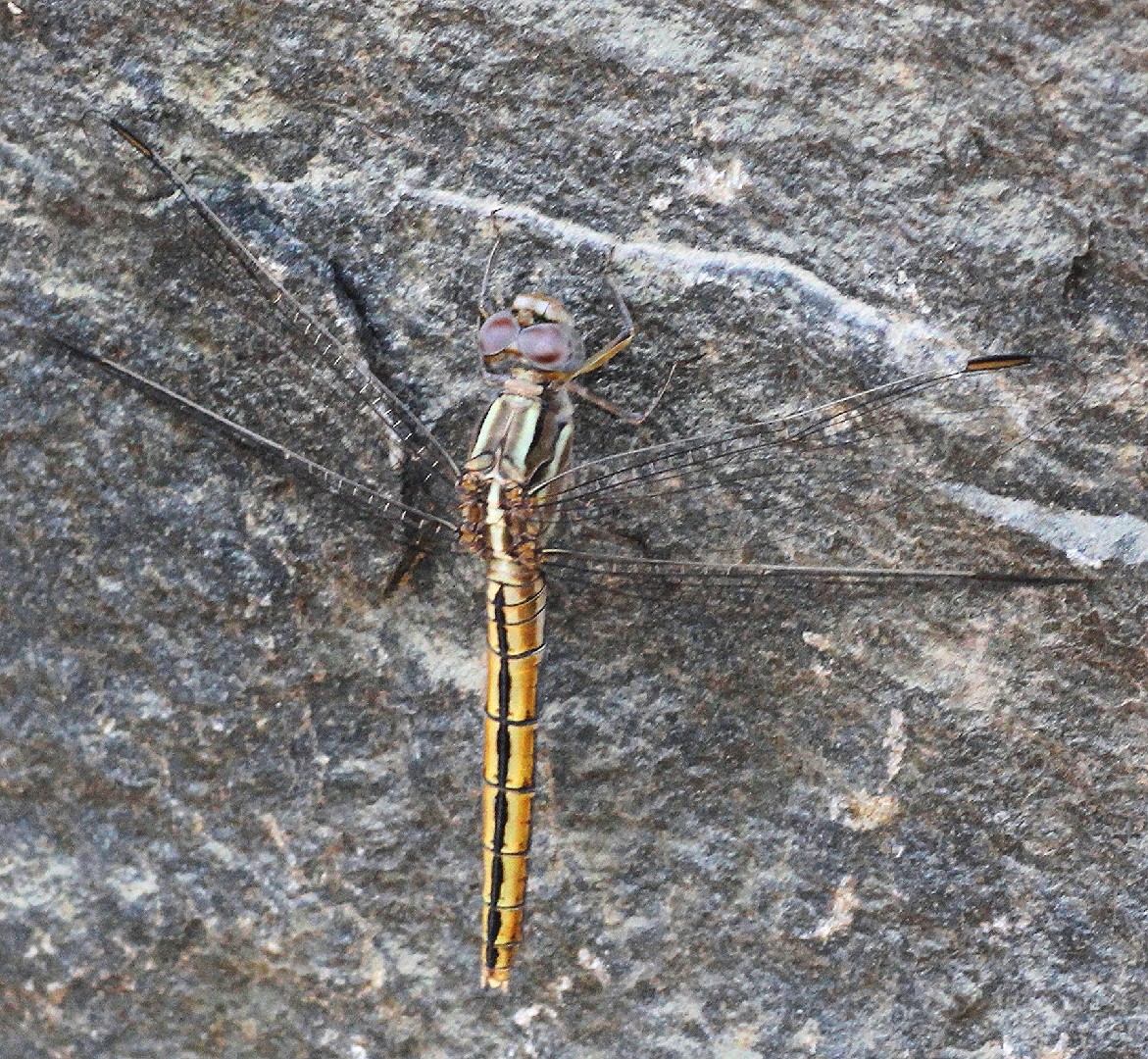
3. Small skimmer
It is a medium-sized dragonfly with brown capped eyes, greenish brown thorax and bluish abdomen. Female lacks the powder blue pruinescence. It prefers medium to slow-flowing streams in the dry zones and hot plains. Adults are common around open rocky and sandy beds of the streams.
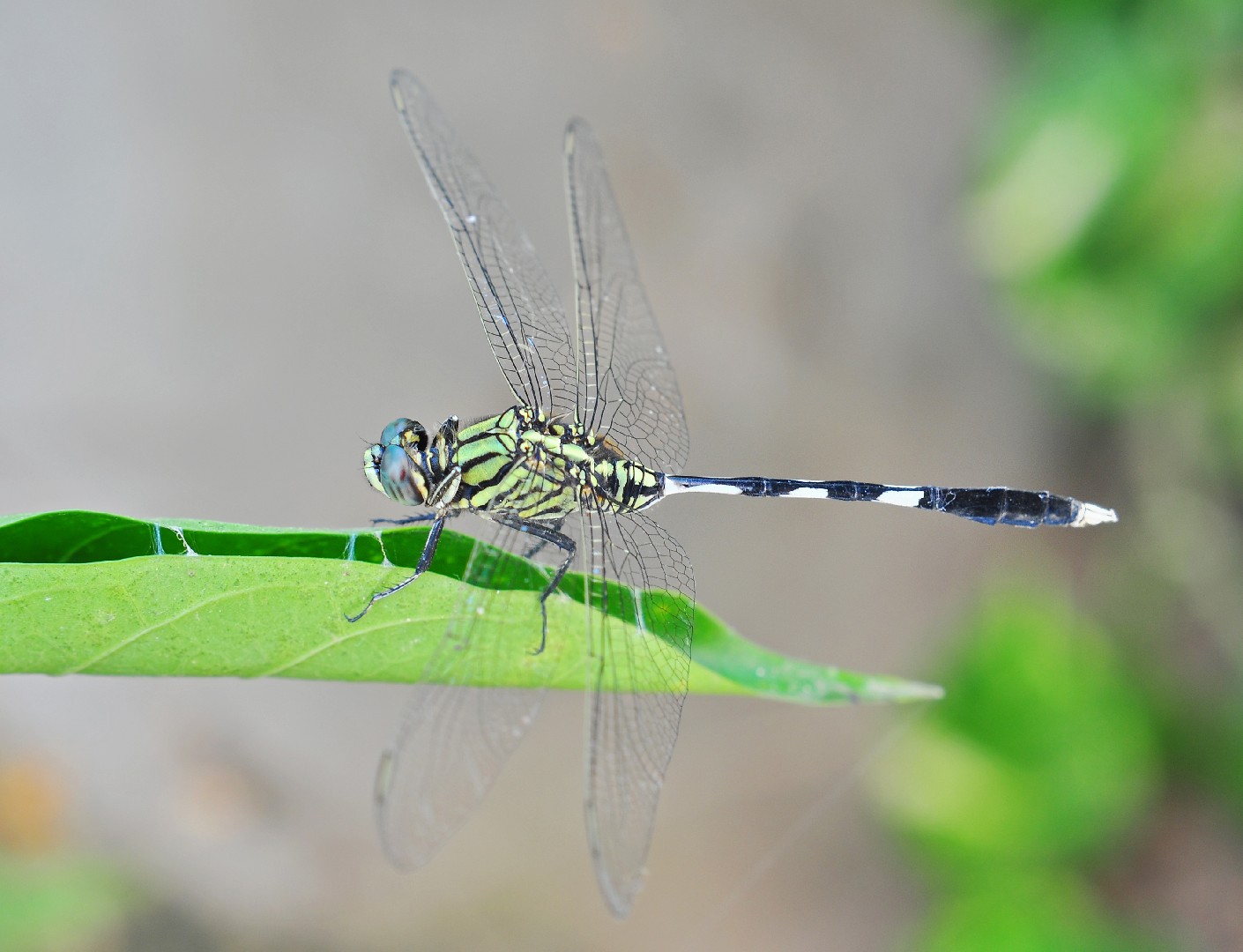
4. Slender skimmer
The species is on the IUCN Red List as not endangered, year of assessment 2009. The slender bank dragonfly occurs from Southeastern Europe and North Africa to Japan and Australia

5. Banded demoiselle
This is a large damselfly with a total length of up to 1.9 in and a hindwing length of up to 1.4 in. Male and female are variable in color and pattern. The male has translucent wings which each have a broad, dark iridescent blue-black spot (or band) across the outer part. On immature dragonflies the spot is dark brown. The body can be a metallic blue or bluish green or a combination of both colours, depending on the time of year and location. The dark wing patch of the male starts at the nodus (the slight dip midway down the upper edge of the wing) but can reach up to the wing-tip in southern races.
6. Poplar ladybird beetle
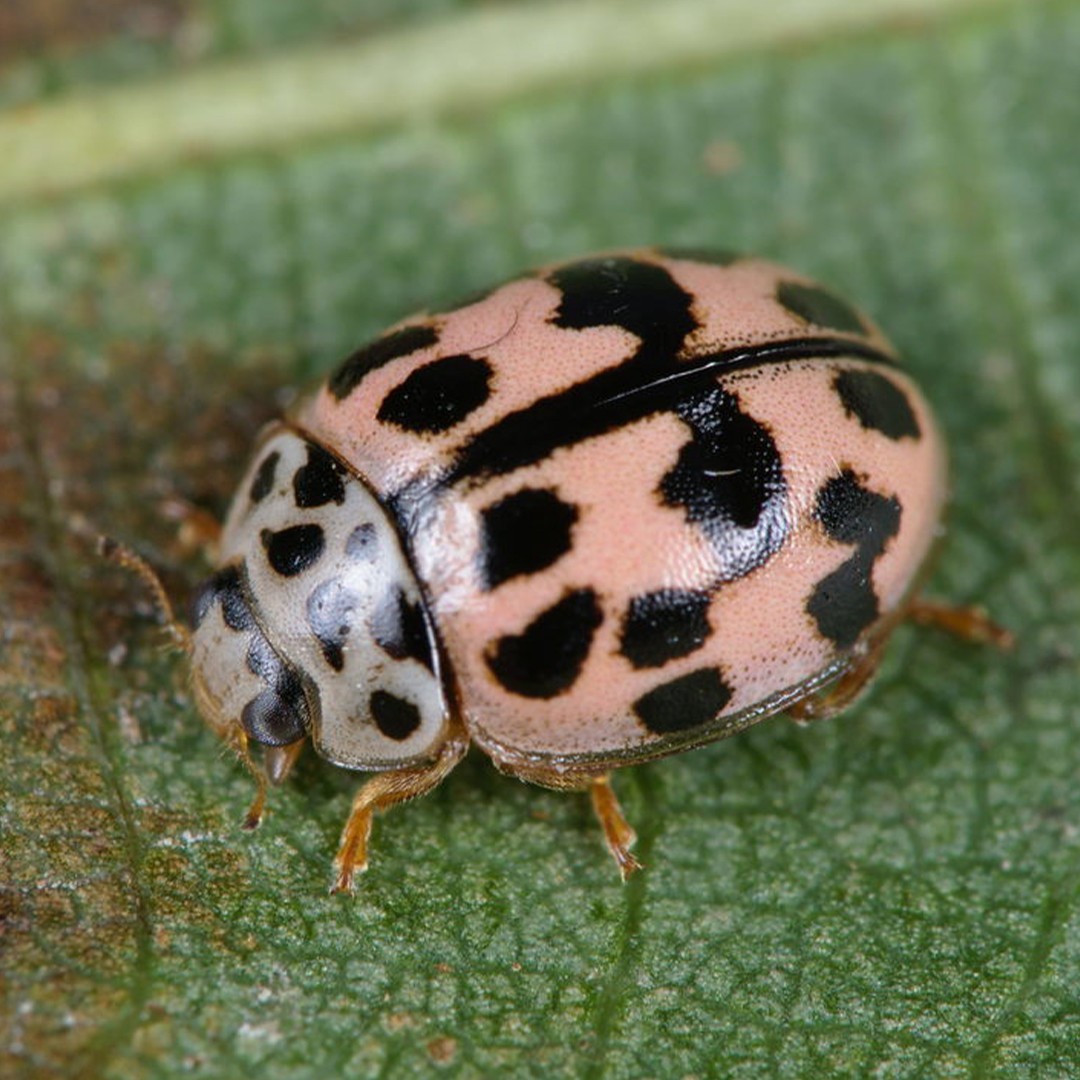
The adult beetles are 3.5 to 5 mm long and have oval, slightly curved bodies. The elytra are light pink or pale yellow with a black seam, bearing eight square black spots varying in size and sometimes flowing into each other. There are also completely black colored specimens. The pronotum is light beige and bears seven black, symmetrically arranged spots. The head is black and white. The antennae are yellow, but slightly darker coloured at the end; the legs are yellow brown.
7. Keeled skimmer
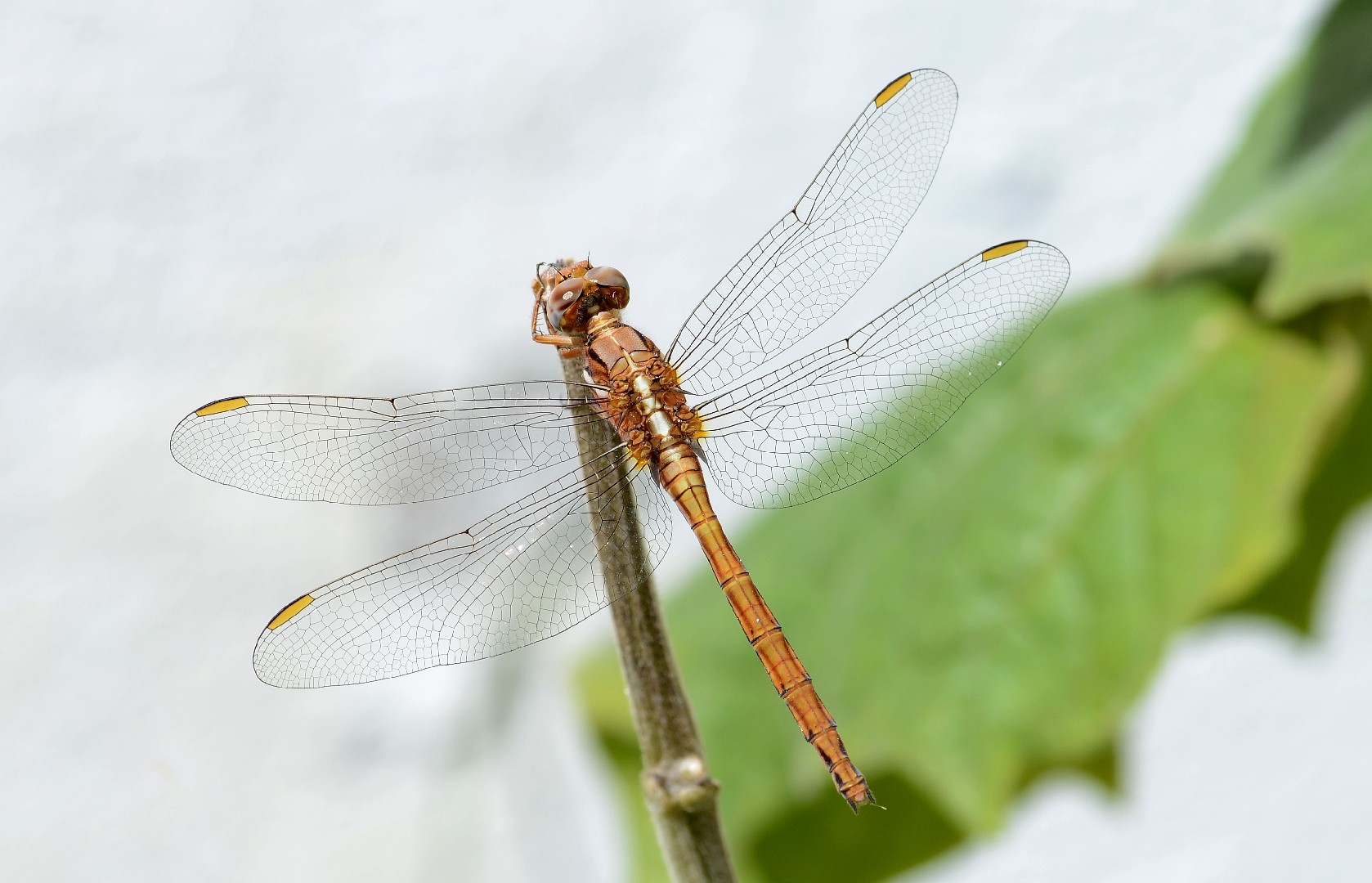
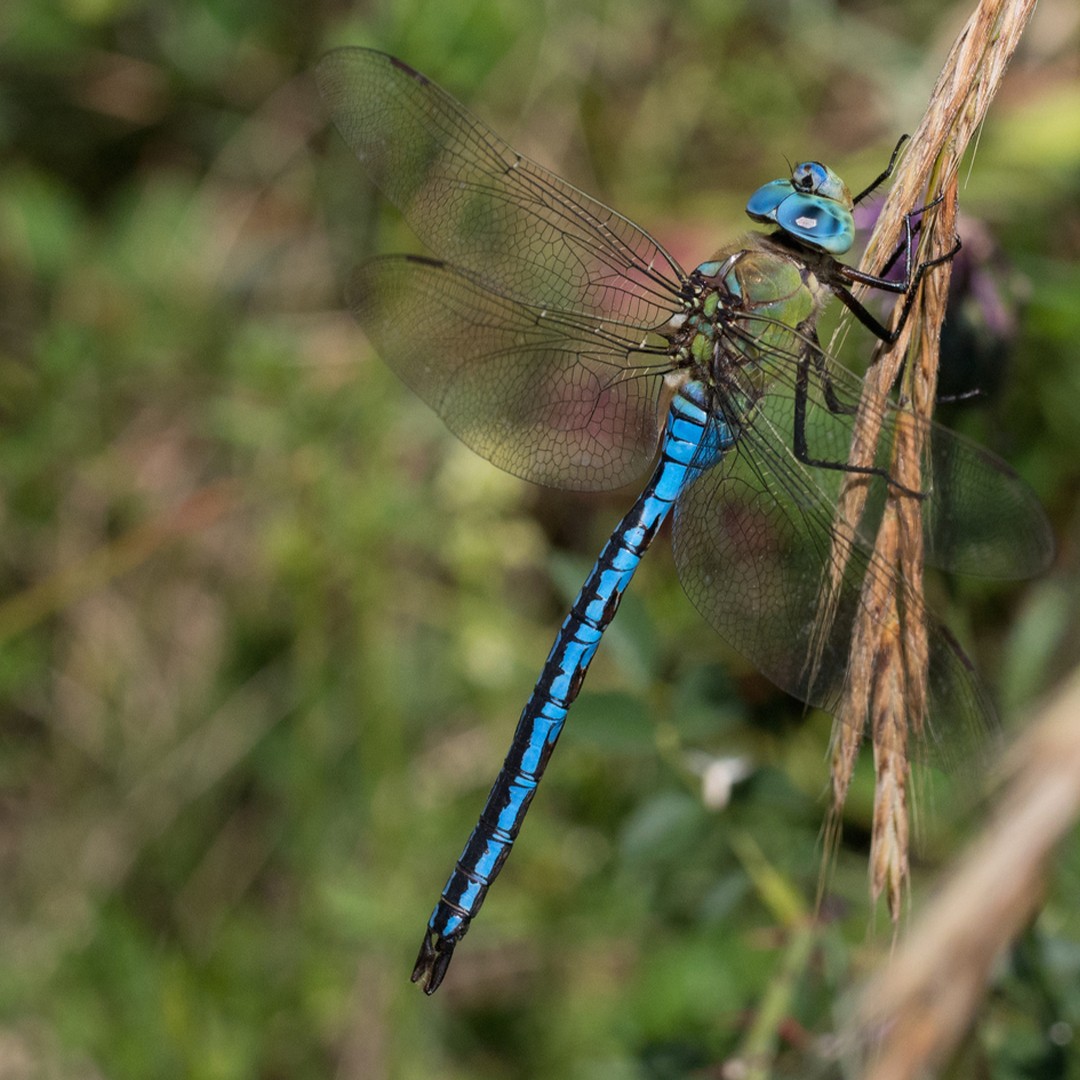
Orthetrum coerulescens can reach a body length of 4 - 4.5 cm. These dragonflies have a thorax with pale yellow ante-humeral stripes. In the males the color of these stripes fades with age. The abdomen is rather slim and shows an evident dorsal keel. Males have blue-grey eyes and a blue pruinescence on the abdomen, developed with age. Young males are yellow-brown. On the contrary some (androchrome) females at the end of the reproductive cycle assume the bluish color of the male. In the female the abdomen is yellowish-brown, with a thin median black line and small transverse lines to the connections of the various segments. The hyaline wings have yellow costa and a long yellow-brown pterostigma (about 4 mm). This species resembles the black-tailed skimmer but is smaller and slimmer and the male has no black tip. Females and immature males lack the black abdominal pattern.
8. Old World swallowtail
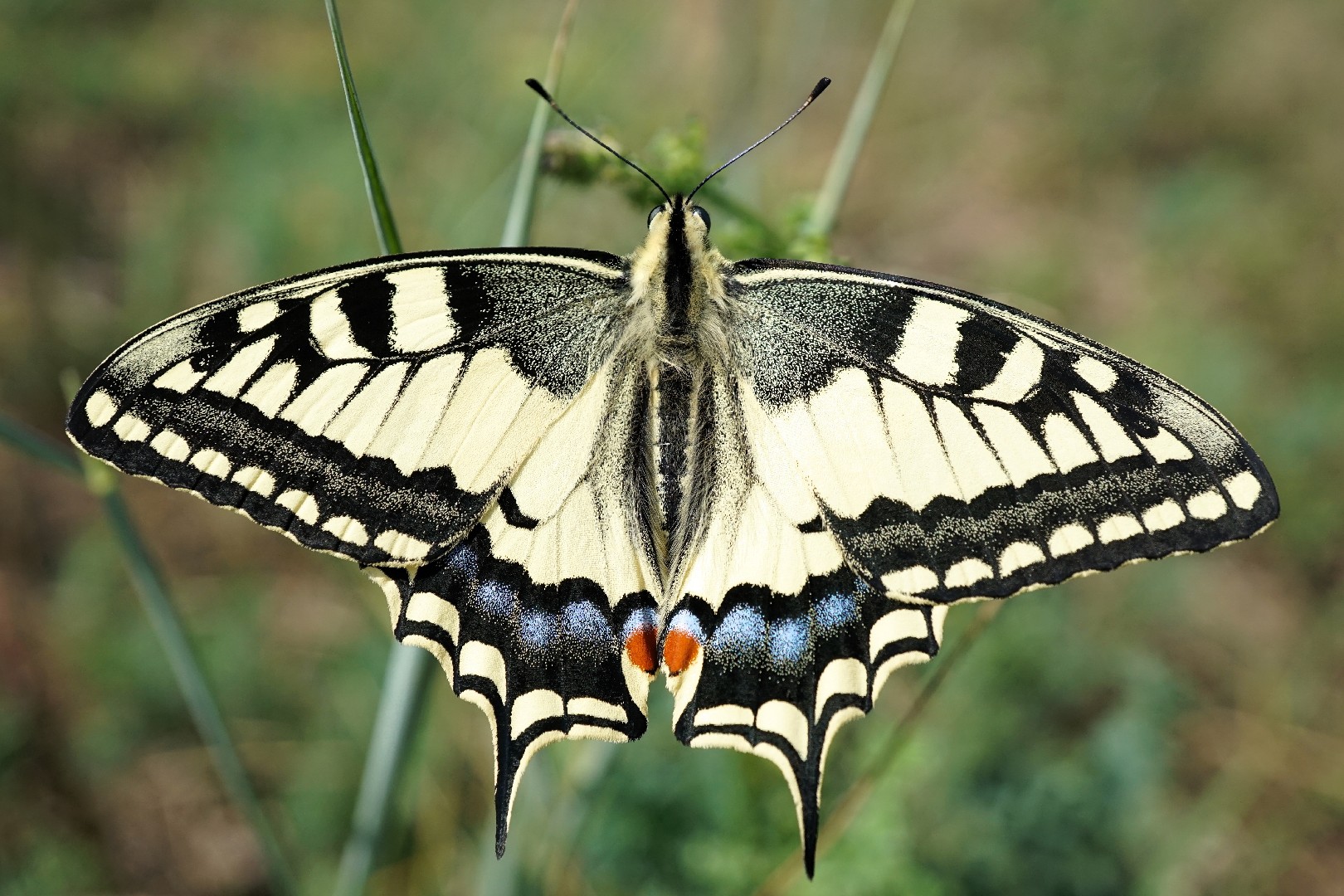
The old World swallowtail (Papilio machaon) is commonly just called the "swallowtail," giving it the added title of "old world" to distinguish it and remind us that it comes from the "old world" (Asia, Africa, Europe). The upper side of them is a beautiful combination of pure white with black striping, the underside being a brownish version of the same thing. There is blue and two red dots on its back side.
9. Great Peacock Moth
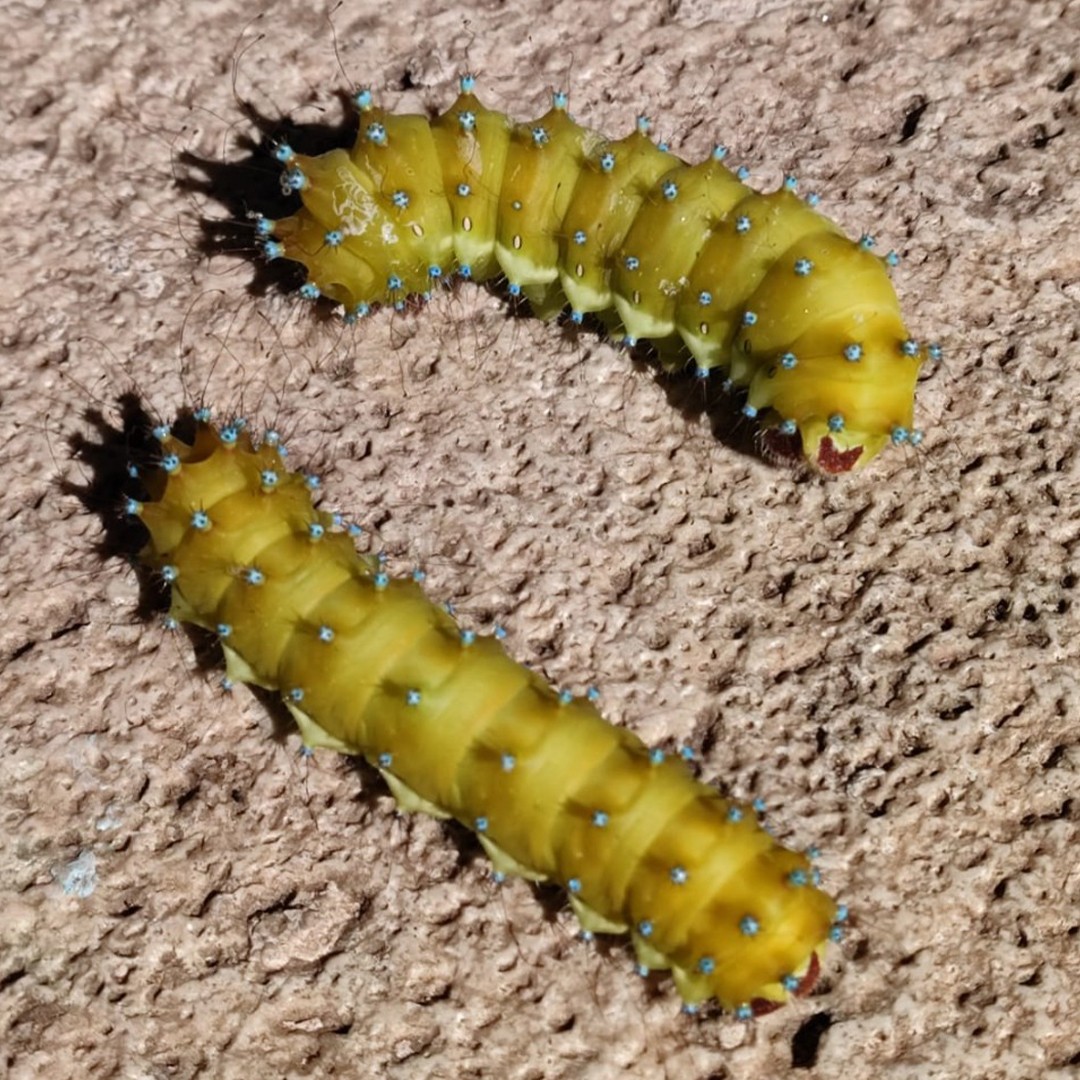
The great Peacock Moth (Saturnia pyri) is a huge moth that is known to have up to four eyespots, making it look like some sort of mutant owl to confused predators. They are also known to enter their cocoon during the winter months.
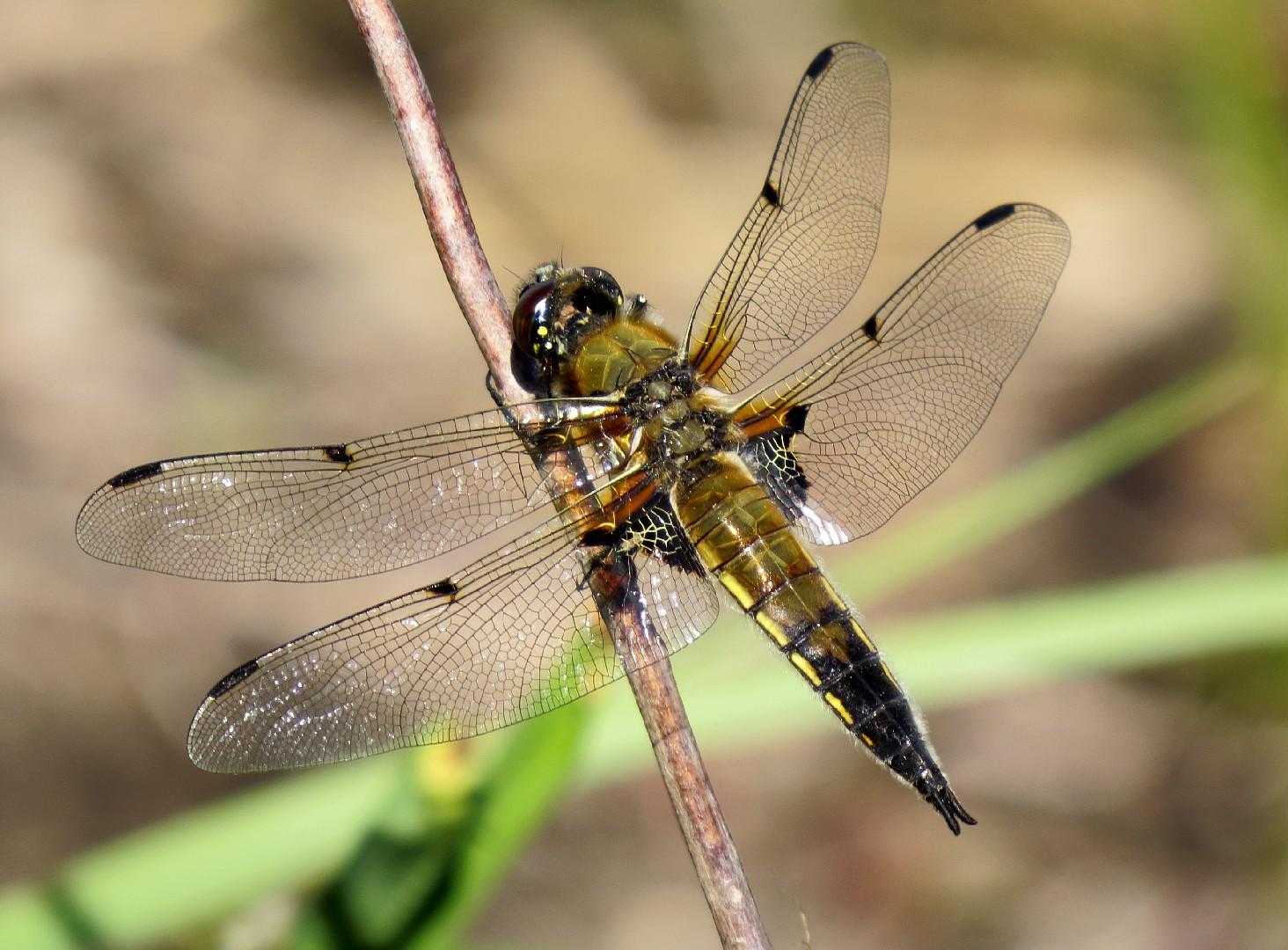
10. Four-spotted chaser
The four-spot (Libellula quadrimaculata) is one of the large dragonflies and reaches a body length of 4 to 4.5 centimeters with wingspan between 7 and 8.5 centimeters. Each of the four wings has a striking dark spot in the area of the distinctive transverse vein (nodus), after which the species received both its scientific and its trivial name. This dragonfly is also known for its mass migrations in swarms of impressive dimensions. The entire stock is not considered to be threatened.

More







