




Top 20 Most Common Insects in Taranto
Insects, with their diverse forms and fascinating ways, inhabit every corner of Taranto, from shoreline to mountain peak. Each distinct locality within Taranto offers a unique ensemble of species, influenced by various aspects like vegetation and climate. These insects play vital roles in the ecosystem, both as valuable pollinators and bothersome pests - forming a concrete truth in Taranto's complex environmental webs. What awaits you, however, is an essential guide to understanding and appreciating the 20 most observed insects in the region.

Most Common Insects
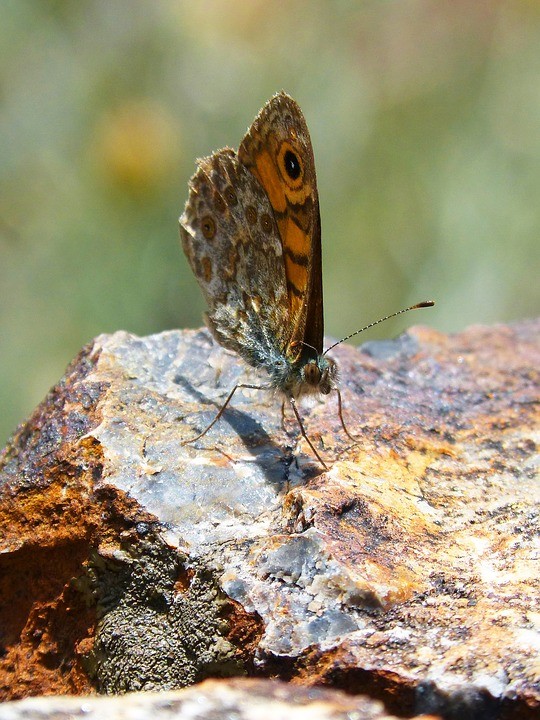
1. Wall brown
P. megera L. [— xiphie Boisd. pt (45d). Above reddish yellow, with a black mark which traverses the distal band from the cell of the forewing to the abdominal margin of the hindwing, short black stripes crossing the disc and the cell of the forewing. 
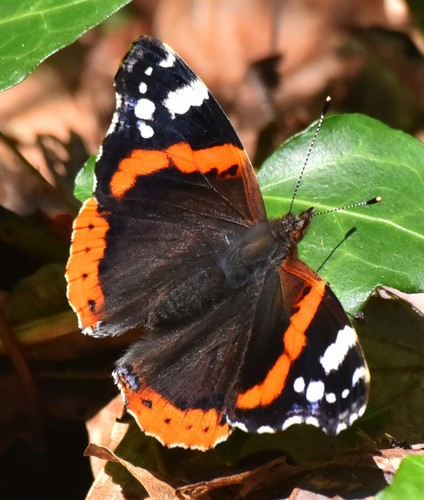
2. Red admiral
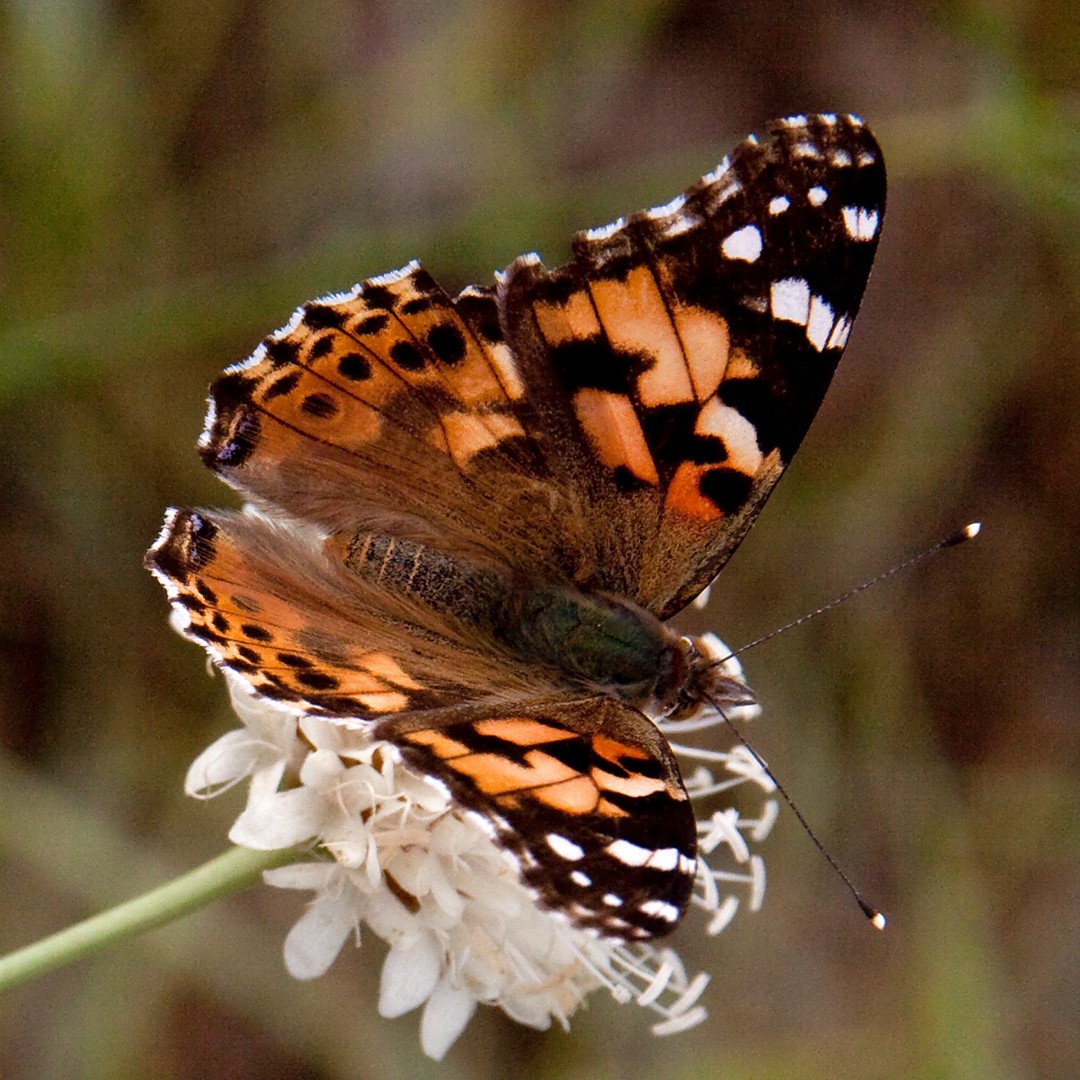
Red admiral (Vanessa atalanta) is a visually striking species of butterfly. Unusually territorial, males will compete for choice areas, and females will only mate with males that maintain their own territories. This butterfly is known for being particularly patient with human interactions, even to the point of perching on clothing or flesh.
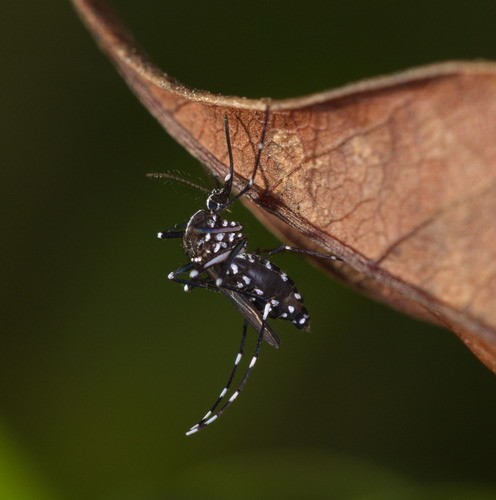
3. Asian Tiger Mosquito
The asian Tiger Mosquito (Aedes albopictus) has recently (the 1970s) infested every corner of the world through the shipment of used tired, lucky bamboo (Dracaena sanderiana), and other similar products. The asian Tiger Mosquito is known to transmit many deadly diseases that include West Nile Virus.
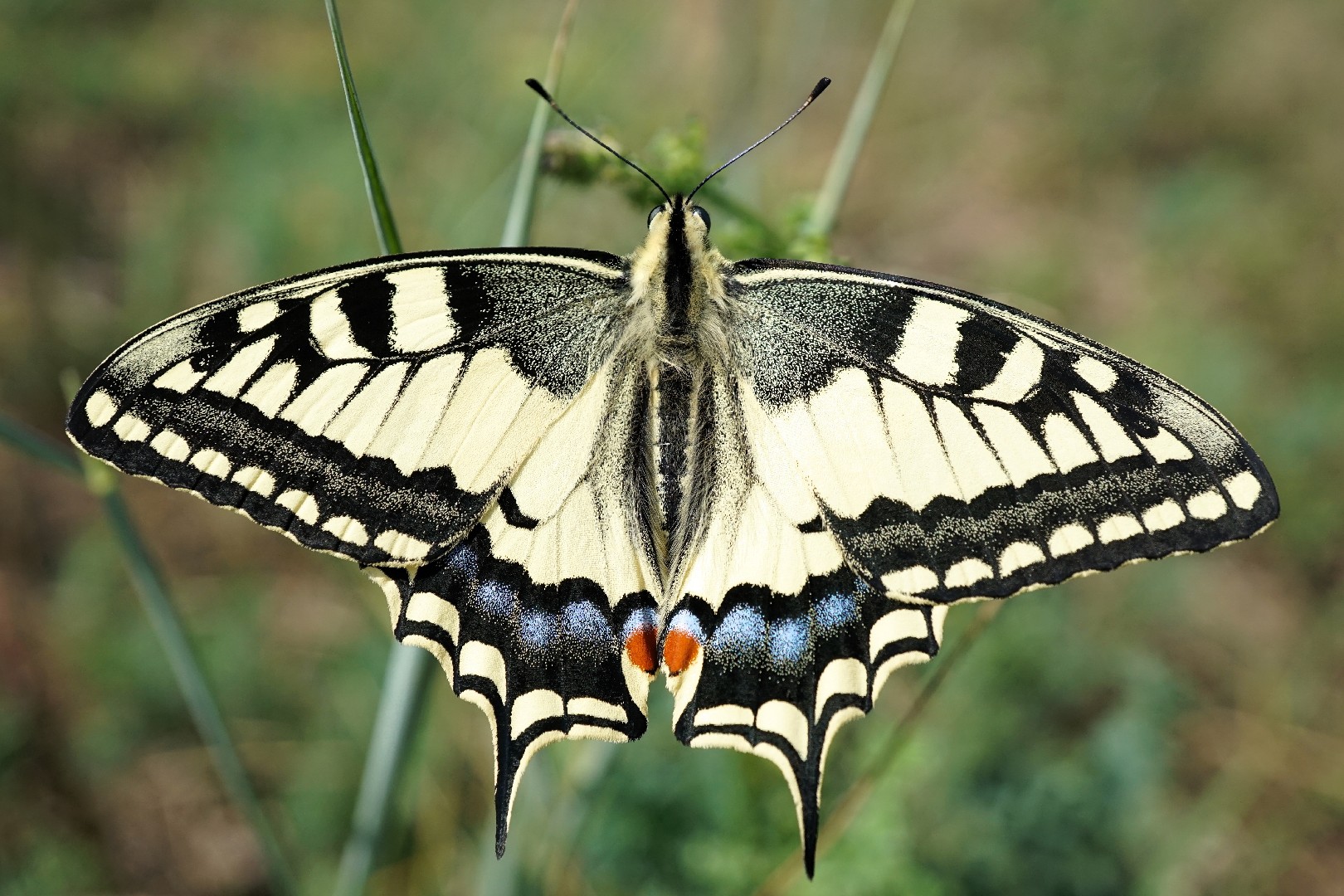
4. Old World swallowtail
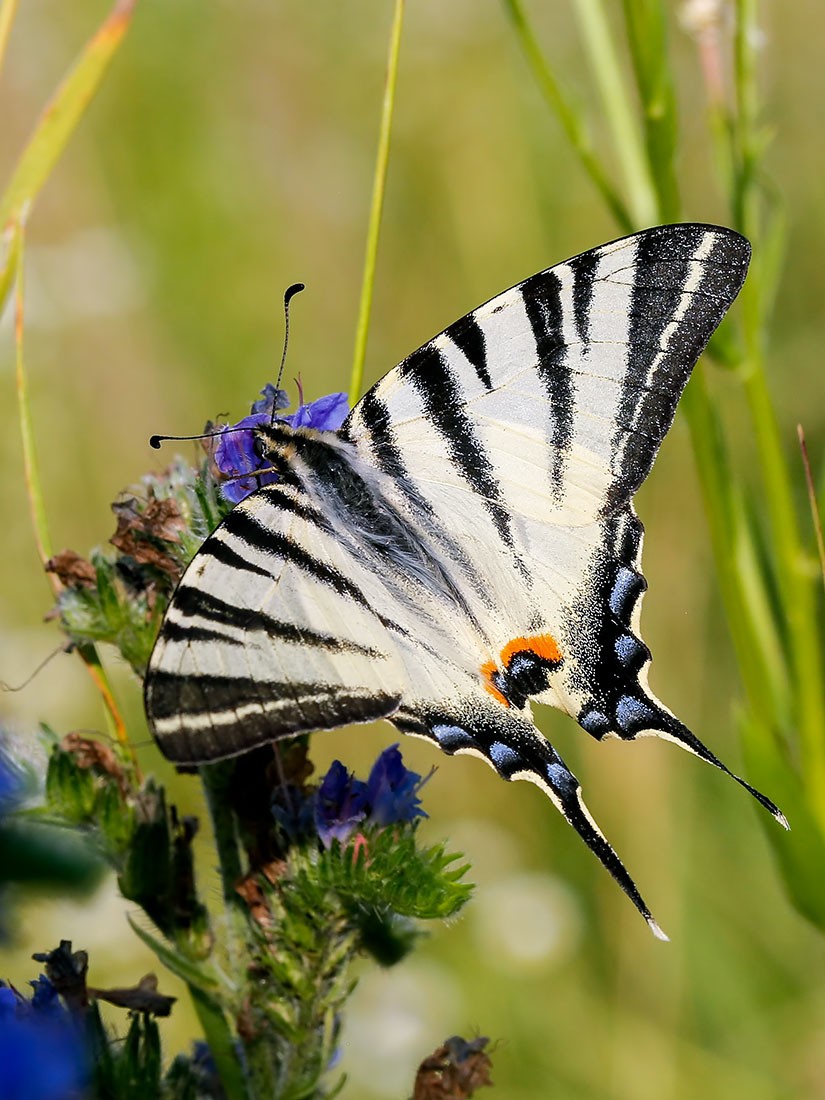
The old World swallowtail (Papilio machaon) is commonly just called the "swallowtail," giving it the added title of "old world" to distinguish it and remind us that it comes from the "old world" (Asia, Africa, Europe). The upper side of them is a beautiful combination of pure white with black striping, the underside being a brownish version of the same thing. There is blue and two red dots on its back side.
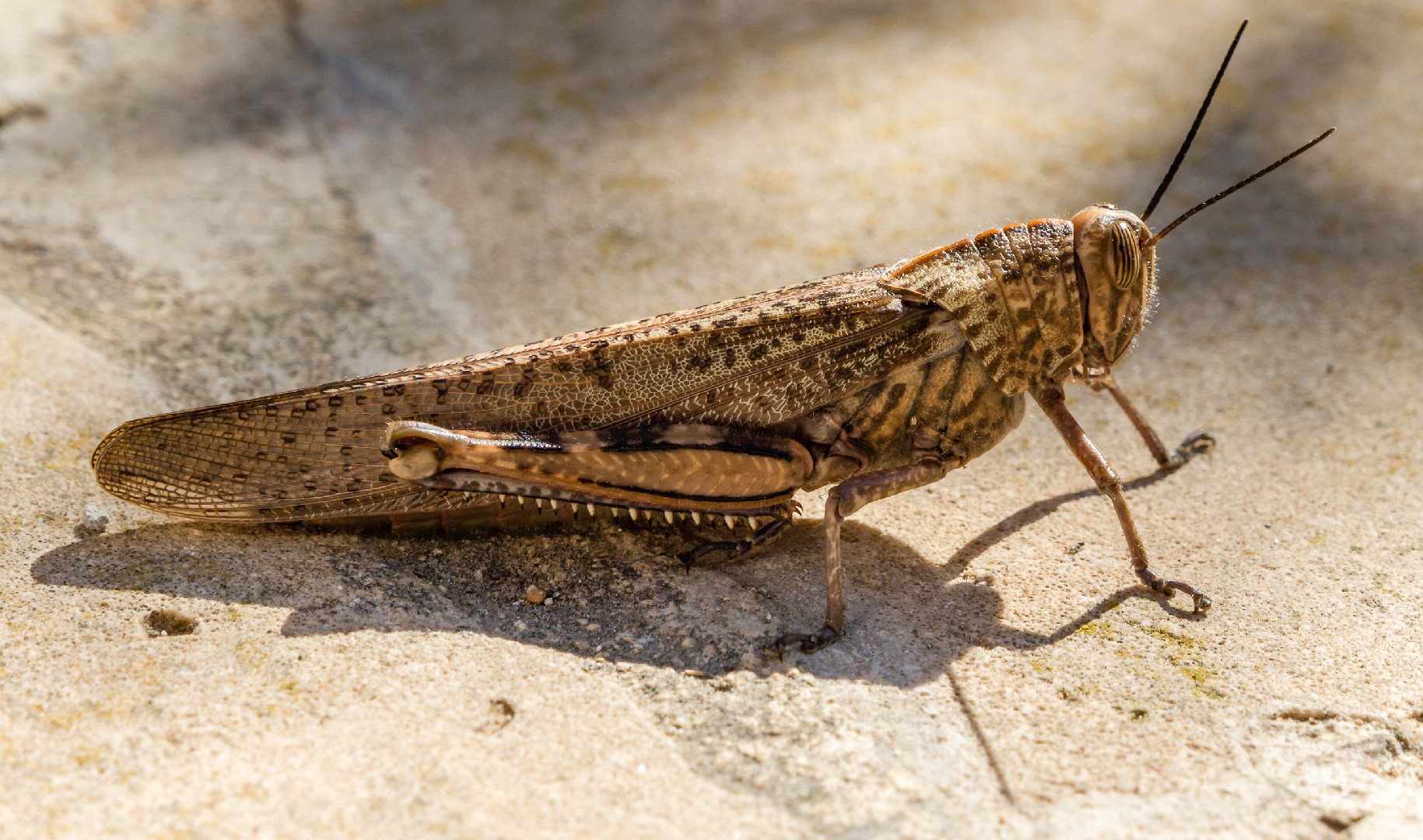
5. Egyptian locust
The egyptian locust( Anacridium aegyptium) is usually gray, brown, or olive in color has a mid-sized body with a pair of short and robust antennae on the head. It is generally regarded as a kind of minor pest as it essentially feeds on the leaves of various fruit trees in the orchards but does not cause serious harm to crops.
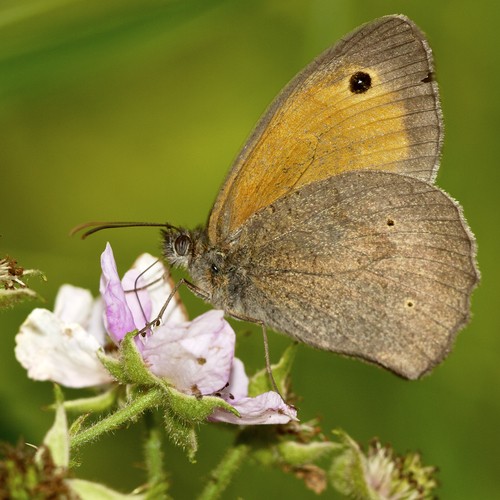
6. Meadow brown
The meadow brown (Maniola jurtina) is similar to the Gatekeeper in the way that it rests with its wings open due to the "eye spots" on either end of its wings that ward off predators. While the color is a deep brown, the caterpillar form is a beautiful bright green with little, white hairs and a dark line leading down its back.
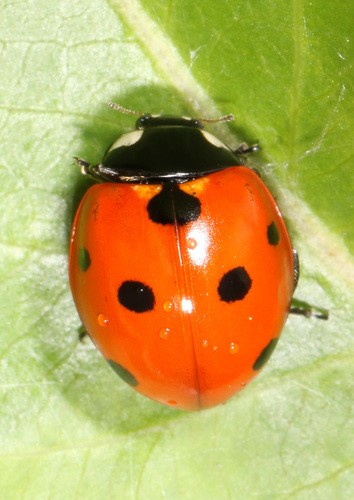
7. Seven-spotted ladybug
Seven-spotted ladybug (Coccinella septempunctata), known in North America as the "seven-spotted ladybug," is the most common species of ladybird in Europe and the official state insect of five U.S. states. While not native to North America, it has established itself there after being introduced to control aphid populations. Its bright coloring deters predators, and it may also play dead or secrete foul-smelling liquids to discourage consumption.
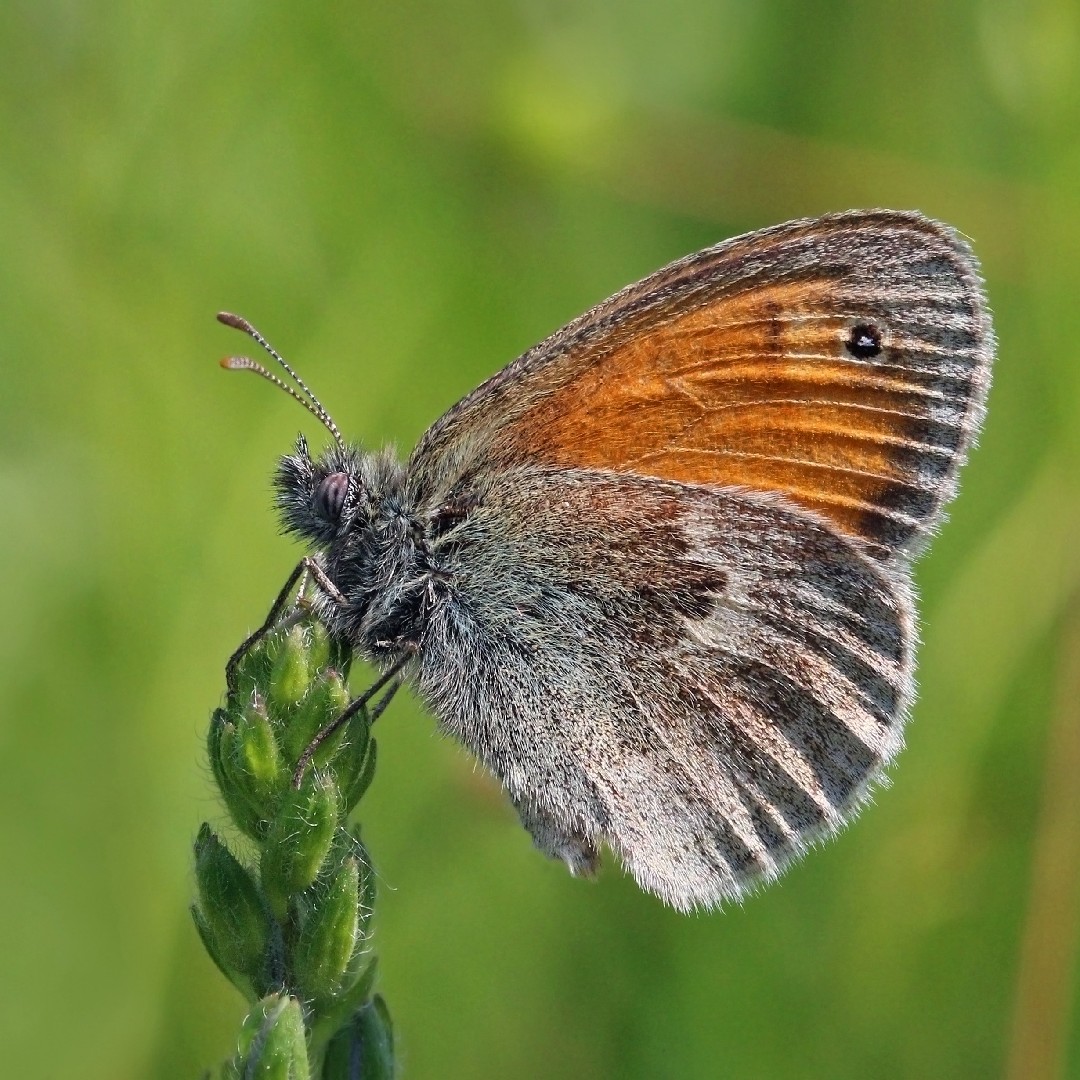
8. Small heath
It rests with closed wings when not in flight.

9. Eastern bath white
Pontia edusa is a small to medium-sized migrant butterfly, with a wingspan reaching about 4.5 cm. The upperside of the wings is white, with black stains on the top of the forewing and hindwing. The hindwing undersides have greenish-grey spots. They are greyish-greenish, with black dots and broad yellow stripes, quite similar to the larva of the cabbage butterfly (Pieris brassicae).
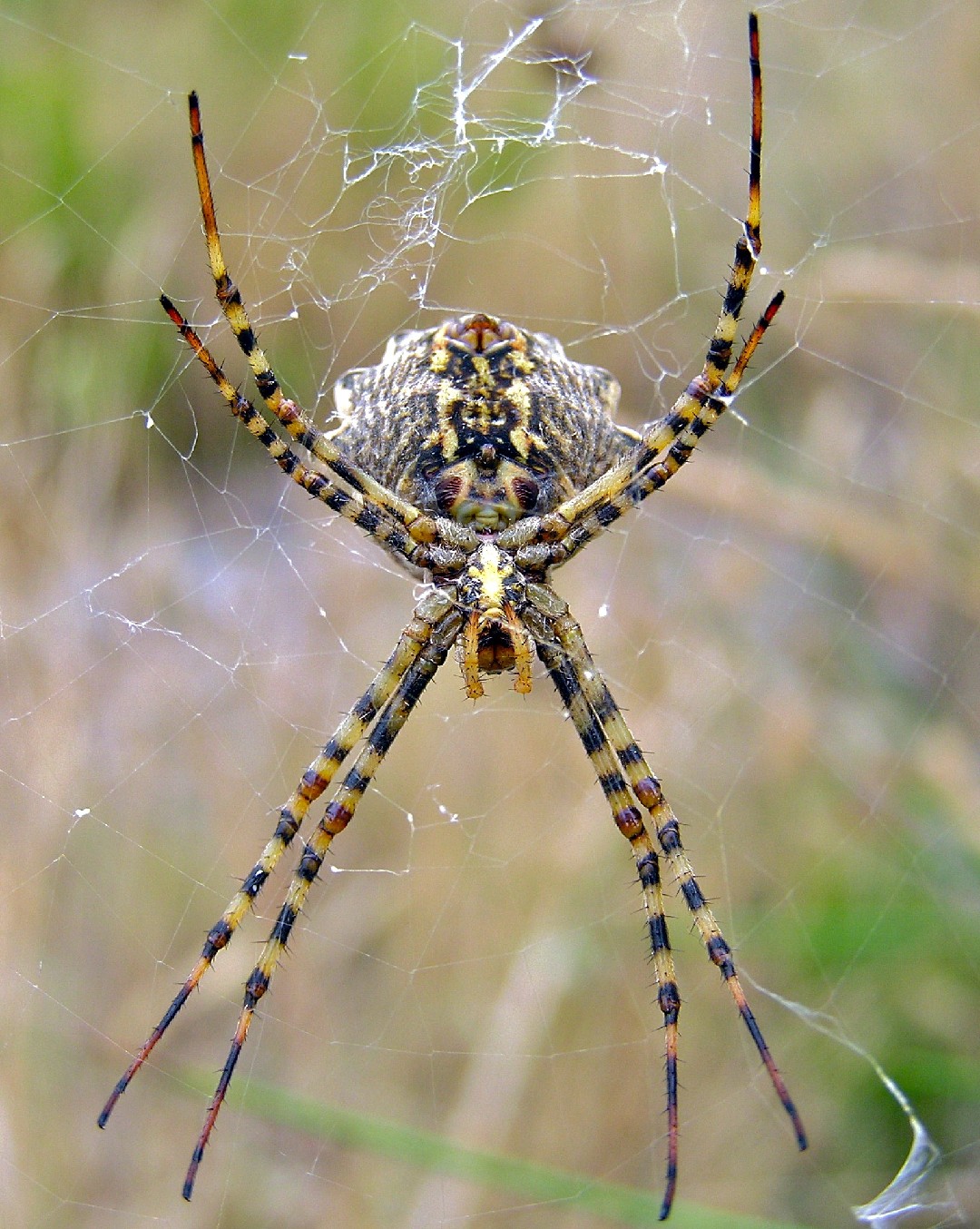
10. Lobed argiope
The male of this species is small (body length 6 mm ) but the female is large and spectacular at up to 2.5 cm in length. The silver abdomen is marked with black and red spots and carries deep furrows and distinctive lobes around the edge. As with other spiders in this genus, the large web is usually decorated with prominent zig-zag stabilimenta.
More







