




Top 19 Most Common Insects in Kuwait City
Insects, teeming with fascinating features and vast diversity, find unique expression in different habitats across Kuwait City. The ecological fabric of this region influences their distribution and variety. As integral parts of our ecosystem, these insects play crucial roles, acting as both essential pollinators and challenging pests. Our 'Top 19 most common insects' list brings you closer to understanding Kuwait City’s remarkable blend of species, their roles, and interplay with their environment.

Most Common Insects
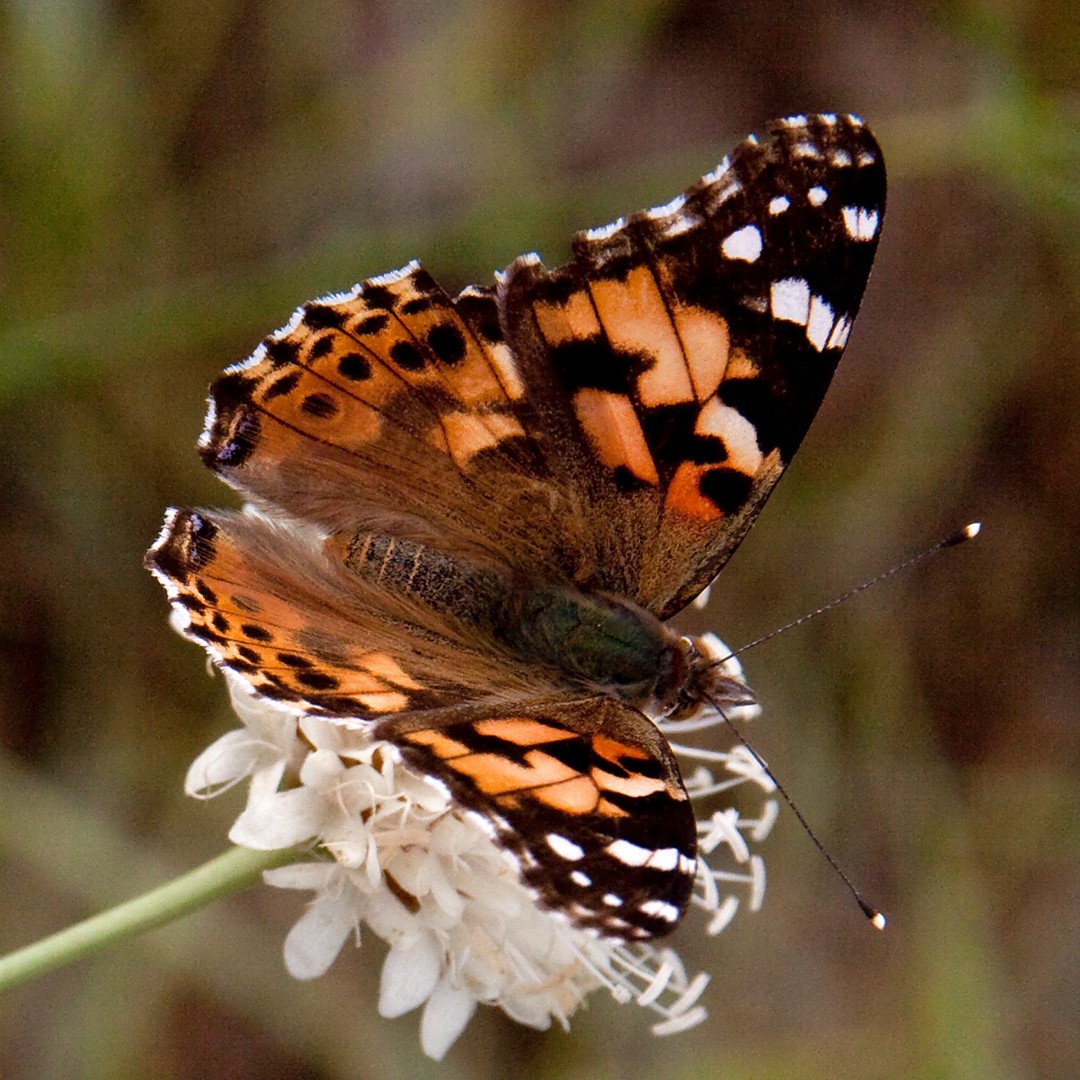
1. Painted lady
The painted lady is a migratory butterfly that spends part of the year in Northern Africa and then migrates to Europe during the warmer months. Although the adults feed on nectar from flowers, the larvae feed on the leaves of nettles and thistles.
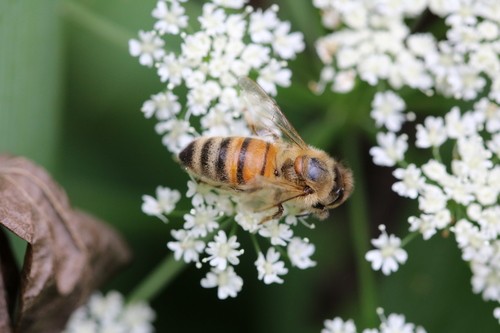
2. Western honey bee
Western honey bee(Apis mellifera) is the most common species of honeybee in the world. Among the first domesticated insects, its cultural and economic impact on humanity has been vast and far-reaching, providing honey, wax and its services as a pollinator. Western honey bee faces challenges worldwide, such as colony collapse disorder, and populations are thought to be decreasing.
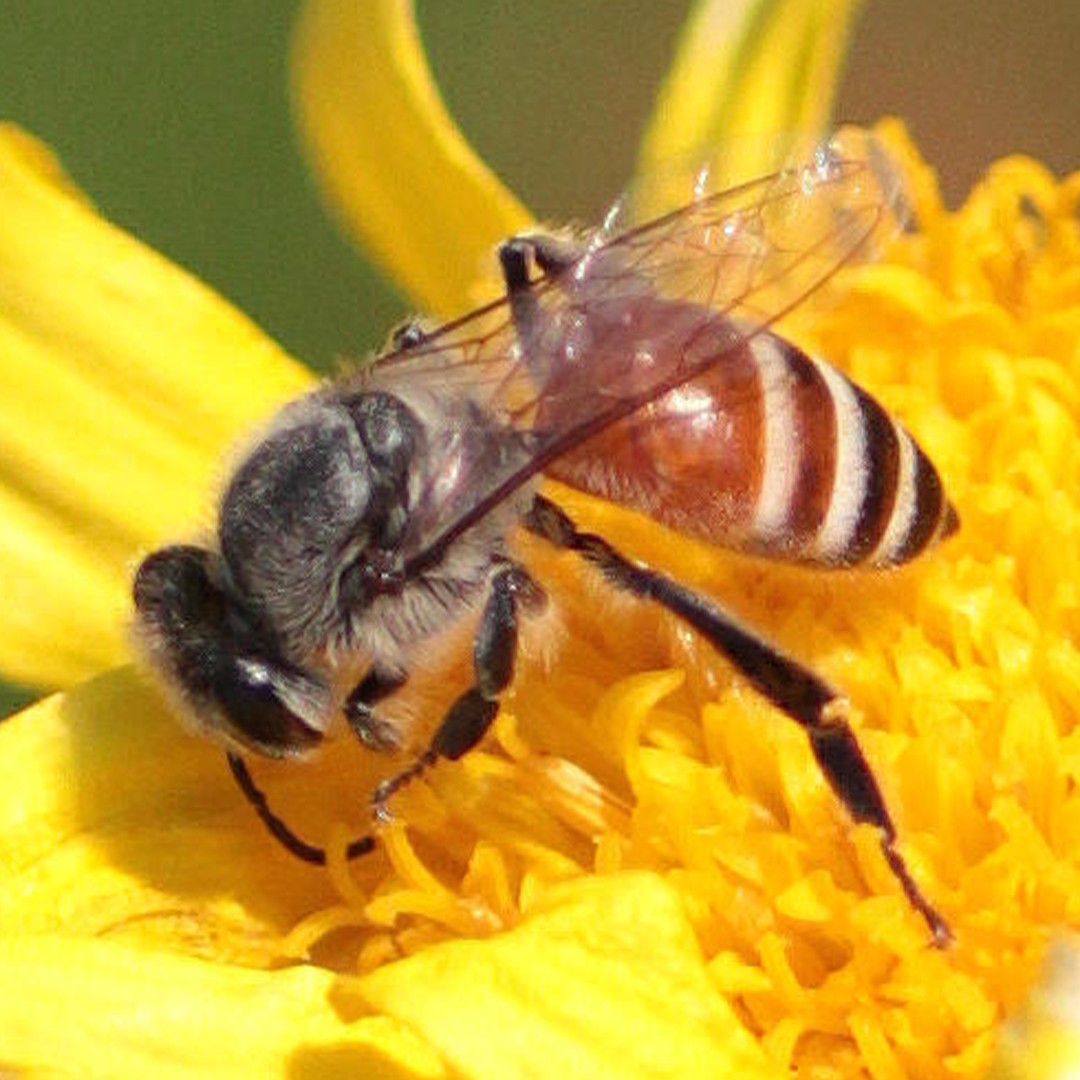
3. Dwarf honey bee
A. florea is called the dwarf honey bee due to its small size compared to other honeybees. A worker is typically 7–10 mm in body length and its overall coloration is red-brown. A colony builds a single, exposed comb usually on tree branches or shrubs. A. florea produce honey that is harvested and eaten in Thailand and Cambodia. They are excellent pollinators, which gives them an important ecological role in the places they inhabit. Drones carry a thumb-like bifurcation called the basitarsus, which is located two-thirds along the length of the tibia. The fimbriate lobe of A. florea has three protrusions and they sting using two stylet barbs. Apis florea and its sister species together comprise the subgenus Micrapis, and are the most primitive of the living species of Apis, reflected in their small colony size, and simple nest construction. The exposed single combs are built on branches of shrubs and small trees. The forager bees do not perform a gravity-oriented waggle dance on the vertical face of the comb to recruit nestmates as in the domesticated Apis mellifera and other species. Instead, they perform the dance on the horizontal upper surface where the comb wraps around the supporting branch. The dance is a straight run pointing directly to the source of pollen or nectar the forager has been visiting. The distinctiveness of the two species A. florea and A. andreniformis was established unequivocally in the 1990s. A. florea is redder and old workers always have a red first abdomen (younger workers are paler in colour, as is the case in giant honey bees); A. andreniformis is generally darker and the first abdomen segment is completely black in old bees. Distinguishing characteristics of the dwarf honey bees are outlined below: 
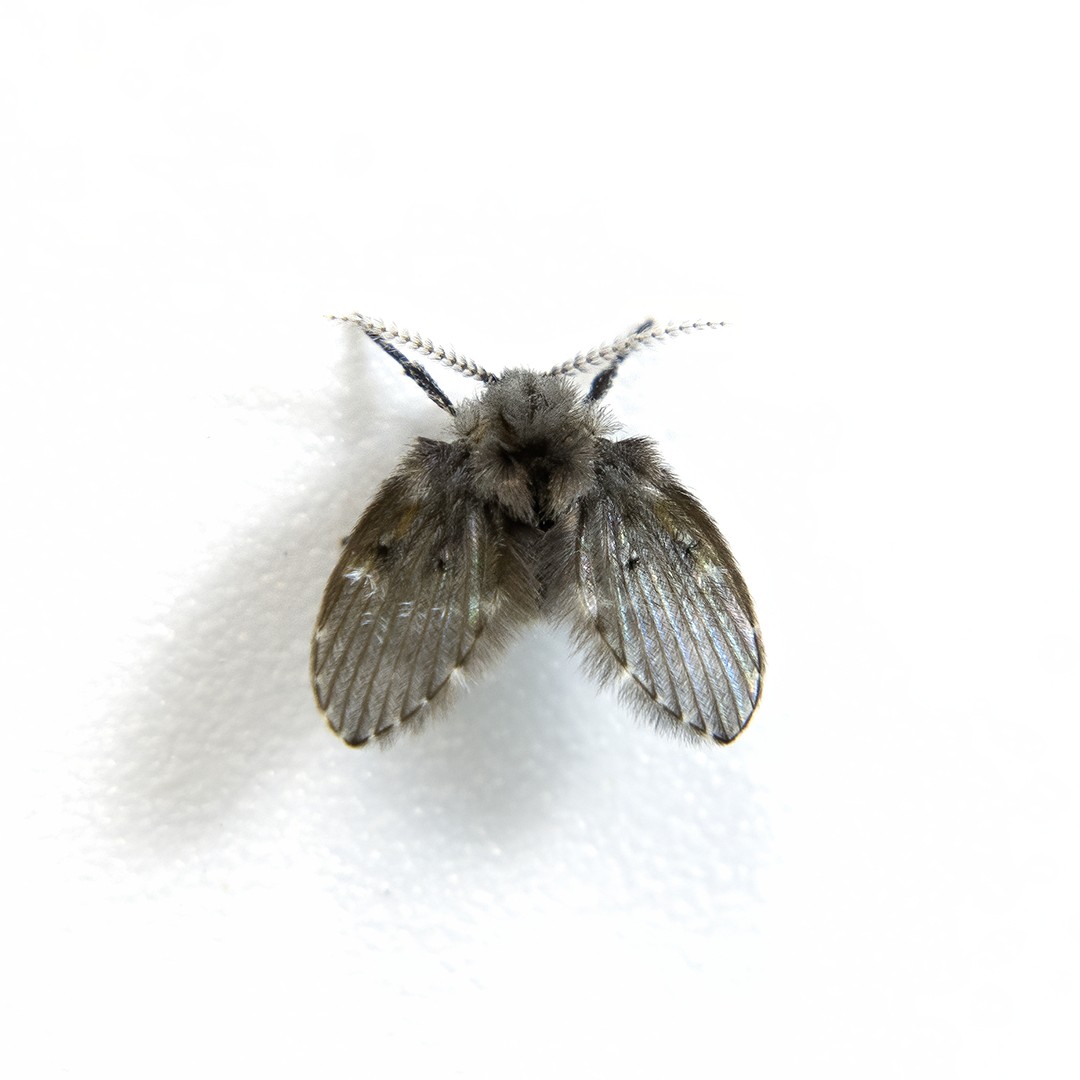
4. Telmatoscopus albipunctata
Telmatoscopus albipunctata is also known as the "mothfly" or "filter fly" due to the small hairs on their wings similar to a moth. The larvae live in mud, decomposing plant matter, and water, and the adults also like to live in dark, moist areas. They are commonly found in human residential areas in drains or sewers.
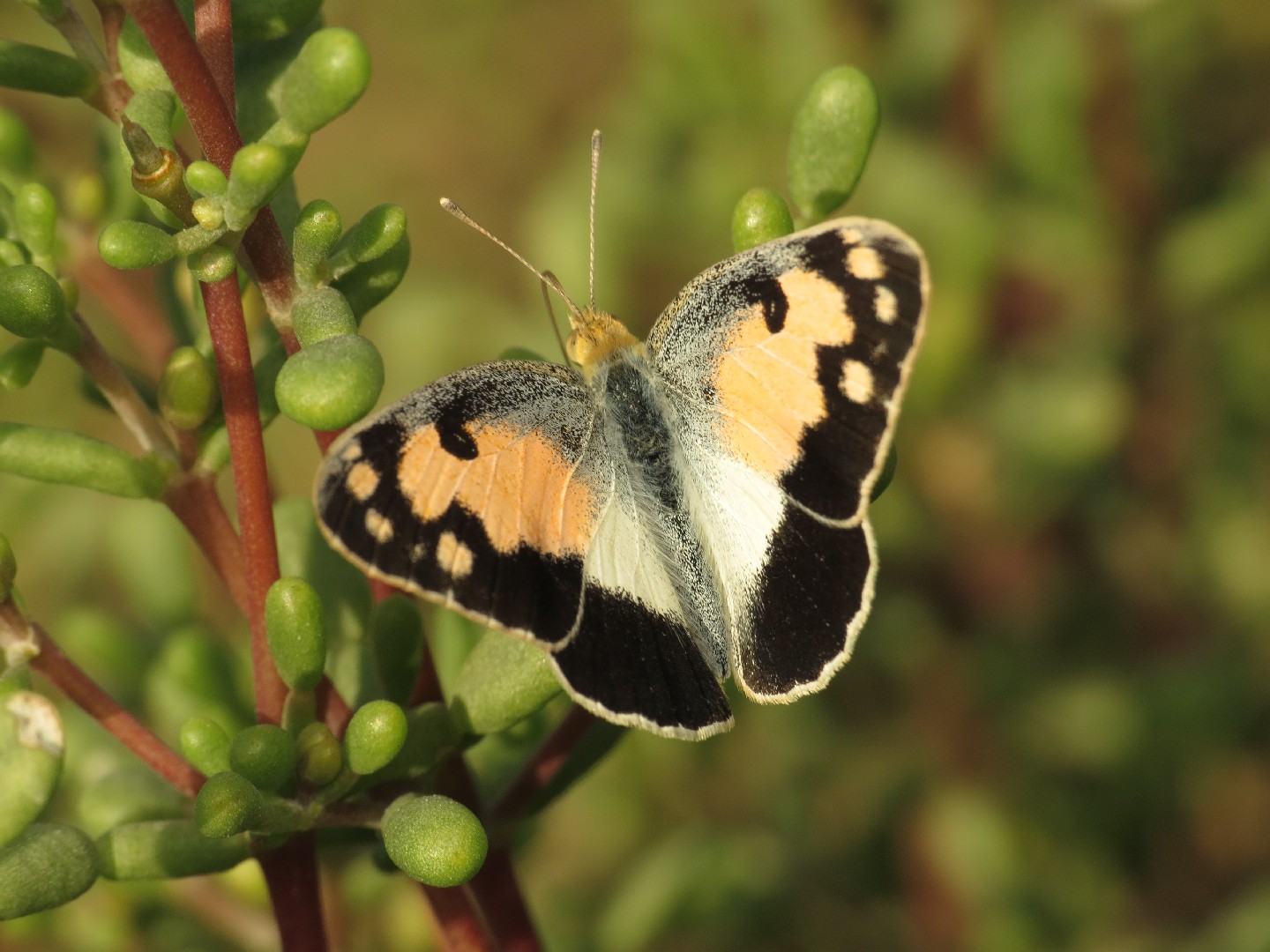
5. Blue-spotted arab
Upperside of male forewing has a pale salmon-pink ground colour, this colour paler outwardly; base heavily irrorated (sprinkled) with bluish-grey scales that extend outwards and are merged with a black patch that occupies the apex of the cell and spreads along the discocellulars; terminal third of wing black with enclosed spots of the ground colour in interspaces 3, 4, 5 and 9, the spot in 4 sometimes absent, the inner edge of the black area emarginate at interspaces 2 and 4; the outer margin with a series of minute terminal specks of ground colour in the interspaces. Hindwing: white, base heavily irrorated with bluish-grey scales that are extended downwards in a diffuse band parallel to the dorsum; terminal half of wing jet black. Underside: precisely like the underside of C. protractus male. Antennae, head, thorax and abdomen as in C. protractus. Female is very variable, but resembles the male in markings. On the upperside however, the terminal areas on both forewings and hindwings that are black in the male are silky brown on the forewing, the inner sinuate margin of the same posteriorly black; on the hindwing the terminal brown area encloses an irregular sinuate black band that does not extend either to the costa or the dorsum. The ground colour of the forewing in some specimens is faintly pink fading to white outwardly; on the hindwing the ground colour is white, as in the male. In other specimens the ground colour on both forewings and hindwings is entirely white or pinkish orange. Underside: as in the male, but the apical area of the forewing and the whole surface of the hindwing tinged more or less with ochraceous. In many individuals (probably of the dry-season broods) this ochraceous tint is very marked. Forewing: with posterior black spots as in the male. Hindwing: an irregular discal sinuate macular brown band that is often obsolescent. Antennae, head, thorax and abdomen much as in the male.
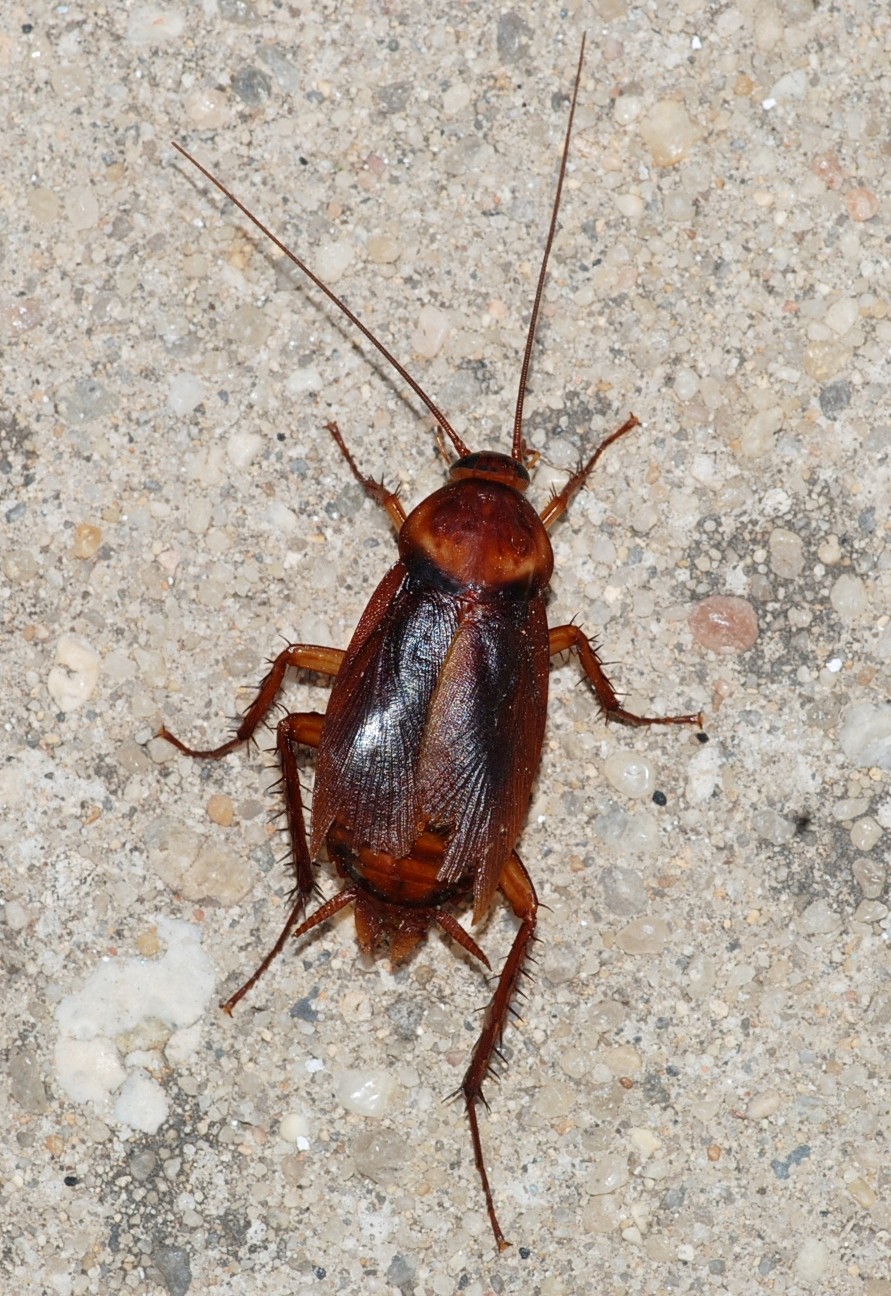
6. American cockroach
Despite its name, american cockroach (Periplaneta americana) is not native to the Americas but rather to Africa and the Middle East, from which it arrived as a result of human commercial patterns. Notably quick and rather resilient, this species is capable of limb regeneration. It requires a certain level of moisture to thrive, and it will avoid drier areas unless it has access to the required level of water.
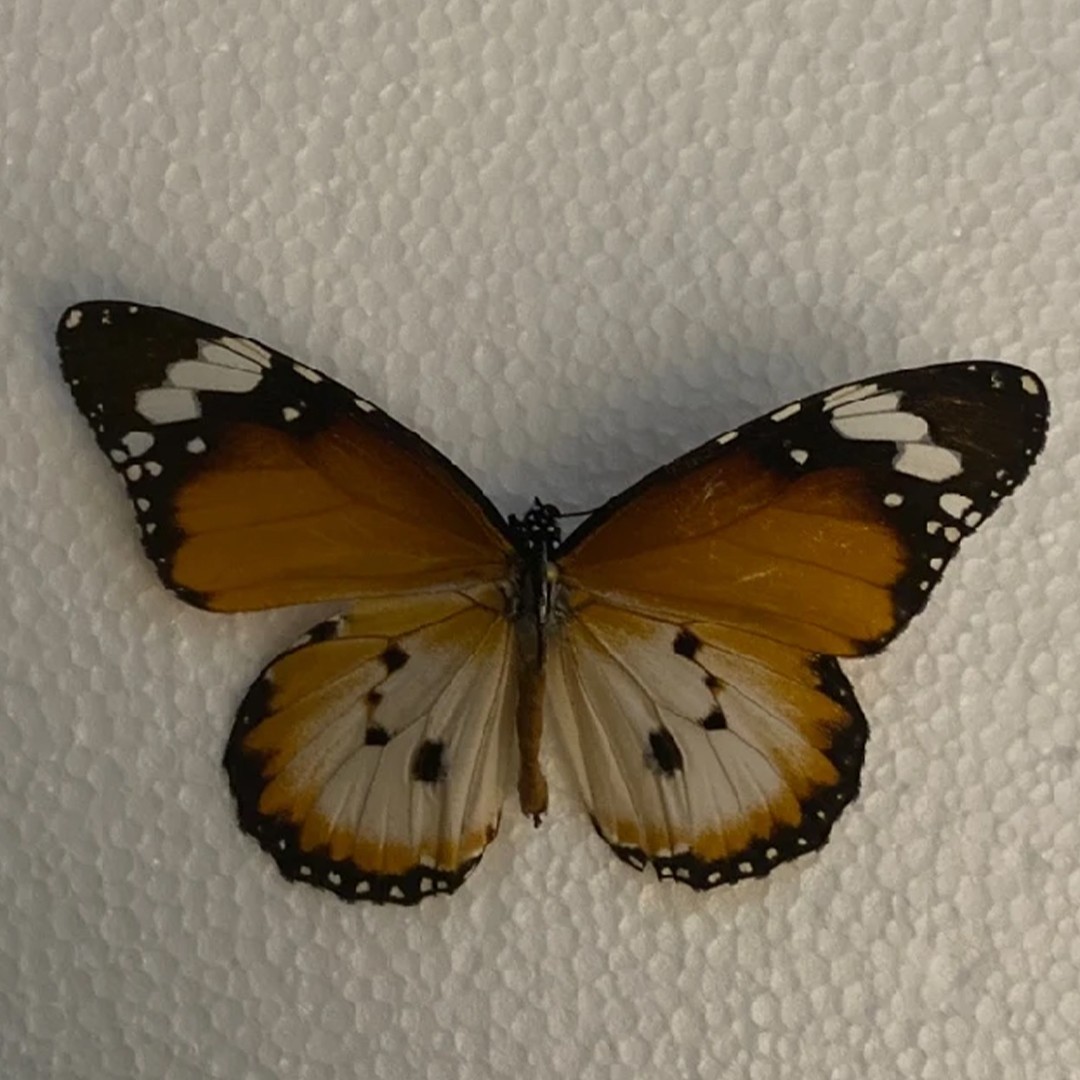
7. Plain tiger butterfly
D. chrysippus is a medium-sized butterfly with a wingspan of about 7–8 cm (2.8–3.1 in). The body is black with many white spots. The wings are orange, the upperside brighter and richer than the underside. The apical half of the forewing is black with a white band. The hindwing has three black spots in the center. The wings are bordered in black and outlined with semicircular white spots. This species exhibits slight sexual dimorphism, as the Male has large scent glands on his hindwings, which the female lacks. They appear as a large black spot with a white centre if viewed from the underside D. chrysippus is a polymorphic species, so the exact coloring and patterning vary within and between populations. It is similar in appearance to the Indian fritillary (Argynnis hyperbius), which may coexist with it.
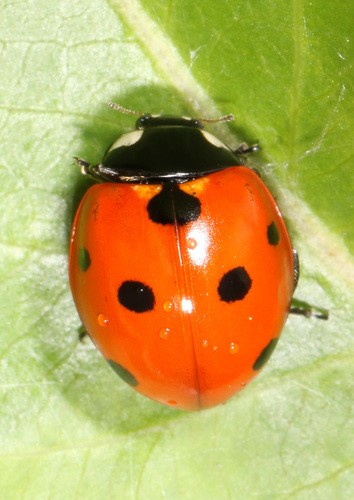
8. Seven-spotted ladybug
Seven-spotted ladybug (Coccinella septempunctata), known in North America as the "seven-spotted ladybug," is the most common species of ladybird in Europe and the official state insect of five U.S. states. While not native to North America, it has established itself there after being introduced to control aphid populations. Its bright coloring deters predators, and it may also play dead or secrete foul-smelling liquids to discourage consumption.
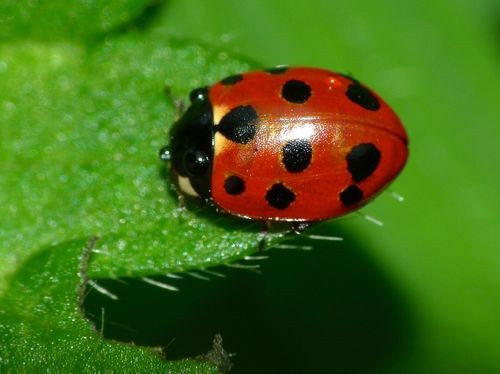
9. Eleven-spot ladybird
The Elfpunkt ladybird (Coccinella undecimpunctata) is a beetle from the family of ladybirds (Coccinellidae).
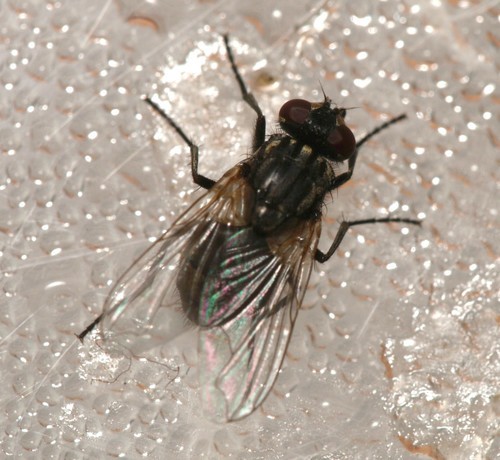
10. Common house fly
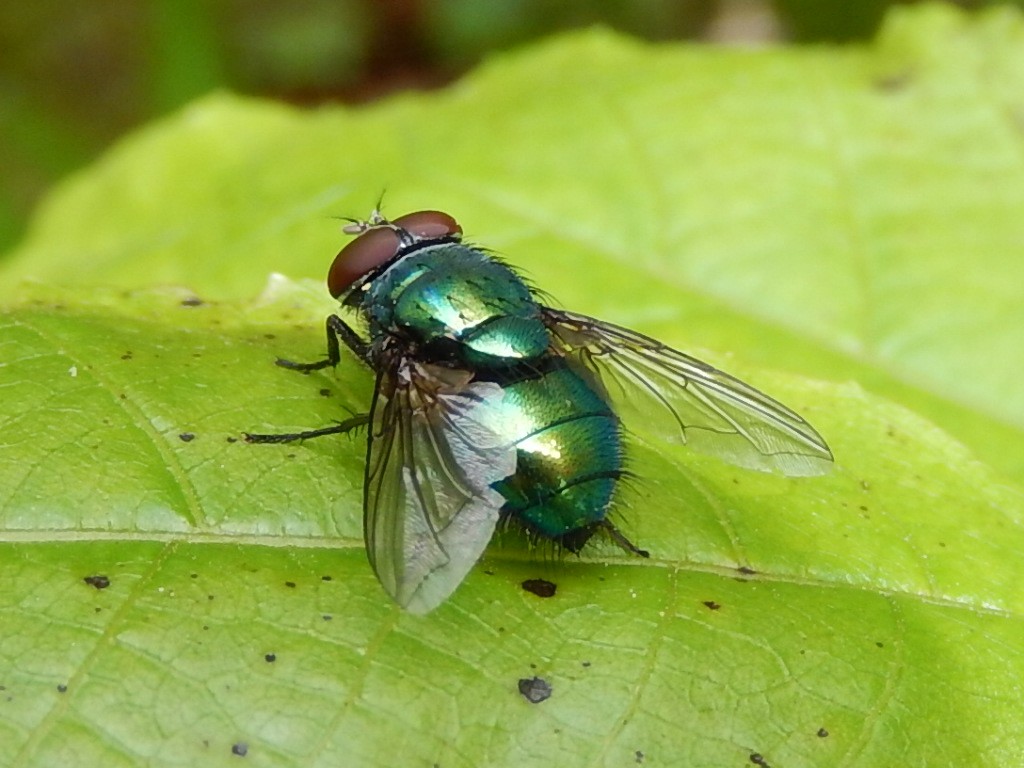
The female common house fly mates once and can store the sperm for multiple batches of eggs throughout her life. She will lay anywhere between 75 to 150 eggs at a time, usually in rotting organic matter, where the larvae will feed. The adults feed on feces and animal matter, making them important ecological composters. However, they can also transmit pathogens to human food and are considered pests and health hazards in human-occupied areas.

More







