




Top 11 Most Common Insects in Libya
Insects, renowned for their remarkable diversity, are integral parts of Libya's rich ecosystem. Dramatically influenced by Libya's unique geography and climate,these tiny creatures vary in species from arid deserts to lush coastal areas. Let's delve into the intriguing world of the 11 most common insects in Libya and explore their significance, including those that nurture the environment and those considered pests.

Most Common Insects
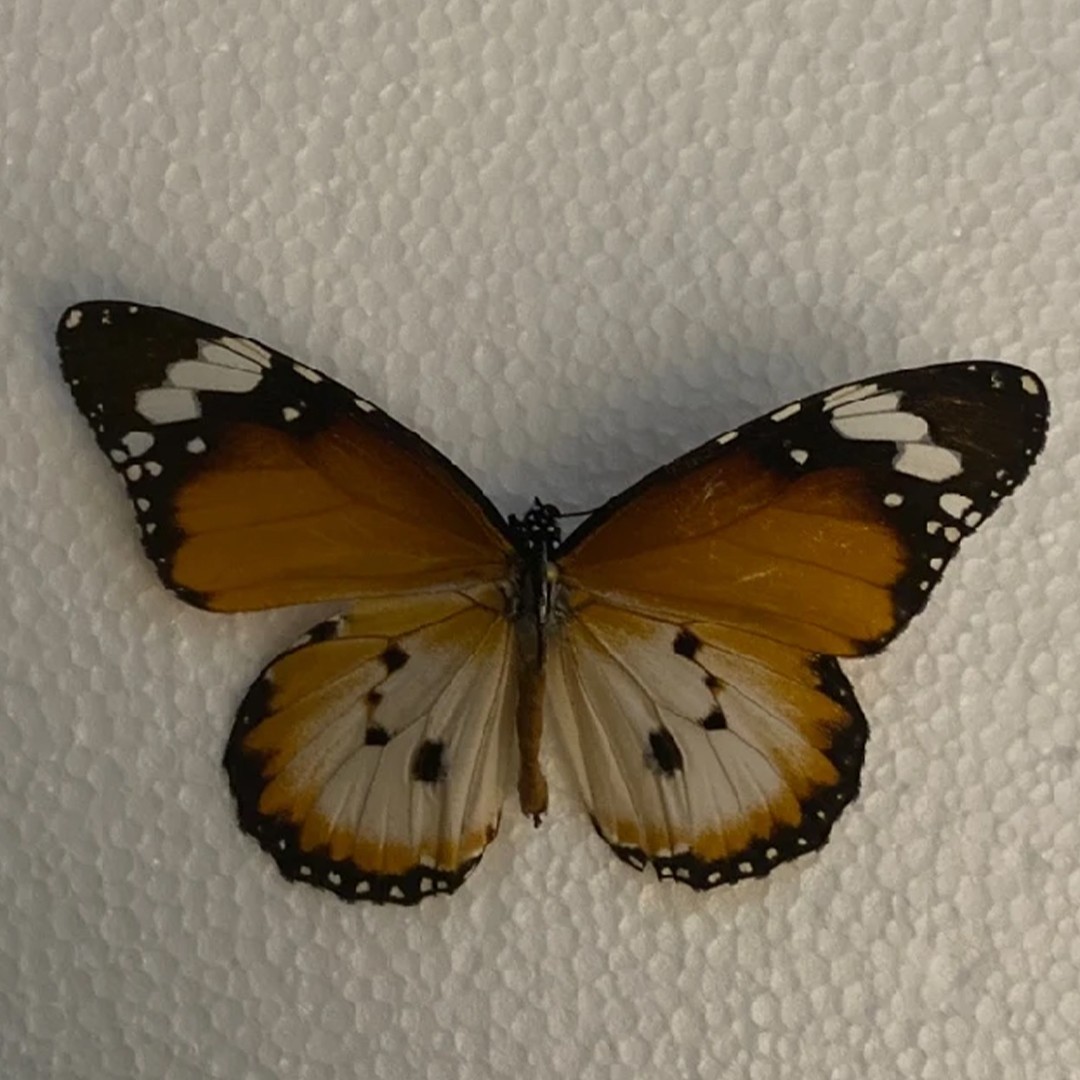
1. Plain tiger butterfly
D. chrysippus is a medium-sized butterfly with a wingspan of about 7–8 cm (2.8–3.1 in). The body is black with many white spots. The wings are orange, the upperside brighter and richer than the underside. The apical half of the forewing is black with a white band. The hindwing has three black spots in the center. The wings are bordered in black and outlined with semicircular white spots. This species exhibits slight sexual dimorphism, as the Male has large scent glands on his hindwings, which the female lacks. They appear as a large black spot with a white centre if viewed from the underside D. chrysippus is a polymorphic species, so the exact coloring and patterning vary within and between populations. It is similar in appearance to the Indian fritillary (Argynnis hyperbius), which may coexist with it. 
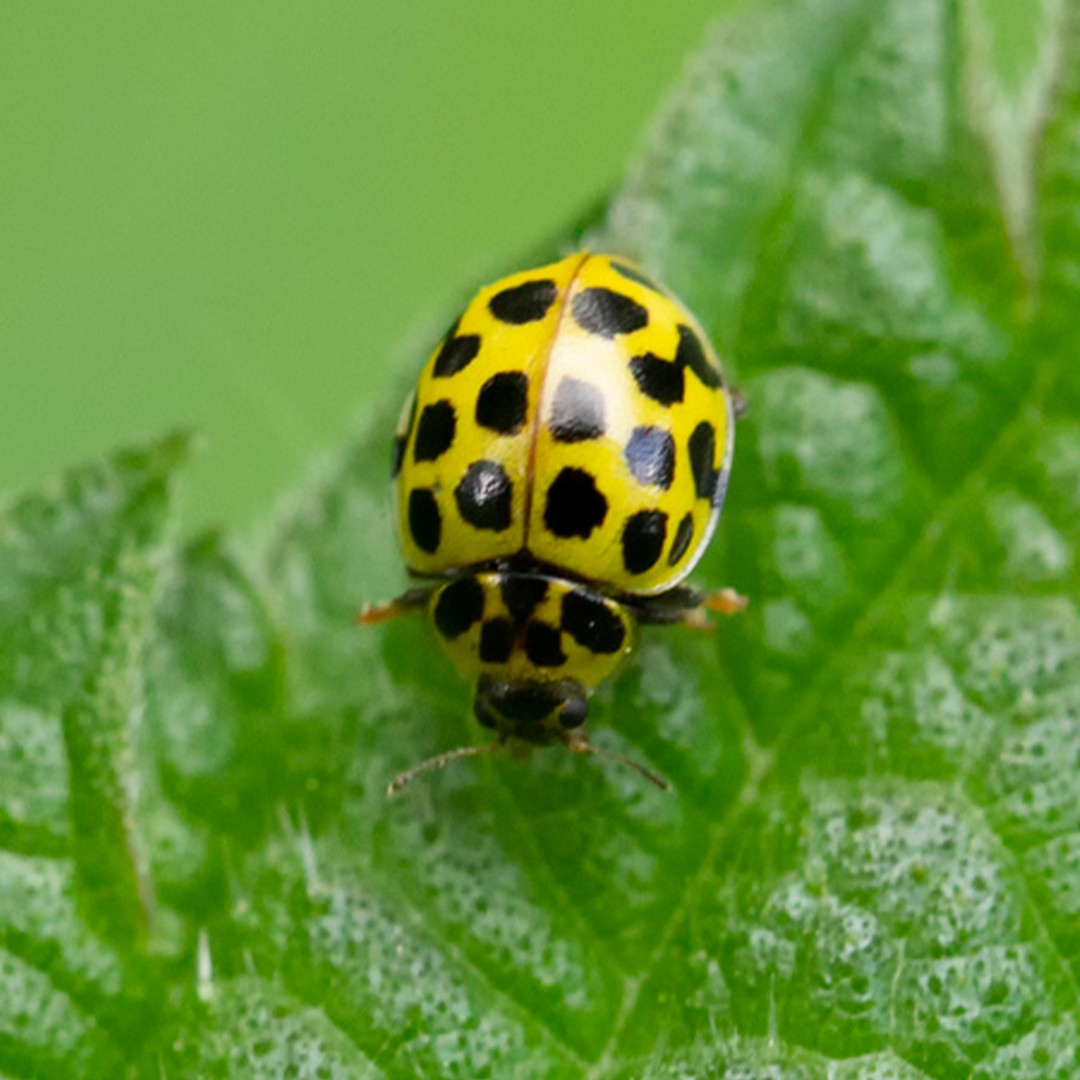
2. Twenty-two-spot ladybird
Psyllobora vigintiduopunctata (often abbreviated to Psyllobora 22-punctata), the 22-spot ladybird, (earlier known as Thea vigintiduopunctata) is a 3–5 mm long ladybird commonly found in Europe . The elytra are yellow in colour with 22 black spots. The pronotum is yellow or white with 5 black spots. This ladybird species has been reported in other areas of the province of Kerman, Mazandaran, South eastern province of Khorasan, Chahar Mahal and Bakhtiari, in Mashhad, Gilan, Lorestan province, Khorasan. Unlike most other ladybirds which feed on aphids, P. 22-punctata eats mildew — especially from umbellifers and low-growing shrubs . The 22-spot ladybird is best looked for amongst low vegetation.
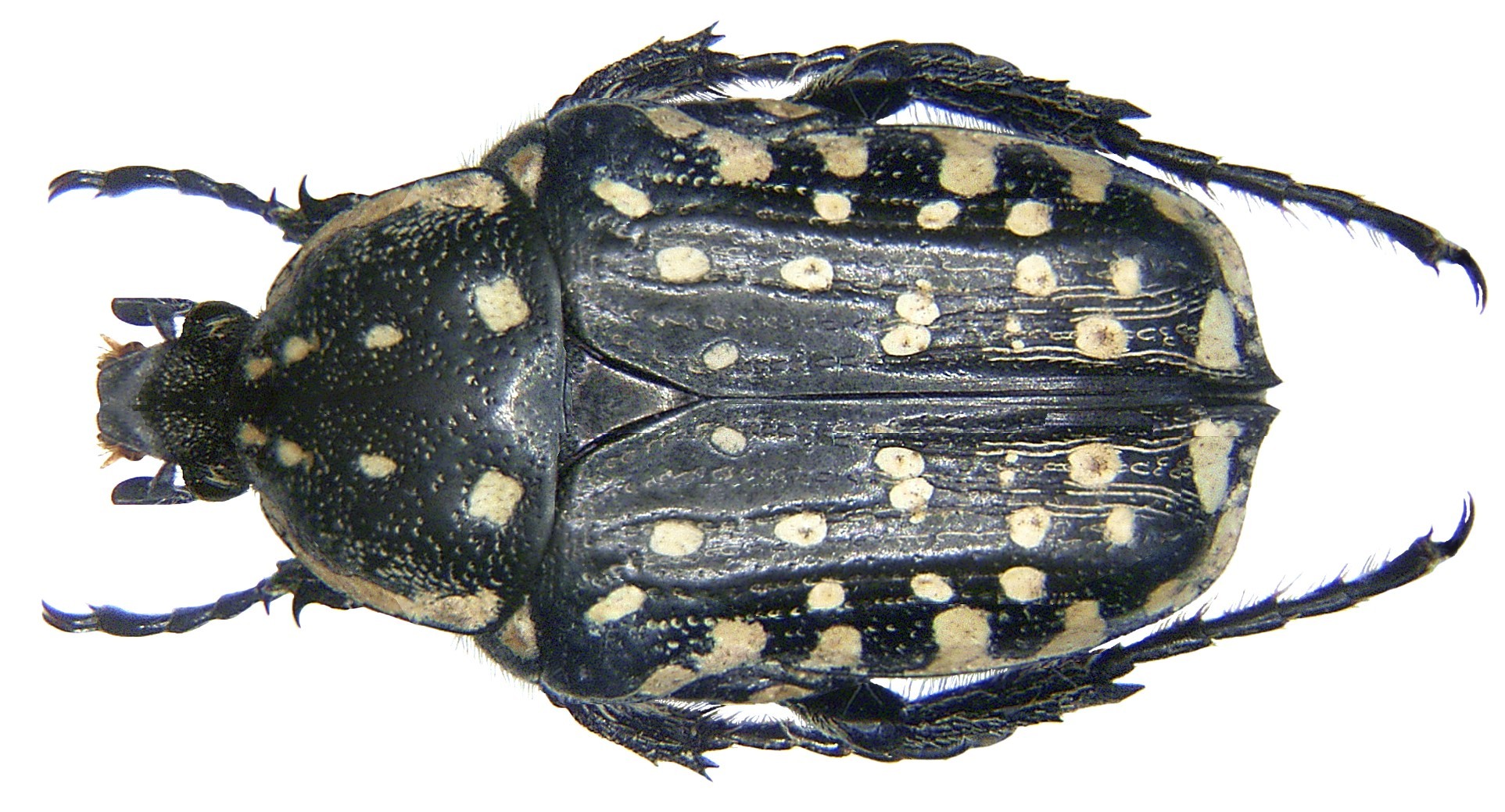
3. Oxythyrea pantherina
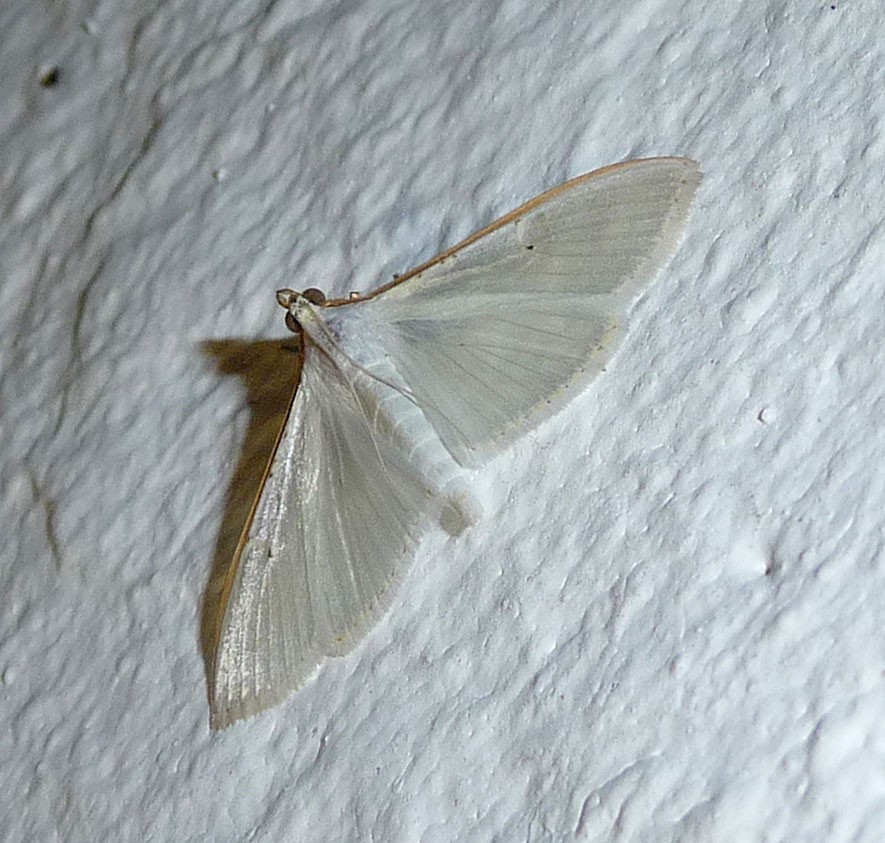
4. Jasmine moth
The delicate-looking jasmine moth is so-named because jasmine leaves are the preferred food source of adults. However they also feed on other plant species, including olives, and they are classed as a pest of olive plantations.
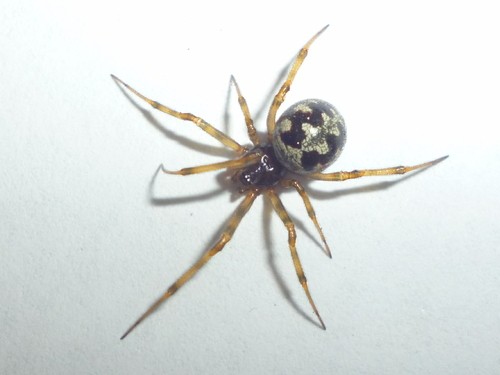
5. Triangulate cobweb spider
The triangulate cobweb spider is most likely to be found in quiet corners of houses, basements, sheds, and outhouses. It has a variety of prey including other spiders, ants, ticks, and pillbugs. Although other species within the Steatoda genus have been observed to have venomous bites, there are no known cases of these in humans by the triangulate cobweb spider.
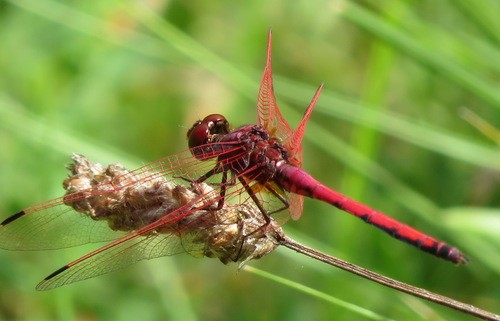
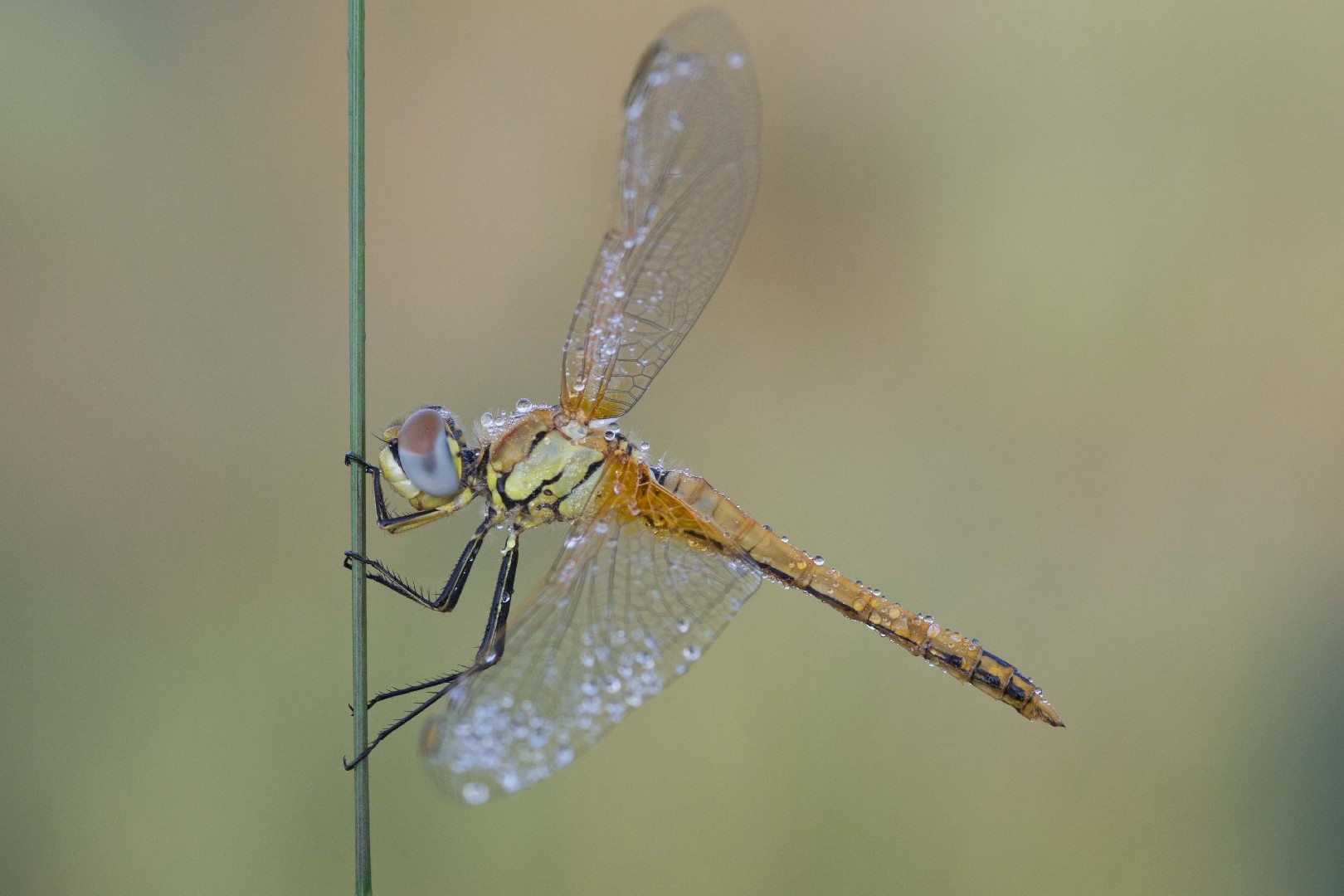
6. Red-veined dropwing
The face of the mature male is deep red, the vertex and top of the frons having a purple sheen. The eyes are deep red and the labium deep yellow with a dark brown stripe in the centre. The synthorax is red with black stripes; mature males often have a purple bloom on the upper thorax.The wings have bright red veins and orange makings at their bases. The pterostigmas are 2.5 - 2.5 mm long and dark brown. The slender abdomen is bright red; S6-S8 have black wedges on each side; S9 and S10 are black. Females have similar markings, but the abdomen and face are yellow to yellowish brown. The sides of the synthorax are pale yellow-brown, as are the lower sides of S1-S3.
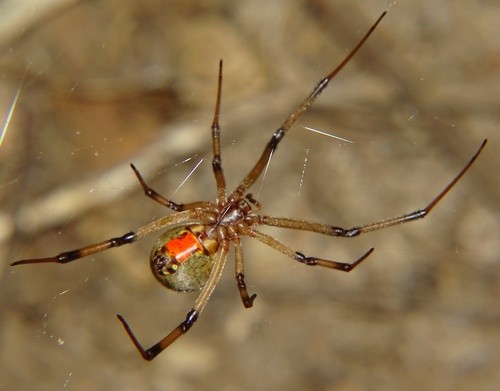
7. Brown Widow
The brown Widow (Latrodectus geometricus) is a lighter color with an orange hourglass shape on its abdomen, different from the black widow. They are known as "cobweb spiders" because they have an odd way of making webbing. Brown Widows have a toxic bite which is weaker in the males. It is said that brown Widows regularly fight for territory against black widows.
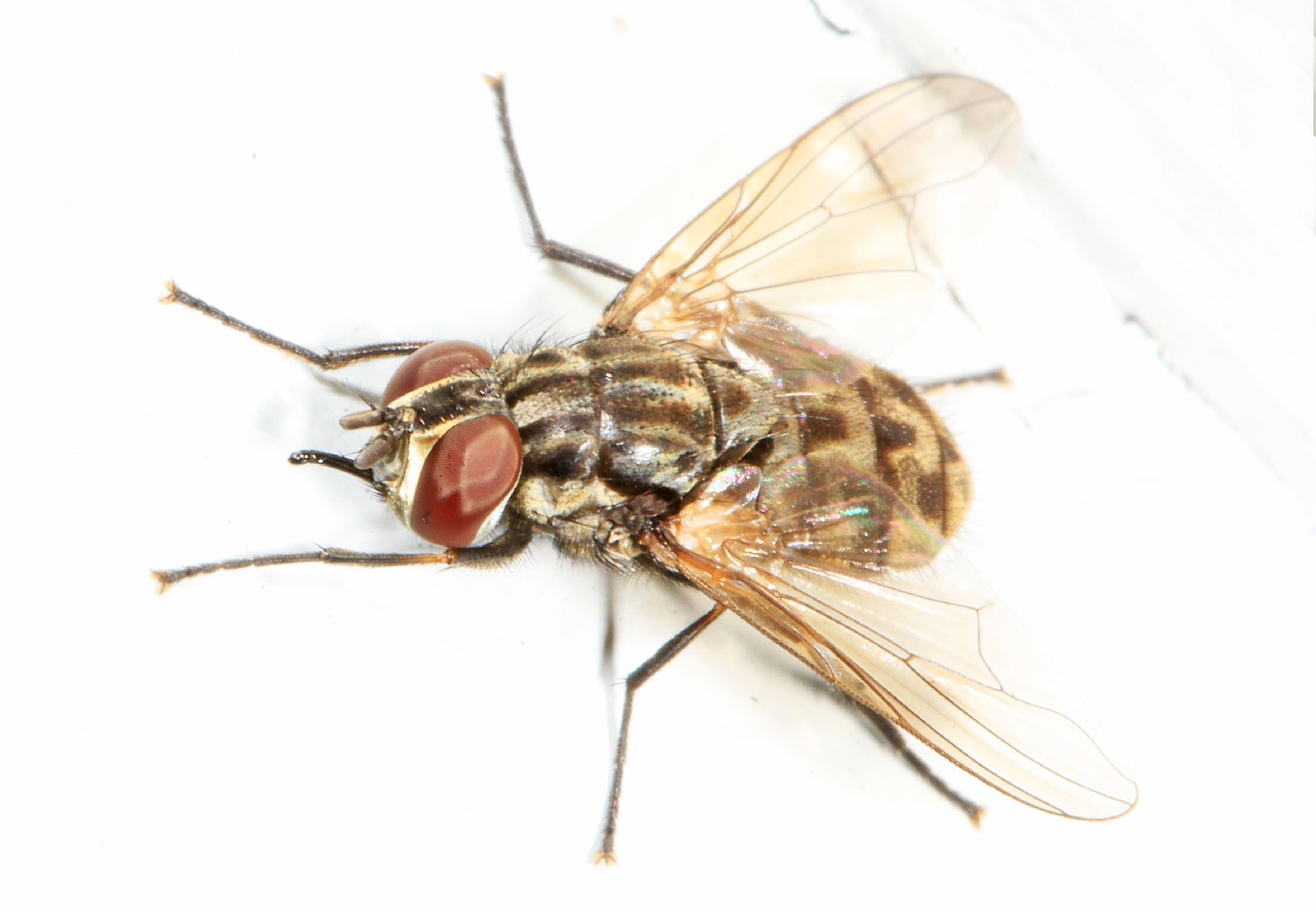
8. Stable fly
The stable fly primarily feeds on the blood of horses and cattle, but they will also bite humans and dogs if their preferred host animals are not around. There has been a particular problem with this pest in West Florida, where it has negatively affected tourism. They look very similar to houseflies, but they can be distinguished by the circular spots on their abdomens.
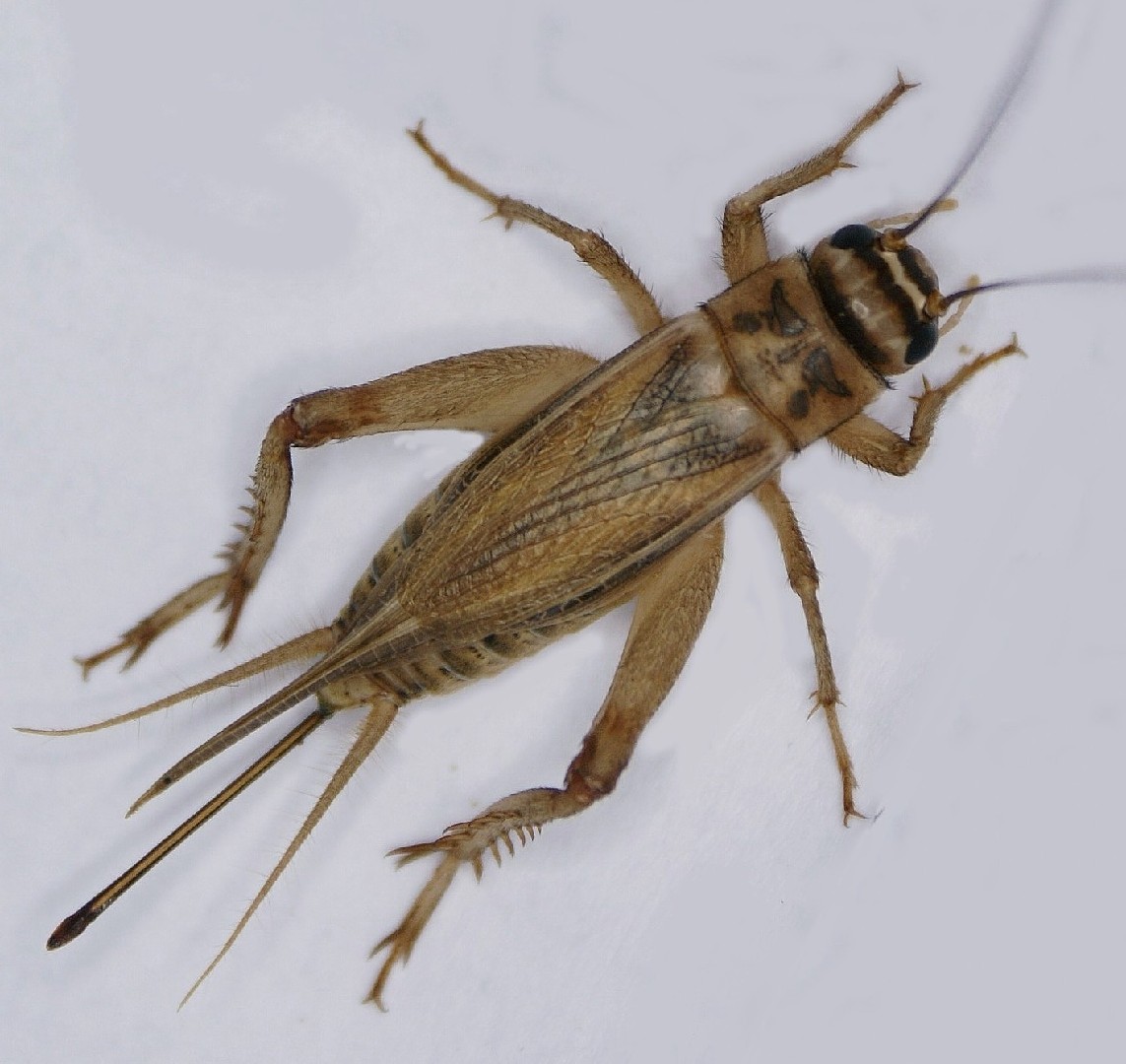
9. House cricket
House crickets are used both as pets and as food for other pets. Their life cycle lasts about two to three months. They are also edible and are farmed in some areas for human consumption. House crickets are eaten dry-roasted, deep-fried, or freeze-dried and even pulverized into a flour.
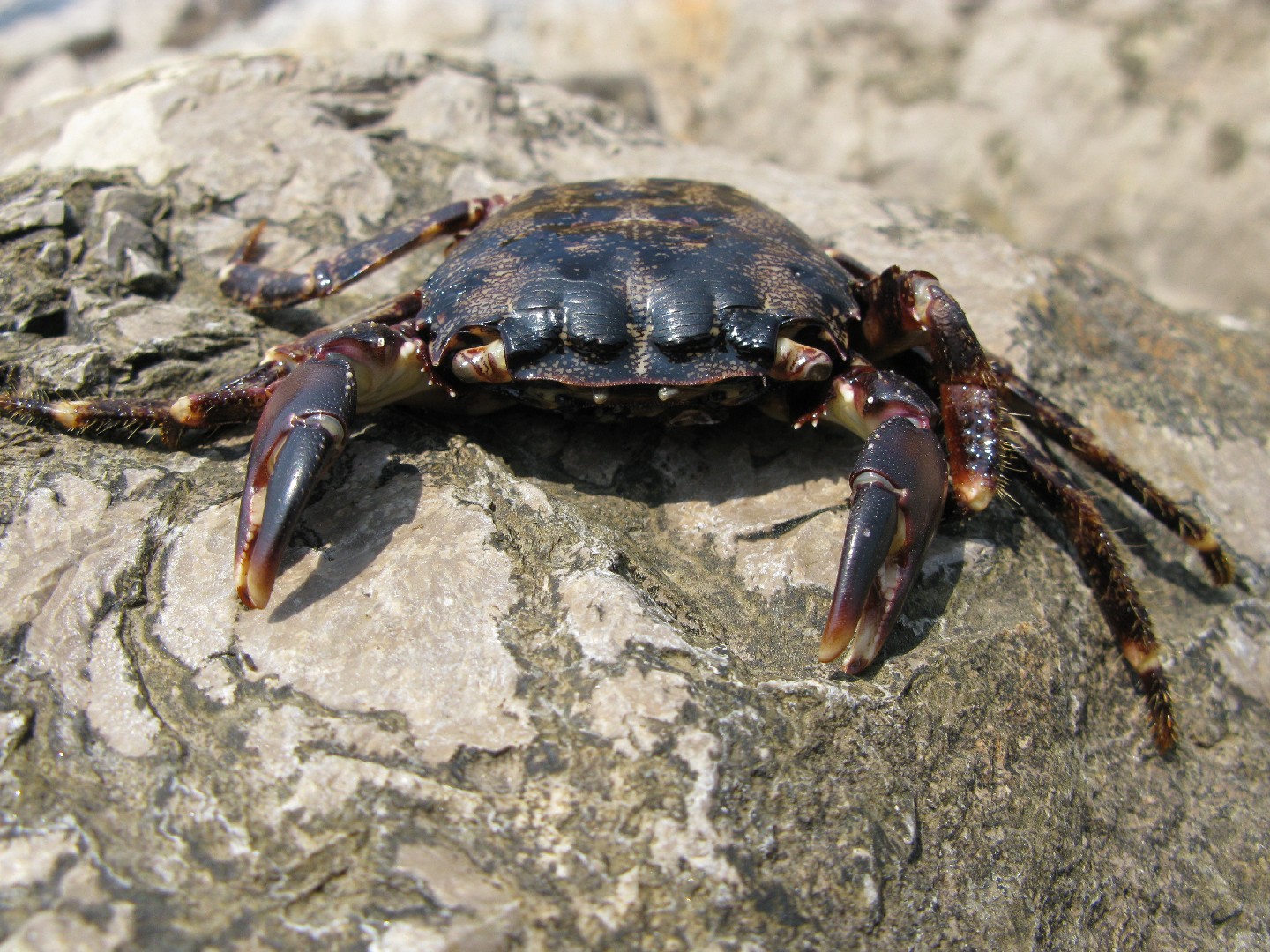
10. Marbled rock crab
P. marmoratus has a square carapace 22–36 millimetres (0.87–1.42 in) long, which is dark violet brown with marbling in yellow. It can be distinguished from related species of Pachygrapsus in the Mediterranean Sea (Pachygrapsus maurus and Pachygrapsus transversus) by the presence of three teeth on each side of the carapace. It is capable of very rapid movements, and it uses this ability to dart into crevices, making it difficult to catch.
More







