




Top 20 Most Common Insects in Sabah
Insects - Earth's most diverse denizens, do not merely buzz, crawl, and flutter around in Sabah; they hold powerful environmental roles and direct influences on the biosphere. As Sabah's differing terrains harbor a plethora of insect species, understanding their behaviors within these varied habitats is essential. From meddlesome pests to essential pollinators, our 'Top 20 most common insects in Sabah' will highlight the remarkable associations between our local environment and these tiny, yet impactful creatures.

Most Common Insects
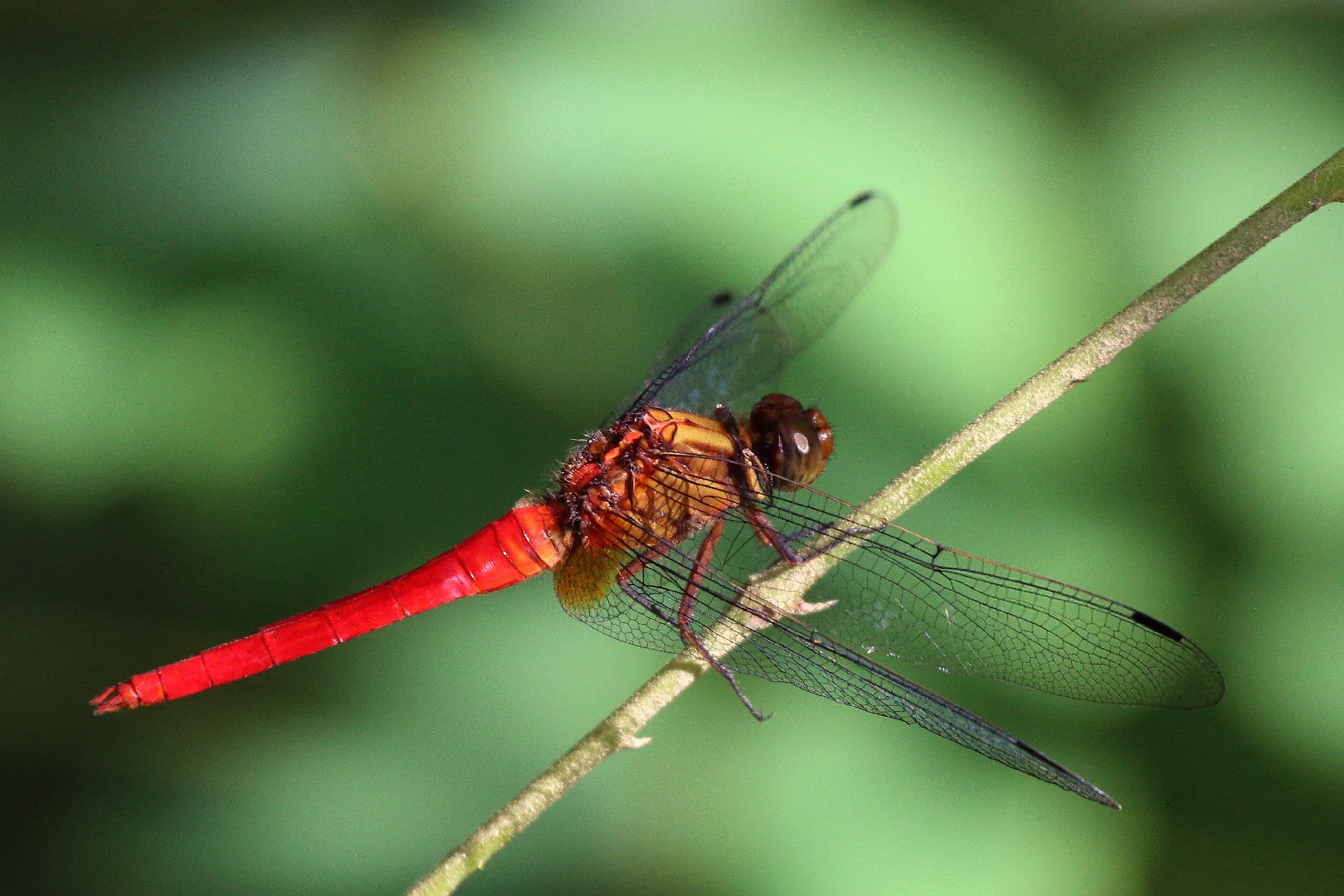
1. Scarlet skimmer
The species is on the IUCN Red List as not endangered, assessment year 2011, the trend of the population is increasing according to the IUCN.

2. Blue moon butterfly
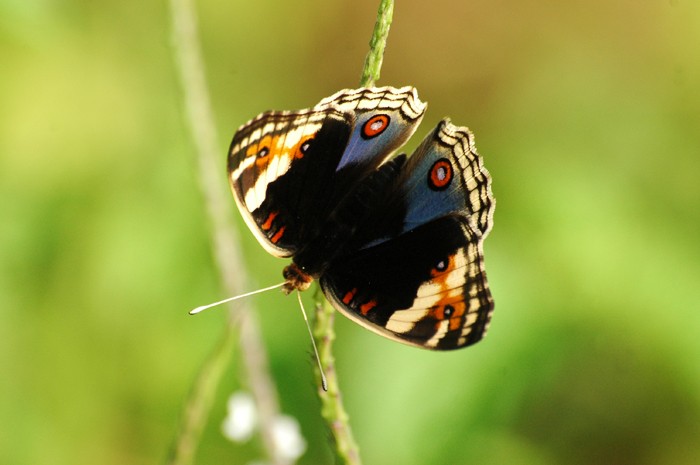
Hypolimnas bolina, the great eggfly, common eggfly or in New Zealand the blue moon butterfly is a species of nymphalid butterfly found from Madagascar to Asia and Australia. 
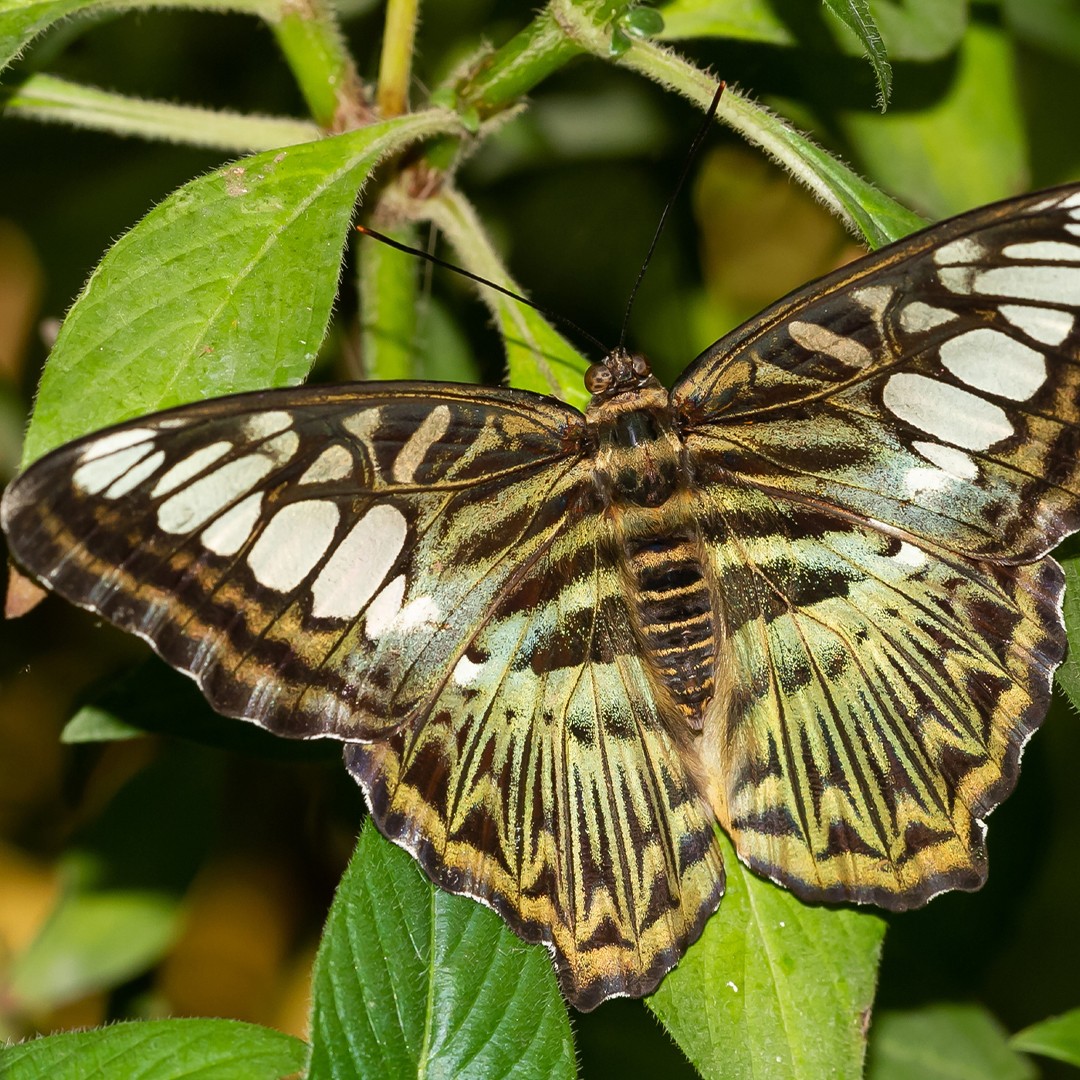
3. Kallima sylvia
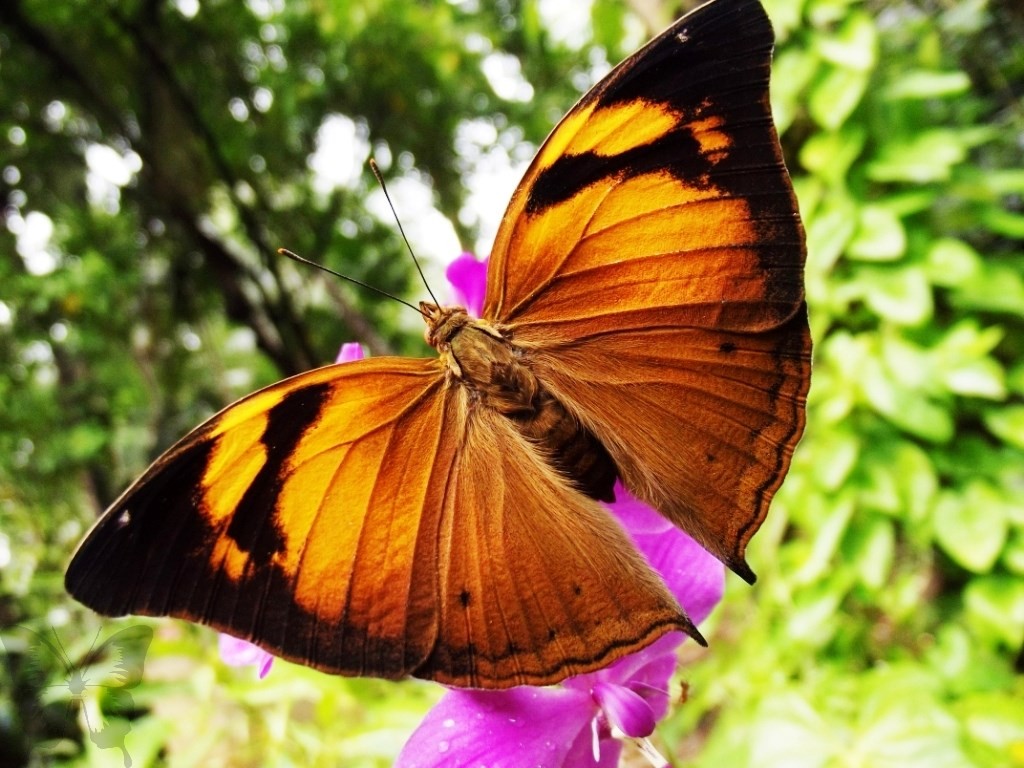
4. Autumn leaf
The larvae are black, with two rows of dorsal white spots. Head with a pair of branched spines; rest of the segments with a dorsal and a lateral row of blue branched spines on each side. The pupae are yellowish with numerous black spots; constricted in the middle; head produced into two points. Male's and female's underside yellowish brown, paling anteriorly to rich golden yellow on the forewing, shading anteriorly into dusky brown on the hindwing. Forewing: the apical half black, following a line from vein 12 opposite the discocellulars, passing through apex of cell, obliquely across middle of interspace 3 and curving down to tornus; a black spot near apex of cell coalescing with the inner margin of 1he black colour; a short, very oblique, broad golden-yellow band, broader in the female than in the male, from middle of costal margin to interspace 5; a spot beyond in line with it in interspace 4; two, sometimes three, minute, preapical white specks; the cilia fulvous (tawny), touched with white, anteriorly. Hindwing uniform; the costal margin broadly as noted above, a subterminal narrow band and narrower terminal line posteriorly, dusky black; a postdiscal black spot in interspaces 2 and 5 respectively; the cilia fulvous. The ground colour varies from reddish to dark greenish brown with irrorations (speckles) of greyish and black scales; apex of the forewing and the terminal margin posteriorly of the hindwing more or less lilacine; forewings and hindwings crossed by a dark narrow discal fascia, generally bordered on the inner side by a greyish line; this fascia bent inwards at right angles above vein 6 of the forewing and in most specimens, bordered internally by a diffuse pale patch and externally by an oblique whitish mark, beyond which is a subcostal white spot, followed by a transverse sinuous postdiscal series of obscure ocelli crossing both wings, each ocellus centred by a minute dot, white on the fore, black on the hindwing. In the male there are generally, but not invariably, a number of whitish spots on the basal areas of both wings. Antennae blackish brown, ochraceous at apex; head, thorax and abdomen dark fulvous brown; beneath, the palpi white, the thorax and abdomen pale brown. Wingspan is about 8 - 9 cm.
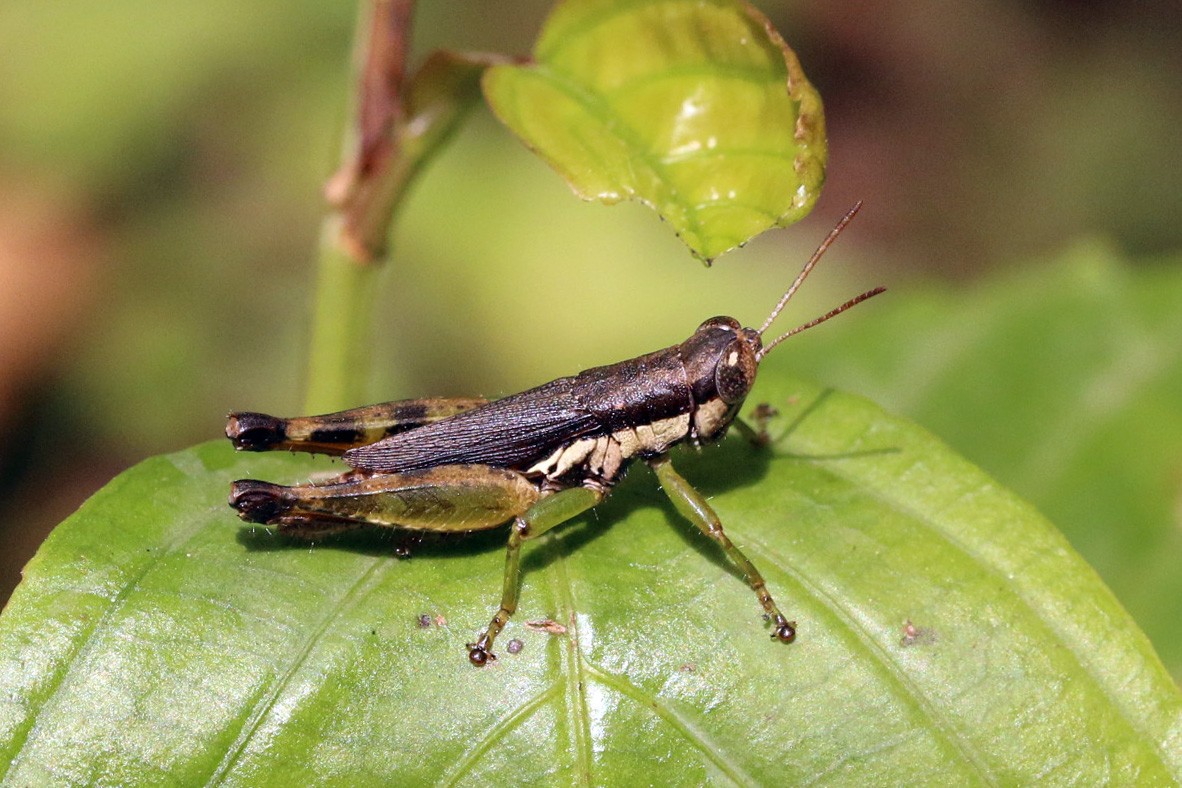
5. Short-winged rice grasshopper
Pseudoxya diminuta is a right-winged insect from the family locusts (Acrididae). The scientific name of this species was first validly published in 1871 by Walker.
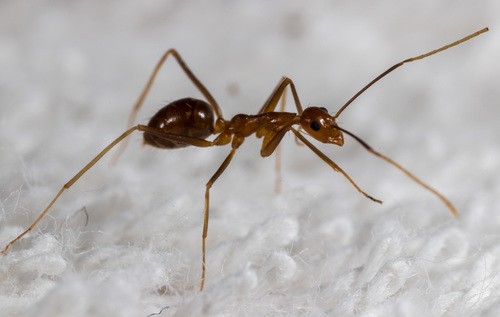
6. Yellow crazy ant
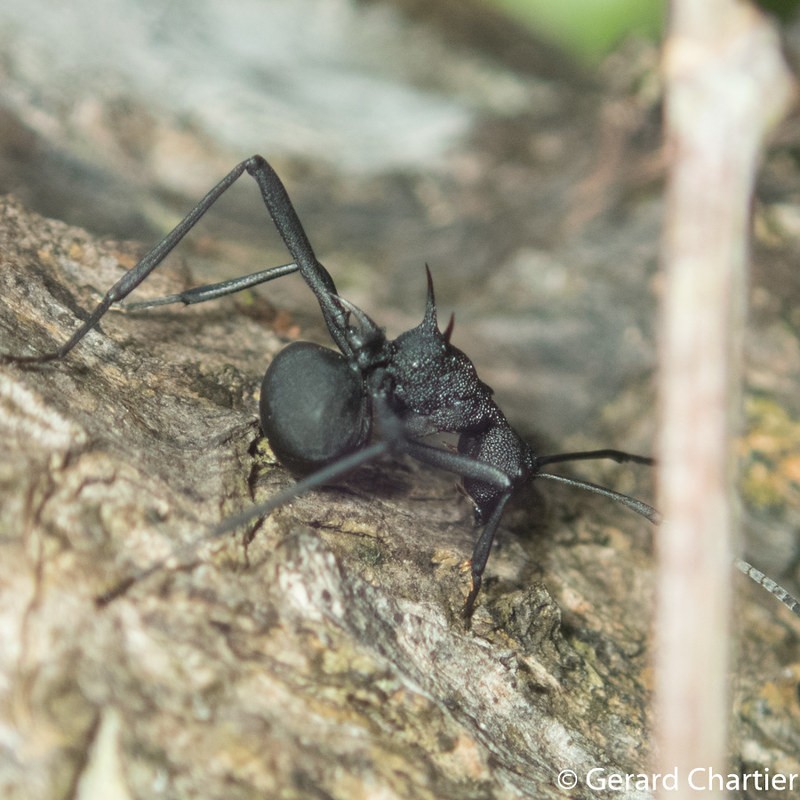
The yellow crazy ant (Anoplolepis gracilipes) needs to sit down with a warm glass of tea, as it tends to become erratic when disturbed. It is considered to be on the list of the top 100 most invasive species list on the International Union for Conservation of Nature (IUCN). When they enter a new location, their aggressive behavior allows them to dominate the ecosystem.
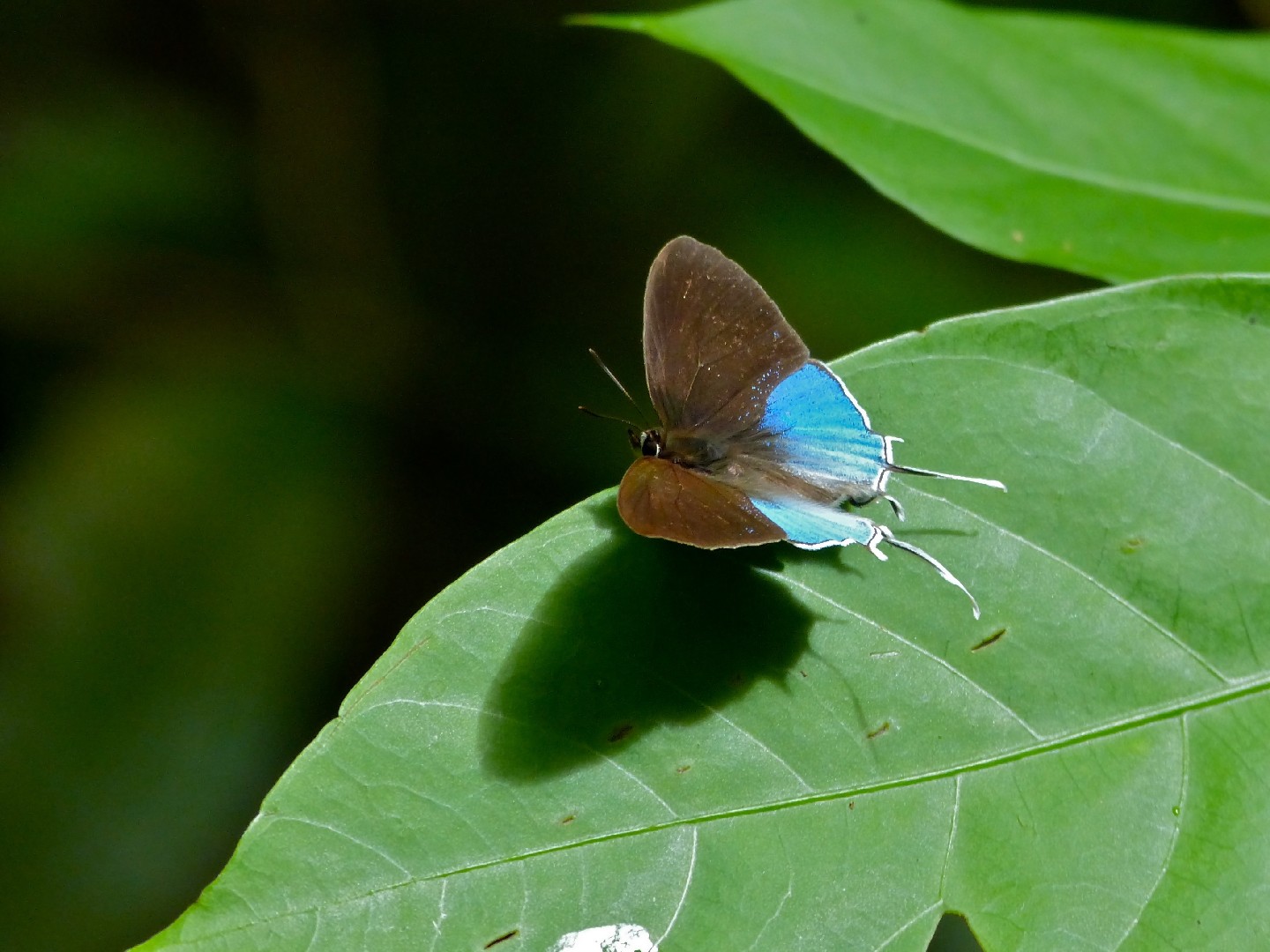
7. Common posy
Drupadia ravindra has a wingspan of about 3 - 3.5 cm. On the upperside the forewings of males are dark brown, while the hindwings are metallic blue. The females lack the metallic sheen. The underside of the hindwings of these butterflies show a pattern of black markings on a white background, while the forewings are orange. On the hindwings there are long tails.
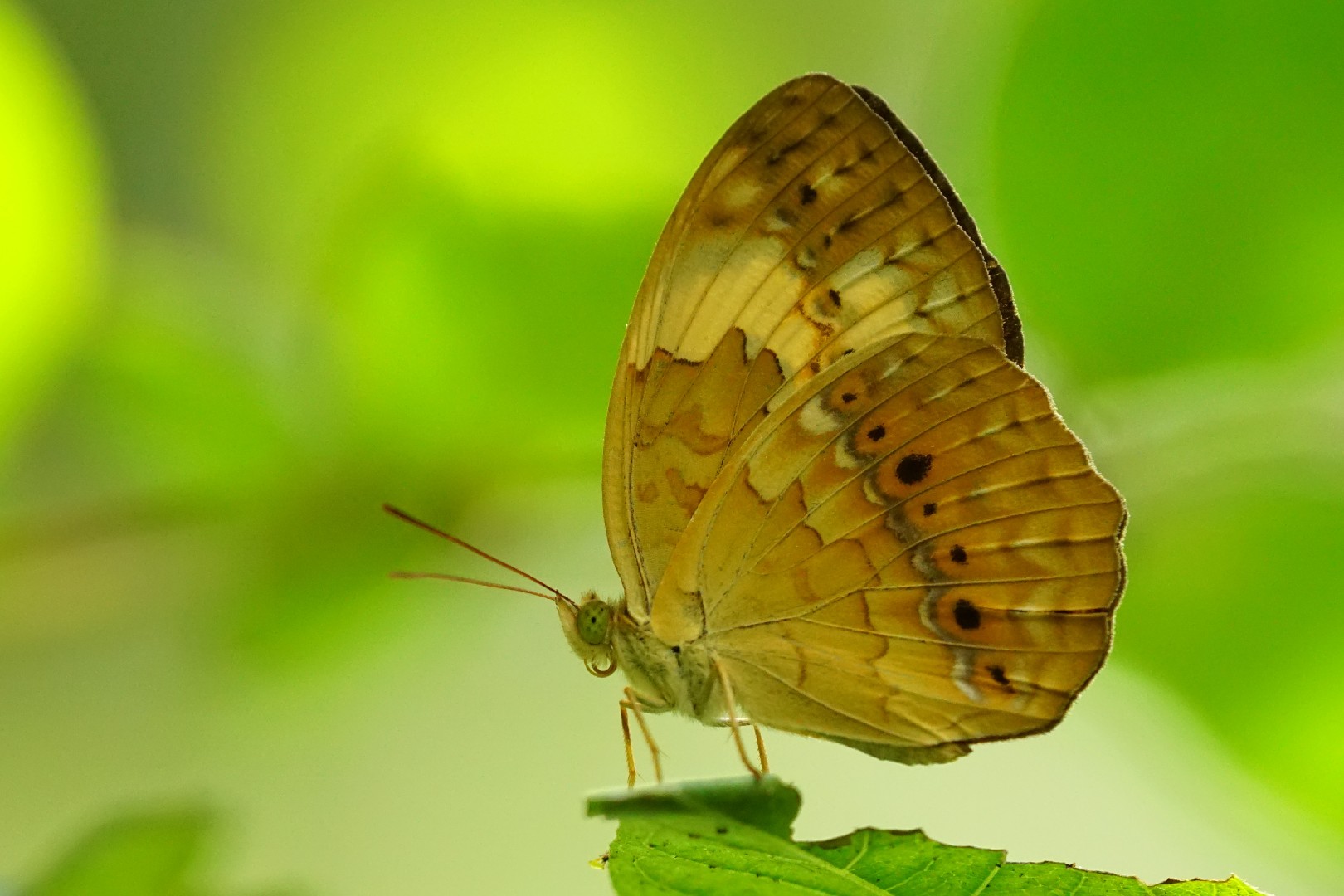
8. Rustic
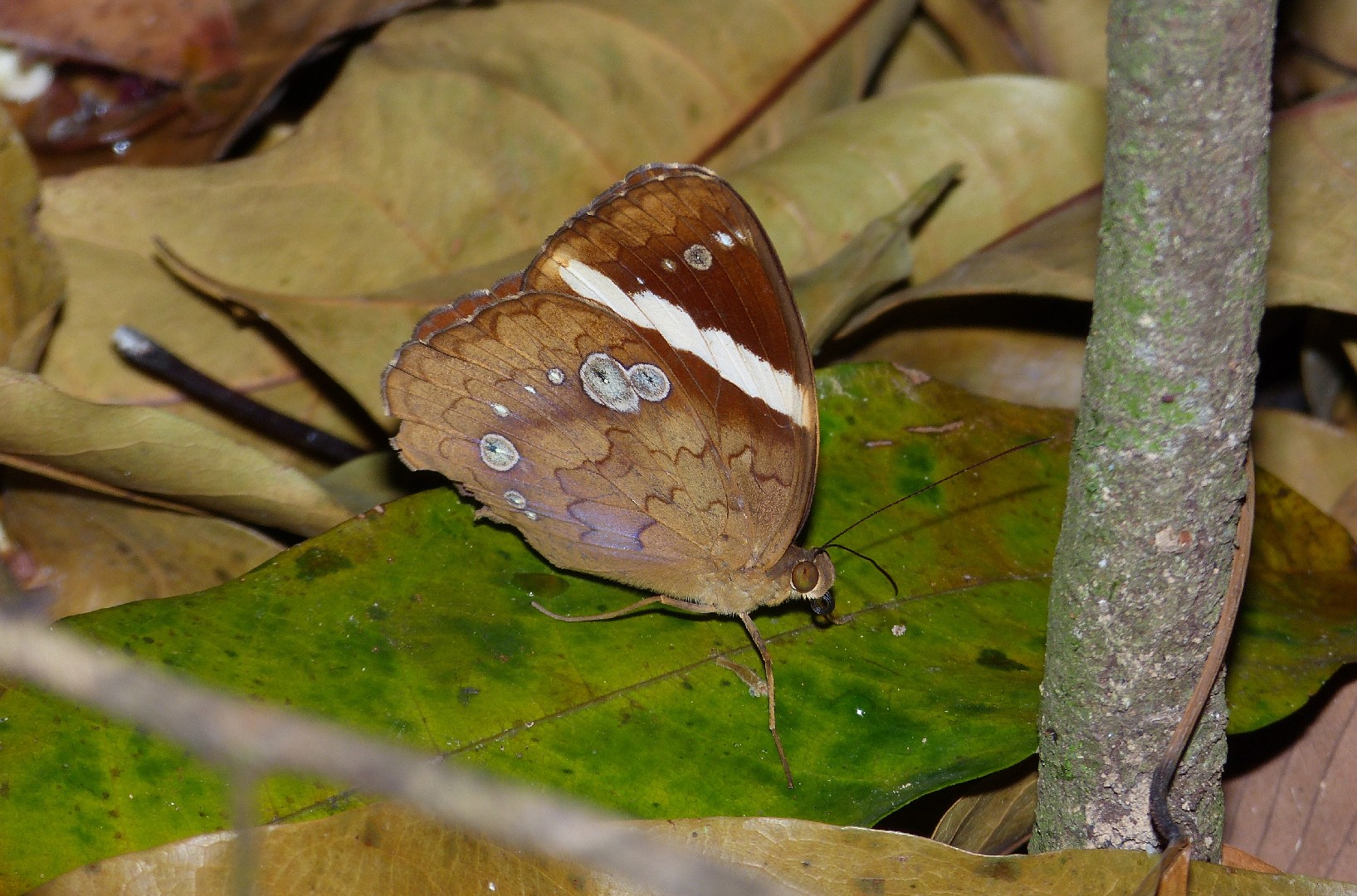
The upperside of the rustic is ochraceous light brown. Its forewing displays some loop-like, slender, dark cellular markings with a broad, somewhat curved, transverse yellow discal band from costa to vein 1. The band does not reach the termen but broadens posteriorly.The margins of the forewing are irregularly sinuous, with the inner defined broadly with black, and produced outwards in interspaces 3 and 4. Below this, the margin is squarely indented inwards in interspace 2 and outwardly convex in interspace 1. There is a curved series of three black spots. The largest is in interspaces 1, 2 and 3. The apical area beyond the band is black, with a conspicuous yellow subapical spot in interspace 5, and a paler ill-defined similar spot above it in interspace 6. In the posterior, the black area is produced narrowly to the tornus and encircles a yellow spot near the apex of interspace 2. The hindwing features a transverse sinuous and very slender black line. This line is followed by a slender and somewhat lunular line; a transverse discal series of five black spots in interspaces 2 to 6; a postdiscal medially disjointed series or broad black lunules; a subterminal series of similar but straighter lunges; and a narrow terminal black band. The outer subbasal transverse line broadens at the costa, and is outwardly margined by pale spots in the interspaces. These are anteriorly white and well defined, and posteriorly obscure or often absent. The underside of the wing is much paler. The discal band on the forewing is pale, and the black lunules on the apical area are replaced by pale brownish ochre. There are some obscure markings in the cells of both the forewings and hindwings. Markings on the forewing include a discal, transverse, slender, chestnut-brown lunular line, bent inwards above vein 5, and bordered outwardly by a series of dark spots. The large black spot in interspace 1 is the same as that on the upperside. There are inner and outer transverse subterminal series of small dentate spots. On the hindwing are indistinct cellular markings. The outer subbasal dark transverse line is similar to that on the upperside, but is more clearly defined and very sinuous. There is a transverse discal series of uneven lunules, paler than the ground colour, followed by a series of dark spots. There is a postdiscal very obscure pale lunular band, and a subterminal series of dentate dark spots, often obscure or obsolescent. The antennae, head, thorax and abdomen are ochraceous brown. Beneath, the palpi, thorax and abdomen are a very pale ochraceous white. The caterpillar is brown, with a dorsal and lateral series of darker brown markings. The head has two slender branched spines. Succeeding segments on either side feature a lateral series of semitransparent similar brown spines. The pupa is green, studded with eight slender pink filaments and four small pink tubercles.
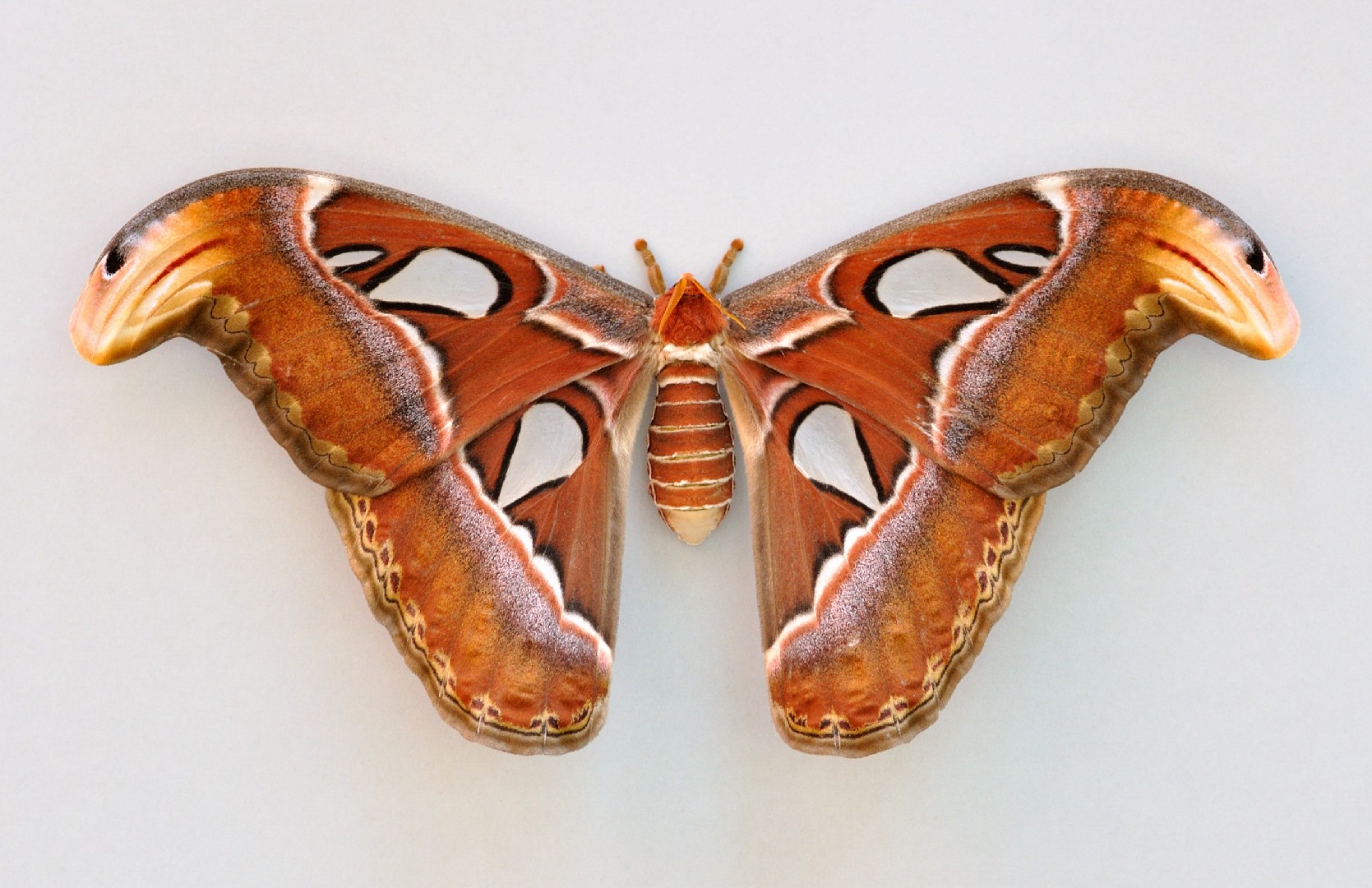
9. Atlas moth
While the atlas moth (Attacus atlas) can't tell you where to find your country on the map, it does earn its name through other means. It is one of the largest moths in the world, with a wingspan that is far larger than its body, creating an abnormal comparison. In India, their silk is gathered in a non-commercial capacity and is considered to be more durable than the domestic silkworm.

10. Lesser jay
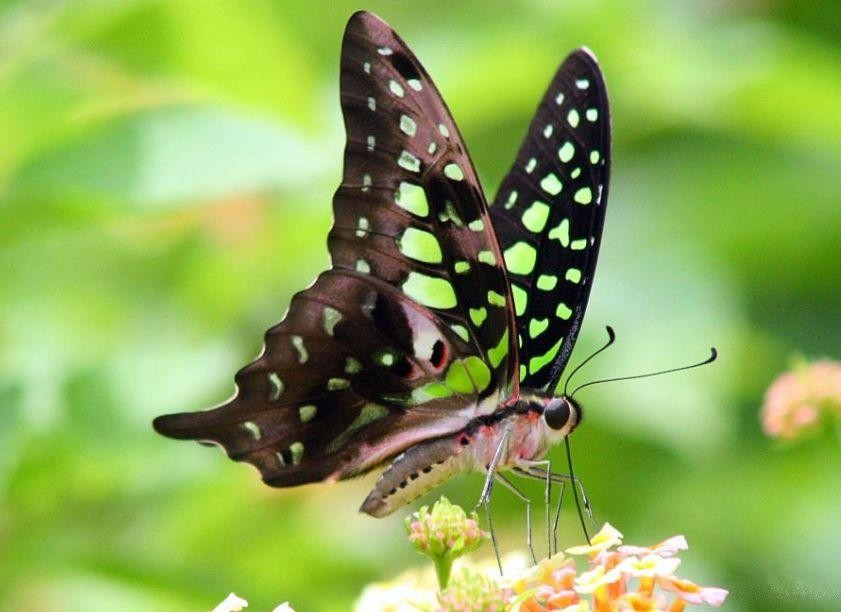
Graphium evemon, the blue jay, lesser jay, or pale green triangle is a species of tropical butterfly found in India, Indonesia, and Malaysia.



More