




Top 20 Most Common Insects in Nayarit
Dive into the fascinating world of insects in Nayarit! From distinctive features to specialized habitats nestled among varying geographical locations, insect diversity truly shines in this region. Insects play pivotal roles in our ecosystem, acting as both, essential pollinators and unwanted pests. Our intriguing list of 20 most common insects uncovers the intimate bond between this state's environment and these remarkable creatures. Stay curious!

Most Common Insects
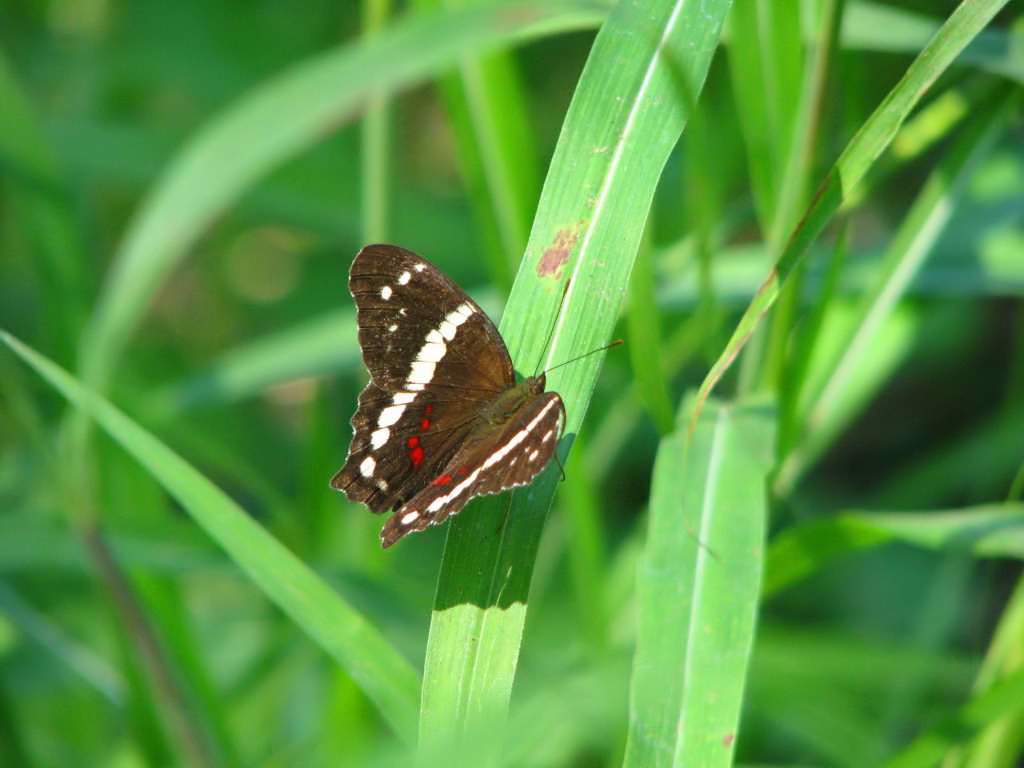
1. Banded peacock
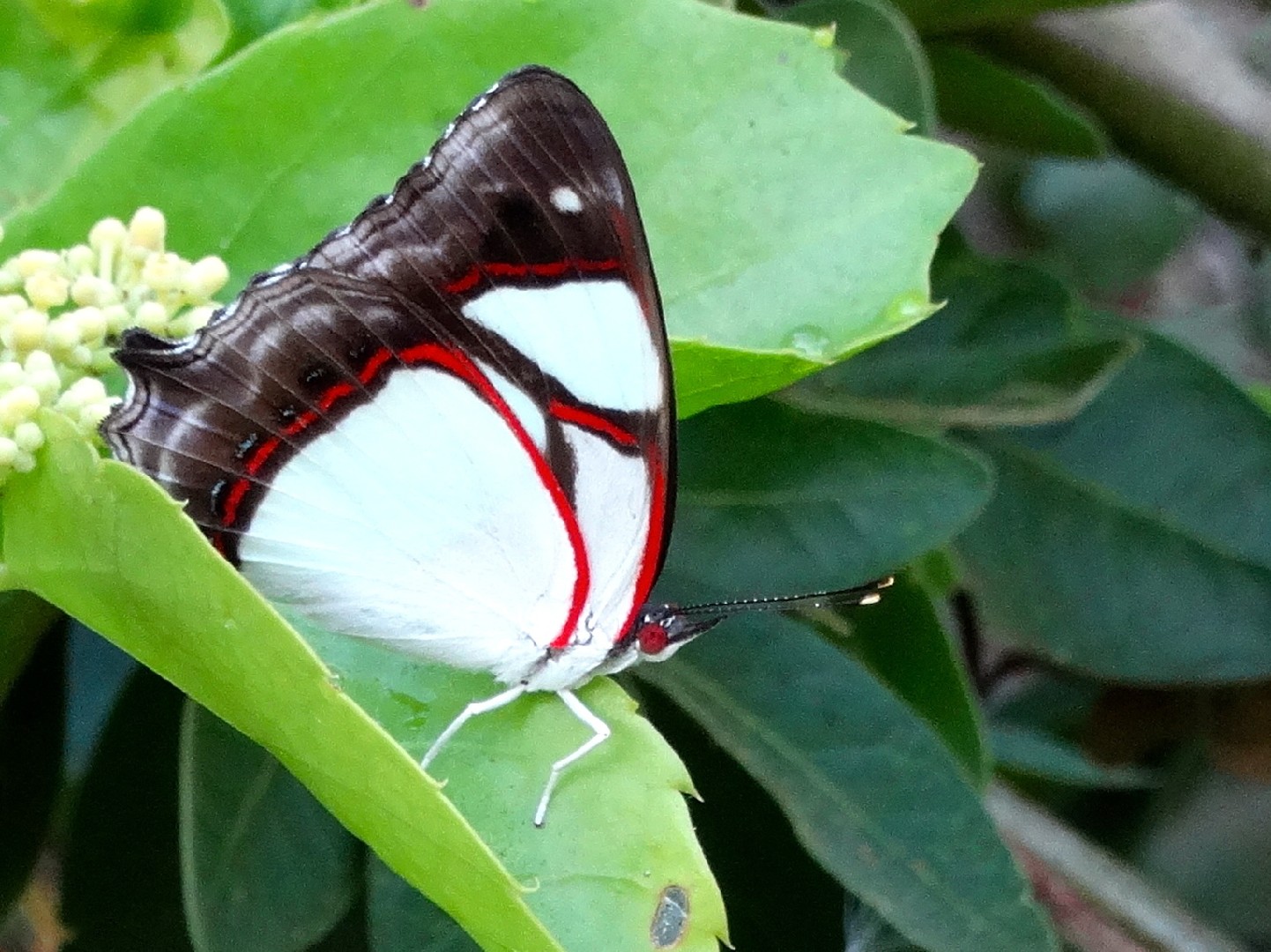
The wingspan of the moths is 60 to 70 millimeters. The basic color of the wings is black-brown to black. On the front wing top, a white, sometimes yellowish bandage extends through the Diskalregion, which continues on the hind wings. Near the apex, some small whitish spots are highlighted. The hind wings show some striking red, sometimes orange spots. The tail at the Analwinkel are very short. All wing bottoms show similar drawing elements as the tops, but these are paler and weaker.
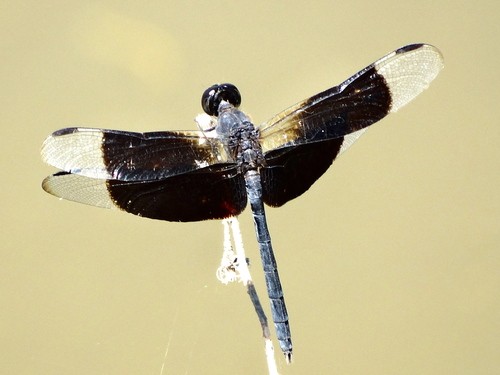
2. Black-winged dragonlet
The Erythrodiplax funerea is a dragonfly species of the genus Erythrodiplax from the subfamily Sympetrinae. It occurs in Central America, Ecuador and Colombia.
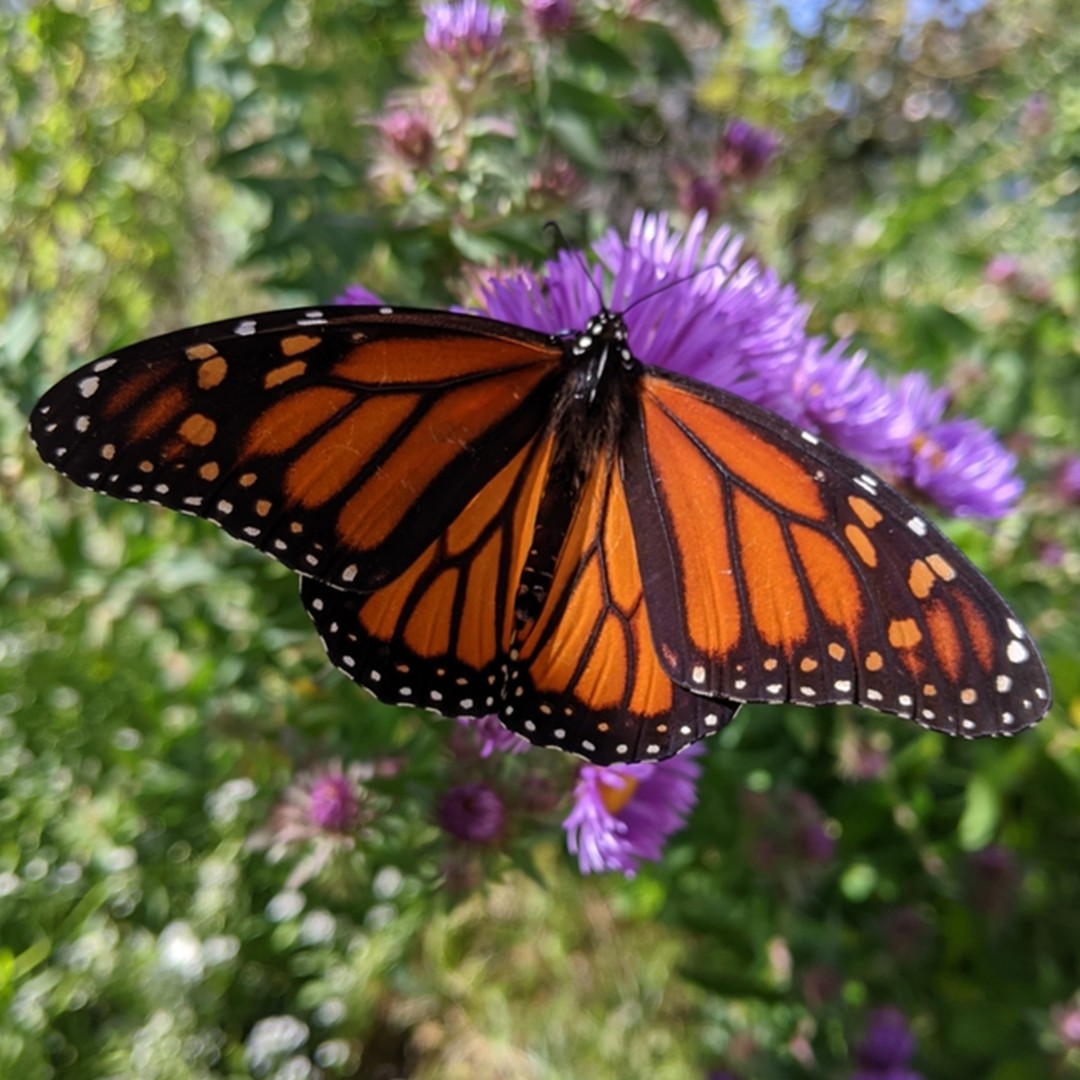
3. Monarch butterfly
The monarch butterfly (Danaus plexippus) is the most recognizable butterfly in North America. It is best known for its appearance, but should be better known for the fact that it has a 3000-mile migration that takes the butterfly 4 generations to complete. Their diet is also a natural deterrent for predators, as they eat milkweed, a poison that induces vomiting.
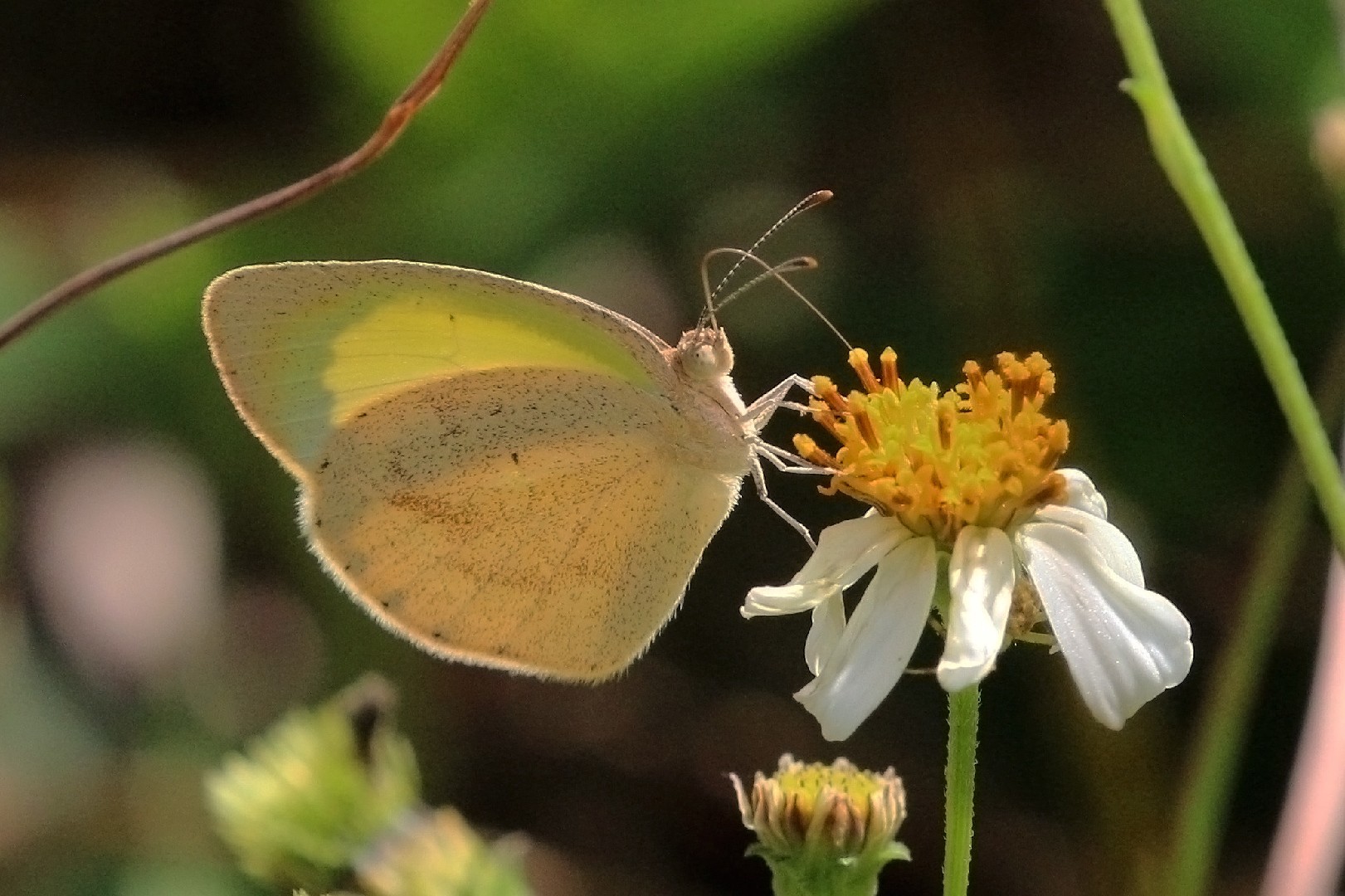
4. Barred yellow
The wingspan is 3 - 4 cm. 
5. Western honey bee
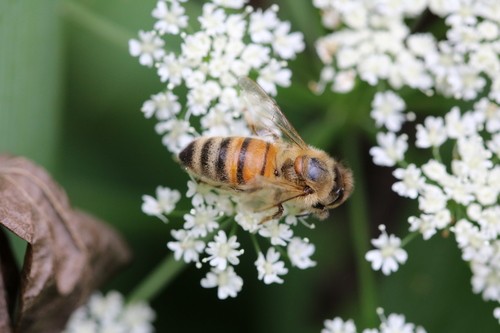
Western honey bee(Apis mellifera) is the most common species of honeybee in the world. Among the first domesticated insects, its cultural and economic impact on humanity has been vast and far-reaching, providing honey, wax and its services as a pollinator. Western honey bee faces challenges worldwide, such as colony collapse disorder, and populations are thought to be decreasing.
6. White peacock
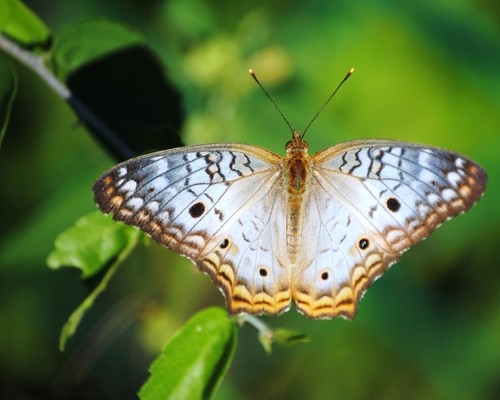
The wingspan of the moths is 51 to 70 millimeters. The basic color is whitish. On the forewings there is a black, circular spot near the inner angle. At the front edge, two to three oblong, yellow-brown spots stand out. The Submarginalregion is also yellow-brown colored and crossed by dark lines. On the hind wings are two more small, black, circular spots near the tawny and dark-colored submarginal region. A short tail is more or less strong. The wing underside shows similar drawing elements as the top, but these are paler and weaker pronounced.
7. Roseate skimmer
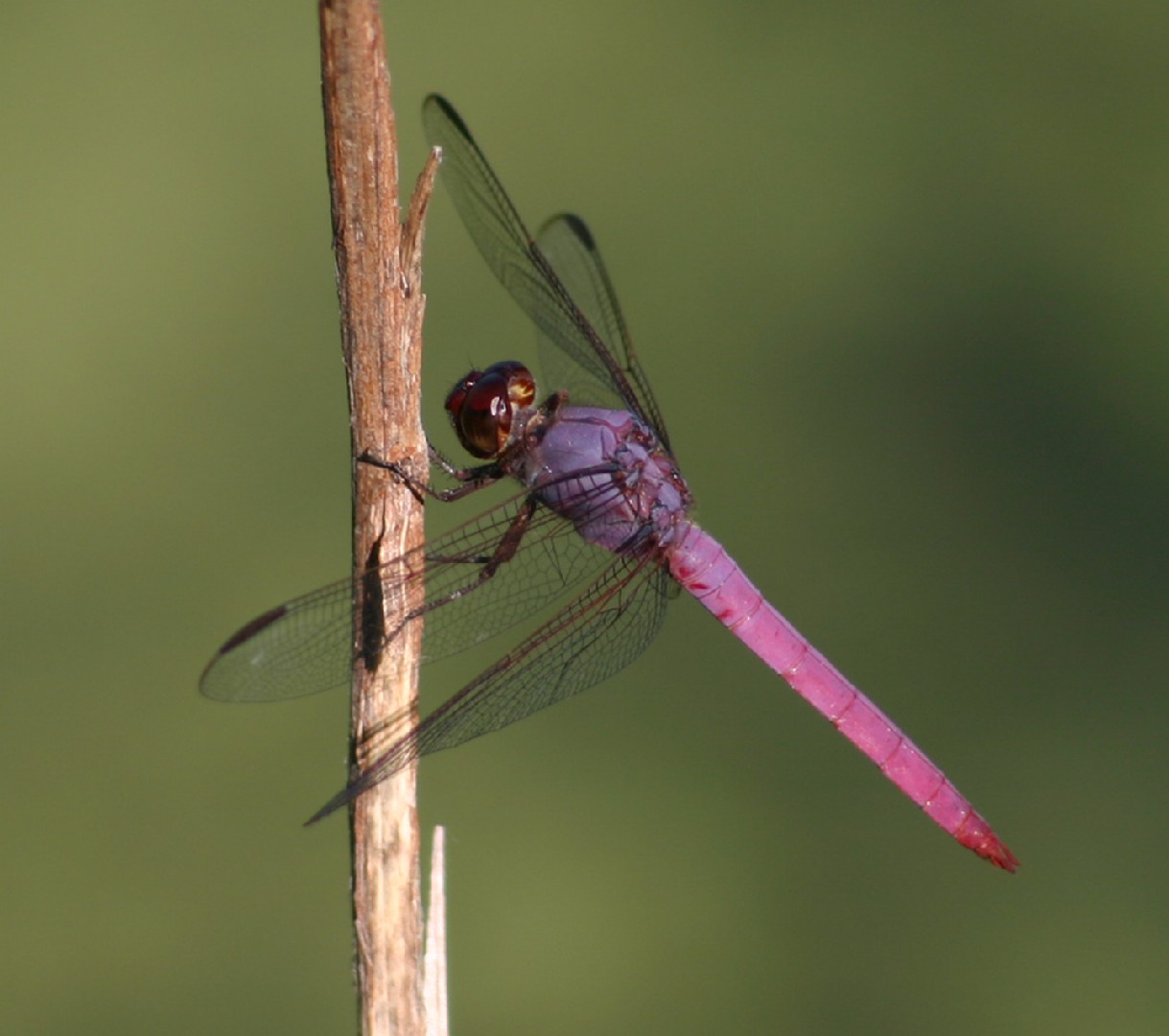
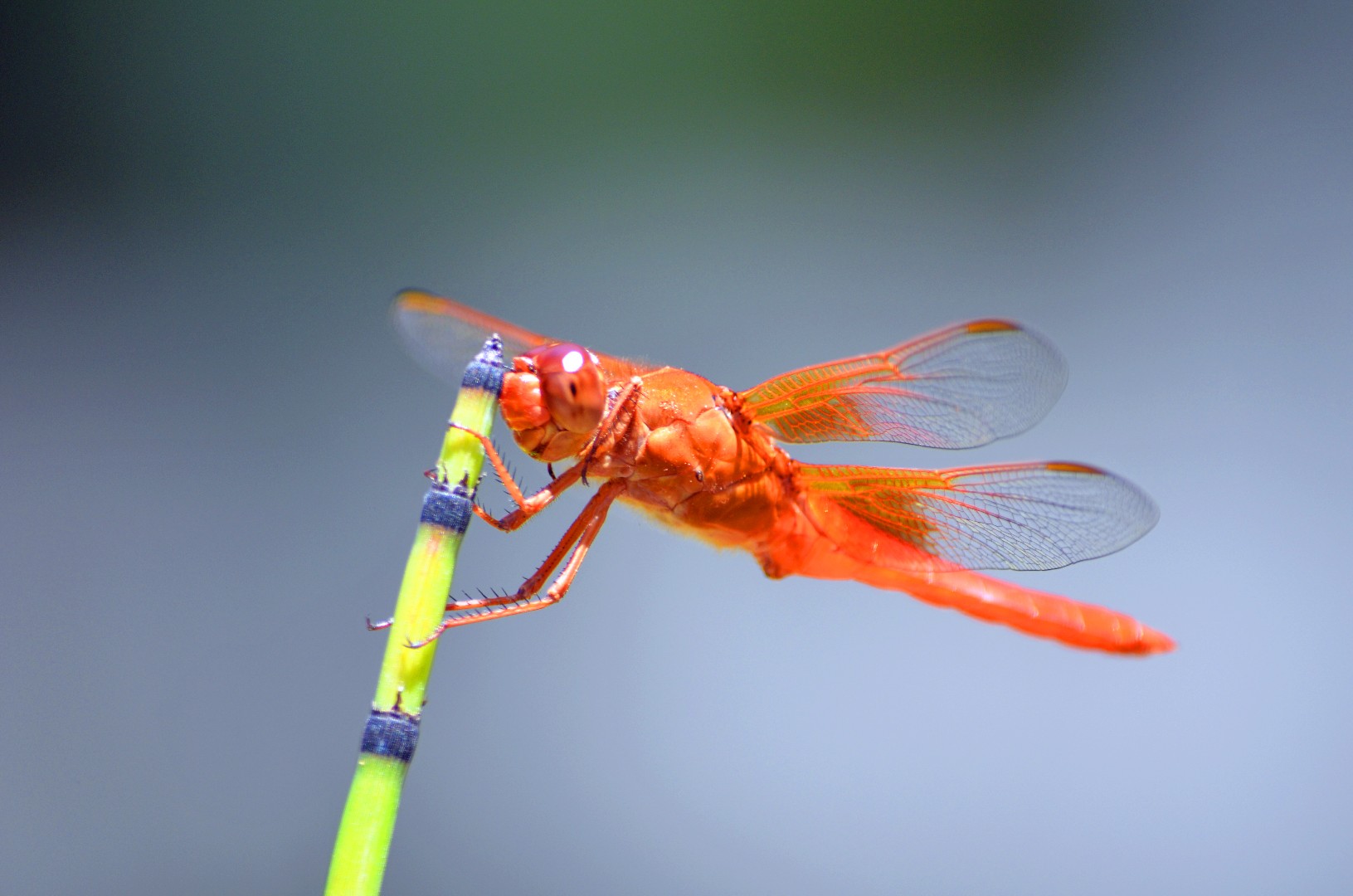
The male of the species has a rose pink and red abdomen. The female has an orange-brown abdomen with clear orange veins and a brownish thorax with a light stripe down the back. The wings are normally clear except for brown pterostigmata at the leading edges. Its 4.5 - 6 cm in length with a wingspan of 3.5 - 4.5 cm long.
8. Red postman butterfly
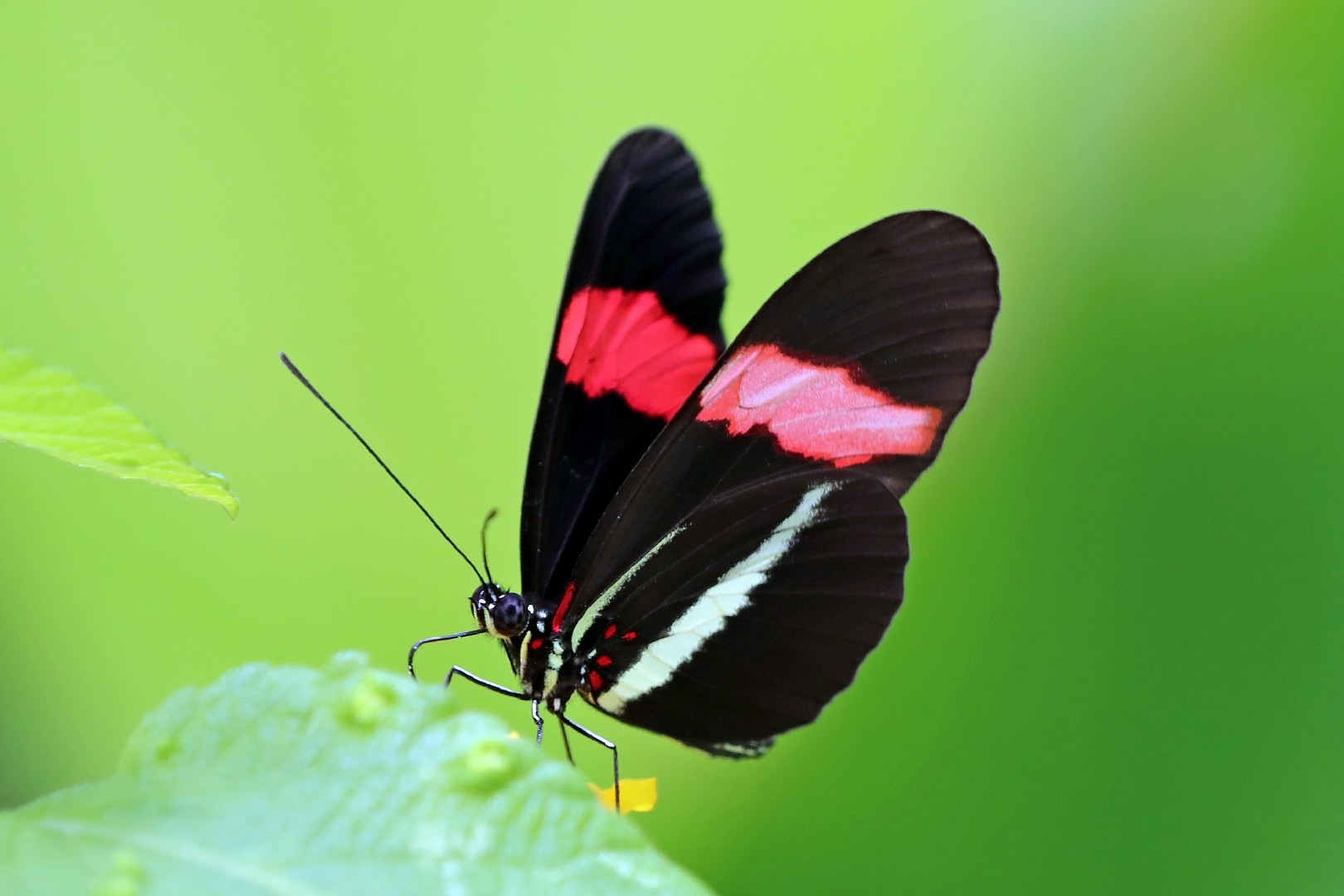
The red postman butterfly (Heliconius erato) is a beautiful black and white butterfly that is a skilled actor. It exhibits mimicry to resemble a butterfly similar to the Common postman to deter predators. Also, its favorite host plants are passion flowers. But it has been known to be picky about the quality of the flower.
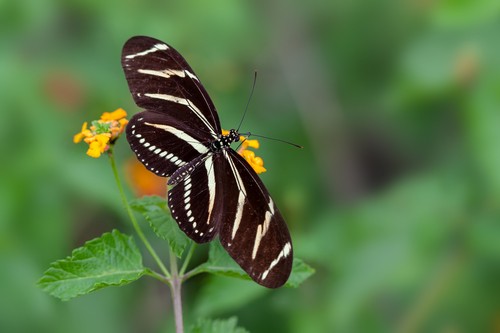
9. Zebra longwing
The zebra longwing (Heliconius charithonia) is a beautiful butterfly that has a texture resembling a zebra. They feast and pollen and nectar, using the pollen to produce chemicals that poison predators if they are eaten, deterring most predators from attack. Unfortunately, their populations have been decimated after being caught in the crossfire of sprays meant to control mosquitos.
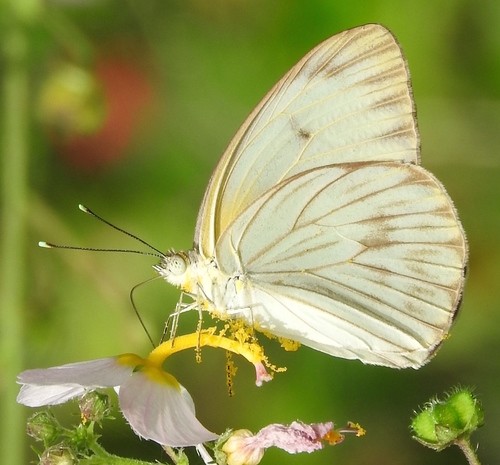
10. Great southern white
In this species the sexes may differ with the female being either light or dark colored.Larvae have distinct body segments within which there appears to be four to six subsegments. They are purplish-green with two longitudinal, greenish-yellow stripes on each side and the dorsal side. When full-grown, they are approximately 3 cm long.The wingspan in adults is 6 - 9 cm.
More







