




Top 20 Most Common Insects in Cozumel
Insects, the tiny, yet incredibly diverse inhabitants of our planet, have carved out homes in every environment within Cozumel. From dense jungles to white-sand beaches, distinct habitats cultivate unique insect societies. Nature's unassuming janitors, pollinators and predators, these tiny creatures play a monumental role in our ecosystems. Our list of the 'Top 20 Most Common Insects' illustrates the astounding variety within Cozumel, illuminating fascinating relationships between insects and their wild or urban landscapes.

Most Common Insects
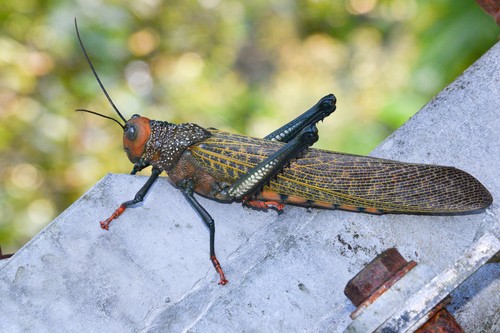
1. Giant red-winged grasshopper
The giant red-winged grasshopper is one of the largest insects in the world! They are herbivores and if put in large numbers, can decimate crops. Interestingly, they can use their wings to create vibrations in order to attract females. The adult giant red-winged grasshopper has leaf-like wings which help the species to camouflage very well in vegetation.
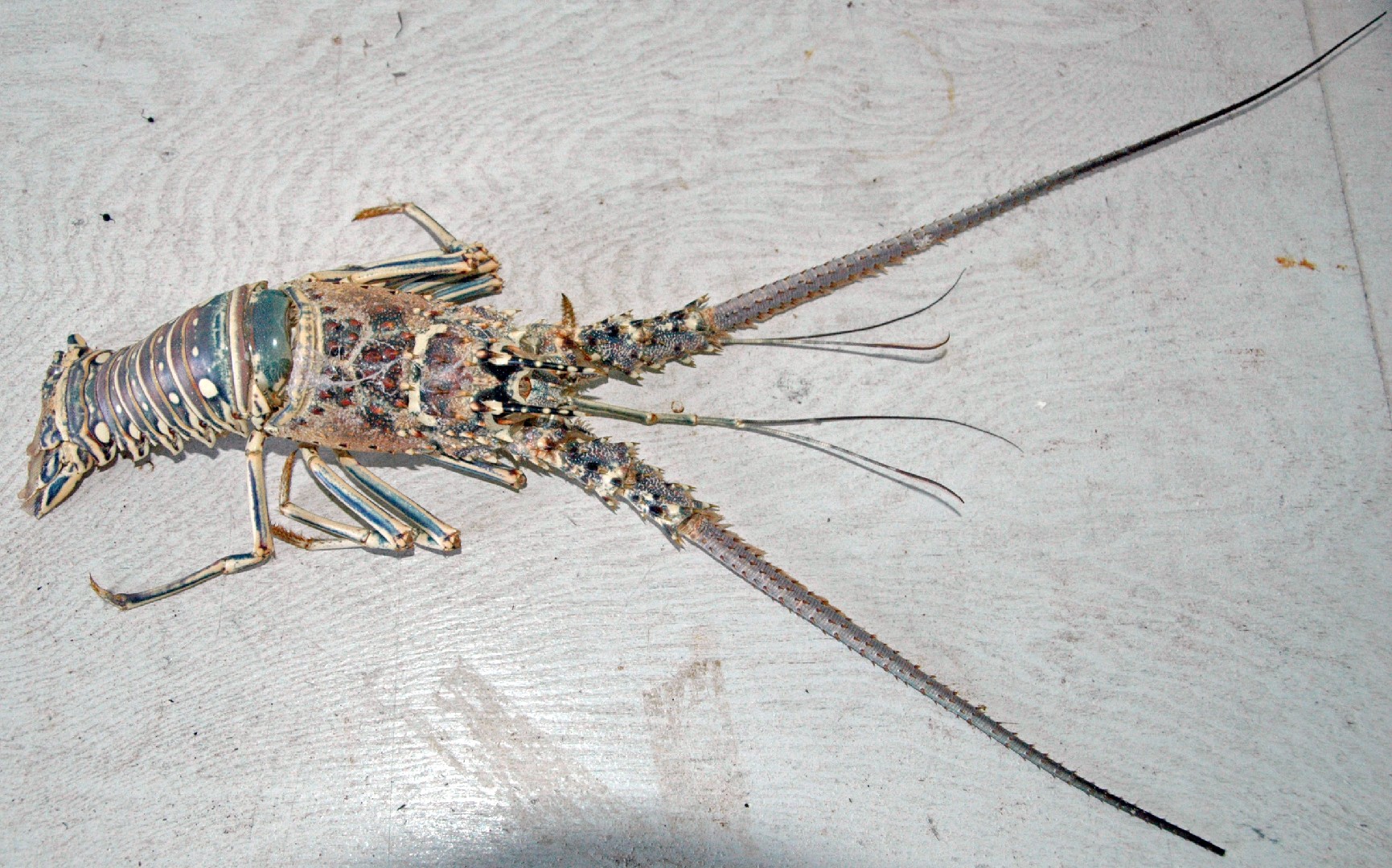
2. Caribbean spiny lobster
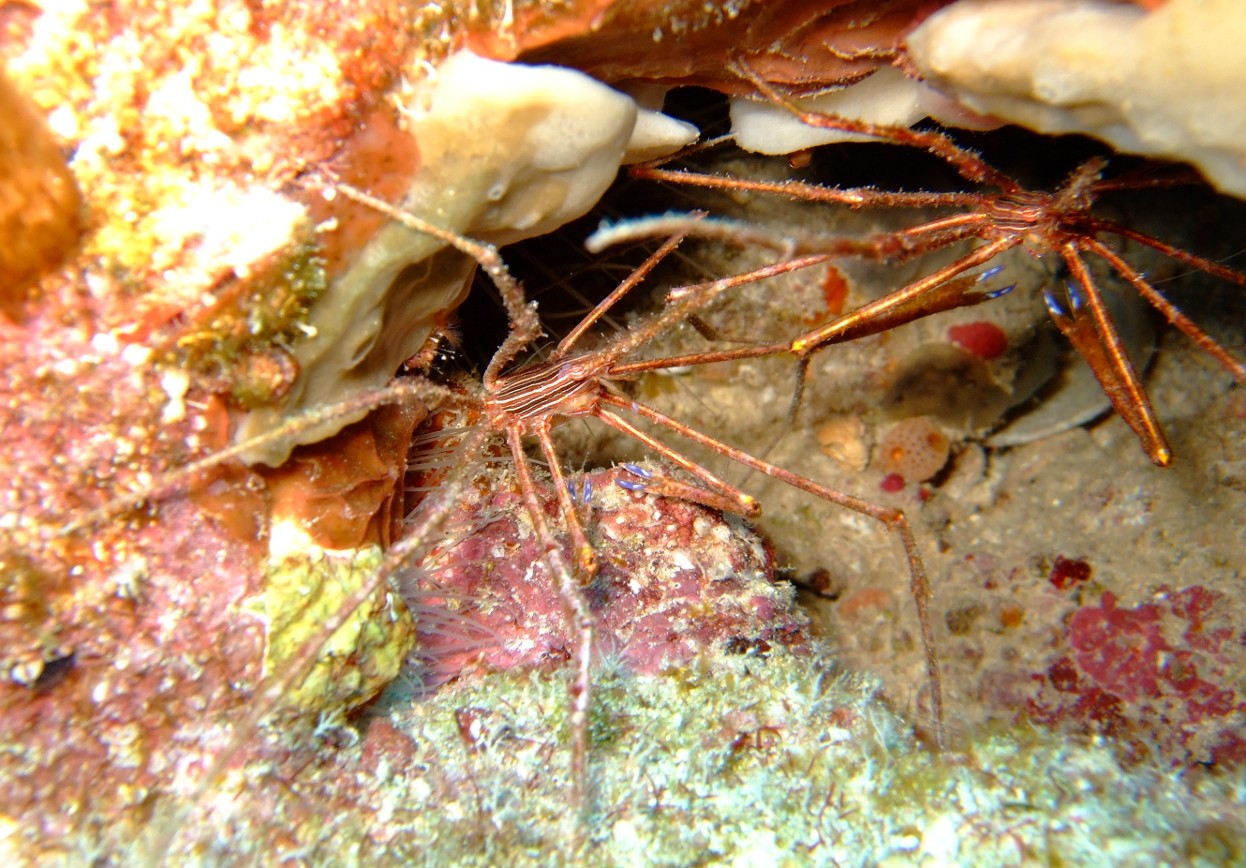
Caribbean spiny lobster (Panulirus argus) is a crustacean found in reefs and mangrove swamps in the western Atlantic Ocean. It is the most commonly harvested Panulirus species in the Caribbean region, highly valued for its meat. It is nocturnal and lives a relatively secluded lifestyle hiding in various shelters. Still, odd migrations of hundreds of individuals lined up and marching on the seafloor happen from time to time near Florida and the Bahamas.
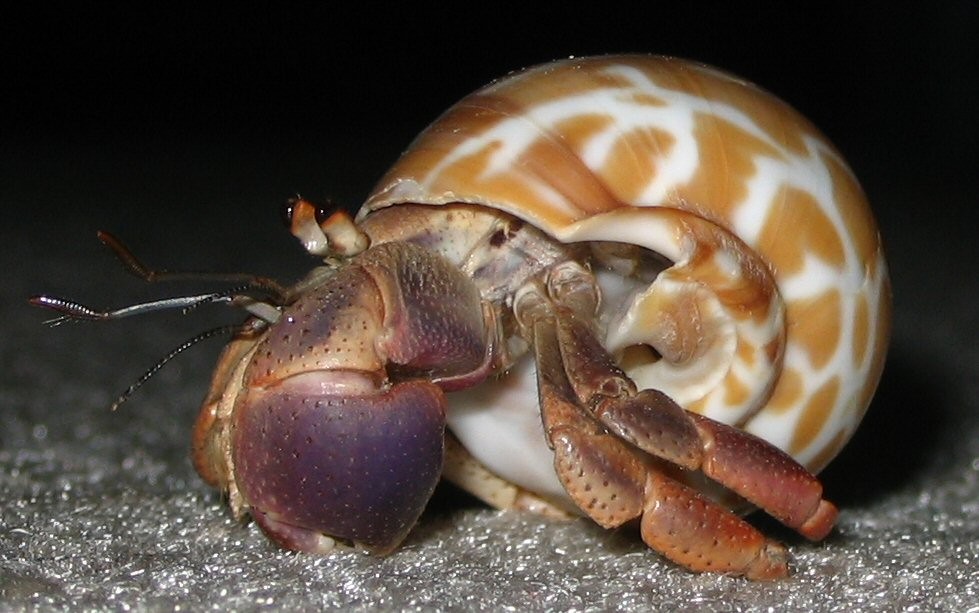
3. Caribbean hermit crab
Caribbean hermit crab (Coenobita clypeatus) is a land hermit crab found in many parts of the western Atlantic and the Caribbean sea. This herbivorous and scavenging crab uses modified gills to breathe air. It prefers the shells of West Indian top snail (Cittarium pica). The caribbean hermit crab is one of the two species of hermit crabs found in the pet trade in the US.
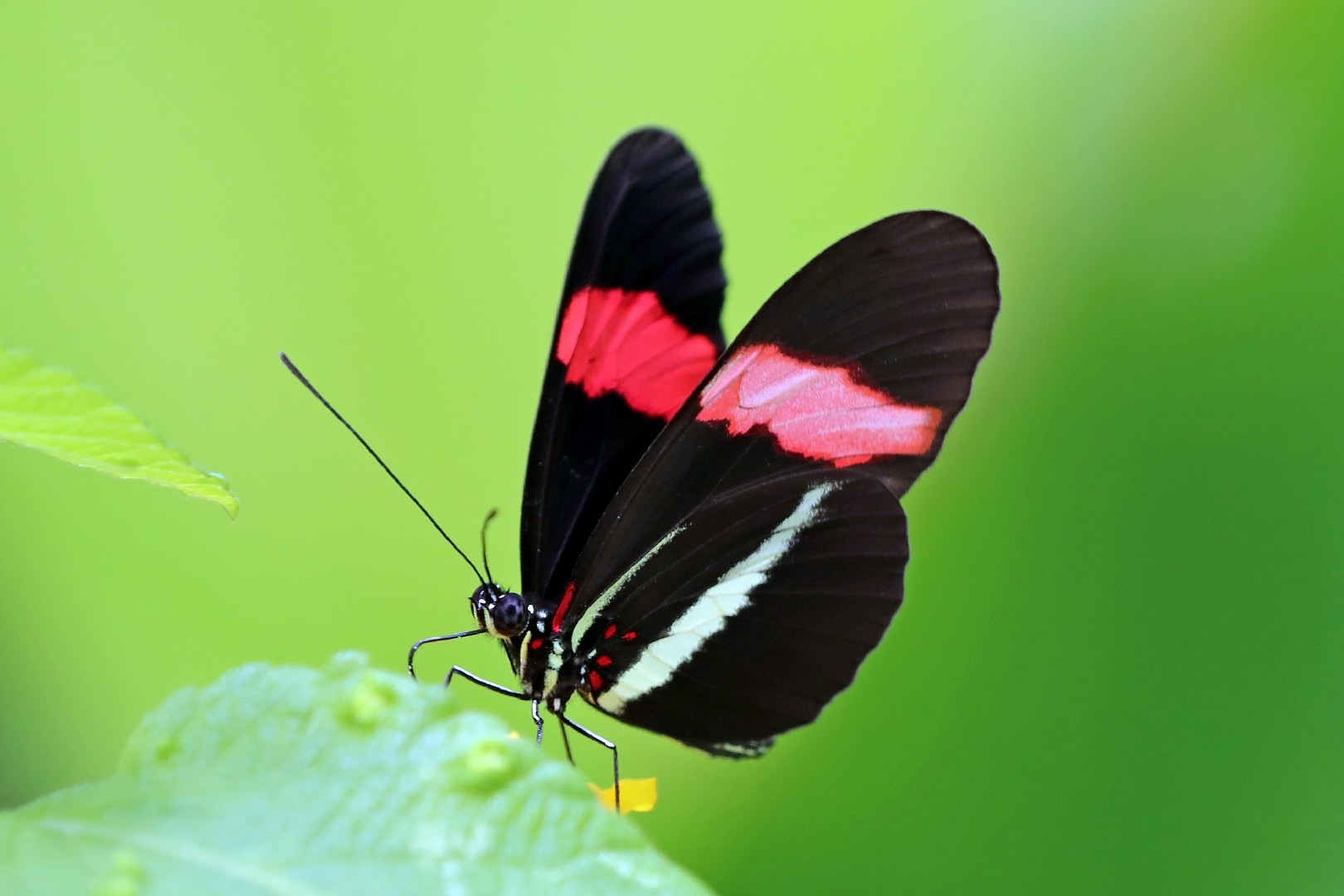
4. Red postman butterfly
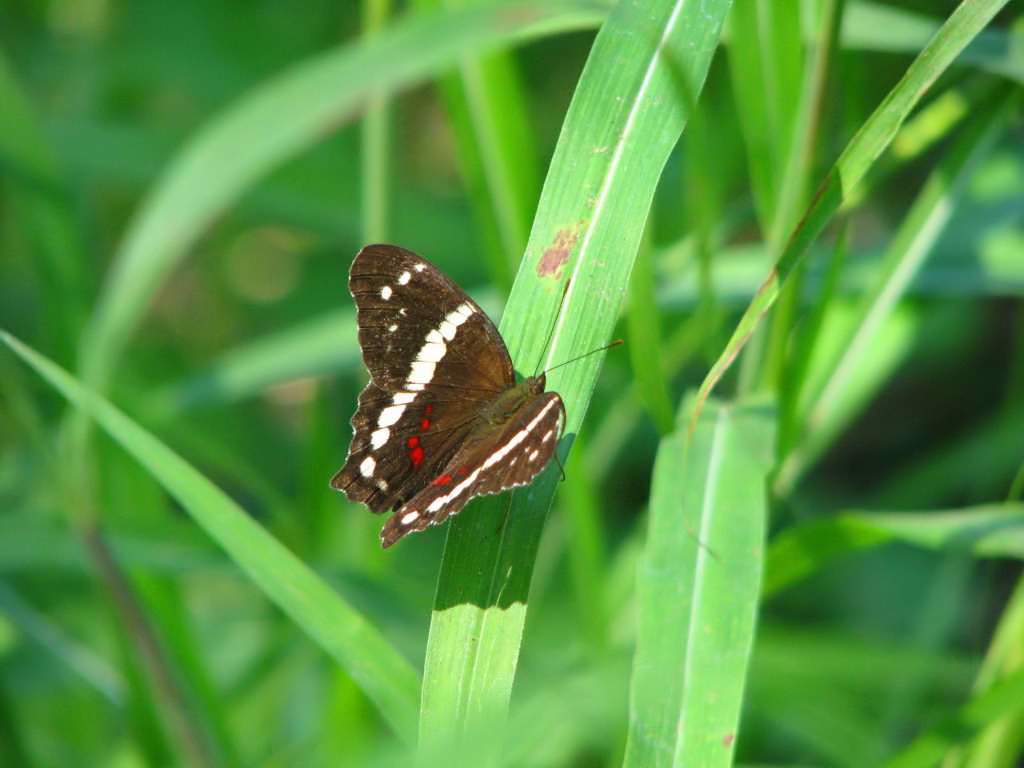
The red postman butterfly (Heliconius erato) is a beautiful black and white butterfly that is a skilled actor. It exhibits mimicry to resemble a butterfly similar to the Common postman to deter predators. Also, its favorite host plants are passion flowers. But it has been known to be picky about the quality of the flower.
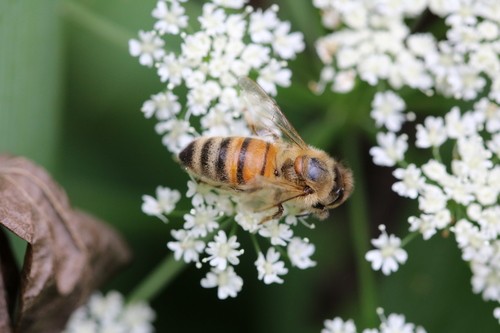
5. Western honey bee
Western honey bee(Apis mellifera) is the most common species of honeybee in the world. Among the first domesticated insects, its cultural and economic impact on humanity has been vast and far-reaching, providing honey, wax and its services as a pollinator. Western honey bee faces challenges worldwide, such as colony collapse disorder, and populations are thought to be decreasing.
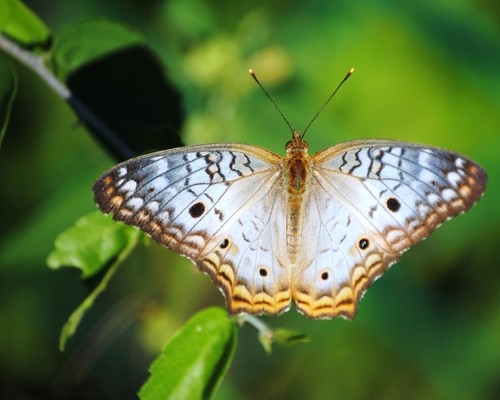
6. White peacock
The wingspan of the moths is 51 to 70 millimeters. The basic color is whitish. On the forewings there is a black, circular spot near the inner angle. At the front edge, two to three oblong, yellow-brown spots stand out. The Submarginalregion is also yellow-brown colored and crossed by dark lines. On the hind wings are two more small, black, circular spots near the tawny and dark-colored submarginal region. A short tail is more or less strong. The wing underside shows similar drawing elements as the top, but these are paler and weaker pronounced.
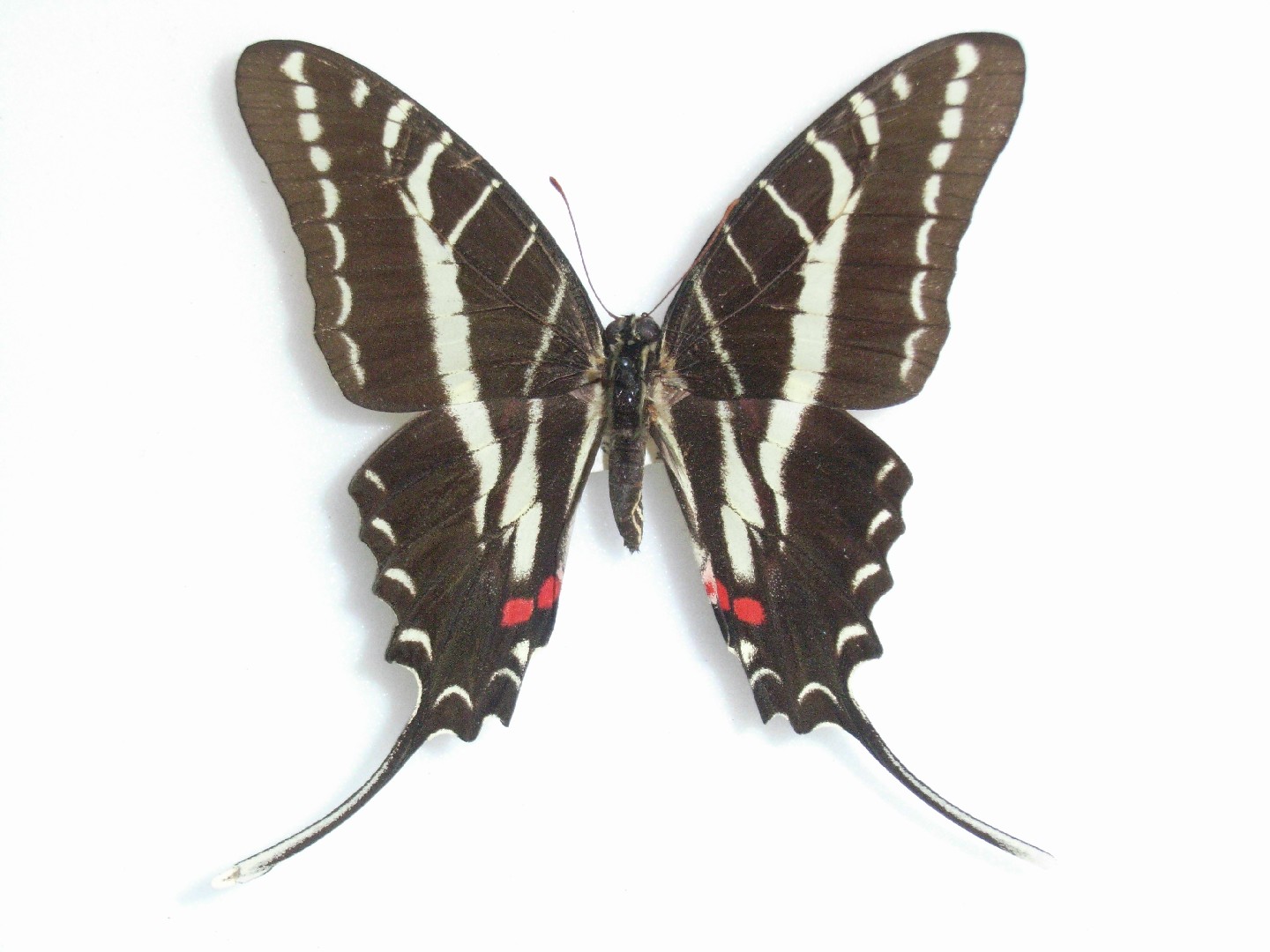
7. Dark zebra swallowtail
The dark zebra swallowtail is named for its striking black and white zebra-like wings, which taper into a long point like a swallow's tail. These butterflies feed on flower nectar, and as such are important plant pollinators. They can be found in low-lying habitats, often beside rivers. 
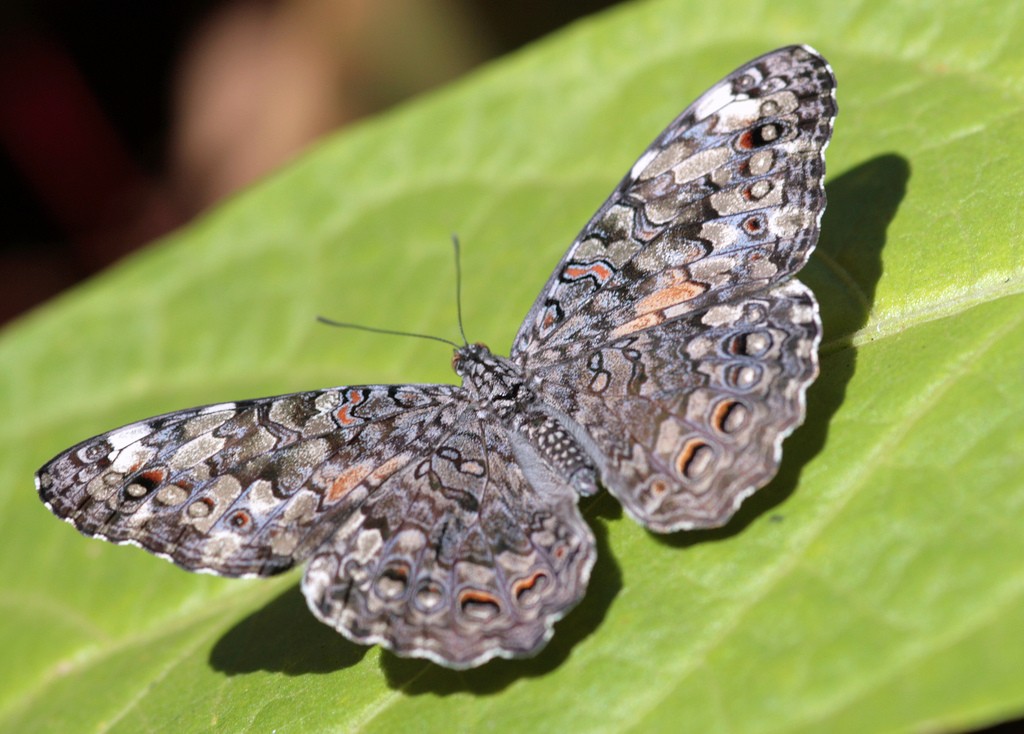
8. Gray cracker
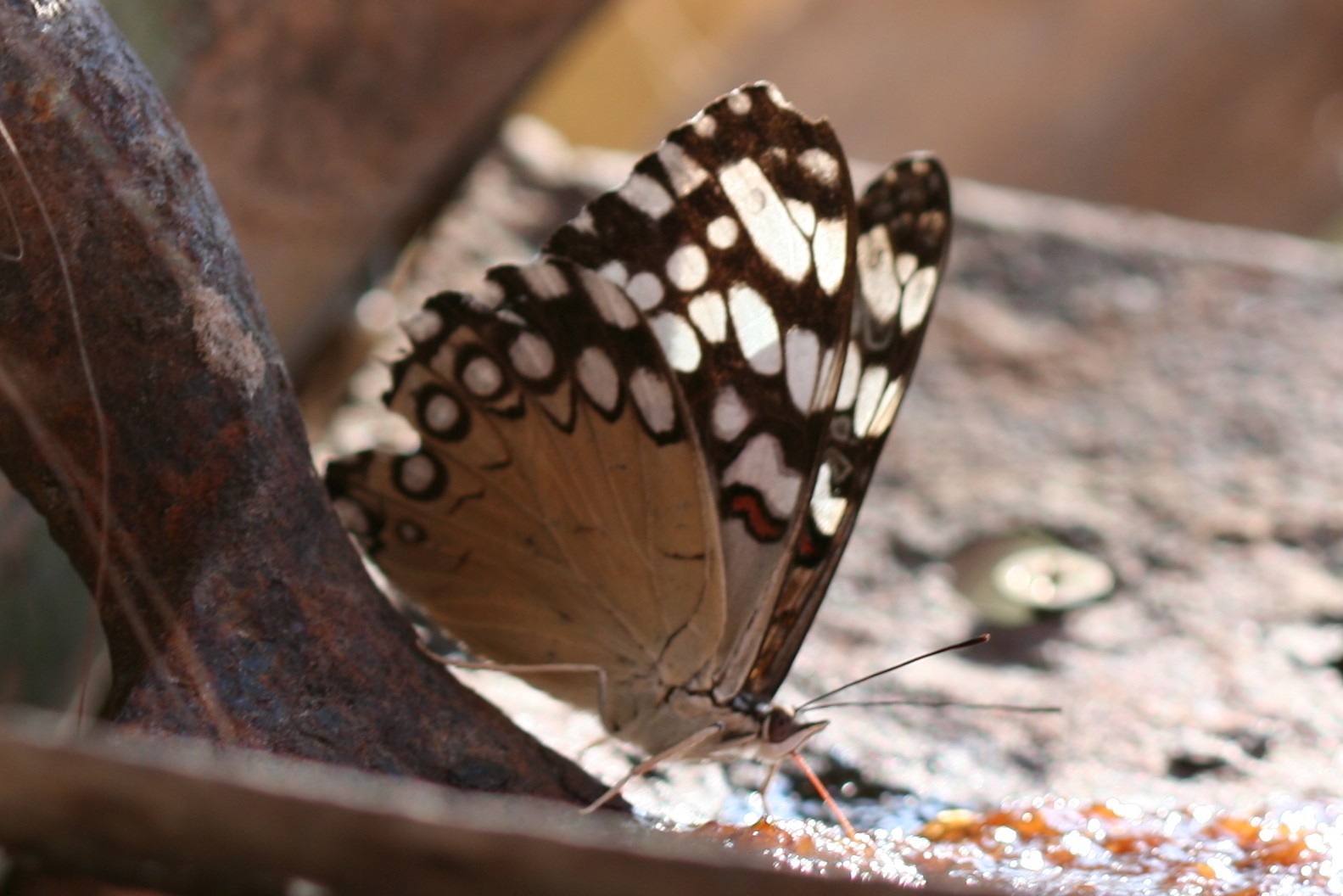
The wingspan is 7 - 9 cm. The upperside is mottled brown and white although there is some red in the forewing cell bar. The hindwing eyespots have orange scales preceding black crescents. The underside of the hindwings is white and the submarginal eyespots are composed of a brown ring around a black crescent in a white center.
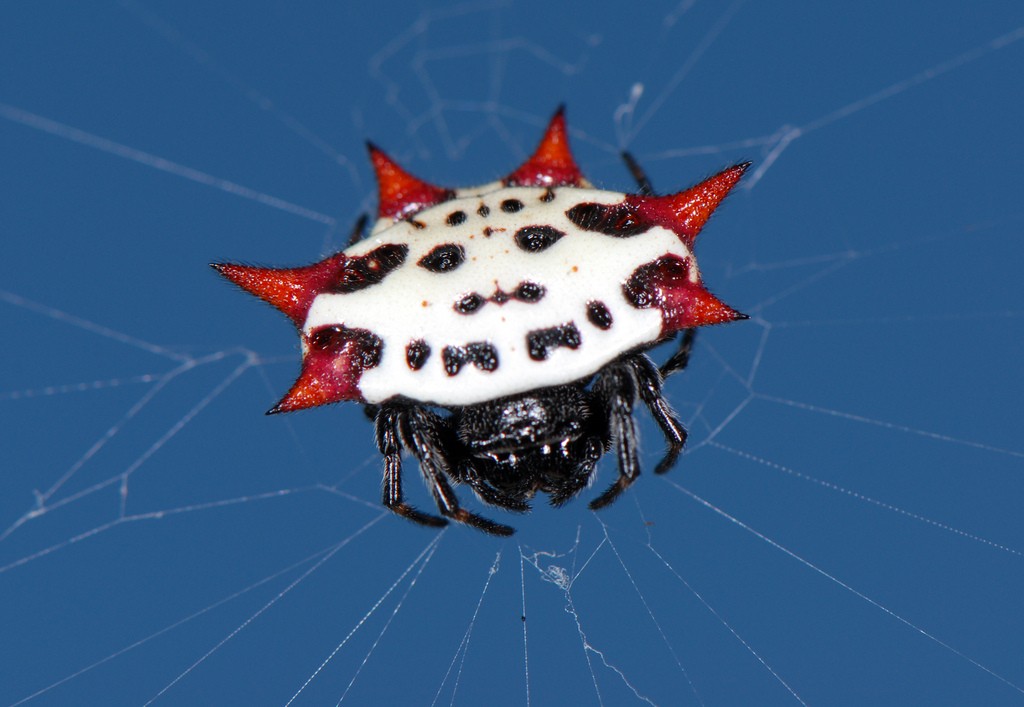
9. Spinybacked Orbweaver
The spinybacked Orbweaver (Gasteracantha cancriformis) has a crab-like structure with six spines on its abdomen. The color of this species varies based on where it lives, and the colors are usually red, orange, yellow, or white. Males and females communicate by creating patterns of vibration on their webs.
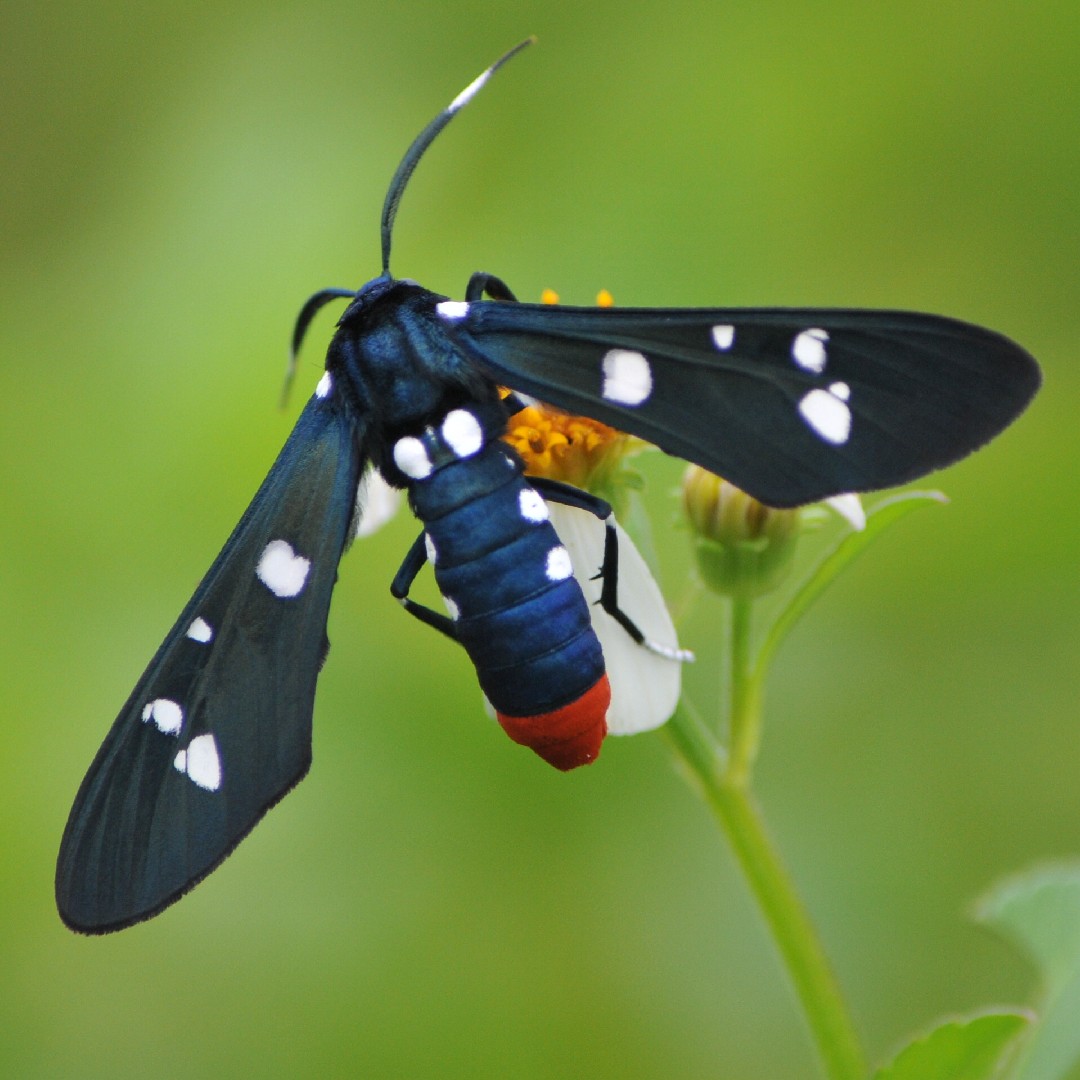
10. Polka-dot wasp moth
The polka-dot wasp moth (Syntomeida epilais) is otherwise known as the polka-dot wasp moth. This is related to its deep blue color being marked with bright polka-dots. Also, it does mimic harmful wasps, which makes it an excellent actor. While it does deter predators, these insects are not harmful. Also, mates can communicate with each other using sound waves.

More







