




Top 20 Most Common Insects in Canterbury
Insects, with their intricate designs and survival tactics, thrive remarkably across Canterbury's diverse landscapes. These tiny creatures, often unnoticed, play vital roles ranging from bio-degradation to soil enrichment. How Canterbury's different geographical features influence insect variety is truly fascinating. This list unveil our top 20 most commonly spotted insects, shedding light on both pests and nature's unsung heroes our ecosystem heavily relies on.

Most Common Insects
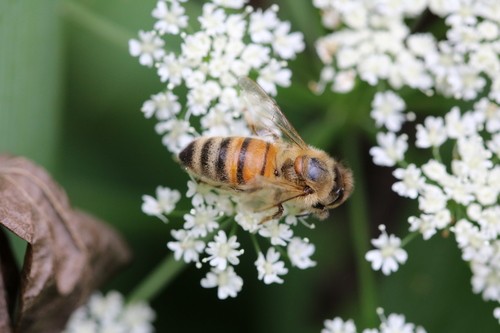
1. Western honey bee
Western honey bee(Apis mellifera) is the most common species of honeybee in the world. Among the first domesticated insects, its cultural and economic impact on humanity has been vast and far-reaching, providing honey, wax and its services as a pollinator. Western honey bee faces challenges worldwide, such as colony collapse disorder, and populations are thought to be decreasing.
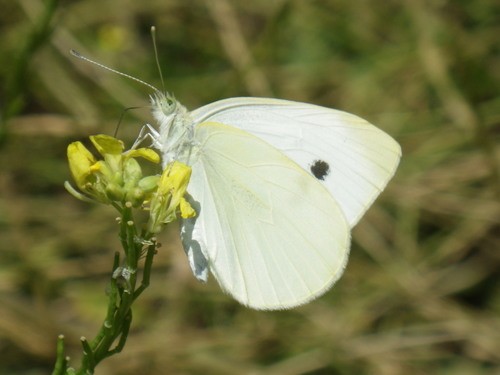
2. Cabbage white
Cabbage white (Pieris rapae) derives its common name from its habits as a caterpillar, which is a ferocious pest for cabbage, kale and broccoli farmers. In North America, it is one of the first butterflies to emerge in spring, heralding the beginning of the season.
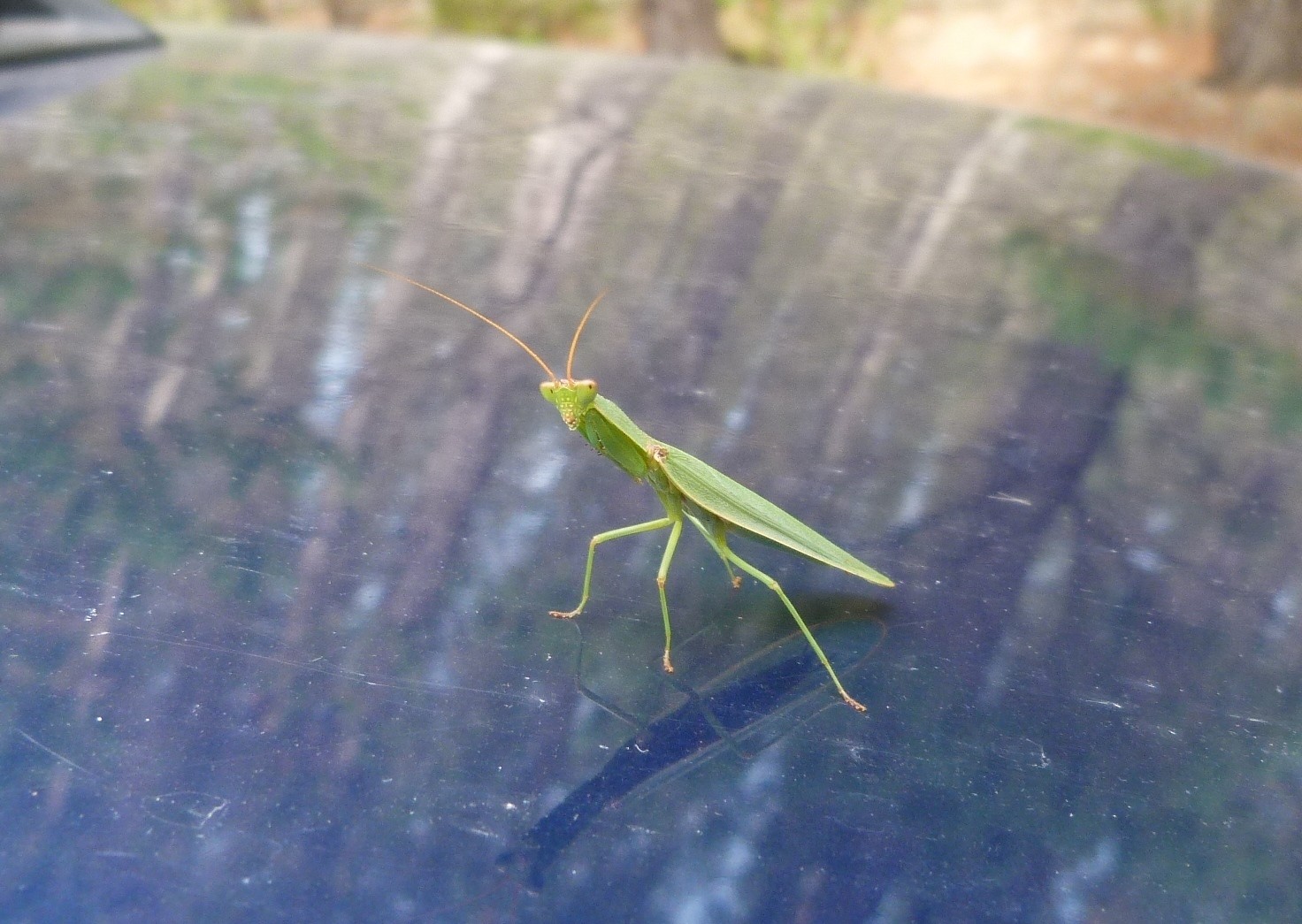
3. New zealand mantis
The New zealand mantis (Orthodera novaezealandiae) is a jumpy insect that uses foliage to ambush its common prey. While it is near the top of the food chain, that will change if it meets the South african praying mantis, which its males seem to have a thing for sexual cannibalism. If you wish to keep one as a pet, they are fast and jumpy insects that do not prefer captivity.
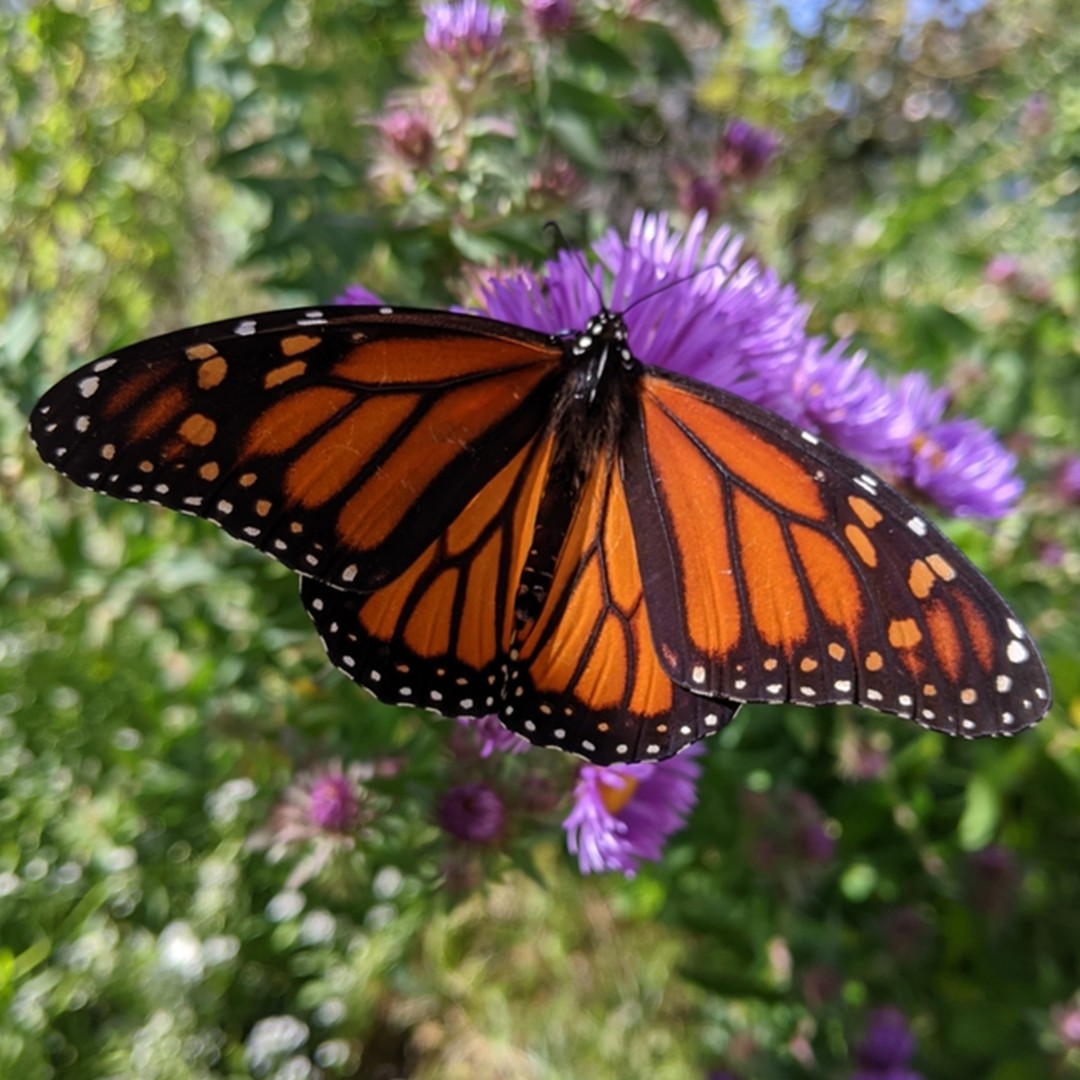
4. Monarch butterfly
The monarch butterfly (Danaus plexippus) is the most recognizable butterfly in North America. It is best known for its appearance, but should be better known for the fact that it has a 3000-mile migration that takes the butterfly 4 generations to complete. Their diet is also a natural deterrent for predators, as they eat milkweed, a poison that induces vomiting.
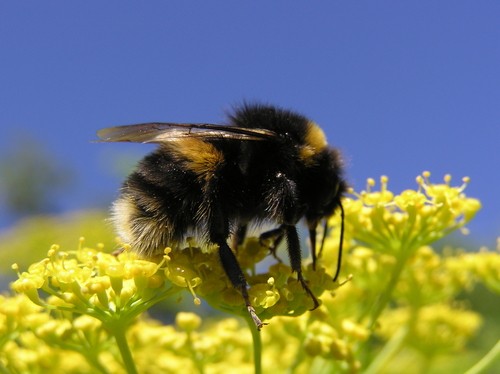
5. Buff-tailed bumble bee
A popular pollinating species in European greenhouses, buff-tailed bumble bee (Bombus terrestris) is one of the more common species of bumblebee worldwide. This species displays comparatively high levels of intelligence, recognizing flowers by color and navigating several miles (if necessary) to return to the hive. Unlike many other bee species, the queen of a buff-tailed bumble bee hive will only mate with one male.
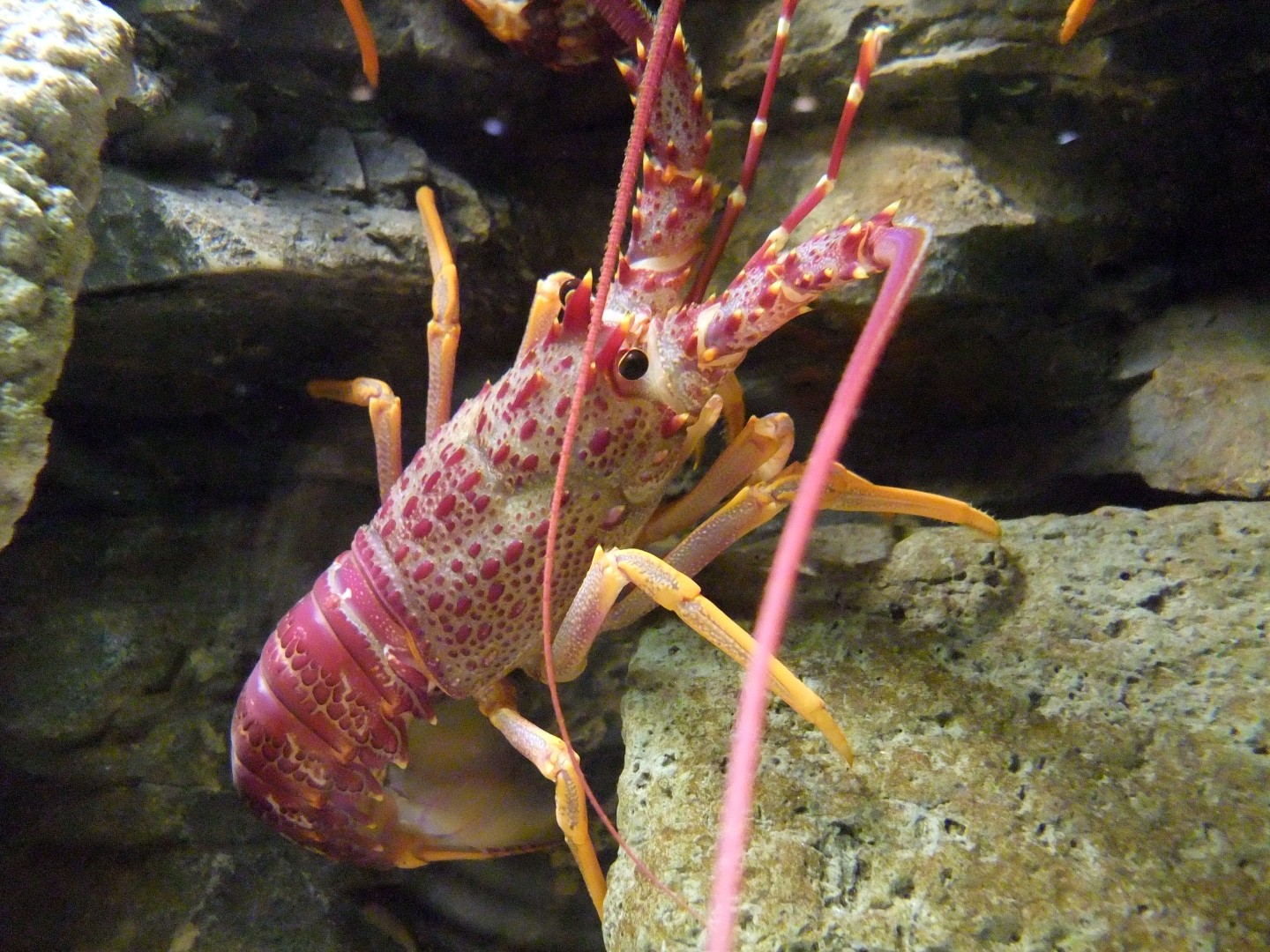
6. Southern rock lobster
Jasus edwardsii is a ten- Jasus edwardsii species from the Palinuridae family. The scientific name of the species was first validly published in 1875 by Hutton.
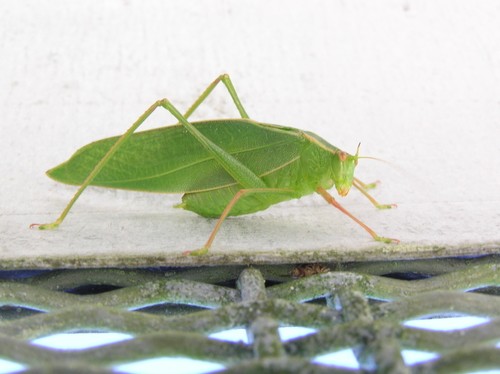
7. Common garden katydid
The common garden katydid (Caedicia simplex) is a bright green bug, but as a nymph, it takes on the color of whatever it has been eating. This can sometimes be bright yellow or pink if it has been munching on vivid flowers. These unusual colors could remain for several molts. This species is often found in woodlands and forests.
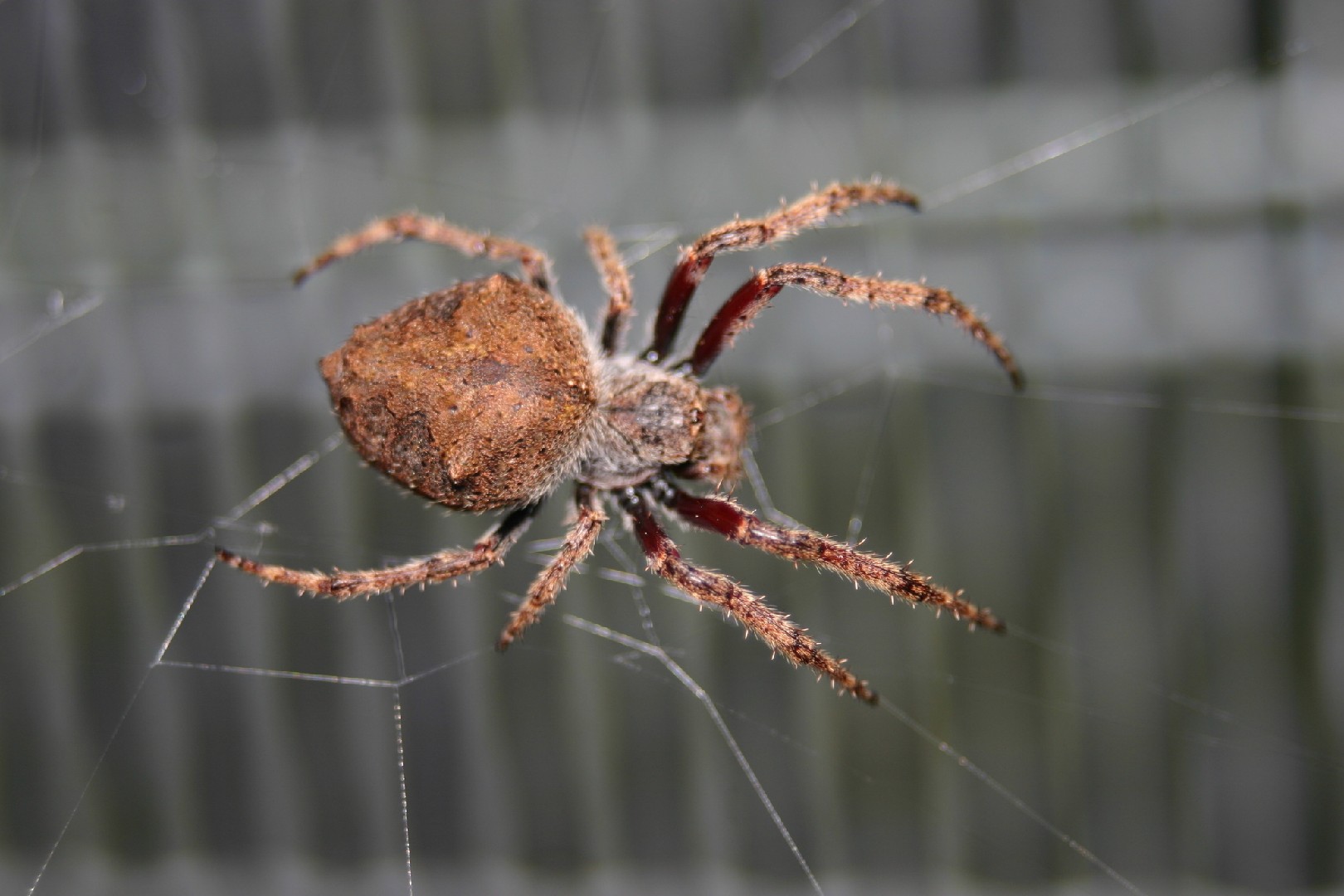
8. Garden orbweb spider
E. pustulosa has five distinctive spines on its abdomen, two large ones halfway down its back and three smaller ones at the end of its abdomen. 
9. Red coat damselfly
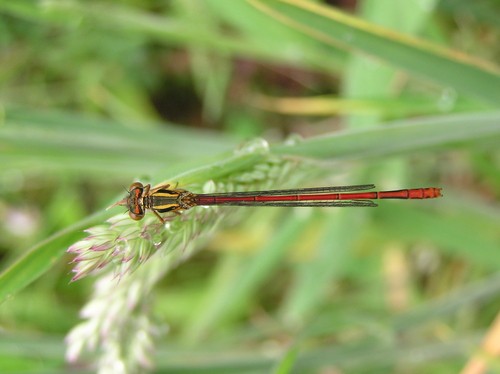
The red coat damselfly (Xanthocnemis zealandica) is a beautiful damselfly known to be mostly red, but also has a combination of yellow and orange shades if you manage to get close to it. Like others in its family, you will often catch them flying near streams. Naiad in this group is known to have pointed tail gills.
10. Eleven-spot ladybird
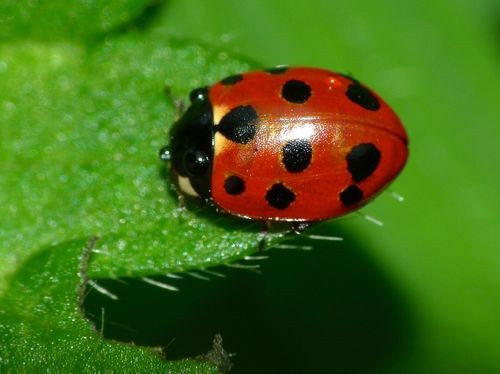
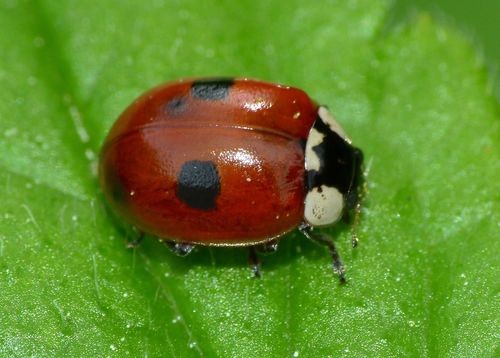
The Elfpunkt ladybird (Coccinella undecimpunctata) is a beetle from the family of ladybirds (Coccinellidae).

More







