




Top 20 Most Common Insects in Russia
Ever marveled at the diversity of insects in Russia? Home to a wide array of ecosystems, spanning snowy tundra to mixed woodlands, Russia boasts an impressive variety of insects. The geography and climate within the region play significant roles in shaping insect diversity. This list of 20 most common insects not only highlights potential pests but also beneficial species that contribute to Russia's unique biodiversity.

Most Common Insects
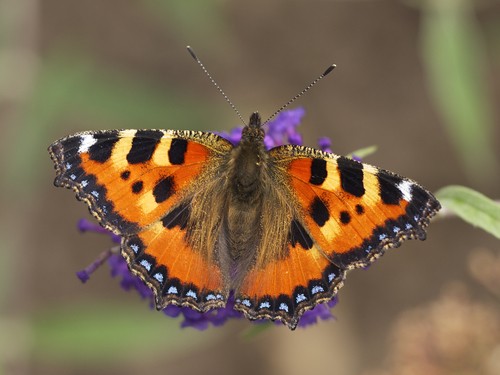
1. Small tortoiseshell
Small and colorful, small tortoiseshell (Aglais urticae) is the national butterfly of Denmark. However, it is capable of surviving anywhere the common nettle leaf may be found, which the larvae of this species depend on. Once among the most common butterflies in Europe and temperate Asia, this species is experiencing rapid declines for reasons still being investigated.
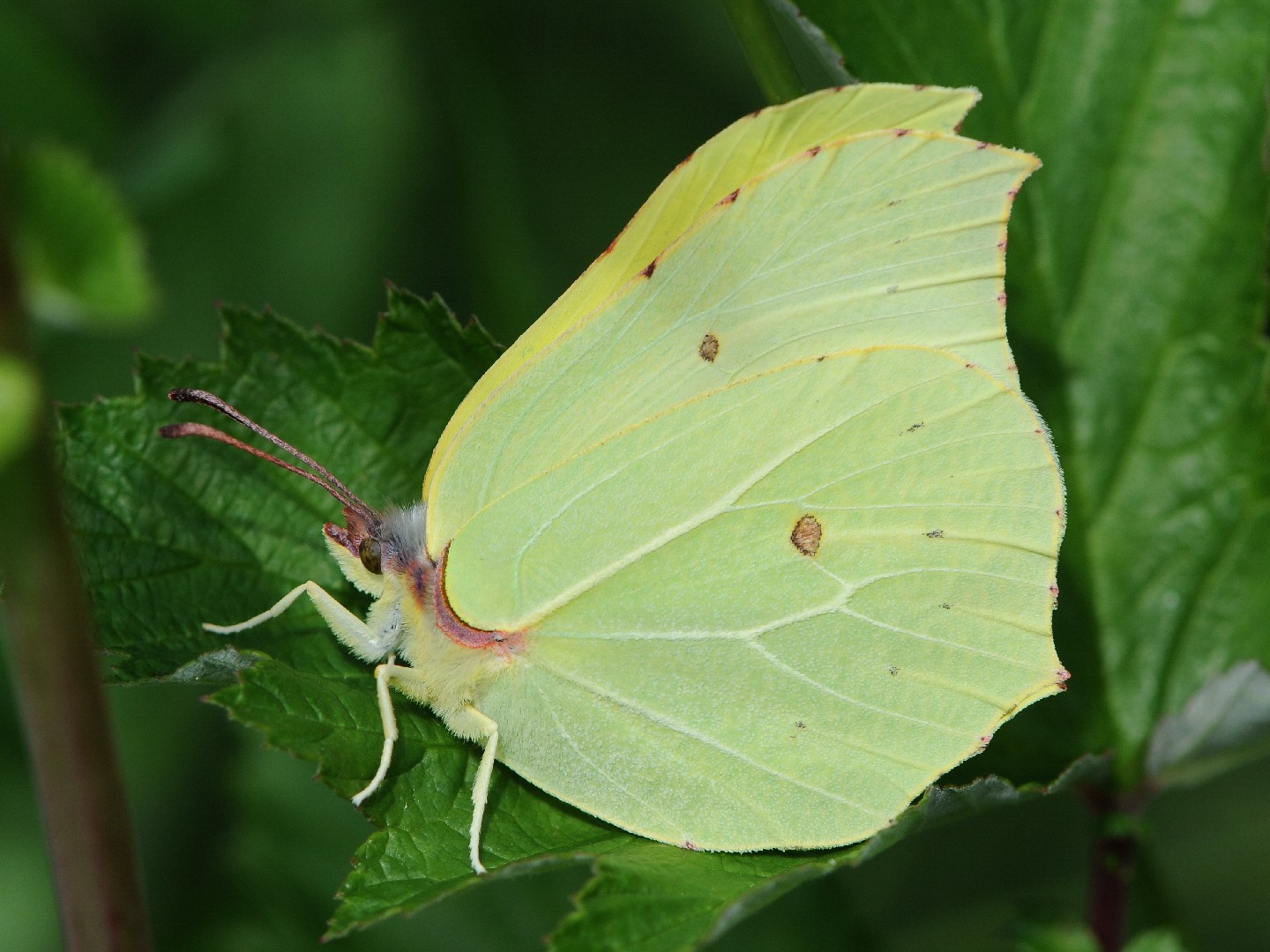
2. Common brimstone
Common brimstone (Gonepteryx rhamni) is an attractive species of butterfly; males display iridescence and have yellow wings, whereas females have white-green, non-iridescent wings. This species is wholly reliant on two species of buckthorn plant to lay its eggs. Consequently, the larvae consume large amounts of buckthorn.
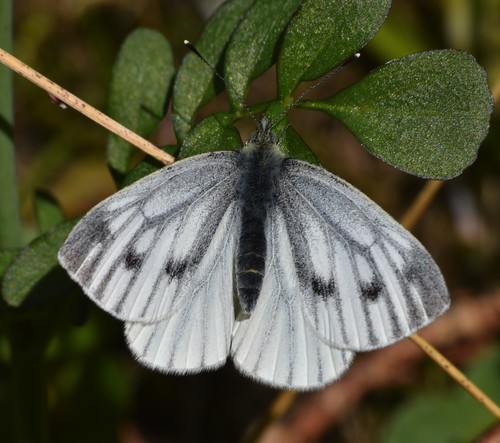
3. Green-veined white
Green-veined white (Pieris napi) is a distinctively white-winged butterfly that lays its eggs in a variety of food plants. This species displays observable differences dependent on sex: males possess only one dark spot on each forewing, whereas females display two. Unlike several of its cousin species, green-veined white prefers not to lay eggs in garden cabbages, rendering it less of a pest to farmers.
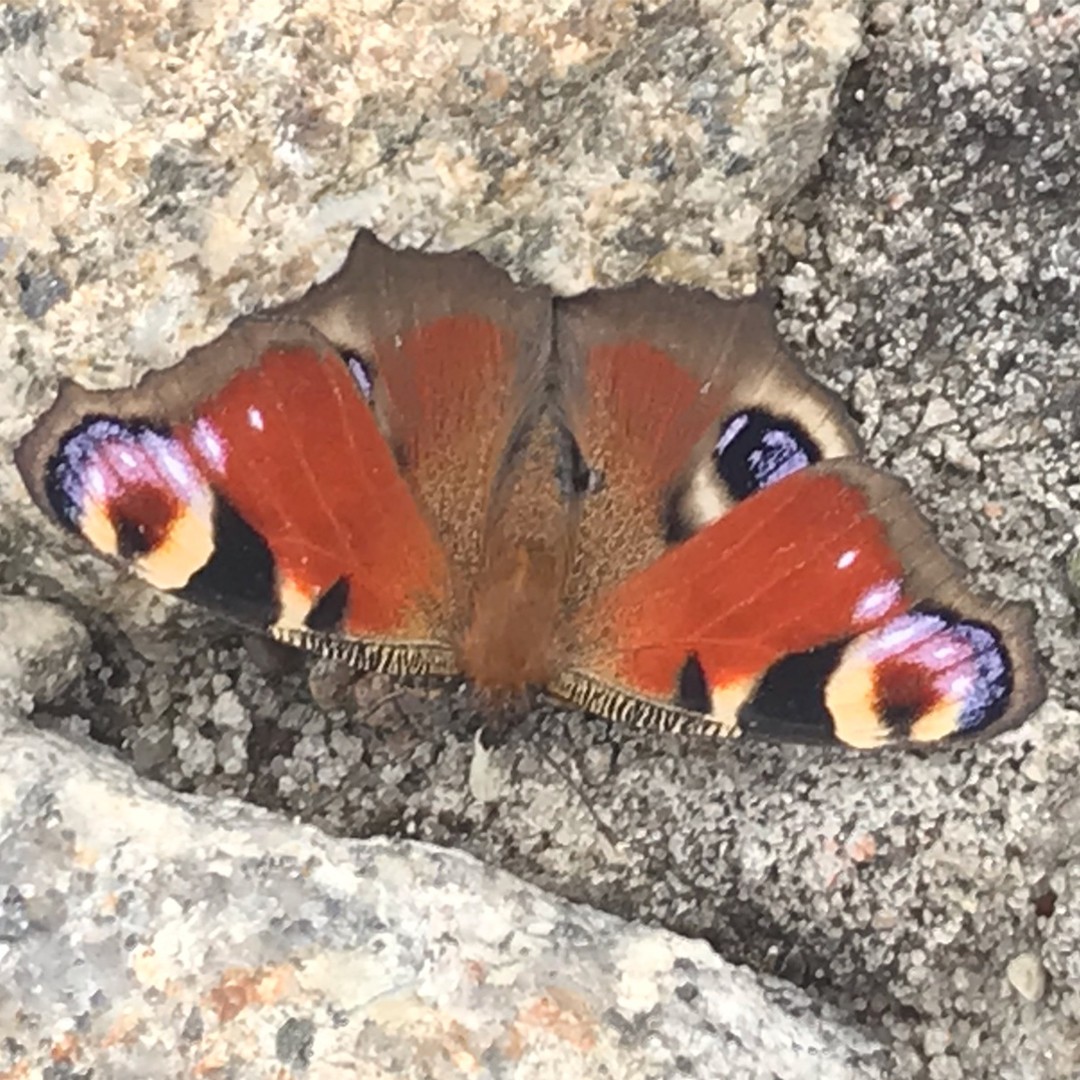
4. European peacock
European peacock (Aglais io) is a colorful butterfly that resides in temperate Asia and Europe – hence its common name. Its prominent eyespots deter would-be predators, who mistake them for the eyes of a bigger, more dangerous species. In recent years, this species appears to be expanding its range into previously uncolonized territory.
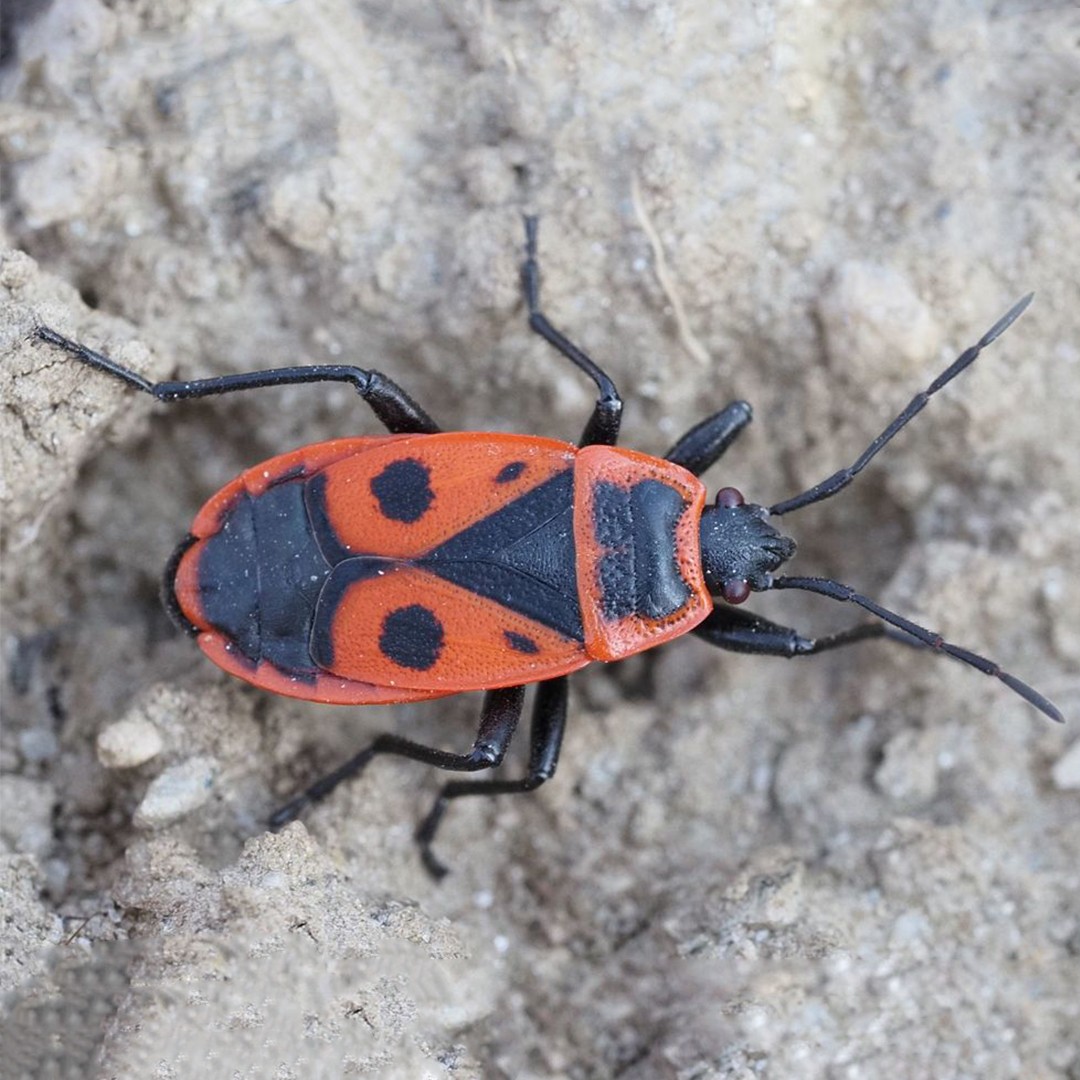
5. European firebug
Named for its striking pattern, european firebug is often described as the "firebug." It is known to congregate in large aggregations reaching as many as one hundred individuals at a time, particularly while still immature. Because they feed upon the seeds of lime trees, clusters of mating individuals can often be found at the bases of these trees in late spring.
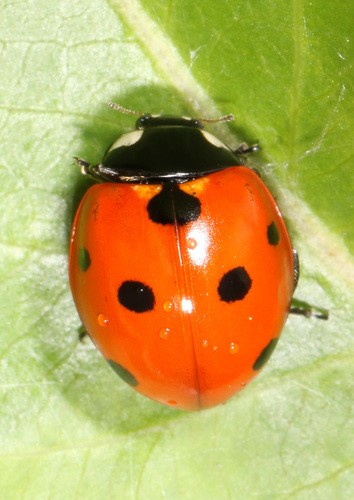
6. Seven-spotted ladybug
Seven-spotted ladybug (Coccinella septempunctata), known in North America as the "seven-spotted ladybug," is the most common species of ladybird in Europe and the official state insect of five U.S. states. While not native to North America, it has established itself there after being introduced to control aphid populations. Its bright coloring deters predators, and it may also play dead or secrete foul-smelling liquids to discourage consumption.
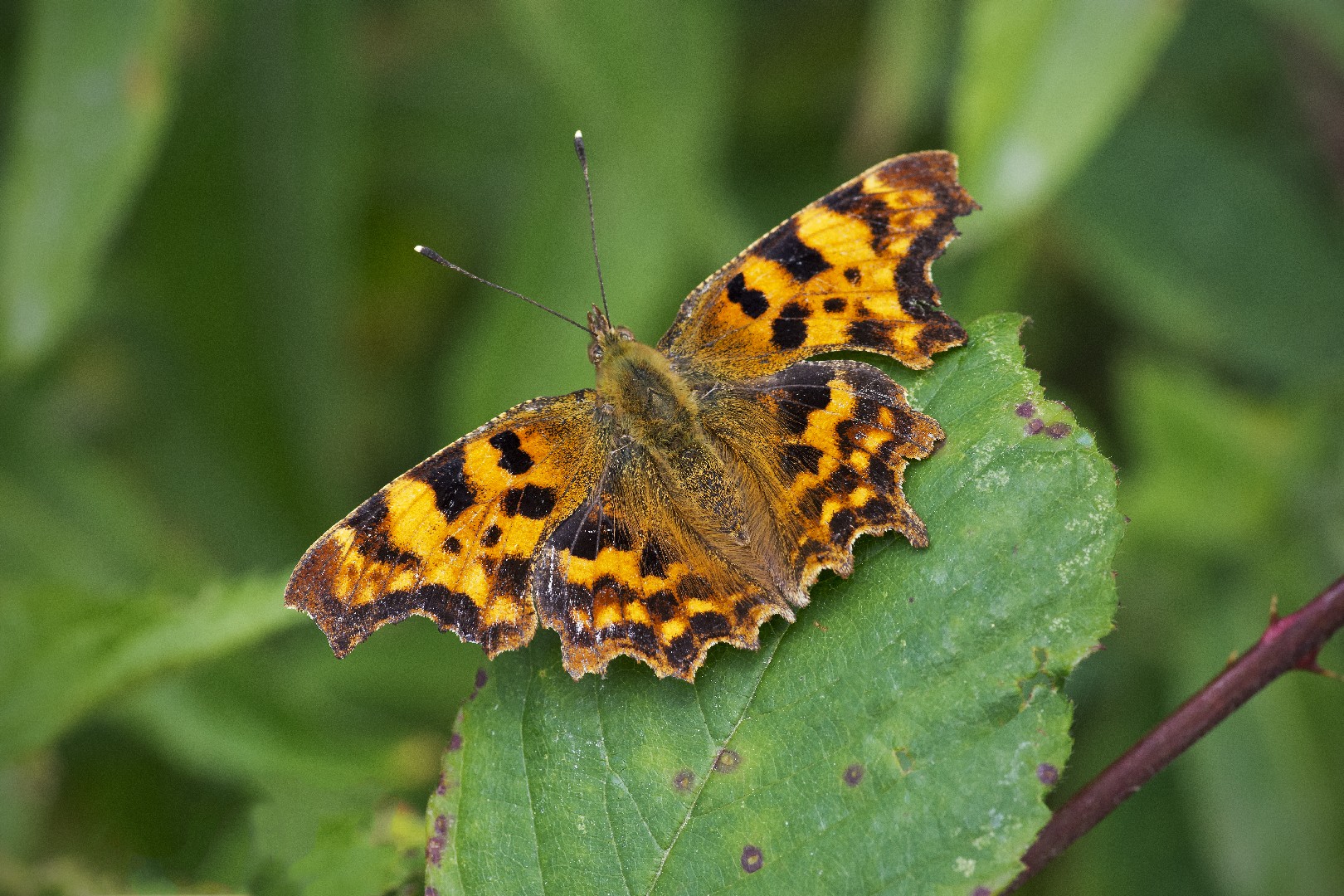
7. Comma butterfly
The silver, comma-shaped marked on the butterfly’s wings give it the common name the Comma. It is a common butterfly in southern Britain that was once on the verge of extinction in the 1930s. The butterflies are often found at the edge of forests, close to meadows with plenty of nectar-rich wildflowers. 
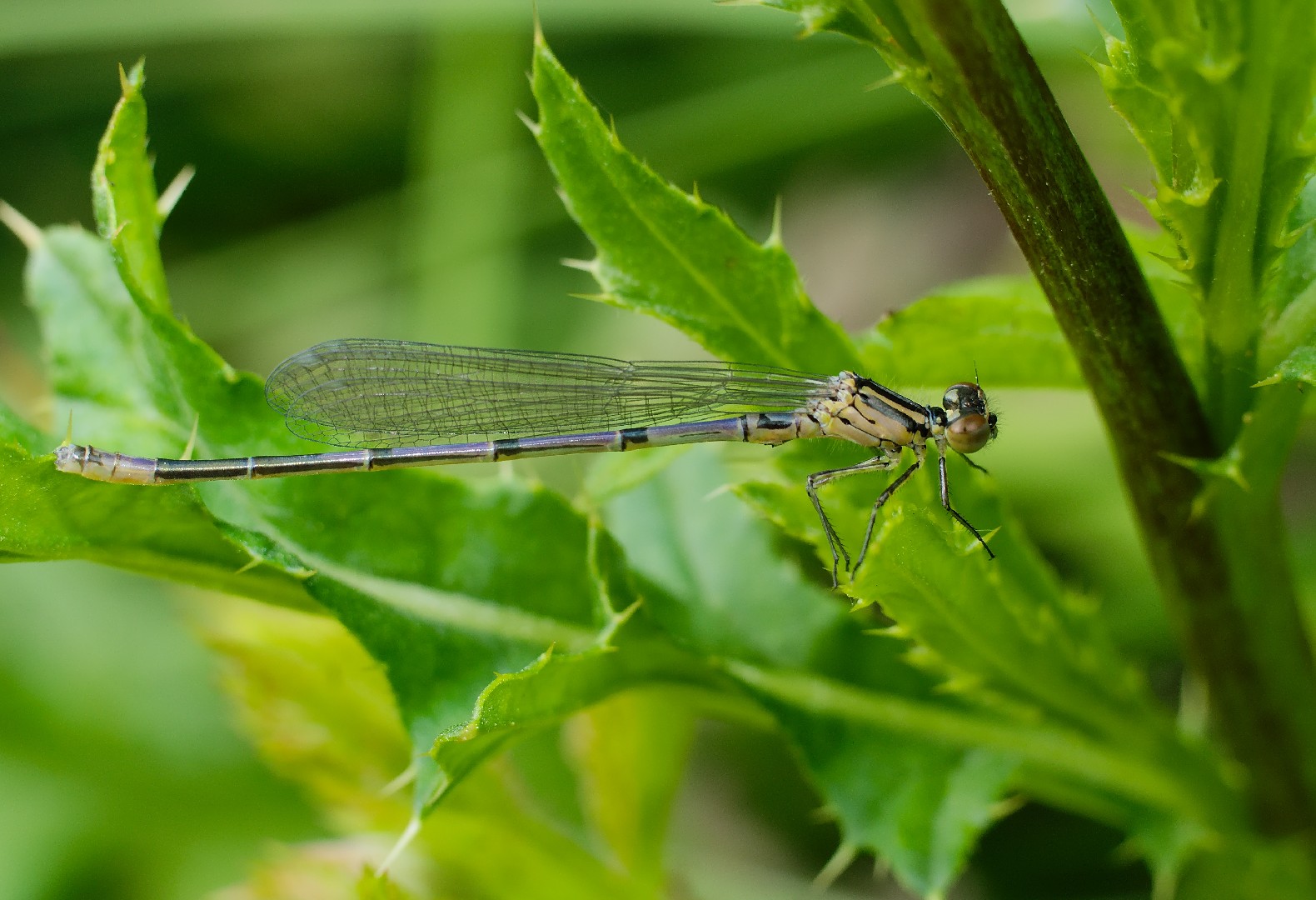
8. Azure damselfly
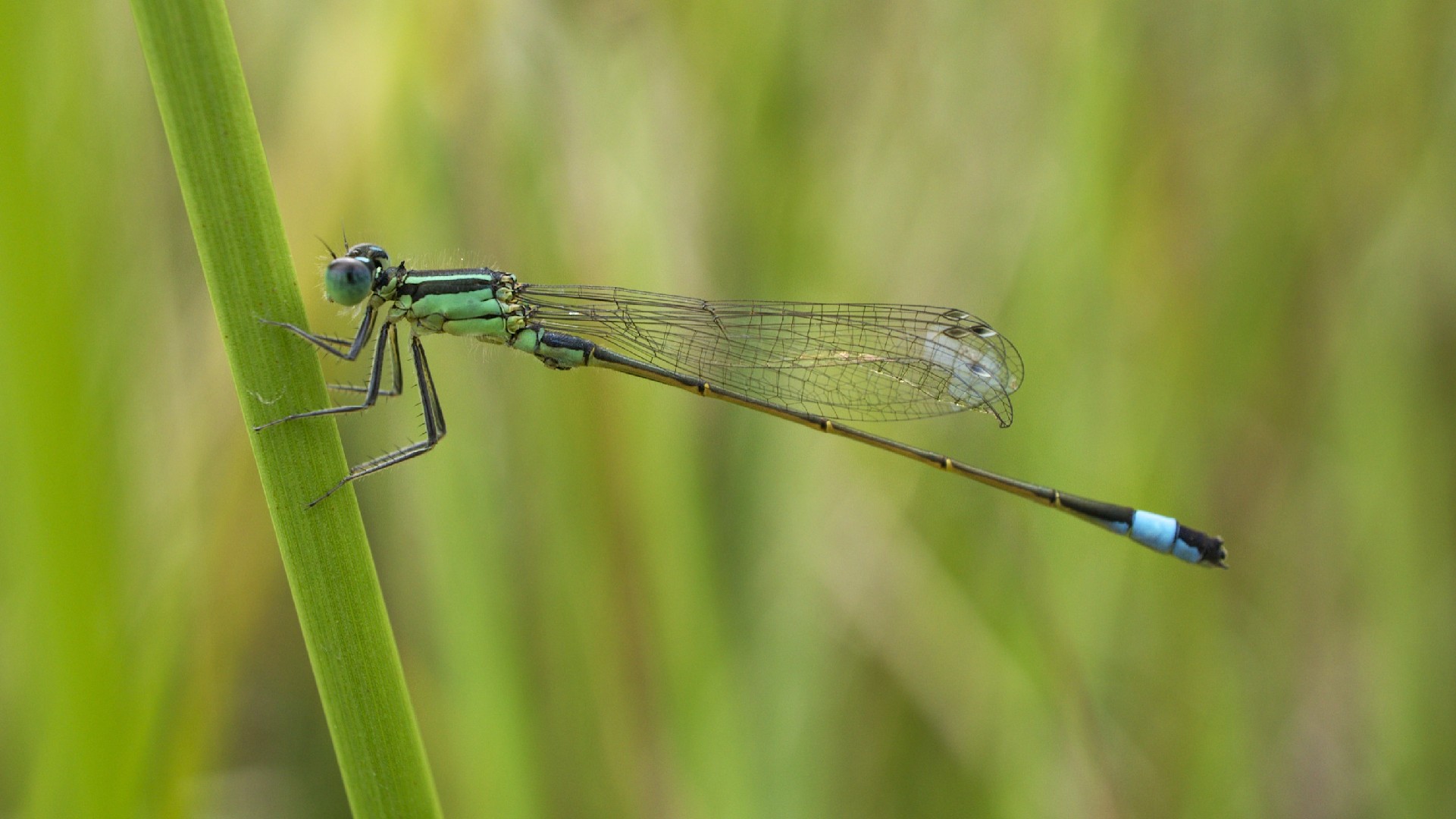
The azure damselfly (Coenagrion puella) is a species of damselfly found in most of Europe. It is notable for its distinctive black and blue colouring. They are commonly found around ponds and lakesides during the summer.
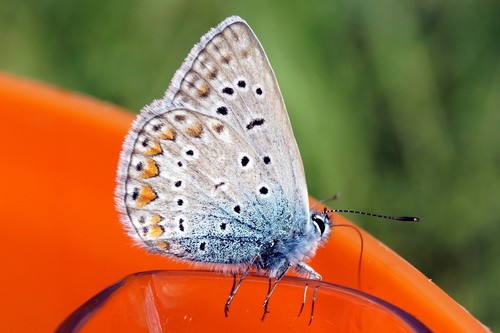
9. Common blue butterfly
Despite its common name, only male specimens of common blue butterfly (Polyommatus icarus) can accurately be described as blue; the females are predominately gray-brown, with only a dusting of blue and a scattering of orange spots. The adults live for only three weeks before dying.
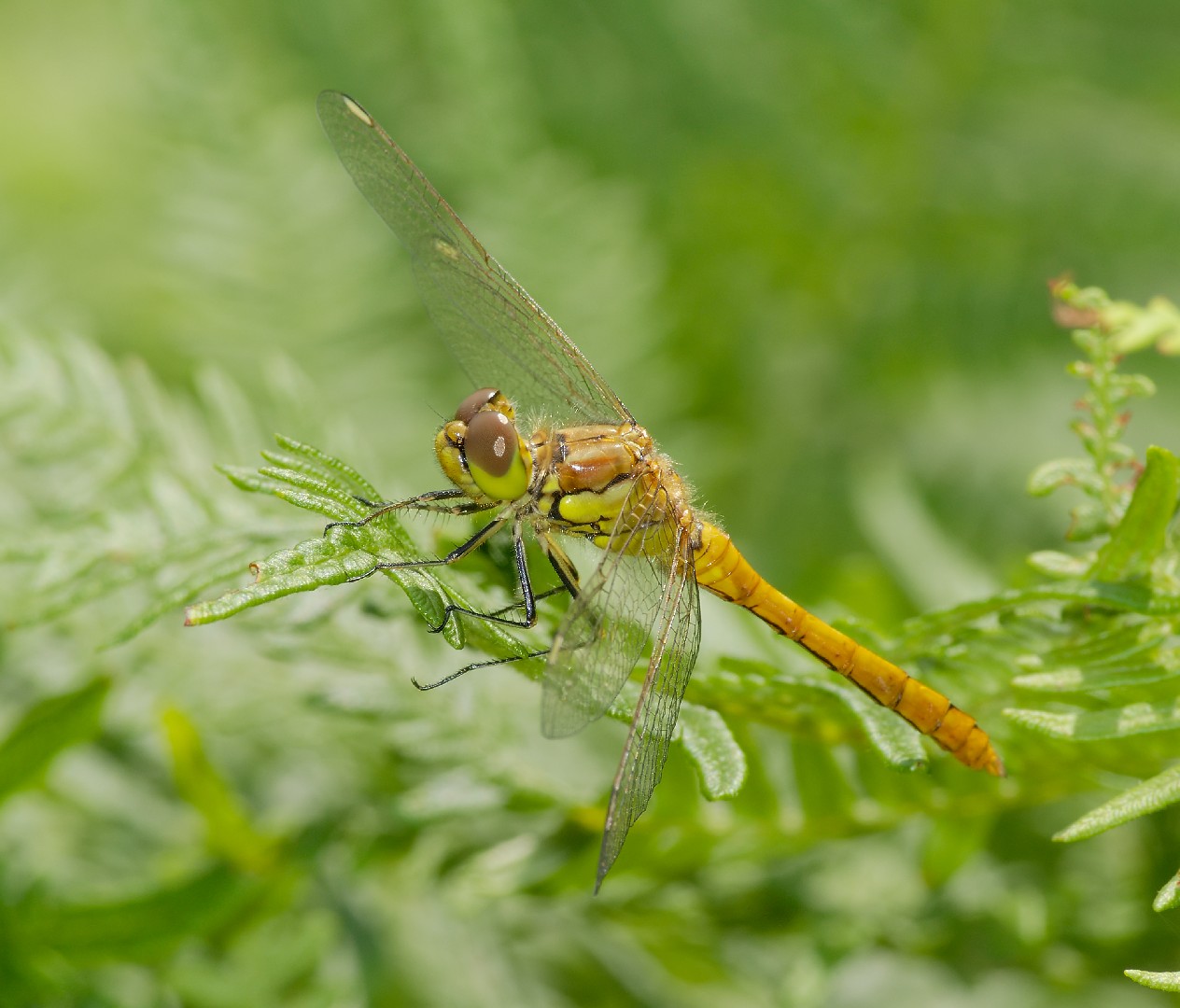
10. Vagrant darter
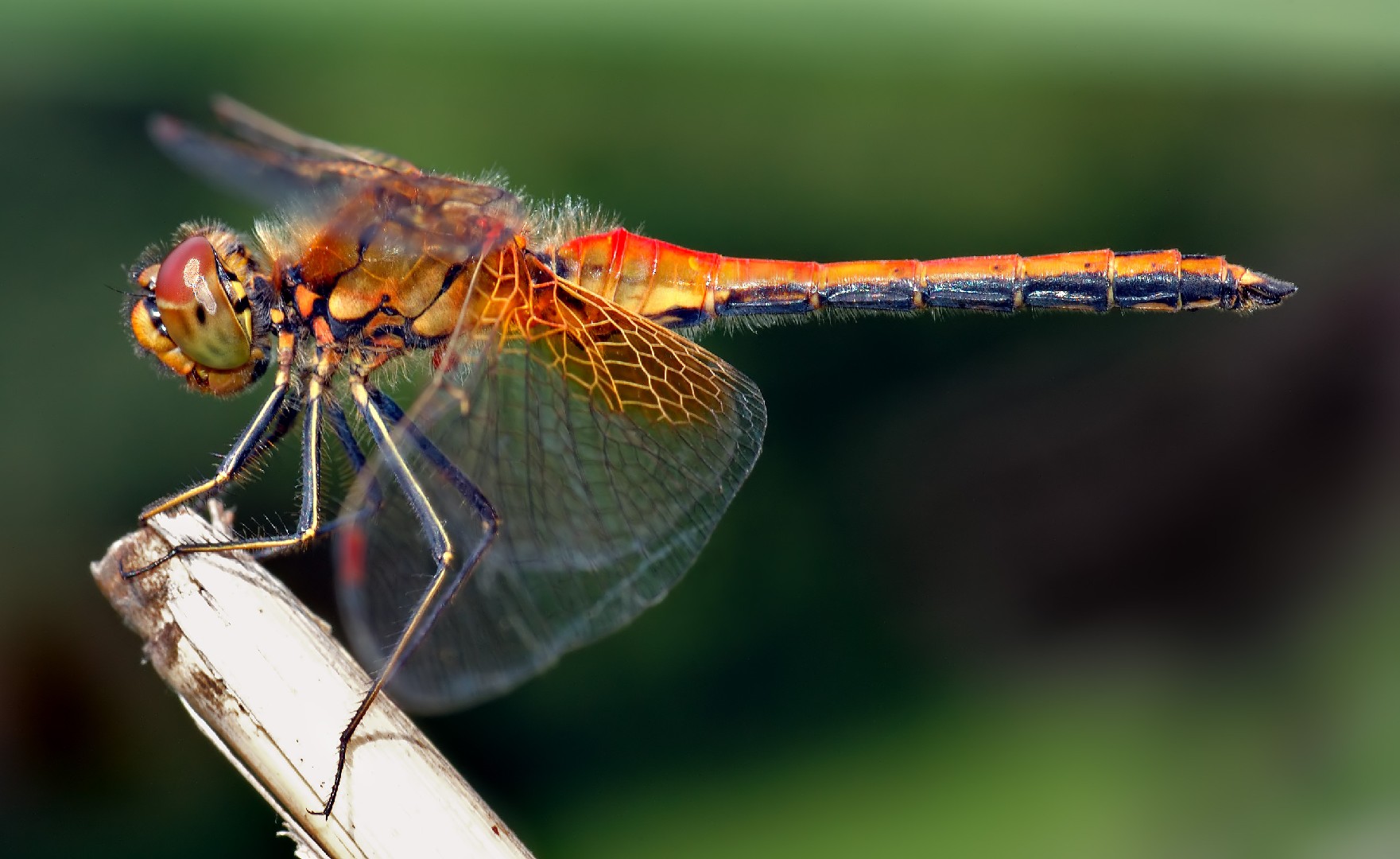
The Common Darter (Sympetrum vulgatum) is a species of dragonfly in the family of the leaflets (Libellulidae). These are a family of the great dragonfly (Anisoptera). It is a medium-sized dragonfly with a wingspan of 5 to a maximum of 6.5 centimeters.
More







