




Top 20 Most Common Insects in Surgut
Insects, remarkable for their array of distinctive features and adaptability, find a unique mix of suitable habitats within Surgut. This region's varied geography fosters a diverse range of insects, each playing an essential role in the ecosystem. By recognizing the significant relationship between a state's conditions and its inhabitants, we can better appreciate the roles of harmful and helpful insects alike. Stay tuned as we unveil the Top 20 most common insects in Surgut.

Most Common Insects
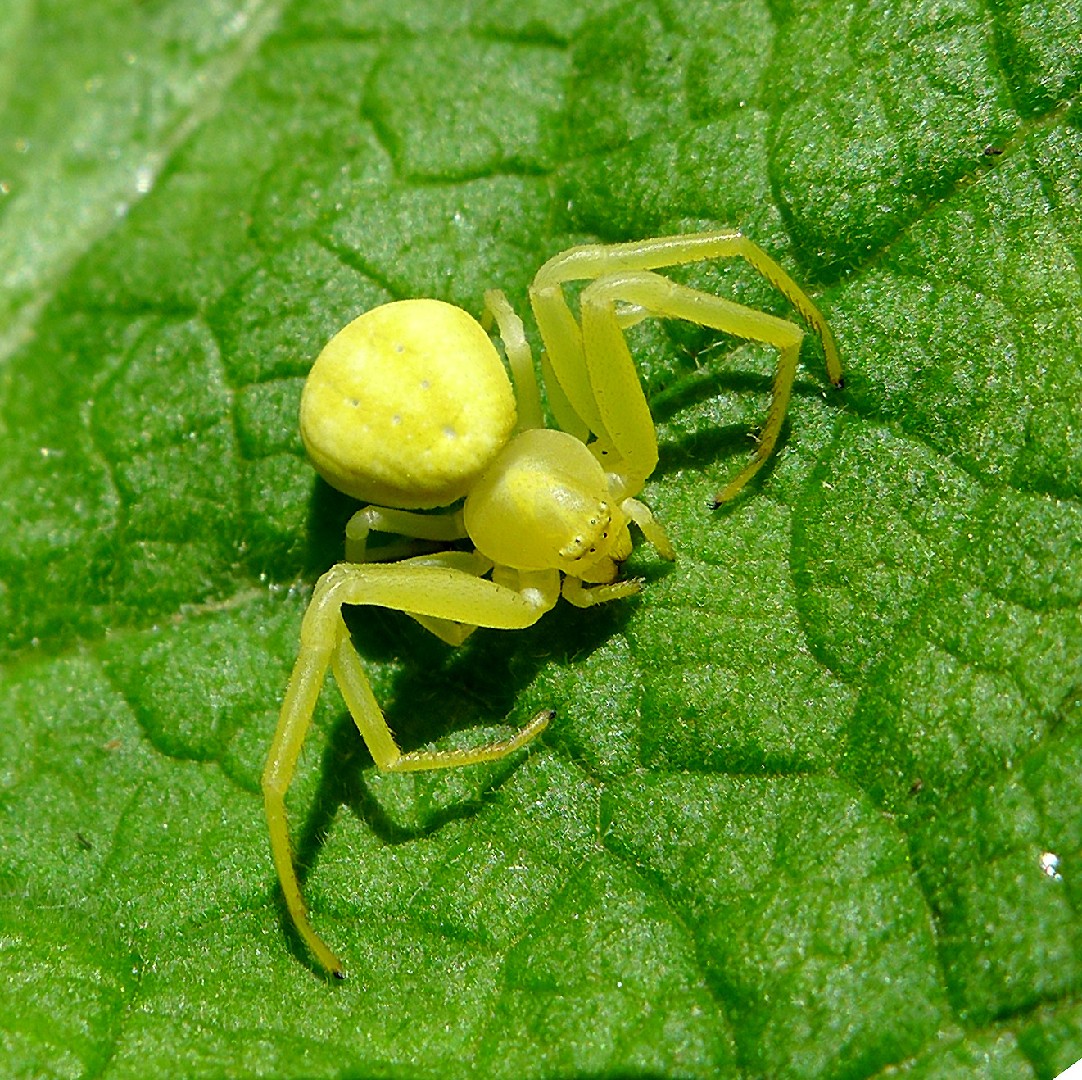
1. Goldenrod crab spider
Rather than for its coloring, goldenrod crab spider (Misumena vatia) is named for its tendency to hunt within sprays of goldenrod. This species is capable of catching and consuming prey several times larger than itself, such as dragonflies or grasshoppers. Loyal parents, the females will guard their eggs until they hatch and the tiny spiders disperse, after which the female will die.
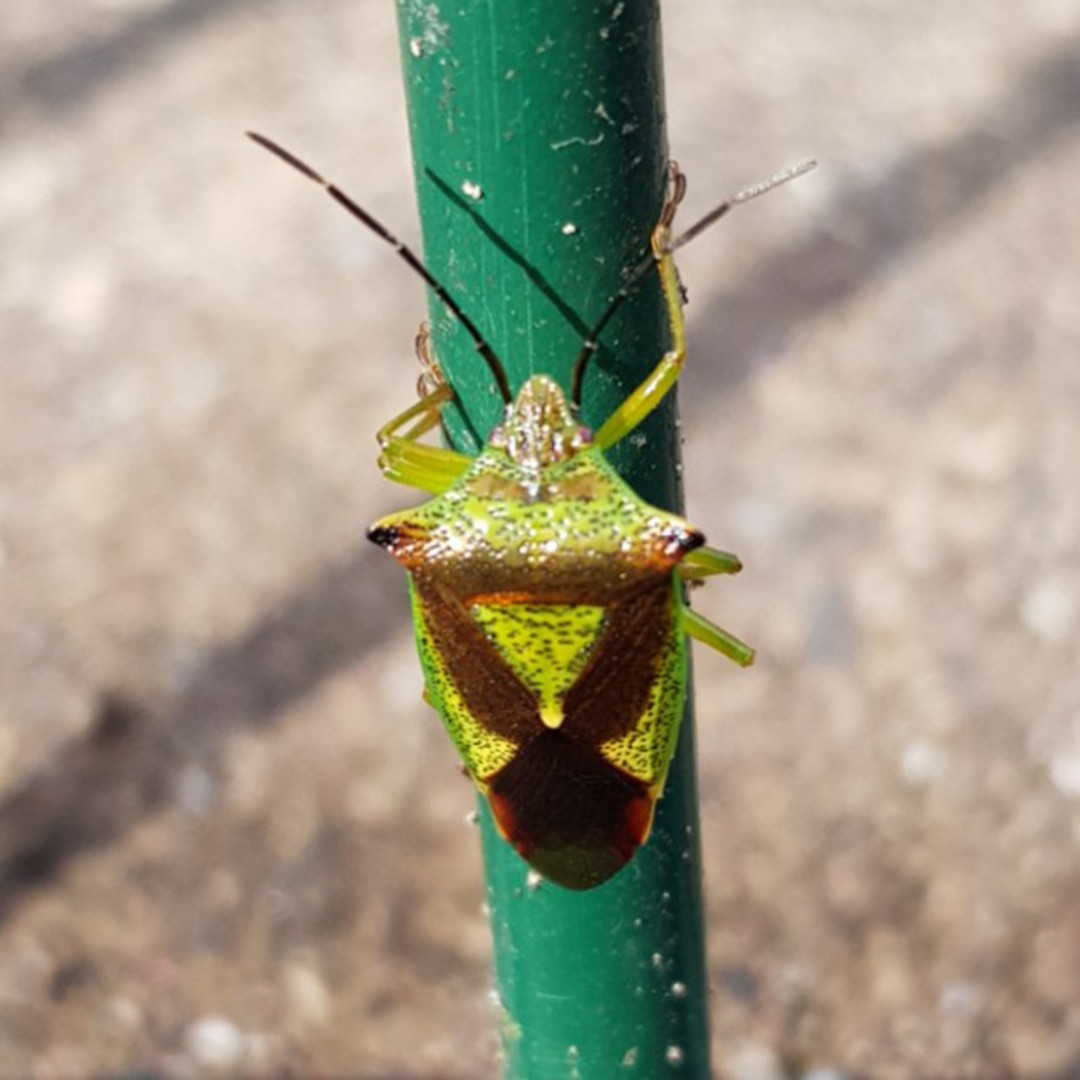
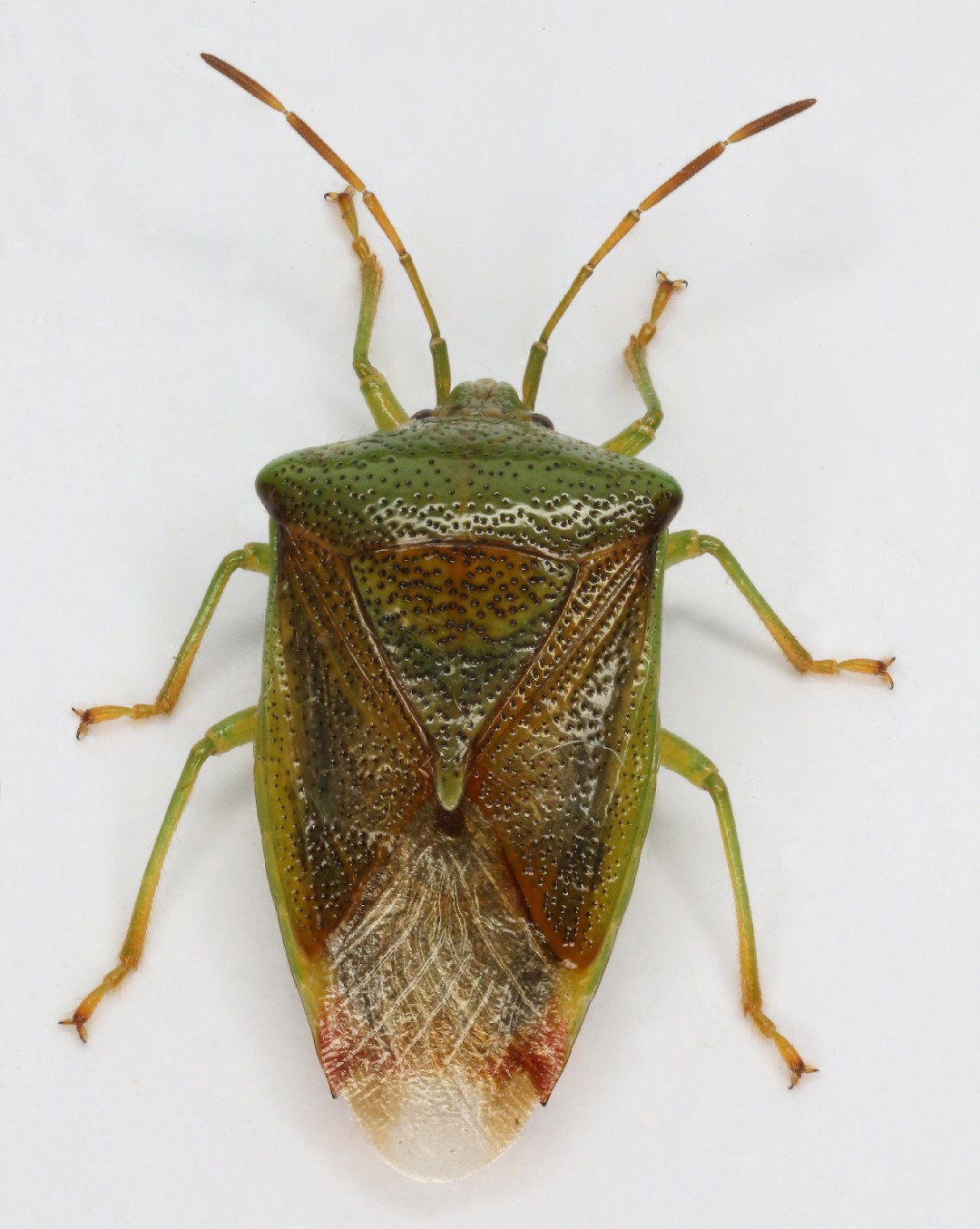
2. Hawthorn shield bug
The hawthorn shield bug (Acanthosoma haemorrhoidale) is a common European shield bug. Its chief food is haws, the fruit of the hawthorn tree, but adults can overwinter on a diet of leaves, and individuals can be found on many potential food plants, including pedunculate oak, sessile oak and whitebeam. They may grow up to 17 mm (0.67 in) long, and are camouflaged in shades of green and brown. Like many so-called "stink bugs", they may release unpleasant odours when disturbed. 
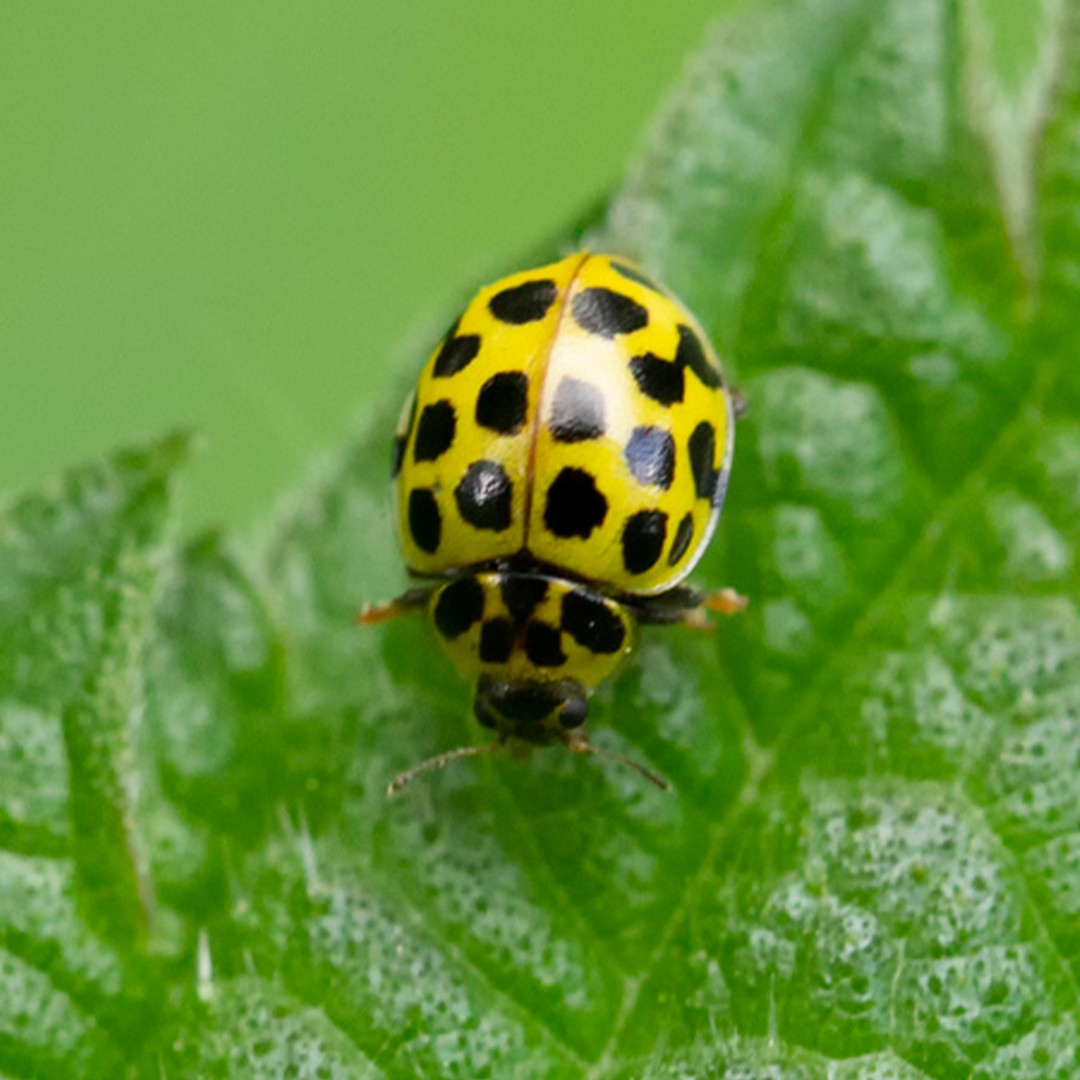
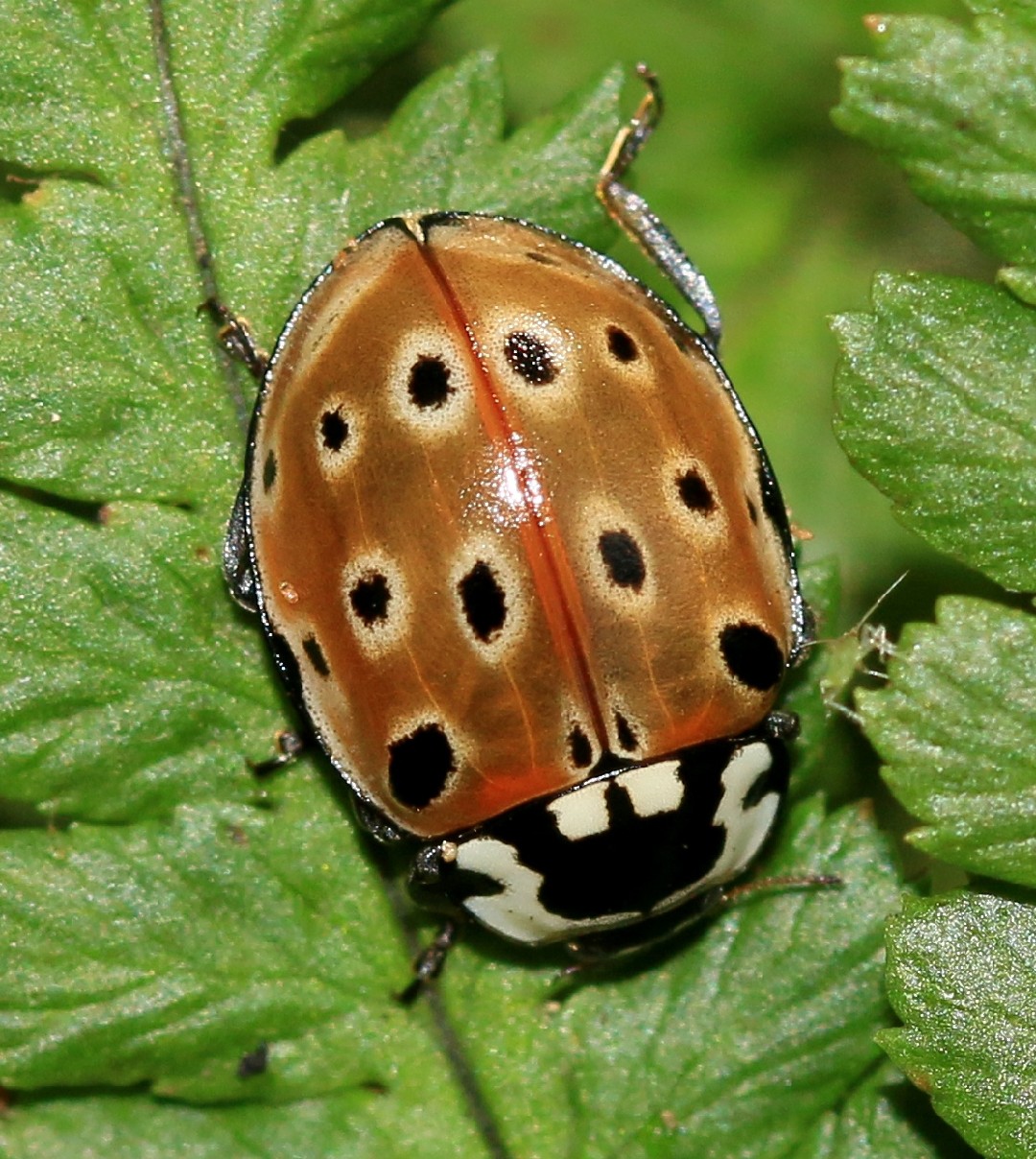
3. Twenty-two-spot ladybird
Psyllobora vigintiduopunctata (often abbreviated to Psyllobora 22-punctata), the 22-spot ladybird, (earlier known as Thea vigintiduopunctata) is a 3–5 mm long ladybird commonly found in Europe . The elytra are yellow in colour with 22 black spots. The pronotum is yellow or white with 5 black spots. This ladybird species has been reported in other areas of the province of Kerman, Mazandaran, South eastern province of Khorasan, Chahar Mahal and Bakhtiari, in Mashhad, Gilan, Lorestan province, Khorasan. Unlike most other ladybirds which feed on aphids, P. 22-punctata eats mildew — especially from umbellifers and low-growing shrubs . The 22-spot ladybird is best looked for amongst low vegetation.
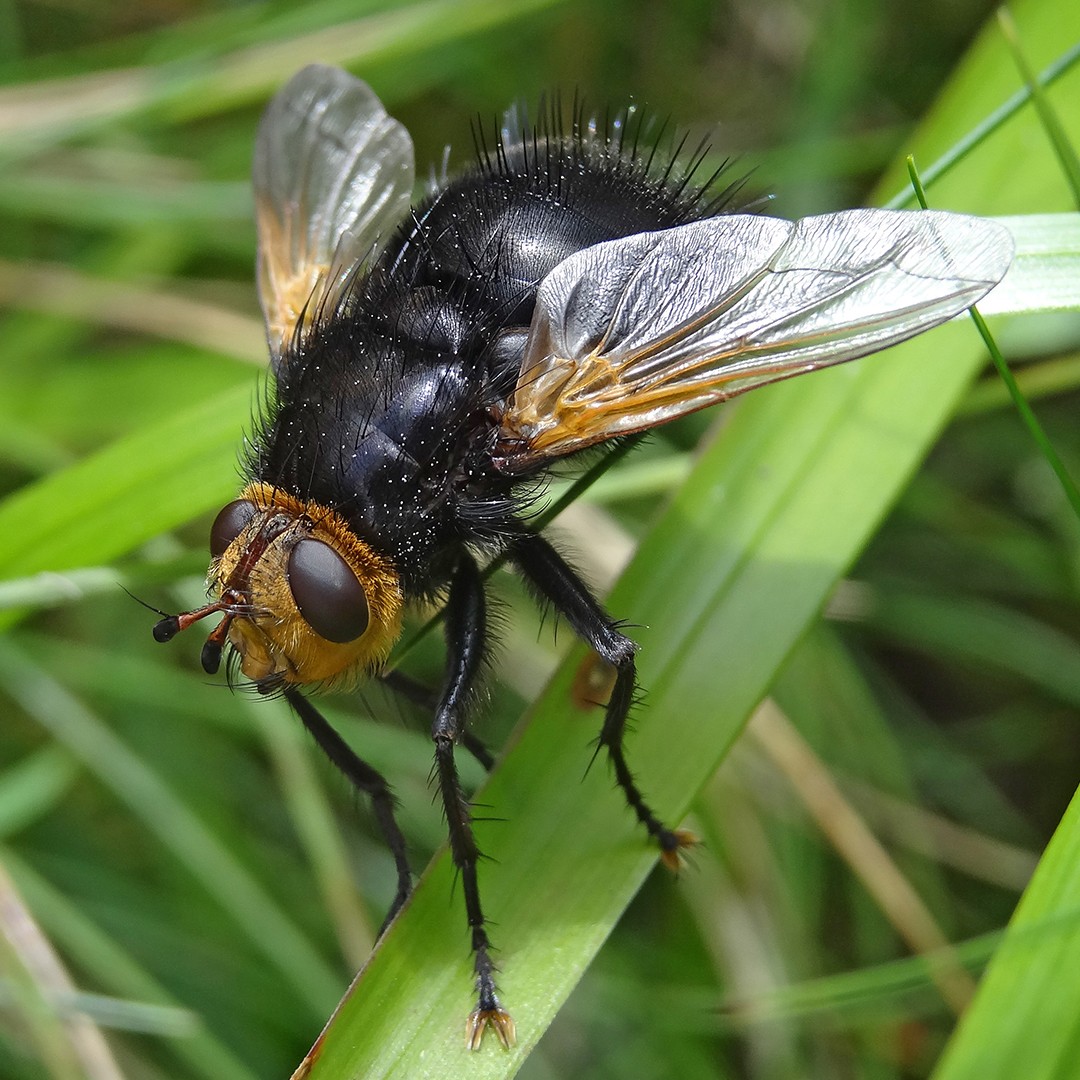
4. Giant tachinid fly
Tachina grossa can reach a length of 15–19 millimetres (0.6–0.7 in). This species of fly is one of the largest throughout much of its range and is the largest tachinid in Europe. These flies are very distinctive, being hairy and with a black thorax and abdomen. In flight they resemble a bumblebee. The inflated, curved, all-black abdomen is covered with stiff, straight bristles, especially at the end of the abdominal segments. The head is bright yellow, with occipital yellow bristles. The large compound eyes are dark brown. The forehead forms a sharp angle at the base of the antennae. Maxillary palpi are thin, filiform. Wings are hyaline, yellowish-brown at the base.
5. Double dart
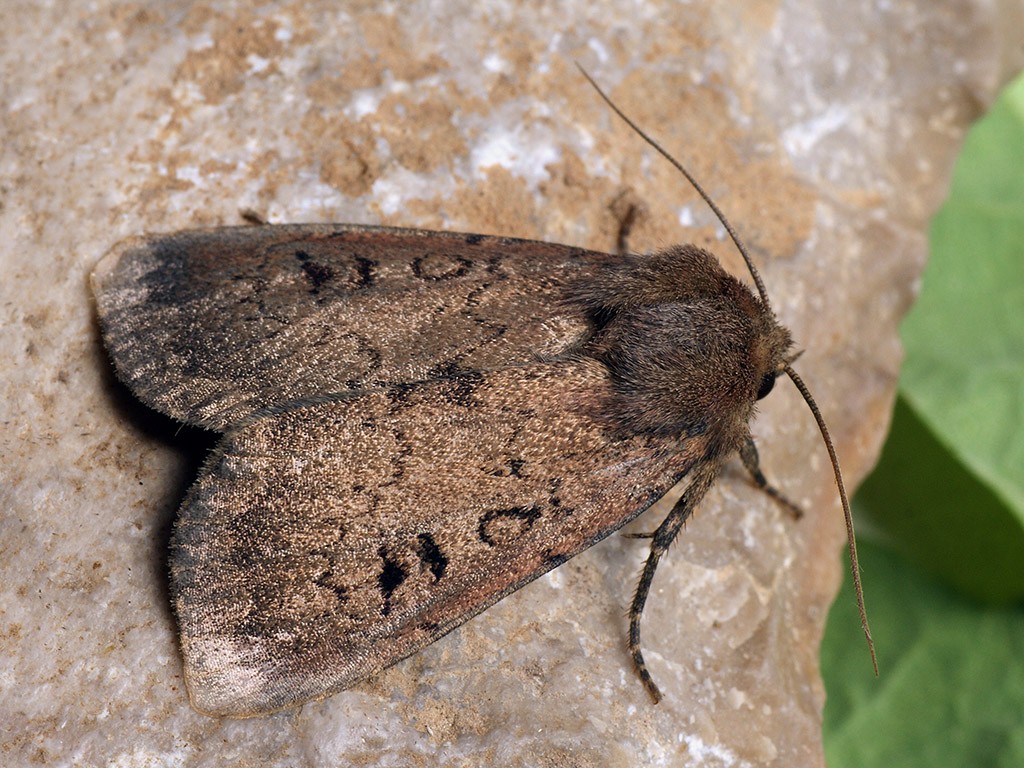
The front wing length is between 18 and 21 millimeters. The basic color of the front wings is brown. Two dark, wavy Dawrs lines run across the wings. The owl spots are only visible on the dark outline. The rear wing is brownish white.
6. Northern emerald
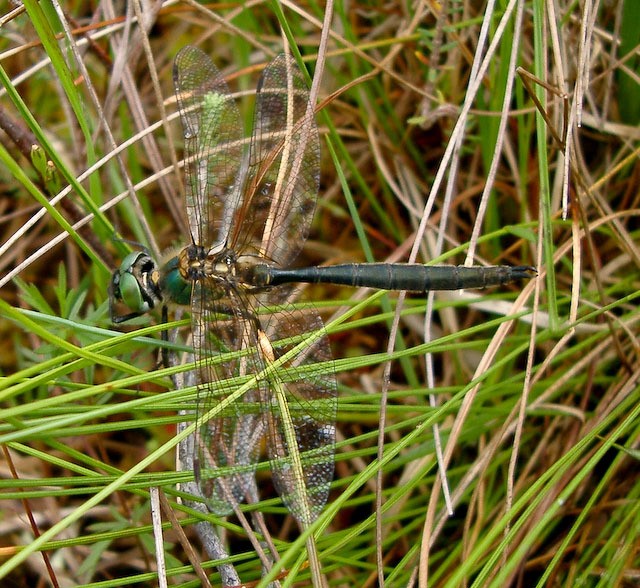
The northern emerald (Somatochlora arctica) is a middle-sized species of dragonfly first described by Johan Wilhelm Zetterstedt in 1840. The male can be recognised by its pincer-like appendages and its narrow-waisted body. The female has distinctive orange-yellow spots on (only) the third segment of the abdomen. This species lives in bogs and lays its eggs in very small water-filled depressions. It hunts between trees and avoids open spaces. In Great Britain, it is only present in north-western Scotland and is confined to the south-western part of Ireland. It is present in all of northern Eurasia. In Western Europe, it is present in alpine areas and wherever a suitable habitat can be found. It is found in the Rila mountains of Bulgaria.
7. Elm leaf beetle
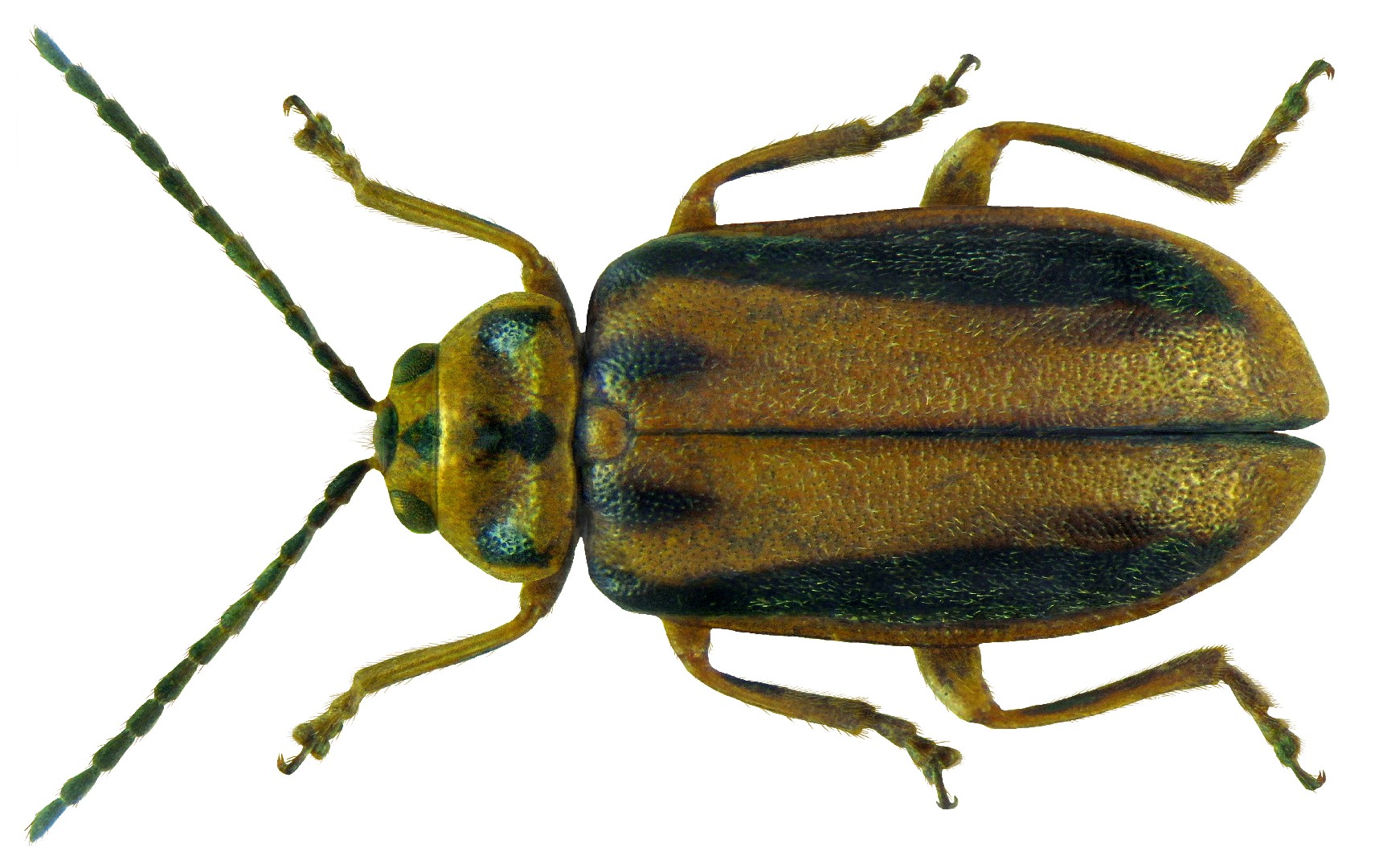
Based on its name, the elm leaf beetle (Xanthogaleruca luteola) is a major defoliator of elm tree leaves. They eat around the larger veins on the leaves, causing them to dry out. As a result, they are considered invasive in most parts of the world. They are yellow or green and can be identified with a spot next to an hourglass shape on the head.
8. Clifden nonpareil
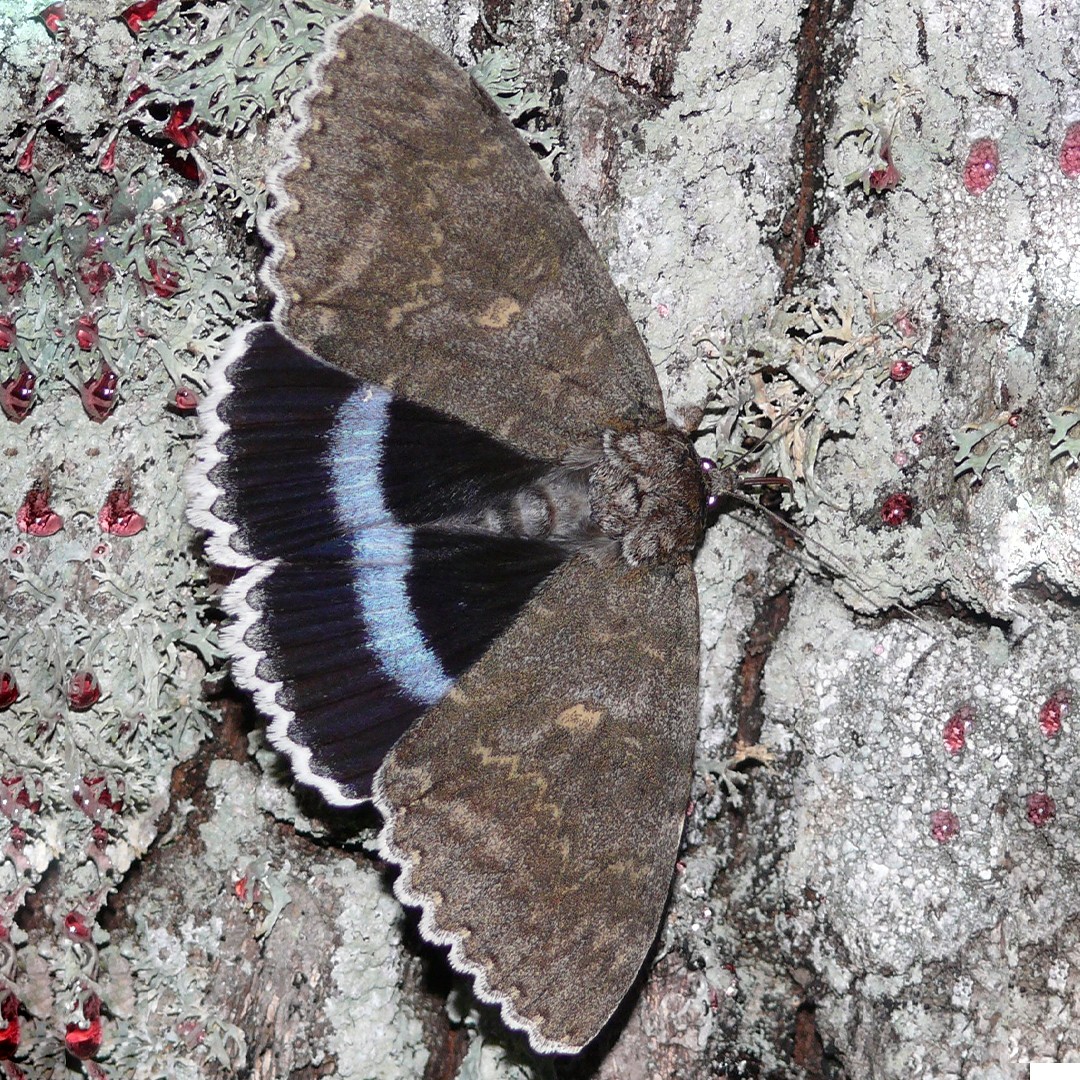
Forewing whitish ochreous, irrorated with pale or dark grey, sometimes with a yellow tinge; inner and outer lines blackish, dentate, double; median and subterminal lines blackish, dentate; reniform stigma with black centre and outline; beneath it a pale yellowish diamond-shaped spot outlined with moerens. dark; hindwing blackish, with a broad blue postmedian band. — ab. moerens Fuchs has the forewing more or less strongly suffused throughout with blackish grey, obscuring the markings; — the form gaudens Stgr. on the other hand, from Central Asia, is very pale, with most of the black scaling obsolete; in the ab. contigua Schultz the pale spot below the reniform stigma is elongated outwards to touch the outer line, often, as well as the outer line itself, strongly yellow-tinged, especially noticeable in examples with the ground colour dark; -angustata Schultz is distinguished by the narrowness of the blue band of the hindwing; — the ab. maculata Kusenov shows a white mark at the lower angle of cell of hindwing. Schultz also records an instance of albinism in the forewings, where the grey scales throughout have become white, and the black lines brownish yellow, the hindwings remaining unaltered.
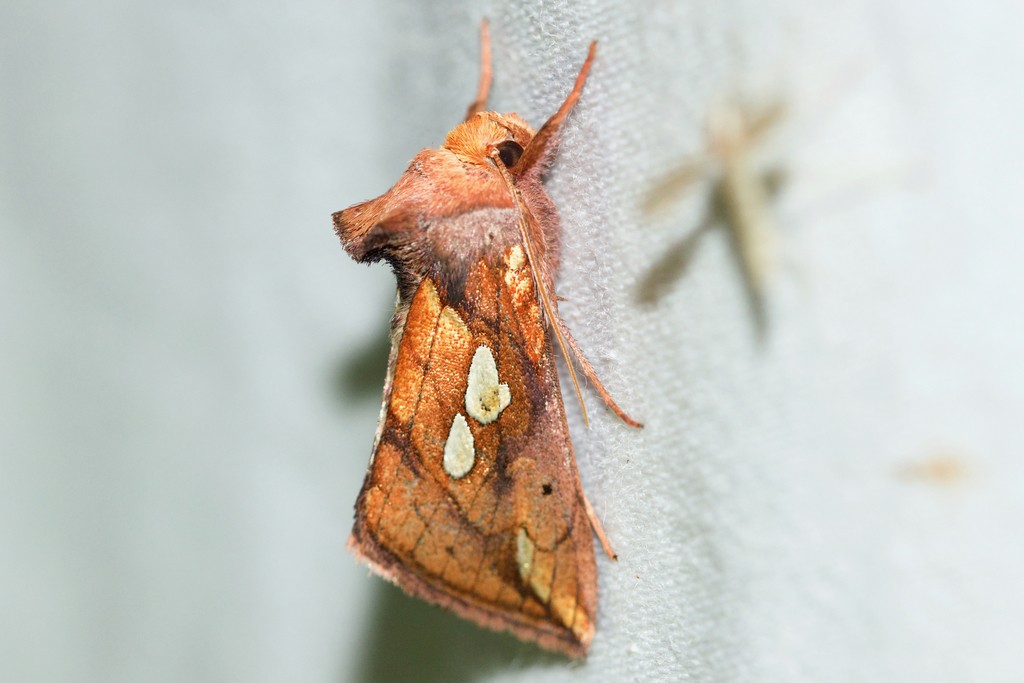
9. Lempke's gold spot
Plusia putnami, the Lempke's gold spot or Putnam's looper moth, is a species of moth of the family Noctuidae. It is found in the Palearctic realm, from Japan and eastern Siberia to Fennoscandia, Great Britain, and France. In North America, it ranges from Newfoundland and Labrador to central Alaska and the interior of British Columbia, south to Pennsylvania, Washington, north-eastern California, and in the Rocky Mountains to Utah and Colorado. The wing pattern differences between putnami and Plusia festucae are not constant. Genitalic genital dissection is needed to differentiate these two species. The wingspan is 32–42 mm.
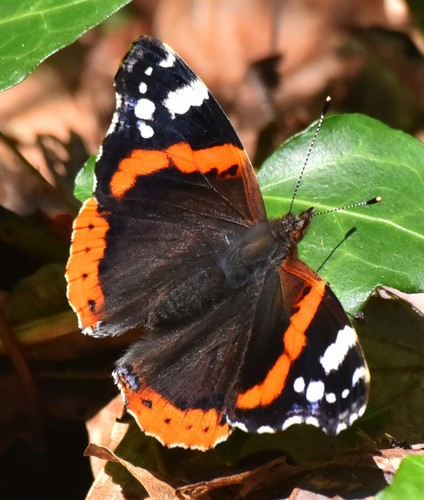
10. Red admiral
Red admiral (Vanessa atalanta) is a visually striking species of butterfly. Unusually territorial, males will compete for choice areas, and females will only mate with males that maintain their own territories. This butterfly is known for being particularly patient with human interactions, even to the point of perching on clothing or flesh.
More







