




Top 20 Most Common Insects in Vladimir
Insects, mirroring the diverse environments within Vladimir, exhibit striking diversity. These tiny creatures, from pests to pollinators, play pivotal roles within ecosystems. Whether in lush forests or sprawling fields, geographic specificity nurtures a stunning variety. Brace for a vibrant exploration of 20 most common insects of Vladimir and their crucial ecological significance!

Most Common Insects
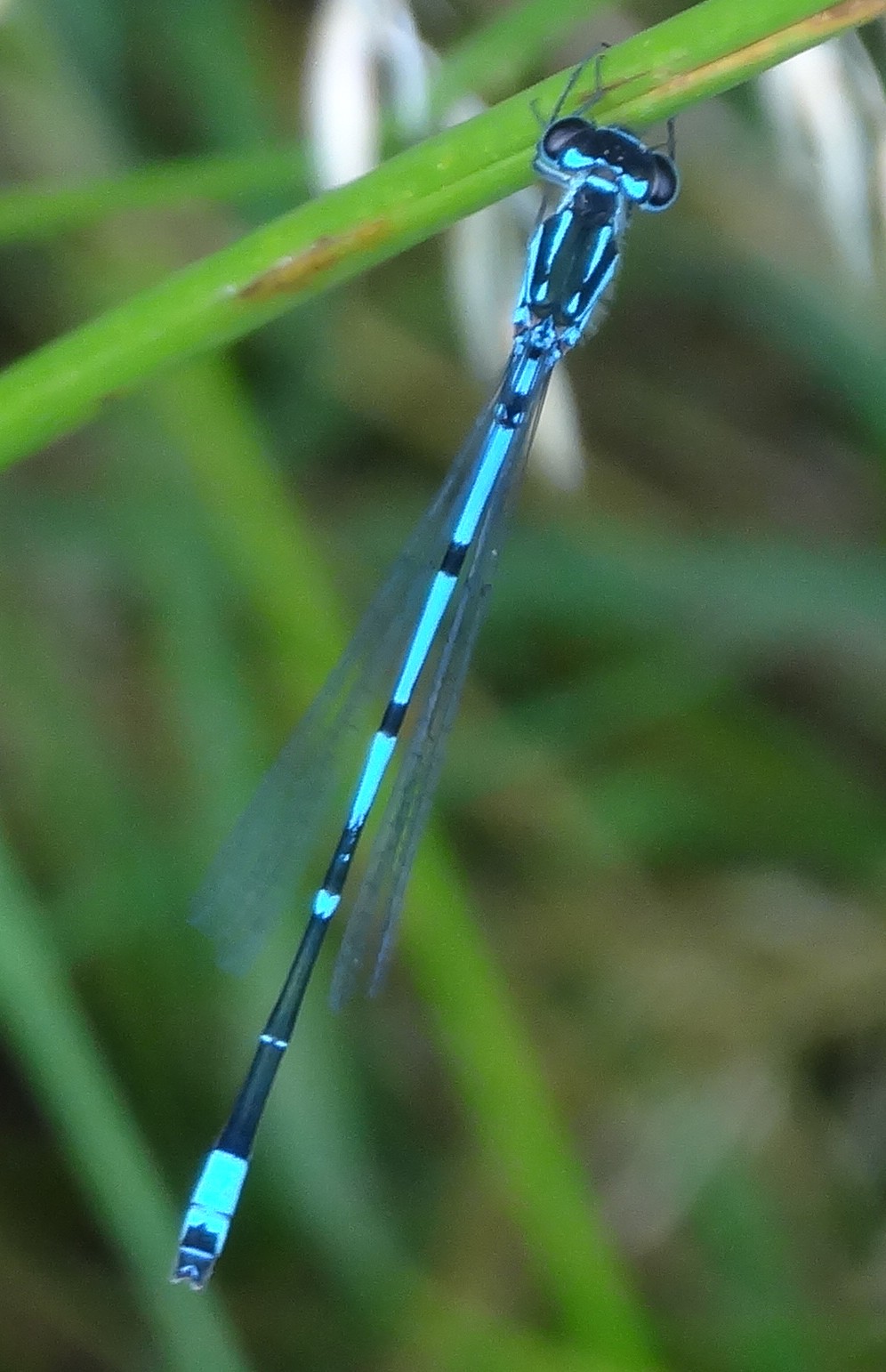
1. Variable damselfly
The male variable damselfly has a distinctive "wine glass" marking on the second segment of the abdomen. This is a black U-shaped mark with a black line joining the segment's narrow terminal black band. 

2. Downy emerald
It is metallic green and bronze in color, and its thorax is coated with fine hairs, hence its name. Like most other emeralds, the downy emerald has bright shiny green eyes. Adults are around 5 cm in length, and are in flight from May through July each year.
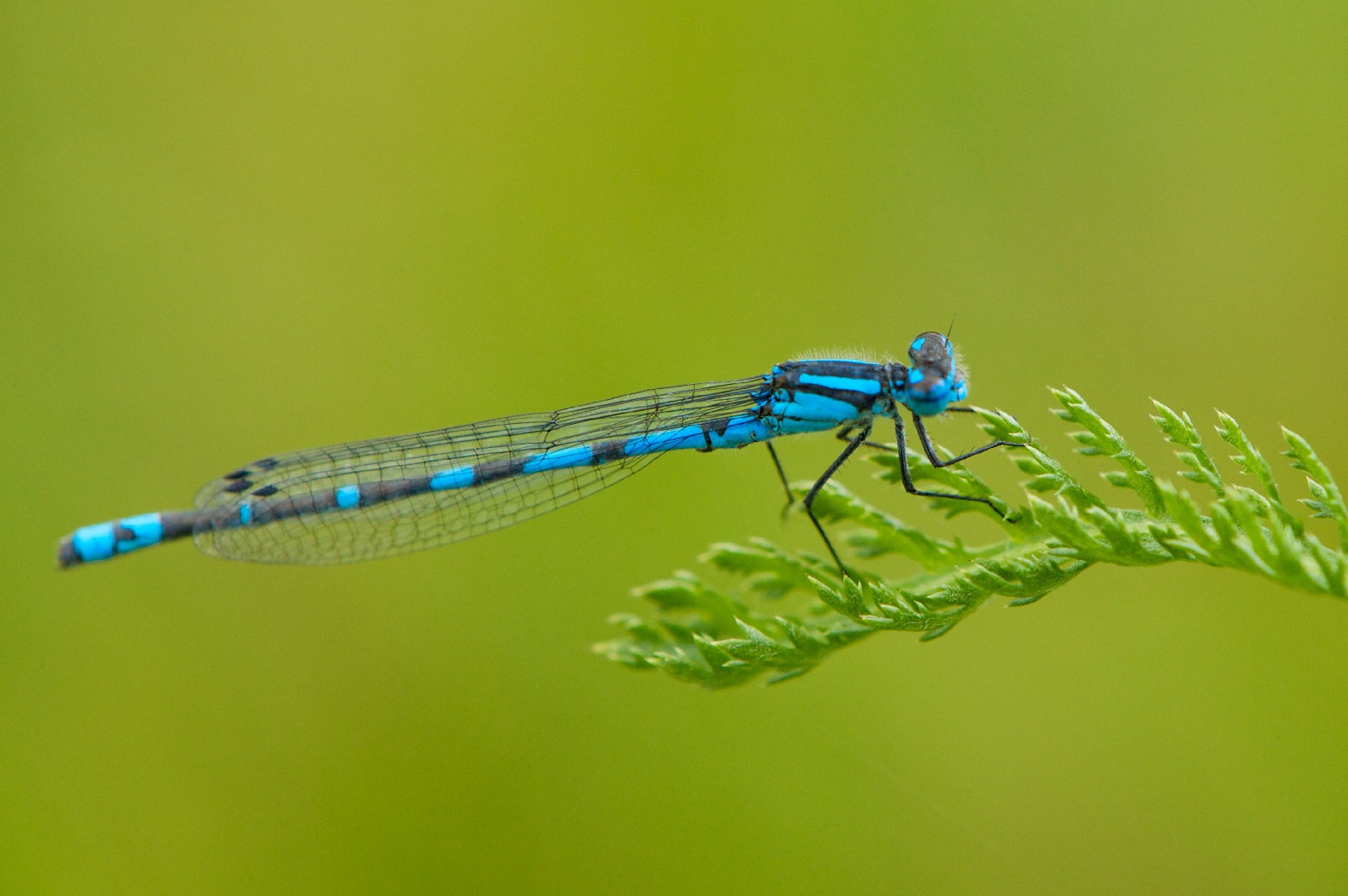
3. Spearhead bluet
Coenagrion hastulatum is 3 - 3.5 cm long.
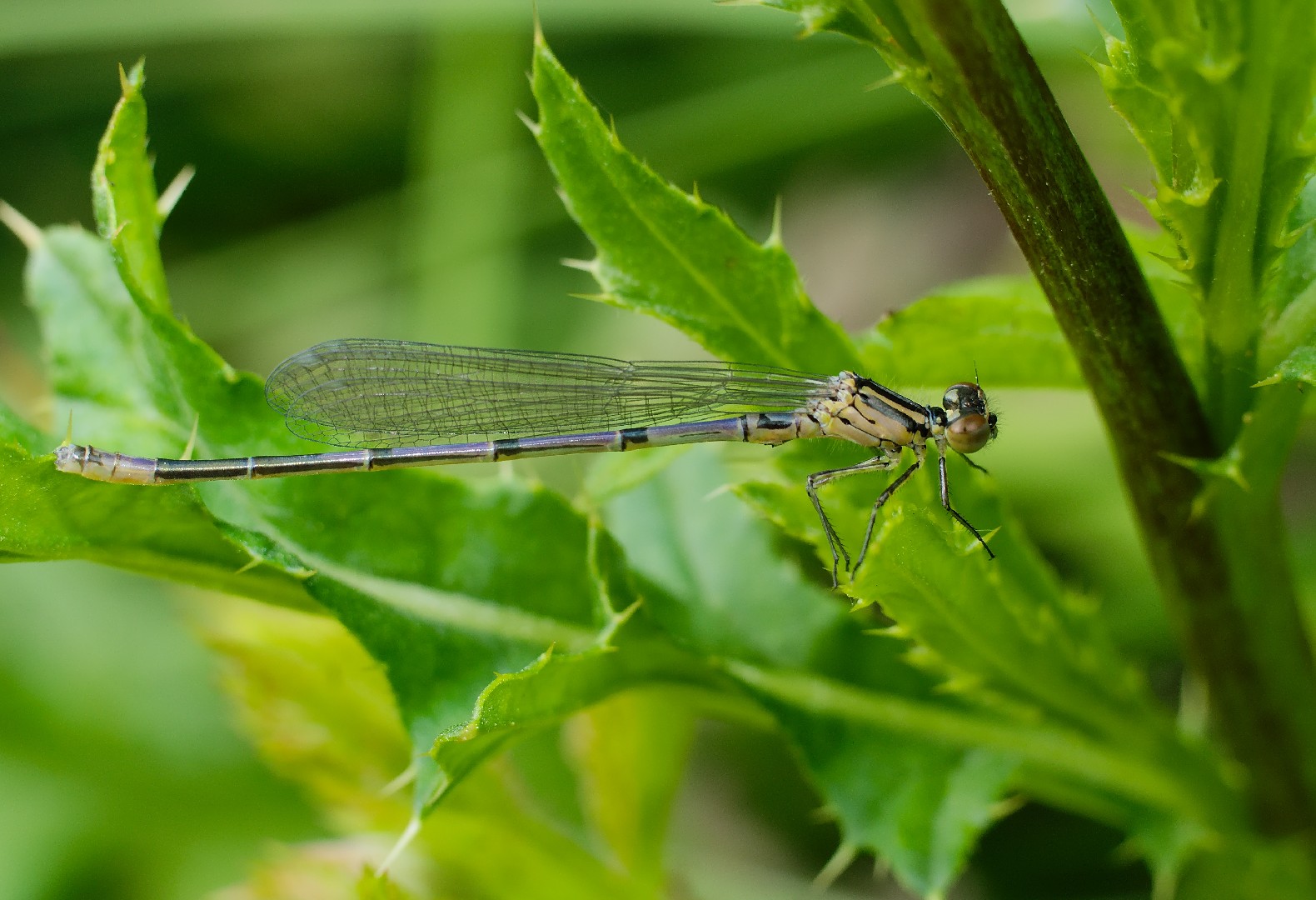
4. Azure damselfly
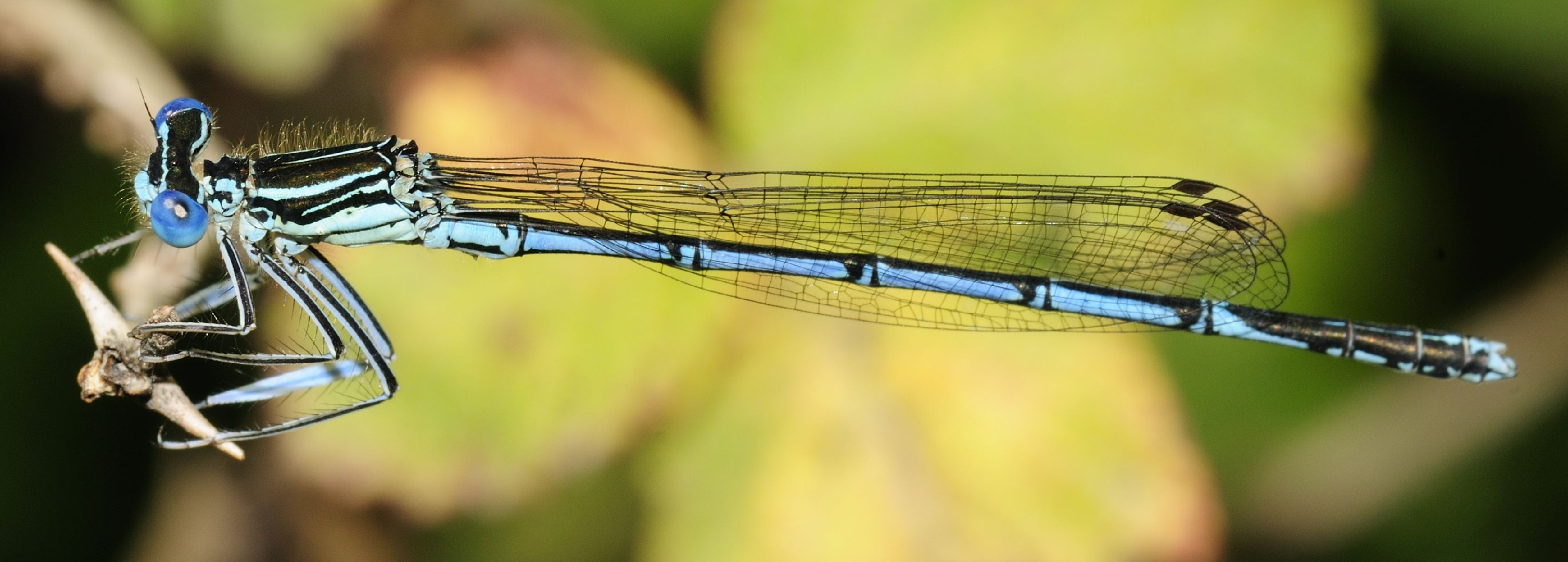
The azure damselfly (Coenagrion puella) is a species of damselfly found in most of Europe. It is notable for its distinctive black and blue colouring. They are commonly found around ponds and lakesides during the summer.
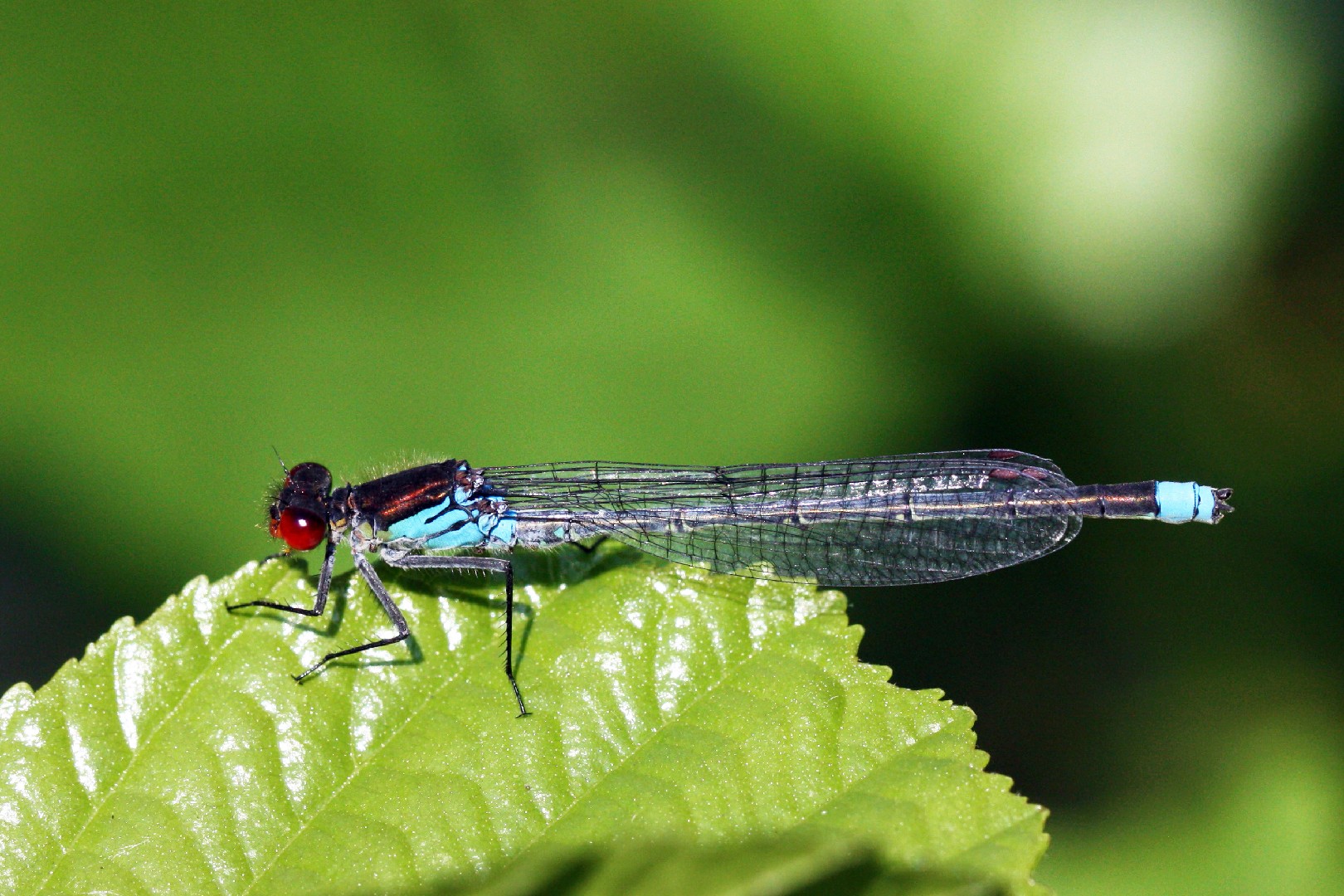
5. Red-eyed damselfly
The Great Pomegranate (Erythromma najas) is a dragonfly of the family of the Slate (Coenagrionidae). From its distribution, it is considered as a Euro-Siberian Faunenelement.
6. Four-spotted chaser
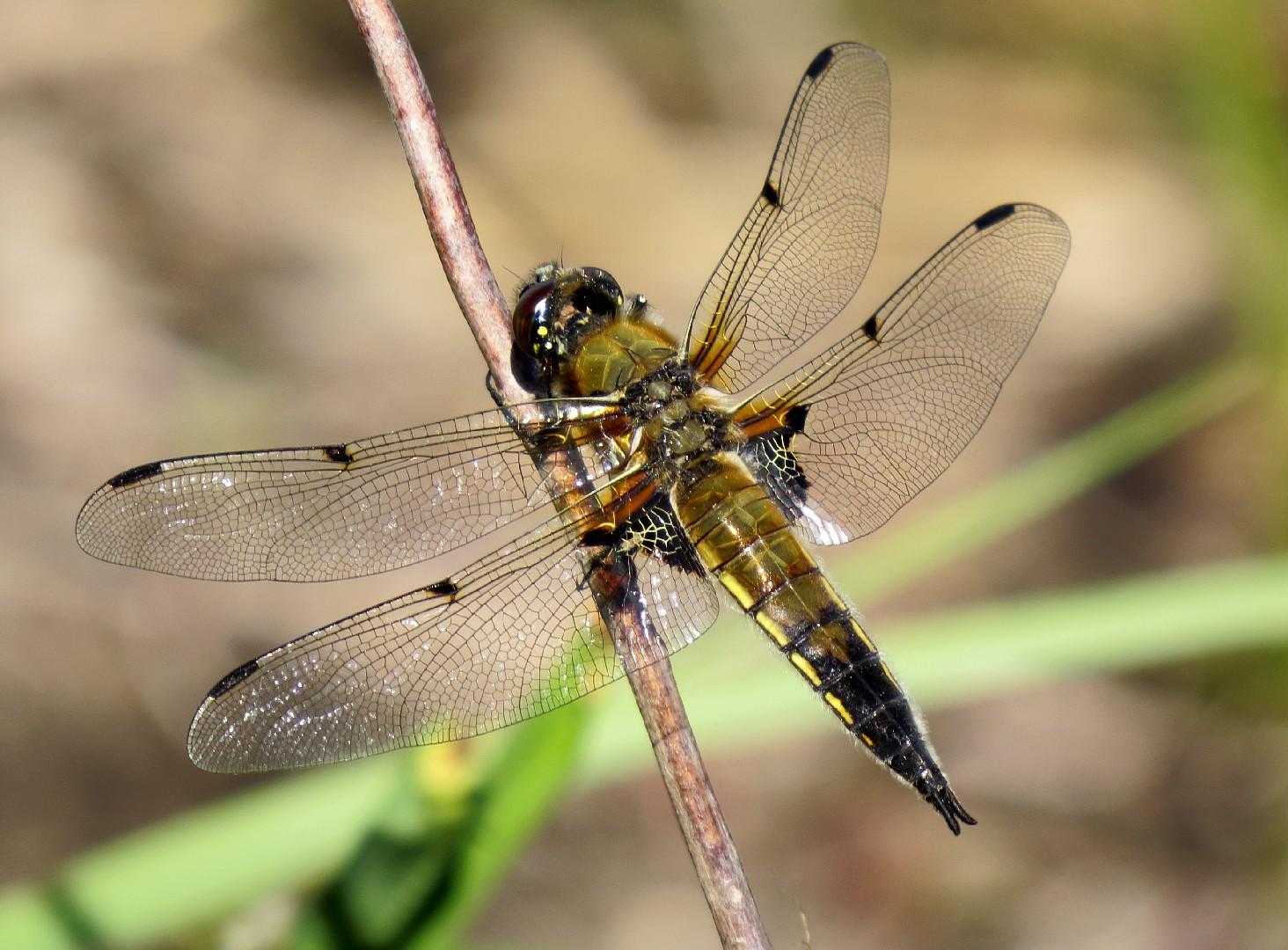
The four-spot (Libellula quadrimaculata) is one of the large dragonflies and reaches a body length of 4 to 4.5 centimeters with wingspan between 7 and 8.5 centimeters. Each of the four wings has a striking dark spot in the area of the distinctive transverse vein (nodus), after which the species received both its scientific and its trivial name. This dragonfly is also known for its mass migrations in swarms of impressive dimensions. The entire stock is not considered to be threatened.
7. Small tortoiseshell
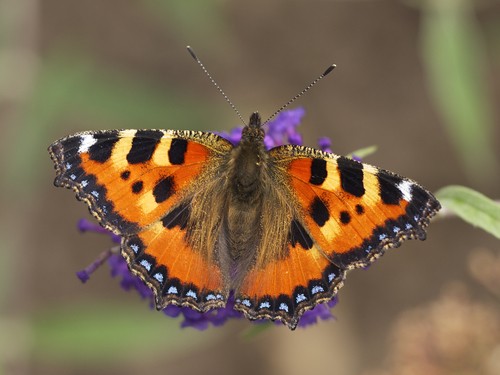
Small and colorful, small tortoiseshell (Aglais urticae) is the national butterfly of Denmark. However, it is capable of surviving anywhere the common nettle leaf may be found, which the larvae of this species depend on. Once among the most common butterflies in Europe and temperate Asia, this species is experiencing rapid declines for reasons still being investigated.
8. Ruddy darter
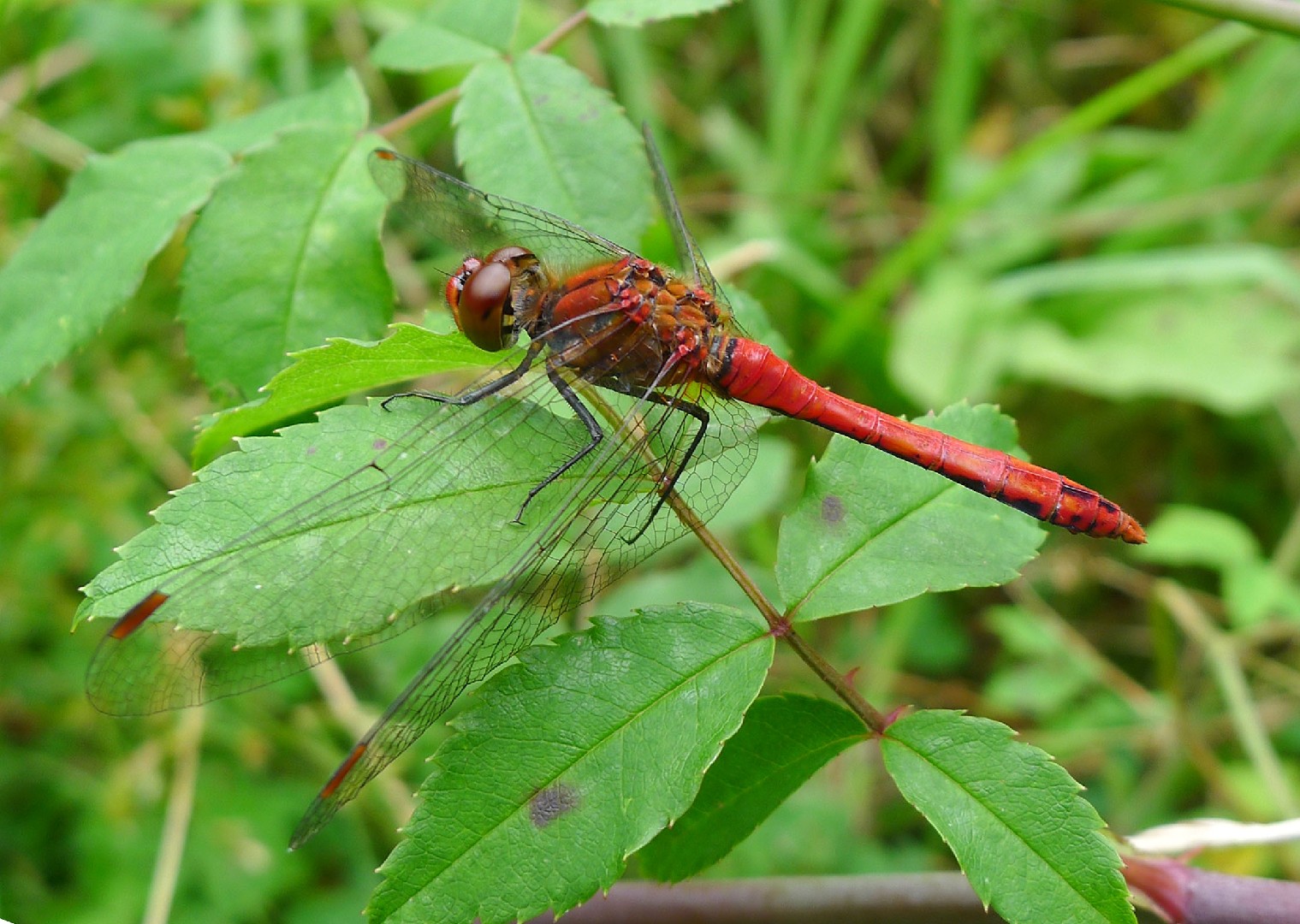
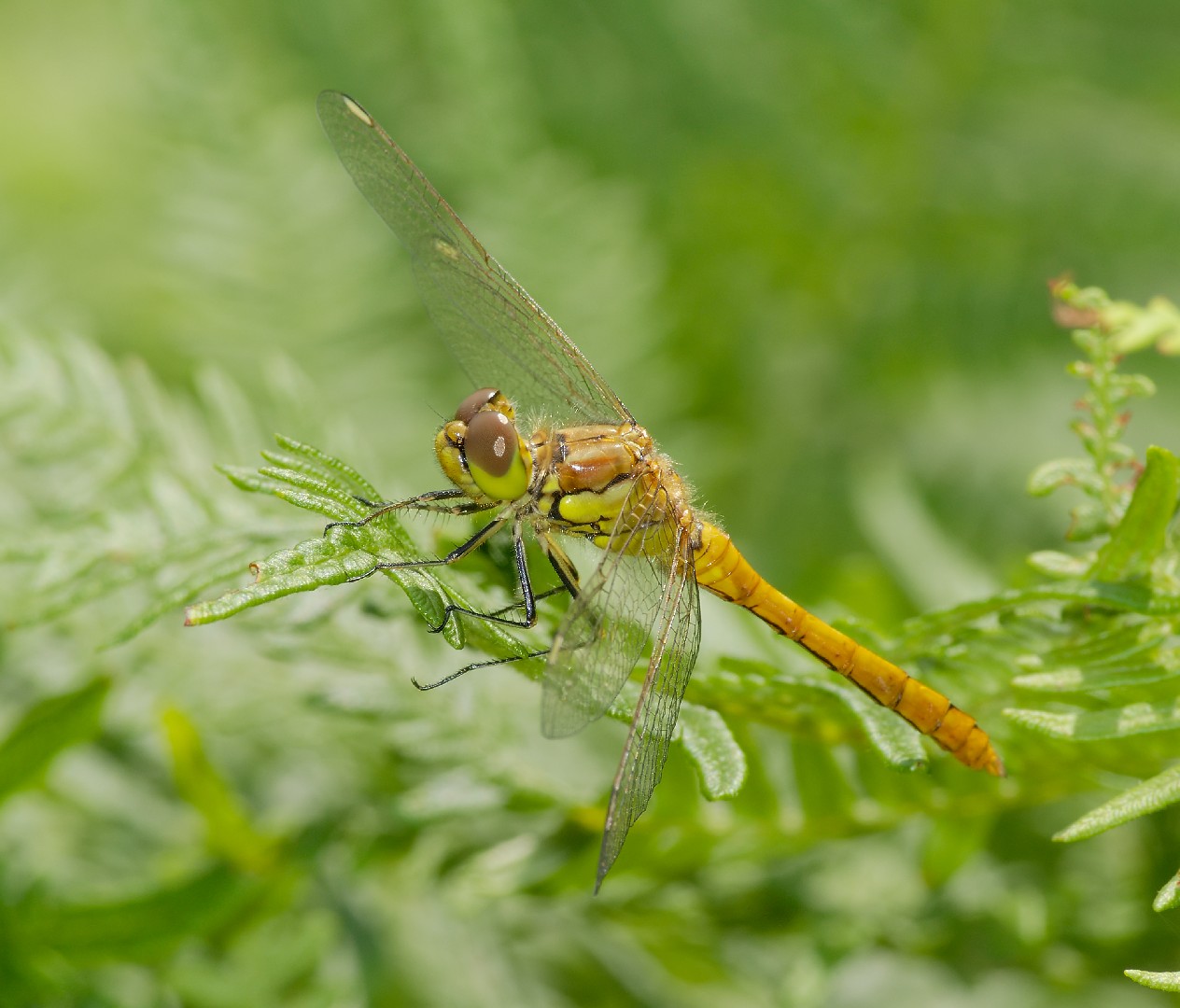
The ruddy darter can reach a body length of 3.5 - 3.5 cm and attains a wingspan of up to 6 cm. These dragonflies are smaller than the Common Darter. They have black legs and the wings show a brown pterostigma and an orange color at the base of the wings. Two evident black marks are located on segments S8 and S9 of the abdomen. The head, thorax and abdomen of the mature male are vivid red, while the female is slightly smaller, and is a golden-yellow colour with black markings. The blood-red color of the males develop with maturity, together with a red frons and a red-brown thorax. The abdomen widens for the final third of its length and shows a marked pinched section where it joins the thorax.
9. Blue-tailed damselfly
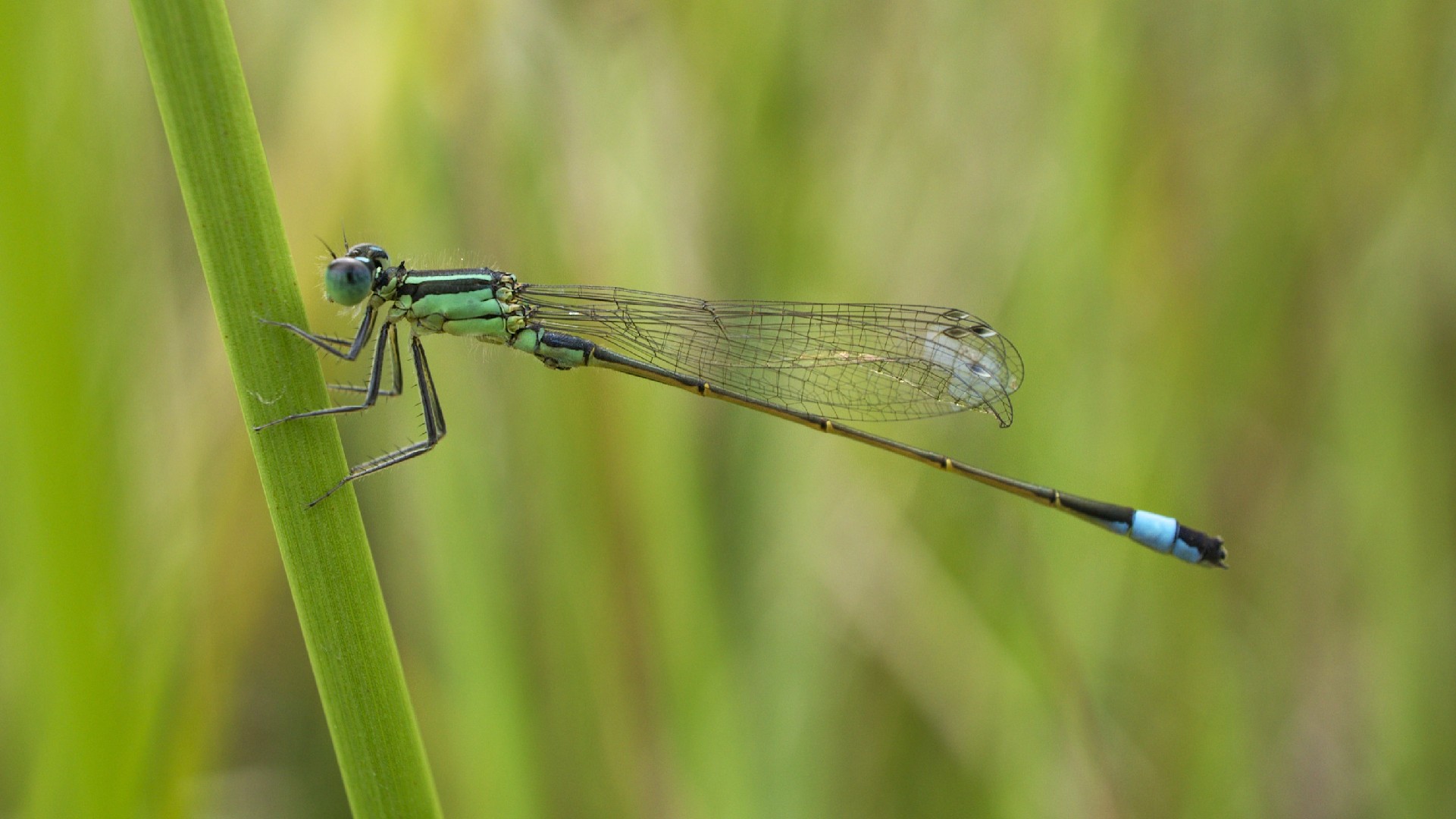
Ischnura elegans can reach a body length of 2.5 - 3.5 cm and a wingspan of about 3.5 cm. Hindwings reach alength of 1.4 - 2 cm. Adult male blue-tailed damselflies have a head and thorax patterned with blue and black. There is a bi-coloured pterostigma on the front wings. Eyes are blue. They have a largely black abdomen with very narrow pale markings where each segment joins the next. Segment eight, however, is entirely pale blue. At rest, the wings of most damselfly species are held back together, unlike dragonflies, which rest with their wings out flat. The thorax of juvenile males has a green tinge. Female blue-tailed Damselflies come in a variety of colour forms.Juveniles may be salmon pink, form rufescens; violet, form violacea and a pale green form. The colour darkens as the damselfly ages. Mature females may be blue like the male, form typica; olive green thorax and brown spot, form infuscans or pale brown thorax and brown spot, form infusca-obseleta.

10. Arctic bluet
The Arctic bluet (Coenagrion johanssoni) is a damselfly which is part of the family of Coenagrionidae.



More







