




Top 20 Most Common Insects in Ch'onan
Unlock an intriguing world teeming with diversity as we explore 20 common insects that reside in Ch'onan. From verdant forests to cultivated farmlands, unique geographical features of Ch'onan offer a variety of habitats influencing insect biodiversity. Insects are undeniably crucial for ecosystem functioning, playing roles as pollinators, decomposers, and sometimes pests. Unveiling the harmonious relationship between these tiny creatures and their surrounding environment helps us appreciate both the beauty and the complexity of nature.

Most Common Insects

1. Multicolored asian ladybeetle
Often confused for the ladybug, multicolored asian ladybeetle (Harmonia axyridis) is a separate species that, unlike the ladybug, is a household pest. It is considered particularly annoying for its habit of returning to places from which it is removed. One of the most variable species in the world, there are many different colors and patterns multicolored asian ladybeetle may display, making identification potentially difficult.
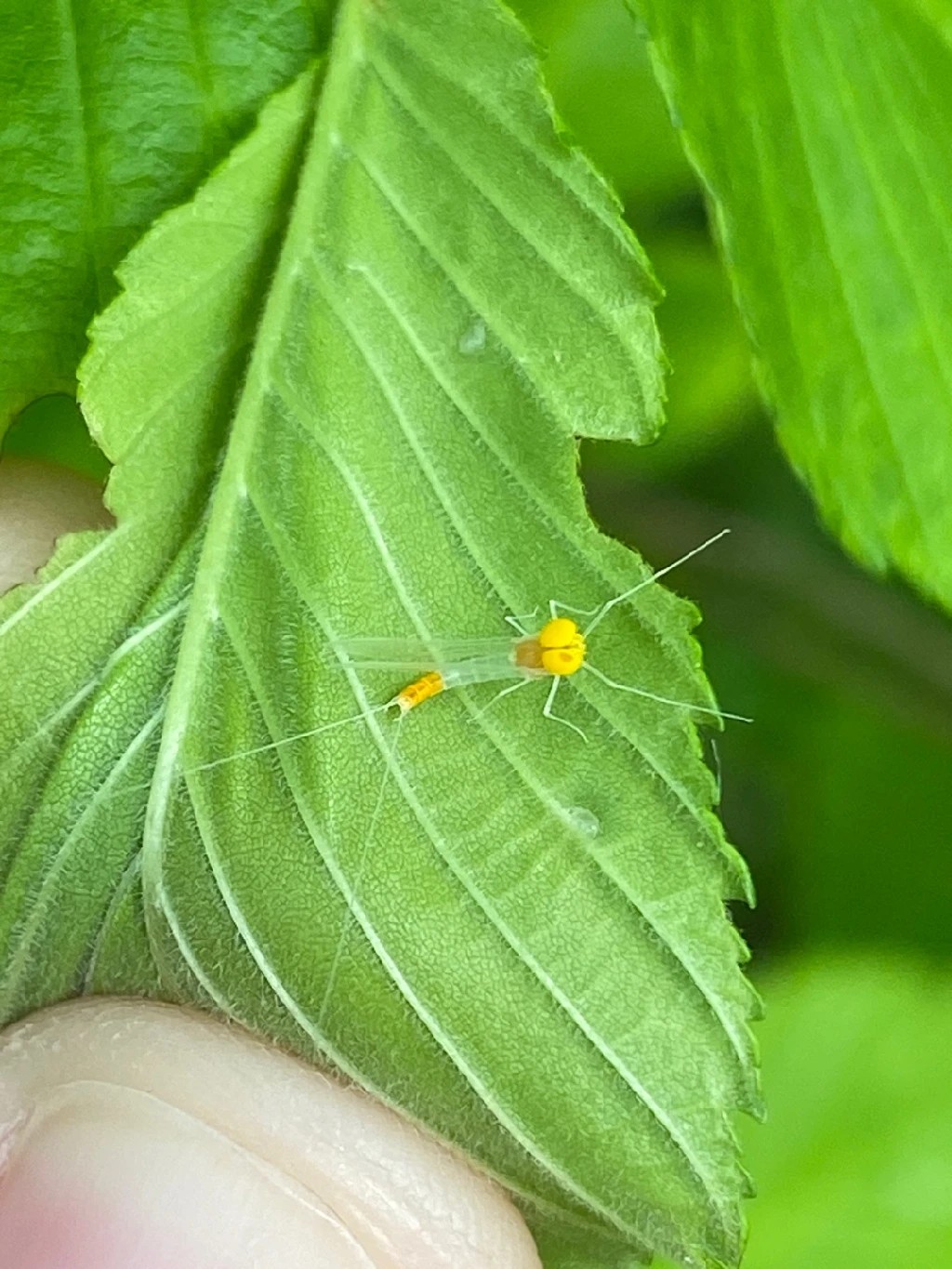
2. Pale watery
Baetis is a genus of mayflies of the family Baetidae, known as the blue-winged olive to anglers. There are at least 150 described species in Baetis. They are distributed worldwide, with the most variety in North America and northern Europe. 
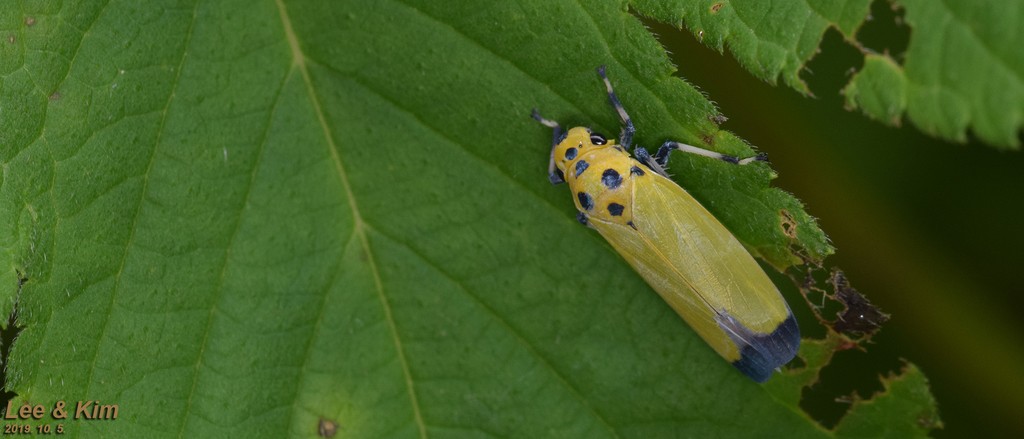
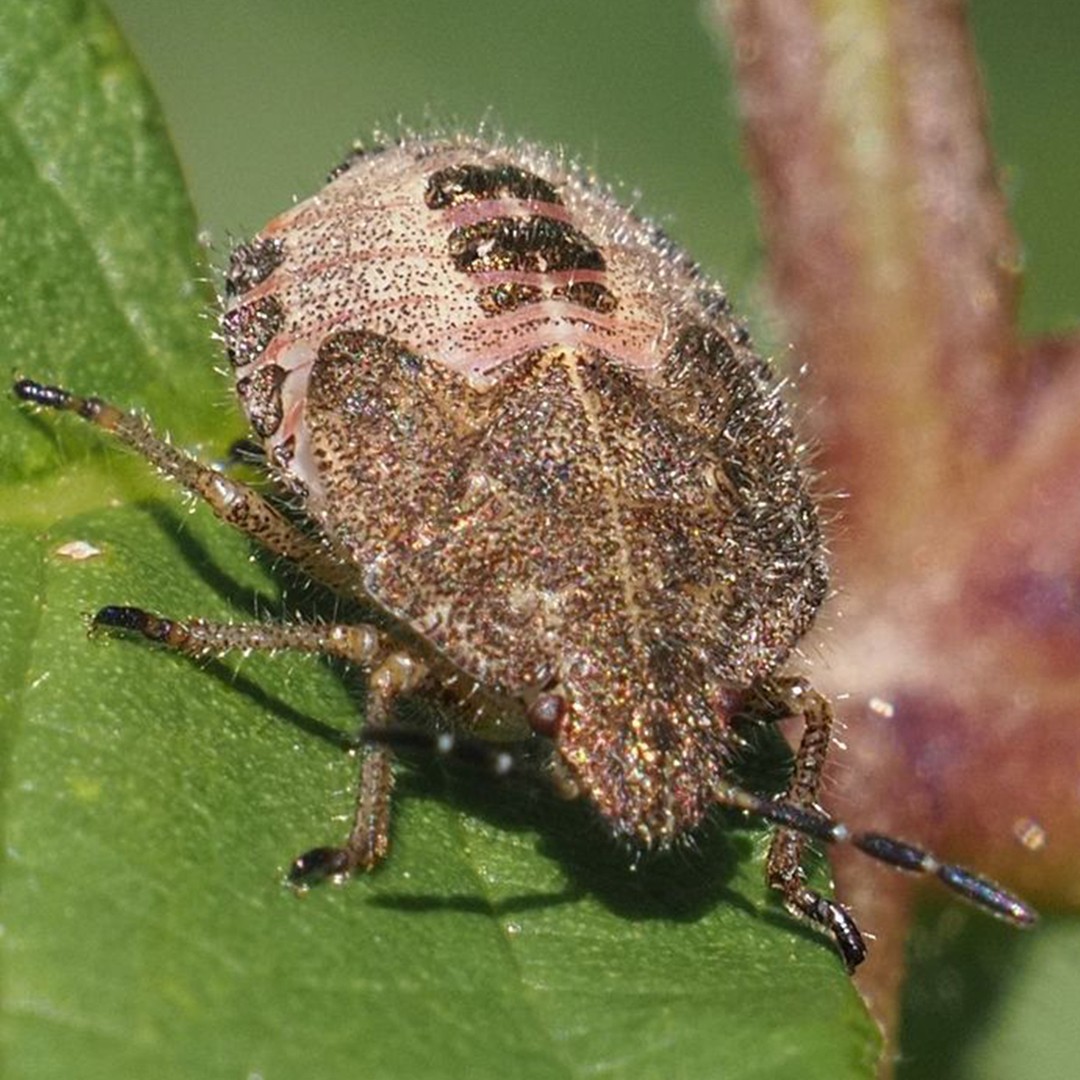
3. Black-tipped leafhopper
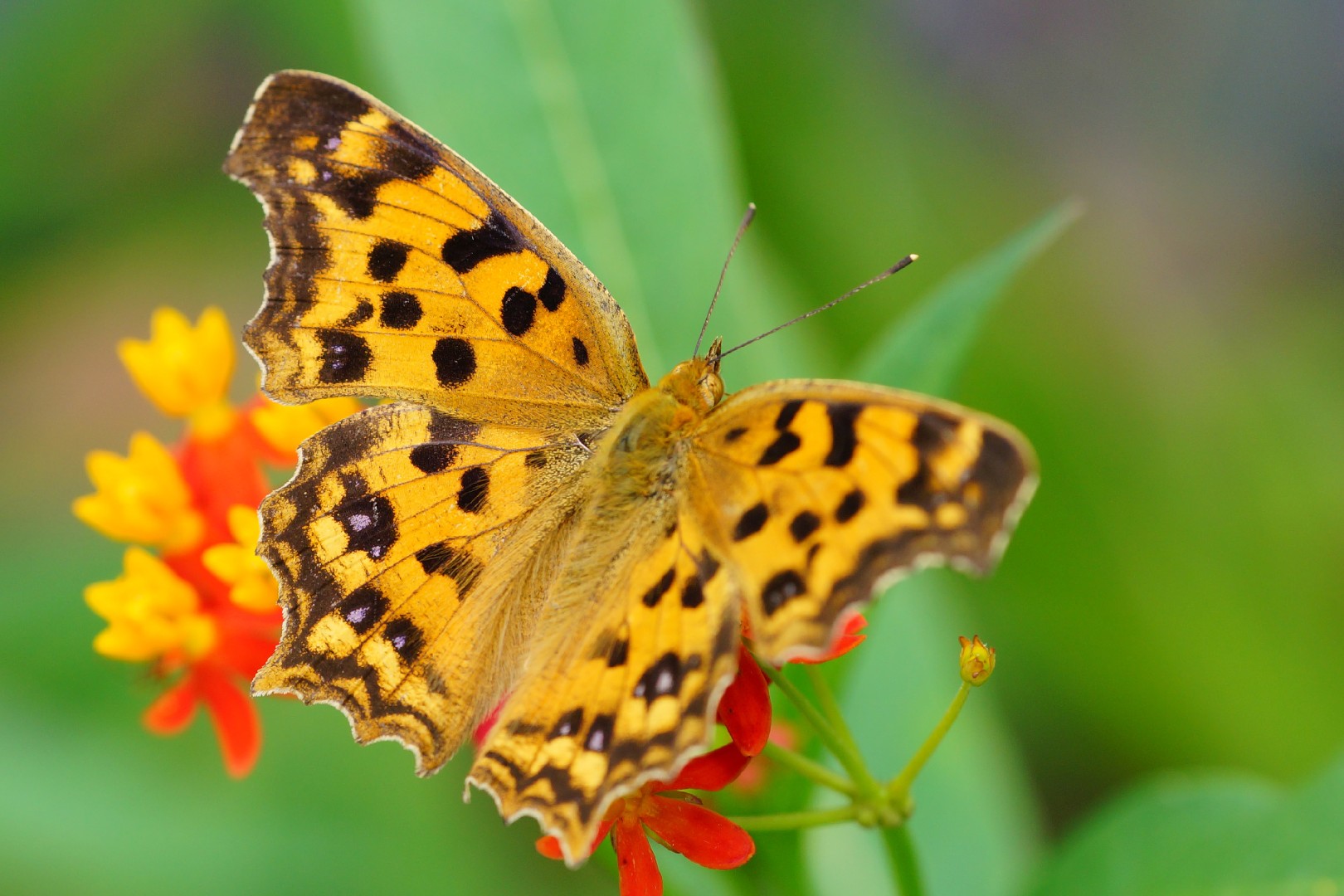
4. Asian comma
It has a wingspan of 2.5 cm. Wings are orange with black dots. The undersides of the wings is mottled brown (tree bark like) with a shiny comma mark on the center of the hindwing. The main difference with other comma species is that it has blueish markings on the bottom of its hindwing.
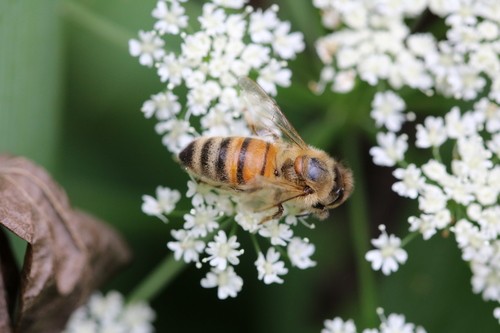
5. Western honey bee
Western honey bee(Apis mellifera) is the most common species of honeybee in the world. Among the first domesticated insects, its cultural and economic impact on humanity has been vast and far-reaching, providing honey, wax and its services as a pollinator. Western honey bee faces challenges worldwide, such as colony collapse disorder, and populations are thought to be decreasing.
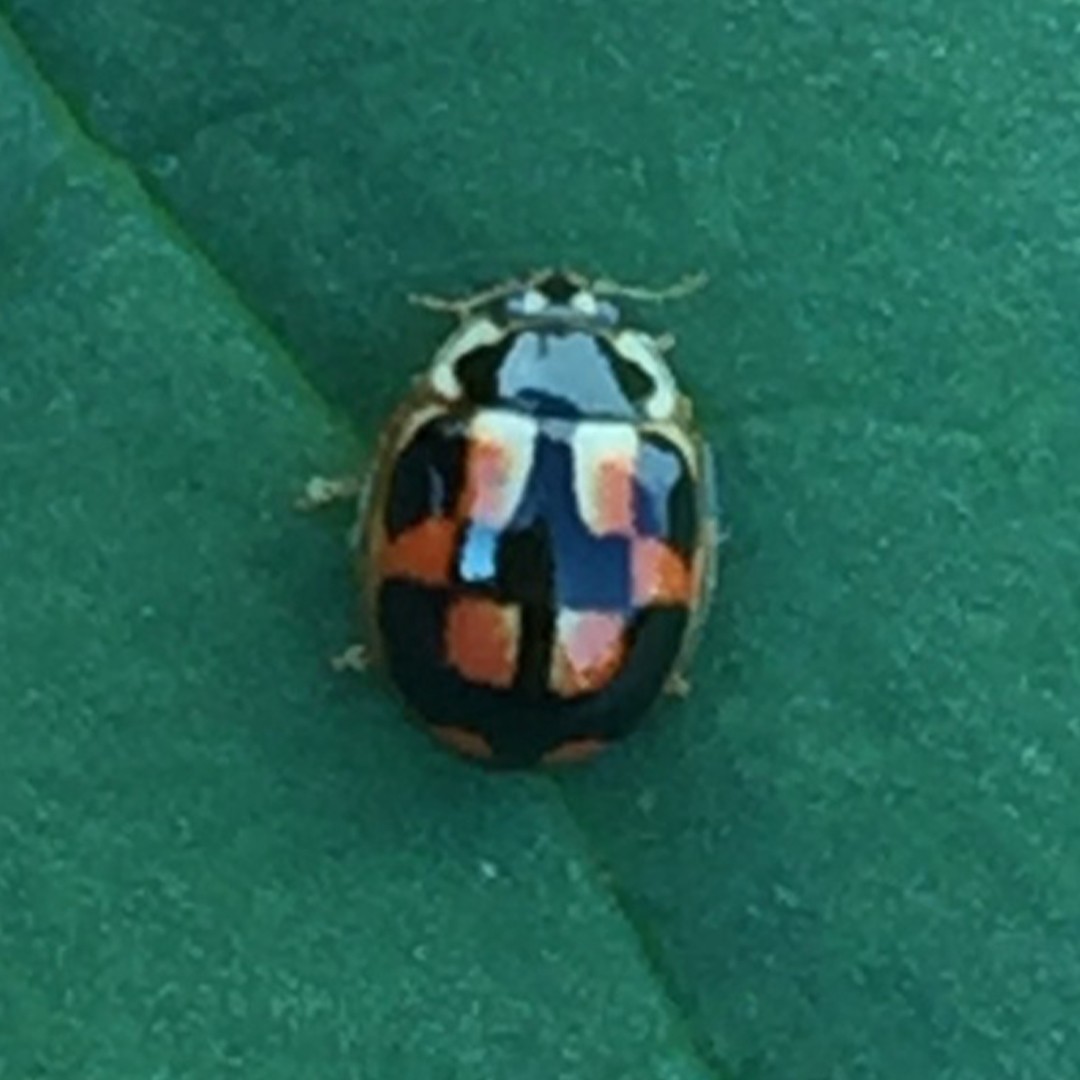
6. Turtle vein lady beetle
The turtle vein lady beetle an exceptional ability to resist certain pesticides. In the ecosystem, this beetle is a voracious predator of aphids, bolstering plant health. Intriguingly, it's observed to mimic ant behavior, likely to deter potential predators. This behavioral camouflage complements its role as a sentinel species, indicating environmental changes. Notably, its larvae are often mistaken for harmful pests, though they are crucial allies for gardeners in aphid control.
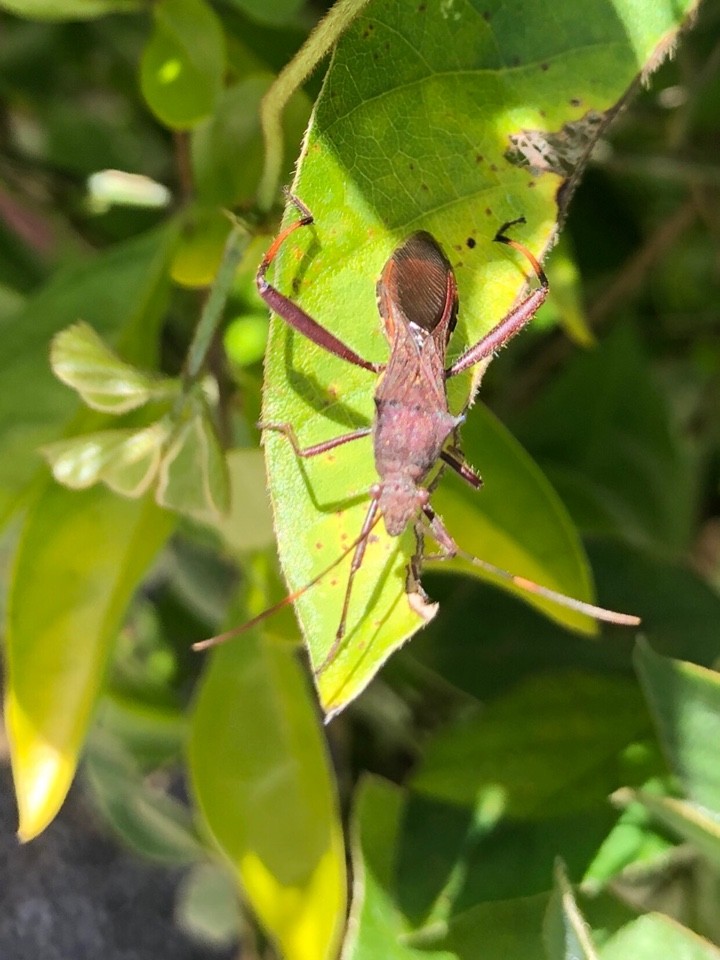
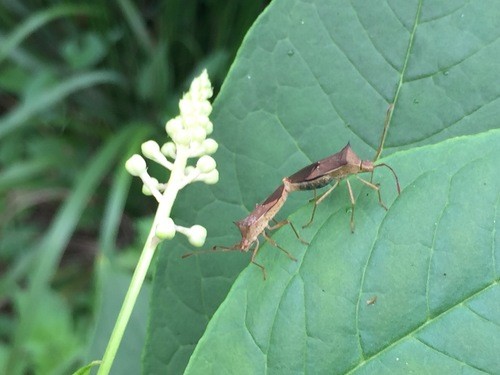
7. Bean bug
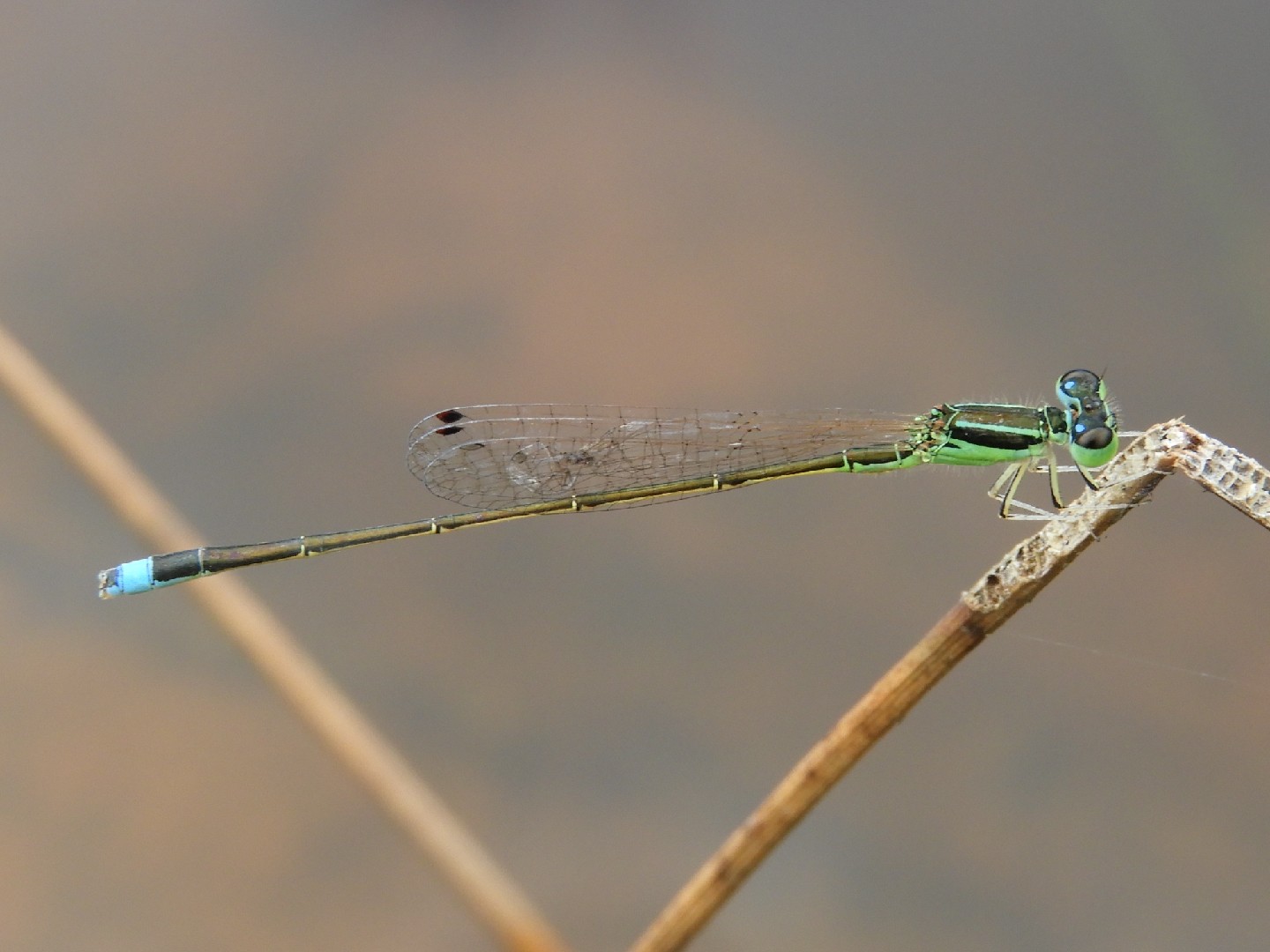
8. Asian bluetail
The scientific name of the species was first validly published in 1865 by Brauer.
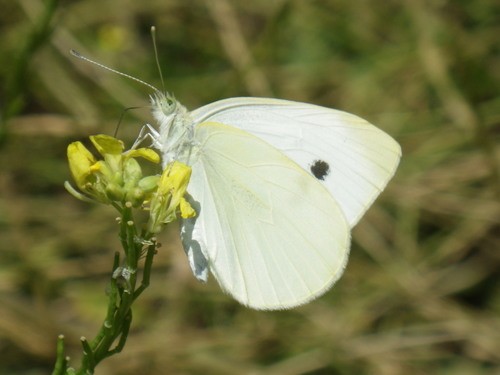
9. Cabbage white
Cabbage white (Pieris rapae) derives its common name from its habits as a caterpillar, which is a ferocious pest for cabbage, kale and broccoli farmers. In North America, it is one of the first butterflies to emerge in spring, heralding the beginning of the season.
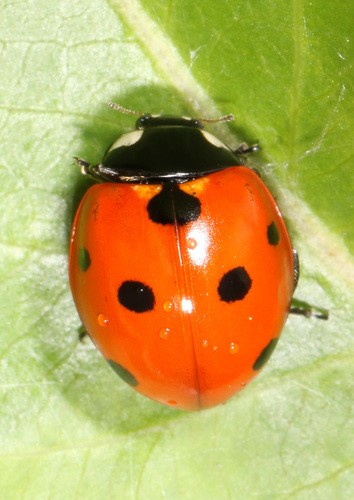
10. Seven-spotted ladybug
Seven-spotted ladybug (Coccinella septempunctata), known in North America as the "seven-spotted ladybug," is the most common species of ladybird in Europe and the official state insect of five U.S. states. While not native to North America, it has established itself there after being introduced to control aphid populations. Its bright coloring deters predators, and it may also play dead or secrete foul-smelling liquids to discourage consumption.
More